
A Complete Guide to Hand Tool Maintenance and Longevity
01
Introduction to Hand Tool Maintenance
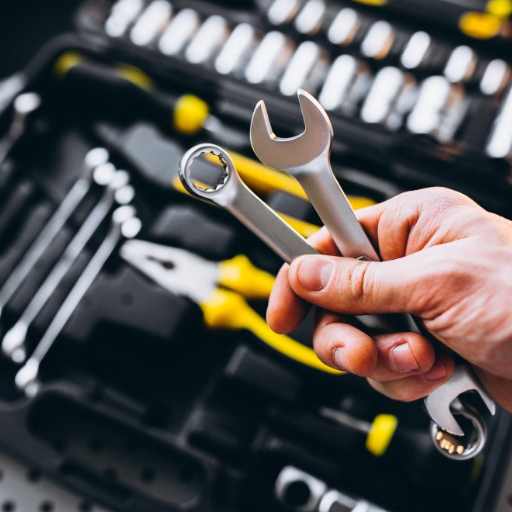
Maintenance of hand tools in a correct manner without any lapse is very crucial since the worthwhile use of these tools greatly depends on how well and how long they will last. Regular servicing helps to evade problems related to rust, blunt edges and wear and tear which results in malfunction and consequently makes it necessary to buy new tools. It is every tool’s owner desire to have good tools that consume little energy, are meant to prevent accidents and are also efficient in carrying out tasks thus saving time. Apart from that, looking after tools prolong their life so it is mandatory for all including experienced professionals and amateurs.
Importance of Maintaining Your Tools
In order to ensure the longevity of your tools for better functioning specific maintenance measures have been made whose importance must not be ignored. For instance, it is important to clean a tool after every use to prevent debris accumulation inside the inner chambers and ensure the durability of the tool. As regards cutting tools, one must provide regular sharpening since it is paramount to have the tool cut effectively with little effort applied. Not only that, but also for any friction prone areas such as hinges or gears, lubrication is an essential process to ensure that damage does not result and enhance efficient movement of the affected areas.
Storage plays a significant role in the maintenance of equipment. Machines should be kept in a well-ventilated and dry environment, usually in those that are specially designed. Whether in any suitable protective equipment for transport or in tool boxes, it is useful if the arrangement is such that it is easy to find what one is looking for and to avoid wear. Furthermore, checking of the tools should also be carried out at regular intervals in an effort to avert cracks, misplaced screws and exposed electrical wires.
Abiding by the above practices is not only helpful for making sure that equipment performs maximally and effectively but also is another fragment of occupational health and safety training. Once obedient participants to safe practices, the management is responsible for such an infrastructural change that fully prevents tools from malfunctioning at critical moments of work. Maintenance, or the act of willingly servicing tools, is therefore a form of both an active sustainability and a cost-effective approach to increase efficiency over time.
Overview of Tool Care Techniques
| Key Point | Description |
|---|---|
| Regular Cleaning | Remove dirt, debris, and rust from tools routinely. |
| Lubrication | Apply appropriate lubricants to prevent wear and corrosion. |
| Proper Storage | Store tools in a cool, dry, and organized location. |
| Inspect for Damage | Check for cracks, frayed cords, and loose components. |
| Sharpening | Maintain sharp edges on cutting tools for optimal use. |
| Calibration | Ensure precise measurements by calibrating tools regularly. |
| Use Correctly | Operate tools only as per manufacturer specifications. |
| Avoid Overloading | Do not exceed a tool’s designed capacity or tolerance. |
| Protective Coatings | Use coatings or treatments for rust and corrosion prevention. |
| Replace Worn-Out Parts | Swap faulty parts to maintain functionality and safety. |
Understanding Hand Tool Lifespan
The lifespan of hand tools is dependent on a number of variables, most significant of which are the quality of material, the frequency of use, maintenance schedule and climatic conditions in which the tool is used. Tools made out of premium quality materials – such as heat treated steels, wear resistant or corrosion resistant alloys and the like – are known to be durable and thus remain in use for a longer period of time. Protracted spells of unwarranted humidity or excessive temperature also fast-track the wear and tear process, especially on tools that are not well protected.
Utility of proper maintenance services cannot be underestimated in the aspect of enhancing the period a tool is used within a given period. Performing activities like oiling movable components, timely tool sharpness procedures, proper tool storage which will avoid all sources of physical damages keep the premature failure chances on the minimal. It is also worth noting that another aspect of stress management and prevention of wear and structural failure of components is the use of tools in the recommended normal working loadings.
Practicing preventive maintenance especially for formal setups requires the establishment of maintenance schedules and recordkeeping on testing as well for best results. By utilizing the above procedures, there is an increase in the efficiency of any handheld tool as opposed to simply hastening the cost of frequent replacements.
02
Inspecting Your Hand Tools
To make sure that hand tools are used securely and properly, it is suggested to start with a visual inspection. For example, one should look out for any clear surface distress in the form of damage such as cracks, rust or wear. Other areas to keep an eye for are the state of the wooden handles whether they have splinters or cracks and the state of the rust for the metal parts. Remember to check if any movable element, such as adjustable jaws or hinges, is functioning with ease and not causing obstruction as a result of change of position. Caution should be taken to ensure that any screws and other fasteners are tightened whenever necessary.
How to Properly Inspect Your Hand Tools
If you are looking at the hand tools in a very systemic way, there are a number of general issues to look out for in order to guarantee maximum performance and security. First of all, inspect any metal fittings to determine whether there are any signs of corrosion or pitting on the surface of the tool, since corrosion on the handle could make the tool weak. Rust is a major problem especially on the surfaces that are prone to cutting and gripping, should be dealt with immediately to prevent surface damage. Check also the hammers for dents, the handles for cracks, splinters or any other forms of wear and tear mainly on tools with wooden or plastic grips as these materials may not have enough strength in them and deform under stress and exposure to harsh conditions.
Assess the tool’s performance using standardized testing beyond the aesthetics it provides. This can be confirmed by evaluating features such as cutting edges’ sharpened or misaligned functions, since the last two may affect users’ comfort in use and increase their efforts which may lead to injury boundaries. Another thing you want to confirm involves if pivot pins, inner and outer springs or locks can be locked and released easily. If there is locking or malfunctioning equipment it could point to internal damage or requirement of lubrication. The last step would be to arduously verify that the size and fit of the tool correspond with the set industry standards or specifications of the designer.
Common Issues to Look For
Degradation due to use and corrosion factors represents some of the most common troubles when it comes to hand tools. Those with a likelihood of coming into contact with water or chemicals, for instance, wrenches, pliers or screw drivers have the most potential exposure to corrosion and pitting, weakening the grip and the structure in the process. Owners, on the other hand, also has to examine the finish and appearance of parts with cutting edges or teeth meant for gripping as it will be degrading with time.
In spite of how components are worn out or the material deteriorates, mainly the handle, it happens mostly with wood, plastics or new material which is a composite. Wooden handles are likely to suffer from splintering, wear and tear or became weak as a result of environmental issues and their inherent properties. Whereas plastic or composite handles can become too hard and easily break or shrink when subjected to heat especially the handles that have experienced extended exposure to sunlight.
Screws and rivets commonly used to bolt handles and heads of tools are frequently safety inspected. Every day for such will give indication of wear as also failure stages. If the said fasteners are in such a condition then it is an alert of there being a wear and a potential problem. Adjustment problems like a bent head on an adjustable wrench and a bent, sheared blade on scissors that are off the mid-axis, indicate misapplication or material fatigue. Finally, the most frequent causes for malfunctioning precision tools like torque bars and calipers are incorrect settings within the tool. It’s therefore necessary to do regular recalibration and observe the preventive maintenance plans to ensure that these tools are performing up to the expected standards.
Frequency of Inspections
The frequency of hand tool inspections are governed by three factors, namely tools’ usage, environment, and the importance of those particular tools. In cases of tools with high utilization in everyday activities, such as construction, production, hand tools need to be visually inspected for wear, damage and the degree of calibration, before their utility every time. In case of moderate utilization for working with the tools every day, the instruments should be checked once a week. Once a month an important check is done to assure that all parts are in good condition and meet the safety standards.
Extended use tools such as those in harsh conditions – either extremely hot or cold environments or those that are exposed to water or are eroded – would naturally require more frequent examinations in that they tend to degrade material properties much faster. Many universal regulations as well, provided by bodies like OSHA and ANSI, call for the development of specific inspection policies, and, also, a prevention of any functional problems as well as conformance to safety rules within the sphere of work implementation.
Daily
High-use tools in construction & production environments
Weekly
Moderate-use tools in regular everyday applications
Monthly
Full safety check for all parts meeting safety standards
03
Cleaning Your Hand Tools
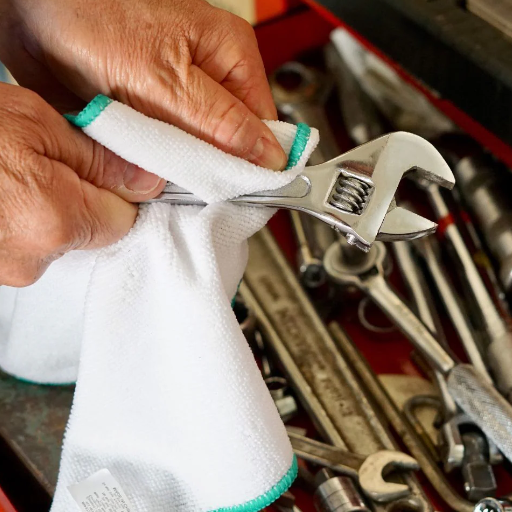
An effective way of sparing hand tools from corrosion and in the meantime ensuring their utility is through maintaining cleanliness. Start by wiping the tools with a cloth to eliminate soil and dirt from its surface. In order to make ester grime softer; use soapy warm water to clean all the areas in reach. Ensure that wetness is relieved by drying out such tools soon after their use. In extreme cases where the hand tool has a coat of rust and needs to be removed exert little pressure with a wire brush or alternatively rub with vinegar solution after wards use a light layer of machine oil to coat the rust. It is therefore paramount that such tools are kept in a dry place and especially once they are in use and already wet there should be no debris on them so as to increase their shelf life.
Best Practices for Cleaning Hand Tools
An essential part of ensuring that tools serve a person for a long time is the usage of various advanced maintenance approaches, in addition to regular cleaning activities. It is imperative that regularly used tools undergo sharpening intervals especially for those cutting tools like chisels, pruners or snippers. Employing a sharpening stone of a high tuft or a diamond file, one should sharpen maintaining the angle suitable for the sharpness of the sharpened tool. Moreover, carry out periodical checks on wooden handles for any demarcation points and scratches and buff them accordingly, and if necessary smoothen with linseed oil so they do not dry and crack.
When handling power tools, lubrication is a crucial aspect to look into; targeted at components or sections that are movable and this lubrication is the. It is also important to take on only the preventive actions where a recommended lubricating oil is used from a manufacturer. Sometimes, it is better even more delicate restoration the corrosion on metal assemblies can be better addressed by using electrolysis than by removing it physically. And if there are some screws, bolts or seals which are badly worn ensure that they are properly restored or replaced since they can be a risk to one’s safety when at work. By adhering to such detailed procedures, it is easy to make sure that tools do the job well and more importantly, retain their performance for longer durations.
Tools and Materials for Effective Cleaning
Of great significance in the cleaning of hand tools, is the selection of the right tools and materials as proper tools play an important role in the cleaning process and proper tools ensure the life of the finished product. A combination of gentle solvents which are isopropyl or the readily biodegradable types can get rid of the Dirt endlessly without harming the tools original appearance. For washing, the recommendable brushes are the strong, abrasive nylon or brass because these have less potential for scratching the metal or its finish. In order to polish and clean sections of tools and equipments properly, it is advisable to use microfiber fabrics as dirt residues cannot be left on objects and it help in maintaining the shininess of such objects.
If rusting is a problem not to worry there are highly efficient, rusts remove convertors or specialized rust removal gels, that do not involve removal of the surface. If the surface greatly has corroded, one may try fine steel wool coupled with a lubricant to fix the broken tool. Compressed air systems or small vacuum cleaner attachments often prove to be necessary to do away with the particles lodged in crevices or intricate components like gears. The proper use of these materials and procedures will enhance the working and providing qualities of hand tools besides preserving their design contours accurately.
Recommended Cleaning Materials
- Isopropyl or biodegradable gentle solvents for surface cleaning
- Nylon or brass abrasive brushes for scrubbing without scratching
- Microfiber fabrics for polishing and residue-free drying
- Rust remover convertors or specialized rust removal gels
- Fine steel wool with lubricant for heavily corroded surfaces
- Compressed air systems or vacuum cleaner attachments for crevices
Preventing Rust and Corrosion
In order to successfully prevent the formation of rust and corrosion in hand tools, it is important to act in advance and use preventive measures. It requires to keep the hand tools in appropriate conditions. Such places would usually control the moisture and temperature levels. One may simply use the gel bags or a dehumidifier in such storage areas to suck up the moisture fast as that is usually the primary cause of corrosion. One could also put some protective layer on metal items in such a way to hold them in case the oxidase enzyme present on the metal surface. It is also profound that the machines and the tools equipment are properly cleaned removing even dirt or grease or any form of water as any of these tends to advance the rusting quicker. For longer storage durations, it is advisable to apply different types of vapor corrosion inhibitor (VCI) commonly referred to as desiccant, in the form of paper, stretch, or shrink films to the surfaces to be protected. These steps will aid the smooth operation and optimum capacity use of all hand tools hence minimizing the cost of maintenance in the long run.
04
Sharpening Techniques
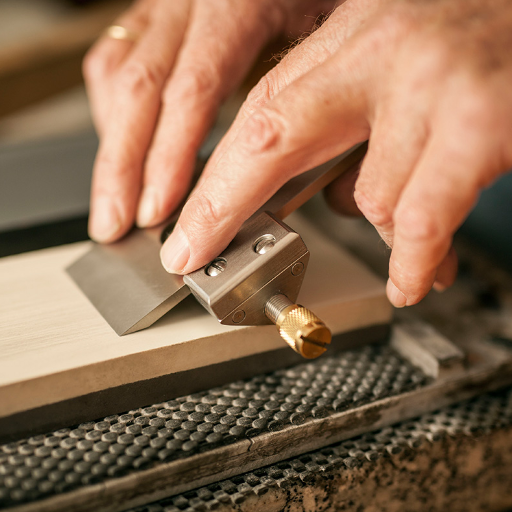
There is no alternative but to sharpen objects made of steel, because blunt kitchen knives and scissors are useless. Select the tool you would like to enhance so that it does not move while you are working on it by putting it in a clamp or an equivalent tool. It is advisable to employ a whetstone or a diamond plate in order to re-profile a ‘worn’ edge/make a new edge. It is more effective to soak the whetstone or diamond coat in a certain kind of lubricant (honing oil or water) to smoothen the surface and enhance the performance. With more edge retention due to a finer and yet appropriate sharpening angle of between 25 to 30 degrees, this, along the cutting technique will give the cutting in terms of quality, the needed performance.
When to Sharpen Your Tools
It’s wise to make sure that hand tools are in good working shape at all times especially if they are blunt and cutting is harder, results are spoiled, and they require more energy to use. For example for chisels and plane blades used on hard wood it is more often compared to softwood where you need to sharpen them after a long time. An essential habit is inspecting the tools just before they are utilized and again at the end of the current work looking out for chips, dullness or rounded thinning of their cutting edges. The edge durability of the cutting tools enhances its utilization in the field due to the reduction in wastage.
Most areas in the industry are quite clear on the fact that properly sharpened tools, mostly metal cutting tools wastes less resources and enhances accuracy into production. On the contrary, where no attention is paid to countering its effects, such wastages will escalate. Consequently, a well maintained schedule of sharpening machinery and appliances can greatly improve, help create and preserve efficiency of a particular piece of equipment.
Methods for Sharpening Hand Tools
Sharpening hand tools is a category of activities that have been made much more versatile with the development of the whetstone. These whetstones are readily available in different grid attributes, typically from coarse (rated between 200-400) to fine (1000 and beyond) which enables one to have controlled sharpness of blades on due industrial processes. While sharpening a knife on a whetstone, the cutting edge should be positioned at a certain angle- usually between 20 and 25 degrees for soft steels. Steady strokes of the blade should be made over the surface of the whetstone. Soaking water stones for about 10-15 minutes as experts advice then applying light oil to keep the lubrication and avoiding its clogging for oil stones.
A leather strop is recommended after sharpening to achieve the finest edge possible. This is usually done with the use of polishing compounds which give the shine or the smooth texture to the edges after sharpening. This process called stropping help to get rid of burrs that are microscopic in size and it also makes the blade sharper. The process of stropping regularly also reduces that frequency with which a blade has to be re-sharpened.
There are currently modern technologies that have been introduced for sharpening purposes, including the use of bench grinders, sharpening jigs and variable-speed wet grinders. The main benefit of these tools is the fact that they help to sharpen edges, an especially important technique when trying to start from scratch an edge that has been largely obliterated. On the other hand, new devices are emerging in sharpening technology such as the diamond embedded system. Its incorporation has made it more effective and long lasting for abrasive cutting, thereby making it now desirable for most professional and other industrial applications.
Sharpening Process — Step by Step
- 01.Secure the tool in a clamp or equivalent fixture to prevent movement during sharpening.
- 02.Select a whetstone or diamond plate appropriate for the tool’s condition (coarse 200–400 for damaged edges; fine 1000+ for maintenance).
- 03.Soak water stones for 10–15 minutes; apply light honing oil to oil stones to prevent clogging.
- 04.Position the cutting edge at 20–25 degrees for soft steels, or 25–30 degrees for harder tools such as chisels.
- 05.Make steady, consistent strokes across the whetstone surface, maintaining the angle throughout.
- 06.Finish on a leather strop with polishing compound to remove microscopic burrs and refine the final edge.
Maintaining Edge Longevity
To make sure that the sharp edges last, they are given the following basic rules. The obvious one is maintenance of the tools in an appropriate manner, and that involves quite basic steps such as clean and safe storage of the tools to avoid moisture that destroys the edge with time. One can also coat the metal parts of the tools with oil to prevent dampness and corrosion. Moreover, mechanical accuracy can be ruined and the overall efficiency of tools compromised by dirt or used glues and resins.
Efficient use of sharpening and appropriate choice of sharpening angle are critical in this regard. While Oversharpening can lessen the element thickness of such a material predisposing it to wear prematurely, insufficient sharpening would fail to execute its purpose resorting to deformation of the edge. Chisels correspond to one such type of a tool- in the majority of cases 25 degree bevel should suffice, but for small pointy edges lower angles may be preferable. Use of higher grit stones for finishing will result in lesser edge wear.
Stouter cutting function length and shorter cutting extension count the use of the cutting tool. The first principle of use of tools holds that tools shall only be used for the intended purpose and without force such as chiseling on the edge of the fine-edge or linear-abrading with the knives meant for softer materials. Following the above rules allows for smooth running of the processes and helps in making not very frequent repairs spare parts and tools replace which in the end is economical in terms of both time and money.
05
Proper Storage of Hand Tools
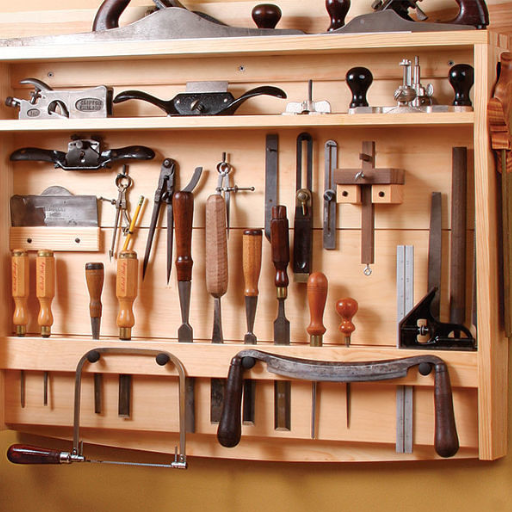
The proper keeping of manual apparatuses comes with the need to know and attend to the major issues that often expedite their damage. One of the prime causes by far is the presence of dampness, leading to rust on metals. This damage can be prevented through ensuring that tools are not stored in areas where the levels of humidity are very high, say particularly 50% or below. In the event of heightened moisture levels, use of desiccant mechanisms or humidifiers can be used for enhanced protection.
Best Practices for Storing Your Tools
Before thinking about how to use tools effectively, you need to think about where, in what conditions your tools will be kept. If they get wet, in most cases, exposed to high humidity environment, hand tools tend to rust and become unusable due to corrosion. To use tools with stability, it is recommended to keep the moisture content lower than 50% and further the development of corrosion is thereby prevented. Another way to keep the moisture of the room at the necessary level is to plug a humidifier or wipe the inside of the toolboxes with silica gel.
Another notable effect which wide temperature changes might cause to some tools is changing their structure, especially those comprising wood and/or composites. To avoid warping, cracking, fatigue and aging, storing tools in different working areas is recommended. The efficiency of the workflow will be further enhanced when tools are tagged and when every type, function and frequency of usage is in one group. To use tools in a smart way and allocate bank of them for all coming years – both databases and the nature of conservation will help.
Organizing Your Tool Collection
When sorting out your tool set, it is crucial to arrange your tools based on the categories and subcategories. That is, first classify the tools generally like in the above example according to the way they work, that is, from one extreme of hand tools, through power tools to the other one of plusme and specialty tools. Having outlined each of the three types of hand, or power, or specialty tools in that case go ahead to give more subcategories along that line – for example the hand tools such as screwdrivers, spanners, pliers, and more. To mention one point about stacking the tools and accessories, both hand painted or sprayed modular pegboards or wall mounted peg panels may be suitable for tools that workers use daily while for small items like screws, nuts and bolts, nails, and other common hardware, it’s best to have a storage for storage.
In such a situation the users will have the advantage of remote supervision because such as software keeps visual records of tools used and can determine where they have and have not been used. This is beneficial to project performance in terms of minimizing unnecessary trips to the workshop and the associated time wastage due to the long posts in the spreadsheet scans. Besides, the use of anti-rust products, silica gel or better yet tool wraps with rust inhibitors, cannot be ignored for the prevention of corrosion of metallic tools – more often than not done in regions with high humidity levels.
Avoiding Damage During Storage
The effective keeping of manual apparatuses comes with the need to know and attend to the major issues that often expedite their damage. One of the prime causes by far is the presence of dampness, leading to rust on metals. This damage can be prevented through ensuring that tools are not stored in areas where the levels of humidity are very high, say particularly 50% or below. In the event of heightened moisture levels, use of desiccant mechanisms or humidifiers can be used for enhanced protection.
In addition to this, it is also important to employ safeguard measures that reduce wear and tear from excessive handling. The presence of tools scattered around does not only cause avoidable bruises, dents scratches but also misalignment of parts happens. Fitting tool cases with padding and organizing them, fixation of foams and wall racks guarantee that the safety of the tools is maintained especially for accountability and easier access to the tools.
Besides that, another reason why it’s common for many tools that are used in metalworking processes to crack is due to repeated temperature changes. The use of insulated cabinet systems in storage helps to control temperature in the surrounding and allow tools to serve one for a long time. In conclusion, wearing down of tools through environmental factors may be combated through frequent applications of such protective coatings as light machine oil or special rust proof substances. Therefore, the combination of the above listed approaches will enable a significant improvement in tool durability and effectiveness levels.
Storage Best Practices at a Glance
- Maintain humidity below 50% in all tool storage areas
- Use silica gel, desiccants, or dehumidifiers in enclosed storage
- Use blade guards or sheaths on all sharp cutting tools
- Apply light machine oil or rust-proof coatings before long-term storage
- Wipe and dry all tools completely before placing them in storage
- Use padded tool cases, foam inserts, or wall rack systems to prevent contact damage
- Use insulated cabinet systems to protect against extreme temperature fluctuations
Reference Sources
- Data-driven Remaining Useful Life Estimation for Milling Process: Sensors, Algorithms, Datasets, and Future Directions
Read more on IEEE Xplore → - Management Culture and the Maintenance Prize: Benefits to Equipment Longevity
Read more on EBSCOhost →
FAQ
Frequently Asked Questions
How to inspect your tools for signs of wear and damage?
The initial step in every maintenance exercise implies checking tools in order to find wear, rust or corrosion, or anything else that might withstand movement; this is a simple verification that aids in maintaining the reliability of one’s tools. Search out whether there is any damage such as a crack, a chip or a loose fitting, which can bring failure to the tool or will make the tool risky to the user. Judicious use of hand tools with a maintenance plan will make obvious to the person the wear and damage at an early stage. It also ensures that the hand tools are constantly maintained. Maintenance has worked like a miracle in preventing this accident.
How to clean your tools thoroughly to keep them rust-free?
Rusty tools are difficult to work with and cleaning the tools will prevent rust from forming, so make a habit of cleaning and drying your tools every time you use them, in particular, do not forget about iron and steel tools. To dispel ingrained deposits and soot from the parts, use a predominantly bristled instrument such as a hand brush, and whilst keeping away dust or debris from the metal surface, smear a little lubricant. Maintaining hand tools includes the rudimentary duties of caring and using them. Not excluding the keeping in order of such hand tools in service, in which cleaning and lubrication should be distinguished, of them consumes more information of hand tools and prescribes their maintenance.
How to choose the best hand tools and invest in quality for longevity?
Purchasing top-quality solutions, as well as getting the right hand tools for the job has a positive effect on its susceptibility to damage and overall lifespan especially in the case of light intensity only – maintenance. Tools made of high-grade materials rarely suffer wears and tears during use, making them ideal for frequent use. By proper maintenance of tools and storing the hand-tools in the appropriate ways which are either on the hanging tools ore in the stand and covering the edges to limit the dust or the chips flowing into the tools preventing damage of the tools or getting marred. A well-used tool performs optimally, does not become blunt easily, and minimizes incidences of tool breakdown; no wonder goggles are a primary consideration when choosing new tools.
How should I inspect your tools regularly as part of tool maintenance?
It is wise to check your tools before starting any work to see if there are any cracks on their surfaces, handles that appear loose, rust or any serious case of wear, for the purpose of safety and efficiency at work. The hands tools need to be kept in good condition and saving time spent to search for a replacement in case of damages can be achieved through regular inspection. Any tool maybe hazardous if it doesn’t work properly and that’s the reason why it’s imperative to maintenance them. Instead of buying new tools that could have been saved with a few maintenance tips simple checks and quick repairs protect your tools and extend their life. Create a list that makes it possible to store and safeguard tools through numerous uses.