

Precision Measuring
Precision measuring tools are the backbone of metrology-driven manufacturing, ensuring every measurement meets tolerance and dimensional targets. Accurate measurement underpins quality control, enabling manufacturers to gauge dimensions, thickness, height, and depth with precise repeatability. Precision measurement reduces rework, aligns with calibration standards, ensures reliability, and sustains industrial efficiency in every application.
Why Choose Our Precision Measuring?
Unmatched Accuracy
Designed to deliver precise measurements for engineering, construction, and DIY projects.
Durable and Reliable
Built with high-quality materials to ensure long-lasting performance in demanding environments.
Versatile Applications
Perfect for professionals and hobbyists, covering a wide range of measuring needs.
User-Friendly Design
Ergonomic and easy-to-use tools that enhance efficiency and reduce errors.
Key Features of Our Precision Measuring Collection
- High Precision: Achieve exact measurements with tools designed for unparalleled accuracy.
- Robust Durability: Crafted from premium materials to withstand tough conditions and ensure longevity.
- Wide Range of Applications: Suitable for engineering, construction, DIY, and more.
- Ergonomic Design: User-friendly features for comfortable and efficient use.
- Industry-Standard Compliance: Meets or exceeds professional standards for reliability and performance.
- With a wide measurement range, high speed, and high accuracy, they are suitable for inspection and process monitoring.

Precision Measuring For Sale
Find the ideal tool for your specific application in our specialized catalog.

Measuring Wheel

American-Style Wire Cutters
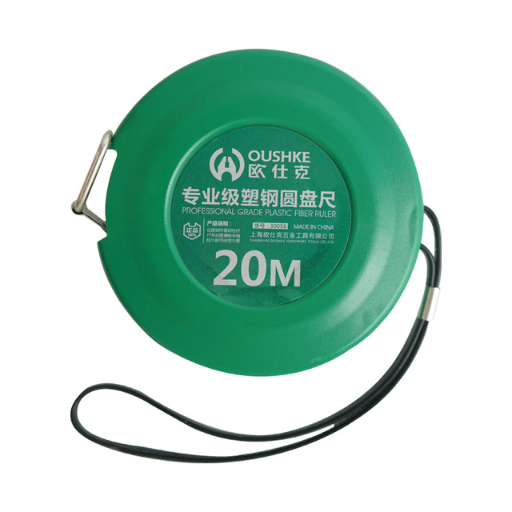
Diameter Tape
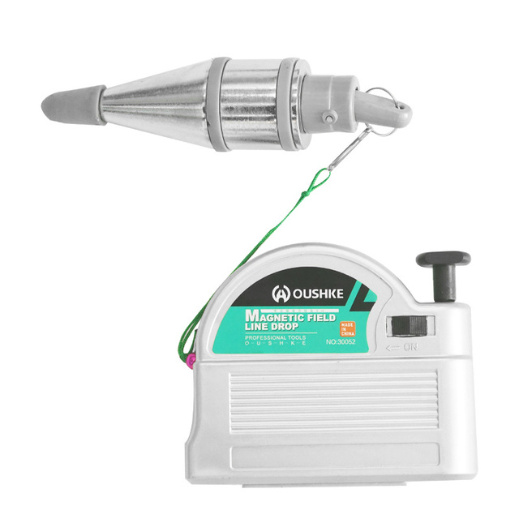
Magnetic Plumb Bob
Industry Applications

Engineering and Manufacturing
Used for precise measurements in machining, assembly, and quality control to ensure components meet exact specifications.

Automotive Industry
Critical for engine calibration, part fitting, and ensuring safety standards in vehicle manufacturing and repair.

Medical Device Manufacturing
Ensures precision in creating intricate components for medical equipment and devices.
Precision Measuring Buying Guide
In quality control, precision measuring instruments define dimensional conformity, reduce error, and ensure efficiency. Reliable indicators and gauges improve consistency, support process capability, and provide traceable records essential to industrial customers and international compliance.
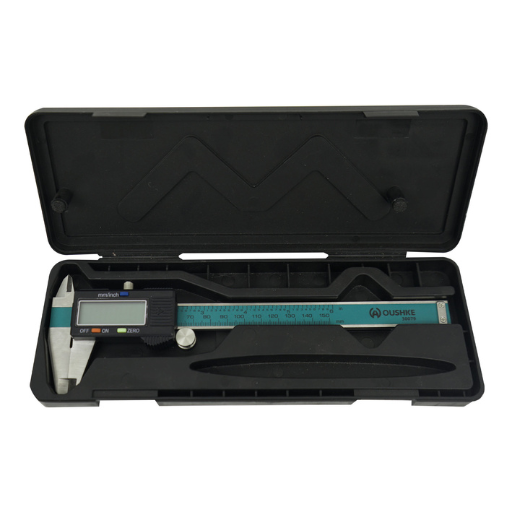
Vernier Caliper
Measuring Wheel
Plumb Bob
Technical Specifications Comparison
| Tool Type | Material | Measurement Range | Accuracy | Primary Use | Special Features |
|---|---|---|---|---|---|
| Vernier Caliper | Hardened Stainless Steel, Carbon Steel | Typically 0-150mm (0-6") or 0-300mm (0-12") | High (e.g., ±0.02mm or ±0.001") | Precise measurement of internal/external dimensions, depth, and steps. | Dual scale (metric/imperial); thumb screw for fine adjustment; locking screw to hold measurement. |
| Measuring Wheel | Aluminum/Steel Frame, Plastic/Rubber Wheel | Up to 10,000 meters or feet | Moderate (depends on surface evenness) | Measuring long distances over various terrains, such as for landscaping, construction layouts, or road work. | Foldable handle for storage; mechanical counter; kickstand for stability; sometimes features a reset button. |
| Plumb Bob | Brass, Steel, Bronze | Varies with line length | High (for vertical alignment) | Establishing a true vertical line (plumb line) for construction, surveying, and installation tasks. | Conical, symmetrical pointed tip for precision; self-centering string attachment point; durable, corrosion-resistant body. |
Precision Measurement Tools in Quality Control
In quality control, precision measuring instruments define dimensional conformity, reduce error, and ensure efficiency.
What Our Clients Say
Here’s a look at what people are saying about working with us. We’re proud to have helped so many achieve their goals.
“As someone who specializes in bespoke cabinetry, precision is everything. I bought the Precision Measuring set to upgrade from my old tools, and the difference is night and day. The scales are easy to read even in my dusty shop, and the locking mechanism on the calipers holds tight, ensuring I don’t lose my measurements when transferring them to the wood. These tools have helped me reduce waste and improve the fit of my joinery significantly. A fantastic investment for any serious woodworker.”

Sarah Jenkins
“I’ve been using the Precision Measuring toolkit for my site inspections for the past three months, and I am thoroughly impressed. The accuracy is spot-on, which is critical for my line of work where every millimeter counts. The build quality feels robust enough to handle daily use on construction sites without losing calibration. It has quickly become an essential part of my gear bag. Highly recommended for any professional needing reliable data.”

Michael T
Latest News
How to Use a Pry Bar Safely: Step-by-Step Techniques (2026)
To use a pry bar correctly, seat the tip or claw fully under the load,…
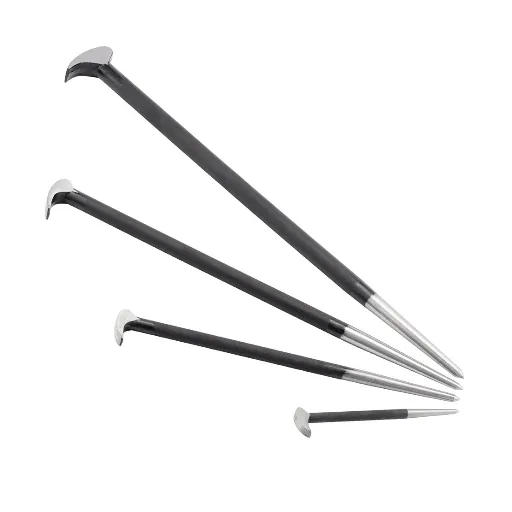
Pry Bar Sizes Chart: Lengths, Leverage & Which to Choose
Pry bar sizes run from 2 inches to 72 inches, and the length you choose…
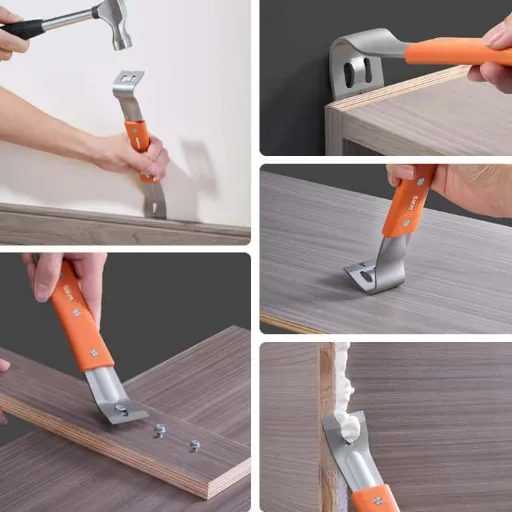
Flat Pry Bar & Wonder Bar Guide: Uses, Sizes & Picks
A flat pry bar is a thin, flat, spring-tempered steel bar with a nail slot…
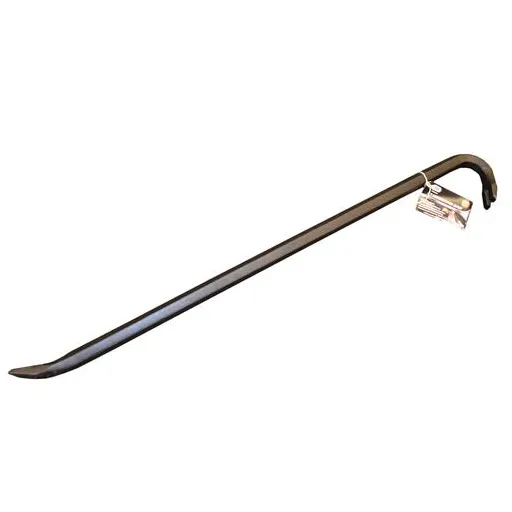
Wholesale Pry Bars: A Buying Guide for Distributors and Retailers
Wholesale pry bars cost roughly US$1.44 to US$2.70 per piece at factory-direct volumes, and most…
Frequently Asked Questions (FAQs)
Still have questions? Our team is here to help. Reach out to us anytime, and we’ll make sure you get the answers you need.
When should I use a dial indicator versus other gauges for precise measurements?
A dial indicator is ideal for comparative measurements, alignment tasks, and detecting runout or small deviations in a workpiece. It displays displacement via a needle on a graduated dial, making it useful when you need to visualize variation over a surface or during rotation. For absolute dimension checks, you might prefer a micrometer or height gauge, but a dial indicator excels at measuring flatness, concentricity, and small changes where you need a quick, sensitive readout. Many shops use a combination of dial indicators and digital systems for traceable, precise measurements.
How do height gages and height indicators differ when measuring part height?
Height gauges and height indicators are both used to measure vertical dimensions, but they serve slightly different roles. A height gauge is a standalone measuring tool (analog or digital) mounted on a surface plate to measure part height, scribe lines, or check step dimensions. A height indicator typically refers to the measuring head that can be attached to a height gauge or other fixture for precise readings. Digital height gages combine the benefits of analog and digital readouts, delivering high accuracy and the ability to record data, while analog height gages offer simplicity and durability for routine shop use.
Can bore gages measure internal diameters accurately, and how do they compare to micrometers?
Bore gauges are specialized for measuring internal diameters with high precision, often used for bores, cylinders, and holes. Telescopic and dial bore gages provide comparative measurements against known standards or master rings and can detect taper, out-of-roundness, and wear. Micrometers measure external dimensions directly and are not suitable for deep bores without specialized attachments. For internal diameter accuracy, bore gages combined with a calibrated reference deliver reliable results, and measurements can be transferred to an outside micrometer for verification when needed.
What procedures ensure accurate readings on analog and digital gauges?
Accurate readings require a consistent procedure regardless of analog and digital formats: clean the measuring faces and workpiece, allow instruments and parts to reach a stable workshop temperature, zero the device on a certified gauge block or reference, apply a consistent measuring force (use ratchet or friction thimbles where provided), and check calibration regularly. For digital instruments, verify battery health and data integrity; for analog devices, ensure the vernier or dial is properly zeroed and free of backlash. Proper training and routine calibration traceable to standards are key to maintaining precise measurements.
How can I measure step heights and flatness using a height gauge and dial indicator?
To measure step heights, place the workpiece on a stable surface plate and use a height gauge with a probe or scriber to contact the reference surface and the step to obtain the height difference. For flatness checks, use a dial indicator mounted on a movable height gauge or surface gauge and traverse the indicator across the surface in a systematic grid or sweep pattern. Record maximum and minimum deviations shown on the dial to quantify flatness. Combining a height gauge’s absolute measurement capability with a dial indicator’s sensitivity yields a comprehensive assessment of form and location.
What is the wide variety of gage types available for shop inspection?
There is a wide variety of gage types to suit different inspection tasks: micrometers (outside, inside, and depth), dial gauges and indicators, height gages and height indicators, bore gages (telescopic, dial, and digital), calipers, plug and ring gages, and specialized forms like snap gages and thread gages. Each tool is optimized for certain features—external dimensions, internal diameters, heights, flatness, roundness, or threads. Selecting the right gage depends on required tolerance, measurement environment, frequency of use, and whether you need analog and digital readouts or data integration for quality systems.
Explore Other Tools
-

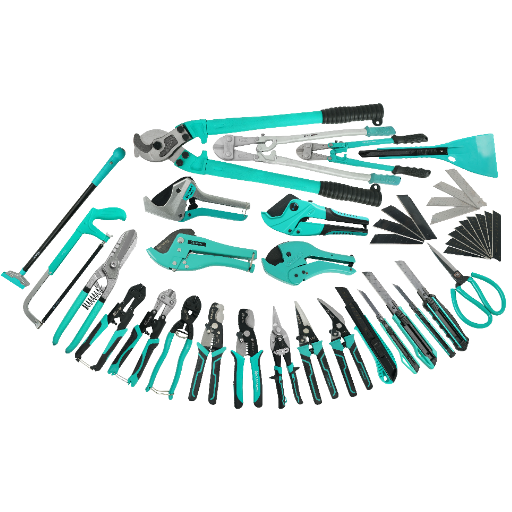
Cutting & Crimping Tools
-
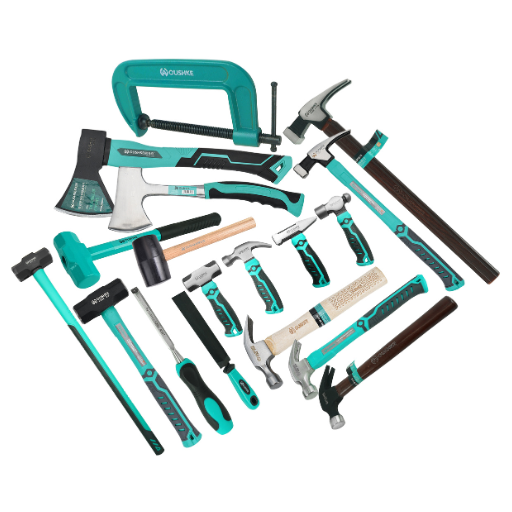
Hammers & Striking Tools
-
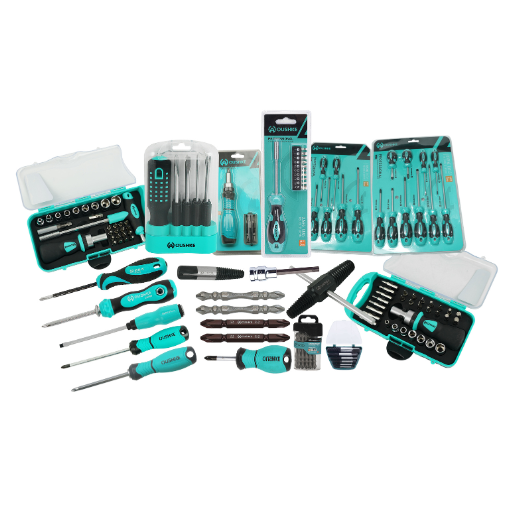
Screwdrivers & Bits
-
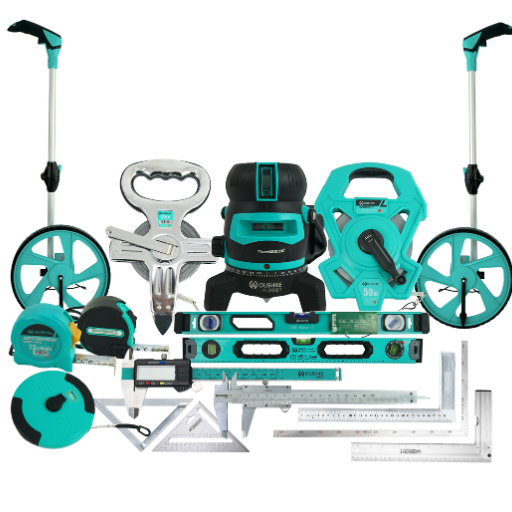
Measuring Tools