
The Complete Hand Tools Guide: Types, Uses & Selection for Professionals
Hand tools form the basis of many trades, including carpentry, construction, automotive repair, and more. Whether you’re a seasoned professional or a dedicated home improver, understanding the right tools to use, their effective usage, and proper selection can tremendously impact your work quality and efficiency.
Introduction to Hand Tools
What Are Hand Tools?
Hand tools are tools that are operated by hand and do not depend on outside power sources such as electricity or compressed air. They are made to do specific tasks by human labour, thereby providing accuracy and control. The most common examples are hammers, screwdrivers, wrenches, and pliers, which are very important for various construction, repair, and maintenance activities.
The main aim of hand tools is to give users the ability to handle materials like wood, metal, or plastic very precisely and quickly. These tools come in many different designs to fit various tasks, some of which include cutting and shaping, fastening, and loosening. Their simplicity and portability make them essential across such trades as carpentry, plumbing, and electrical work as well as for daily household repairs.
Key Advantage: In contrast with power tools, hand tools are usually considered safer and need less maintenance. They provide a larger range of movement and better control, which facilitates fine work that might be hard to do with power tools.
Importance for DIY Enthusiasts and Professionals
Hand tools, owing to their versatility and practicality, are the backbone of both DIY enthusiasts and professional workers. From simple repairs at home to complex building and crafting projects, they’re essential. They give accuracy, control, and dependability mainly in places where power tools are not needed or are too bulky to use.
For DIY Enthusiasts
Hand tools are the foundation of any successful project. They enable creative aspirations, building or mending things, and household problem-solving. A complete toolkit often builds self-esteem and autonomy, allowing individuals to tackle projects without professional help.
For Professionals
In professional contexts such as carpentry, plumbing, or electrical work, hand tools are must-haves. Made from quality materials, they resist the wear and tear of frequent use. Master trade workers can perform complicated and accurate tasks quickly and efficiently.
Overview of Tool Collections
Tool collections are made up of a wide range of tools, from hand tools and power tools to accessories, designed for different trades and projects. A typical tool collection contains not only basic tools such as hammers, screwdrivers, wrenches, and pliers but also more specialized ones like saws, drills, and measuring instruments.
💡 Building Your Collection
- Start with a standard set of basic tools
- Progressively add more specialized tools as needed
- Focus on versatility and reliability
- Invest in quality for frequently used tools
- Maintain proper cleaning, storage, and servicing routines
Types of Hand Tools
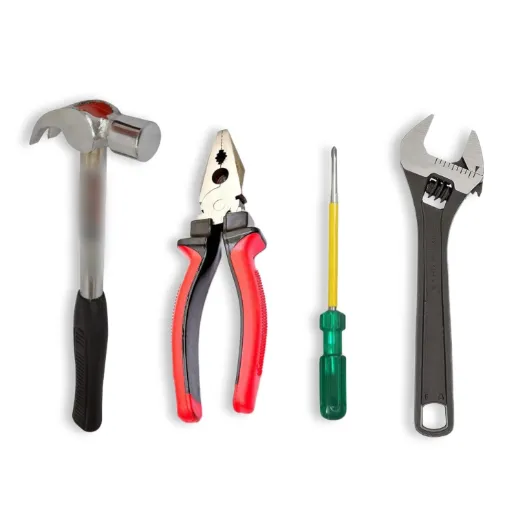
Common Hand Tools Used in Various Trades
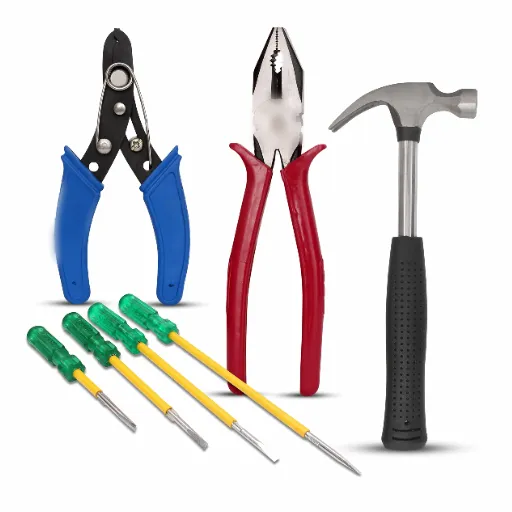
Hand tools are indispensable in different industries, providing reliability, accuracy, and flexibility throughout various activities. Below is a comprehensive list of common hand tools used across professions:
🔨 Hammer
The most basic and universal tool of construction, carpentry, and metalworking. Hammers drive nails, break objects, and fit parts together. Available in different forms like claw hammers for carpentry and sledgehammers for heavy construction tasks.
🔧 Screwdrivers
Essential tools for assembling or disassembling components by turning screws clockwise or counterclockwise. Different head types include flathead and Phillips, ensuring compatibility with the wide range of screw types used in electronics, furniture, and machinery repairs.
🔩 Pliers
Multi-functional hand tools used for gripping, bending, and cutting. Electricians, plumbers, and mechanics depend on them for wire, pipe, and small component manipulation. Different styles include cutting pliers, needle-nose pliers, and slip-joint pliers.
⚙️ Wrenches
Implements widely used for turning nuts and bolts, making them important in automotive repair and mechanical trades. Types include adjustable wrenches, socket wrenches, and torque wrenches, each built to meet different job requirements.
📏 Measuring Tools
Accurate measurements are at the heart of precision work in construction, engineering, and crafting. Measuring tapes, rulers, and calipers ensure proper alignment, sizing, and fitting during projects.
⚠️ Safety Reminder: Always combine proper tool usage with appropriate personal protective equipment (PPE) to ensure safety and productivity, and follow proper handling methods.
Specialty Tools for Specific Tasks
Specialty tools are created with the unique requirements of particular industries or jobs in mind, making them essential for accuracy and effectiveness. These tools represent the cutting edge of precision engineering and trade-specific innovation.
🚀 Modern Innovation
Ceaseless technology advancements have led to smart specialty tools with features like digital readouts, Bluetooth connectivity, and automated adjustments. These innovations provide better accuracy and efficiency, giving professionals data-driven insights and greater control over their work.
Popular Tools: Features and Benefits
Over the years, specialty tools have made tremendous advances, with modern technology incorporated to meet today’s demands. The evolution of tool technology continues to reshape how professionals approach their work.
Precision Measuring Tools
Digital measuring tools have replaced manual tapes, offering unprecedented accuracy with instant readouts. They eliminate calculation errors and provide consistent measurements.
Bluetooth Connectivity
Tools with app compatibility allow data transfer to smartphones or tablets, enabling digitization of measurements and easy report sharing for enhanced workflow.
Smart Sensors
Advanced tools with feedback systems alert users to improper usage or hazardous situations, blending ergonomic principles with technology-driven innovation.
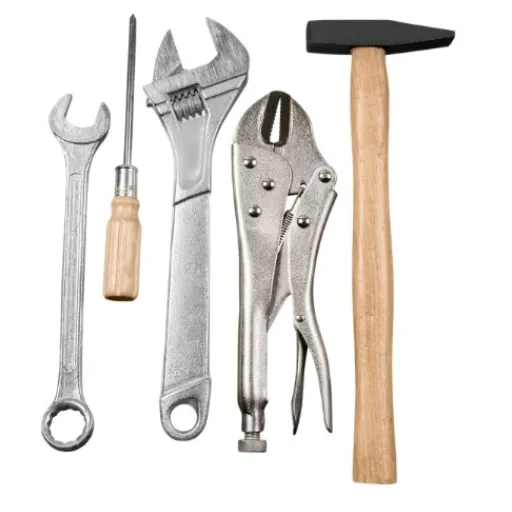
Maintenance and Longevity of Hand Tools
Best Practices for Tool Care
Proper maintenance is vital for keeping hand tools working efficiently for extended periods. Following best practices ensures your investment in quality tools pays dividends through years of reliable service.
Essential Maintenance Checklist
- Regular Cleaning: Clean after each use to prevent dirt, grease, and dust buildup that can cause corrosion
- Rust Prevention: Apply a light coat of oil to metal parts, especially in humid environments
- Proper Storage: Store in clean, dry toolboxes or racks to protect from moisture and damage
- Regular Inspection: Check for wear, loose handles, or dull edges to ensure safety and effectiveness
- Sharpening: Maintain sharp edges on cutting tools, chisels, and blades for precision and efficiency
- Correct Usage: Use tools only for intended purposes to prevent breakage or loss of integrity
💧 Modern Protection: Use contemporary protective coatings and storage innovations like silica gel packets in toolboxes to absorb moisture and prevent rust. These simple additions can double the lifespan of your hand tools.
Common Maintenance Mistakes to Avoid
Understanding and avoiding common maintenance errors can save you time, money, and frustration. Below are the most frequent mistakes that compromise tool longevity:
❌ Neglecting Regular Cleaning
The most careless mistake is not cleaning tools after use. Over time, dirt, grease, and residue buildup causes rust and mechanical problems. A quick cleaning with a clean cloth or soft brush effectively protects against long-term damage.
❌ Improper Storage Conditions
Storing tools in damp areas with little air circulation accelerates rusting and corrosion. Always store tools in dry, temperature-controlled environments. Use rust inhibitors like silica gel packets for extended protection.
❌ Overlooking Lubrication
Moving parts in tools require regular lubrication. Without it, friction builds up, causing wear and eventual part failure. Always select the correct lubricant type for each tool and follow manufacturer guidelines.
❌ Ignoring Damage or Wear
Small damage like cracks, chips, or wear may seem minor but lead to greater deterioration. Conduct routine inspections and repair damaged parts immediately to prevent more expensive repairs or replacements.
❌ Using Tools for Incorrect Purposes
One of the most common and avoidable mistakes is using tools for tasks they weren’t designed for. This causes damage and creates safety hazards. Always choose the right tool for the job to ensure both safety and longevity.
❌ Disregarding Manufacturer Guidelines
Ignoring manufacturer instructions for proper use and care is a surefire way to damage tools. Following these guidelines ensures maximum performance and prevents unnecessary wear.
Storage Solutions for Your Tool Collection
Effective tool organization and storage is crucial for maintaining tools in good condition and ensuring easy access. Below are proven storage solutions:
🔧 Pro Tip: Each storage method can be personalized according to your tool collection size and workshop space. Combining multiple solutions creates an efficient, well-organized, and clutter-free environment.
Safety Best Practices with Hand Tools
Essential Safety Gear for Tool Use
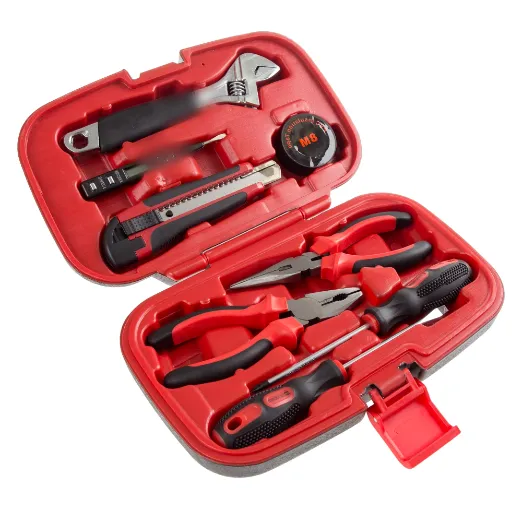
Using proper safety equipment when working with hand tools is essential for injury prevention and maintaining a safe working environment. Investing in quality safety gear protects your health and ensures you can focus on your projects without compromise.
🧤 Protective Gloves
Essential barrier against cuts, scrapes, and punctures while maintaining good tool control. Choose gloves made from durable materials like leather or high-performance synthetics. For tools producing heavy vibrations, anti-vibration gloves reduce strain on hands and arms.
🥽 Eye Protection
Safety goggles or glasses protect against flying debris, dust, and wood chips from cutting, chiseling, or drilling. Ensure lenses comply with safety codes and offer impact resistance. For operations generating large amounts of debris or sparks, use a full-face shield for enhanced protection.
👢 Proper Footwear
Steel-toe shoes or boots protect feet from falling objects or accidental tool drops. Non-slip soles provide stability on smooth or uneven surfaces. Proper footwear is a fundamental safety measure that shouldn’t be underestimated.
⚠️ Complete Safety Approach
Combine safety gear with adequate lighting, well-maintained tools, and proper posture while working. This comprehensive approach minimizes risks and creates a productive, injury-free workspace. Remember: safety gear is an investment in your health and well-being.
Common Accidents and How to Prevent Them
1. Slips, Trips, and Falls
Causes: Wet floors, uneven surfaces, misplaced tools, and inadequate lighting are leading causes of workplace accidents.
Prevention: Keep floors dry, avoid clutter, place warning signs around wet areas, and wear non-slip footwear. Promote awareness of surroundings to minimize risks significantly.
2. Cuts and Puncture Injuries
Causes: Improper handling of sharp tools or materials. Dull blades heighten danger as more force is required.
Prevention: Use sharp tools properly, wear cut-resistant gloves when handling sharp objects, and securely store tools when not in use.
3. Electrical Shocks
Causes: Faulty wiring, damaged appliances, and mishandling of electrical equipment.
Prevention: Regularly inspect tools and machines for wear, ensure proper grounding of electrical systems, and follow safety rules in moist environments. Use safety-certified tools.
4. Eye Injuries
Causes: Flying particles, dust, chemical splashes, and liquid contact.
Prevention: Wear appropriate eye protection like safety glasses or face shields. Keep workstations tidy and use tools with adequate guarding for additional security.
5. Muscle Strains and Overexertion
Causes: Improper lifting techniques or overambitious physical efforts.
Prevention: Learn proper body positioning for lifting, pushing, or pulling. Only lift loads within your capability. Use mechanical aids like carts and dollies, and take regular rest breaks.
Safe Handling Techniques for Different Tools
Proper tool handling is crucial for maintaining a safe and efficient working environment. Different tool categories require specific handling approaches to maximize safety and performance.
🎓 Continuous Improvement: Following these handling techniques and remaining vigilant about tool conditions and workspace organization lowers risks and increases productivity. Prioritize safety training and regular updates to maintain best practices in tool handling.
Emerging Trends in Hand Tools
Ergonomic Design Features
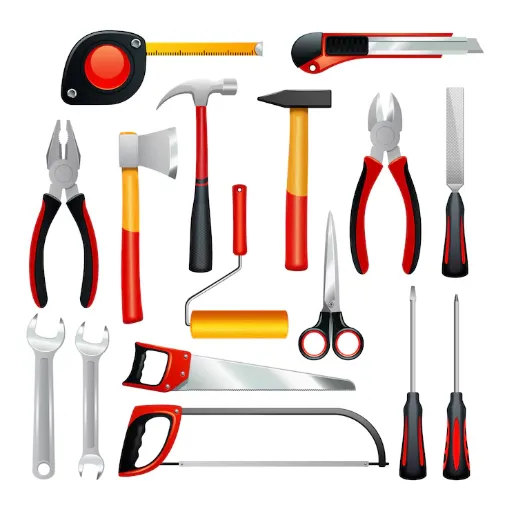
The application of ergonomic design in hand tools is revolutionizing the industry by prioritizing user comfort and efficiency. These designs specifically minimize pain and prevent work-related injuries during prolonged use.
Key Ergonomic Features
- Contoured Handles: Naturally fit the user’s hand to reduce strain
- Soft Grips: Enhance comfort during extended use
- Balanced Weight Distribution: Minimizes fatigue and reduces RSI risks
- Shock-Absorbing Technology: Decreases physical impact on users
- Adjustable Components: Accommodate individual user needs and preferences
- Inclusive Design: Tools for left-handed users and those with smaller hands
📊 Productivity Impact
Research shows ergonomic tools significantly increase workplace productivity by eliminating work stoppages due to physical discomfort or injury. Workers maintain precision with minimal strain.
💡 Smart Integration
Modern tools feature smart sensors and feedback systems that alert users to improper usage or hazardous situations, blending ergonomic principles with technology-driven innovation.
New Materials in Tool Manufacturing
The tool manufacturing industry has undergone major transformation through advanced materials, leading to tools with higher efficiency, longer life, and reduced weight.
🌱 Sustainability Focus: Manufacturers increasingly use bio-composites from renewable resources, responding to environmental concerns while maintaining tool performance and quality.
Innovations in Tool Technology
Tool technology continues evolving with groundbreaking innovations that address changing industry demands and professional requirements. These advancements are reshaping how professionals approach their work.
🔌 Smart Technology Integration
Tools now feature sensors and IoT connectivity for real-time data collection, monitoring, and reporting. Connected power tools provide performance insights, predict maintenance requirements, and optimize operational efficiency, reducing downtime and boosting productivity.
🏭 Advanced Manufacturing
3D printing and automated assembly enable streamlined, accurate production processes. These technologies allow complex shapes and improved performance previously impossible or too expensive. Rapid prototyping enables quicker design iterations.
♻️ Sustainability Initiatives
Tool manufacturers increasingly adopt eco-friendly materials like recycled content and energy-efficient production methods to reduce ecological footprints. These practices demonstrate environmental commitment while delivering cutting-edge technology to today’s market.
🚀 The Future of Tools
By embracing emerging technologies and trends, the tool industry delivers products that meet complex 21st-century requirements while remaining functional and future-ready. These innovations balance performance, sustainability, and user experience.
References
-
Hand Tools – MSU Makerspace
A resource from Montana State University providing insights into various hand tools and their applications. -
Nonpower Hand Tools | Ohioline – Ohio State University
A factsheet from Ohio State University discussing the appropriate use and types of non-powered hand tools. -
Hand Tools – Oregon Occupational Safety and Health
A government resource outlining safety requirements and best practices for using hand tools. -
A Guide to Selecting Non-Powered Hand Tools | NIOSH
A comprehensive guide from the CDC’s National Institute for Occupational Safety and Health on selecting and using non-powered hand tools. - Click here to read more.
Frequently Asked Questions (FAQ)
Q: What are hand tools and how do they differ from power tools?
A: Hand tools are operated exclusively by hand without requiring electrical or pneumatic power (e.g., hammers, screwdrivers, pliers, chisels, wrenches). They differ from power tools by requiring human force to operate, offering better control for delicate tasks, and being quieter, lighter, and more portable.
Q: Which basic hand tools should every homeowner have?
A: A basic toolkit should include: claw hammer, flathead and Phillips screwdrivers, adjustable wrench, tape measure, utility knife, pliers (needle-nose and slip-joint), level, and a set of hex keys. These tools cover common repairs, hanging, measuring, and simple assembly tasks around the house.
Q: How do I choose quality hand tools that will last?
A: Select tools from durable materials like forged steel or chrome-vanadium with comfortable ergonomic handles and solid construction with minimal play in moving parts. Look for reliable brands, lifetime warranties, and professional reviews. Proper maintenance also significantly extends tool life.
Q: What is the best way to maintain and care for hand tools?
A: Clean tools after each use, remove dirt and moisture, apply thin oil coats on metal surfaces to prevent rust, sharpen cutting tools when necessary, and store in dry, organized toolboxes or racks. Periodically check handles for cracks and tighten or replace loose parts to maintain safety and functionality.
Q: Are there safety tips to follow when using hand tools?
A: Yes. Wear safety glasses, gloves, and other PPE; use correct tools for each job; maintain tools in good condition; keep stable working positions; ensure sharp cutting edges to prevent slips. Never use screwdrivers as pry bars or wrenches on rounded fasteners—improper use increases injury risk.
Q: How are specialized hand tools used in trades like plumbing and woodworking?
A: Specialized tools suit respective trades: plumbers use pipe wrenches, basin wrenches, and tubing cutters; woodworkers primarily use hand planes, chisels, mallets, and marking gauges. These enable precise, controlled tasks like fitting joints, shaping surfaces, and assembling components without power tools.
Q: What are measuring and layout hand tools and why are they important?
A: These include tape measures, combination squares, carpenter’s pencils, levels, and marking knives. They’re important because accurate measurements and proper layout allow precise part fitting, reduce material waste, and raise handwork quality when cutting, drilling, or assembling.
Q: How should I store and organize my hand tools to prolong their lifespan?
A: Store tools in toolboxes, on pegboards, in drawer organizers, or tool chests to keep them accessible and protected from moisture. Hang frequently used tools on racks, use foam inserts to prevent movement, and separate sharp edges. Proper storage reduces wear, prevents rust, and enables quicker tool location.