
Pliers Buying Guide: Types, Sizes & Applications Explained
Pliers are the true all-rounder when it comes to tools. Whether you’re a DIY enthusiast, professional tradesperson, or someone making occasional home repairs, they are very likely to reside in every toolbox you turn up. Choosing the correct pliers for your tasks might be difficult when one considers the plethora of designs available. This comprehensive guide breaks down the most significant types of pliers, ideal sizes, and applications to help you select the perfect tool for your needs. Whether it’s for cutting, gripping, bending, crimping, or anything else, you’ll find detailed information to get the job done with the appropriate tool.
Introduction to Pliers
What are Pliers?
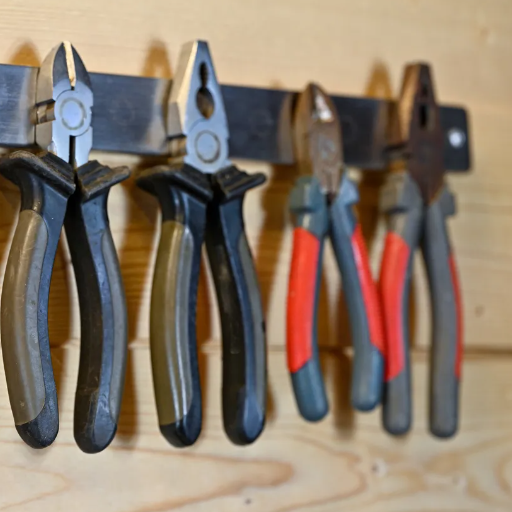
Pliers are extremely versatile hand tools capable of gripping, holding, bending, and cutting materials made from various metals. They comprise two metal arms that are jointed together, with handles at one end and jaws at the other end. With only a hinge and pivot point between the two arms, the efficiency is increased because pressure can be applied effectively. This makes pliers one of the primary and basic equipment pieces—a must for any electrician, jewelry maker, or repair worker. The range of uses of pliers varies with type, and certain designs are made for different purposes.
Significance of Picking the Most Suitable Pliers
It is essential to choose the right pair of pliers for secure, precise, and safe work. Pliers meant for very specific applications abound: You might need needle-nose pliers for gripping tiny things in confined spaces, or wire-cutting pliers for electrical work. Using the wrong pliers can mean damaging the tool, damaging the material to be worked on, or worse, causing injury. Therefore, ergonomics as well as the plier’s durable materials contribute to better efficiency and comfort when pliers are required for longer work periods. By careful selection of tools adapted to the particular task, you can yield better results and elongate the tool’s lifespan.
💡 Key Point
Several varieties of pliers exist for specific jobs, each incorporating unique features that make them most suitable for varied applications. Whether you need to grip, bend, cut, or hold, selecting the right pliers with due consideration ensures efficient work, safety, and effectiveness for the job at hand.
Types of Pliers

Needle Nose Pliers
Needle-nose pliers, also known as long-nose pliers, are useful and powerful in an assortment of tasks ranging from electrical endeavors and jewelry manufacturing to any DIY projects. Because of their slenderness, length, and pointy ends, these tools can easily be pushed into narrow spaces, tackle small objects, and perform various intricate tasks.
Best Uses:
- Bending or gripping wire in tight spaces
- Working on electronic or digital circuit boards where precision is critical
- Reaching difficult-to-access areas where bigger tools can’t be used
- Holding tiny objects with precision
Better quality needle-nose pliers with spring-loaded handles typically make manipulation easier and the pliers nearly indestructible. Some models include a small cutting edge, valuable for wires, fibrous materials, or any other types of cable. The best way to use needle-nose pliers properly is with a soft grip, controlled handling, and appropriate application of force.
Locking Pliers
Locking pliers demonstrate excellent gripping quality, which permits a stationary hold on an object without the continuous need for hand pressure. This feature makes them invaluable for clamping, holding materials in position during welding or repair work, and providing hands-free operation when you need both hands for other tasks. Their adjustable jaw design allows them to accommodate objects of various sizes while maintaining a secure grip.
Combination Pliers
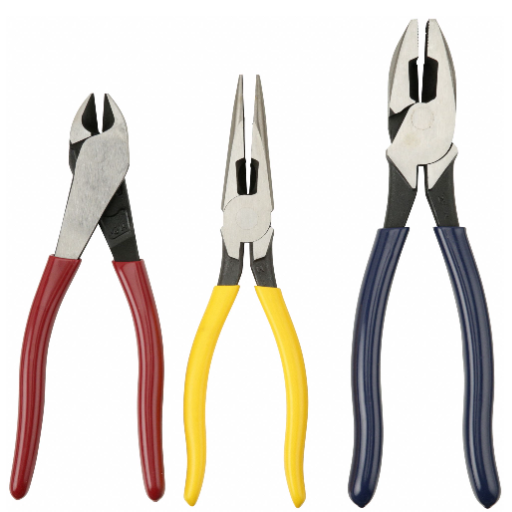
Combination pliers are probably the most versatile hand tools in existence, performing many functions in one compact device. They are used for materials such as wires, cables, and small pieces of metal, making them an essential tool for any toolbox.
✓ What to Look For:
- Comfort-oriented handles: Look for ergonomic designs with rubber grips
- Quality steel construction: Ensures durability and cutting capability
- Insulated handles: Essential for electrical work to minimize shock risk
- Reputable brand: Protects your investment with durable performance
Parts of Pliers
Understanding the key components of pliers helps you make informed decisions when selecting the right tool for your needs.
Handles
The handle is one of the most important parts of the plier, as it directly affects comfort, control, and safety. Ergonomic handles with rubber grips ensure comfortable handling and reduce hand fatigue during prolonged use. Non-slip materials provide a firmer grip even when hands are wet or have oil on them. Insulated handles are favored among those working on electrical projects, as they help reduce the risk of electrical shocks.
Jaws
The jaws of pliers are created to provide a solid hold and enable manipulation with high accuracy. Normally made of hardened steel for long service life and slow wear, the jaws of some pliers have teeth that enhance their grip—particularly handy when working with smooth or slippery materials. Other pliers have smooth jaws to minimize damage to soft or delicate surfaces. When considering jaw types and designs, keep in mind the intended application: needle-nose pliers for precision work, tongue-and-groove pliers for plumbing purposes, and so forth.
Pivot Point
The pivot point plays a critical role in determining the force applied to the jaws. Pliers with a higher pivot point provide greater mechanical advantage and are excellent for jobs requiring substantial gripping power, such as cutting thick wires or tightening bolts. Lower pivot points or adjustable pivot settings are better suited for precision jobs that require maneuverability and control. Understanding the relationship between the pivot point and your desired application aids in ensuring optimal performance and efficiency.
Choosing the Right Pliers for the Job
Assessing Your Toolkit Needs
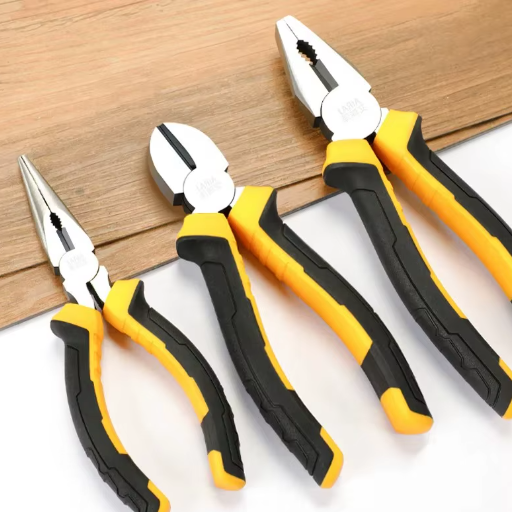
Start by assessing the type of tasks you need to accomplish. Determine whether you need pliers for heavy-duty tasks like gripping and cutting thick materials, or light work requiring intricate detail. For heavy work, the high pivot point should come first, as this provides extra leverage and grip. For precision tasks, adjustable or low pivot pliers hold a better position. Understanding the demands of your job will enable you to select the ideal tools that increase working efficiency and performance to the optimum level.
📋 Checklist: Things to Consider When Buying Pliers
- Work Type: Heavy-duty versus precision work requirements
- Materials: What materials will you be handling?
- Pivot Point: High pivot for leverage, low/adjustable for control
- Handle Quality: Ergonomic design and comfortable grip
- Durability: Quality construction and materials
- Specific Requirements: Insulation for electrical work, jaw type for application
Applications of Pliers
Common Uses of Different Types of Pliers
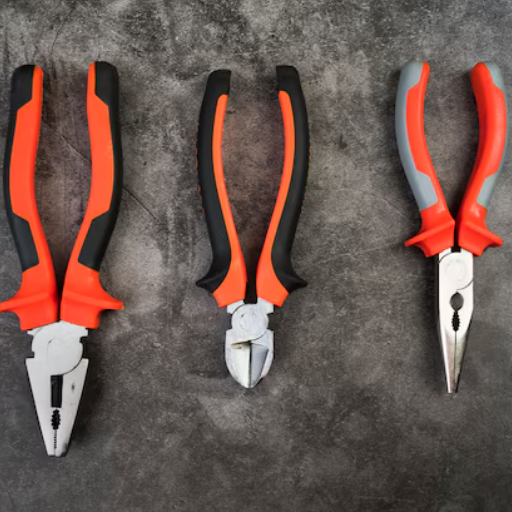
Pliers are versatile tools used for various purposes in different fields:
- Needle-Nose Pliers: Due to their precision and capacity for reaching tight spots, these are often used in detailed work such as jewelry-making or electrical tasks
- Linesman Pliers: Find favor for wire cutting and twisting, hence crucial in electrical and construction environments
- Slip-Joint Pliers: Perfect for holding and turning objects of variable sizes
- Locking Pliers: Afford a strong and secure grip during repair jobs or when holding or clamping materials
Each pliers type has achieved recognition in meeting specific needs and ensuring efficiency in various applications.
Specialized Applications
Beyond their common uses, certain sorts of pliers are adapted for advanced applications:
| Pliers Type | Specialized Use | Industry/Application |
|---|---|---|
| Needle-Nose | Fine work with precision in confined spaces | Jewelry, electronics |
| Linesman | Clenching wires and creating solid connections | Electrical work |
| Adjustable/Tongue-and-Groove | Locking tightly to components for adjustment | Plumbing |
| Locking | Clamping materials during work | Garage, metalworking, automotive |
Safety Guidelines for the Usage of Pliers
⚠️ Important Safety Practices
- Select the Proper Type: Ensure you have chosen the type that is proper for the job to prevent damage to the tool or material
- Inspect Before Use: Always make inspections to find cracks or signs of wear before using pliers. Do not operate pliers if they are not clean, functional, or intact
- Maintain a Solid Grip: Hold the pliers with a firm base and do not let them slip or slide while performing work
- Avoid Excessive Stress: Placing excessive stress on pliers or using them on materials they ought not to handle will bring harm to the tool and potentially cause personal injury
- Regular Maintenance: Keep pliers dry, clean, and lubricated to maintain optimal working condition
- Proper Storage: Store pliers in a dry, secure place when not in use to maintain their function and cleanliness
- Use Safety Equipment: Wear safety equipment such as gloves or goggles if needed to protect yourself during tasks
Frequently Asked Questions (FAQ)
What are handy pliers for jewelry makers and jewelers?
Jewelry makers benefit from small plier models which allow accurate and delicate work. Thin designs with fine tips enable forming gentle loops and bends without damaging soft materials like wire or precious metals. Side cutters or flush-cut pliers trim extra wire cleanly, while crimping tools secure beads and findings. Chain-nose and round-nose pliers are particularly cherished for their precision and protective surfaces that provide better grip without scratching delicate materials. A comprehensive kit of specialized pliers significantly improves jewelry work efficiency.
Do Knipex plier types work well for plumbing and pipe grip tasks?
Knipex manufactures pliers specifically designed for water pumps and pipe grips that provide excellent bite on pipework without slipping, which is why plumbers favor the brand. The tongue-and-groove design enhances leverage through long handles, useful for loosening or tightening nuts and bolts. Hose clamp pliers deal exclusively with clamps without harming hoses. Their conservative designs incorporate joint pliers and cutters suitable for multiple materials including copper, PVC, and sheet-metal fittings. Even with repeated use in wet conditions, the sharp edges maintain their clipping capability and last through extended periods.
Which plier types are essential for a basic home toolbox?
A basic toolkit for household jobs requires needle-nose pliers, slip-joint pliers, diagonal cutting pliers (side cutters), and adjustable wrenches to handle most casual work. For electrical jobs, wire stripping tools and crimping pliers are necessary. Fencing pliers and snap-ring pliers fit specialized tasks like securing wire fences or retaining circlips. Flat-jawed and round-jawed pliers work well for craftwork and precision repairs. Look for pliers with comfortable grips, sturdy pivoting, durable jaws, and well-adapted handles for bending or cutting wire and small fasteners. Consider compact sizes that provide full coverage of most tasks without taking up excessive weight or space.
Are there specific plier types for working in limited or tight spaces?
Yes, long-nose pliers, bent-nose pliers, and thin-jaw pliers are purposely designed for working in small or hard-to-reach areas. These pliers feature tapered jaws and narrow jaw profiles for manipulating small parts, wires, and connectors in spaces where bigger joint pliers won’t fit properly. Knipex models are built with precise tipping for fine jaw alignment, and some include insulation or protective coating for safety. Locking pliers and miniature locking pliers, along with hose clamp pliers, can hold parts securely while you work. Choosing the correct pliers for tight spaces minimizes material damage and improves working control.
How can I tell which plier type to use for cutting versus gripping?
Diagonal pliers, side cutters, or heavy-duty cutting pliers with sharp blades are recommended for cutting thicker wire and small fastenings. Superior cutting edges offer longer-lasting sharpness. For gripping, joint pliers, water pump pliers, pipe grips, or tongue-and-groove pliers provide broader contact surfaces and better leverage. Crimping pliers and crimping tools make stable connections but are not suitable for cutting or normal gripping. The fulcrum position should work with handle length: longer handles provide more torque for serious nuts and bolts, while shorter handles allow extremely precise movements. For multi-purpose needs, check out combination pliers with both cutting edges and grip capabilities.
References
-
Improving the Comfortability of Lineman’s Pliers Using Customer-Centered Design
This paper discusses the design and usability of lineman’s pliers, focusing on user-centered improvements.
Read the paper here -
Evaluation of Energy Absorbing Pliers Underride Guards for Rear and Side of Large Trucks
This study evaluates materials and designs for pliers used in specific industrial applications.
Read the study here