
The Ultimate Guide to Choosing the Right Air Compressor for Air Tools
An air compressor is an imperative tool in the working process of all individuals who deal with the usage of air tools regardless of the level of experience they possess- professional or DIY. This, in turn, influences the proper use of any equipment, efficiency, and sustainability of the tools since the heart of any such system is an air compressor. Despite the availability of different kinds, sizes and features, it can be complicated to pinpoint the one that will suit the user perfectly. To solve these puzzles, the article is made with sufficient provisions to consider power consumption, the sizes of the tank, the convenience of the machine handling and the support of the equipment. This article is written with the purpose of helping you make the right purchases of air compressors which are associated with the tools that you use and the tasks that you perform. And so, let’s get into this and find out how to go about selecting an air compressor and preventing expensive accidents from occurring.
Introduction to Air Compressors for Air Tools

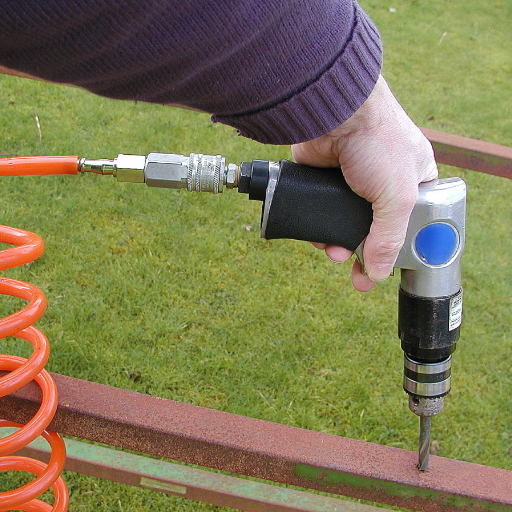
In the world of power tools there is a variety of tools that depend strictly on the provision of air pressure. These include but are not limited to air-powered tools such as hammer drills, pneumatic nail guns, and spray pumps. Most of these gadgets rely on an air compressor to function. After the machines are turned on, they are able to generate the air pressure installed in a tank which is used to operate the tools more efficiently. One of the most important considerations regarding an air compressor is the possible maximum operating pressure (measured in PSI) and flow rate (measured in CFM) of the tools one wants to use. It is necessary to secure a suitable air compressor as it enables one to work as desired and without damaging equipment. It is also recommended to take into account the tank capacity, energy source, and user portability in order to determine a compressor that will be sufficient to meet the requirements of the intended application.
Understanding Air Compressors
Conversion of energy into compressed air by an air compressor necessitates a combination of the different components responsible for performing a particular task. Its electric or gasoline-powered motor is responsible for the driving of the compression and expansion processes. For its part, the pump is fitted with a cylinder, piston, or rotating device which compresses the air by varying its volume. The closed air compressor also mentions the storage tank which contains highly pressurised air ready for expansion when needed. This crucial operation also involves the use of the pressure switch which in addition to monitoring the pressure of the air in the tank turns the motor on or off. In the event of emergency operation beyond the over limit, safety valves are installed to help prevent the equipment from being damaged. Therefore, a proper understanding of these components and their interactions is essential in order to ensure that the full functionality and lifetime goal of air compressor are achieved.
Importance of Choosing the Right Air Compressor
It is crucial that when there is need for air tools, a suitable air compressor is used as this is quite paramount in ensuring efficiency, safety, and also in making the tools useful for longer periods of time. Air tools will require air of a specific capacity and pressure that is always measured in terms of cubic feet per minute (CFM) and pounds per square inch (PSI). Hence a tool may not function correctly if the compressor is not designed to support the particular tool’s specific requirements and this may in the end, create more wear on the tool than would be expected. Impact wrenches and sanders are good examples of high-demand tools that usually operate at 90 PSI and also require a large volume of air (CFM), and so a compressor which is built to run at these figures without stopping would be necessary.
Another consideration for the desired compressor and tank size should also be made. Larger tanks may be used for construction and car spraying activities, while smaller tanks may be satisfactory for other activities. Small nail guns will therefore not require a large air tank while sandblasting tasks will require a considerably larger one more especially in continuous use. In this regard, it is essential to consider whether the compressors used are portable or whether they should be used in one location. Technological advances such as promoting noise absorption quality and the introduction of more pumps have set the stage for easier coupled with dependable use under particularly sensitive situations where machine downtime and maintenance is inappropriate. Choosing the correct compressor eliminates interruptions to jobs and ensures that the performance of the air tools will be at its best to perform particular tasks under different temperatures.
Common Types of Air Tools
|
Air Tool |
Primary Function |
Key Features |
Ideal Applications |
|---|---|---|---|
|
Impact Wrench |
High-torque bolt tightening/removal |
Compact, powerful, durable |
Automotive, construction |
|
Air Ratchet |
Precise bolt tightening/removal |
Lightweight, ergonomic |
Automotive, light assembly |
|
Paint Sprayer |
Smooth paint application |
Adjustable spray patterns |
Painting, refinishing |
|
Air Drill |
Hole drilling and fastening |
High-speed, variable control |
Woodworking, metalworking |
|
Air Hammer |
Chipping and cutting materials |
Multiple chisel attachments |
Masonry, demolition |
|
Orbital Sander |
Surface smoothing and finishing |
Low vibration, dust control |
Woodworking, auto refinishing |
|
Blow Gun |
Cleaning debris/drying components |
High air pressure, compact |
Workshops, maintenance areas |
|
Air Die Grinder |
Precision cutting and grinding |
Versatile, rotary tool bits |
Metal shaping, engraving |
|
Nail Gun |
Fast and precise nailing |
Adjustable depth, high speed |
Carpentry, framing |
|
Tire Inflator |
Inflate vehicle tires |
Pressure gauge integration |
Automotive, bicycle repair |
Types of Air Compressors for Air Tools
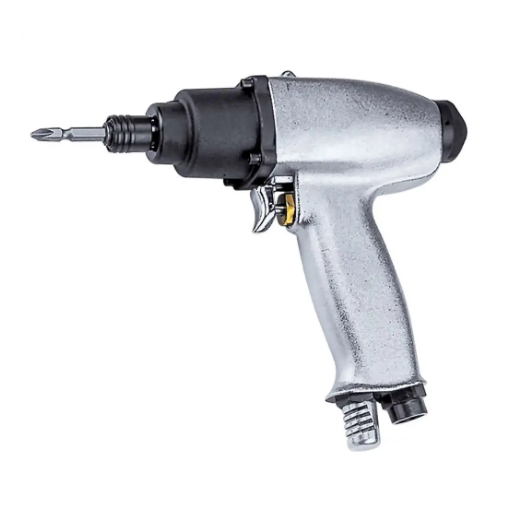
When picking an air compressor for air tools, one needs to take into account the actual devices to be used. There are different types of compressors based on the tasks they are intended to service.
- Portable Air Compressors
These are small, light in weight which is meant for the light tasks. Used for short tasks mostly such as the examples of tire inflators and blow guns, the fact that they can be carried around makes them good for field use. - Pancake Air Compressors
These air compressors are often associated with their distinct round and flat tanks, and they serve the function of any other compressor for light-duty jobs. They particularly well serve the purpose of nail guns and airbrushes in small-scale jobs. - Vertical/Stationary Air Compressors
Compressor units such as these are more robust and are generally larger for commercial as opposed to consumer applications. Generally, such compressors have large tanks and are powerful making them useful for air tools such as air die grinders and impact wrenches. - Twin-Stack Air Compressors
Featuring two air tanks for increased air storage, these compressors provide a compromise between capacity and portability. Mainly used in middle intensity activities, like spray painting on cars and small cuttings using wood.
Making sure you select the right compressor is essential for the productivity, economy, and the useful life of your pneumatic tools, having the probability of their underutilization or malfunction to the minimum.
Pancake Air Compressors
Often associated with their efficiency and ease in usage, Pancake compressors are best preferred in such cases wherein light to medium workloads are anticipated. These compressors come with a flat, circular tank-shaped like the ‘pancakes’ and are developed to sit firmly without wobbling, given that they will always have a flat bottom. In practice, such compressors have a range typical of 1 to 6 gallons of capacity, and the operational pressure range is frequently as high as 150 PSI, making them an excellent choice for such works as tire inflation, brad nailing, stapling, and sometimes comparatively light spray painting.
Most hobbyists and professionals exposed to small worksites would also appreciate the oil less pump design which is common in most varieties of air compressors as it requires little attention and extends the tools life cycle significantly. Moreover, their quiet operations would allow operating them indoors without causing any nuisance. Users desiring to purchase a pancake compressor should know what is the recommended tank size, the given CFM (Cubic Feet Per Minute), the PSI levels and the compatibility of the air tools on hand.
Twin-Stack Air Compressors
Professionals who take their crafts seriously tend to go after twin-stack air compressors due to their bigger capacity and performance. These compressors come equipped with two tanks that are placed horizontally next to each other so that they utilize the empty space above the second tank. This increases the air storage without making a bulkier product. This helps in boosting the duration of operation to downtime ratio, making it ideal for contexts that are frame, roof or vehicle intensive activities that use air powered tools.
When comparing twin-stack air compressors, the critical specifications that needs to be looked at include horsepower (HP), which is the indicator of the overall power output of the compressor, and cubic feet per minute (CFM) ratings, which refer to the amount of air delivered on a specific pressure. In addition, the smaller and more advanced twin-stack models mostly come with oil filled tanks, which prefer a warmer ambiance of low warner spine due to their efficiency for high duty applications. However, oil-free compressors are also available, enabling the customer a very favorable environment, running the system excusing lubrication. Moreover, the noise level is a subject to consider where the powerful types have more sonic level with low usability for such places.
Portable vs. Stationary Air Compressors
|
Parameter |
Portable Air Compressors |
Stationary Air Compressors |
|---|---|---|
|
Size and Weight |
Compact and lightweight |
Larger and heavier |
|
Mobility |
Easy to transport |
Fixed installation |
|
Power Output |
Lower pressure and CFM |
Higher pressure and CFM |
|
Usage |
Suitable for small-scale tasks |
Ideal for industrial or heavy-duty tasks |
|
Maintenance |
Generally low maintenance |
May require more upkeep |
|
Noise Levels |
Typically louder due to smaller size |
Quieter operation with proper setup |
|
Price |
Generally more affordable |
Higher upfront cost |
|
Energy Requirements |
Compatible with standard power outlets |
May need dedicated electrical setups |
|
Duty Cycle |
Shorter duty cycle, limited runtime |
Longer duty cycle for continuous operation |
|
Installation |
No installation needed |
Requires dedicated installation space |
Main Features to Consider

- Airflow (CFM)
Make sure compressed air output, which is mentioned as cubic feet per minute (CFM), is at par with what air tools need. Select a compressor whose capacity is slightly greater than the highest rated air tool. - Pressure (PSI)
Establish that the highest pound per square inch (PSI) rate is either the same or more than the pressure that is required by your tools. The majority of the air operated tools function properly at around 90 PSI, but some of the equipment may need much higher values. - Tank Size
It is advisable to consider a tank size with respect to the period that the tools shall be subjected to use. Larger tanks can be used for huge, continuous projects, but smaller ones can also assist in small operations that occur at certain intervals. - Portability
When trying to accomplish a task or series of tasks, make a choice of whether or not to use a permanent or movable compressor. Portable units can be used where there is a lot of movement, and as for the stationary ones, they can be installed in place in most cases, especially for workshop applications, etc. - Power Source
Compare different compressor types and decide which one is more efficient in compressed air, either an electric powered engine or one which uses gasoline. Make sure to note that electric machines are more suited to indoor use where there will not be any noise challenges. - Noise Level
Where commotion is a constituent, the users find it favorable to evaluate the compressor’s decibel (dB) specification. Reduced dB levels imply reduced noise, which is particularly important for indoor use or in environments which are not noise-friendly.
Air Compressor Size
The choice of an air compressor is very important as it determines how efficient the air tools will be when used. It is all about finding out the CFM (volume in cubic feet per minute) the air tools require at a particular PSI (force per square inch). In selection, smaller air tools such as brad nailers may require lower CFM (around 0.5 to 1 CFM at 90 PSI) whereas larger tools will call for higher rates, sometimes 5-8 CFM or above, especially with an impact wrench or sander. This should take into account the size of the tank, where larger tanks (20 gallons and above) offers longer time operation without frequent need to top-up air. Also, for instance, in case of heavier spray painting or industrial compressors where the operations are continuous, it is better to have larger storage capacity and compressors with higher power so as to avoid intermittent supply and at the same time to maintain the efficiency and use of the tools.
Flow Rate and Power Requirements
To determine the right air compressor, works out to understanding clearly the flow capacity in cubic feet per minute (CFM) and the capacity of the tools in horsepower (HP) as dictated by the tools in use. Air-powered tools like nail and stapling guns usually require the least supply of 2-4 CFM with minimal power, whereas most other higher-end tools such as grinders, sanders, or impact drivers need between 8 to 12 CFM and at least a 5 HP compressor.
Setting the compressor’s CFM value to exceed the sum of all the pressures consumed by the tools is especially important for no drumming due to drops. Also, tools which are supposed to operate at 90 PSI pressures and above need the pump to compatibility, and that calls for increased compression due to the higher working pressures. In addition, adding these issues to the phase of bearing in mind these factors results in the fact that it would be possible to optimize the performance of the compressor and the tool aspects for meeting the users’ working conditions, the wear and tear of the system being minimal.
Air Receiver Tank Capacity
The sizing of an air receiver tank is a matter of great importance as it pertains to the way that an air compressor works with operators of air tools. In such instances, the tank essentially servers as an air storage reservoir minimizing instances when the compressor has to work by itself. There is rarely any use, for instance, with tools that require compressed air only once in a while when a smaller capacity tank is in place; more in particular, high-impact tools like spray guns, sanders, and torque wrenches usually need more air and so in these cases a bigger tank needs to be employed so that the proper airflow can be realized.
Normally, air tanks can range from 5 gallons to 80 gallons or even more than that and the larger the tank is, the more likely it is to be stable with less fluctuations in output pressure, and it can run for longer before requiting to be refilled. When an appropriate size is being searched for, the question of capacity on the particular tool come up as in the CFM ratings of the tool as well as the ideal pressurization. Take for instance, a tool that works at 6 CFM at 90 PSI pressure levels, need a compressor or air tank 90 PSI and CFM rating that efficiently avoids pressure drop. However, selecting the incorrect sized air tank may introduce discouragement, excessive burden on the compressor, or insufficient function of the tool due to linear inactivity any of these spacing parameters.
Moreover, different types of businesses need to work with multiple container systems, or rather, with a series of tanks which are so large that they do not move from one place, as air consuming operations are carried out. Such systems help to accumulate air, manage resources and the work so that there is no downtime associated with individual pieces of equipment being idle rather unnecessarily. The amount of air that can be stored in an air receiver tank affects the working capacity as well as durability of tools, and the effectiveness of the pneumatic systems which is why its importance cannot be overstated in the context of air tools.
Air Compressor Maintenance

The maintenance schedule of the air compressor primarily relies on the usage and model of the compressor. One would be required to conduct checks on such components as the filters, belts and seals every week for normal operation. It is also advisable to empty the tank regularly so that moisture is not retained inside which causes corrosion and reduces the efficiency of the compressor. In the case of lubricated compressors, check for the existence of oil and ensure it is changed or topped up about once every three months or as per the instructions of the manufacturer. In addition, a revisit to the service station for assessment of the equipment should be every year, as per the parameters of the manufacturer to give specific part replacement or maintenance instructions. It helps in maintaining operational efficiency and prolongs service life of the equipment as well as reduces undesirable (unplanned) outages.
Common Issues and Troubleshooting
- Compressor Fails to Start
A standard cause of this is the circumstance wherein there is no power supply or a fuse has blown. Need to check the electrical connections, look at the distribution panel or the circuit breaker and inspect voltage output from the power source and see if it matches with the required voltage by the compressor. In some case a malfunctioning pressure switch or a variable switch may have earth leakage protection or a shorted overload protector will have to be checked and replaced, as needed. - Low-Pressure Output
Normally, low pressure is a result of leakage inside a system. Check the hoses, tubes, and joints for wear and tear or any visible damages and fix them using sealing solutions or by attaching new parts. There are possibilities to point air filter restriction as the problem. However, ensuring air filter is cleaned or changed after optimal period of time can help maintain pressure and ensure air flow. - Overheating
Excessive temperatures are resulting of air blocks that may cause inadequate air ventilation or inappropriate lubrication. Adequate ventilation should be ensured in the area where the compressor is located, and the level and type of lubricant are also compliance with the manufacturer’s recommendations. Clean the cooling devices such as fins or fans in order to prevent excess heat. - Air Receiver Tank Draining Oil or Water Excessively
The presence of moisture beyond acceptable limits or excessive oil contamination is indicated. To avoid this, there should be a functional condensate drain or a moisture separator in the system. Please also check the compressor for any lubricant breakthrough. This should be as a result of deteriorated oil seals and a mono-block that has excessive oil. - Unusual Noises or Vibrations
In case the equipment starts to produce unfamiliar sounds or vibrates, start with checking for loose preventives or any structural element screws, even with shaft losses or improper belt behavior. Torque or replace failing parts, and check to ensure the changes do not cause undue distress to the system. - Pressure Drop Between Compressor and Tools
Leaks or undersized pipes can cause drops in pressure. The appropriate size of the pipe system should be measured and checked for leaks in the system. Also, for large system, it may be considered if additional storage tanks can be added near the point of use to control the operational levels.
Extending the Life of Your Air Compressor
In order to optimize the service life of an air compressor, it is essential to follow the schedule of service activities properly and to adhere to the operational recommendations. It is important to ensure that the air compressor functions within the limits provided to it, so that there is no overheating and rapid mechanical wear. This involves periodic checks of air filters and, accordingly, their replacement before the pollution inside the system leads to a loss of performance. Every so often, empty the tank of any water that is in it to prevent the inside parts of the tank from rusting, this is usually in the case of spots that receive a lot of humidity.
In addition to the above, allowing the air compressor to breathe well in the air space where it is placed will improve the most efficient working by providing cooling and preventing overheating. The quality of oil used is also another basic requirements especially in the lubricated system. Poor lubrication often results in wearing off of the movable machine parts quickly. And if someone uses an air compressor using a belt, the person should check the belts at regular intervals including the belt tension and the belt condition and the moment there is any indication of wear or slippage, that defect should be rectified forthwith.
It is advisable to invest in top-notch hoses and coupling, as they possess the deterrent effect against leakage, and loss of compressor energy. In addition, keep all maintenance and inspection activities documented to avoid missing any planned work. Following all these suggestions will help you boost your effectiveness, decrease the downtime and increase the unique touch helpful air compressor services.
Air Compressor for Air Tools Buying Guide
It goes without saying that the scope of the application is determined by a few factors, among them the air tools you have in mind is one example. Certain types of tools will come with particular air consumption rates which are expressed in under cubic feet per minute (CFM) within a given pressure in pounds per square inch (PSI). Let’s take for instance:
- Light-Duty Tools: For tools of light work such as a brad nailer or a stapler, 2-4 CFM at 70-90 PSI is adequate.
- Medium-Duty Tools: For tools for intermediate operations like impact tools and spray guns, they will require 4-7 CFM at 90 PSI.
- Heavy-Duty Tools: Tools like sanders or grinders may demand 8-12 CFM or more at 90 PSI.
It has to be remembered however that finding the right compressor size will ideally involve looking for the tool that has the highest CFM requirements and adding about 25-30% more to compensate for running continuously and also operating other tools at the same time. For light to moderate use, go for a compressor with a tank size that falls between 6-20 gallons, and for severe usage wherein activities are continuous, opt for a tank size of 20+ gallons or more. Keep in mind to operate the tools only with the compressor’s psi rating and this should help to ensure the best possible performance of the equipment.
Budget Considerations and Options
As far as the budget of an air compressor is concerned, it is crucial to stipulate that the purchasing should not exceed the funds dynamics and the mission’s purpose. The lowest-end air compressors engineered to work on minor jobs like blowing up car tires or airbrushing generally cost between $100 and $200. Such units come with small tanks, about 6 to 10 gallons, and could be used on and off without overexerting or putting out too many CFM. For intermediate applications, including the usage of a sprayer gun and the use of an impact wrench, the mid-size models cost between $250-500 and are not only reasonable in weight, but also comprise of great power these units and their tanks range from 12 to 20 gallons with thicker walls and stronger areas for fittings.
Without taking out specific figures, more powerful compressors that are built for commercial or any other intensive use where more than one tool is operated at a time, will cost more than $500. These machines which have larger than 20 gallon tanks and include big machineries within them, can support activities such as sanding, painting, or even operating several pneumatic tools all as one. Despite their cost to purchase, these gadgets are typically shock- and wear-resistive or even cost-effective in the long run owing to their reduced breakdowns and maintenance requirements.
Other considerations that you should keep in mind include the type of compressor like oil-free or oil-lubricated, how loud the compressor is, and how much it consumes energy. Taking that into account, the last thing left is to fear about a breakdown and poor performance. In case the base operating conditions are more stringent, one can even get a compressor with such advanced features as thermal protection and advanced air filters. After all, with the proper evaluation of your needs, and the features of the different compressor models, you will settle for the best air compressor that is cost-effective and reliable.
Where to Buy Your Air Compressor
Whenever you are about to make a decision on where you should purchase the air compressor you will use for the air tools, the options you have can be conveniently broken down to online merchants, warehouses, and the local hand tool shops near you. Among the e-retailers usually visited are famous brands for instance Amazon, Home Depot, and Lowe’s as they have a vast assortment of models with the necessary features and also client review sections to help in the decision-making process. Plenty of online stores also offer some mechanical aids like how-tos, but if a person wants something concrete, they can visit an industrial hardware shop or any mechanical tools seller, such as Grainger or Northern Tool + Equipment. As opposed to the previously mentioned stores, local hardware stores may encourage you to buy a small compressor because they always come in handy and offer effective help to clients without splitting the hours. It is important to engage on the right for transparency in terms of pricing and warranty and in case of return, what the after-sales service offers to secure one’s pocket in the long run.
Reference Sources
-
“Oil drag loss in oil-flooded, twin-screw compressors”
Access the source -
“Storage Power and Efficiency Analysis Based on CFD for Air Compressors Used for Compressed Air Energy Storage”
Access the source
Frequently Asked Questions (FAQs)
How can the right compressor help you choose the right air compressor for air tools?
Selecting a proper air compressor involves pairing the air compressor model with your task tools including minimum and maximum pressure ratings as well as the required air capacity represented in CFM – cubic feet per minute. A general expert advises if a compressor can provide the volume of CFM required by the tools need among other factors and whether it is necessary to put an air reservoir tank in place. When it comes to most tasks, especially for common tasks for almost any do-it-yourself activities or professional work, like inflating tires or using impact wrenches, one is always looking for an appropriate size and flow rate to make an informed decision that is cost effective. And also don’t forget the air compressor buying guide recommendation: take into account duty cycle, motor power and future purchase of tools.
What air compressor do I need to choose the right size and flow rate for air tools?
When determining what kind of air compressor is needed, it is crucial to list the CFM and PSI requirements of your tools. See if you can add a 25 to 30% remainder to provide some sort of cushion for this simultaneous tool use. Determine whether a reciprocating or rotary screw compressor type is more suitable for your air requirements and duty cycle. Usually rotary screw air compressors are preferable for there are applications such as continuous, industrial air needs. Such factors are the appropriate air compressor speed and piston compressors and keep in mind that the ideal air compressor must be able to deliver the required CFM. If the receiver tank should be installed, it will prevent air pressure fluctuations and will not allow there is a need for the motor to start and stop every minute or so.
Why might rotary screw compressors be recommended when choosing the right air compressor for your business?
Rotary screw compressors are the perfect choice for operations where the air compressor for a business performs industrial use or is intended for use with several different tools at the same time. They are usually more powerful than the piston compressors and provide a more continuous air flow over a longer time. Exploit one of the very best technologies of piston compressors which deliver a far superior CFM than most reciprocating models categorically do. Women buying pressure compressor must take into account such things as long-term operating expenses, service needs and the capability of rotary screw compressors to pay back itself given the high initial costs. In view of the fact that there are many high-power-consuming processes in the organization, the oil-less systems become a more economical option.
How do I choose the right compressor based on the type of air compressor and air receiver tank needs?
The choice of the air compressor is based on elements such as transportability, low noises, or uninterrupted industrial utilization. Therefore, for air operated tools, the reciprocating air compressor would be for those people who use these tools occasionally at home while the rotary screw compressor is the ideal choice for those who would be working on tasks that are continuous and very demanding. Furthermore, the compressor tank benefits are that these allow the system air delivery to be leveled at all times and the compressor firings to be decreased by the effective use of air receiver tanks which also allows for the use of smaller sized compressors for sudden spikes in consumption.