
Saw Blades
Understanding a saw blade begins with the relationship between tool, material, tooth geometry, and kerf. The blade’s steel body, carbide teeth, and grind pattern govern performance, precision, finish, and long life across woodworking and metal cutting applications. A saw blade cuts as rotating or reciprocating teeth shear material along a controlled kerf. Steel or carbide-tipped teeth engage the work, evacuate chips, manage heat, and deliver clean cuts when matched to material.
Why Choose Our Saw Blades?
Premium Carbide Tips
C-4 grade carbide stays razor-sharp 10x longer than standard steel. Hand-brazed tips ensure superior strength and prevent chipping even in hardwoods.
Anti-Friction Coating
PTFE coating reduces heat buildup by 60%, eliminating burn marks while preventing resin and pitch buildup for cleaner, smoother cuts.
Precision Tooth Geometry
ATB, FTG, and TCG designs optimized for specific materials. Each tooth precisely ground to exact angles for tear-free, glass-smooth finishes.
Laser-Cut Balance
Computer-balanced blade bodies with expansion slots prevent warping under heat and eliminate vibration for dead-straight, accurate cuts.
Performance Features of Saw Blades
- Thin Kerf Design: Optimized kerf width reduces waste by 40% and requires less power to cut, extending your saw’s motor life while improving efficiency.
- Professional Resharpening: Factory-quality resharpening service restores blades to original specs for 80% less than new blade cost. Save money for years.
- Carbide tipped: long life and fine finish in wood/nonferrous.
- Bi-metal: best for reciprocating/jigsaw tasks in steel. Choose by material hardness, heat resistance, and desired cut speed and finish.
- Sharpness and Finish Quality: Sharpness results from precise grinding of tooth face and top angles. Stabilized plates and anti-friction coatings minimize tear-out and heat for smooth edges in wood, aluminum, and plastic.
- Blade Life and Maintenance:Maintain proper feed, correct kerf, and keep blades clean. Sharpen carbide before dullness degrades finish; inspect plates, tension, and runout for safety and predictable performance.
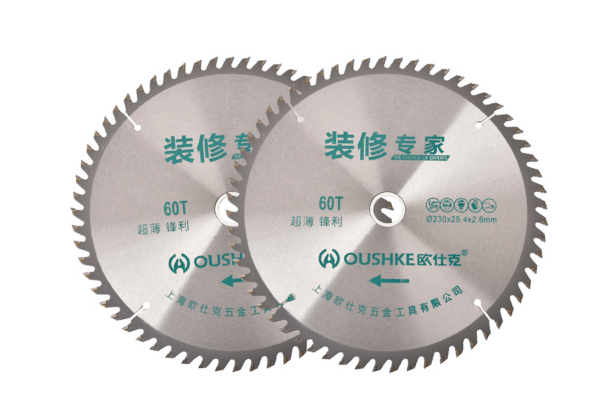
Saw Blades For Sale
Match diameter, arbor, tooth count, kerf, and material to your saw and job. Consider finish requirements, general purpose needs, and whether carbide, diamond, or bi-metal construction suits performance goals.
20118-20142 Professional-grade alloy saw blade
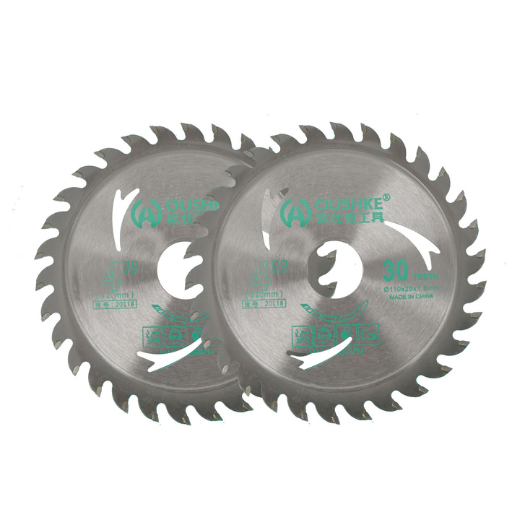
20118-20142 Professional-grade alloy saw blade (2)
Industry Applications
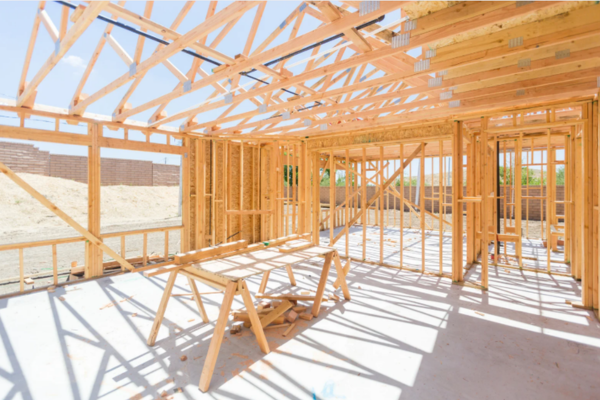
Construction and Carpentry
Saw blades are essential for cutting wood, plywood, and MDF in framing, flooring, and cabinetry projects. They ensure precise and clean cuts for structural and aesthetic purposes.

Furniture Manufacturing
Precision saw blades are critical for crafting high-quality furniture, ensuring smooth cuts on hardwoods, veneers, and laminates for a flawless finish.

Plastics and Composites Industry
Blades designed for cutting plastics, acrylics, and composite materials are used in manufacturing signage, displays, and custom parts.
Saw Blades Buying Guide
Discover the perfect saw blade for every project. From woodworking to metal cutting, our collection offers precision, durability, and performance. Contact us for bulk orders, custom packaging, and OEM opportunities.
MATERIAL COMPATIBILITY
Cutting Speed
Safety Features
Technical Specifications Comparison
| Blade Type | Material Compatibility | Tooth Geometry | Coating | Common Blade Sizes (Diameter) | Primary Application |
|---|---|---|---|---|---|
| Wood Cutting | Softwood, Hardwood, Plywood, MDF | ATB (Alternate Top Bevel) | Anti-Friction (PTFE) | 7-1/4", 10", 12" | General Carpentry, Framing, Finish Work |
| Metal Cutting | Steel, Aluminum, Non-Ferrous Metals | TCG (Triple Chip Grind) | Titanium or Carbide | 5-3/8", 7-1/4", 14" | Metal Fabrication, Pipe Cutting, Sheet Metal |
| Masonry/Concrete | Concrete, Brick, Tile, Stone | Segmented or Continuous Rim | Diamond-Grit | 4-1/2", 7", 14" | Construction, Demolition, Tiling |
| Plastic/Laminate | PVC, Acrylic, Laminate Flooring | High ATB (Hi-ATB) | Anti-Melt | 7-1/4", 10" | Plastic Fabrication, Flooring Installation |
| Multi-Material | Wood, Metal, Plastic, PVC | MTCG (Modified Triple Chip Grind) | Carbide-Tipped | 7-1/4", 10", 12" | Demolition, Remodeling, General Purpose |
| Fine-Finish | Hardwoods, Veneers, Melamine | Hi-ATB (High Tooth Count) | Anti-Vibration | 8-1/2", 10", 12" | Cabinetry, Furniture Making, Trim Work |
Safety Considerations When Using Saw Blades
Safety with any saw blade begins with proper setup, correct blade choice for material, and protective practices that reduce risk in the shop or jobsite. Ensure guards and alignment, secure clamps, and use blades matched to the material.

What Our Clients Say
Here’s a look at what people are saying about working with us. We’re proud to have helped so many achieve their goals.
These saw blades cut cleanly and stay sharp longer than others I’ve used. They improved my efficiency on job sites and produced precise cuts every time.

John Mitchell
Great value and consistent performance. The saw blades make delicate cuts without chipping, which is essential for my cabinetry work.

Sara Lopez
Latest News
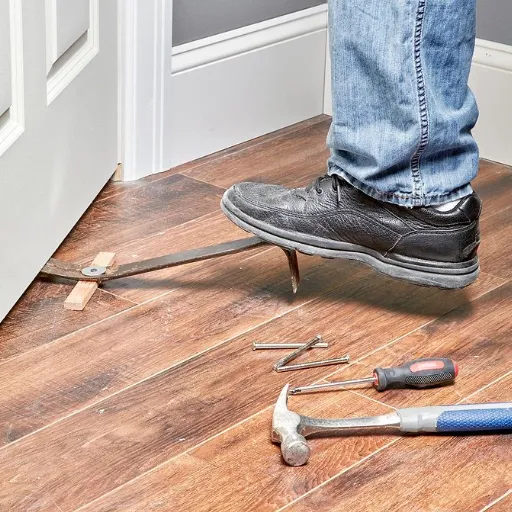
How to Use a Pry Bar Safely: Step-by-Step Techniques (2026)
To use a pry bar correctly, seat the tip or claw fully under the load,…
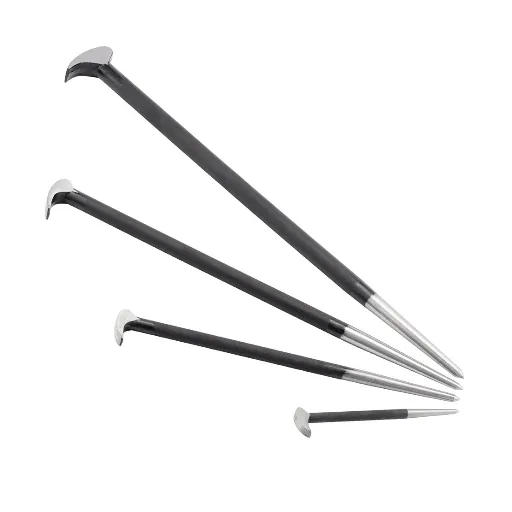
Pry Bar Sizes Chart: Lengths, Leverage & Which to Choose
Pry bar sizes run from 2 inches to 72 inches, and the length you choose…
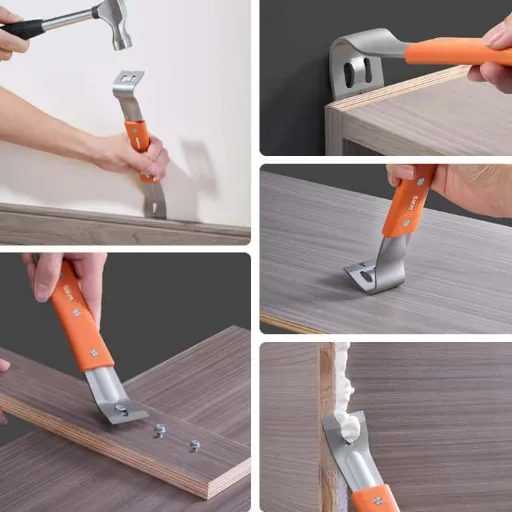
Flat Pry Bar & Wonder Bar Guide: Uses, Sizes & Picks
A flat pry bar is a thin, flat, spring-tempered steel bar with a nail slot…
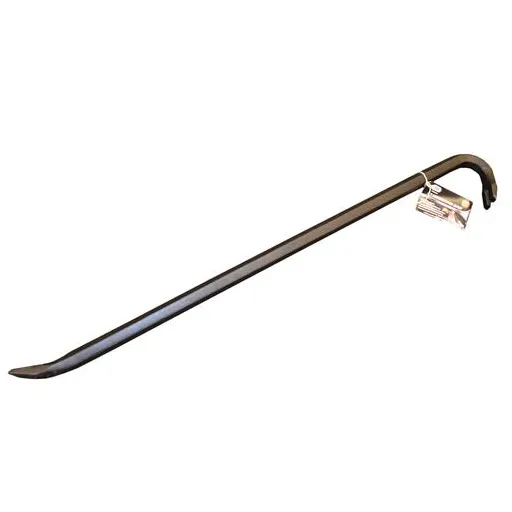
Wholesale Pry Bars: A Buying Guide for Distributors and Retailers
Wholesale pry bars cost roughly US$1.44 to US$2.70 per piece at factory-direct volumes, and most…
Frequently Asked Questions (FAQs)
Still have questions? Our team is here to help. Reach out to us anytime, and we’ll make sure you get the answers you need.
What steel saw blade options are best for general-purpose cutting?
Steel saw blade options range from carbon steel for inexpensive general-purpose blades to stainless steel and high-speed steel for better corrosion resistance and heat tolerance. For everyday woodworking and plywood cutting, high-carbon or bi-metal blades offer a balance of durability and cost. For cutting aluminum or plastic, choose blades labeled for non-ferrous metals or with fine finish teeth to reduce clogging and leave a smooth edge.
How do I choose a finish saw blade or a fine finish saw blade for clean cuts?
Finish saw blades and fine finish saw blades have a higher tooth count and often a thin kerf to reduce tear-out and leave a smooth surface on trim, molding, and plywood. Look for carbide teeth and a fine finish tooth geometry (higher TPI) when you need precise, clean cuts in wood or laminate. For the best results, pair a thin kerf finish blade with a stable miter saw or track saw blade setup to minimize splintering.
When should I use a diamond or ultra blade rather than carbide teeth?
Diamond blades are designed for abrasive materials such as tile, masonry, and composites; they outperform carbide when cutting concrete, ceramic, or fiberglass. Ultra or high-performance diamond blades provide long life and consistent, smooth cuts on hard materials. Carbide teeth are ideal for wood, plywood, aluminum, and general-purpose metal cutting, where teeth impact and chip away material rather than grinding it.
What are the advantages of a thin kerf saw blade for table saws and track saw blades?
Thin kerf blades remove less material per cut, reducing waste and requiring less power from the saw—ideal for jobsite table saws, portable track saw blade systems, and older saws with lower horsepower. Thin kerf blades can offer smoother cuts and less tear-out when paired with high-quality carbide teeth, but they may be less stable on heavy-duty industrial cuts compared with full-kerf premium blades.
How do band saw blades and jigsaw blades differ for woodworking and metalworking?
Band saw blades are continuous loops suited for resawing, ripping, and curving cuts in wood and metal; they come in widths and tooth patterns optimized for tasks like cutting plywood or thick hardwoods. Jigsaw blades (including jig saw and jigsaw blades) are short, replaceable blades for detailed cuts, plunge cutting, and cutting shapes in wood, plastic, or thin metal. For long life on metal or hardwood, choose bi-metal reciprocating or premium jigsaw blades with carbide or hardened teeth.
Can a miter saw blade cut aluminum, stainless steel, or plastic effectively?
Miter saw blades designed for specific materials will perform best: choose blades labeled for aluminum or non-ferrous metals when cutting aluminum to avoid gumming and ensure sharp, accurate cuts. Stainless steel requires blades with appropriate tooth geometry and sometimes an industrial blade designed for metal cutting; for plastic, select a blade with a high tooth count and smooth grind to prevent chipping. Always use the correct blade speed and feed rate and consider coolant or reduced heat when cutting metals.
Explore Other Tools
-

Lawn & Garden Tools
-
Screwdrivers & Bits
-
Wrenches & Spanners
-
Saws & Saw Blades