
Nut Runner: The Complete Guide for Industrial Buyers and Distributors
A nut runner is a powered torque tool that tightens fasteners to a preset specification with controlled precision, making it essential for assembly lines where accuracy and repeatability matter. Unlike impact wrenches that deliver hammering blows, nut runners apply continuous, measured torque and stop automatically when the target is reached.
Now consider this: a single over-tightened bolt on a wind turbine gearbox can crack a housing and trigger a repair. A single under-tightened wheel nut on a commercial vehicle can cause a catastrophic failure. Precision fastening is not optional in modern manufacturing. It is the difference between reliable production and costly recalls.
This guide explains what a nut runner is, how it works, which type fits your application, and how to source these tools efficiently. Whether you manage an assembly floor, distribute industrial equipment, or are building your own tool brand, the information here will help you make confident, informed decisions.
Key Takeaways
- Nut runners apply continuous, controlled torque for precision fastening, while impact wrenches use hammering force better suited for loosening and rough work.
- Electric nut runners offer ±1–3% accuracy and lower total cost of ownership than pneumatic models, which typically cost roughly 2x more over five years when compressor energy and maintenance are included.
- The global nut runner market reached approximately USD 1.25 billion in 2025, with automotive assembly driving 46% of total demand.
- Cordless nut runners are the fastest-growing segment, offering portability and data traceability without the noise and hose management of pneumatic systems.
- Distributors and brand owners can reduce procurement costs and improve margins by sourcing nut runners directly from manufacturers with OEM customization capabilities.
What Is a Nut Runner?
A nut runner is a motorized assembly tool designed to tighten nuts, bolts, and other threaded fasteners to a specific torque value. It combines a motor, a torque multiplication gearbox, and a control system that stops rotation when the preset torque is achieved.
The tool is commonly used in automotive assembly, aerospace manufacturing, heavy machinery production, and wind energy maintenance. In these environments, every fastener must meet exact specifications. A nut runner removes human guesswork and delivers consistent results across thousands of cycles.
There are three main power sources for nut runners: pneumatic (compressed air), electric (corded), and battery (cordless). Each has distinct advantages depending on the application, environment, and budget. We will explore these in detail later in this guide.
How Nut Runners Work
Understanding the internal mechanics of a nut runner helps buyers evaluate quality and match the right tool to the job.
The Torque Application Mechanism
A nut runner uses a planetary gearbox to multiply the motor’s input torque into the high output torque needed for industrial fasteners. The motor drives a sun gear, which rotates planet gears around a fixed ring gear. This arrangement delivers high torque in a compact, lightweight package.
After the gearbox, the torque passes through a clutch or control system. When the preset torque is reached, the clutch disengages or the electronic controller shuts off the motor. This prevents over-tightening and protects both the fastener and the workpiece.
Reaction Arms and Why They Matter
High-torque nut runners generate a significant reaction force. Without a reaction arm, that force transfers directly to the operator’s wrist and arm. A reaction arm absorbs this force by bracing against a solid surface, reducing operator fatigue and improving safety.
Data Feedback and Traceability
Modern electric and cordless nut runners include sensors that measure torque, rotation angle, and seating detection. This data can be stored and exported for quality audits. For manufacturers facing strict traceability requirements, such as automotive OEMs or aerospace suppliers, this feature is essential.
Types of Nut Runners
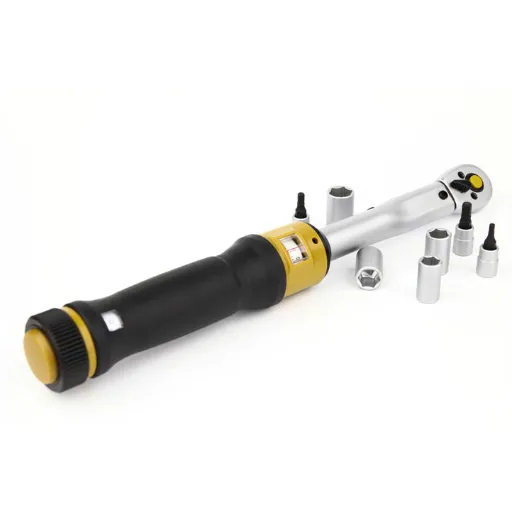
Choosing the right type of nut runner starts with understanding the types of nut runners available. The market is segmented by power source, design configuration, and mounting style. Each category has specific use cases and trade-offs. Read our types of nut runners explained for detailed specifications and selection guidance.
Pneumatic Nut Runners
Pneumatic nut runners use compressed air to drive the motor. They are durable, can run continuously for long shifts, and perform well in hazardous environments where electric sparks pose a risk.
Typical torque accuracy is ±3–4%, which is adequate for many general assembly tasks. However, they require a compressor, air lines, regulators, and daily maintenance, including oiling and moisture management. Over five years, the total cost of ownership is often roughly double that of an electric equivalent when compressor energy and upkeep are factored in. For a deeper cost breakdown, see our electric nut runner vs pneumatic comparison.
Electric (Corded) Nut Runners
Corded electric nut runners deliver very high accuracy, typically ±1–3%, with closed-loop electronic control. They support advanced tightening strategies, including torque-plus-angle, seating detection, and multi-step programs.
These tools integrate easily with factory networks and MES (Manufacturing Execution Systems) for real-time data logging. They are quieter than pneumatic models and require minimal maintenance. The trade-off is that they need a power outlet, which limits mobility on large job sites.
Cordless and Battery Nut Runners
Battery-powered nut runners are the fastest-growing segment. Lithium-ion battery technology has advanced to the point where cordless models now rival corded electric tools in both torque and accuracy.
These tools eliminate hoses and compressors. They are ideal for maintenance work, remote sites like wind turbines, and applications where mobility is critical. Many models share battery platforms with other cordless tools, reducing inventory costs for facilities that already use those systems. For battery platform comparisons and runtime calculators, see our cordless nut runner buyer’s guide.
Hydraulic Nut Runners
Hydraulic nut runners are used for extremely high-torque applications, such as structural steel in construction or offshore oil rigs. They can deliver torque far beyond what pneumatic or electric tools can achieve. However, they require a hydraulic pump unit and are heavier and more complex to operate.
Fixtured vs Handheld
Fixtured nut runners are mounted on automated assembly stations or robotic arms. They perform the same operation thousands of times with zero variation. Handheld nut runners are operated by technicians and offer flexibility for varied tasks and job sites.
Design Configurations
Nut runners come in three common grip styles:
- Pistol grip: Comfortable for vertical and horizontal fastening
- Inline grip: Slim profile for tight spaces
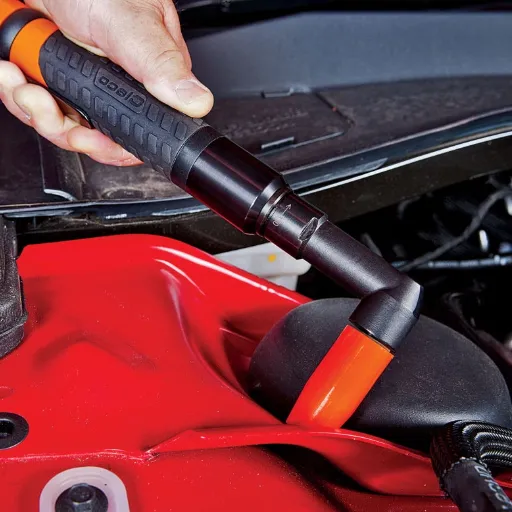
- Right-angle grip: Ideal for confined areas where a straight tool will not fit
| Nut Runner Type | Typical Torque Range | Accuracy | Best For |
|---|---|---|---|
| Pneumatic | 10–6,000 Nm | ±3–4% | Heavy-duty, continuous production, hazardous environments |
| Electric (corded) | 5–3,000 Nm | ±1–3% | Precision assembly, data logging, quality-critical joints |
| Cordless (battery) | 5–2,000 Nm | ±1–3% | Mobile maintenance, remote sites, flexible workstations |
| Hydraulic | 500–50,000+ Nm | ±3–5% | Structural steel, heavy construction, offshore rigs |
| Fixtured | 5–3,000 Nm | ±1–2% | Automated lines, robotic assembly, high-volume production |
Nut Runner Applications by Industry
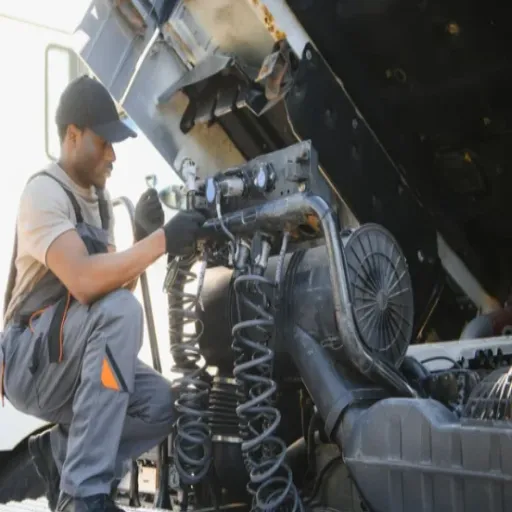
Nut runner applications span virtually every industry where threaded fasteners must be tightened to specification. The choice of tool depends on torque requirements, production volume, and environmental conditions. For case studies and industry-specific torque recommendations, explore our detailed nut runner applications by industry.
Automotive and EV Assembly
Automotive manufacturing is the largest consumer of nut runners, accounting for approximately 46% of global demand according to industry research. Applications include engine assembly, chassis fastening, powertrain installation, and battery pack assembly in electric vehicles.
EV battery packs require precise torque control to ensure electrical conductivity and thermal management without damaging sensitive components. Programmable electric nut runners with torque-plus-angle strategies are the standard for these joints.
Aerospace and Defense
Aerospace manufacturing demands extreme precision and full traceability. Every critical fastener must be documented with torque value, rotation angle, and pass/fail status. Electric nut runners with data export capabilities are mandatory in this sector.
Heavy Machinery and Construction
Excavators, loaders, and mining equipment use large fasteners that require substantial torque. Pneumatic and hydraulic nut runners are common here due to the high torque demands and rugged working conditions.
Wind Energy
Wind turbines contain thousands of bolts, from nacelle assemblies to tower flanges. Cordless nut runners have become popular for tower maintenance because technicians work at height without access to compressed air or power outlets. Battery platforms that share cells with other maintenance tools simplify logistics.
Electronics and Appliances
Low-torque electric nut runners assemble plastic housings, circuit board mounts, and appliance frames. These tools prevent cracking or stripping delicate fasteners while maintaining production speed.
General Manufacturing and MRO
Maintenance, repair, and overhaul (MRO) operations across all industries rely on handheld nut runners for equipment rebuilds, line changes, and emergency repairs. Versatility and portability are the key selection criteria here.
Nut Runner vs Impact Wrench: When to Use Each
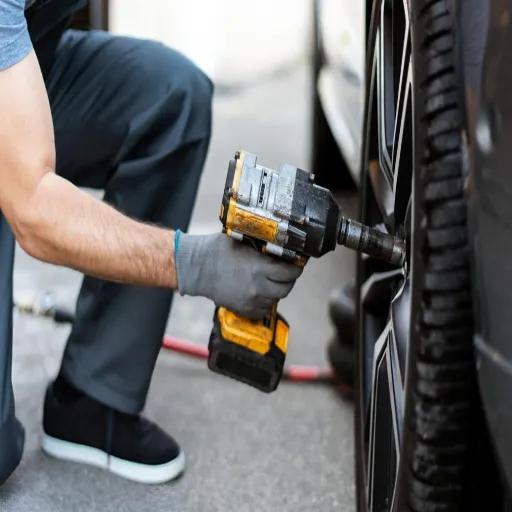
Buyers often confuse nut runners with impact wrenches because both tighten fasteners. The difference is fundamental and directly affects quality, safety, and cost.
An impact wrench delivers torque through a hammering mechanism. An internal hammer strikes an anvil repeatedly, creating high peak torque with low continuous torque. This makes impact wrenches excellent for loosening rusted bolts and rough assembly work. However, the hammering action creates vibration, damages precision components, and produces highly inconsistent final torque.
A nut runner delivers continuous, smooth rotation through a gearbox. The torque is controlled and measurable. The tool stops at the preset value. There is no hammering, no excessive vibration, and no risk of over-tightening.
| Factor | Nut Runner | Impact Wrench |
|---|---|---|
| Torque delivery | Continuous and controlled | Hammering blows |
| Accuracy | ±1–4% | ±10–30% or worse |
| Data logging | Available on electric models | Rare |
| Vibration | Low | High |
| Noise | Moderate | Very high |
| Best use | Precision assembly, quality-critical joints | Loosening, rough work, tire changes |
| Cost of errors | Low (controlled) | High (over/under-tightening) |
The decision is straightforward. If the joint requires a specific torque and quality matters, use a nut runner. Still unsure which tool fits your shop? Our detailed nut runner vs impact wrench guide includes a decision flowchart. If the goal is to remove a rusted bolt or perform non-critical rough fastening, an impact wrench is the right tool.
Marcus Chen, a plant manager at a mid-size automotive parts supplier in Detroit, learned this distinction the hard way. His facility used impact wrenches for chassis bracket assembly to save on tool costs. After a batch of brackets failed torque audits and triggered a customer complaint, he replaced the impact wrenches with electric nut runners. First-pass quality improved by 28%, and warranty claims dropped to nearly zero within six months.
Electric vs Pneumatic Nut Runners: A Total Cost Analysis
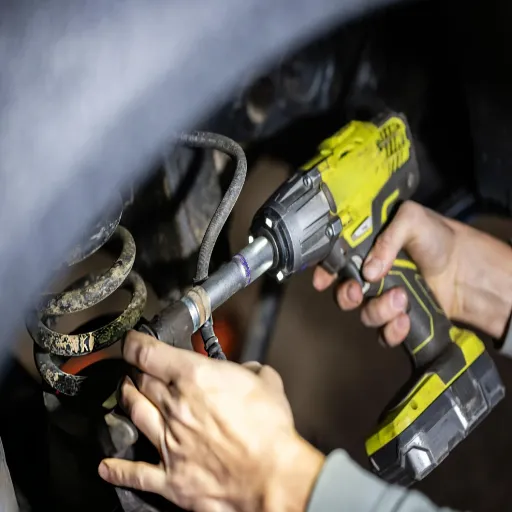
The choice between electric and pneumatic nut runners is one of the most important decisions a facility manager makes. It affects accuracy, productivity, maintenance workload, and long-term operating cost.
Accuracy and Control
Electric nut runners with closed-loop control achieve ±1–3% accuracy. They support multi-step tightening strategies, seating detection, and real-time error feedback. Pneumatic nut runners rely on air pressure regulation and mechanical clutches, typically achieving ±3–4%. For critical safety joints, that accuracy gap matters.
Speed and Duty Cycle
Pneumatic tools can run continuously for long shifts without overheating. They are well-suited for high-volume production lines that already have compressed air infrastructure. Electric tools are also fast but may require duty-cycle management under sustained heavy loads. Cordless models are limited by battery runtime, though modern lithium-ion packs last through full shifts.
Data and Traceability
This is where electric tools dominate. Every tightening cycle can be logged with torque, angle, time, and result. This data integrates with quality systems and supports audit trails. Pneumatic tools generally offer no data logging, making them unsuitable for industries requiring traceability.
Maintenance Requirements
Electric nut runners with brushless motors require minimal maintenance. Pneumatic tools need daily oiling, moisture trap management, vane inspections, and compressor maintenance. The air system itself is a high ongoing cost.
Five-Year Total Cost of Ownership
When comparing the same torque class, pneumatic tools often appear cheaper at purchase. However, the hidden costs accumulate quickly:
| Cost Factor | Electric Nut Runner | Pneumatic Nut Runner |
|---|---|---|
| Initial tool cost | Higher | Lower |
| Compressor and air system | None required | Significant capital + energy |
| Daily maintenance | Minimal | Oiling, moisture management |
| Energy cost | Low (direct electricity) | High (compressor inefficiency) |
| Repair frequency | Low | Moderate to high |
| Downtime cost | Lower | Higher |
| 5-year TCO estimate | Baseline | ~1.5–2x baseline |
Facilities without existing compressed air infrastructure should strongly favor electric or cordless models. Facilities with established air systems may still benefit from switching to electric for precision applications, especially when data traceability is required.
How to Choose the Right Nut Runner
Selecting the correct nut runner requires evaluating six key factors. Getting this right prevents costly mistakes and ensures the tool performs reliably for years. This guide covers the essentials. For a step-by-step decision framework, read our detailed guide on how to choose the right nut runner.
1. Torque Requirement
Start by identifying the torque needed for your fasteners. This is determined by bolt size, material, grade, and application standards. Common automotive chassis bolts may require 100–300 Nm. Wind turbine tower bolts can exceed 2,000 Nm. Choose a tool with a torque range that comfortably covers your needs without operating at its extreme limits.
2. Power Source
Match the power source to your environment:
- Fixed production lines with air infrastructure: Pneumatic may work for non-critical joints
- Fixed lines requiring precision and data: Electric (corded) is ideal
- Mobile maintenance, remote sites, flexible stations: Cordless is the best choice
- Very high torque, structural work: Hydraulic
3. Accessibility
Consider the physical space where the tool will operate. Tight engine compartments may require a right-angle nut runner. Overhead assembly may favor a pistol grip with a reaction arm. Measure the clearance before selecting a tool configuration.
4. Data and Traceability Needs
If your customers or regulators require torque documentation, only electric or cordless nut runners with data export capability will meet your needs. Verify that the tool supports the communication protocol your quality system uses.
5. Budget and Total Cost
Look beyond the purchase price. Factor in energy, maintenance, downtime, and training. An electric tool that costs 30% more upfront but saves 50% in operating costs over five years is the better investment.
6. Environmental Conditions
In explosive atmospheres such as petrochemical facilities, pneumatic tools are safer because they produce no sparks. In noise-sensitive areas, electric tools are preferable. For outdoor construction, cordless tools eliminate trip hazards from hoses and cords.
Smart Nut Runners and Industry 4.0 Integration
Modern manufacturing is increasingly connected. Smart nut runners are torque tools equipped with sensors, controllers, and communication modules that integrate into the broader factory ecosystem. Learn how to connect your assembly line with our deep dive into smart nut runners and Industry 4.0.
Torque-Plus-Angle Tightening
Some critical joints require both a specific torque and a specific rotation angle after seating. Smart nut runners measure both parameters in real time and accept or reject each cycle based on programmed thresholds.
Real-Time Process Monitoring
Controllers display live torque curves during each tightening cycle. Deviations from the expected pattern indicate problems such as cross-threading, damaged bolts, or material inconsistencies. Catching these issues immediately prevents defective products from leaving the station.
MES and PLC Connectivity
Smart nut runners connect to Manufacturing Execution Systems and Programmable Logic Controllers via Ethernet, Wi-Fi, or fieldbus protocols. Tightening data flows directly into quality databases without manual entry. This integration supports trend analysis, predictive maintenance, and automated rework routing.
Wireless Data Export
Cordless smart nut runners can transmit tightening records wirelessly to central servers. Technicians working on wind turbines or remote equipment no longer need to return to a workstation to upload data. This saves time and ensures complete documentation.
Nut Runner Maintenance and Calibration
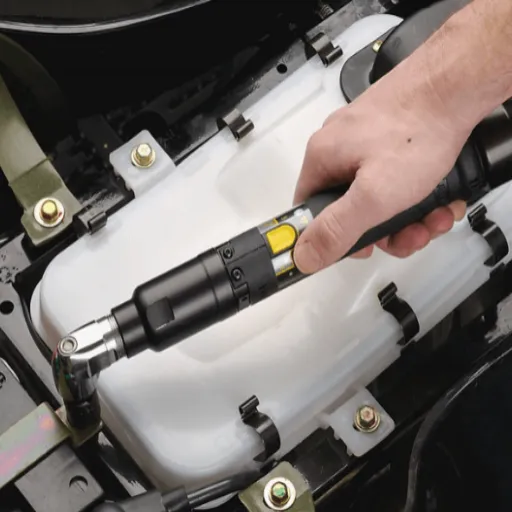
A nut runner is a precision instrument. Without proper maintenance and calibration, it will drift out of tolerance and produce defective assemblies. To keep your tools within specification, follow our complete nut runner maintenance and calibration guide.
Daily Checks
Operators should inspect tools at the start of each shift. Check for damaged cables, worn reaction arms, loose fasteners, and abnormal noise. Pneumatic tools need daily oiling and moisture trap checks.
Calibration Frequency
ISO 6789 is the international standard for torque tool calibration. Most manufacturers recommend calibration every 12 months or 5,000 cycles, whichever comes first. Tools used in critical applications may require more frequent calibration, such as every 3 months.
Calibration should be performed by an accredited laboratory using certified equipment. The calibration certificate documents the tool’s accuracy before and after adjustment and should be retained for quality audits.
Failure Detection
Signs that a nut runner needs service or calibration include:
- Consistent over-torque or under-torque readings
- Increased scatter in torque audit results
- Unusual noise or vibration
- Slow or inconsistent shut-off
- Error messages on electronic controllers
Ignoring these signs risks producing out-of-specification assemblies that may fail in service.
Nut Runner Safety and Ergonomics
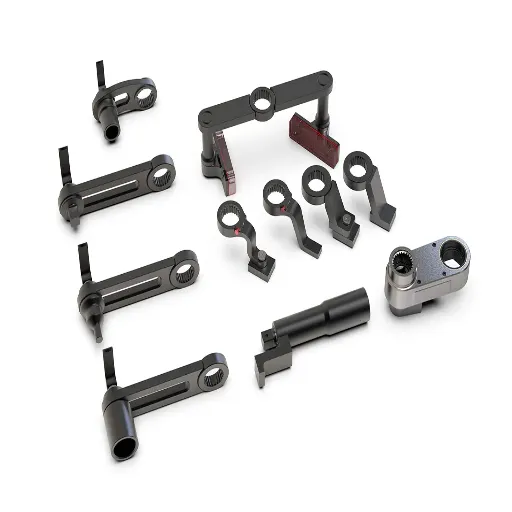
Nut runners are powerful tools. Proper safety practices protect operators from injury and extend tool life. For a full safety checklist and ergonomic best practices, see our nut runner safety and ergonomics guide.
Hand-Arm Vibration (HAV)
Impact wrenches generate significant vibration that contributes to hand-arm vibration syndrome over time. Nut runners produce far less vibration because they apply smooth, continuous torque. Even so, operators should rotate tasks and use anti-vibration gloves when working with high-torque tools for extended periods.
Reaction Force Management
Always use a reaction arm when operating handheld high-torque nut runners. The reaction force on a 1,000 Nm tool is enough to cause wrist or elbow injury. Reaction arms should be adjusted to brace against a solid, stable surface near the fastener.
Noise Exposure
Pneumatic nut runners and compressors generate noise levels that can exceed safe exposure limits. Hearing protection is essential. Electric and cordless models are significantly quieter and reduce the need for extensive hearing protection programs.
Ergonomic Tool Selection
Tool weight, grip design, and balance affect operator fatigue. Lightweight cordless tools with ergonomic grips reduce strain during overhead or repetitive work. Pistol grips are generally more comfortable for vertical applications, while inline grips work better for horizontal access.
OEM Nut Runner Sourcing for Distributors and Brand Owners
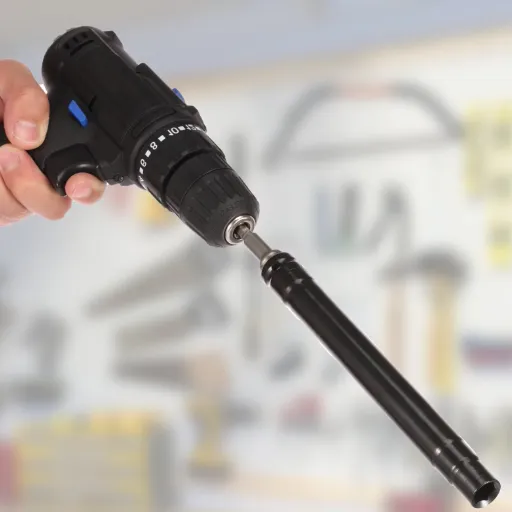
For distributors, wholesalers, and private-label brand owners, how you source nut runners directly affects your margins, quality consistency, and brand reputation. If you are building your own tool brand, learn more about OEM nut runner manufacturing and private-label programs.
Factory-Direct Advantages
Sourcing directly from the manufacturer eliminates intermediary markups. It also gives you direct access to engineering support, faster communication, and more flexible terms. When quality issues arise, resolving them through a direct factory relationship is faster than working through trading companies.
OEM Customization
A reliable manufacturing partner can customize nut runners to your market requirements. Common customizations include:
- Voltage configuration (110V/115V for North America, 220V/230V for Europe and Asia)
- Torque range adjustments for specific applications
- Reaction arm designs for unique access requirements
- Private labeling, color schemes, and branded packaging
- Instruction manuals and certifications in local languages
Sofia Reyes runs a small tool distribution business in Mexico City. She wanted to launch a line of cordless nut runners for the local automotive repair market. By working directly with a manufacturer, she customized the voltage to 127V, added Spanish labeling, and adjusted the torque range to match common domestic vehicle specifications. Her first container order sold out in eight weeks, and repeat orders now arrive on a quarterly schedule.
Minimum Order and Lead Time Considerations
MOQ varies by product and customization level. Standard models often have lower MOQs, making them accessible for smaller distributors testing a new market. Custom designs require higher volumes but deliver stronger differentiation and margin protection.
Lead times depend on production schedule, customization complexity, and shipping method. Sea freight is economical for bulk orders. Air freight works for urgent replenishment or product launches.
Quality Assurance
Verify that your supplier operates a documented quality management system. Request inspection reports, material certifications, and torque calibration certificates. A factory with ISO 9001 certification and in-house testing equipment demonstrates commitment to consistent output.
Nut Runner Frequently Asked Questions
What is a nut runner used for?
A nut runner is used to tighten nuts, bolts, and threaded fasteners to a specific torque value in controlled, repeatable cycles. It is essential in automotive assembly, aerospace manufacturing, heavy machinery production, wind energy maintenance, and any industry where fastener precision affects safety or performance.
What is the difference between a nut runner and a torque wrench?
A torque wrench is a hand tool that measures or applies torque manually. A nut runner is a powered tool that applies torque automatically and stops when the preset value is reached. Nut runners are faster and more consistent, making them ideal for production environments. Torque wrenches are better suited for low-volume work, calibration, and field verification.
How accurate are nut runners?
Accuracy depends on the type and control system. Electric and cordless nut runners with closed-loop electronic control typically achieve ±1–3%. Pneumatic nut runners achieve ±3–4%. Hydraulic models range from ±3–5%. For critical safety joints, electric tools with torque-plus-angle monitoring provide the highest confidence.
How often should a nut runner be calibrated?
Most manufacturers recommend calibration every 12 months or 5,000 cycles, whichever comes first. Tools used in critical applications, such as aerospace or automotive safety systems, may require calibration every 3 months. Always follow the manufacturer’s guidelines and any regulatory requirements in your industry.
Can nut runners be used for loosening bolts?
Some nut runners support both tightening and loosening modes. However, they are designed primarily for controlled tightening. For loosening rusted or seized bolts, an impact wrench is usually more effective because its hammering action breaks resistance better than continuous torque.
What is an EC nutrunner?
An EC nutrunner refers to an electronically controlled nut runner. These tools use brushless motors and microprocessor-based controllers to deliver precise torque with real-time monitoring. EC nutrunners are the standard for smart manufacturing and Industry 4.0 applications.
Conclusion
A nut runner is more than a powered wrench. It is a precision instrument that protects product quality, reduces liability, and improves production efficiency. The right nut runner depends on your torque requirements, power source availability, data needs, and operating environment.
Electric and cordless nut runners are gaining ground over pneumatic models because they offer better accuracy, lower total cost of ownership, and built-in data traceability. Understanding the nut runner vs impact wrench distinction remains essential for buyers evaluating tool investments. For distributors and brand owners, sourcing these tools directly from manufacturers unlocks competitive pricing and customization options that strengthen market position.
If you are evaluating nut runners for your facility or planning a new product line, start by mapping your torque requirements and production environment against the selection framework in this guide. The investment in the right tool pays dividends in quality, safety, and long-term operating cost.
Interested in OEM nut runner solutions or factory-direct bulk orders? Contact Shanghai Oushike Hardware Tools Co., Ltd. today to discuss custom specifications, flexible MOQs, and reliable export support for your market.