
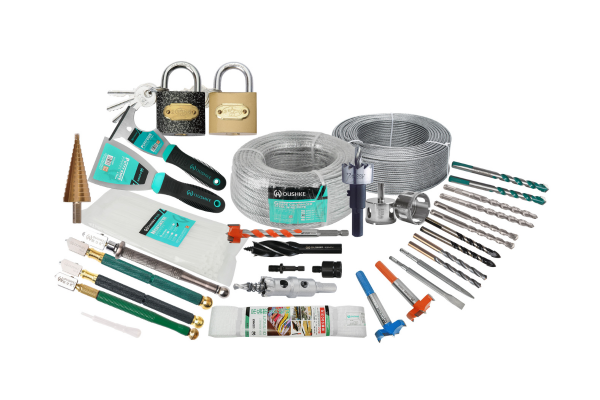
Drill Bits
Professional-grade wire cutters and combination pliers designed for electrical work, construction, and industrial applications. Our comprehensive range includes insulated models for electrical safety, ergonomic designs for comfort, and heavy-duty options for demanding tasks. Available in various styles, including American, European, and eccentric designs with multiple surface finishes. Perfect for electricians, maintenance professionals, and industrial contractors.
Why Choose Our Drill Bits?
135° Split Point Design
Self-centering tip eliminates walking and reduces drilling pressure by 50%. Start drilling exactly where you want.
Variable Helix Flutes
Aggressive chip removal keeps the bit cool and prevents binding. Clean holes with minimal effort.
Heat-Resistant Materials
Maintains hardness even at high drilling temperatures. No more smoking bits or burnt material.
Resharpenable Design
Cobalt and HSS bits can be resharpened multiple times. One quality bit outlasts 10 cheap ones.
Key Features of Our Drill Bits Collection
- High-Leverage Jaw Design: Enhanced cutting power with reduced effort
- Impact Driver Compatible: Hex shank designs work with both drills and impact drivers for maximum versatility.
- Quick-Change Shanks: Hex shank design allows for fast and secure bit changes, saving time on the job.
- Wide Range of Sizes: Available in various diameters and lengths to suit any project or application.
- Durable Coatings: Titanium or black oxide coatings enhance durability and reduce friction for smoother drilling.
- Multi-Material Compatibility: Designed to drill through wood, metal, plastic, and more with ease and efficiency.
- Resharpenable Design: High-speed steel (HSS) and cobalt bits can be resharpened multiple times for extended use.
- Quad-Edge Cutting Geometry: Four cutting edges instead of two mean faster penetration and longer life between sharpenings.
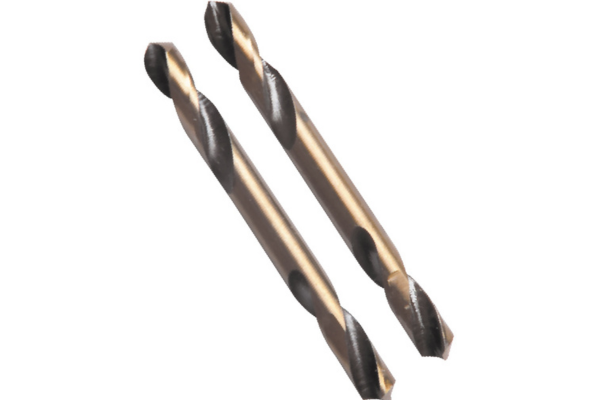
Drill Bits For Sale
Understanding a drill bit begins with geometry, substrate, and coating choices that determine speed, durability, and hole quality. Match drill material (HSS, cobalt, carbide) and coating to the workpiece for the best cost-per-hole.
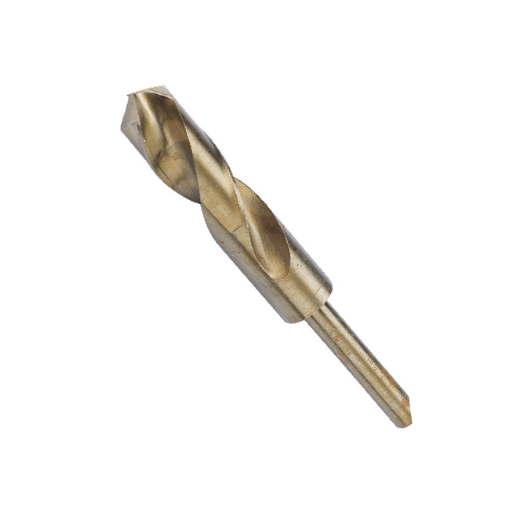
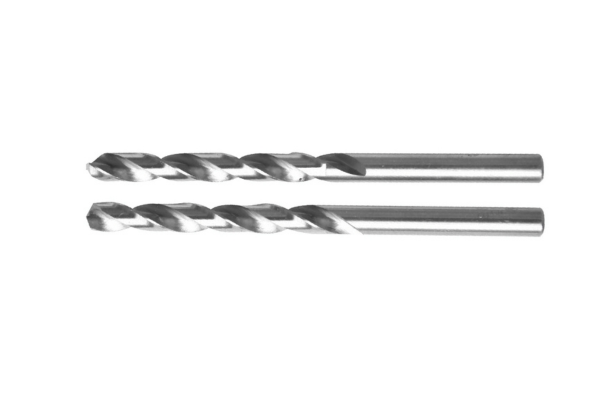
Twist Drill
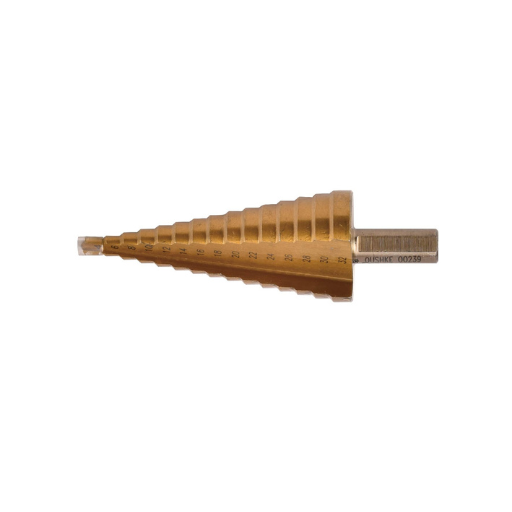
Step Drill
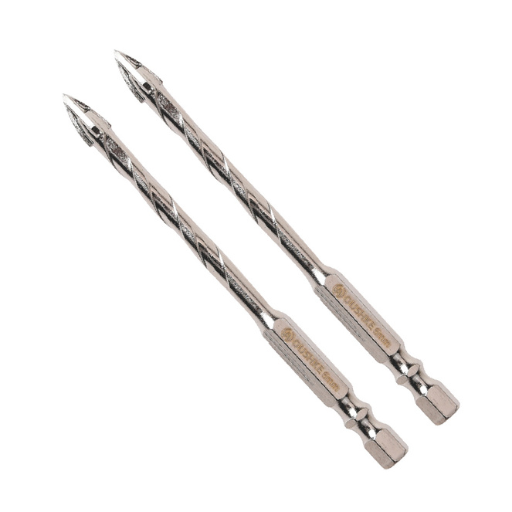
European-Style Wire Cutters
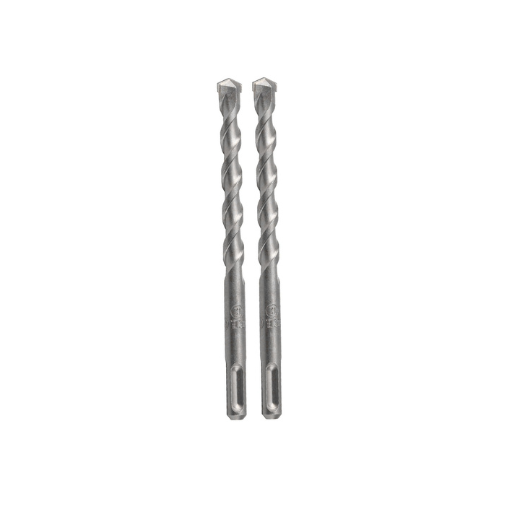
Rotary Hammer Bit
Industry Applications
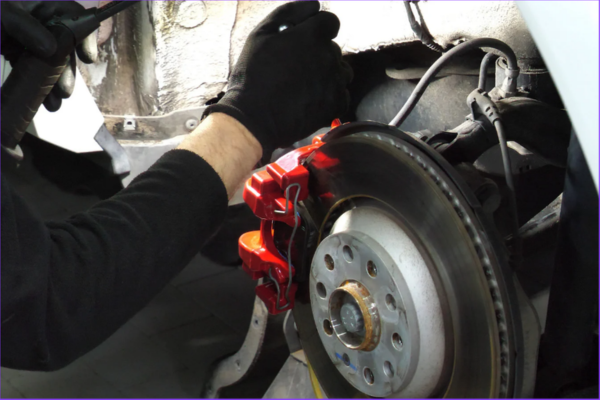
Automotive Repairs
Drilling out broken bolts, creating holes for wiring, or modifying vehicle parts.

Aerospace and Marine
Precision drilling in specialized materials like composites or aluminum for structural components.

Construction
Drilling into concrete, brick, or drywall for anchors, screws, and wiring.
Drill Bits Buying Guide
Selecting the correct cutting tool for wood and metal, plastics, or composites improves throughput, while compatibility with power drill, hand drill, and metal drill platforms ensures flexible deployment across sites and export markets with consistent results.
Step Drill Bits
Titanium Step Drill Bits
Countersink Drill Bits
Titanium Coated Drill Bits
Material Selection Guide
| Your Project | Recommended Bit Type | Key Specs |
|---|---|---|
| Wood & Softwood | HSS Brad Point or Spade Bits | 118° point angle, clean entry holes, chip ejection flutes |
| General Steel | M35 Cobalt (5% cobalt) | 135° split point, heat resistant, rechargeable |
| Hardened Steel & Stainless | M42 Cobalt (8% cobalt) | 135° split point, extreme heat resistance, NAS907 certified |
| Brick & Concrete | Carbide Tipped Masonry | Tungsten carbide tip, hammer drill compatible, flute design for dust removal |
| Tile & Porcelain | Diamond or Carbide Tipped | Spear point design, water cooling recommended, prevents cracking |
| Glass & Ceramics | Diamond Coated | Gradual cutting action, water lubrication essential, low RPM |
Maintenance and Care for Drill Bits
To maximize the lifespan and performance of your drill bits, practice proper storage, routine cleaning, and timely resharpening; keep a labeled drill bit set with protective sleeves or a roll to prevent edge damage and make selection quick.
What Our Clients Say
Here’s a look at what people are saying about working with us. We’re proud to have helped so many achieve their goals.
“Finally found bits that don’t wander. The 135° split point stays exactly where I place it. My drilling accuracy improved dramatically.”

Professional Fabricator
“The M42 cobalt bits cut through 1/4″ stainless like butter. I’ve drilled over 200 holes and they’re still sharp. Worth every penny.They last 5-6 times longer and drill noticeably faster.”

Electrical Contractor
Latest News
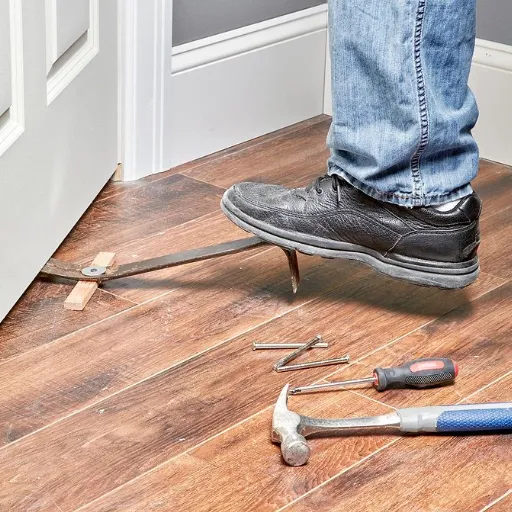
How to Use a Pry Bar Safely: Step-by-Step Techniques (2026)
To use a pry bar correctly, seat the tip or claw fully under the load,…
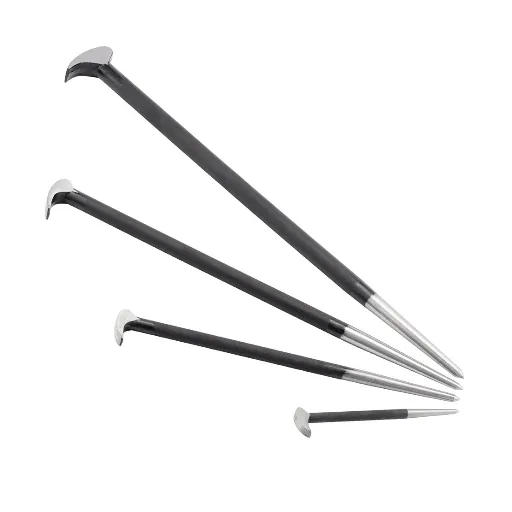
Pry Bar Sizes Chart: Lengths, Leverage & Which to Choose
Pry bar sizes run from 2 inches to 72 inches, and the length you choose…
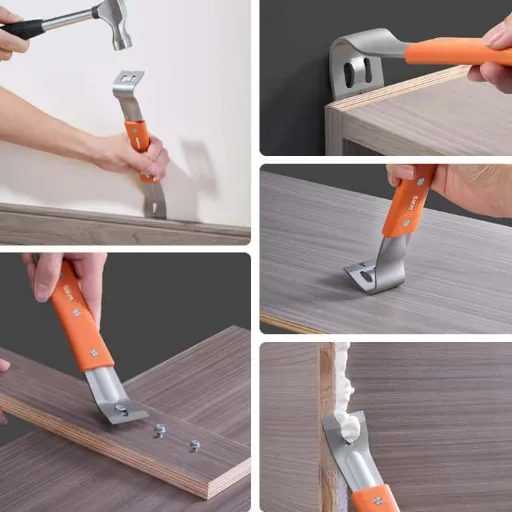
Flat Pry Bar & Wonder Bar Guide: Uses, Sizes & Picks
A flat pry bar is a thin, flat, spring-tempered steel bar with a nail slot…
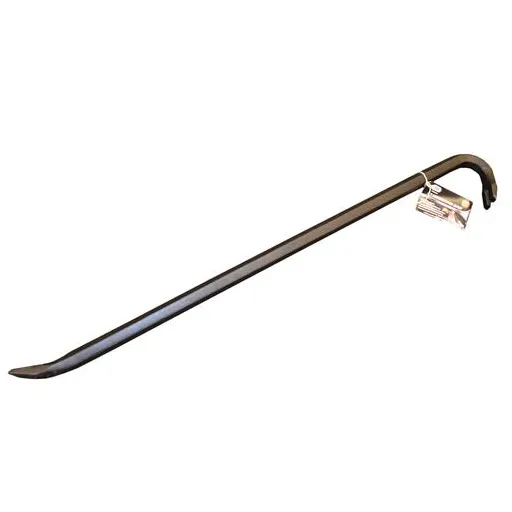
Wholesale Pry Bars: A Buying Guide for Distributors and Retailers
Wholesale pry bars cost roughly US$1.44 to US$2.70 per piece at factory-direct volumes, and most…
Frequently Asked Questions (FAQs)
Still have questions? Our team is here to help. Reach out to us anytime, and we’ll make sure you get the answers you need.
What’s the difference between 118° and 135° point angles?
135° split points are self-centering and require less pressure, ideal for metal and harder materials. 118° points work better for wood and softer materials, where you need aggressive cutting.
Is cobalt really worth the extra cost?
Absolutely for metal work. Cobalt bits stay sharp 5-10x longer on steel and stainless. M35 (5% cobalt) handles most jobs, while M42 (8% cobalt) is essential for hardened metals and high-volume drilling.
Can I use metal bits on wood?
Yes, but they’re not optimal. Metal bits will work on wood, but drill more slowly and may leave rougher holes. Wood-specific brad point or spade bits are faster and create cleaner results.
How do I know when to replace my drill bits?
Signs include: excessive heat generation, slower cutting speed, increased drilling pressure needed, visible damage to cutting edges, or discoloration from overheating. Quality bits can often be resharpened before replacement.
What size drill bit set should I start with?
Most professionals recommend a 29-piece index set covering 1/16″ to 1/2″ in 1/64″ increments for general work. Add specialty sizes (larger diameters or step bits) as specific projects require them.
Do I need special bits for impact drivers?
Yes. Look for hex shank bits specifically rated for impact drivers. Standard round shank bits can slip in impact driver chucks and aren’t designed to handle the torque pulses.
Explore Other Tools
-

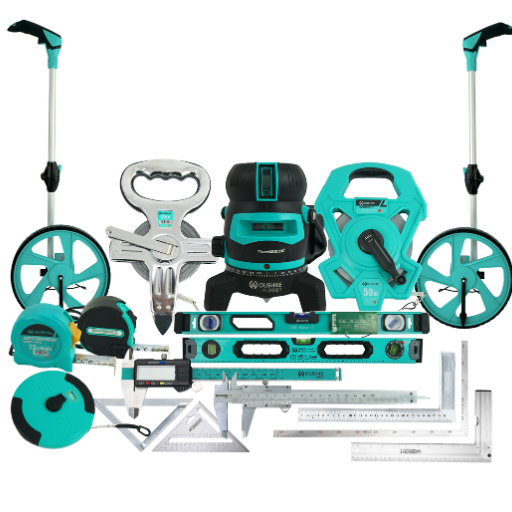
Measuring Tools
-

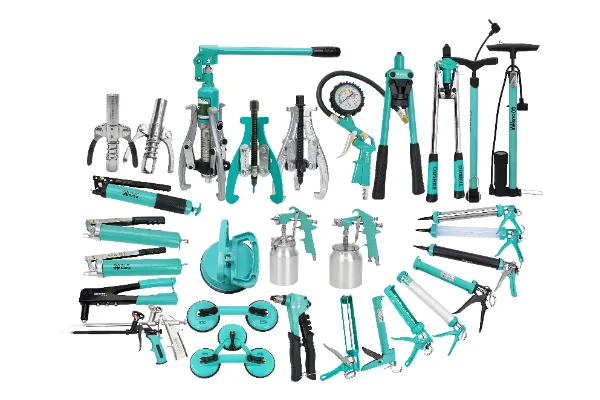
Automotive Tools
-
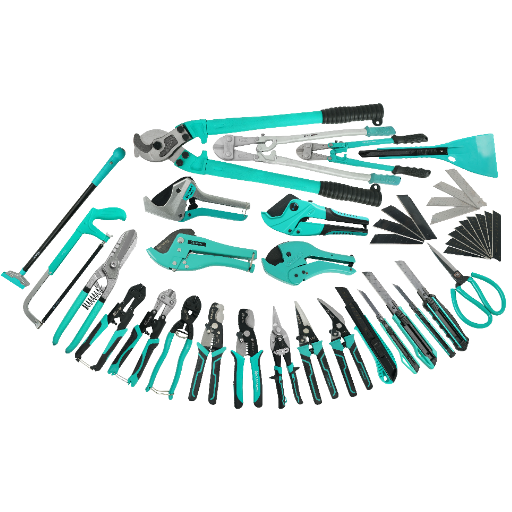
Cutting & Crimping Tools
-
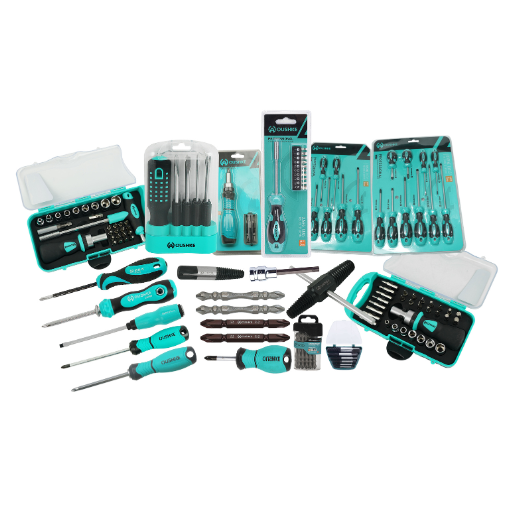
Screwdrivers & Bits