
File Types and Uses: Complete Metalworking Guide
Having appropriate tools to deal with metalworking is not just for convenience but an obligatory need. Of all the tools used in this industry, those used to file, which is one of the most primary tools, are instrumental in shaping, refining, and finishing metal surfaces with a high degree of precision. The knowledge of the varied file types and their dedicated purposes is a must for people from the spectrum of professional machinists to the do-it-yourself enthusiasts who would like to succeed by doing so. This guide will act as a comprehensive piece, breaking down the different file types, their specific uses, and the general method of the most effective use. Whether you are still on the learning curve or trying to refine your skills, this article is your go-to source to have the tech and practicality at the same time, which is what you need in your metalworking projects.
Introduction to Metal Files
Metal files are the precision tools used for cutting, smoothing, and carving the metal. They are made of a tough steel body with then raised aggressive lines called teeth which cut the material when pressed against it with the force. Files literally are sold in sizes, shapes, and coarseness to manage different works like trimming edges, making complicated designs, or getting a gloss finish. The common ones are flat, round, and half-round files, which are each made for particular uses. For metal-machining projects to yield accurate and high-quality results, the right and proper use of files and their correct treatment are necessary steps.
What is a Metal File?
A metal file is a type of precision tool which is used to shape, flatten, and complete metal surfaces. It is made up of a tough steel bar with a number of fine teeth cut in a parallel and careful way along the surface. The teeth are of various sizes and patterns which influence the rate of material taken off and the smoothness of the finish. The files are grouped depending on their cutting type—one cut, two cuts, or rasp—and the gradient of roughness, from coarse to fine. The great effect on a metal file’s performance and the material being worked on are intertwined, and to a smaller extent, the user’s skill would further determine the finish quality. These tools are very important and are even considered necessary in metalworking, automotive repair, and machining industries since they are where precision and good surface quality are major concerns.
Importance of Using the Right File
It is crucial to pick the right file for the job to reach the best productivity and precision. Different types of files have been designed for certain materials and uses respectively; a single-cut file, for instance, is the best to be used for careful shaping and finishing work, as it takes off the material in a smoother, controlled manner, while a double-cut file is more efficient for heavy-duty work aiming at very rapid material removal.
Besides, the fact that the hardness of the file should suit the material being processed—hardened steel files are a must for ferrous metals, but may be dull or break when used on aluminum and similar softer materials. Some research has shown that the use of the wrong file type results in not only inferior surface quality but also in the faster wear and tear of the tool, which, in turn, will reduce the life of the file and increase the operating cost. Therefore, users who work in the manufacturing, automotive, and similar fields and are file type-aware will be productive and yet get excellent results through the file use. The types of metal files that can be used are filing, smoothing, and finishing tools for various surfaces and metals that cover most of the process demands.
Overview of Different Types of Metal Files
| File Type | Characteristics | Primary Use | Suitable Materials | Notes |
|---|---|---|---|---|
| Flat File | Rectangular cross-section, double cut | General-purpose shaping | Steel, iron, softer metals | Ideal for flat surfaces. |
| Round File | Cylindrical shape, single/double cut | Enlarging round holes | Steel, aluminum, softer metals | Works on circular profiles. |
| Half-Round File | Flat and curved sides | Versatile for various shapes | Steel, iron, plastic | Suitable for concave and flat areas. |
| Triangular File | Triangular cross-section | Sharpening corners, saw teeth | Steel, cast iron | Fits internal angles. |
| Square File | Square cross-section | Filing square/rectangular holes | Steel, softer metals | Useful for internal corners. |
| Needle File | Small-sized, detailed cuts | Precision work, intricate shapes | Jewelry metals, softer metals | Ideal for fine detailing. |
| Rasp File | Coarse teeth, aggressive material removal | Shaping wood, soft materials | Wood, soft plastics | Avoid on hard materials. |
| Mill File | Single cut, slim profile | Fine finishing, smoothing edges | Steel, aluminum, harder metals | Common in sharpening tasks. |
Types of Metal Files

Here is an illustrative list of various types of metal file and their respective purposes:
- Hardened Steel Files: Excellent tools for cutting hard or tough materials like carbon steel and stainless steel and are widely used in the production sector.
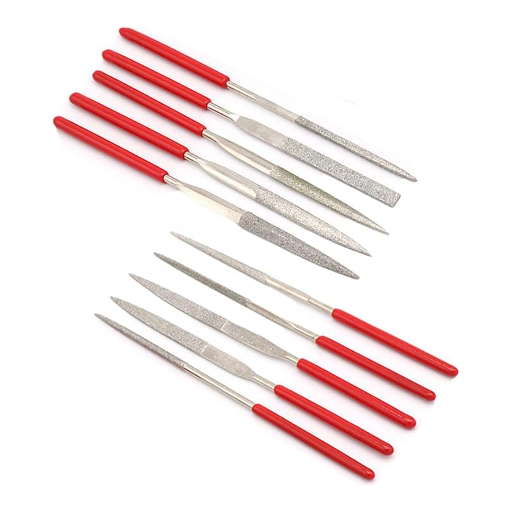
- Precision Files (e.g., Needle Files): They work best in softer metals and are particularly well adapted to the intricate detailing often required in jewelry and in the creation of fine crafted articles.
- Rasp Files: By their coarse teeth and the ability to quickly does not harm to the non-metallic, softer materials around like wood or plastic effectively shape and rapid material removal capabilities.
- Mill Files: These files generally are the most used and the most needed in the tool shops to the person who wants to sharpen his tools and/or do fine finishing in aluminum or materials which are even harder than this, because they are made to single cut and their size is tiny (in profile).
It is important to consider that the intended task is directly linked with the final finish, material compatibility, and the type of the metal file that are to be selected for achieving the best results.
Classification by Shape
-
-
- Flat Files: Flat files are vital for general-purpose applications as they are characterized by their rectangular cross-sections, which provides versatility for filing on any surface that is flat or concave. Wherever you start filing, teeth are assured on both sides with one edge usually rendered smooth to prevent adjacent surfaces being filed accidentally.
- Round Files: Geometrically, these are files with a round section, and therefore they are specifically made to work on the circular openings, grooves, or holes. The file gives a curving or rounding surface the exact and defined details of the curves and rounds.
- Half-Round Files: Half-round files are best known for having one of their surfaces elongate and flat while the other is round. They are thus to be used on flat as well as convex materials. This is where the great variety of possible applications for these versatile tools comes in as they can be employed in many tasks such as those concerned with making some irregular shapes look better and burring them.
- Triangular Files (also known as three-square files): Each of these files has a triangular cross-section making it one of the frequently needed tools for such things as working internal angles, sharp corners, and small edge tools in engineering. They are particularly suitable for cutting very shallow v-shaped grooves in wood.
- Square Files: Having a square shape, these files are very suitable for processing the rectangular slots, keyways, or angled profiles. The geometrical form of the files makes it possible to be accurate in tight places.
- Knife Files: The files with the knife edge at the pointed end, or called knife files by Blacksmiths, are the best for filing the narrow grooves and acute angles. Because of their small size, they are very useful in work where only limited space is available.
-
Flat Files
Flat files are easily identified by their flat surfaces and rectangular cross-sections, making them suitable for a wide range of uses. They are frequently employed to dress flat surfaces, take away extra material and get a very accurate finish on workpieces. Normally, these files are double cut on both sides, thus they cut harder ferrous and non-ferrous metals much faster, and they can be single cut or smooth around the periphery, it depends on the intended use. They are available in various lengths as well as coarseness grades to suit and to cover the application spectrum from rough shaping to very fine finishing. Because of their toughness and versatility, they are indispensable for the following metalworking, woodworking, and maintenance tasks.
Round Files
Round files, also known as rat tail files, are a type of cylindrical file used for the turning, enlarging, or finishing of surfaces with concave, circular, and groove shapes. The files are known for their gradual taper and are usually available in various diameters and different roughness grades. Whether it is high carbon or alloy steel, round files contribute to both performance and endurance and they are the go-to tools for an extensive period of use. It is a common practice to use them for the inner diameter of the pipes, the holes’ surface, and also for the formation of the delicate patterns on wood, metal, or plastic materials. Round files with superior abrasive particles have been produced through the current technological innovations, which not only exhibit the enhanced but also the extended material removal and life time properties. Their versatility has made them a prime tool in both the industrial and the do-it-yourself sectors.
Files and Their Uses in Metalworking
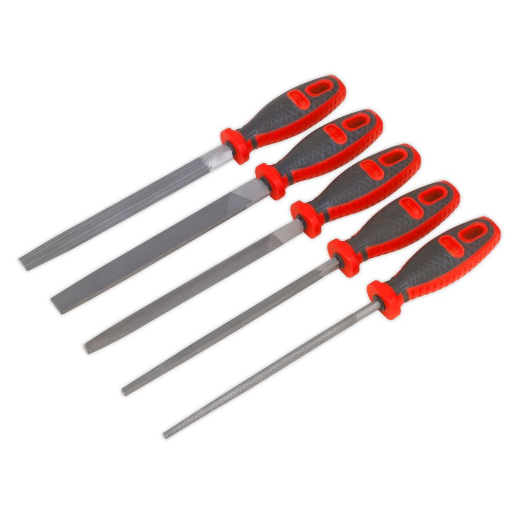
- Flat Files
For example, these are versatile tools which are perfect for general-purpose metal shaping and smoothing flat surfaces. - Round Files
Round files, also called rat-tail files, are mainly used to enlarge or finish circular openings and complex curves. - Half-Round Files
By providing flat and rounded surfaces, these are suitable for both flat areas and curved profiles as well. - Triangular Files
Mainly used for sharpening saw teeth and cutting angular grooves. - Needle Files
These smaller files are great for doing detailed work on the fine edges or delicate metal parts.
Choosing the Right Metal File for the Job
Choosing the correct metal file is a function of a number of very important factors, among which are the material type, the needed precision, and the part to be filed itself. To illustrate, a file that is very coarse and therefore is capable of taking big chips off and at the same time working fast to the removal of the troublesome material is the flat file or the bastard file; and this is the kind of file ideal for aluminum or brass. In contrast, a needle or warding file is a fine-tooth file and is the one to be used for the finishing of fine metals and delicate parts.
One more very important thing is the file’s cutting nature—single-cut files create smooth finishes with minimum abrasion and are therefore very appropriate for finishing activities, while double-cut files remove the material quickly which makes them suitable for heavier manufacturing or primary shaping. Also, ensuring the compatibility of the file’s hardness with the material that is under processing is important, as having a file softer than the workpiece might result in damage or inefficiency. Finally, the presence of ergonomic features such as comfortable handles and non-slip grips aids in control during filing, which in turn lessens the load and augments the precision of the smaller tasks.
Using Steel Files Effectively
Efficient and long lived steel files are achieved by doing regular maintenance and by observing the right application procedure. Force should only be used during the forward stroke when working with a file, since putting pressure on the return stroke can lead to an early breakdown of the cutting edges or blunting. Also, it is important to clean a file properly after use, otherwise, the collection of things like dirt, shavings, or burnishing stuck between the file’s teeth can eventually affect its performance or result in uneven surfaces. For this purpose, file teeth need to be cleaned up perfectly once in a while through the use of specialized wire brushes or file cards.
Moreover, storage locations for files should be set in places that are clean and not damp, as this not only helps prevent rusting but also keeps the files safe from infringement by other tools. In our professional experience, files should not be mixed from one type or application area to another so that they stay in good condition and are quickly and easily ready for the preferred task. These practices eventually bring about the high precision and long life that steel files need to endure various forms of applications.
Applications in Different Types of Metalworking
Steel files are the key tools that metalworkers use in various field wherein each of them has their precise cutting abilities catered to different uses. The function of files in the deburring of sharp edges and giving a smooth finish to the components is one of their most impotant uses in the machining and fabrication processes. On the other hand, if we take jewelry making, the area where the level of detail is so high, it is the needle files that are being used extensively for the shaping and finishing of metals such as gold and silver. Likewise, blacksmithing is making use of the coarser files to shape forged items and to take off hardened steel’s scale. Small engineering and medical device-making are some of the areas using the files for component shaping which is so acute that even a malfunctioning different dimension is not allowed. It is the applications in which steel files can be used in that show how important they are in the metalworking processes where the main target in the final results is not only the functional but also the visual aspect.
Best Practices for Using a File
-
- Choose the Correct File Type
Choose a file that is appropriate for the work to be done and the material. Remember that very coarse files are best for the fast removal of material, and the finest files are best for the precision finishing work. - Ensure Proper Filing Technique
Grasp the file by the handle and apply a series of strokes in a controlled fashion with continued, even pressure. During the return stroke, pressure should not be applied so as to prevent undue wear of the file. - Secure the Workpiece
When filing, it is necessary to fix the material with a vise or clamps to secure the precision and the filing field. - Maintain Cleanliness
After using the file, a file card or a stiff brush must be used to clean the file’s teeth. This will prevent clogging and ensure proper material removal. - Store Files Properly
Put the files in a dry place and keep them apart to avoid the chipping or damage of the teeth. Do not put the files on metal surfaces directly to avoid them getting dull.
- Choose the Correct File Type
File Length and Its Impact on Performance
The performance and application suitability of a file are heavily dependent on its length. Cutting portions quickly off material is the primary design of longer files doing so over large surfaces, with the result being they are best for rough shaping or finishing work on extensive areas. Conversely, shorter files are the most suitable for precise and controlled working situations, especially when working on delicate details or within a limited area. Apart from the aforementioned, the length also impacts the amount of leverage and pressure that can be applied during the filing process; with longer files requiring bigger movements and having higher cutting power, whereas shorter files are a more preferred option for doing fine and detailed work.
In addition, the length of the file has an impact on the efficiency of the stroke, with the tools that have a greater length going through/covering more surface area in one motion. This is mainly beneficial in production areas where the time efficiency is one very significant factor. But the length of the file has to be picked keeping in view the hardness of the material and the tasks requirements, for the wrong choice can result in less tool effectiveness or more wear of the tool. The correct perception of the file length, coupled with the material-specific performance considerations, creates the way to exact and efficient results in the trade of professionals.
Understanding File Teeth and Their Function
File teeth are the most essential attribute of an individual file as material subtraction method and the extent of materials to be removed are determined by them. The two major categories of file teeth patterns come out as single-cut and double-cut. Single-cut files contain a single set of parallel teeth, and they are the most proper resource to use for surface finishing, edge deburring, or when you are working with soft metals. Double-cut files, on the other hand, have two sets of teeth that intersect each other, forming a crosshatch pattern. This arrangement is highly effective for quick material removal and it is best used for harder materials.
Tooth spacing, size, and shape are determining factors as well. Heavy but precise and controlled nibbling is the forte of the large-teeth files, while the number of teeth per inch in the fine-toothed files lends itself very well to the required-grade surface finish. On the other hand, we have other types that are more specialized like the cloth-cut files which are typically used in wood working and the curved-tooth files which a very common scenario in soft materials and auto-body work, and thus being capable of doing varied operations through different applications. Efficiency in wear minimization and lessening the travail of replacing the worn-out parts will be brought about by the previous knowledge of the interplay of file teeth’s geometry with the material being filed.
Maintenance of Metal Files
- Cleaning After Use
Use a stiff wire brush or a file card to remove the waste, this will help to evitar clogging which is a common problem when using a file and it can destroy both the work and the file. - Protection from Moisture
To keep away from rusting, the files should be kept in a dry place and a light coat of oil should be applied on them. Accidental damages, either to the files or the other items, may be prevented by using protective cases or putting the files in racks. - Avoiding Contamination
Only use files strictly for their suggested materials. Interchanging metals and softer materials usage may lead to the teeth getting worn out or the file not performing well. - Sharpening or Replacement
When files are not appropriate, replace them with new ones or very well-worn files, since sharpening is generally very tricky and time-consuming for all types. A dull file is one which requires more effort and does damage to the material
Cleaning and Storing Your Files
Maintenance of files in terms of cleaning and storing them properly is one of the keys to their long life and best performance. It is such good practice to make the file free from debris and metal dust after every session using a hard-bristle brush or a file card made just for this. Avoid being too rough, as that can harm the teeth of the file. For the really stubborn dirt stuck in the teeth, a blast of air or a cleaning solvent for metal tools can be used. Check that the file is completely dry before you store it to prevent moisture from accumulating, which would ultimately lead to rusting of the file.
When you store the files, maintain the proper location that is organized, thereby, protected from physical damage and environmental factors. And also use protective cases, sheaths, or dedicated file racks to prevent the files from direct exposure which may result in dull edges. Files should be kept in a dry, well-ventilated area to lower the chances of rust and corrosion. For storage of a much longer term, you could take into consideration applying a thin layer of machine oil on the file surface, thus, another moisture defense protection layer. The files will definitely last longer if you take these steps and keep them in optimal condition for a prolonged period of time.
Repairing Damaged Files
If and when files get damaged, either technically or by wear, most of the time, their working can be brought back after being subjected to the proper repair procedures, if they were not too much worn out. The one situation which could be met with clogging due to dirt and metal bits is where the move is to clean the file with a stiff wire brush or a special file card. They should be checked and cleared right up to the bottoms of the grooves. A file that used to be a good cutter was kept too long and needs resharpening may go to a chemically-etched method for re-sharpening. This method means the complete immersion of the file into an acid bath which normally consists of sulfuric acid with the right proportion, to renew the teeth’s sharpness.
When there are minor defects on a file, using fine-grit sandpaper or another precision file to carefully file the edges can remove the imperfections in the right way. But, if there is a serious downgrading of structural integrity of the file—such as significant cracks or breaks—it is probably better to replace the file completely rather than reap the repair benefits. Running a regular maintenance program and taking prompt action to rectify the damage can make the life of your tools much longer than you would expect and at the same time ensure there is continuous performance.
Extending the Lifespan of Your Metal Files
You have to keep a tight rein on your metal files if you want to make them work well and last a long time. The accumulation of debris among the file teeth, such as metal shavings or dirt, can cause a great deal of dilution when using them in terms of the accuracy and speed. To remove the particles without harming the teeth, it is the best option to use a stiff-bristled file card or specific file brushes. When the debris is very small, compressed air can be an appropriate solution for cleaning it perfectly. The use of water should be an exception rather than the rule since excessive soaking in water can provide a very good environment for rusting and corrosion. On the contrary, a regular light machine oil application or another similar lubricant can prevent oxidation as well as maintain the file’s surface integrity. Therefore, a regular cleaning is a way to go as it also prevents wear and makes sure that the tool’s performance is up to standard over time.
Reference Sources
- The Guide to Files and Filing
Link to PDF - Types of Metal Files and Their Uses
Link to Article
Frequently Asked Questions (FAQs)
Which file should I choose for general metalwork?
Think about the metal you want to file and what the right type of file would be like. Metal cutting with files typically comes in different coarseness and file size and the design of the file is another factor to consider. Natural shapes prevail among the metal files like flat, round, half-round, etc whereas they also come in different shapes and sizes like 6-inch hand and larger sizes. Choose a single-cut file for finishing the machined surface and use a double-cut one for removing stock; the decision also depends on whether the file is meant for detailed work or rough shaping. Bear in mind that files are an essential tool for working with a material like metal and keeping the cutting teeth clean by using a file card or a wire brush.
How do I use a hand file safely and effectively?
Always draw your hand file with steady strokes away from you, and also make sure to keep the work supported in order to make the file work evenly; they work most efficiently when used uniformly in pressure and direction. One of the sides of the file has teeth that get clogged up quickly but, a wire brush or a file card makes this easier. To prevent the tang and handle from sliding out of your grip, it is advisable to opt for the option with a flat side and one round side or the flat side for edge work only. Lubes and cooling are inevitable in cases where the files are being used for long periods and on hard materials to prevent overheating and maintaining the cut of the file during or right after the process.
What are the different types of files and what do they do?
There are several types of hand files, namely American pattern files, Swiss pattern files, and needle file varieties with teeth that are appropriate for fine detail; pattern files and barrette file shapes suit specialized profiles. Every file comes in different cuts — single-cut files for finishing and double-cut files to remove material quickly — and files are available in various forms such as flat files, round files to enlarge round holes, and half-round files having one flat side and one rounded side. The files are mainly manufactured from high carbon steel and they are presented in various sizes and tooth patterns, so the selection of the right file depends on the job, material, and desired finish.
When should I use needle files or pattern files?
When you need to do detailed work or work small scale on metal, needle file and pattern files would be the perfect choice as they are the most thin and precise. At the same time, with the needle file and the proper technique, you can do the final touch-ups on the tight corners and the fragile features. In working with files on jewelry or instrument work, files become really useful for these purposes, especially in detail filing, but remember to choose the right tooth cut as there are different sizes available. Always remove cleared material while sharpening and sharpen only one side or both sides of the file.