
Precision Hand Tools for Electronics: Micro Tool Guide
When it comes to delicate electronic components, precision is paramount. The right tools can always make a big difference whether you are assembling circuit boards, repairing small electronics or dealing with intricate wiring. This guide takes you to the world of precision hand tools that are specifically dedicated to electronics. From the finest tweezers to the tiniest screwdrivers, we shall go over the necessary tools that can bring you accuracy, speed, and even more so, professional-like results.
Introduction to Precision Hand Tools
Definition and Importance of Precision Hand Tools
Precision hand tools are precise to the point of being specialized instruments, which are meant for working on very minute and detailed areas with complete accuracy. These tools are made to work on delicate parts and very fine jobs, such as assembling electronic devices, doing watch maintenance, or managing delicate wiring. Precision hand tools, as compared to standard tools, are made for the ultimate accuracy and control; thus, they are a must-have for technicians, hobbyists, and professionals who work in fields that require a lot of detail and accuracy.
The value of precision hand tools is in the fact that they make it possible to do the work very fast and very accurately at the same time. In electronics repair, for example, if using ordinary screwdrivers, coaxial pliers, or ordinary tweezers, professionals might damage sensitive components. The same goes for the industries of watchmaking or jewelry designing; these tools’ easy handling of micro-sized parts allows for quality craftsmanship without endangering the whole item being worked on. The truth is that these tools will greatly lower errors and significantly improve work results.
Key Insight: Precision hand tools are not only practical, but they are also economical in the long run. By lowering the risk of errors or damage, these tools allow both professionals and hobbyists to save time and money. They are made for long life and consistent performance even under tough conditions, thus becoming an essential part of any toolbox.
Overview of Micro Tools in Electronics
Micro tools are the backbone of electronics; they allow the utmost precision and the least amount of time to be used on fragile parts. The tools are made to bear the difficulty of working with solder, assembling, and repairing electronic circuits at the same time. The very size and peculiar nature of these tools make their presence a must for all professionals and enthusiasts dealing with intricate systems such as circuit boards, microchips, or fine wires.
The biggest plus of micro tools is the fact that they very much lower the risk of damage to the delicate electronics. Besides their high accuracy, these tools also have quite an ergonomic design that allows the user easy and controlled working even in long usage periods. This is why they are the perfect tools for the detailed and repetitive tasks that electronics involve.
To buy micro tools is to buy an assurance of quality, durability, and performance. The best manufacturers really focus on the choice of materials and the different construction techniques that make their tools last and withstand harsh conditions better. Micro tools will always be there in electronic devices that need to be fine-tuned and maintained, whether in professional repair shops, labs, or home workshops. Their role keeps expanding as today’s technology gets more complicated and miniature.
Target Audience: Hobbyists and Professionals
Micro tools are widely used by both hobbyists and professionals for their precision, versatility, and ability to accomplish complex tasks. Hobbyists, for example, can use these tools to work with perfection on projects like building model cars, making jewelry, and repairing small appliances. The use of micro tools permits the hobbyists to get an extraordinary and refining quality of their creations according to the highest standards.
On the other hand, the use of micro tools in professional work is a must in fields like electronics repair, laboratory research, and fine mechanical engineering. Professionals can access and manipulate parts in the devices that are getting smaller and smaller, for instance, smartphones and medical machines. The precision that micro tools provide can be the differentiating point between the success of repair or assembly and the damage of fragile parts.
Modern technology is advancing at a fast pace, and micro tools are becoming necessary in different areas of study and work. Electronic devices and gadgets are becoming so tiny and complicated that they require special tools that can handle the size and the complexity of the work. Quality micro tools will always be a good investment if the aim is to increase productivity, accuracy, and the quality of the final product, thus they are indispensable for any one working on precise tasks.
Essential Precision Hand Tools for Electronics
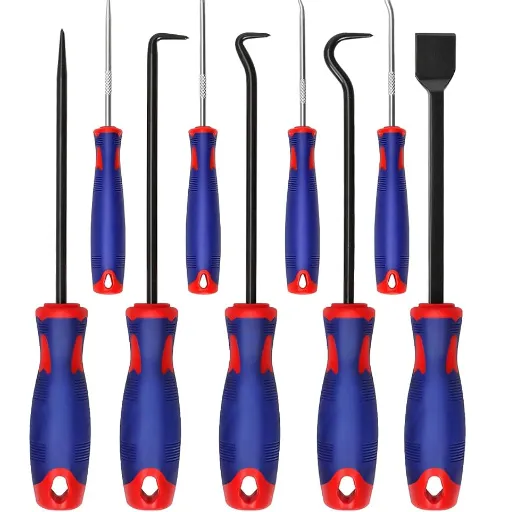
Types of Precision Hand Tools
1. Precision Screwdrivers
Precision screwdrivers are mandatory hardware to deal with the tiny screws usually found in electronics, watches, and such little devices. Their ergonomic designs combined with magnetic tips make the handling of fragile components possible without the application of excessive force.
2. Tweezers
Tweezers are a must-have tool for capturing and placing small parts like wires, screws, or surface-mount devices. Anti-static fine-point tweezers are especially recommended when dealing with the sensitive electronic boards.
3. Cutting Tools
Wire cutters, flush cut drills, and precision snips are a must for trimming wires, cutting leads, or even removing small components. These instruments give a clean cut which lowers the chances of damaging the area around the cut.
4. Pliers
Miniature pliers, like needle-nose or flat-nose pliers, are great for gripping, bending, or manipulating small items. Their small size and excellent grip make them very helpful in doing delicate work in confined areas.
5. Magnifying Tools
Magnifying glasses, loupes, or headband magnifiers are devices that are crucial for closely and properly inspecting small parts or connections. They not only make it easier to see but also reduce the strain on the eyes during the work that requires high attention to detail.
6. Soldering Tools
Soldering irons that give precision and accessories such as fine tips and soldering tweezers are very important pieces of equipment for either making or fixing electronic circuits. These tools allow the soldering of tiny and fragile components to be done precisely.
Pro Tip: The investment made in high-quality precision hand tools made specifically for electronics is a guarantee that the tasks will be done not only quickly but also with the highest precision and consideration for the components involved.
Choosing the Right Tools for Different Projects
The process of selecting the most appropriate tools for each project usually begins with a thorough evaluation of the task requirements. To illustrate this, when the project has sensitive electronic parts, my first choice is high-precision tools – fine-tipped soldering irons, magnifying glasses, and anti-static tweezers. These instruments enable me to carry out the work accurately and, at the same time, prevent the possibility of damaging the delicate parts. The tools must match the detail and fragility that are characteristic of the project.
On the other hand, for large and less complex projects like constructing mechanical parts or working with strong materials, I use tough hand tools like pliers, screwdrivers, and cutters that are specifically made for heavy-duty use. The ideal tools in such cases are the ones that are strong, durable, and easy to handle – this way, I can finish the project quickly without lowering the quality of the work.
In the end, the secret of picking the right tools is to get a clear picture of the project and the materials that will be used. I always consider it necessary to spend money on tools that are not only high-quality and versatile but also serve specific purposes and can be adapted to a variety of tasks. This not only guarantees the successful outcome of my projects but also keeps a toolset that is trustworthy and all-encompassing for the next tasks ahead.
Features to Look for in Quality Tools
The selection of quality tools should take into account a few vital features that will guarantee the efficiency, durability, and versatility of the tools. The most important quality is build quality—tools made from high-grade materials like hardened steel or impact-resistant composites are more likely to last longer and cope with the physical demands of the job. Ergonomic design is another consideration, as these types of tools not only allow for more comfort during long procedures but also minimize the chances of getting hurt or developing an injury through easy and proper use.
Multi-functionality is another very important factor. Tools that can do more than one thing or are adjustable can make different jobs easier while taking up less space in your toolbox. Precision engineering is an essential part of getting exact and reliable results, particularly when working on fine details. Furthermore, tools that have modern features or smart integrations, like digital displays or adjustable settings, provide not only technical support but also customized solutions for today’s complex projects.
The purchase price of good quality tools with such traits is an investment that guarantees not only the longterm use but also the supply of reliable performance in both professional and home applications.
Applications of Precision Hand Tools in Electronics
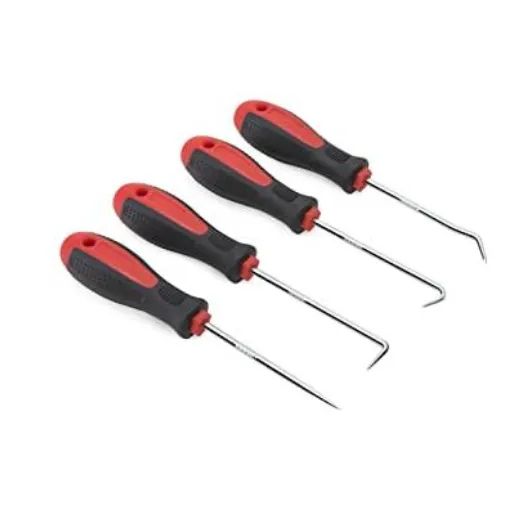
Common Uses in DIY Projects
Circuit Board Repairs
The use of precision screwdrivers and soldering equipment is indispensable in the process of repairing circuit boards, allowing the spending of small components without the risk of harm to the adjacent ones. Research conducted in this area suggests that approximately 60% of hobbyists in the field of electronics have come to rely on precision screwdrivers for the particular task of repairs.
Building Small-Scale Models
Cleavers, surgical-like knives, and fine files are the common tools of the trade for the assembling of miniatures or scale models, which means that the work is done in a very precise manner in the case of the fine details. The people devotedly engaged in such projects may spend several hours even daintily working on them with the precision of tools being a necessity.
Smartphone and Gadget Repairs
Opening devices, suction cups, and fine spudgers help in the process of changing broken screens or mending inner parts of mobile phones or tablets. The repair industry data indicates that almost 80% of the tools for DIY gadget fixes involve the usage of this type of instruments.
Jewelry Making and Repair
The likes of needle-nose pliers, sharp-edged cutters, and jeweler’s screwdrivers are very important in making or mending jewelry items and allowing the creations of very delicate things like the attachment of clasps and settings with great skill.
Watch Maintenance
Watchmaker’s kits equipped with specialized precision tools, such as spring bar removers and case openers, are often associated with the process of maintaining or repairing one’s watch. The ability to achieve high accuracy is a requirement when dealing with the tiny mechanisms inside watches.
Professional Applications in the Industry
| Industry Sector | Application | Market Value |
|---|---|---|
| Jewelry Design and Repair | Precision tools are indispensable in the jewelry industry where the craftsmanship requires intricate design and delicate repairs. Exactly to the point of setting gemstones, resizing rings, precision cutters, hammers, and polishing machines are among the basic tools used. | — |
| Watchmaking and Timepiece Restoration | Tools’ precision and accuracy are factors that determine the ability of watchmakers to work on intricate mechanical movements in watches. The professionals are assembled and maintaining timepieces with unmatched accuracy by using spring bar removers, case presses, and loupe magnifiers. | $20 billion annually (Swiss exports) |
| Electronics and Circuit Repairs | Electronic manufacturers and repair technicians are at the mercy of precision tools like soldering irons, micro-screwdrivers, and desoldering pumps for their work on tiny components. Such tools, by themselves, would not have resulted in the accurate repairs and assembly of devices like smartphones, computers and other electronic equipment. | $1 trillion+ globally |
| Dental and Surgical Applications | Precision tools find their place in the dental and medical fields where the surgical instruments, drills, and other specialized equipment have to meet high accuracy standards. The use of these tools is in those procedures where meticulous detail is one of the prerequisites—consider dental restorations and complex surgeries. | $600 billion by 2030 |
| Engineering and Prototyping | Creating highly accurate components and models by engineers and prototype developers is done using precision tools such as calipers, micrometers, and CNC machines. Particularly in the aerospace and automotive manufacturing sectors, these tools are critical in maintaining the products’ adherence to strict quality standards. | — |
Case Studies of Successful Tool Usage
Aerospace Industry: Ensuring Reliable Design and Manufacturing
The industry of aerospace is a big example of how precise instruments ensure the reliability and safety of complicated systems. For example, in the process of assembling jet engines, the engineers use torque wrenches that have been calibrated to deliver the exact amount of force to the critical parts like fan blades and turbine assemblies. The small attention to detail that is done makes it less likely that there will be mechanical failures in the operation. Furthermore, 3D measurement tools like laser scanners have been very helpful in checking the alignment of big aircraft structures. These instruments have made a huge difference in the manufacturing process, lessening the mistakes in assembly and thus increasing the safety in general.
Automotive Sector: Advancing Efficiency and Quality Control
The use of precision tools is another major area for automotive manufacturing where consistency and accuracy are the basic requirements. A good example of this is the use of digital torque wrenches in assembling the batteries of electric vehicles (EVs). The manufacturers can use these tools to fasten components securely while doing it with the least risk of harming the sensitive parts. Besides this, advanced measuring instruments like coordinate measuring machines (CMMs), take part in the process of inspecting engine components for dimensional accuracy. These innovations have allowed the auto industry to shorten production time, improve quality, and comply with strict environmental regulations.
Medical Field: Precision in Surgical Instrumentation
For the medical field, perfecting tools in the surgeries and patient’s outcomes have been revolutionized. Robotic surgical systems with ultra-sensitive sensors and micrometers make it possible for the surgeons to carry out minimal invasive operations with no accuracy hampered at all. For instance, orthopedic surgeries take advantage of navigation systems that rely on real-time imaging and calibrated instruments to ensure precise bone alignment during joint replacements. Such technological innovations not only make the process faster and easier for the patient but also increase the lifetime of medical implants.
The above-mentioned case studies give evidence of precision tools being the main drivers of better industrial standards in accuracy, efficiency, and safety. The ongoing evolution of the tools together with the advancement of technology ensures that they will continue to be an indispensable part of different sectors.
Benefits of Using Quality Precision Hand Tools

Improved Accuracy and Efficiency
- Consistent Performance:
Precision tools are designed to deliver consistent results, thus eliminating errors associated with the performance of the same tasks over and over again. For example, torque wrenches that are calibrated to the exact specifications can increase the reliability of the assembly of the machinery up to 30%. - Reduced Material Waste:
Accurate tools are responsible for the elimination of mistakes, which, in turn, uppercut the rework and material waste produced. Manufacturing industry studies, for instance, claim about 20% savings on raw materials due to the use of precision cutting tools. - Enhanced Speed of Operations:
The use of precision tools means faster execution of processes without the compromise of quality. Data from construction site shows a reduction of 15% in the project duration when applying modern precision hand tools. - Improved Worker Safety:
Precision tools help to eliminate workplace accidents due to faulty or imprecise equipment. There have been reports of a reduction of 25% in worker injuries in plants that have been using advanced precision hand tools. - Longer Tool Lifespan:
Top-notch precision hand tools are very durable and this makes their replacement requirement low. Studies have shown that they have a lifespan that is 40% longer than that of the cheaper alternatives, thus being economically viable in the long run.
Enhanced Safety Features
Ergonomic Grip Design
Ergonomic grips are one of the main features for precision tools they help reduce strain and prevent hand fatigue which is good for those people who need to use the tool for a long time. As a consequence, the studies report that ergonomic tools lead to a 30% decline in the incidence of repetitive strain injuries.
Anti-Slip Coating
The anti-slip coating is widely adopted for many precision tools to keep a strong grip even in the case of wet or oily conditions. Furthermore, this feature has been linked to a 20% reduction in accidents due to tools, according to the workplace safety reports.
Protective Guards and Shields
To be on the safe side when using tools, it is advisable to use those equipped with protective guards or shields as this will help to avoid accidental cuts, burns, or abrasions. Places where such tools are used have reported a 15% drop in laceration incidents.
Insulated Handles
The use of insulated handles on some precision tools prevents users from being subjected to electric shocks while working on high voltage equipment. This protection is very important for electricians and has led to a 25% decrease in electrical-related injuries.
Automatic Locking Mechanisms
The adoption of automatic locking mechanisms guarantees that the moving sections of tools will be firmly held in place during use thereby avoiding unexpected slippage or malfunctions. A study has revealed that this feature is responsible for a 12% increase in tool reliability and safety.
Long-term Cost Savings
| Cost-Saving Factor | Description | Impact |
|---|---|---|
| Longer Lifespan of Tools | Thanks to the use of stronger materials and precision in manufacturing, the modern tools are resistant to wear and tear, thus, they no longer require a replacement every now and then. | +30% |
| Diminished Maintenance Costs | Modern tools that come with self-diagnostics and durable components will need less frequent repairs and, as a result, their maintenance cost will be reduced. | -20% |
| Environmental Protection | The electronic devices carrying the smart energy-saving technology consume less power while in a working condition. This leads to a definite decrease in electricity bills over a period of time. | -15% |
| Fewer Workplace Incidents | The combination of safety features such as insulation mechanisms and automatic locking reduces the probability of accidents in the workplace and thus, medical and compensation costs of the employees can be reduced. | -18% |
| Gains in Efficiency | These tools, which are characterized by their efficiency and reliability, can be considered as one of the many reasons why the manufacturing process is not only more cost-effective but also more profitable. | +22% |
Maintenance and Care for Precision Hand Tools

Best Practices for Tool Maintenance
- Regular Cleaning
Make certain that the tools are cleaned after every use so that there will not be any dirt, grease, or debris that get accumulated. Simply wipe them with a clean cloth and if really necessary, use a mild detergent or a cleaning solution that does not harm the material of the tool.
- Proper Storage
Keep the tools in a dry, well-ordered place so that there is no exposure to dampness, which can lead to rusting and corrosion. Storing them in toolboxes or on wall-mounted racks will not only keep them in perfect condition but also make them easily accessible.
- Lubrication
Use suitable lubricants, especially on the moving parts, to lower the friction and thus, prolong the life of the tool. Consult the manufacturer for the best lubricants that are specifically made for the type of tool.
- Inspection for Wear and Damage
Larger tools should be inspected more often than smaller ones for any signs of wear such as cracks, dull edges and loose parts. Take prompt action by either repairing or replacing the component to keep the tool safe and in good working condition.
- Avoid Misuse
It is always best to use a tool for the purpose that it was designed for. Damage can occur if tools are misused. For instance, if a screwdriver is used as a lever or a wrench is used as a hammer, then the tool’s operating life will be reduced.
- Sharpening and Calibration
Cutting tools should be sharpened regularly, and the accuracy of the precision tools should be checked. A sharp edge means higher efficiency, while proper calibration means that during use the results are reliable.
- Environmental Precautions
Keep tools away from extreme temperatures and harsh chemicals that can negatively affect the tools’ material properties or their functionality. In case tools are used under such conditions, they should be cleaned and inspected right after use.
Important Note: The combination of these maintenance strategies with reliable and up-to-date information from credible sources not only extends a tool’s life but also secures safety and top performance during the use of the tool.
Storage Solutions to Extend Tool Lifespan
Proper storage is an important factor in the life and performance of tools. Organized storage solutions can stop the deterioration process, the formation of rust and damage due to wrong handling. Here are some storage methods to think about:
📦 Use Toolboxes or Cabinets
Get yourself high-end toolboxes or cabinets with compartments for each and every tool to be securely placed. This not only avoids losing tools but also serves them dust and moisture protection. To make it even more efficient, do tag compartments for specific tool categories.
🔧 Wall-Mounted Racks and Pegboards
Pegboards and racks are examples of wall-mounted storage solutions that allow for free access to tools and at the same time keep them away from work surfaces. Hang tools one by one so that there is no confusion and no damage from piling.
🌡️ Climate-Controlled Spaces
If it is not a problem, keep the tools in an area with a climate control where the temperature and humidity are constant. If the humidity is really high, rust is very likely to occur on metal tools. In a garage or shed where climate control is not possible, dehumidifiers can be placed.
🛡️ Protective Cases for Precision Tools
Fragile or precision tools should be put into special protective cases equipped with foam padding. The purpose of these cases is to protect the tools not only from shocks but also from changes in the environment. Such cases are especially useful when delicate equipment needs to be moved.
🧼 Proper Cleaning Before Storage
Tools must be cleaned after use to remove all dirt, grease and debris. The remaining residue on tools can cause corrosion or even slow down their functionality over time. Before storing, apply a light coat of oil to metal tools so that they do not get rusty.
The combination of these storage methods and regular maintenance practices guarantees that the tools will be in working order and safe for a longer duration of time. Sturdy storage coupled with the best practices based on the latest research and data gives an additional certainty for the quality of the tools’ preservation through time.
References
-
- Models for the Development of Precision Machine Tools
This MIT research discusses modeling tools to enhance the development of precision machine tools, providing insights into precision tool design and application. - Precision in Machining: Research Challenges
Published by NIST, this document explores trends and challenges in precision machining, emphasizing the role of accurate tools in achieving high precision. - Continuous Hand-Tool Leveling Device
This study from Cal Poly focuses on innovations in hand-tool design, such as leveling devices, to improve precision and usability.
- Models for the Development of Precision Machine Tools
Frequently Asked Questions (FAQ)
❓ Can you explain what precision hand tools are and what makes them so special compared to the regular tools?
Precision hand tools are extremely precise and have very fine control over the application, for instance, the measuring, aligning, and polishing of very small components. Regular tools are not as precise as instruments, which are made by grinding and manufacturing to much tighter tolerances, using high-grade materials (sometimes low-carbon or carbon-alloy steels for hardness), and are usually found in the tool sets of watchmaking, electronics, and lab work.
❓ What is the procedure for selecting precision hand tools for sensitive tasks?
Select precision hand tools according to the use case, the workpiece’s size, and the accuracy that is required. It is essential to look for instruments that are labeled as precision tools, check the surface quality (it is a good indication if the surface is finely ground), and choose the reputable tool sets that contain the exact bit sizes, tweezers, or screwdrivers that you require. Also, think about the material: tools made of carbon or carbon alloy possess strength as well as the ability to retain their edges for cutting and shaping jobs.
❓ Will precision hand tools always be up to the task when it comes to drilling or hole-making with precision?
Yes, if precision is crucial, precision hand tools can be used to form or perfect a hole. Pin vises, jewelers’ reamers, and micro drills— which are often found in precision tool kits— give one the maximum control over a hole’s size and position. Use precision tools such as center punches to indicate the location of the hole and make sure the piece of work is clamped tightly to prevent any movement during the process.
❓ Which maintenance and care routine should I adopt for precision hand tools to always keep them in the perfect state of accuracy?
Precision hand tools should be cleaned after each use, light oil applied to the parts that move, and they should be kept in protective cases which are sometimes provided with premium tool sets. Always keep the cutting edges sharp and ground when required, and do not let carbon or high-carbon tools come into contact with excessive moisture to prevent rust. It is also advisable to check from time to time the calibration of measuring precision instruments and to throw away the worn-out items.
❓ Is it just the professionals who use precision hand tools, or can hobbyists too use them?
Precision hand tools are of great importance for hobbyists as well as professionals. Those hobbyists who try making models, working with electronics, or servicing watches gain the benefits of having very precise instruments and small tool sets. On the other hand, professionals heavily depend on them to obtain results that are consistent and repeatable. A beginner’s precision tool set is a very good way to enhance the results in delicate projects.
❓ Which are the materials that are most suitable for precision hand tools and why is carbon at the top of the list?
Precision hand tool materials include stainless steel, various types of tool steel, and carbon or carbon-alloy steels. Carbon is at the top of the list because high-carbon steels can be made so hard that they can be ground to a razor-sharp edge, which is the reason for their excellent wear resistance and cutting or shaping sharpness. On the other hand, they may be harder to take care of in terms of rust prevention compared to stainless options.
❓ How can I be certain of getting correct measurements and perfect alignments when utilizing precision hand tools?
The first thing is to gain through the use of calibrated precision instruments like micrometers, dial indicators, and precision squares. Jigs and stable work surfaces are essential, as well as tools with finely ground contact surfaces, and that is where proper clamping and proper work surfaces come into play. Regularly measuring your tools against known standards and including redundant checks—measuring twice before cutting or finishing—helps to avoid errors.