

Industrial Hand Tools: Heavy Industrial Applications Guide
In heavy industrial work, one certainly can’t compromise precision, reliability, or durability. Industrial hand tools, utilized in many forms, are a staple of many different operations—from construction to manufacturing, energy production, and maintenance work. Choosing the right tools for these demanding environments can potentially increase efficiency, thereby ensuring the success and security of every task.
Understanding Industrial Hand Tools
Definition and Importance of Industrial Hand Tools
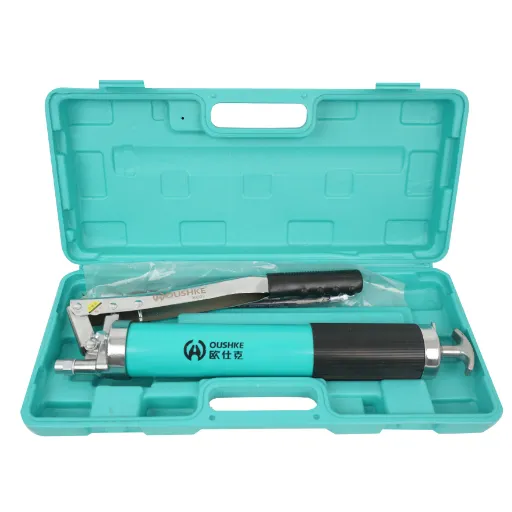
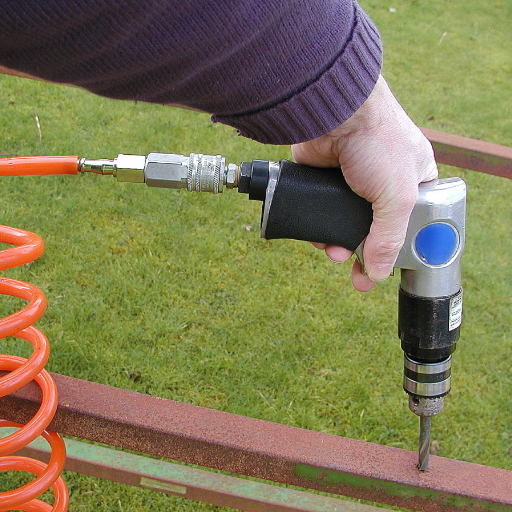
Industrial hand tools are manually operated equipment made mainly for industrial applications, which could have a workplace larger than domestic applications, such as construction, manufacturing, other kinds of maintenance, etc. They are arguably vital in executing a task, as they make possible actions of precision, control, and power whenever applicable. For example: wrenches, pliers, screwdrivers, and hammers, which collectively ensure that skilled labor can utilize the machinery efficiently, effectively, and appropriately.
Industrial hand tools stand as mechanisms that boost facility productivity, while they equally ensure safety and quality of work. It may be that well-chosen and maintained hand tools will save a user the wear and tear of too much physical exertion while ensuring accuracy, thereby enhancing the reliability of the task being carried out. For industries operated with heavy applications, high-quality hand tools are indeed prerequisites for preventing accidents and ensuring safety standards in the workplace.
Besides, industrial hand tool longevity and design render these implements capable of performing cyclical and stressful activities. The right tool for the task is instrumental in avoiding wear on the equipment and heightening overall efficiency. Purchasing durable tools with truly fine design goals results in long-term cost savings, and, equally important, it ensures an industrial worker’s means to a safe and gamely working environment.
The Role of Torque in Tool Performance
The torque setting is an important factor for efficient and effective hand tool use. What it really talks about is the force in your grip on the circular or rotational system, usually expressed in Newton-meters (N.m) or inch-pounds (in-lbs). The benefits of applying a torque cover all but not limited to the fact that proper tightening ensures maximized hold by fasteners, then eliminating any chance of under-tightening (which could lead to unintentional loosening) or over-tightening (probably causing strip-out or even breakage).
Key Benefits of Proper Torque Application
- ✓
Optimal Distribution of Force: Even force addresses fasteners, thereby lessening the stress on materials and preventing them from deforming or being damaged in various ways.
- ✓
Improved Accuracy: For accurate applications, torque wrenches are imperative to provide perfect fastening force. They are useful while dealing with the automotive or aerospace industries or applications specifying features.
- ✓
Preventing Over-Tightening: Over-tightening most likely strips or damages the threads, which will not allow them to bear the clamping force. Torque-limiting tools help mitigate this risk extending the service life of the components.
- ✓
Safety and Reliability: It is imperative that fasteners be tightened properly as it is a major contributing factor for the overall safety of the products and systems to function without loosening or failing in service.
- ✓
Workflow Efficiency: It is going to improve your productivity if you embrace the notion of using the right torque value, as that will make you produce more work and reduce the margin of error on some tasks repeated over and over.
It is fundamental for quality in outcomes to comprehend and control the torque in a wide spectrum of mechanical and industrial applications. Proper techniques and tools, correctly selected, can achieve a lot to enhance the efficiency and quality of work.
Applications of Industrial Hand Tools
Heavy-Duty Use in Construction Industry
Industrial hand tools play a crucial role in heavy-duty constructions where strength, precision, and integrity are a must. It is designed and built to sustain high pressure, heavy usage, and repeated applications. In the context of a construction task, industrial hand tools are an absolute must for them. Herein mentioned are five industrial hand tools in the heavy-duty construction sector:
- Assembling Steel Framework
To ensure the safety of steel frameworks, bolts need to be screwed within a certain torque limit. Bolt-tightening concepts are prominent where they are so vital as torque wrenches and impact wrenches are very much required to tighten bolts and nuts during the assembly work of steel frames and beams.
- Installation and Repair of Concrete
Different tools called rebar benders and also assorted types of rebar cutting-and-bending tools are used to scrape, shear, or bend reinforcement steel rods in various shapes on the work-site; all these deliver the real stability in both areas of concrete construction.
- Pipeline Construction
During the assembly of pipelines, pipe wrenches and torque tools are prepared messing around. Leakage-free, durable pipeworks are ensured for use in residential and industrial activities.
- Scaffolding Installation and Upkeep
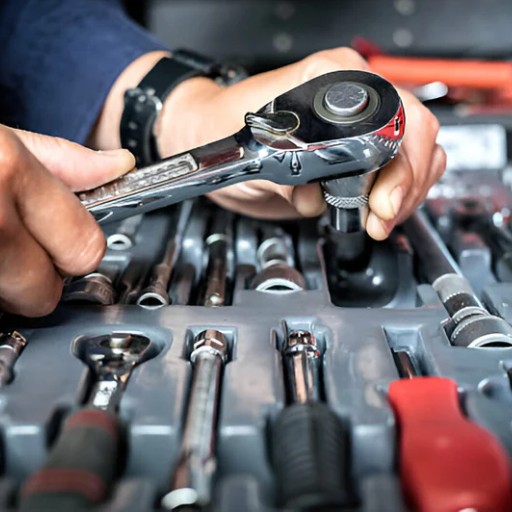
The scaffolding system, which provides a secure working platform on construction sites, is often put together or maintained by various hand tools such as ratchet wrenches and socket sets.
- Roofing and Siding
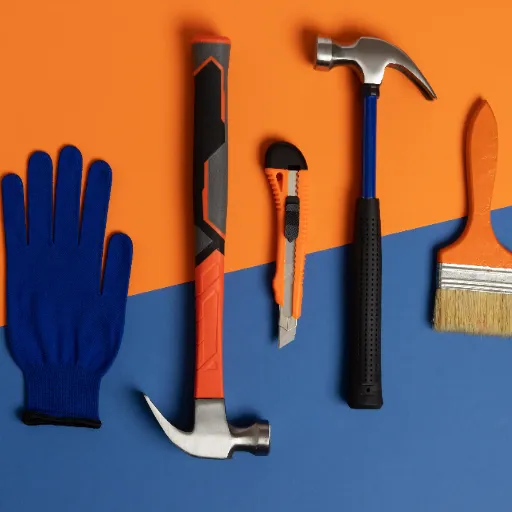
When installing roofing materials or house sidings, experts typically use nail guns, hammers, and some cutting tools. This ensures that your home or building has a durable weather-facing outer shell.
The efficient utilization of tools by construction workers invariably leads to an increase in job productivity, accuracy, and safety.
Manufacturing Applications of Hand Tools
Hand tools are critical to the manufacturing process, where precision, reliability, and multiple usages take precedence. These tools tie up the activities and increase the quality of any product and the productivity of the worker within different settings. Below are the main areas of applications of hand tools in manufacturing:
Assembly and Fitting
Screwdrivers, wrenches, and pliers find regular use in the assembling of machinery, electronic equipment and interior products. The application of precision torque will therefore let the components set in properly, which ultimately plays a role in the life of the finished product.
Cutting and Shaping Materials
Tools like snips, saws, and files are key for the cutting, trimming, and shaping of substances like metal, timber, as well as plastic. These tools ensure correct measurements and perfect finishes for produce parts.
Surface Finishing
Smoothers, files, and scrapers work in removing excess materials, spurs, and ridges. This guide determines the final desired appearance for products according to their design specifications.
Fastness Links
Hammers, riveting machines, and clamps are used for proper fastening operations. They make sure all fastened units are not only stable but also strong and durable, maintaining uniformity across applications.
Inspection and Error Proofing
Precision hand tools such as calipers, gauges, and micrometers assist in making accurate measurements and alignments during manufacturing. This eases error proofing, guaranteeing only quality finished products.
By integrating hand tools into the manufacturing process, industries are able to see their production processes optimized, with wastes, resulting in lesser reduction in manufacturing costs and warranty procedures.
Automotive Repair and Maintenance Tools
Auto servicing and repairs have relied on different types of specialized tools to maintain their operations for both the safe and efficient functioning of vehicles. These tools allow diagnosis, repair, and precision-based maintenance for various parts in the engine involving car engines. Below is a discussion of five tools commonly used in the automotive industry:
With these tools at hand, auto technicians can perform repairs and maintenance procedures with precision, ensuring the token of roadworthiness and compliance to safety standards of the vehicles.
Choosing the Right Industrial Hand Tools

Factors to Consider: Material Type and Ergonomics
What you really must focus on when choosing industrial hand tools is material type, which actually determines the durability, competence, and safety. Premium tools are usually made from materials such as chromium-vanadium or high-carbon steel, which offer fantastic strength and great resistance to wear and tear. High-duty tools like wrenches or pliers should be manufactured using material properties that are resistant to corrosion or high heat, respectively. Investment in tools carved out of premium material not only amplifies their lifespan but also reduces the amount of time that, afterwards, one would have to spend on tool replacement, ultimately saving costs for the consumer.
Ergonomic Design Considerations
Effective ergonomics design is important, as comfort and safety go hand in hand in performance. Ergonomically designed tools pose lesser postural-stress risk and a lower likelihood of developing repetitive stress injuries, especially in the case of usage over extended times by professionals.
- ●
Padded grips for enhanced comfort during prolonged use - ●
Non-slip surfaces for better control and safety - ●
Lightweight build to reduce operator fatigue - ●
Well-balanced design for improved accuracy and skill
Combine this with the best in design technology, and hand tools aim for better performance and efficiency. Therefore, if one was informed enough to maintain a balance between materials and ergonomics, he would surely be able to improve productivity and make the work a lot safer in the industrial setup.
Safety Standards for Hand Tools
Hand tool safety is a critical consideration in industrial, commercial, and residential settings. The federal Occupational Safety and Health Administration (OSHA) and other government organizations provide clear guidelines on proper selection, maintenance, and use of hand tools to prevent injuries and accidents. A major item that must be considered is routine inspection of tools to guarantee that they are void of visible imperfections such as cracks, wear, or loose handles, and in case of damages, quick repair or immediate replacement. Proper training on the operation of said hand tools is therefore a key safety measure aimed to reduce misuse, which happens to be one of the biggest causes of workplace injuries.
⚠️ Critical Safety Guidelines
Use Tools for Their Intended Purpose Only
It’s more than crucial for hand tools safety to make sure they are used purely for their intended purpose. Take a screwdriver, for example. If it’s used as a chisel, it may result in breakage, leading to a major risk factor.
Personal Protective Equipment (PPE)
Every safety standard insists on the necessity of personal protection contact safeguards (PPE), like gloves and goggles, for protecting the workers from splinters, sharp edges, or debris.
Modern Safety Features
As per safety, it should be expected that modern hand tools, which are also increasingly equipped with non-sliding grips and insulated handles, will ultimately promote even fewer chances of getting electrocuted or are accidentally dropped.
Storage and maintenance are integral parts of safety assurance for hand tools. Proper storage, which includes keeping them in a secured box or mounting tools up on a pegboard, avoids tool damage and misplacement. Regularly cleaning and lubricating tools prevent wear due to rust, dirt, or grease, increasing the operational life of precision tools like wrenches or pliers. Working together with modern technologies, advanced materials, and through implementation of safety standards, this leaves a confident user of a tool knowing that it will always deliver efficient work with the potential of reducing the risk of danger to the user. By way of a proactive safety culture, industries and individuals can promote an environment that is both safer and more productive.
Best Practices for Tool Organization and Storage
Proper organization and storage of tools are very important to maintain productivity, limit downtime, and extend the life of tools. Different tools can be segregated by their purposes, sizes, and frequency of utilization. Ideally, compartments or cabinets properly labeled, pegboards lining the walls for all to see, mobile tool boxes, and so on could be used for the purpose of storing tools within reach as well as preventing loss of tools. This will ensure a clean workspace and that the majority of items used every now and then are targeted and this is the key to increasing overall work efficiency numerous times, especially if one works in a crowded workshop.
Environmental Controls
For ensuring the preservation of tools, keep them in a conditioned room with controlled humidity and temperature. Rust and corrosion are the biggest enemies of metallic tools, but with proper storage practices, their presence can be controlled.
Protection Methods
Further usual protection for collecting includes the use of magnetic strips or foam or liner liners, all these for preventing knocks and scratches caused by hazardous air movements, scratches as the tool sags and bumping while prehensilely maneuvering the tools.
Inventory Management System
One other aspect of tool organization should include an inventory auditing mechanism. This system calls for manual inventory recordkeeping or well-designed digital recording in terms of management of all tools. It provides a record separating tools from the system, and ensures that only those in need are called for repair or disposed at a particular point in time.
All recent innovations such as the use of barcoding or radio frequency identification (RFID) tracking would give the advantage to this technique, thereby enabling access to real-time data on innovations required for the smart decision-making process. In other words, this is a line letting the company know that the sense of responsibility and discipline was preserved at the worksite hence always ensuring that productivity comes to a comfortable establishment.
Maintenance Tips for Longevity of Hand Tools
Cleaning Techniques for Different Tool Types
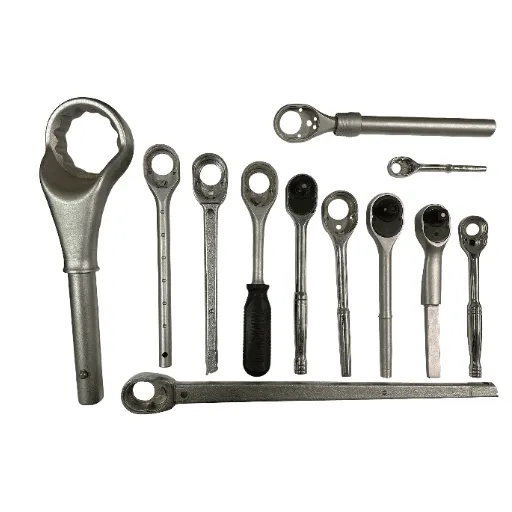
Proper hand tool cleaning is necessary for the longevity and functionality of tools in diverse scenarios. Each type of tool has its cleaning properties to keep damage at bay and continue proper functioning:
Regular Inspection and Maintenance Routines
Checking your tool properly regularly is of utmost importance the tasks that they originally have been planned for and have existing performance under control. Start checking for any signs of physical damage, which include cracks, rusts, or broken pieces. Do pay close attention to the handles, shafted parts, high-voltage cording, and motors that tend to fail in the early stages. Testing the tool under controlled and safe conditions will almost clearly show some modifications in the efficiency or running noise.
🔧 Essential Maintenance Checklist
Lubrication
Lubricate moving parts with manufacturer-specified lubricants to reduce friction and wear.
Tightening
Regularly tighten screws, nuts, bolts, or fasteners to ensure stability during operation.
Storage Environment
Avoid damp environments to prevent rust and corrosion from forming on tools.
Performance Testing
Test tools under safe conditions to identify efficiency changes or unusual noises.
Somehow, by using the most effective care strategy, it is ensured that the tools remain in great working conditions far longer in the future.
Enhancing Workplace Safety with Industrial Hand Tools
How Proper Tool Use Improves Safety
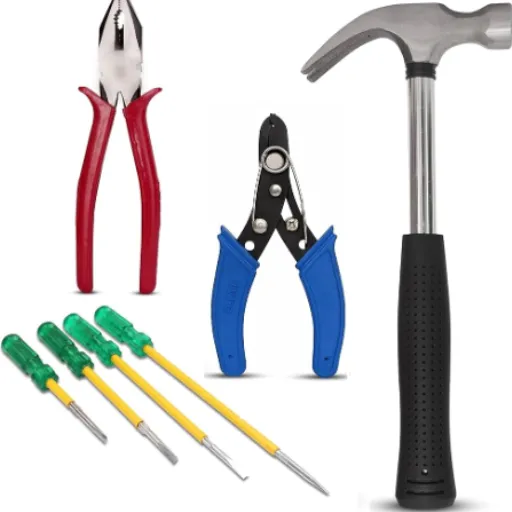
The right use of a tool is a must to maintain a safe and efficient work environment which I have put as the primary parameter for curbing harm to my team and myself. By using the appropriate tool for the right job and strictly hold recommendations of the maker, I minimize the chances of any accident arising from misuse or inapt use. I frequently check that tools are serviced and inspected, because there is no telling if a damaged or overused tool might take on extreme hazard during its use.
💡 Best Practices for Safe Tool Usage
- Training and Knowledge: I strongly believe in providing proper training and knowledge when it comes to hand tools in an industrial environment. I ensure that everyone who might handle tools, including myself, with the proper knowledge concerning suitable methods and knowledge of safety aspects and operator are well-exercising tools.
- Understanding Tool Specifications: This includes knowing the maximum weight it can lift, special grips, as well as recognizing various potential risks. By so doing, one makes sure they would bring down the rate of injuries and downtimes hence nurturing a healthier and productive environment.
- Safety Culture: I show responsibility by creating a safety culture of eagerness and accountability at the workplace. My actions include reminding myself and others of the need to right away report any hazards or safety concerns related to equipment.
Needless to say, I make it a point to put tools back in proper storage spaces, which prevents clutter and the possible fear from missing equipment. Through these acts, not only does improved tool use promote safety, but actually a real good sense of everybody’s responsibility and team involvement.
High-Quality Tools and Their Impact on Workplace Injuries
The quality of tools used in the workplace has significant effects on the safety and productivity of workmen. The best tools are designed for precision, durability, and ergonomics, thereby reducing the chances of malfunction or accident during their use. Consequently, when developed with an array of safety features—such as nonslip grips, automatic shutoff mechanisms, and the like—entailing that users are protected from common insults, the tool proves itself safe. On the other hand, those workplace accidents caused by poor-quality tools or bad maintenance, resulting in cuts, punctures, and other severe incidents. However, the choice of trusted brands and the operation of intelligent procurement with well-proven, sturdy tools are essential ways to mitigate these risks.
📊 Key Statistics on Tool Quality and Safety
10-15%
of occupational hazards including falls or repetitive stress injuries are attributed to inadequate tools, according to recent studies.
Companies Investing in High-Quality Tools Report:
- Reduced workplace incidents and accidents
- Increased productivity levels
- Higher employee satisfaction scores
In addition to safety, another significant factor in favoring investing in top-of-the-line tools is long-term cost savings. While better tools require a higher initial investment, their prolonged durability and effectiveness mean the organization will, with time, spend less on repair or the replacement of tools. Moreover, fewer accidents result in reduced liability, worker claims, or machine-related downtimes caused by injury recovery. Understanding all of this will help an organization strive for a balanced approach that is safety-oriented without compromising financial commonsense, thus fostering a culture of reliability and compassion within the workforce.