
Chrome Vanadium vs Carbon Steel Tools: Material Guide
The choice of a material is a critical factor that greatly influences tool performance, life span, and reliability at the time of choosing tools for your projects. Among the materials used in the tool industry, chrome vanadium and carbon steel are the most common ones, each one having its own set of pros that can fit different applications. This guide breaks down the significant aspects of chrome vanadium and carbon steel tools and evaluates their property, drawback, and use-case suitability.
Introduction to Chrome Vanadium Steel

Significance of Chrome Vanadium Steel
Chrome vanadium steel is a material that is held in high esteem for its remarkable strength and durability, which is reflected in its wide use in the manufacture of high-performance tools. The presence of chromium and vanadium in the steel improves its wear, corrosion, and stress resistance which is a critical property for tools subjected to heavy loads or frequent use. This material also has high tensile strength, which is why tools can last a long time without losing their reliability.
Key Benefits
A major benefit of chrome vanadium steel is that it can be used for various applications. It is hard and at the same time flexible; thus, the tools made from this alloy can resist impact without breaking. Moreover, its property of not getting corroded makes it ideal for moist or chemically polluted places, which in turn lowers the chances of rust forming and thus extends the life of the tools.
Chrome vanadium steel is a choice that pays off for professional tradesmen or home users. Its application in wrenches, ratchets, and screwdrivers among others is due to its ability to keep its structural integrity even in very demanding situations. No matter if it’s in automotive work, building, or home repair, tools made from this metal will provide consistent performance and reliability, thus they have become a part of almost every toolkit.
Overview of Steel in Hand Tools
Steel remains the primary material for hand tools owing to its unrivaled cooperation of strength, durability, and ductility. It has the capacity, besides allowing, to undergo considerable force and left wear and retain the same shape, thus fitting very well into the most demanding uses. Speaking of other materials, steel gives a very good compromise between toughness and flexibility that assures no breakage during stress, which is the reason why the tools like pliers, wrenches, and hammers are made of it.
Different kinds of steel are used for making hand tools, and each has its own advantages. High-carbon steel, for example, is the one that has maximum hardness and sharpness along the edge, thus being the best selection for cutting tools like knives and chisels. Alloys, such as chrome vanadium, steel, are steel types that have higher resistance to rust and durability which then makes them the number one choice in the tools that are harsh or have repetitive use.
Besides, steel does not only save money but also because it is in plenty and is super recyclable. Its feature of being made into different forms during the production process allows making tools of very accurate specifications with ergonomic designs. With its long life and dependable performance, steel is still the material that wins the hearts of not only professional users but also hobbyists across the different industries.
What Makes Chrome Vanadium Unique?
Chrome valve steel is one of the most strong and durable materials and another factor is its excellent resistance to wear and tear. The alloy consists of a combination of chromium and vanadium with steel, the mechanical properties of which are greatly improved. Besides stainless steel, the addition of vanadium, which is a primary alloying element, can considerably prolong the life of metal parts in machines to be operated in the environments where rust could be an issue. At the same time, Vanadium increases the steel’s toughness and resistance to fatigue and thus lets the steel endure multiple impacts and stresses without being ruptured.
💡 Key Feature
One of the main attractions of chrome vanadium is that it can keep its hardiness and edge even after using it a very long time. This particular property makes it the most suitable material for the drawing of tools like wrenches, screwdrivers, and sockets that need to work continually at the same level of performance.
Furthermore, chrome vanadium when compared with other alloys of the same strength is less heavy, which by implication means that the overall usability of tools constructed from it is enhanced. The combination of chrome vanadium’s characteristics of strength, flexibility, and resistance to corrosion is one of the reasons it is so widely used in professional and DIY applications alike. If they are well taken care of and maintained, chrome vanadium tools can keep their quality and performance for many years thus providing excellent value for users across various industries.
Properties of Chrome Vanadium Steel
Strength and Durability
The strength and durability of chrome vanadium steel are quite extraordinary, therefore, it is a preferred material for various tools and applications. It is a steel alloy composed of chromium and vanadium, but its strength comes mainly from the ability of those two elements to make the steel harder and at the same time able to handle large pieces of mechanical stress without giving in or breaking. This is of great importance for the mentioned tools like sockets, wrenches, and screwdrivers, as they are often exposed to high-impact tasks, thus materials that can withstand the severe use over time are absolutely needed.
One more significant aspect that helps to make chrome vanadium steel so tough is its high wear and fatigue resistance. While some materials undergo degradation very fast under repetitive stress, chrome vanadium steel stays strong even after long usage, thus it has the least wear and tear possible. Besides, the material has a high tensile strength and further enables it to work at ease under tough conditions like high torque applications.
The long-lasting properties of chrome vanadium steel are also accountable for the non-resistance of the environment. The material can be considered as the one with the highest corrosion resistance properties because of the chromium content, hence it can be considered moisture and other elements that are likely to cause corrosion that the steel may experience in its lifetime. It follows that the tools made from this alloy will remain reliable and effective even when used in the toughest conditions.
Corrosion Resistance
Chrome vanadium steel is highly resistant to rust and degradation thanks to its high chromium content, which accounts for its corrosion resistance. The chromium forms a thin, passive oxide layer on the surface of the steel; this barrier made up of the oxide, limits the interaction of moisture and other corrosive products with the steel and consequently prevents the formation of rust and decay over long periods.
✓ Cost Savings
The resistance to corrosion is thus wiping out only the signs of aging; rather, the material is being protected from weakening due to rust, so chrome vanadium steel is longevity and dependability. This is even more so in fields where tools and equipment must be safe and reliable. For example, this alloy in the form of car parts, hand tools, and machinery remains in good condition for longer times, which eventually leads to lower maintenance costs and less frequent replacements.
The corrosion resistance of chrome vanadium steel is considerably increased when it comes with coatings or advanced surface treatments. Heat treatment, powder coating, or electroplating contribute to its protective properties, giving it the ability to withstand even harsher environments. Researchers and developers are constantly working to enhance the material’s performance, guaranteeing its acceptance with the present industrial standards and demanding applications.
Enhanced Performance Characteristics
Chrome vanadium steel shows excellent mechanical properties that make it the first material for industrial and technical use. Its tensile strength enables it to bear large stresses without getting deformed; thus, it can be used in places where heavy loads or strong forces are applied. Moreover, its improved toughness ensures that the material is very durable even in extreme conditions where other materials might fail. This combination of strength and toughness makes chrome vanadium steel very trustworthy in the critical aerospace, automotive and heavy machinery industries.
Another main performance feature of chrome vanadium steel is its incredible resistance to wear. The manufacturers have always favored this alloy in industries that demand the use of tools and components that experience repetitive friction for their ability to tolerate a long period of operation without noticeable deterioration. The presence of chromium in the alloy forms a thin protective oxide layer on the surface of the alloy which keeps it safe from the external elements, while the vanadil adds to its grain refinement and overall structural integrity.
Moreover, advances in manufacturing techniques and metallurgical research have opened up new avenues for chrome vanadium steel to display its capabilities. The heat-treating processes already enable the engineers to customize the hardness and ductility of the alloy for different applications with extreme accuracy. These innovations are, in fact, ways to improve its adaptability and guarantee adherence to strict industrial requirements.
Applications of Chrome Vanadium Steel
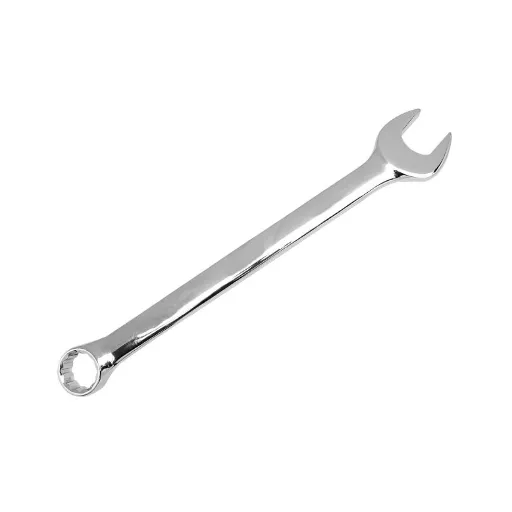
Tool Manufacturing: Wrenches and Sockets
Chrome vanadium steel is a material that is used for the production of wrenches and sockets because of its remarkable strength, wear resistance, and high torque resistance. These characteristics make the tools made of chrome vanadium steel able to last and be trustworthy under tough working conditions, hence giving the best performance.
Five Important Features:
1. High Tensile Strength
Chrome vanadium steel gives very high tensile strength, which makes it possible for the tools to survive very hard usage without getting deformed. This is especially relevant for professional-grade wrenches and sockets used in industrial and automobile applications.
2. Corrosion Resistance
The natural resistance of the alloy to corrosion prolongs the life of the tools even if they are used in humid areas or come into contact with oil and chemicals which are commonly found in workshops and repair areas.
3. Impact Resistance
The tools that are produced with this material have an amazing ability to withstand impact, which makes them suitable for the demanding of force application like loosening stuck bolts or working in high-pressure conditions.
4. Lightweight Design
Even though the chrome vanadium steel tools are strong, they can be manufactured to be less heavy than the other equivalent tools, thus their operation will be easier and also there will be less tiredness during use that lasts long.
5. Compliance with Industrial Standards
The tools made with this alloy conform to the strictest industry standards, such as DIN, ISO, and ASME specifications, thus enabling the safety and quality expectations to be met in the global market.
Other Hand Tools and Their Uses
The range of hand tools includes various instruments, each tailored for particular applications, thereby providing precision and efficiency in manifold projects:
⚠️ Important Note
As soon as the user becomes aware of the special function that each hand tool serves, he can not only work quickly but also keep himself safe and take good care of the tools. Choosing the right tool for the job does not only make it easy but also gives an assurance that the results will be of high quality.
Industry Applications of Chrome Vanadium
Chrome vanadium, an alloy produced through the fusion of steel, chromium, and vanadium, the metal of choice, has the greatest hardness, lowest screaming, and best resistances to both wear and fatigue. These are the reasons why it is considered a monumental material with a multiple industrial applications.
🚗 Automotive Manufacturing
Due to its ability to endure high torque and stress, chrome vanadium is the principal material for making tools such as wrenches, sockets, and screwdrivers. Crankshafts and gears are made from this resilient and durable material.
✈️ Aerospace Engineering
The combination of lightness and strength makes it perfect for airplanes and spacecraft. Found in structural components, fasteners, and high-pressure valves that require assurance and long-lasting service.
🏗️ Construction Industry
Tools and equipment made of chrome vanadium are perfect for construction environments because they can withstand corrosion and wear, assuring operational efficiency and reducing frequent replacement needs.
⚡ Energy Sector
Chrome vanadium is part of the energy sector’s support system, especially in drilling and pipeline building. Its high strength and fatigue resistance are great advantages in high-pressure and heavy-duty operations.
⚙️ Industrial Machinery
Extensively used in machinery and equipment which work under conditions that require parts to have superior resistance to wear and longevity. Components can take the strain of repeated mechanical activities.
Chrome Vanadium Steel vs Carbon Steel
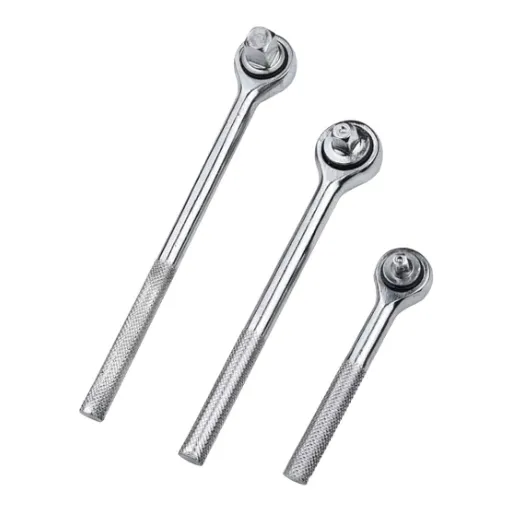
Key Differences Between Chrome Vanadium and Carbon Steel
Both chrome vanadium steel and carbon steel are materials that are utilized in diverse sectors. Their composition, application, and properties are, however, very different from each other. Chrome vanadium steel is an alloy that consists of chromium and vanadium as the main components. Meanwhile, on the other hand, carbon steel is composed mainly of iron and carbon, making it very easy to obtain, and thus, very cheap, and very fabrication-friendly.
When it comes down to the final decision, the choice of either chrome vanadium or carbon steel will depend on the particular project demands, whether they are high strength, good resistance, or budget restrictions. A good understanding of these differences will always guarantee that the proper material is chosen for the job.
Advantages of Chrome Vanadium Steel
✓ High Strength and Durability
The alloy of chrome vanadium steel is very good for its strength and longevity, thus it is perfect for tools and applications that need a high degree resistance to wear and tear. Its freely tensile strength can even go as high as 1,000 MPa which is extremely high for the performance in such conditions.
✓ Corrosion Resistance
The chromium present in chrome vanadium steel plays an important role in its corrosion resistance and thus it can be used in environments that are moisture or chemical exposed areas.
✓ Flexibility and Toughness
This is a robust metal that combines hardness and flexibility in an exceptional way. It can take the heavy loads and at the same time, the cracking or breakage is less likely to occur especially when it comes to precision tools like wrenches and sockets.
✓ Ability to Retain Edge
When the blade is made of chrome vanadium steel, the cutting tool is said to have excellent edge holding. This quality guarantees that the tools will not be getting blunt so often thus the sharpening will be less frequently done and hence improved efficiency.
✓ Heat Treatability
The steel alloy in question is very easy to heat-treat, such that it can yield different hardness levels, hence making it suitable for a broad spectrum of applications. It’s a heat treatment that enhances its mechanical properties allowing for a tailored fit to diverse industrial needs.
Limitations of Chrome Vanadium Compared to Carbon Steel
While chrome vanadium steel offers numerous advantages, it also comes with certain limitations when compared to carbon steel. Understanding these drawbacks is essential for making informed material selection decisions.
✗ Cost
The predominance of chrome vanadium steel over carbon steel price-wise because of the alloying elements addition like chromium and vanadium, is a very common thing. In conditions where the performance advantages are not needed, this higher price could render it unsuitable for applications that are sensitive to budget.
✗ Availability
On the other hand, carbon steel is mostly plastic and rubber available everywhere and used in groups of industries, whereas chrome vanadium may not be so in some areas. Limited availability may add to the lead times and also cause some difficulties in logistics related to sourcing.
✗ Complexity in Heat Treatment
Heat treatment, while still one way of making chrome vanadium steel, nevertheless, usually needs by far the same level of skill and precision as with carbon steel. Inconsistencies may occur affecting the life and performance of the material if heat treatment goes wrong.
✗ Weldability
With respect to carbon steel, the weldability of chrome vanadium steel is poorer because of high alloy content. The need for special welding techniques and equipment may arise, which in return adds to the overall cost and complexity of the fabrication process.
✗ Susceptibility to Hydrogen Embrittlement
Since chrome vanadium steel is a high-strength alloy, it is also more or less susceptible to hydrogen embrittlement like many others, provided the conditions are right. Unless precautions are taken, the risk may limit its use in high humidity or hydrogen-proliferated areas.
💡 Decision Factors
Taking the above limitations into account, the selection between chrome vanadium and carbon steel hinges on such factors as cost, performance characteristics, and application. The distinctive advantages of each material allied to specific use cases make the necessity of a thorough evaluation for the best material choice inevitable.
Comparing Chrome Vanadium with Chrome Molybdenum
Similarities and Differences
Chrome vanadium and chrome molybdenum are both classified as alloy steels, and they are similar in their composition. Among other advantages, the use of chromium in both steels leads to a better corrosion resistance and increased hardness. In addition, both of them possess primary and minor alloying elements that are responsible for their high strength and durability. They are all, indeed, used in areas where high strength characteristics are needed: tools, automotive parts, and industrial machines.
Key Distinctions:
The choice between the two materials is mainly based on the particular usage conditions, and the environmental conditions, operational load, and budget constraints are to be considered in the decision-making process. A clear knowledge of these characteristics and their respective pairs might support the users in their decision, thus making it a very informed one.
When to Choose Chrome Molybdenum Over Chrome Vanadium
Recommended Scenarios for Chrome Molybdenum:
- 1. Extreme Stress Applications
When your project will subject the material to extreme stress and requires great strength and durability, chrome molybdenum is the definite choice. Its high tensile strength plus deformation resistance make it a perfect fit for such applications as impact-resistant tools or automotive components where reliability is vital. - 2. High Heat or Pressure Environments
Select chrome molybdenum when the process is going to take place in an area where there is high heat or pressure. The heat supplied by the material is first class, so it will be able to keep the structure undeformed even under harsh conditions. This is a great quality for industrial machines, aerospace applications, or any scenario that deals with the presence of high temperatures. - 3. Long-term Investment Considerations
While chrome molybdenum is usually pricier compared to chrome vanadium, the extra strength and longevity often make the cost worth it in the long run. It does not only provide a steady output but also easy to clean up thus saving from having to replace or repair it often.
Applications of Chrome Molybdenum
Chrome molybdenum is very much appreciated for its outstanding strength, practicality, and resistance to wear so that it can be used in numerous industries and engineering applications as a basic material.
✈️ Aerospace Industry
Due to its ability to withstand very high stresses and being light, chrome molybdenum is extensively utilized in the building of aircraft structures and parts. It is mainly used in items like landing gear, support frames, and fuselage components.
🏎️ Automotive Manufacturing
This alloy is used in the making of high-performance vehicle parts such as roll cages, suspension systems, and driveshafts. Its great strength-to-weight ratio and resistance to fatigue make it suitable for motor racing and heavy-duty vehicles.
⛽ Oil and Gas Industry
Chrome molybdenum is an important material in the manufacturing of pipes, pressure vessels, and drill pipes for oil and gas exploration. Its superior quality of withstanding high temperatures and harsh chemical conditions ensures dependable performance under extreme situations.
🔧 Tool and Die Industry
The toughness and wear resistance of chrome molybdenum make the alloy applicable in the gradual manufacturing of hand tools, dies, and other precise instruments. These tools gain longer lives and better performance even when subjected to strict use.
⚡ Power Generation
The alloy is used for the manufacture of power plant components like boilers and turbines that can endure both high temperatures and pressures. Its trustworthiness feeds into the green and efficient power generation.
All these applications are signs of how much chrome molybdenum can do and how important it is in various industries. Its extraordinary features allow it to be relied upon in the demanding environmental conditions where strength and trust are major factors.
References
-
PubMed Central (PMC): A study on fatigue crack propagation in chrome-molybdenum–vanadium tool steel, offering insights into its structural features.
-
CIA Reading Room: Covers high-grade hot-rolled spring steel, including alloy steels like chrome vanadium steel, and their manufacturing processes.
-
PubMed Central (PMC): Research on the effects of chromium and vanadium on biomarkers, providing additional context on the elements in chrome vanadium steel.
- Click here to read more.
Frequently Asked Questions (FAQ)
❓ What is chrome vanadium steel and what is the reason for its prevalent hand tool use?
Chrome vanadium steel or cr-v (crv) is one of the types of alloyed steels that is composed primarily of chromium and vanadium, which helps steel strength and hardness to be very high, also greatly enhancing its resistance to wear and tearing, thus being an ideal winner in hard carbon steel comparison. This is why it is used in the hand tools for the metallurgy and automotive industry and applications with high stress.
❓ In what aspects does cr-v steel differ from cr-mo and other types of steel?
The main difference between chrome vanadium and cr-mo (chromium-molybdenum) is their respective metal mixtures and purpose of usage: cr-v (chrome vanadium) highlights toughness along with wear and heat resisting; and cr-mo (chromium-molybdenum), on the other hand, is often designed for the production of strong and heat-resistant wires and parts taking advantage of molding by cutting the diameter large. Both are popularly used metals and the choice between hand or manufacturing tools depend on whether wear resistance, high strength, and hardness or the other that is greater toughness and malleability are required.
❓ What do “hard” and “temper” denote in the context of chrome vanadium steel tools?
The process of cr-v steel hardening involves steel manufacturer heating, quenching, and thus gaining hardness; then, tempering comes with the objective of lowering the brittleness and modifying the steel’s toughness—this series of protections basically concludes how tough the steel becomes, how well it withstands abrasion and the extent to which the tool is given impact resistance under high-stress conditions.
❓ Will chrome vanadium tools resist rust and corrosion?
Chrome vanadium steel will rust and corrode less than plain carbon steel due to added chromium which gives it a slow rust and corrosion process, but it is not a stainless steel; extra coating or plating is sometimes applied to certain tools up to the point that they become completely resistant to the effects of heavy environments or the need of tools that can bear up the moisture and acids.
❓ What types of tools are made from chrome vanadium steel (cr-v)?
cr-v steel is utilized for making and used in production of such tools as sockets, wrenches, screwdrivers, pliers and many hand tools produced for automotive industry and general maintenance where durability and strength are of great value—manufacturers select chrome vanadium when tools are to be highly resistant to abrasions, can endure very high torque, and retain their shape even after multiple stress cycles.
❓ What will be the impact of manganese, nickel and carbide on chrome vanadium steel?
Adding small quantities of manganese or nickel will make the steel tougher and more resistant to shocks while the addition of carbide particles or the use of carbide tooling in the production process will cause a marked increase in the localized wear resistance; alloying elements are selected to create a balance between the different properties of the steel depending on the steel type and intended application.
❓ Is chrome vanadium the best option for high-speed or high-stress applications?
Chrome vanadium can be used for many high-stress applications due to its durability and hardness, yet high-speed steels or specialized alloys are used for true high-speed tooling; if a tool is to withstand extremely high temperatures or severe wear, consider options like high-speed steel, carbide tips, or specific cr-mo blends that depend on the intended use and the recommendations from the tool supplier.
❓ What are your considerations when selecting chrome vanadium hand tools from a tool supplier?
When you select hand tools made from chrome vanadium, give thought to type of steel (cr-v vs cr-mo), heat treatment (how well the tool is hardened and tempered), resistance to wear and corrosion, manufacturer’s quality, and if the tools are to be impact or high torque resistant; also watch out for specifications like nickel content, finish, and warranty from the tool supplier.
❓ Is chrome vanadium steel an option for the automotive industry and other demanding fields?
Certainly, chrome vanadium steel is widely used in the automotive industry for producing sockets, wrenches, and engineering tools for its exceptional properties—a combination of good abrasion resistance, corrosion resistance, as well as toughness—that are suitable for tools that have to bear continuous and heavy usage, and in difficult environments where long life and stress are frequent.
Conclusion
Whether you’re a professional tradesman or a DIY enthusiast, understanding the properties and applications of chrome vanadium and carbon steel will empower you to make informed decisions when selecting tools. Chrome vanadium steel offers superior strength, durability, and corrosion resistance, making it ideal for demanding applications, while carbon steel provides a cost-effective solution for general-purpose use. By carefully evaluating your specific needs—including budget, performance requirements, and environmental conditions—you can choose the right material that will deliver reliable performance and excellent value for years to come.