

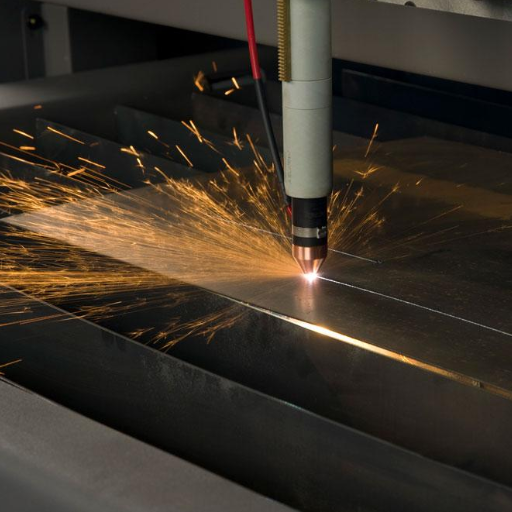
How to Safely Use Plasma Cutters: A Step-by-Step Guide
Plasma cutting is a very innovative and powerful method that enables users to cut even very hard metals in a very precise way. By using plasma cutting tools, one can cut materials easily without any distortion or deformation of the materials. However, it is necessary to exclude those people who are not familiar with safety precautions, since they can cause long term conflict. This manual offers you experienced-based approaches to safely and effectively work with plasma cutters. It aims to serve you both in your specialization and in the field of interest, to any other person who can read this. A warning is to be present in all of its operations in order to lessen the harm to a person. From an immediate understanding of basic safety equipment to command of training-related options, this will enable the individual to perform cutting tasks like a professional, with methods and limitations in place. Continue reading in order to make no mistakes when using these drives.
Section I
Understanding Plasma Cutting
Cutting with plasma; that is the speedy use of a jet of plasma at high temperatures to cut through conductive materials that are metal, such as iron, aluminium, and copper plate. The main indicator of cutting with plasma is the existence of an electric arc across the gas which ‘cuts’ the gas by heating it to very high temperatures so that it gives off several electrolytes and changes state to a liquid that will help cutting the object. Plasma cutting is well acknowledged as an extreme effective way of cutting given its speed, high precision, and possibility of handling materials of different thickness, thus its popularity in different sectors, such as metal work, motor vehicle maintenance, and among several others.
What is a Plasma Cutter?
The material was interesting for me as due to the fact that it attaches much importance to the plasma cutter which is the device for the purpose of cutting conductive materials such as steel, aluminum, brass, and copper for instance by a high-energy plasma. This means that to produce the electrical arc between the electrode and the workpiece, the gas comprising the plasma is electrically manipulated. In case the plasma stream is very hot, the metal shall melt; however, it shall not be the case since there is a cause of the compressed gas.
Further, the compressed gas emerges with a velocity which blows away the metal that has been melted. Consequently, the cut is neat and effective. Plasma cutters can be found with different sizes and are able to afford cutting very accurate slims with high efficiency. They are generally used in most of the industries especially in the construction, aerospace and shipbuilding industries that involve the cutting of components with good quality and can cut any shape available in the design.
How Plasma Cutting Works
A plasma cutter brings about the formation of an electrical arc by the use of an inert gas such as nitrogen, oxygen or argon. Using the arc, the ionization of the gas is then carried out resulting in the plasma which has the ability of reaching temperatures above 30,000°F (16,650°C). The interaction between the metal’s surface and the jet brings about a condition in which the material melts extremely fast as a very small area of the metal receives irradiation. By so doing, the jet simultaneously pushes away the material that is in molten form from the cutout area thus ensuring that the cut is very clean and without distortion.
In addition, in smart design making, a new revolution has been forged in the understanding of plasma power, which provides the energy source for all the above mentioned applications. Plasma profiles that use more gas and produce harder cuts also enhanced the potential inherent in the equipment range. This is because these new features allow operators to switch between different gases as per cutting needs and hence plasma cutting is more versatile beyond the boundaries of dirty operations. In fact, an operator can switch from cutting iron to cutting aluminium in edifice uses.
Applications of Plasma Cutting
01
Metal Fabrication
Metal fabricators rely on laser cutting to carve clients’ designs into a wide array of structural, industrial and decorative components. This results in enhanced efficiency and cost effectiveness which, furthermore, results in reduced waste.
02
Automotive Industry
The automotive sector extensively employs laser cutting for the fabrication of car structures such as chassis frames, exhaust pipes, and high-precision custom elements.
03
Construction & Infrastructure
Plasma cutting is currently a very essential tool in the development of bridges, buildings as well as machinery such as earth movers. Effectively, plasma cutting is used to slice through slabs in flat steel, reinforcement bars, as well structural beams among other pieces in a construction project or fabrication shop.
04
Aerospace Sector
The aerospace industry relies on the beginnings of modern manufacturing, and plasma cutting technology further advances it by enabling defect-free cutting edges and minimal thermal expansion and contraction afterward.
05
Shipbuilding
Shipyards may employ plasma cutting to accurately slice up large metal plates. This is particularly helpful for creating ropes, decks, and other shipbuilding materials since it allows for thick materials to be used for the construction of these sections.
06
Industrial Maintenance & Repairs
Whenever needed, Plasma Cutters have a high percentage use in organizations’ service workshops for restoration of geared branches, vehicles and other vital dados. In service workshops, any damaged parts are easily replaced or fitted with the required size on site.
Section II
Safety Precautions for Plasma Cutting
- 1
Wear Proper Protective Gear
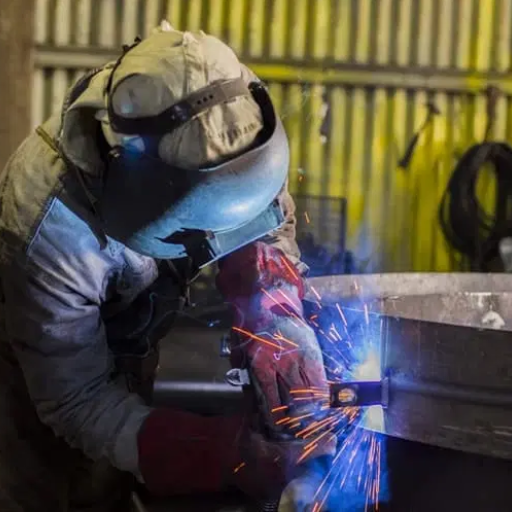
It is a great practice always to don the pertinent personal protective equipment (PPE). These include safety glasses, welding gloves, fire resistant clothing, and the right welding helmet with the right shade for the wavelength of light radiation involved.
- 2
Ensure Proper Ventilation
Typically, when operating a plasma cutting device, operators tend to excessively inhale fume or gas. It is advised to this work in a well-ventilated room or apply good fume extraction method for reduced chances of inhalation of fume or any other substanvce.
- 3
Inspect Equipment Regularly
Before the commencement of undertaking any plasma cutting work, there is a great need to go for an assessment of the Plasma cutter, cables and the connection points (terminations) for any visible breakages, damages or loose connections.
- 4
Prevent Fire Hazards
Expel any combustible materials from the room as well as have a fire extinguisher within reach. Do not overlook any sparks or remnants of molten steel that can be a source of ignition.
- 5
Maintain a Stable Work Surface
The cut part should be supported such that it rests on a flat non-contaminating object. This practice will not only increase the rate of successful cutting since the object will be stable but also minimize the chances of errors or incidents.
- 6
Follow Manufacturer Guidelines
To avoid any damages and injuries caused by the use of a plasma cutter, it is crucial to stick to the manual from the manufacturer.
Identifying Hazards and Risks
Plasma cutting is essentially a series of procedures that need to be followed in total in order to be conducted safely and without mishap. In doing so the operator should understand the possible dangers involved, while also striving to overcome them. In intelligible form and essence, the general level of danger and the improvements which can be aimed at mitigation or prevention as necessary. One of the most serious threats is high ultraviolet (UV) and infrared (IR) radiation emitted during burning, which may cause severe injuries of ocular structures and skin due to lack of shielding equipment such as helmets and gloves, focusing the laser beam. Moreover, cutting using a plasma gas results in high temperatures and fire hazards, which are more concerning especially in situations where there is a presence of combustible materials or inadequate air circulation.
The production of dangerous gases and particulate matters is another serious issue, particularly when shearing metals like stainless steel, galvanized steel and those with specific chemistry. Such hazardous fumes, apart from the prolonged inhalation of them, could be risky to one’s health bringing occurrences like respiration disorders and metal fume fever. To this end, it is recommended that in addition to ventilating strategically, one should address the issue by utilizing an exhaust system that is effective.
An electrical safety problem is more likely to occur when one considers that the plasma cutting apparatus uses higher current and voltage. Consequently, an electric shock is more likely caused by the wrong manipulation, lack of grounding, or possession of a damaged electric machine. It’s just that doing everything possible for ensuring safe operation of devices, in particular, their inspection, maintenance, and operator training come into play. For one last time, providing the proper care and maintenance needed to prevent any injuries to the plasma cutting system insists that all gases be carefully handled at all times to avoid leaks or an explosion of gas.
Fire Hazards and Fire Safety Measures for Plasma Cutting
The very nature of plasma cutting introduces dangerous levels of fire risks because the plasma arc, having the potential to rise even further than 13,900 °C, produces an excess of 25,000°F. Particles of combustible nature such as sparks and molten metal resulting from the cutting process could easily set alight any flammable materials near the area. A lot of effort needs to be put in place because so much heat is needed for these kinds of machines so that the work done will be quality. Some of the suggestions which would help to take care of these risks is to keep the workplace clean and free from flammable materials such as paper, textiles, volatile liquids among others. Furthermore, the NFPA 51B Fire Precautions in Structural Cutting Operations standard provide insight on how welding safety can be best utilized.
Thus, effective design may require the use of appropriate flame-restricting elements and barriers that channel sparks or molten materials into the designated location. So, the chances of incurring unwanted fuel ignition caused in various applications is decreased. Moreover, it must be stressed that access to class D and class ABC fire extinguishers is essential to handle such fires that are likely to Ignition during plasma cutting. Avoidance of undue aggregation of hazardous gases occurs in the atmosphere may not be better than otherwise increasing the risk from fire. And lastly, appropriate education and training of the staff in terms of potential causes of fire outbreaks, how to prevent and react and most importantly fire extinguishing techniques will make control towards potential ignition factors better.
Section III
Personal Protective Equipment (PPE)
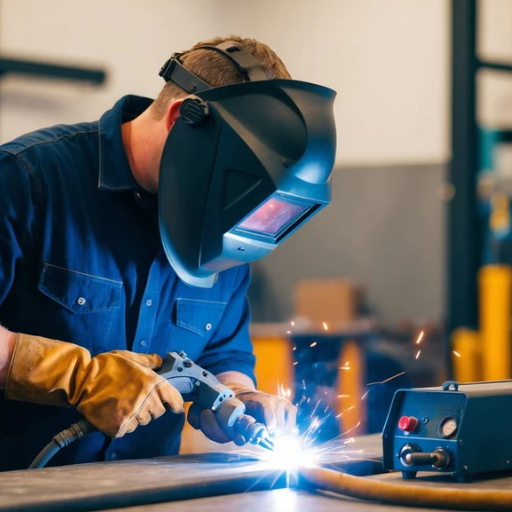
PPE (Personal Protective Equipment) for workers engaged in plasma cutting is a must since the process is dangerous; without it, not a single person would perform it. One of the most major protection is flame-resistant clothes as they shelter the worker from sparks and high temperatures. Special gloves should be used especially when handling objects which can burn skin or cause cuts. Safety boots should also be worn with non-slip soles so that the personnel can stand properly even in irregular environments.
Also important are welding shield that come hand in hand with appropriate filters that constantly shields the eyes and faces of workers from dangerous ultraviolet and direct light radiation at the level of flames emissions. This is because industrial noise can rise rapidly and become harmful to the ear. Using well-preserved and stamped PPE keeps the body parts intact and ensures the presence of healthy and safe working conditions.
Types of Protective Equipment
| Protective Equipment | Purpose | Key Features |
|---|---|---|
| Hard Hats | Protects head from falling objects | Impact-resistant shell, inner suspension |
| Safety Goggles | Shields eyes from debris, chemicals, and UV rays | Anti-fog, scratch-resistant lenses |
| Ear Plugs | Reduces harmful noise levels | Foam or silicone material, noise attenuation |
| Respirators | Filters airborne particles and harmful fumes | Replaceable filters, airtight seal |
| Gloves | Protects hands from cuts, heat, and chemicals | Heat-resistant, cut-resistant materials |
| Steel-toed Boots | Protects feet from heavy or sharp objects | Reinforced toe cap, slip-resistant soles |
| Welding Helmets | Shields face and eyes while welding | UV filter, auto-darkening lens |
| High-Visibility Clothing | Improves worker visibility in low-light areas | Bright colors, reflective tape |
| Flame-Resistant Clothing | Protects against fire and heat | Heat-resistant fabric, reinforced stitching |
| Harnesses | Prevents falls in elevated work environments | Adjustable straps, high-strength materials |
Eye & Ear Protection
Protection of the visual and auditory organs in hazardous conditions is important, and a number of special items are designed to protect them from harm due to debris, noise, or any other factors. Such items as safety goggles and face shields are offered to prevent any flying particles entering the eyes or splashes of corrosive materials, while certain materials made out of light help serve the same. More developed enhanced versions now come with additional features such as a retentive light covering and a film for anti-condense use and are made of stronger materials making scarification redundant.
Another item that cannot be overlooked are ear plugs and earmuffs since triple-digit decibel counts have effects that could cause irreversible damage. In this particular product category, work on projects covered noise elimination among actions required for the rehabilitation and re-furbishing of entangled regions in both world and modern history. Adherence to the proper use of genuine protective devices products Projects inculcated such attitudinal ideologies in organizations with regard to work and then stipulate the objectives of acquiring the policy on the adherence to the recommendation of the standard.
Choosing the Right Safety Gear
The factors found in the workplace will guide the choice of ergonomics and safety in equipment selection – that’s what should always be the case. For example, if impact injury is a high risk, wearing well-fitted industrial helmets made in compliance with ANSI Z89.1 or EN 397, standard of a purity test legal will be a must. Again, for people working in hazardous environments especially industrial settings, industrial-graded safety goggles called ANSI Z87.1 is needed to provide their eyes safety against foreign objects and acid splashes.
It is fundamental while dealing with respiratory stressors, to know the origins of the pollutants. N95 particulate respirator masks are suitable for filtering nearly all types of non-oil solids, while respirators like the air-purifying respirators fitted with their corresponding chemical cartridges are ensured to be used against chemical pollutants. The most recent improvements in powered air-purifying respirators (PAPRs) have changed the scenario greatly as they now come with better filtration abilities and more ease for the end user, indexing them higher within the high-risk markets.
In addition, protective gloves should be chosen according to the activities performed at the work place and the associated health risks. For chemical uses, good pair of gloves made of nitrile or neoprene and with resistance to chemicals can be worn, and for strong manual labor, it may be recommended to use gloves made from leather or cut resistant materials. For glove selection there are specifications such as EN 374, which helps determine the appropriateness of gloves in a given situation and ANSI/ISEA 105 which rates the cut resistance of these gloves.
Due diligence as far as health safety and ergonomic issues involved in the handling process of the equipment is important for any plant or industrial facility. Lightweight construction, adjustable, human-centered harnesses and various bits and pieces go a long way toward reducing strain to the equipment, especially when the safety equipment has to be worn continuously or for a long duration. Another aspect to be considered is the quality certification of the protective equipment that ensures its reliability in the operational and functional areas.
Section IV
Setting Up Your Plasma Cutting Machine
STEP 01
Ensure a Clean and Safe Workspace
Avoid preparing a room that could easily become a fire hazard or would contain noxious fumes because there is no airway or ventilation, as the case may be.
STEP 02
Check Power Supply Requirements
Another important consideration includes the need for the provision of appropriate power output that suits the machine output to prevent power loss, a poor connection to another power outlet, apart from supplying the power that suits the machine when the voltage itself is within the range of the manufacturer’s specifications.
STEP 03
Connect the Air Compressor
Then attach the compressor to the machine, ensure the connections are fittings and check for leaks if there are any greasy parts. Put the pressure control to the setting that the instruction manual suggests is best for the results.
STEP 04
Install the Torch and Ground Clamp
Raise the plasma torch and ground current holder securely to the machine. Ensure all connections are properly made and do a check for signs of wear or damage if any are found.
STEP 05
Adjust Key Settings
Select the appropriate amperage and speeds for cutting for a given thickness of the product. Specific information for setting up different materials should be indicated in the machine’s instructions.
STEP 06
Perform a Safety Check
Oversee all units regarding defects, observe that the respective parts are interconnected correctly, and double-check the observance of personal protective equipment such as gloves and a face mask.
STEP 07
Test the Machine
Perform a dry run cut on a free material sample to make sure the system is functioning correctly before embarking on the task.
Unboxing and Initial Setup
Unwrapping a plasma cutting machine should be done meticulously: package should be carefully taken down to prevent damage to any components even if they are fragile enough. When full, place every item that comes with the machine on the floor, such as power supply, torch, earth clamp, consumables, gas/air hoses fittings and leads, and match them against the parts list in the user manual to ensure that all pieces are present. If necessary, carefully analyse each item for any external anomalies prior to installing.
To begin the base installation, please locate a calm base with a breathing app that isn’t packed with flammable materials. Ventilation alone is not enough due to the high temperatures produced, therefore the efforts must be made to secure the gassed elements. Subsequently, focus the grounding consumed, I mean clamp, guide metal, depending on metal’s situation the performance optimization should be there. Post that, weld the head of the gun to the main body of the machine and make sure it snuggles within the helpful markings.
Grounding the Plasma Cutter
Proper grounding is essential for the safe and effective operation of any plasma cutting device, whether manual or mechanized. Start by locating the cleaning rust from attaching the metal part to the workpiece so that it can be used as a ground attachment. The earth, which should only be flat and metallic, must be lack of any corrosion or dirt deposits. This grounding method is done to take away electrical static charges or currents. For maximum efficiency, the grounding of plasma cutting equipment should have the same condition provided by the manufacturer by ensuring that the cables do not have high resistance due to their intended use, cable sizes mentioned should not be high.
In addition, assure that the grounding belongs to the customary or NEC (National Electrical Code) standards in the United States, equivalence whereby safe grounding practices organization is established. The system must operate within certain conditions and codes that assure the integrity and safe operation of electrical equipment and installations. The absence of the correct bonding is likely to cause shutdowns, additional damage to the device, and possibly cause safety risks as a result of electric shocks. Check grounding cable and clamp after intervals of usage for wear and tear, and if necessary, renew them to keep the operation functioning properly and safely.
Configuring Your CNC Plasma Cutter
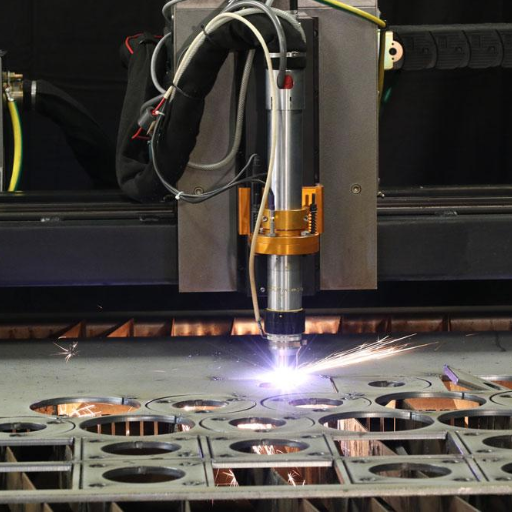
Using best settings on the CNC plasma cutter is highly important when you need accuracy and efficacy within the cutting process. Before it all, align the gantry along with the connecting rails which should be not only clean but also set on horizontal and no debris, so that the cut is not canted or bent. These practices are equally going to improve the longevity of the consumables and the quality of the cut. More so, it is necessary to set the torch height control (THC) that will reduce the impact of the standoff distance particularly the one between the torch nozzle and the material as this will affect both the cut quality and the longevity of the consumables. As well, once the cut has been perfected, the only component that you should not modify is the air flow.
As another option, it is necessary to identify the right cutting parameters that are determined on grounds of material type, thickness, and also on design constraints. These items might as well include the cutting speed, the amperage, as well as the pierce delay time parameters that can also be in alignment with the recommended settings of the manufacturer. Moreover, the correct working and thinking approach as it comes to the CNC software is well known which is to ensure the correct programming for the CNC system and that any downloaded files are error-free to experience no unforeseen nuisances. Even the firmware and any existing software on the machine need to be kept in check from time to time in order to ensure its compatibility to the new upgrades and make the control of the cuts as factual as it should be.
Section V
Operating Procedures for Plasma Cutting
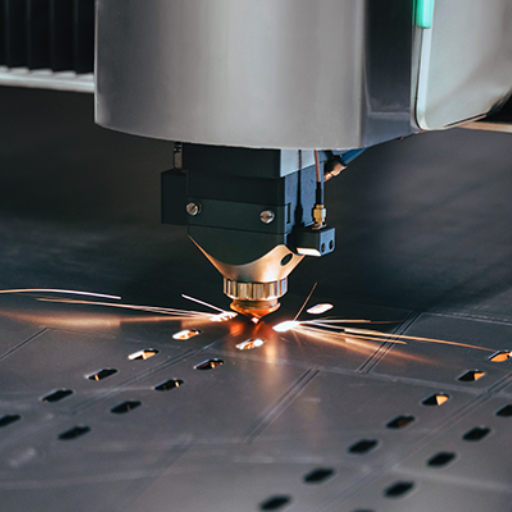
- 01
Prepare the Work Area
Prepare the cutting area to be clean, ventilated similarly to aerating the room, and devoid of flammable materials. The area should be enclosed with walls in order to suppress the danger of explosion or toxic fumes.
- 02
Inspect the Equipment
Before you turn the power on, inspect the plasma torch, hoses, wires and torch and make sure there are no tears or any other damage.
- 03
Wear Proper Personal Protective Equipment (PPE)
Health and Safety requirements have to be taken during welding activities in relation to the use of welding gloves, safety glasses, wearing fire retardant garments and a welding helmet with the right shade as to protect the eyes from the risks associated with UV and IR emanations.
- 04
Set Up the Machine Correctly
Install the torch in the most appropriate gas pressure and type which can cut the material you are working on. Modify the amperage levels corresponding to the thickness of the material in order to get the best out of the cutter.
- 05
Follow Cutting Protocols
Most of the time when cutting, the torch will be tilted at a 90 degree angle for a straight cut. The operator should always remember that these distances need to be consistent. While doing that, move the flame with an even speed to make the cuts precisely and smoothly.
- 06
Manage Waste and Finish Safely
The trimmed product should be left aside to cool. Carry away all the weighty materials and waste in accordance with the established order and clean the working surfaces up entirely before turning off the device.
Using a Plasma Cutter Safely and Efficiently
In order to fully understand the appropriate steps to take when employing a plasma cutter, it is imperative to factor in the operational factors and the personal protective clothing (PPE) to be put on. Wearing fire resistant clothes, goggles or a welding helmet with the right shade, gloves, and shoes will reduce the chances of been exposed to burnt clothes, electric cutting tools and other hazards. In addition, make sure there is enough air flow in the area so that the noxious gases that accumulate during the cutting process do not cause any harm.
As regards the materials used, it is crucial to undertake a full review, so as to establish how best the operator will verify that the plasma cutter is suitable, and that the power control is set adequately according to the material thickness. It is not probable that a safety requirement will fail or be misused where the equipment is connected to an earthing and the operator of the plasma cutter is also earthed.
During the operation, it is particularly important to grip straight and at the required angle in order to achieve excellent looking cuts and protect the cutting tips of the plasma cutter for as long as possible. Avoid crossing any cables and hoses along sharp angles or near any parts where high temperatures are generated. Obeying these precautions and logical operational processes can help in harnessing a plasma cutter that has less dangers, performs well, and delivers high quality outputs.
Controlling the Plasma Arc and Torch Height
For better cutting results quality and higher durability of cutting insert operation is very important. In this regard the proper control of plasma torch and torch height stands out. Where the torch height, plays that crucial role, it is the flame Arc height, which is more about improving dross minimization. Also sustaining the appropriate separation of the workpiece from the torch nozzle is essential, as it has a significant effect on arc characteristic, consistent power consumption, and observed arc penetration.
Higher level systems do not only use automatic torch height control (THC) technology but rather programs that accounts for its operating conditions by analyzing voltage changes and moves the torch up and down. This is especially useful when cutting non-planar metal surfaces as the system is able to adjust automatically for the presence of cavities. In addition, maintaining the shape of the arc is not possible without the accurate plasma current, cutting speed as well as the gas pressure set for the job and in the event that these values are not well set they could lead to poor or overconsumption of the a plasma cutting consumables.
References
Reference Sources
Reference 01
Development of a CNC Plasma Cutting Machine: Design and Construction for Didactic Purposes
Reference 02
Investigation of Different Cutting Technologies in a Ship Recycling Yard with Simulation Approach
FAQ
Frequently Asked Questions
Q
How to use a plasma cutting table with proper ventilation and fume control
You must ensure that there is effective ventilation to remove ionized gas and plasma fumes that have adverse effects on the eyes and skin when working with a plasma cutting table. It is advisable to use a well-structured plasma cutting table with circulation of clear gas or air to ensure that high level of quality output and quick operation are achieved. It is always a good idea to maintain cleanliness and order within the working environment as it helps to lower air pollution exposure during the plasma cutting. When performing plasma cutting operations, the workplace requires the welder to follow health and safety requirements and ventilation standards for welding fumes.
Q
What plasma cutter safety and eye protection should I use while plasma arc cutting?
On the same subject, one cannot fail to note the use of different protective instruments including goggles and welding masks in particular for plasma cutting. And that’s because of the bright light that plasma puts out that would otherwise harm you. Look at a user’s eyes, it is seen that plasma produces a dangerous lightening effect that might not have been considered. In this case, eye protection shall be complemented by the other appropriate PPE, making it unsuitable for the worker to look at the arc directly. In fact, Safety first is the best approach while safety equipment is accessible at all times, and the use of plasma. Also, use ear protection in noisy environments and keep a fire extinguisher within reach.
Q
What safety tips apply to a CNC plasma cutting machine and CNC plasma cutter environment?
The use of a CNC plasma cutter necessitates an increased amount of preparation. These preparations include ensuring that the workshop is well appointed, that the gas or air supply to be used is free from moisture and that it’s should maintain consistent quality through thorough investigation of the table and soldering tool height control. Cloth masks, gloves, and the presence of a fume extraction source are commonly required, and in the absence of this setup, careful attention to safety details while entering programming and setting of work such that errors and complications do not occur. It is imperative to begin with a sketch, as this will help in the design of the plasma cutting cycle and can easily be repeated.
Q
How can I prevent fire hazards and ensure fire safety when using a plasma cutter?
Before performing hot or cool cutting operations, ensure there is an accessible fire fighting apparatus and clear the cutting area of any flammable substances in order to reduce any fire risks generated by children or hot slag. A plasma torch actually looks like an arc welding machine or a plasma cutter only it works with such immense heat that it can start fires or badly scorch those operating the tool. All those precautions enumerated seeks to minimize the risk involved such as debris removal after cut and any dangerous snags that may carry over during the process. Apart from that, taking care of the interests of safety includes periodic examination of the air or gas pipe and qualified personnel receiving instruction on rescue operations.