
Welding Torch Manufacturer Guide: How to Choose the Right Type for Industrial Use
The Polish distributor purchased 500 air-cooled TIG welding torches through his bulk order, which he placed during 2023. Six months later, his industrial clients were complaining about overheated nozzles and cracked cables. The problem existed because the business was operated by the brand.
The welding operation required 300-amp equipment, and special torch equipment was used. The distributor lost two major contracts and learned an expensive lesson: choosing a welding torch is not just about price. The actual work environment needs to be compared with all specifications before making a selection. The correct welding torch manufacturer protects businesses from all potential losses that could happen before they start.
Most buyers do not know that this situation happens more frequently than they believe. The global welding torches market was valued at approximately $385 million in 2024 and is projected to reach $572 million by 2032, according to industry research. The durability of torches depends on their cooling performance, amperage levels, and construction materials, which determine the time period they will operate.
Understanding these differences helps protect your profit margins and your business image since you belong to three categories, which include distributors expanding their product range, contractors developing fabrication facilities, and brand owners introducing private label products. The guide provides information that distinguishes different welding torches and identifies essential specifications required for industrial applications, and demonstrates how to collaborate with dependable welding torch manufacturers to obtain appropriate products at suitable production levels.
What Is a Welding Torch and How Does It Work?
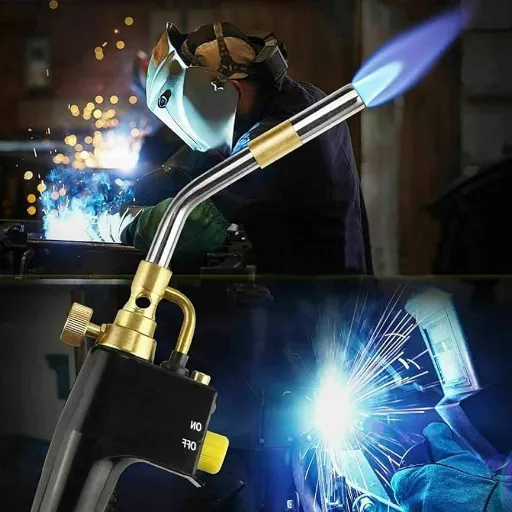
The handheld welding torch delivers all necessary welding components, which include welding current, shielding gas, and optional filler material to the weld joint. The welding torch serves as the contact point between the welder and the workpiece, which requires manufacturers to create welding torches with designs that ensure arc stability and heat control and operator fatigue protection.
The welding torch base design includes four main components, which are the handle and trigger or valve and cable assembly, and torch head. The head holds the consumable parts: the nozzle, contact tip, collet body, and gas lens. The shielding gas flows through the torch to create a protective barrier that prevents atmospheric contamination of the molten weld pool.
The tungsten electrode of TIG torches exists at their central point. The wire electrode of MIG torches passes through the contact tip. You need to learn this essential body structure because it helps you acquire products in large quantities. A welding torch manufacturer who maintains complete control over the torch head and cable assembly production process can provide customers with welding products that deliver reliable arc performance and extended operational lifespan.
Companies with poor construction standards experience three main problems, which include gas leaks, erratic arcs, and premature cable failure. Your end users face higher replacement expenses and increased downtime because of these failures. The welding torch manufacturer evaluation process should focus on the precise control of the welding torch manufacturing process, which produces accurate dimensions.
The torch functions as a complete system that B2B buyers buy together with their other required components. The system consists of three components, which are the power source, the wire feeder, and the gas supply. The performance of a welding operation depends on how well these components work together because their compatibility determines operational efficiency. This is why experienced buyers evaluate torches alongside the complete welding setup, not just the sticker price.
Need help matching torch specifications to your target market? Contact our team for a technical consultation and a competitive quote.
Types of Welding Torches and Their Industrial Uses
This section covers the four main categories you will encounter when sourcing from a welding torch manufacturer: TIG, MIG/MAG, plasma cutting, and oxy-acetylene. Each serves a different set of industrial tools for professional use.
TIG Welding Torches
TIG welding uses Tungsten Inert Gas torches, which require non-consumable tungsten electrodes and distinct filler rods for welding. The welder uses a foot pedal or thumb switch to manage heat control. TIG welding achieves precise results through its handling of stainless steel, aluminum and thin-gauge materials.
TIG torches come in two cooling configurations. Air-cooled torches use ambient air to dissipate heat. The air-cooled system allows for easier transportation because it weighs less, which makes it suitable for both fieldwork and smaller shop operations. Water-cooled torches circulate coolant through the cable and head. The system operates safely at higher amperages for extended periods because it prevents overheating. For continuous production above 200 amps, water-cooled is usually the safer investment.
Common industrial TIG torch series include the WP-17, WP-26, WP-20, and WP-18. The WP-17 is a general-purpose air-cooled torch rated around 150 amps. The WP-26 is a larger air-cooled option rated up to 200 amps. The WP-20 is a compact water-cooled torch for precision work up to 250 amps. The WP-18 heavy-duty water-cooled torch can operate at 350 amps and higher.
The proper series selection requires users to match their required amperage and duty cycle, and physical size requirements with their intended final application. The choice between gas lens and a standard collet body also matters. A gas lens creates a more laminar shielding gas flow, which improves coverage in tight corners and reduces tungsten contamination. Standard collet bodies cost less and work fine for open joints. Back caps come in short, medium, and long lengths to accommodate different tungsten stick-out requirements.
Your welding torch manufacturer should stock all common series and consumables.
MIG/MAG Welding Torches
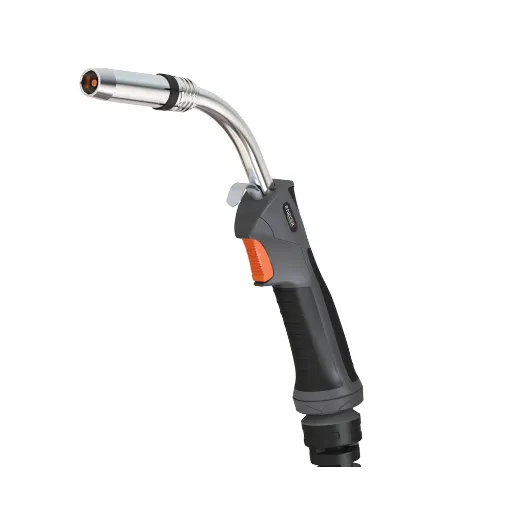
The Metal Inert Gas process uses torches that operate through a system that feeds wire electrodes continuously. The Metal Active Gas process replicates the same welding procedure but uses shielding gases that contain active components. The design of these torches enables fast welding operations. The automotive industry, shipbuilding industry, and heavy steel fabrication industry select these products as their main solution because they prioritize production volume over achieving perfect appearance.
The MIG/MAG torches use air cooling systems that operate based on their amperage rating and connector specifications. The industrial welding equipment provides operational capacity that ranges from 180 amps for light-gauge work to 500 amps for heavy plate welding. There are two main types of connector styles, which include Euro connectors and Panasonic connectors. Euro connectors serve as the worldwide standard, which provides the greatest system compatibility. Panasonic connectors find common use within welding systems that originate from Asian manufacturing facilities.
The welding torch manufacturer you choose must provide clear information about the connector types that their products support. Industrial buyers often reference the torch series by well-known designations. The 15AK and 24KD series are common light-to-medium duty options. The 36KD and 501D series handle heavier amperages for shipbuilding and structural steel. The industry-standard classifications enable you to establish effective communication with both manufacturers and end users.
Plasma Cutting Torches
Plasma torches use a high-velocity jet of ionized gas to cut metal rather than join it. Although these devices function as welding torches, their presence in product catalogs occurs because they serve the same fabrication shops. Many buyers source these alongside welding torches from the same welding torch manufacturer to simplify procurement. Plasma cutting delivers cleaner edges and faster speeds than oxy-fuel cutting on thin and medium-gauge materials. This method demonstrates high demand in the field of precision sheet metal work.
Oxy-Acetylene Torches
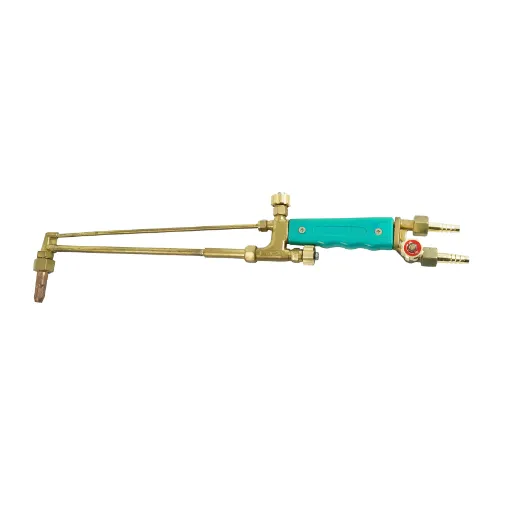
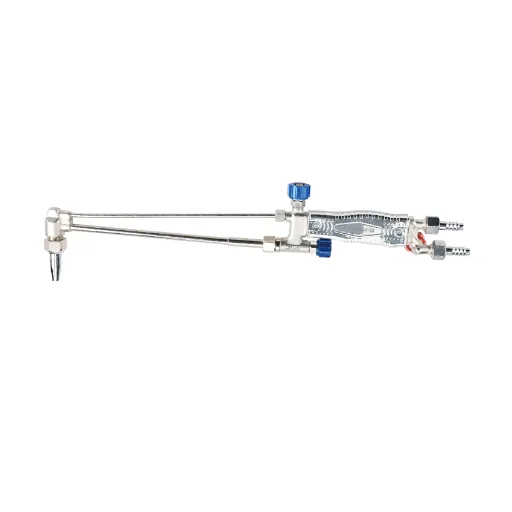
Oxy-acetylene torches depend on a flame that results from the combustion of acetylene gas and oxygen. The tools function as flexible equipment that operators can use for welding, brazing, and cutting operations on thick materials. The equipment becomes operational in remote areas because it functions without the need for electricity. However, the processes require operators to possess advanced skills while they must follow strict safety guidelines that exceed the requirements of electric arc systems.
Key Specifications B2B Buyers Should Verify

Amperage and Duty Cycle
The amperage rating shows the maximum electrical current that the torch can handle. The duty cycle measures the continuous operating period that the device can maintain at its electrical load during a ten-minute time frame. The 300-amp torch with a 60 percent duty cycle operates at full capacity for six minutes before it requires four minutes of cooling down time. High-volume manufacturing operations benefit from increased duty cycle limits because they enable continuous operation, which results in higher production rates. The welding torch manufacturer must provide official duty cycle performance information for each welding torch model.
Cooling Method
The basic design of air-cooled torches makes them both affordable and easy to use. The system operates effectively with a maximum capacity of 200 amps during short-term operations. Water-cooled torches require higher initial investment costs, but they provide extended durability when operating under demanding conditions. The design of these products enables users to experience reduced fatigue because of their compact and lightweight structure, which operates at high electrical power. When serving industrial clients, you should determine their daily welding requirements before you select an appropriate cooling solution.
Cable Length and Connector Type
The standard cable lengths include three meters, four meters, and five meters. The extended cable length enables welders to move freely, but reduced conductor quality results in voltage drop problems. The use of high-purity copper conductors results in decreased power loss. The Euro connectors and Panasonic connectors function as two distinct connector systems that users must not combine. The welding torch manufacturer provides flexible design options for customers to select their required cable length and connector style based on their market needs.
Torch Weight and Ergonomics
The welding profession requires workers to hold a torch for multiple hours during their work shift. The use of heavy or unbalanced welding torches results in hand fatigue, which decreases welding performance throughout the workday. The water-cooled torches become less heavy at high electrical loads because their cooling system enables the use of smaller operational parts. The combination of ergonomic handles and textured grips enables operators to achieve better comfort and handling capability.
Wire and Collet Diameter
The wire diameter in MIG torches needs to match the diameter of the contact tip. The standard sizes for this range from 0.6 mm to 2.0 mm, which depends on the selected base material and operating amperage. TIG torches require the collet and gas lens components to match the diameter of the tungsten electrode. The precision welding torch manufacturer maintains control over these two elements to ensure proper operation.
How to Choose a Welding Torch for Your Application
Match the Torch to the Material
TIG becomes the preferred welding method for aluminum and stainless steel because these metals require exact temperature management. MIG becomes the preferred welding method for mild steel and thick structural plates because it delivers faster results. Mixed-material shops can provide their customers with necessary operational options by including both TIG and MIG in their product range.
Match the Torch to Production Volume
Small repair shops that operate at low production levels can use light-duty air-cooled torches to weld their daily joint requirements. Water-cooled industrial torches with high duty cycles become essential for shipyards and automotive plants that operate multiple shifts. Choosing an incorrect duty rating results in equipment overheating problems, which cause operational halts and customer dissatisfaction.
Match the Torch to the Working Environment
Welding operations at workshops require heavy torches, which need extended cable lengths and secure gas connections to operate effectively. The construction industry and fieldwork operations require equipment that maintains a lightweight design while providing durability during transportation and unintentional damage. The construction industry uses portable MIG torches, which have short cables and durable designs.
Marcus, who works as a fabrication contractor in Mexico, submitted a bid for a steel-frame warehouse project in 2024. He purchased a batch of budget MIG torches rated at 200 amps to save money. The torches stopped working properly after two weeks because they could not handle the continuous 250-amp load. Marcus spent three days on torch replacements, which almost caused him to miss his project deadline.
He later switched to a 350-amp industrial torch from a verified welding torch manufacturer. The upfront cost was 30% higher, but the torches lasted the entire project without a single failure. You should inform your welding torch manufacturer about your maximum amperage requirements from the beginning of your business relationship.
Sourcing from a Welding Torch Manufacturer: OEM and Wholesale Options
China has many welding torch manufacturing companies, which range from large industrial producers to export-focused manufacturing companies. XGWelder provides a useful overview of the landscape for international buyers. You need to understand the difference between factory-direct sourcing and branded distribution to make better procurement decisions.
Factory-Direct Pricing vs. Branded Markups
When you buy welding torches through a welding torch manufacturer rather than a trading company or brand distributor, you eliminate the middleman markup. Your business benefits from factory-direct pricing because it increases your profit margins and helps you achieve a competitive advantage in your local market. The key is finding a manufacturer with consistent quality control, not just the lowest quote.
OEM Customization
B2B buyers prefer customized products instead of standard torch offerings. The company provides manufacturing services that allow them to create custom products through their logo designs, packaging solutions, cable length specifications, amperage rating options, and connector type selections. Some companies provide handles that show different colors, while others use handles that display their brand name through gas lenses.
The customized OEM solutions create unique market advantages for distributors and brand owners who want to separate themselves from their competitors. The ideal partner organization provides customization services as a basic offering, which customers can access without restrictions.
Elena operates a small tool distribution business in Poland. She started her own welding equipment brand in 2024. She established a partnership with a Chinese welding torch manufacturer, which provided her with private-label programs through their low minimum order quantity requirement.
She conducted her market research through the first 200 TIG torches, which she created for her brand. The market response resulted in her production increasing to 2,000 units before the year concluded. Her brand torch products reach customers in three different countries while she maintains control over both pricing strategies and customer interactions.
MOQ Flexibility for Distributors and Brand Owners
Different manufacturers establish their own minimum order quantity requirements, which vary throughout the industry. Chinese factories will accept standard model orders with no modifications at order quantities between 10 and 50 pieces. The production of custom-branded products through full OEM operations demands between 500 and 1000 units.
When you test new markets or require precise cash flow management, then flexible MOQs become vital for your business operations. The welding torch manufacturer adjusts its minimum order quantity requirements according to your current business development phase.
Lead Times and Export Compliance
Standard welding torch orders from established manufacturers usually ship within 12 to 20 days. Custom industrial orders that include specific requirements need between 30 and 45 days for fulfillment. An experienced welding torch manufacturer manages these timelines without sacrificing quality.
You need to verify the manufacturers’ certification status, which includes CE, ISO, and RoHS, before you order products from them. These certifications protect you from customs delays and liability issues in regulated markets like the European Union.
Packaging and Documentation
The packaging of welding torches becomes a crucial aspect of their import process because of its unexpected significance. Silica gel is packaged into individual plastic bags, which protect against corrosion during sea freight. Sturdy cartons with proper labeling reduce damage and speed up customs clearance. A full-service welding torch manufacturer can handle custom packaging, detailed specification sheets, certification copies, and multilingual manuals. This adds professional value to your resale offering.
Quality Control: What Reliable Manufacturers Deliver
Certification Standards
The CE marking shows that the product satisfies all European safety and health standards. The manufacturer obtained ISO 9001 certification, which proves that they operate their quality management system according to documented procedures. RoHS compliance restricts hazardous substances in electrical components.
Welding torch manufacturers need to provide current certificates, which you must check for their valid status. The existence of outdated or fake certifications represents a major warning sign during international procurement activities.
Arc Stability and Heat Resistance Testing
The torch allows users to create a stable arc that continues from their first trigger pull until their final trigger pull. A trustworthy welding torch manufacturer conducts tests to verify arc performance throughout the complete range of designated electrical current. Heat resistance testing checks whether the torch head, nozzle, and cable insulation can withstand sustained operation without degrading. The tests determine how the torch will function during actual operational activities in a fabrication workshop.
Durability Testing for Cables and Connectors
Industrial welding torches endure thousands of flex cycles, drops, and exposure to hot metal spatter. Manufacturing companies with strict quality control procedures for their tools enforce cable testing through bending assessments, abrasion examinations, and connector insertion evaluations. Cables that pass these tests resist cracking and loose connections far longer than untested alternatives. The welding torch manufacturer who achieves this validation level demonstrates greater product dedication than a basic product assembler.
Consistent Supply and Responsive Support
Quality assessment involves more than evaluating product performance. The manufacturer must provide consistent product specifications through all production runs. Unstable suppliers change materials or subcontractors without warning, which leads to quality swings that your customers will notice. A reliable partner communicates clearly, responds to issues quickly, and supports your business through production to delivery.
Conclusion
The selection process for a welding torch requires four main elements, which are torch type, torch specifications, proper application usage, and manufacturer trustworthiness. Your end users will experience operational delays, extra work, and dissatisfaction when you make a mistake with any of these elements. When you achieve these elements correctly, you establish yourself as a supplier who comprehends industrial requirements.
The global welding torches market is growing steadily, driven by construction, automotive, and infrastructure projects worldwide. The sector keeps expanding because market analysis shows that fabrication demands are increasing. Distributors, contractors, and brand owners who understand the technical differences between TIG, MIG, plasma, and oxy-fuel torches can make smarter purchasing decisions.
Our power tools manufacturing capabilities and factory-direct sourcing enable them to identify opportunities for value addition. A knowledgeable welding torch manufacturer can guide you through these choices.
We assist businesses needing a welding torch manufacturer who provides long-lasting products, flexible minimum order quantities, and dependable product distribution. Contact Shanghai Oushike Hardware Tools Co., Ltd. today to discuss your specifications, request samples, or get a competitive quote for your next order.
Our team provides business assistance from initial contact to full private-label welding equipment line development through 50 standard MIG torch orders. Our team supports your business growth by helping you choose specifications, design packaging, and complete export documentation requirements. Start creating your stronger product catalog by exploring our wholesale welding torches.