
How to Import Test Equipment from China: A Step-by-Step Guide for Buyers and Distributors
You import test equipment from China by identifying a verified supplier, confirming specs, negotiating terms, managing shipping and customs, and inspecting goods before shipment. One mistake at any stage can cost thousands in delays, rework, or lost inventory.
The global test and measurement equipment market is projected to reach $37.04 to $39.81 billion in 2026. The Asia-Pacific region holds 41.5 to 42.2% of that share, with China at the center. China surpassed Germany as the world’s top machine tool exporter in 2025, accounting for 19% of global exports with 20.6% year-over-year growth. General machinery exports from China hit $61.7 billion in the first eleven months of 2025, up 6.4% from the previous year. For buyers and distributors, this means more options, better pricing, and faster innovation, but only if you know how to navigate the sourcing process.
Key Takeaways
- China offers a 30 to 50% cost advantage over Western suppliers for comparable test equipment, but supplier verification is non-negotiable.
- Always request samples, confirm certifications, and use a pre-shipment inspection to avoid receiving non-compliant goods.
- Shipping and customs costs, including US tariffs of 55 to 70%, must be calculated before you finalize pricing with your end customer.
- A reliable test equipment manufacturer with OEM capabilities can become a long-term partner, not just a one-time vendor.
- Contact us for a free catalog, sample request, or OEM consultation to start your sourcing process with confidence.
Why Import Test Equipment from China?
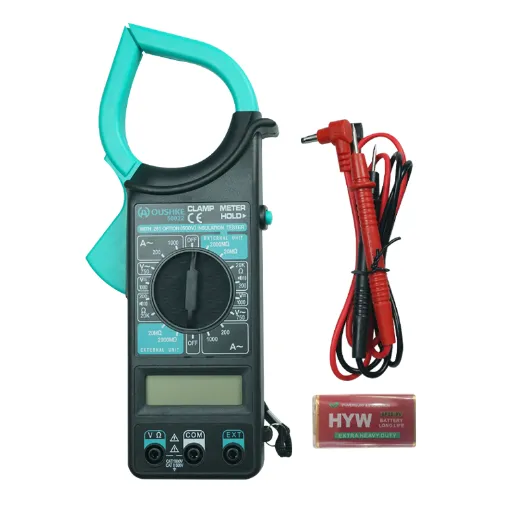
China has become the dominant manufacturing hub for industrial and electronic test equipment. Ningbo, one of China’s major export cities, recorded approximately $137 billion in exports in 2024, up 9.2% year over year. That growth reflects expanding capacity, improving quality, and rising global demand.
Buyers who import test equipment from China typically gain three advantages. First, cost. Chinese factories operate with lower labor and overhead costs, which translates to a 30 to 50% price advantage over comparable Western suppliers. Second, scale. Chinese manufacturers can handle large volume orders and maintain consistent output. Third, flexibility. Many factories offer OEM programs, allowing you to private-label products with your own branding, packaging, and even custom specs.
However, not every supplier delivers on these promises. The market is crowded with trading companies posing as factories, outdated product lines, and inconsistent quality control. That’s why a structured approach matters. This guide walks you through each step so you can source with confidence and avoid the common traps that catch inexperienced buyers.
Step 1: Identify the Right Product and Supplier
Define Your Product Requirements First
Before you contact any supplier, write down exactly what you need. Include the product category, technical specs, certification requirements, target price range, and estimated order volume.
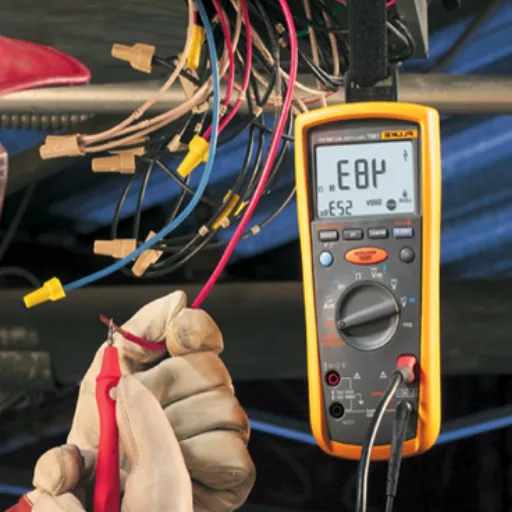
For example, if you are sourcing digital multimeters, specify the accuracy class, display count, safety rating, and whether you need CAT III or CAT IV certification. If you are buying insulation testers, note the test voltage range, measurement range, and required compliance with IEC 61010-1. This document becomes your sourcing brief. It keeps your search focused and prevents you from wasting time on suppliers who cannot meet your technical standards.
Find Suppliers on the Right Platforms
Most buyers start on Alibaba, Made-in-China, or Global Sources. These platforms list thousands of suppliers, but they also list trading companies that markup prices without adding value. To filter for real manufacturers, look for these indicators:
- Gold Supplier or Verified Supplier status for multiple years
- Factory audit reports with photos of production lines
- Product specialization (a supplier that makes only test equipment is usually better than one that sells everything)
- Export history to your region
When Marcus, a distributor in Germany, first sourced multimeters from a Shenzhen supplier he found on Alibaba, he skipped the factory audit. The samples looked fine, but the first bulk order had inconsistent calibration. He switched to a verified manufacturer in Ningbo with ISO 9001 certification and a dedicated quality control department. His return rate dropped from 8% to under 1%.
Verify the Supplier Is a Real Factory
Request a video call. Ask to see the production floor, testing lab, and warehouse. A real manufacturer will agree. A trading company will make excuses.
Also request:
- Business license
- ISO 9001 or ISO 14001 certificate
- Export license
- Product-specific certifications (CE, UL, RoHS, REACH)
Cross-check the company name on the certificate against the business license. Mismatches are a red flag. Ask for references from buyers in your country or region. Contact those buyers directly. Ask about delivery reliability, defect rates, communication quality, and how the supplier handled problems. One reference call can save you months of frustration.
Step 2: Request Samples and Validate Specifications
Order Samples from Your Top Three Suppliers
Never place a bulk order without evaluating samples first. Order from at least three suppliers so you can compare build quality, accuracy, packaging, and documentation side by side. Pay for the samples, even if the supplier offers them for free. Paying shows you are serious and ensures the supplier sends production-grade units, not hand-picked prototypes.
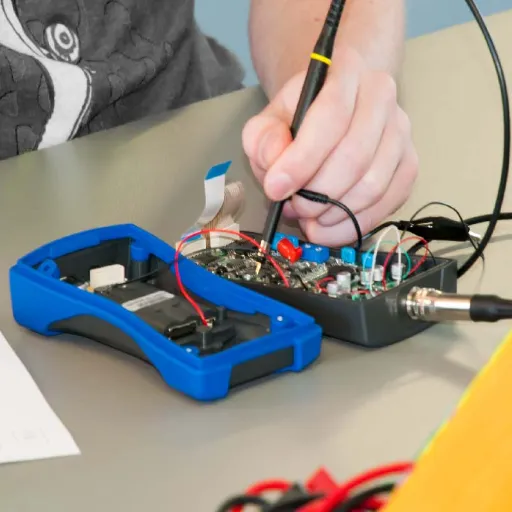
When the samples arrive, test them methodically. Use a calibrated reference device to check accuracy. Inspect the housing, buttons, display, and probe quality. Review the user manual for clarity and completeness. Check that the certification labels match the certificates the supplier provided.
Document everything. Take photos. Record measurements. Write notes on packaging quality. This documentation becomes your benchmark for the bulk order.
During the sample phase, pay attention to how the supplier communicates. Do they answer technical questions clearly? Do they follow up without prompting? Do they offer solutions when you raise concerns? A supplier that is slow or vague during the sample phase will likely be worse during production.
When Priya, a procurement manager for a UK electrical distributor, tested insulation tester samples from two suppliers, she found nearly identical performance. She chose the supplier that responded to her emails within four hours and sent a revised datasheet the same day. That responsiveness proved valuable six months later when she needed an urgent design tweak for a wholesale test equipment order.
Step 3: Negotiate Pricing, MOQ, and Payment Terms
Understand the Full Cost Structure
The unit price is only one part of the total cost. When you import test equipment from China, you also need to account for sample and tooling costs, shipping and freight, insurance, customs duties and tariffs, import taxes, bank fees, currency conversion, inspection costs, and local delivery from port to warehouse.
For US buyers, tariff stacking on Chinese goods now reaches 55 to 70% for many product categories, including lab and test equipment. According to ARES Scientific, these tariffs have significantly reshaped sourcing economics for American buyers. Calculate this into your landed cost before you quote your end customer.
Negotiate MOQ and Price Breaks
Minimum order quantities vary by supplier and product complexity. For standard multimeters, MOQs often start at 500 to 1,000 units. For specialized equipment like power quality analyzers, MOQs may be 50 to 100 units. Ask for price breaks at higher volumes, even if your first order is small. This sets the framework for future wholesale test equipment negotiations.
The standard payment structure for new supplier relationships is 30% deposit after sample approval and order confirmation, and 70% balance after pre-shipment inspection and before bill of lading release. Avoid paying 100% upfront. Use a secure payment method like wire transfer through an escrow service or a letter of credit for large first orders. Once trust is established, you can negotiate more flexible terms.
Step 4: Manage Shipping, Customs, and Duties
Choose the Right Shipping Method
Your choice depends on order size, urgency, and budget.
| Method | Best For | Transit Time | Cost |
|---|---|---|---|
| Air freight | Urgent samples or small high-value orders | 5 to 10 days | High |
| Sea freight (FCL) | Large orders filling a full container | 20 to 40 days | Low per unit |
| Sea freight (LCL) | Smaller orders sharing container space | 25 to 45 days | Moderate |
| Express courier | Samples or orders under 100 kg | 3 to 7 days | Very high |
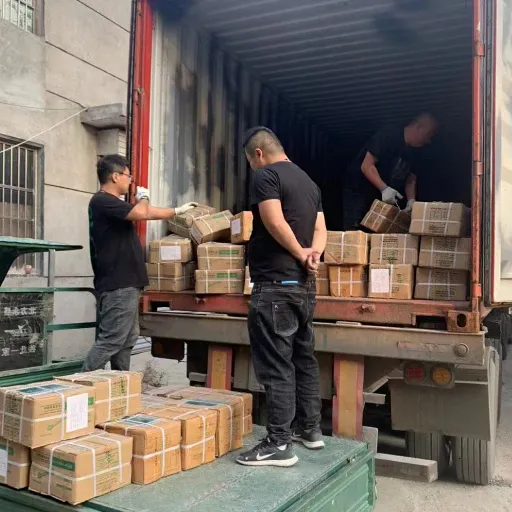
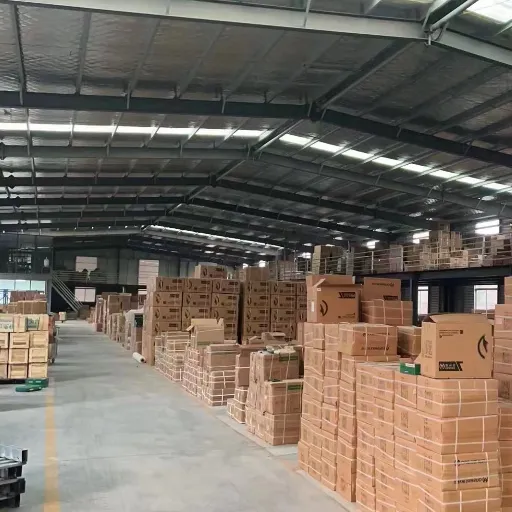
For most test equipment orders, sea freight in a 20-foot or 40-foot container is the most economical option. A full container load (FCL) also reduces handling damage because your goods are not mixed with other shipments.
Incorrect paperwork is the most common cause of customs delays. You will need a commercial invoice, packing list, bill of lading or airway bill, certificate of origin, product certifications (CE, UL, RoHS as applicable), and an import license if required by your country.
According to China’s General Administration of Customs, importers must ensure that all documentation matches the physical goods exactly. Discrepancies in product description, quantity, or value can trigger inspections, fines, or confiscation. You can review official Chinese customs procedures at the General Administration of Customs portal.
A licensed customs broker handles classification, duty calculation, and clearance on your behalf. For first-time importers, this service is essential. Even experienced buyers use brokers for complex shipments. The broker fee, usually $100 to $300 per shipment, is small compared to the cost of a customs hold.
Understand Certification Requirements
Your country may require specific certifications for imported electrical equipment. The European Union requires CE marking. The United States requires FCC compliance for devices with digital displays and UL or ETL listing for electrical safety. According to China Briefing, imported goods must meet destination-country certifications, and Chinese manufacturers should provide the relevant test reports and conformity documents.
Ask your supplier for the full certification package before you ship. If they cannot provide it, find another supplier. Retrofitting compliance after arrival is expensive and sometimes impossible.
Step 5: Inspect Before Shipment
Book a Pre-Shipment Inspection
Never ship without an independent inspection. A pre-shipment inspection (PSI) checks that the finished goods match your approved samples and purchase order. The inspector visits the factory, randomly selects units from the production batch, and tests them against your specifications.
Key checks include quantity and packaging, visual appearance and workmanship, functional testing, labeling and markings, and documentation completeness. The inspection report includes photos, test results, and a pass or fail recommendation. If the batch fails, you hold the balance payment and require rework.
Companies like SGS, Bureau Veritas, and Intertek offer inspection services across China. Costs range from $200 to $400 per man-day, depending on location and product complexity. For a typical test equipment order, one inspector can cover the job in a single day.
If your order exceeds 5,000 units or involves custom tooling, add a during-production inspection (DPI). The inspector visits when 20 to 50% of production is complete. This catches problems early, before the entire batch is finished. Early detection saves weeks of rework time.
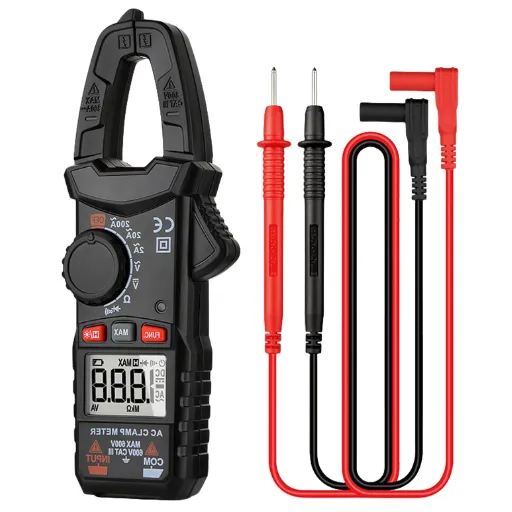
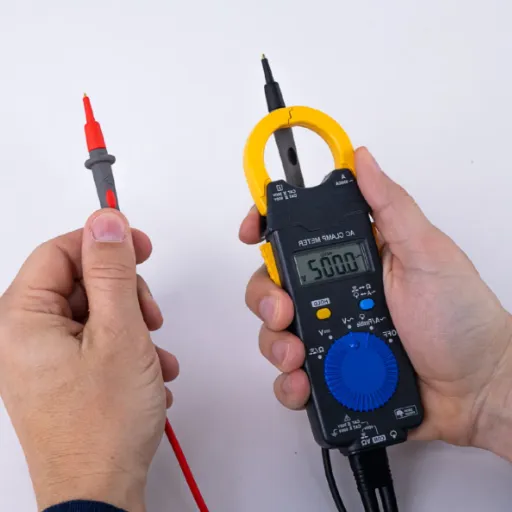
When Johan, a distributor in Sweden, ordered 2,000 clamp meters from a new supplier, he skipped the PSI to save $300. The shipment arrived with reversed polarity on the jaw markings. He had to relabel every unit in his own warehouse. The rework cost exceeded $4,000 in labor and delayed his retail launch by three weeks. He now books PSI on every order, no exceptions.
Common Risks and How to Avoid Them
Risk 1: Supplier Misrepresentation
Some suppliers claim to be manufacturers when they are actually trading companies. Others exaggerate their factory size or certification status. Avoid this by verifying the business license, requesting a live video tour, and checking references.
The sample you approve may not match the production batch. Factories sometimes substitute cheaper components to protect margins. Prevent this by locking the bill of materials in your contract, booking a DPI for large orders, and always requiring a PSI.
Tariffs, VAT, and port handling fees can add 30 to 70% to your landed cost. Build a detailed cost model before you quote your customer. Update it regularly, as tariff rates change with trade policy shifts.
If you share custom designs or tooling, protect your IP. Use a non-disclosure agreement (NDA) and a non-compete clause in your manufacturing agreement. Register your trademarks in China, as Chinese trademark law follows a first-to-file system.
Test equipment contains sensitive electronics and precision components. Inadequate packaging leads to damage during sea transit. Specify packaging requirements in your purchase order, including double-wall cartons, foam inserts, and moisture barriers. Buy cargo insurance for the full invoice value, not just the freight cost.
Conclusion
Importing test equipment from China is a proven strategy for buyers and distributors who want competitive pricing, scalable supply, and product customization. The global market is growing, China remains the dominant manufacturing base, and the cost advantage is real. But success depends on process discipline.
Follow the five steps in this guide. Define your requirements. Verify your supplier. Test samples. Negotiate with full cost visibility. Manage shipping and customs with professional support. Inspect before you pay. Build in safeguards against the common risks.
If you are ready to source test and measurement tools from a verified manufacturer, contact us today. Shanghai Oushike Hardware Tools Co., Ltd. offers factory-direct pricing, flexible OEM programs, and rigorous quality control. Request a free catalog, order a sample, or schedule an OEM consultation to see how we can support your business.
Sources
- Future Market Insights. “Test and Measurement Equipment Market Report.” https://www.futuremarketinsights.com/reports/test-and-measurement-equipment-market
- General Administration of Customs, China. Official export and customs procedures. http://english.customs.gov.cn/statics/d30338b4-2f6a-47ea-a008-cff20ec0a6d2.html