
Wholesale Test Equipment: A Buyer’s Guide for Distributors and Resellers
Wholesale test equipment is best sourced through a channel that matches your volume, needs, and total cost goals. Most distributors and resellers choose from four options. Authorized distributors keep stock and ship fast. Manufacturer-direct orders cut out the middleman. B2B marketplaces help you compare prices. Certified pre-owned suppliers sell tested used gear. Each option trades price, speed, customization, and support differently.
Most buyers focus only on the unit price. That’s a mistake. Calibration, warranty, lead time, and after-sales support often decide whether a wholesale purchase is profitable. This guide shows how to evaluate each sourcing channel, what to look for in a supplier, and how to calculate the true cost of ownership before you place a bulk order.
Key Takeaways
- Wholesale test equipment includes electrical, mechanical, lab, environmental, and RF/telecom instruments sold in bulk to distributors, MRO teams, and R&D labs.
- Authorized distributors offer speed and variety, while manufacturer-direct sourcing lowers unit cost and supports customization at volume.
- B2B marketplaces provide price transparency but require extra due diligence on certifications and quality.
- Total cost of ownership includes calibration, maintenance, training, downtime, and financing, not just purchase price.
- OEM and private-label options let distributors build their own test equipment brand with the right factory partner.
What Counts as Wholesale Test Equipment?
Wholesale test equipment means instruments bought in bulk for resale, rental, or use across many sites. It is different from buying one unit for a small workshop. Wholesale orders involve minimum quantities, negotiated pricing, and longer-term supplier relationships.
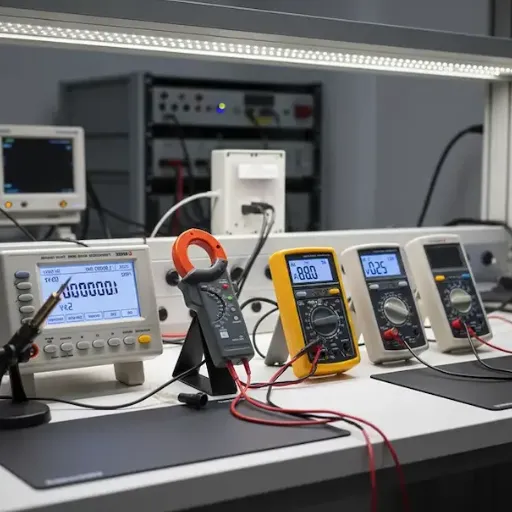
The category covers many tools. Electrical testers include multimeters, oscilloscopes, clamp meters, insulation testers, and power quality analyzers. Mechanical testers include hardness testers, torque testers, tensile testers, and dimensional gauges. Lab tools include spectrometers, chromatography systems, balances, and environmental testers. RF and telecom testers include spectrum analyzers, network analyzers, and signal generators.
If you are new to this category, our complete guide to test and measurement tools explains how these tools fit together.
Typical wholesale buyers include industrial distributors, e-commerce resellers, MRO teams, engineering firms, R&D labs, and rental companies. Each group has different priorities. A distributor may care most about margins and SKU breadth. An engineering firm may prioritize calibration support and technical docs.
Why Wholesale Test Equipment Matters Now

Demand for test and measurement equipment is growing. According to 360iResearch, the global market is projected to reach USD 53.55 billion by 2032, expanding at 5.83% annually from 2026. MarketsandMarkets offers a higher estimate, forecasting growth from USD 52.67 billion in 2026 to USD 76.38 billion by 2032.
Several trends are driving this growth. Electric vehicles and battery manufacturing need testers for voltage, thermal cycling, and safety validation. 5G and RF infrastructure rollout is increasing demand for spectrum and network analyzers. Semiconductor and AI chip production depends on precision test systems. Industrial automation and data centers are also expanding their test and monitoring capabilities.
Asia-Pacific is the largest regional market, accounting for an estimated 36–42% of global demand. China is a major manufacturing hub for test equipment across many categories, from electrical instruments to material testing machines. For buyers, this means more supply options, but also more variation in quality and certification standards.
Sourcing Channels Compared
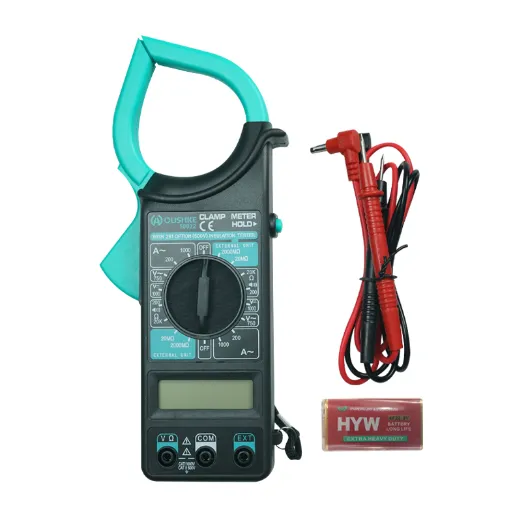
Choosing where to buy wholesale test equipment depends on your order size, technical needs, delivery timeline, and customization needs. There is no single best channel for every buyer.
Authorized Distributors
Authorized distributors stock products from many brands and sell to businesses at wholesale or volume pricing. They are often the fastest way to get equipment, especially for standard items already in regional inventory.
Pros:
- Broad selection across brands and categories
- Faster delivery from local or regional stock
- Financing options, warranties, and return policies
- Technical support and training resources
Cons:
- Higher unit prices due to distributor margin
- Limited ability to customize specs or branding
- Stock limitations on niche or newly released models
A distributor works well when you need variety, speed, and predictable support. For example, an MRO procurement team that needs multimeters, clamp meters, and insulation testers across several sites may prefer one distributor relationship over managing multiple manufacturers.
Manufacturer Direct
Buying directly from the manufacturer eliminates the middleman. This is often the best option for high-volume orders, custom specs, or private-label programs.
Pros:
- Lower per-unit cost at volume
- Custom specs, firmware, branding, and packaging
- Direct access to engineering and technical support
- Stronger accountability for defects or warranty claims
Cons:
- Higher minimum order quantities
- Longer lead times, especially for custom orders
- More complex logistics, documentation, and import procedures
- Less flexibility for small or mixed orders
Manufacturer-direct sourcing is especially common when importing from China. Many Chinese test equipment factories support OEM and ODM programs with flexible customization. If you are considering this route, our guide on how to import test equipment from China covers supplier verification, Incoterms, and quality control.
B2B Marketplaces
Platforms like Alibaba, Made-in-China, and Global Sources list thousands of test equipment suppliers. They are useful for price discovery and reaching factories you might not find otherwise.
Pros:
- Wide supplier base and price transparency
- Easy to compare specifications and MOQs
- Useful for finding niche or specialized equipment
Cons:
- Quality varies significantly between suppliers
- Requires thorough due diligence and sample testing
- Communication and contract terms can be inconsistent
- Risk of counterfeit or mislabeled certifications
Marketplaces are a starting point, not a final answer. Use them to identify potential suppliers, then verify credentials, request samples, and conduct inspections before placing a large order.
Certified Pre-Owned and Refurbished
The secondary market for test equipment is growing as buyers look for cost-effective alternatives to new instruments. Certified pre-owned equipment can offer substantial savings, but only if it comes with documented refurbishment and calibration history.
Pros:
- Lower upfront cost
- Faster availability for discontinued or hard-to-find models
- Reduced environmental impact
Cons:
- Shorter or limited warranties
- Unknown calibration and repair history if not certified
- Older software, interfaces, or spare-part availability issues
| Channel | Best For | Cost | Speed | Customization | Support |
|---|---|---|---|---|---|
| Authorized distributor | Variety, speed, predictable support | Medium | Fast | Low | High |
| Manufacturer direct | High volume, custom specs, OEM | Lower at volume | Slower | High | Medium-High |
| B2B marketplace | Price discovery, niche sourcing | Variable | Variable | Variable | Low-Medium |
| Certified pre-owned | Cost savings, legacy models | Low | Fast | None | Low-Medium |
What to Look for in a Wholesale Test Equipment Supplier
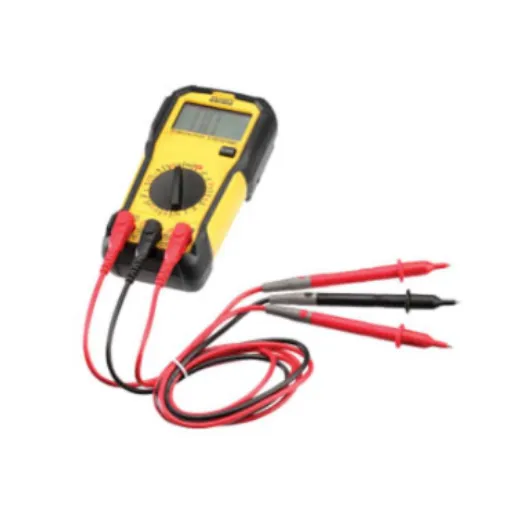
A good supplier relationship is built on more than price. Before committing to a large order, evaluate the supplier across several dimensions.
Certifications and Compliance
Certifications vary by equipment type and market. ISO 9001 indicates a quality management system. CE marking is required for many products sold in Europe. RoHS compliance limits hazardous substances in electronics. IEC standards apply to electrical safety. For medical or diagnostic test equipment, FDA or CLIA clearance may be required.
Always request copies of certificates and verify them with the issuing body when possible. A supplier that cannot provide clear documentation is a risk, no matter how attractive the price.
For more on supplier evaluation, see our guide on what to look for in a test equipment manufacturer.
Product Range and Specifications
Make sure the supplier’s catalog matches your target market. A distributor serving electrical contractors’ needs different products than one serving material testing labs. Request datasheets, user manuals, and software compatibility information before ordering.
MOQ, Pricing, and Payment Terms
Minimum order quantities, volume discounts, and payment terms should all be negotiated up front. Common payment methods for international orders include T/T, L/C, and escrow. Be clear on Incoterms. FOB, CIF, and EXW define who pays for shipping, insurance, and customs clearance.
Quality Control and Calibration Support
Test equipment is only useful if it measures accurately. Ask whether the supplier performs incoming inspection, functional testing, and calibration before shipment. Some manufacturers have in-house calibration labs, while others rely on third-party labs.
If you plan to resell, your customers will expect calibration certificates and traceability. Building this into your sourcing agreement protects your reputation and reduces returns.
Warranty, Spare Parts, and Technical Support
Check warranty length, what it covers, and how claims are handled. Ask about spare parts availability and whether technical support is provided directly or through a local partner. For specialized equipment, training for your team or end users can be a valuable add-on.
Lead Times and Logistics
Confirm production lead times, shipping schedules, and customs documentation. Delays in test equipment can stall projects or leave your customers without critical instruments. A reliable supplier communicates proactively when issues arise.
How to Calculate Total Cost of Ownership

The purchase price of wholesale test equipment is only part of the cost. For industrial buyers, acquisition often represents just 20 to 40 percent of the total cost of ownership. The rest comes from operating, maintaining, and supporting the equipment over its life.
Include these factors in your calculation:
- Calibration costs: Annual or periodic calibration to maintain accuracy
- Maintenance and repairs: Routine service and unexpected failures
- Accessories and consumables: Probes, cables, sensors, software licenses
- Training: Getting your team or customers up to speed
- Downtime: Cost of equipment being out of service
- Financing and inventory carrying costs: Interest, storage, and insurance
A lower unit price can quickly disappear if the equipment needs frequent calibration, lacks spare parts, or arrives without proper documentation. Smart buyers compare total cost, not just the invoice amount.
OEM and Private-Label Opportunities

For distributors and brand owners, OEM and private-label test equipment offers a way to differentiate and improve margins. Instead of reselling another brand, you work with a manufacturer to produce tools under your own label, with your own packaging and sometimes custom specs.
Private label makes sense when:
- You have a stable customer base and recurring demand
- You want to build brand loyalty instead of competing on price alone
- You can commit to a minimum order that justifies customization
- You have a partner who understands your target market’s certification and quality needs
China’s test equipment manufacturing ecosystem supports many OEM programs. Guangdong specializes in electronics and electrical testers. Jiangsu has precision instrument makers. Shandong is known for material testing machines. A factory partner with export experience can guide you through certification, labeling, and logistics.
If you are exploring OEM options, our guide to OEM test equipment explains how to build a private-label program and structure your first order.
Red Flags to Avoid
Some warning signs should make you pause before placing a wholesale order:
- Prices far below market rate without a clear explanation
- Missing, expired, or unverifiable certifications
- Refusal to provide samples or allow third-party inspection
- Unclear warranty terms or no local support
- Poor communication or inconsistent documentation
- Pressure to pay in full before production or shipment
These red flags do not always mean a supplier is dishonest, but they signal higher risk. In wholesale test equipment, a failed batch can cost far more than the initial savings.
Conclusion
Sourcing wholesale test equipment successfully comes down to matching your buying channel with your business needs. Authorized distributors work well for speed and variety. Manufacturer-direct sourcing lowers costs and enables customization for volume buyers. B2B marketplaces are useful for discovery but require careful verification. Certified pre-owned equipment can save money when documentation is solid.
Before you buy, verify certifications, calculate the total cost of ownership, and confirm that your supplier can support calibration, spare parts, and warranty claims. If you are building a brand, OEM and private-label partnerships offer a path to higher margins and long-term customer relationships.
At Shanghai Oushike Hardware Tools Co., Ltd., we help distributors and brand owners source reliable test equipment through factory-direct channels and flexible OEM programs. Contact us to discuss your product line, target specs, and volume requirements.