
How to Choose Test and Measurement Tools: A 5-Step Buyer’s Framework
Choose test and measurement tools by defining what you need to measure, matching the instrument category to your application, verifying accuracy and calibration, calculating the total cost of ownership, and planning for future scale. This five-step framework protects buyers from overspending, safety mismatches, and compliance surprises.
The global test and measurement equipment market is projected to reach USD 76.38 billion by 2032. Electrical, mechanical, environmental, and RF instruments all compete for attention. Buyers can easily choose the wrong tool.
The problem is not a lack of options. It is a lack of structure. This guide gives you that structure.
If you are new to test equipment, our complete guide to test and measurement tools explains the main categories before you make a selection.
Key Takeaways
- Start with your measurement requirement and environment before comparing product features.
- Match the tool category to the physical quantity you need to measure.
- Accuracy, precision, and resolution are not the same thing.
- Calibration and safety ratings should be planned before purchase, not after.
- Total cost of ownership includes maintenance, downtime, and scalability, not just unit price.
Why a Structured Selection Process Matters
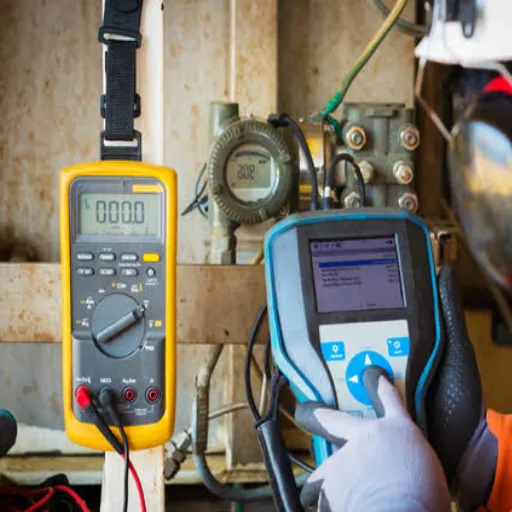
A poorly chosen instrument can cause more problems than no instrument at all. The wrong safety rating can create arc flash hazards. The wrong accuracy level can pass defective parts. The wrong supplier can leave you without calibration support when audits arrive.
Most buying mistakes start with a product catalog. Buyers open a website. They compare specs. They pick the unit that looks capable. But capability without context is dangerous. A benchtop multimeter with excellent accuracy may fail in a dusty panel enclosure. A high-resolution caliper may be unnecessary when the line only needs 0.1 mm repeatability.
A structured process reverses this. It starts with the job, then finds the tool. That approach reduces risk. It controls cost. It helps you build a test equipment fleet that scales with your business.
Step 1: Define Your Measurement Requirements
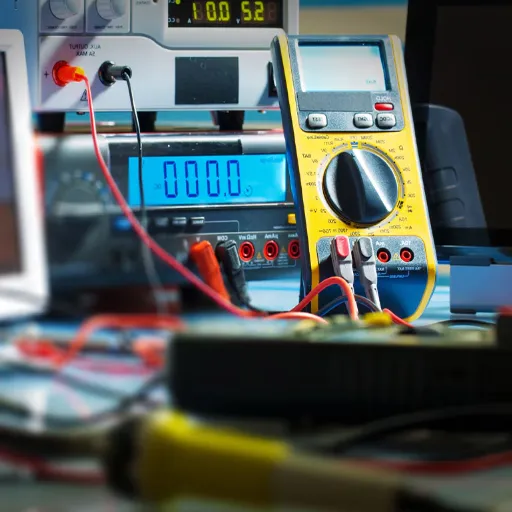
Every good selection begins with a clear statement of what you are measuring and why. Skipping this step leads to feature creep and budget drift.
What Are You Measuring?
Write down the physical quantity first. Is it voltage, current, resistance, or frequency? Is it force, torque, dimension, or temperature? The answer determines the tool category.
For a quick orientation, see our overview of types of test and measurement tools. It maps each physical quantity to the right instrument family.
What Is the Application Environment?
The same measurement can require very different instruments depending on the location. A lab bench can support delicate, high-accuracy devices. A factory floor needs rugged housings and good ingress protection. It also needs a long battery life.
Work inside electrical panels demands proper CAT ratings. Outdoor fieldwork may require backlit displays and wide operating temperature ranges.
What Standards or Tolerances Apply?
Your industry, customer, or quality system may define accuracy needs. Medical device makers often need traceable calibration. Aerospace, automotive, and energy sectors may need documented uncertainty. Know these needs before you check specs.
What Is Your Budget and Volume?
A single unit for a technician’s toolbox is different from a distributor stocking ten containers. Volume affects pricing. It affects customization options. It affects how important supplier growth becomes. Define this early so you do not waste time on tools outside your commercial scope.
Step 2: Match the Tool to the Application
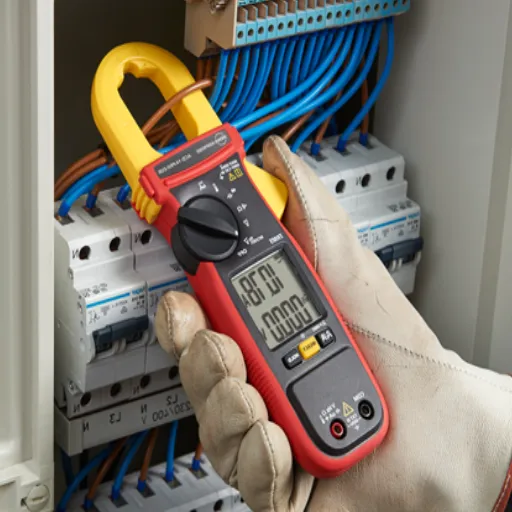
Once you know what you are measuring, match the measurement to the right instrument category. Here is how the main groups break down.
Electrical Measurements
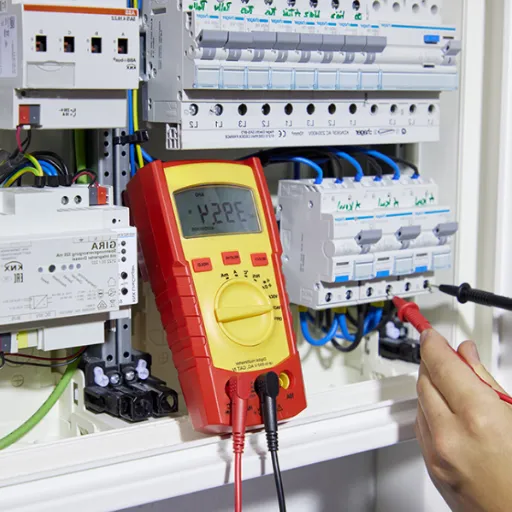
For voltage, current, resistance, continuity, and frequency, use multimeters, clamp meters, insulation testers, and power analyzers. For waveform analysis, use an oscilloscope. For component-level work, consider LCR meters.
If your work involves industrial panels, variable frequency drives, or non-linear loads, prioritize True RMS capability. Use CAT III or CAT IV safety ratings. Our electrical test equipment buyer’s guide covers these specs in detail.
Mechanical and Dimensional Measurements
For length, diameter, depth, and runout, use calipers, micrometers, dial indicators, height gauges, or coordinate measuring machines. For material properties, choose hardness testers, tensile testers, compression testers, or impact testers. For assembly control, use torque testers and torque wrenches.
The right mechanical instrument depends on the accuracy class, capacity, and test standard. See our guide to mechanical testing equipment types for category-specific selection advice.
Environmental and Specialized Measurements
Temperature, humidity, pressure, vibration, and environmental exposure each have dedicated tools. Common examples include thermal cameras, data loggers, environmental chambers, vibration analyzers, and ultrasonic thickness gauges. These tools support predictive maintenance, product validation, and compliance testing.
RF and Wireless Measurements
For frequency, signal integrity, modulation, and emissions, use spectrum analyzers, signal generators, vector network analyzers, and EMC receivers. These tools need careful attention to frequency range, dynamic range, bandwidth, and port configuration.
Step 3: Evaluate Accuracy, Resolution, and Calibration
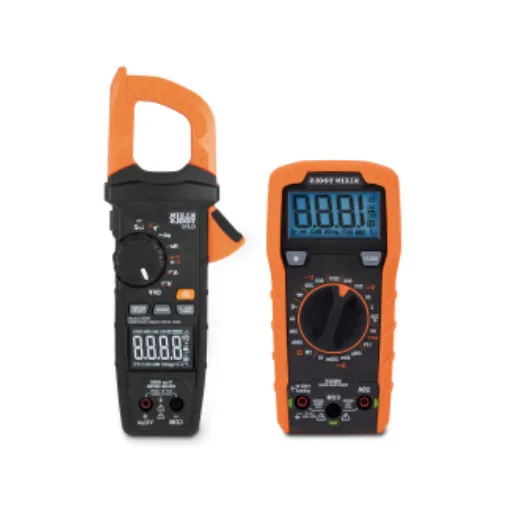
This step separates a useful tool from an expensive mistake. Three terms are often confused but mean very different things.
Accuracy vs. Precision vs. Resolution
- Accuracy is how close the reading is to the true value. It matters when you must meet a tolerance or standard.
- Precision is how repeatable the readings are under the same conditions. A precise tool gives consistent results even if they are not accurate.
- Resolution is the smallest change the instrument can display. High resolution does not guarantee accuracy.
| Term | Definition | Why It Matters |
|---|---|---|
| Accuracy | Closeness to true value | Determines whether measurements meet tolerance requirements |
| Precision | Repeatability of readings | Affects consistency in production and inspection |
| Resolution | Smallest detectable change | Must match the fineness of measurement your application needs |
Choose accuracy based on your required tolerance. Do not pay for a resolution your process cannot use.
Understanding Measurement Range
Select a range that covers your maximum expected value with a comfortable margin. Operating at the edge of the range increases stress. It reduces reliability. For electrical tools, the voltage and current ratings should exceed normal operating conditions.
Calibration and Traceability
Calibration ensures the tool continues to measure correctly. Most electrical and electronic test equipment follows a 12-month calibration cycle. This is the industry default. Calibration should be traceable to national or international standards through an ISO/IEC 17025-accredited lab or equivalent.
For buyers sourcing from manufacturers, ask two questions. Does the supplier provide calibration certificates? Are their reference standards traceable? Learn more in our article on test equipment calibration standards.
Safety Ratings for Electrical Tools
For electrical work, match the CAT rating to the energy available at the measurement location. CAT II covers receptacle-level loads. CAT III covers distribution panels and switchgear. CAT IV covers service entrances and utility connections.
Most professional electricians do not use meters rated below CAT III in the field.
Step 4: Calculate Total Cost of Ownership
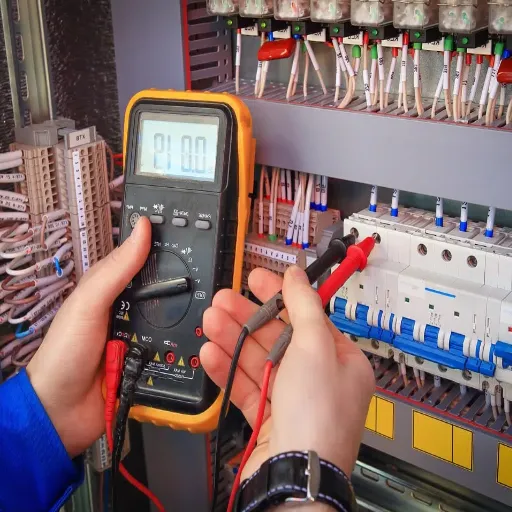
The purchase price is only part of the cost. For industrial test equipment, acquisition often represents just 20 to 40 percent of the total cost of ownership. The rest comes from operation, maintenance, calibration, accessories, training, and downtime.
Purchase Price vs. Lifetime Cost
A low-priced instrument may seem attractive. Then you add calibration fees, replacement probes, software licenses, and repair costs. A more expensive unit with lower maintenance needs can be cheaper over five years.
Calibration and Maintenance Costs
Scheduled maintenance typically represents 10 to 20 percent of the total cost of ownership for industrial equipment. Calibration intervals vary by tool type and use environment. High-use RF equipment may need calibration every six months. Mechanical tools made from stable materials may only need calibration every 24 to 36 months.
Accessories, Consumables, and Training
Test leads, probes, carrying cases, batteries, software, and spare parts add up. Training your team also has a cost. Include these in your budget from the beginning.
Downtime and Replacement Risk
Cheap instruments fail more often. When a critical meter is out of service, production lines stop. Inspections back up. Field technicians lose productivity. Build reliability and supplier support into your TCO model.
Step 5: Plan for Future Scale and Compliance
Good buying decisions look beyond the first order. Think about how the tool fits your growth plans.
Will Your Volume Grow?
If you are a distributor, choose instruments that can be supplied consistently at scale. If you are an end user, consider whether your fleet will expand. Ask whether models can share accessories, software, and training.
Do You Need Data Logging or Connectivity?
Modern instruments often include USB, Bluetooth, or Wi-Fi connectivity. Data logging can improve traceability. Cloud storage and PC software can reduce manual record-keeping. Decide whether these features justify the cost for your application.
Are Certification and Documentation Required?
Electrical test equipment sold in Europe needs CE marking. It must comply with IEC 61010. North American markets may require UL or FCC. RoHS compliance is standard for electrical products. Always verify certificates with the issuing body, not just from a supplier’s PDF.
Should You Consider OEM or Private Label?
For distributors and brand owners, private label test equipment can improve margins. It can also add differentiation. Handheld electrical testers, mechanical measuring tools, and branded kits are common starting points. If you plan to scale a branded line, choose a supplier with OEM/ODM experience from the beginning.
Common Mistakes Buyers Make
Even experienced buyers make these mistakes. Avoiding them will save money and reduce risk.
- Confusing resolution with accuracy. A 40,000-count display is meaningless if the meter is not calibrated.
- Buying the wrong CAT rating. A CAT II meter in an industrial panel is a safety hazard.
- Ignoring calibration requirements. No certificate means no traceability at audit time.
- Focusing only on the upfront price. The cheapest unit often costs more over its lifetime.
- Choosing tools that cannot scale. A one-off purchase may become a supply-chain problem at volume.
- Skipping sample approval. On custom or bulk orders, always approve a golden sample before mass production.
Conclusion
Choosing test and measurement tools is not about finding the best instrument on paper. It is about finding the right instrument for your application, environment, budget, and growth plans. A structured five-step process keeps your decision grounded in real requirements. It keeps you away from marketing specifications that do not match your job.
Start by defining what you need to measure and where you will use the tool. Match the instrument category to the physical quantity. Evaluate accuracy, resolution, and calibration carefully. Calculate the total cost of ownership across the instrument’s life. Finally, plan for future scale, compliance, and possible private label opportunities.
At Shanghai Oushike Hardware Tools, we help buyers select, source, and scale test and measurement tool lines. Whether you need a single tool category or a branded product range, we can review your specs, provide samples, and manage calibration-compliant production. Contact us for a specification review or sample quote.