
The Science of Abrasives: Choosing Wheels for Metal Cutting
Exceptional completion of metal operations and cutting activities with metal requires the correctly chosen cutting wheel. When handling metal with or without iron contents, appropriate choosing of an abrasive cutting wheel affects different areas such as the accuracy of the cuttings, smoothness of the surface milled and intensity of the tool. On account of the many different base materials, mesh numbers and bonding methods, however, to stand approaching the vast world of abrasive materials and their associated technology will prove a tad annoying. To meet this condition, the article delves into how abrasive wheels perform, the parameters that need to be satisfied in selection and why it is important to maximize the cutting capability of a wheel. At the end, you will have the knowledge requisite for management decisions of operations, productivity and safety issues.
Introduction to Abrasive Wheels
Abrasive wheels are tools which cut through material with the help of repetitive grinding or cutting processes. These are composed of abrasive crystals that are fused together with a binder, and they work on a variety of workpiece materials such as metals, ceramics, or composites by rotating rapidly. The success of an abrasive wheel depends on the kind of abrasive crystal used, the grit size, and the bonding grain. Also, the condition of an abrasive wheel and its performance are largely dependent on the material being machined and the desired quality of the process. Application and fine-tuning are non-negotiable in the aspect of their application ability without fail.
Understanding Types of Abrasive Materials
|
Abrasive Material |
Characteristics |
Applications |
Key Strength |
Common Limitations |
|---|---|---|---|---|
|
Aluminum Oxide |
Durable, tough, versatile |
Grinding metals and alloys |
High wear resistance |
Limited use with soft materials |
|
Silicon Carbide |
Hard, brittle, sharp |
Non-ferrous metals and ceramics |
Precision cutting |
Prone to fracturing |
|
Zirconia Alumina |
Self-sharpening, durable |
Heavy stock removal |
Long lifespan |
Less effective on softer surfaces |
|
Diamond |
Extremely hard, sharp edges |
Hard materials like stones, glass |
Superior cutting efficiency |
High cost |
|
Cubic Boron Nitride |
High thermal resistance |
Ferrous materials |
Heat dissipation capabilities |
High initial cost |
|
Garnet |
Soft, natural abrasive |
Wood and polishing applications |
Eco-friendly option |
Less durable than synthetic types |
|
Ceramic Abrasives |
Controlled grain fracture |
High-demand industrial grinding |
Consistent performance |
Costlier than traditional abrasives |
The Importance of Choosing the Right Wheel
Abrasive wheel, as the word suggest, is one of the key items when it comes to cutting and grinding activities. Its performance, as well as safety and kindness of the tool, generally depend on the correct abrasive wheel used. Specifically, the type of abrasive, size of the particles and the bonding agent affect the tool performance, service life of tools, and the suitability of these tools to the workpiece. Instead of these, aluminum oxide wheels are best suited for grinding steel and other similar ferrous materials as they are the abrasive wheels for steel because of their properties, i.e., tough and hard. Whereas diamond wheels are recommended for very precise cutting of non-ferrous materials bearing in mind that these materials are mostly hard such as ceramic and glass.
The answer to which can vary, depending on the speed of the wheel as well as the hardness of the material, the extent of heat or friction required, and the eventual use of the wheel. Selecting the wrong wheel, however, can be costly in terms of wear or heating, as well as, service or performance, both of materials and machinery being operated. Current concerns addressed in abrasive technology, including other multi-wheel bonds and technical structures, which prevent most of the materials from heating up, thus limiting its applications to the highly technical requirements of a manufacturing facility. In satisfying service conditions and technology flaws, they can have contributed to the utilization of tensile strain and temperature decrease in grinding.
Overview of Metal Cutting Applications
Production of metallic stuff comprises numerous methods depending on factors like accuracy, pace, and the type of material. The material can be broadly divided into two categories thus: the traditional type and the unconventional type. In the traditional type of methods, such as turning, milling, drilling and grinding, the work material is operated upon with the use of a mechanical edge cutting tool in order to extract or introduce materials. Usually, such methods are practised as much and at a cheap cost because they cover a good number of applications.
Unconventional methods of cutting, i.e., cutting by means of laser, plasma, electrical discharge machining (EDM) processing, use the latest achievements to provide more accurate and intricate cutting. For example, laser cutting is a method of cutting which uses focused beams of light to melt or vaporize metal, making it particularly useful when applied to thin sheets or those with many geometric irregularities. Plasma cutting is another unconventional cutting method that depends on ionized gas in order to cut materials with thicker cross-sectional area such as steel and aluminum. Lastly, EDM can be used to meet specific requirements in cases of need for precision on the scale of micrometers.
The current age of technology has seen tremendous improvement in the field of metal cutting, with significant focus on capacity to enhance the performance of the process and protect the environment. Such progressions like multi-axis CNC and additive-assisted cutting has now provided manufacturers with the possibility of achieving complex designs whilst using little or lost material. In addition, using auto-programmed cutting, there is common use of smart monitoring system, which helps in maximizing tool life, controlling the temperature and production flow of the cutting machines.
Types of Abrasive Wheels
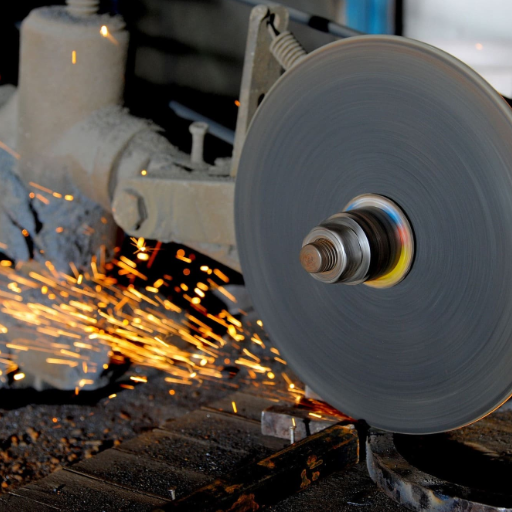
They are classified on the basis of composition, bonding material, and application. Here are some common types:
- Resin-Bonded Wheels
These tools are aimed at being strong and are very often associated with materials processing activities like turning, cutting, grinding, and polishing, etc. This bond provide more strength and impact-resistant abilities than any other bond. - Vitrified Wheels
Newly formed by the bonding of clay or ceramic materials, vitrified grinding wheels are perfect in grinding processes particularly, their ability to perform their function with minimal deformation under high temperatures. - Diamond and CBN Wheels
Diamond and cubic boron nitride (CBN) are the materials used as abrasives in the aforementioned wheels hence offering a very advanced accuracy and grinding efficiency in ultra-hard materials such as carbide or hard steel. - Cut-Off Wheels
These thick wheels are essentially used for polishing metals or stones, wasting virtually no material, and at the same time achieving a very accurate finish.
It also states that each abrasive wheel type has a specific use scenario and therefore performs even better in the muddy field of manufacturing and finishing processes. Careful choice guarantees operational safety, exactness, and productivity.
Conventional Grinding Wheels
A great number of raw materials are worked upon with the help of grinding wheels, which is also termed as abrasive machining. They are designed towards handling almost everything, i.e., unfinished surfaces, spot faces, shoulders, taper faces, reciprocal surfaces, and many such other types of surfaces which are suitable for turning. These wheels can encapsulate the abrasive grains like aluminum oxide and silicone carbide with vitrified, resin, or rubber bonding materials in them. Aluminum oxide wheels are retained for dressing soft materials, and grinding wheels based on silicon carbide are made prevailing where grinding is performed with harder and tough materials like ceramics or non-ferrous.
An ordinary grinding wheel relies on many significant aspects in its performance, for example, grit size, bond type, and wheel grade. In the case of precision grinding, for example, the use of small grit particles instead of large ones is very important for obtaining very slow surface finishes. This is achieved through the usage of course grits, for slow grinding allows the work material to be removed faster. Out of the three, Vitrified bond is hard and can withstand high temperatures making them ideal in intricate machining operations. On the other hand, resin bonds are able to recover spring after deflection and also have good impact resistance and therefore are most suitable in situations where there is an expectation of force application.
The translation grinding of stone technology is enhanced with the help of industrially pressured granulated engine bands and bondage. With these advancements machinists can enhance material removal rates, increase heat resistance and increase durability of the wheel. This allows for consistent and close tolerances to be arranged by process owners regardless of it being tooled, automotive part surface finishes or heavy stock metal removal. Regular sharpening to wear to grinding wheels aids in ensuring that proper wear occurs while reducing the chances of overheating. This is important in ensuring efficiency as well as increased lifetime of grinding wheels since wear is considered a contributory factor in efficiency.
Premium Cutting Wheels
Premium cutting discs are extensively controlled so that they can easily perform highly and efficiently under a wide range of tasks. These discs are normally made with very high-quality abrasives – aluminum oxide, zirconium alumina and ceramic being the most common – which is the best for most of these applications because of the high level of accuracy and minimal cutting and extracting technology. Their typical applications include such fields as construction, car service, and metal production where high speed and machining accuracy are critically vital.
An additional advantage that has been brought to light by empirical studies lies in the increased scale of interest in cutting wheels, further complicated by the requirement that the grinding levels align with certain advanced alloys that are used in the said modern manufacturing operations and processes. Such systems have undergone further enhancement because meeting set safety standards such as those in ANSI B7.1, provides both security to the machine as well as the worker.
Choosing a proper cutting wheel comes with parameters such as the material to be cut, the dimensions of the wheel as well as the permissible RPM of the wheel. Operators know how to make cutting wheels capable of making accurate cuts, longer life span of wheels, and less repairs hence there’s no question that cutting wheels are premium products in a high-efficiency industrial and construction setup.
Specialty Abrasive Wheels
Specialty abrasive discs are custom-designed to satisfy precise application requirements within specialized sectors. Moreover, because their use is characterized by accuracy, strength and speed, they are best fit for such tasks as pipeline cutting, rail grinding and, more advanced, aerospace components. New advances in abrasive science have seen the latest inventions such as modified bond developments and more controlled grain transitions. These two advancements have led to the increased speed of cutting and the product’s more sustained use. For example, the Axial wheels made of ceramic and zirconia alumina perform better during the machining of high tensile materials by controlling heat generation and minimizing distortion of the material during the cutting or grinding processes.
Comprehension from reports provided for different industries simply reflects that, with special emphasis on the composition of the abrasives, some wheels require less time to complete a given task than traditional ones, in addition to making the worker at ease. As an example, the existence of wheels intended for materials like stainless steel or hardened steels only emphasizes how fundamental the application of these materials is in ensuring standards in places with tough circumstances. In the absence of such tailor-made abrasive wheels, any deviations from time for cutting are negligible. Proper choice and application of specialist abrasive wheels allow for the optimization of production in the context of compliance with maximum safety precautions and high efficiency requirements.
Selecting the Right Wheel for Metal Cutting
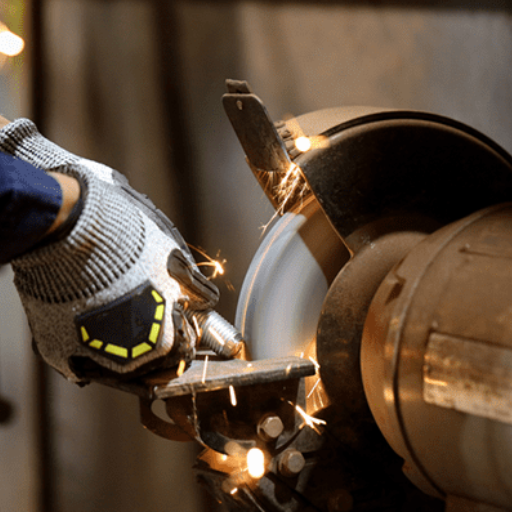
- Material Type: Match the grinding wheels with the work material type to be machined. For example, steel materials use aluminum oxide grinding wheels and stainless steel or higher strength alloys materials use zirconia screen or ceramic grinding wheels. This will help to maximize the performance and cutting life span.
- Wheel Diameter and Thickness: Ensure the wheel selected is satisfactory with the blade being used, as well as that it is a good fit for what is needed. Thinner wheels allow more accurate cuts and are therefore believed to be faster while holding thick wheels provides support when doing heavy work.
- Speed Rating: The maximum number of revolutions per minute of the tire should be as high as or higher than the operational revolutions per minute of the tool in use.
- Application Needs: Specify if a regular or dedicated grinding wheel is needed. For finer work, grinding re-wheels will be better suited as will the cutting task required for specific materials and the provision of the expected precision as well as decrease in tool surface wear.
- Manufacturer Recommendations: You should observe manufacturer recommendations concerning the compatibility of materials and best operational practices in order to avoid safety risks and overstraining operations.
Understanding Wheel Types and Their Applications
One can classify wheels depending on the size, type and use. For examples, abrasive wheels are very important during operations that involve cutting, grinding or other finishing actions. These are wheels made of elements such as aluminum oxide, silicon carbide or other ceramics that are silicon-less. It will perform in a certain given application. This is to say that while aluminum oxide is effective in heavy machining in ferrous metals, silicon carbide is less prone to craters and does not behave the same way when machining non ferrous metals, ceramics or plastic.
Such wheels engineered for hard tasks demanding the edges and the toughness of the surf tiers are called specialized wheels: the diamond and CBN (cubic boron nitride) type or cubic boron nitride. This is because diamond wheels are known to deliver best results when cutting hard surfaces such as glass, masonry and gemstones offering fine and lasting solutions. Once again, CBN wheels are highly recommended when grinding toughened steels and some other alloys since they are specially designed to degrade material at high velocities at a very high standard.
The systematic selection of the wheel type for the operation should be oriented toward the task at hand, as different types of materials exist and manufacturing processes have their own specifications. For instance, the careful selection of grit size, bond and hardness specifications will not interfere with as well as integrate fruitful practices such as improved productivity, longer tool life and reduce the safety issues in use.
Choosing Wheel Thickness for Specific Jobs
The selection of the most suitable thickness of the wheel for metal-cutting operations is determined by several key issues, such as the type of material, the accuracy of cutting and maintaining performance. For the fine cuts with less waste of materials in sheet and thin-walled profiles of material, thin wheels in the range of 0.04–0.09 inches are most preferred. There are in contradistinction, wider sectors especially when the thickness of equipment is as much as 0.09 and higher.
In selecting a particular thickness of a wheel, it is highly necessary to ascertain that the wheel is properly matched to the machinery and the amount of load that is expected to go through it. Thus, for example, such reasons dictate that slim wheels are more tolerated on die grinders or some handheld low-power cutting tools, whereas the other diverse group i.e. stationary cutting machines will utilize thick wheel for longer life. Besides, there also need Viable cooling provisions to the system as well as controlled cutting action and feeds to minimize the possible heat damage to the wheel and the workpieces in all applications of metal cutting. The right choice of wheel thickness leads to both neat high quality cuts and solution to those high costs such as low cutting operation downtime and even better use of the process.
Safety Considerations When Using Abrasive Wheels
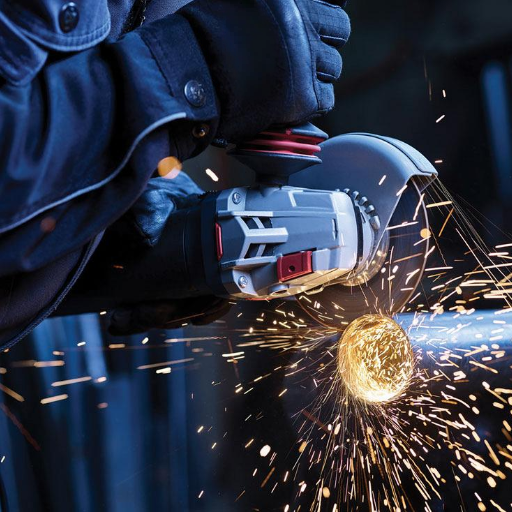
- Inspection Before Use – Before using the tool, inspect the contact rolls for fractures, impacts or any wear that’s asymmetric. Do not use any wheels that have been damaged, as they may break during the work process.
- Proper Mounting – Before using the wheel, make sure you fix it well in place according to the requirements of the machine. For any machine, deviation of components may cause shock or hazard to person.
- Personal Protective Equipment (PPE) – When working with grinding equipment, wheel, cutting and other abrasive materials, always wear glasses, gloves and appropriate PPE against spatter and debris.
- Speed Compliance – It is also important to check that the maximum speed of the disc is not higher than that of the equipment to prevent damage from high speed incidents.
- Adequate Workspace – Make sure the work area is well-lit, clean and equipped with appropriate protections at tooling zones where cutting and grinding operations are done.
- Training and Awareness – Engaging the services of the users requires that they undergo proper training of the concerned equipment as well as be briefed about the emergency procedures.
Essential Safety Gear and Equipment
Protection of personnel commensurate with their duties is critical when working with grinding wheels. The following are some of the PPE that should be worn by those operating in this environment:
- Eye Protection – Safety goggles or a face shield must be utilized and worn by the artisan during the grinding and cutting activities in order to protect the eyes from any of the fragments, sparks, or in particular dust. The tools should be in compliance with the standards of the ANSI Z87.1 or other appropriate standards with respect to impact resistance.
- Respiratory Protection – Use a properly rated dust mask or respirator (e.g., N95 or higher) to protect against fine particles generated during grinding or cutting processes.
- Hearing Protection – Working with abrasive wheels will result in noise levels that will exceed the safe exposures levels set by OSHA, generally 85 dB or more. To prevent damage to your ears, earplugs or earmuffs are to be put on by the workers.
- Hand Protection – Workers will wear fire/cut-proof gloves to cover the palms of their hands and also the fingers to prevent abrasions, heat and cuts from their work area.
- Protective Clothing – There are particular industries such as welding and metal cutting, where harness should not only be worn, but also one should wear long sleeves, overalls, trousers and a protective apron to protect one’s body against the creation of sparks and soot by oneself.
- Foot Protection – Protective shoes with steel caps and non-slip soles are advisable to shield and save feet against the weighty materials that sometimes drop; they also reduce falling cases at the site.
Learning to take precautions and ensuring safety does reduce risks in terms of proper use of abrasives trays. And every single piece of protective equipment has been designed so as to tackle effectively every possible risk which might arise out of the grinding and cutting activities.
Best Practices for Safe Operation When Using Abrasive Wheels
- Conduct a Pre-Use Inspection – A careful inspection is mandatory before any abrasive wheel is used for performing any task. Worm-out wheels are very dangerous and must be avoided. Therefore, check the wheel surface for crack, chips and other damage, which may have been caused by previous use. Such wheels tend to disintegrate from pressure to pose a serious hazard.
- Ensure Proper Wheel Selection – It is crucial to effectively and safely discharge duties with the right type of abrasives. The wheel’s harness, grain size and bond should blend well with the specific operation intended. Using the wrong wheel size will not only curtail operational efficiency causing equipment losses.
- Operate at the Correct Speed – The speed at which a machining equipment should function should not exceed your grinding machinery’s maximum speed. In case the Mach number rises above the rated speed, your risk having the wheel explode resulting in serious injuries. Before using a centerless grinding machine or any other type of grinding machine, make sure it can manage the RPM.
- Maintain Grinding Angles and Pressure – The necessity of such cutting ordinarily entails cutting pieces of low capacity turning them into complicated parts. Resolution of the hold by the осьового wheel during rolling is calculated taking into account applied pressure.
- Establish and Maintain a Safe Work Area – At all times delineate and enforce opöerations in a manner that screens out onlookers. Regardless, seeing the task areas are as light as possible and the walking surfaces are clear and free from obstacles is crucial during equipment operating procedure. The use of robust guard walls or fences enhances barricading effects on projectiles.
- Regular Maintenance and Dressing – Dressing down abrasive wheels keep them in working condition. Dressing gets rid of blocks and allows continuous cutting through the use of freshly cut grit. There is a need to remove the grinding wheel from the grinding machine before undertaking any engineering operation as specified in the appropriate operating instructions.
Advanced Techniques in Metal Cutting
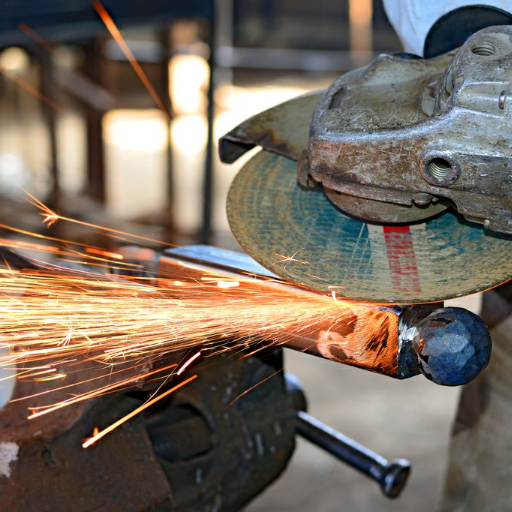
In the realm of high-precision metal cutting, laser cutting and water jet cutting are understood to be two of the most adequate methods. In laser cutting, narrow light beams are used to deliver less energy compared to other methods and thus, have little distortion of the material and usually are applied on decorated images that include very thin sections on metals. On the contrary, waterjet cutting operates by using high pressure water mixed with abrasives to cut different types of materials including those that could not withstand heat. Both of these methods provide near-perfect cuts, smooth edges, and can be used efficiently on different types of materials.
Innovations in Grinding Wheel Technology
A revolution in the field of grinding materials began in the manufacturing sector about fifteen to twenty years ago. This change has been mainly influenced by the developments in this profession in the fields of materials sciences, precision engineering, and robotics. To date, new grinding materials have found applications for such thriving composite materials as CBN and synthetic diamond. They are comprised of very soft element of Cubic Boron Nitride, which is specially developed for high performance and high temperature resistant applications but has poor removal properties.
Even more bonding development has considerably boosted the wear life and performance of such wheels. New technology of vitrified bonds for example have been improved in order to provide more porous structures that allow better contact between the bond and the abrasive and help dissipate heat generated during working more efficiently. By the same token, development has made it possible to improve the wearing properties of the resin bonds without losing the flexibility increased surface rates.
Any application of automation and IoT technologies has also brought to improvement of grinding processes. The modern solution affected by the details of the research hold the technological capabilities, such as securing the grinder wheel, etc. They have smart sensors embedded within grinding machines and grinding wheels so that they continuously check the temperature, pressure, vibration in real-time. These facts make real-time prognostic maintenance possible leading to less downtime and better effectiveness. As a result, the new developments in grinding wheel technologies are helping to enhance the industrial productivity in terms of achieving higher degree of accuracy and performance improvement in the machining process.
Future Trends in Metal Cutting Abrasives
Metals with tough alloy coatings for unconventional methods of sheet metal forming featuring explosive medium are formed in a way providing free access of the explosion force to the coated layer. An unconventional shearing tool is proposed to evacuate material with a clean cut in a rotating tube and to minimize the metal chips. The usefulness of these materials results from vast materials database and post-processing possibilities.
Another domain under question shows the symbiosis of automation and AI with abrasive technologies. Devices for smart machining that employ state-of-the-art methodologies and algorithms can step up abrasive wear rates, regulate cutting parameters in real time, adjust surface roughness, and more importantly accomplish perfect finishes on the piece in even very complicated geometric characteristics. This foresight apart from enhancing productivity also achieves a higher degree of precision and repeatability inside product lines.
More and more pull factors are shaping the development of abrasives, and sustainability is one of them. Producers are focusing on such granular things as biological abrasive production which calls for the incorporation of different nano-particles or the use of doped diamond. Waste reduction and energy consumption are the sectors that drive cost if the use of abrasives is not properly monitored. Furthermore, advances in waterjet cutting technologies and the outcomes of waterless or Green Machining processes are also helpful with the less usage of lubricants and coolants.
Reference Sources
-
Springer
Title: State-of-the-art review on grinding wheel wear measurement: from traditional techniques to intelligent sensing and future outlook
Link to source -
IOP Science
Title: Cup wheel grinding in high-precision manufacturing: multiscale modeling, process innovation and sustainable practices
Link to source
Frequently Asked Questions (FAQs)
What is the role of grit size when choosing wheels for metal cutting?
Grit size is involved in abrasion development of grinding wheels for chip metal working, smaller grit sizes achieve smoother surfaces while larger grit sizes cut materials quicker. It will be appropriate to consider what applies to the abrasive grain which will cause the use of the grit grade; the rigidity of the grain and whether the grains are friable as this means that the grain cracks and breaks down in order to reveal the fresh cutting edges. The grit size should also be matched with the hardness of material and the peripheral speed expected for the wheel to prevent the occurrence of glazing fingers or the wheel loading fingers as the ‘correct grade’ should be applied here.
How do bond types like vitrified and resin affect cutting performance?
The wheel strength, heat resistance, and the wear of worn grains are some of the aspects that are affected by the bond type. This directly affects the abrasive wheels used in the practice of manufacturing metal. For instance, vitrified bonds are very rigid and dimensionally stable, especially at very high speeds, and they are most preferred. On the other hand, resin bonds although they are less rigid, they are tougher and more, resistance to shock. Ceramic bonds are capable of reinventing the cutting edge in aggressive cutting. Mind also bond hardeness and porosity with bond type, so that the flow of coolant and chip clearance can be regulated.
Why is wheel balancing important for metal cutting applications?
In the field of working with metals it is known, that wheels vibrates less and prolongs the life of both, the spindle and the wheel, clockwise imbalances. When the wheel is out of balance, it can lead to chattering, grinding of the wheel, and this leads to both the abrasive grains and the bond wearing out before their expected period. Make sure dynamic balancing is employed and the rpm of the sanding wheel and the peripheral speed of the wheel are in compatible ranges and that the maximum rated rpm is not exceeded. Inspection for hairline cracks, as well as proper mounting with flanges must be determined regularly.
When should I use ceramic alumina versus conventional aluminum oxide?
In contrast, in very hard materials such as a glass, hardness is a critical factor contributing to the wear resistance of the ceramic material. Mineral sands, for instance, zirconia particles, rate higher than alumina in terms of hardness but are suitable for wear-resistant application against cemented carbides. These abrasive grits improve the overall wear resistance of the metal due to the increased phase difference in the abrasion caused by the ceramic materials. The smallest particles of different masses experience different magnitudes of applied force in commonly used materials during plastic deformation.