
How to Calibrate Digital Measuring Tools for Construction
Efficient construction projects rely on precision measurements as the main function. As we are moving into the use of electronic tools for measurement purposes, it is important to have accurate measurements for both in order to maintain the required standard. This is to educate the content seeker on how to calibrate construction equipment. In turn, the education enables them to enhance their output and remain compliant with the set rules. Be it a laser distance meter, digital level or some other modern gauges, knowing calibration procedure is a must. Read the information below to understand what calibration means, when it is done and what should be done to make sure that your tools always offer the expected outcomes.
Introduction to Calibration in Construction

Calibration which is a process that eliminates such errors, is used in production as a sophisticated quality control tool to remove the chances of mistakes in the design of a product or service. This is particularly relevant in highly regulated industries where the high degree of accuracy necessary for the design and production of, for example, medical devices, drug substances and chemical processes means that without calibration such products cannot and shall not be put to use. In engineering for replicas and fitness for use purposes, measurement error and measurement system error are two closely connected factors that will assist in the creation of the development criteria for the unit samples. This further means to the user that the measurement system error and tolerance limits must be defined as they are critical specifications to consider in the purchasing process.
Importance of Accurate Measurement
The process of construction in the present era has seen an immense advancement in terms of the standards of various measurements. This inevitably involves the specific techniques presented in this revolution such as the use, the Global Positioning System (GPS) technologies and Building Information Systems (BIM). For instance, with the advent of laser technologies, the entire accuracy is focused on the points of interest that a scan system will cover. The creation of more detailed representation of sites with sufficient amount of data obtained at millimeter-level accuracy is now a reality.
Accurate layout of buildings during the construction period requires geographically proper placement of buildings and structures. With the quick adaptation of BIM platforms, project updating and imaging can be conducted on a real-time basis, thus these issues during construction are easily solved too. Thus, the introduction of these new inventions increased production efficiency while bringing down the incidences of errors thus contributing greatly to the lessening of the already high reworking and delay costs.
Overview of Digital Measuring Tools
| Digital Measuring Tool | Key Function | Parameters Measured | Key Benefit |
|---|---|---|---|
| Laser Distance Measurer | Measures distances with high accuracy | Distance, area, volume | Fast, precise measurements |
| GPS Survey Equipment | Provides exact location data | Coordinates, elevation | Enables advanced site mapping |
| Digital Levels | Ensures material or surface leveling | Horizontal/vertical alignment | Enhances structural accuracy |
| 3D Laser Scanners | Captures detailed spatial data | Point clouds, dimensions | Highly detailed 3D models |
| Total Stations | Combines EDM and angle measurement | Distance, angles, coordinates | Streamlines surveying tasks |
| Drones with LiDAR | Captures site data remotely | Topography, elevations, mapping | Improves accessibility and detail |
| Building Information Modeling (BIM) Tools | Integrates construction data | Dimensions, quantities, designs | Enhances project coordination |
| Digital Calipers | Measures small object dimensions | Internal/external measurements | High precision in fine details |
| Infrared Thermometers | Measures surface temperature remotely | Temperature | Useful for material inspections |
| Smart Measuring Apps | Measures dimensions via smartphone | Length, area, volume | User-friendly and portable tools |
Scroll horizontally on mobile to view full table
Common Calibration Standards
Calibration in the construction industry is essentially the process for ensuring correctness in the measurements and avoiding errors that can jeopardize the safety of the structures and people. The norms for calibration procedures include such requirements as ISO 9001, ISO 17025, which control the operation of quality management systems and the appraising of testing and calibration facilities. One of the norms in building blocks is the ASTM (American Society for Testing and Materials), which also gives instrumental and other kinds of directions including those calibration parameters for inclinometers, levels, laser and measuring tapes.
NIST (National Institute of Standards and Technology) and other national measurement authorities have a significant influence on the adherence to the precision of instruments such as a laser distance meter, infrared thermometer, to their standard and not to the standards of other entities. Ensuring that this calibration is still valid by redoing it as required by the constraint of the equipment when manufacturers design it, or under periodic requirements of the instrument calibration is inherent. There is also an emerging trend of using automated devices for calibrating systems which are used in the development management of projects.
Types of Digital Measuring Tools

- 01
Laser Distance MetersComprising laser technology, these devices offer high precision in the measurement of distance and are regularly applied in applications such as floor measurements and determining a layout during construction.
- 02
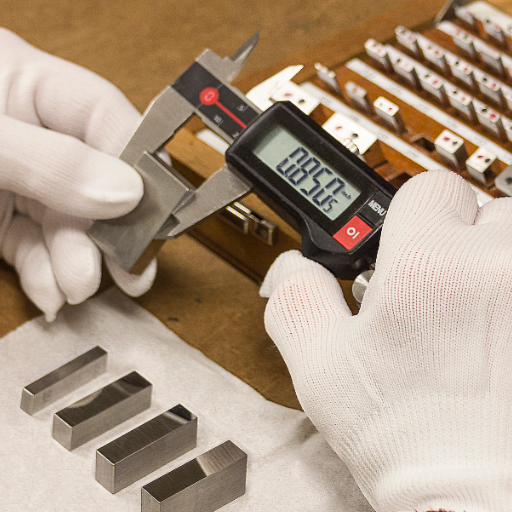
Digital CalipersAs precise measurement equipments for characteristics in particular, including the thickness or diameter and internal or external distances, digital calipers provide highly accurate values as their display is digitalized which is used for making these measurements.
- 03
Digital LevelsSuch tools are aimed at measuring angles and gradients with high degree of accuracy and with inclination sensors in place, which offer a more precise result in building or engineering projects.
- 04
Infrared ThermometersWidely used for surface temperature readings from a distance, these devices are a must-have in areas where using them elsewhere for any reason is not advisable or possible.
- 05
GPS Measuring DevicesGPS tools are derived from satellite systems; they are mostly used for surveying large areas, and they can even enable one geographical location to be differentiated with topographic maps.
Laser Distance Meters
High-precision devices, laser rangefinders are obviously the equipment which is oriented to the distance measurement through the laser technology. Such meters and the working principle is quite simple because they use a laser beam to aim and with the help of another lens, it makes it possible for the beam to return after just counting the time. Most of these devices have a working range that can vary between a few feet to over 1000 feet. Therefore, laser distance meters are not only practical, but also can be utilised both in building, engineering and interior works due to such operational flexibility.
Developed devices can come equipped with contemporary modifications such as Bluetooth-enabled systems, automatic area and volume computation as well as the feature of Pythagorean measurement. Such a range of possibilities if the device is to achieve optimal productivity, it therefore goes without saying that the user or the beneficiary ought to factor in the prevailing environmental conditions and any other supportive measurements, for purposes of ensuring that they are relevant especially when a professional or a technical job awaits them.
Digital Calipers
Calipers are very precise and highly accurate measurement tools used across most branches of engineering, machining and manufacturing for the purpose of measuring dimensions. Calipers can be employed to measure the inside, outside and also the depth of objects giving remarkably accurate readings, uniquely with these calipers to 0.01 mm. Many newly developed and advanced calipers have a screen which is easy to read and hence eliminates the error of reading a vernier scale, this increases accuracy and working speed.
Recently manufactured calipers come with stainless steel components for durability and some advancements such as an automatic shutoff saves on power consumption while another design flaw like how the caliper reads once turned on has been made up for by the zero function enabling reading at any point in the range. Furthermore, certain digital callipers even possess more advanced features such as Bluetooth that also lets it connect to a computer through USB and make data transfer seamless cleaning for many applications for quality control and documentation.
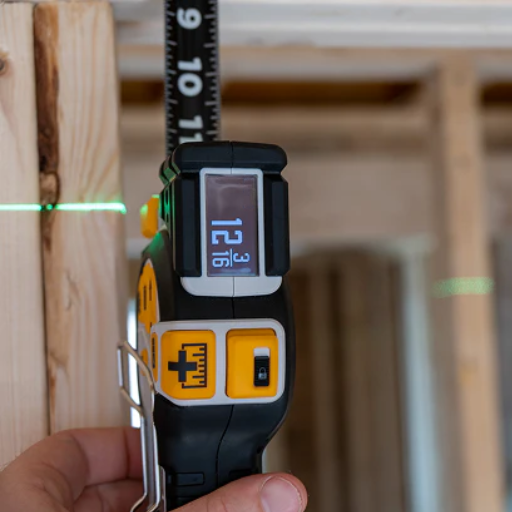
Tape Measures and Their Calibration
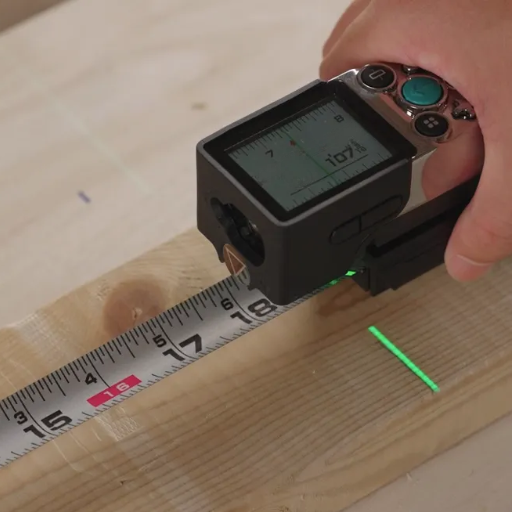
Tape measures are an essential tool whenever construction, manufacturing, and engineering requirements involve taking short or long distance but precise measurements. This tool has two forms and the modern type has woven in it materials such as carbon steel or fibreglass for longer durability and lesser coefficient of surface deformation, thus guaranteeing the results are not distorted but remain relevant every time the tape is extended. Calibration of the tape measures should be carried out on a regular basis in order to guarantee accuracy. This process usually entails corrections in tape markings as against a referenced device such as a steel ruler of a gauge block that has already been calibrated and certified.
Calibration is a procedure undertaken during maintenance which involves appraising equipment for wear, or physical anomalies, that can skew readings from the proper. The majority of the improved tools are capable of repairing their own errors easily through such features as self-locking abilities together with clearly marked graduations with high visibility. Moreover, there are strict regimens enforced upon people who make use of tape measures excessively due to occupational tendencies, thus knowing that they are also required to be calibrated in line with the standards and other requirements. These activities are continued till the usage of tape measures is still of any importance and, under adverse conditions they remain consistent and accurate.
Step-by-Step Guide to Calibrating Measuring Tools
Application Guide
Preparing Your Measuring Instruments
An essential part of preparing measurement devices is to verify the physical condition of instruments emerging, in general, for the effect of wear and tear, foreign matters and damage that might result in making it faulty. Perform visual inspection and write off all damaged tools. Wash all equipment using recommended agents by the manufacturer to prevent neither interference or contamination of the measurements in the field.
Moreover, guarantee that all the instruments are properly adjusted for every specific purpose. The adjustments made should be in line with the agreed norms be it the rules established by the National Institute of Standards and Technology (NIST) or other equally quality assurance bodies. In the case of electronic equipment for example, software used on the equipment should be the latest version to reduce errors that can be caused by obsolete software.
Finally, consider factors that involve the environment that could affect the effectiveness of the tools. Changes in temperature and moisture content, as well as shaking the tools, will facilitate the introduction of errors during measurement. While travelling, for instance, the tools should be stored in containers meant for preventing such damage as shock and moisture from interfering with their accuracy or usability.
Calibration Process for Laser Distance Meters
Detailed Procedure
Best Practices for Tool Calibration
Professional Standards
- Use Calibrated Standards —
Always compare the tools against inputs having traceability to internationally recognized standards for the highest accuracy. Use equipment that is certified according to specific requirements raised from established authorities’ standards. - Perform Regular Inspections —
Before completing the calibration tasks, perform a visual check on the tools for wear and tear, breakage or offset. By avoiding the calibration due to physical issues, the true marking of the instrument is not gauged. - Adhere to Manufacturer Guidelines —
Follow the procedures carefully in the instrument’s manual. With these instructions, the maintenance can again be adjusted to the equipment and should work as required even after an adjustment is made. - Control the Environmental Conditions —
Conduct calibrations in a climate-controlled environment whenever possible. Changes in temperature, humidity, and vibrations must be kept at a minimum to avoid inaccurate readings hence calibration is to be carried out within a conducive temperature and humidity-controlled environment. - Establish a Calibration Schedule —
Determine frequency of calibration based on the number, conditions of usage and/or manufacturer’s information criticality. Typically, tools used at a higher frequency might require calibration more often. - Document All Calibration Activities —
It is important to keep a record of calibration due dates as well as the results of the calibration and the modifications that were performed. These historical records are crucial for quality improvement and control functions as well as for external and internal assessments.
Regular Maintenance and Recalibration Intervals
Performing regular maintenance and recertification on construction equipment is fundamental in ensuring usage accuracy while lowering the necessity and adhering to the law requirements. Failures are expensive and even cause loss of life in accidents and hoping that most of the failures related errors can be avoided by following those steps. Also, calibration intervals are such that for example, it can be 6 to 12 months for calibration of precision instruments like laser level and total station, depending on the use, that is, light, heavy, or the condition of humidity will require them be attended to. Unfriendly environments are harsh and more than activities conducted in such harsh environments need additional attention. Specifically, extra precaution is needed when there are high humidity situations, temperature swings or dust is present.
Devastators and cranes alike are massive equipment that need to be preserved, but this is done after running them for a certain number of hours and not on a precalculated calendar basis because this equipment is usually referred to as industrial equipment. To give a concrete instance, hydraulic apparatuses often require evaluation after spending 500 operational hours in order to identify possible leakages and any difference in operating pressure and surface corrosion of the seals. On the flip side, more or less, engines are made to work for about 250 hours, within which an oil change and filter replacement is supposed to be carried out. Utilizing the original guidelines rather than trying everything on their own and utilizing experts from time to time, the chances are high that mechanics or companies will be able to work safely and competently using the workforce.
Using Reference Standards for Verification
Reference standards are an important aspect in ensuring quality, consistency, and compliance to standards in the construction industry. These are standards that present unified requirements for the structure of materials and products, the work to be carried out and the safety procedures in place which allows engineers and project managers to ensure that all other units comply with the prescribed format. Standards like ASTM, but also others like ISO and AASHTO, for example, explain different techniques an engineer can use to assess the physical state of a building and its various components together with procedures developed for evaluation of construction materials including concrete maturity, in-situ strength, ion penetration, heat temperature, resin ratio, water demand, and others.
Adoption of these principles in practice is made possible through technological advancements and access to information including data. The user-friendly applications are also complemented by a centralised solution from which the user can work on the most recent changes required without going back and to fill in any other materials or methods to take that into context. This cross-checking greatly improves the ability to pick out and thereby reduce the number of mistakes while also enhancing the stability of structures and reducing potential problems in the future. The key theme in such an approach is that the reference standards add understanding to the construction and that by looking at the specific date provided in those documents, reliable and safe results that are also legal will be achieved.
Common Mistakes in Calibration
Digitals measuring devices get misadjusted due to environment settings for example low or high humidity or temperatures. Such intemperate conditions of work affect results that are produced with such a meter. In addition, deviation from set down modalities in calibrating digital instrument during calibration exercise abets volatility in the process. Furthermore, it is very common for an equipment technician to face a hurdle of not having an appropriate calibration standard, this can lead to equipment that is not possible to have its performance results under evaluation.
Very important practices in the calibration of equipment such as certifiable standards and periodic checks are sometimes circumvented thereby leading to the weakening or even elimination of the opposite error. The final case where calibration standards are ignored is usually the most dangerous. No attention to detail in this respect or standard calibration procedures results in worn out parts among other failures.
Reference Sources
- [01]
Towards a New Generation of Digital Calibration Certificate: Analysis and Survey
Link to article - [02]
Digitalization, Creation, and Implementation of Digital Calibration Certificates
Link to article
Frequently Asked Questions
Common Queries Addressed