
American vs German vs Japanese Hand Tools: Quality Comparison
High-quality hand tools are necessary instead of luxuries in professional and non-professional hands alike. A tradesman, a DIY enthusiast, or a small-scale user—the right tool choice will either propel or block your project. However, the question is, which ones among the myriad of available options are going to give you the best return on your time and money? This paper goes to the core of hand tools’ craftsmanship, sturdiness, and efficiency, and it does so by comparing the output of three global powerhouses: America, Germany, and Japan. Each country has its own story and method in tool manufacturing bringing about unique features and advantages. So, come along with us as we weigh these giants against each other and help you figure out the best tools for your purpose. Let’s listen to the American, German, and Japanese hand tools’ stories of differences!
Overview of Tool Manufacturing
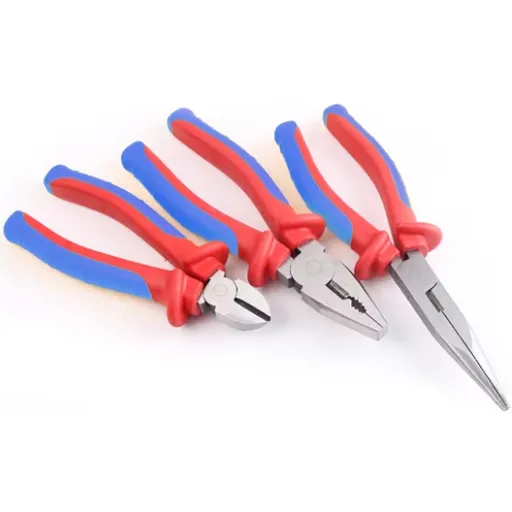
The Importance of Craftsmanship
The quality and performance of hand tools critically depend on craftsmanship. The tools that are made by skilled artisans closely resemble the designers’ ideas for their precision, care, and overall quality. Besides, they are destined to be comfortable for the user. Craftsmanship that is skilled also lessens the chance of defects which in turn leads to less wear or failure over time. This, in turn, means a tool’s dependability which of course is a must for both the professionals and the hobbyists for they want to carry out their tasks with good speed and effect.
American, German, and Japanese hand tools are the ones that are marked by exceptional craftsmanship but in different ways. American tools are characterized by their practicality and ruggedness, these tools are not so much designed for a particular task but rather the application of innovative designs fit for a variety of tasks. German tools are best known for their engineering of top quality and precision, and these are the very attributes that the country has built its industry on – high manufacturing standards with a strong commitment to being meticulous. Japan is providing the world with tools that are sharp and delicate and hence they are often made with a focus on the use of old, time-consuming techniques that give control and finesse.
Tools which are the result of the strongest craftsmanship are the ones that you should be investing in, they will give you lasting value and why not? Perfect craftsmanship has made tools to be the user-friendly ones and also the ones that are safe and productive. The need for heavy-duty strength, for precision engineering, or for fine detailing will define how much a tool will last according to its craftsmanship.
Historical Context of Tool Making in Germany and the US
The toolmaking in Germany has a quarry of reunited craftsmanship which was at first rooted in precision, and later blended with industrial innovation. In the 19th century and a bit of the 20th, Germany got its name known for the high-quality production in the different fields such as metalworking and mechanics. Durability, efficiency, and accuracy were the hallmarks of German toolmaking and these were greatly affected by the country’s vocational training system, engineering expertise, and its’ leading role in those fields. A time later, the German companies like Bosch and Festool became the leading brands in the production of tools and were the ones who set the global standards for that.
At the same time, the U. S. was also busy developing its traditions in toolmaking which were primarily established during the Industrial Revolution. The American manufacturers went for the mass production technique that was faster and cut the cost down. The names of famous companies such as Stanley and Black & Decker were no longer just names, but they became recognized for the practicality and their designing innovations. The focus in the U. S. was more on the functionality and accessibility that catered to the professionals as well as the hobbyists. The rise of tool manufacturing in America was also a reflection of the nation’s growing infrastructure and industrial expansion.
Both Germany and the U. S. are credited with a great toolmaking legacy, although their practices were not alike. The German tools have been the ones that come with precision and craftsmanship, while the American tools have been the ones with emphasis on innovation and accessibility. Nowadays, one can still see the impact of these traditions on the contemporary toolmakers, which indeed reflect the historical strengths and concerns of each nation in the industry.
Introduction to Japanese Tool Making Techniques
Japanese tools making methods have been deeply influenced by the cultural aspects of the nation, such as precise, productive, and traditional. The ways of making tools in Japan have progressed during the past centuries and have been influenced by sword-making and carving. Japanese tools are famous for their sharpness, durability, and ease of use, which are decided by the tasks that are assigned to them for maximum precision and productivity.
High-quality materials are one of the main characteristics of Japanese tools, with high-carbon steel being the principal. This stuff permits the making of blades and edges that are extremely sharp, thus giving cutting or shaping the best quality of performance. Another characteristic is the dual-layer construction that is often employed in the making of cutting tools, which is a combination of a tough outer layer for sharpness and a soft core for flexibility and durability. This combination gives both accuracy and endurance, even in demanding situations.
Japanese tool-making is very practical and ergonomic; hence, it feels as if the user is only letting the tools do the work for him. Modern technology has not replaced the traditional methods of manufacturing, but it has rather been incorporated into them, which is why the tools made today can be said to be the offspring of both the past and the present. The international market has recognized these tools for their reliability; this is often indicated by their painstakingly done craftsmanship and beauty.
Traditional Craftsmanship in Tools
American Tools: Heritage and Techniques
American tools are innovation and practicality intertwined, had a long history reflecting the brains working behind them. The path of these tools has been paved by their use and the artisanship from the colonial period when settlers made simple hand tools to their lives, to the industrial revolution when large-scale production machines produced tools. Over the years, many new and old companies retail names like Stanley and Craftsman, who became leaders in the tool industry, producing items that people would link with quality and being worn out over time. Not only were many of these tools intended for use but also considering the accuracy, thus coming up with a not so professional but reliable performance in both cases—work and personal.
There are usually two types of skills in American tool making—the old and the new. Forging, machining, and finishing are processes that benefit from modern tech like computer-aided design (CAD) and automated manufacturing which improve overall precision and speed. Still, the old techniques are highly respected, and the area of hand tools is where it is felt the most. Many manufacturers take help from skilled workers to keep the quality and closeness to the details of American craftsmanship which tradition and innovation share equally.
American tools are ever evolving to perfectly tune into the demands of all the industries—construction and automotive repair included. Furthermore, manufacturers have made their move towards ecological practices, recycling their materials, and implementing energy-efficient production processes as their tactics to reduce environmental impacts. This commitment to sustainability along with the tradition of quality assures that American tools not only keep their roots but also are in the race of a fast-changing world. You name it a tool and American tools are there right from a professional to a weekend hobbyist as they are still the symbols of reliability, innovation, and lasting craftsmanship.
German Tools: Precision and Attention to Detail
The tools made in Germany are, without a doubt, the most accurate among others and the most delicately crafted ones. They derive their fame from a long-standing tradition of excellent engineering. The Germans have been working on making the best tools for the past hundred years or so. No matter whether it is the case of hand tools, power tools, or industrial equipment they all are made with the same final goal of precision and no other purpose. It is the ergonomics, long-lasting materials, and superior performance that usually attract both experts and hobbyists to German tools, which are the main attributes of these kinds of products. The whole range from woodworking to automotive repairing, these tools follow the principle of “form follows function” thus making sure that every part has its function and progressiveness.
Another important factor related to German tools is that the innovation and use of advanced technologies are being done very well in their design and manufacturing processes. Companies like Bosch, Festool, and Wera have been very active in adopting next-generation technologies like precision engineering, mechatronics, and automation for producing highly efficient tools that are capable of bearing the challenges of the future industries. For the time being many power tools sourced from Germany have been provided with digital interfaces and smart connectivity allowing the users to track performance and suggest improvements for better productivity. Moreover the accuracy of German hand tools is partly attributed to the application of strict quality control processes all through the manufacturing chain which guarantees that only the best and most precise products will reach the market.
In addition, German tools are made in a way to be environment-friendly and to last long, thus they represent the mastery of eco-conscious engineering in the country. To this end, many manufacturers have turned to renewable energy sources for their operations and also use up-to-date, state-of-the-art equipment and sustainably sourced materials in their production. Not only does this result in a smaller carbon footprint but also in a longer-life span and material reuse of their products. Aesthetics, innovation, and Stephen’s Green consciousness are some of the reasons that German tools will always be the first choice of professional and amateur alike users who want precise results, hence they make their mark as the reference point for quality and reliability in the market.
Japanese Tools: A Blend of Tradition and Innovation
The Japanese tools have always been the best as far as craftsmanship is concerned, because they have been able to combine the really old traditions with the modern technology. This is done through a long cultural appreciation for precision and artistry, the Japanese tools mostly embody the virtues of discipline and meticulousness that characterize the Japanese craftsmanship The traditional Japanese tools, like kanna (planes), nokogiri (saws), and nomi (chisels) among others, are not only made but also precision-crafted to the performance and requirements of artisans and craftsmen. The presence of such tools can be associated with the refining of various methods over many generations leading to the insistence on quality and functional aspects of the tools.
Keeping this tradition modern Japanese tools develop the new technologies to the fullest and thus this tradition does not die. Production where high-grade materials used together with the newest manufacturing techniques results in production of tools that are not only very efficient but also long-lasting and have a human-friendly design. For example, among the world’s electric power tool users, Japanese power tools are the most-liked ones for their simplicity and advanced features that care for the user’s experience throughout the whole process. No matter if they are used by professionals or are placed in the hands of DIY lovers, the Japanese tools are always the same when it comes to providing outstanding factors like performance and accuracy in all fields, whether construction or woodworking.
Moreover, the Japanese tool makers are more and more considering eco-friendliness as one of the most important factors in the production of tools. Their aim is to have a very little negative impact on the environment and at the same time give the top quality product by using eco-friendly methods and materials. The Japanese manufacturers are no longer the ones that are solely about quality, and that they have an antiquated way of thinking, one of these being energy-efficient manufacturing is one of the examples that are making them to be known as forward-thinking through energy-efficient technologies or recycling metals in their designs. It is this unique combination of the past, innovation, and green thinking that makes the Japanese tools one of the most respected and most wanted in the world markets.
Durability and Longevity of Tools
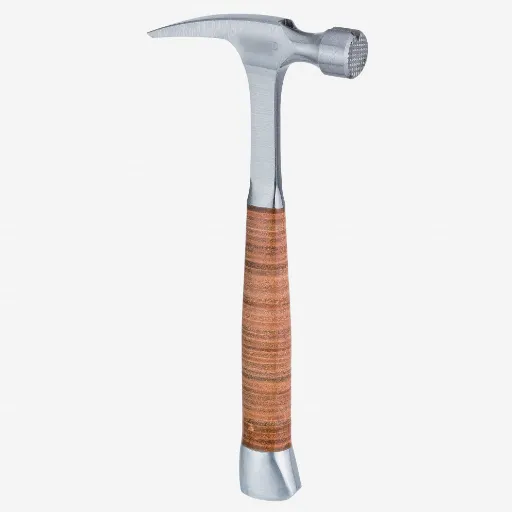
Material Quality in American and German Tools
The tools of America and Germany are made of the best materials and their quality is very good, so they are able to perform and last for a long time. American producers are very proud of their high-quality steel and alloying techniques because they cause the tools to be more durable and allow them to be used for a longer time. Simultaneously, the German producers are also very proud of their precise engineering and metallurgical process innovations. For example, German tools commonly have chrome vanadium steel, which is one of the strongest, the most resistant to corrosion, and the most durable steel types, as its name implies.
Both countries practice strict quality control measures during their tool production to guarantee uniformity and reliability. The modern heat treatment method used is that of hardening the material and giving flexibility to it without destroying its internal structure. Besides, the ergonomic design of many German tools is combined with strong materials to achieve maximum work efficiency and safety of the user.
The unbroken emphasis on excellent material choice and ground-breaking manufacturing technology makes the tools of America and Germany the gold standard of quality in different sectors such as automotive and construction. Their price, however, is a long-term investment plus the user won’t have to worry about getting another tool after some years since the quality tools are the ones that last for years, if not decades, and can still give accurate results through the years.
Comparative Durability of Japanese Hand Tools
Japanese hand tools are famous all over the world for their unparalleled craftsmanship. They are not only durable and precise but also are the result of traditional and modern innovation working together. High-quality materials such as high-carbon steel and specially treated alloys are the main reason why Japanese tools are able to handle extreme and repetitive usage without major wear and tear. The tools are also subjected to very delicate and and complex processes of forging and heat treatment which gives them the hardness superior to others and at the same time a degree of flexibility that prevents them from being brittle. For example, chisels, hammers, and saws made in Japan are extremely appreciated because of their long life and the fact that they can be used for a long time without sharpening.
The design philosophy that is behind the making of Japanese hand tools is, in fact, one of the main factors that adds to their durability. The craftsmen prioritize mode and harmony, thus giving birth to not only very long-lasting tools but those that are also very comfortable and efficient for use. The Japanese Ryoba saws and Nomi chisels among others, are the products of the very close interaction of functional durability and user-centered ergonomics. This way of working decreases the materials’ stress, thus prolonging the tools’ life even under very intensive and repeated work which indeed is the reason that woodworkers, blacksmiths, and artisans all over the world prefer such tools.
Moreover, the cultural aspect of quality assurance and testing that is very strict makes sure that performance is consistent. Many Japanese manufacturers have strict controls in quality assurance and testing that tools have to go through at each stage of production in order to eliminate defects and faults that would otherwise lower the strength of tools. On the contrary, the Japanese commitment to craftsmanship puts their tools side by side with American and German ones not only in terms of performance but also in terms of reliability. The tools are so durable that with proper care they can be passed on from one generation of users to the next. Thus, they can be considered as an investment in quality that blends tradition with cutting-edge manufacturing techniques.
Technological Innovations in Tool Design
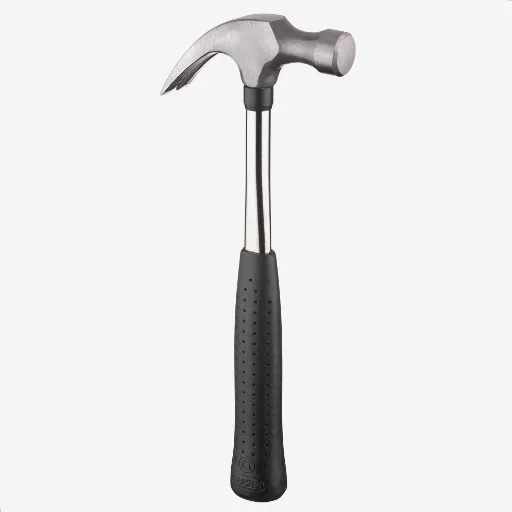
US Innovations in Tool Technology
Japanese hand tools are famous all over the world for their unparalleled craftsmanship. They are not only durable and precise but also are the result of traditional and modern innovation working together. High-quality materials such as high-carbon steel and specially treated alloys are the main reason why Japanese tools are able to handle extreme and repetitive usage without major wear and tear. The tools are also subjected to very delicate and and complex processes of forging and heat treatment which gives them the hardness superior to others and at the same time a degree of flexibility that prevents them from being brittle. For example, chisels, hammers, and saws made in Japan are extremely appreciated because of their long life and the fact that they can be used for a long time without sharpening.
The design philosophy that is behind the making of Japanese hand tools is, in fact, one of the main factors that adds to their durability. The craftsmen prioritize mode and harmony, thus giving birth to not only very long-lasting tools but those that are also very comfortable and efficient for use. The Japanese Ryoba saws and Nomi chisels among others, are the products of the very close interaction of functional durability and user-centered ergonomics. This way of working decreases the materials’ stress, thus prolonging the tools’ life even under very intensive and repeated work which indeed is the reason that woodworkers, blacksmiths, and artisans all over the world prefer such tools.
Moreover, the cultural aspect of quality assurance and testing that is very strict makes sure that performance is consistent. Many Japanese manufacturers have strict controls in quality assurance and testing that tools have to go through at each stage of production in order to eliminate defects and faults that would otherwise lower the strength of tools. On the contrary, the Japanese commitment to craftsmanship puts their tools side by side with American and German ones not only in terms of performance but also in terms of reliability. The tools are so durable that with proper care they can be passed on from one generation of users to the next. Thus, they can be considered as an investment in quality that blends tradition with cutting-edge manufacturing techniques.
German Engineering Excellence in Tool Making
Precision, durability, and innovation have been the words associated with German engineering for a long time. It has been one of the global quality-makers in tools as well as in other applications. German toolmakers have always been the same with their high-quality craftsmanship, as they continuously open new horizons in designing as well as practicality. Bosch, Festool, and Wiha are among companies that carry on this tradition, providing tools that not only have ergonomic designs but also incorporate the highest technology for outstanding performance in all industries. The careful selection of materials and the imposition of high standards guarantee tools that are not only trustworthy but also long-lasting, and this is the reason why professionals around the world keep being dependent on them.
One thing that sets German engineering apart is the use of both automation and smart technology in the manufacturing process. For example, the automated quality control systems are used for making sure that every tool is up to the tolerances while at the same time the robots are making it faster and more efficient to produce. The precision demand from the manufacturers is always met and to some extent the process of cutting down the use of natural resources and the pollution created is turned green as more and more German manufacturers use non-toxic methods like emission cuts and recycling of materials.
All these good practices prove that German engineering is still the leading force in the field and not only provides tools that mix up the old craftsmanship with the new technologies but also that the latter are the ones that modern demands are the most.
Japanese Innovations: Merging Tradition with Technology
Japanese innovations are the result of a blend of ancient traditions and modern technology, thanks to this seamless integration, their solutions will be respectful of the past but also progressive. Robotics, electronics, and automotive design are some of the areas that demonstrate Japan’s precision and efficiency focus. Quality and user-oriented design are the hallmarks of Japanese technology and that is why most of the industries worldwide regard it as an excellent standard.
One of the most fantastic examples of this is the use of AI in traditional fields such as agriculture and crafting. High-tech algorithms and robots are increasing yields and at the same time keeping the genuineness of the Japanese culture intact. For example, precision farming incorporates AI and IoT (Internet of Things) use to produce the optimum amount of crops, thus being sustainable and efficient.
Moreover, Japan’s green commitment is shown by its solar energy projects and the like, its focus on cutting-edge solar panel technology, and citywide schemes that encourage green habits. The combination of heritage, technology, and eco-friendliness is a visualization of how Japanese innovations are constantly shaping a brighter future while keeping intact the cultural essence that characterizes the country.
Specialized Tool Categories
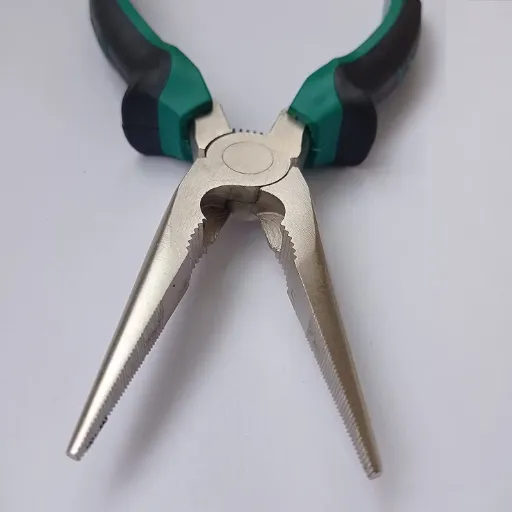
Comparative Analysis of Hand Tools Across Regions
Hand tools have undergone a long journey of change, as they were made to reflect the characteristics of the various cultures, technologies, and environments in every region. To illustrate, Western Europe saw the use of chisels and gouges that were specifically made for detailed ornate work which could be traced back to the furniture and elements in the architecture of that period. On the contrary, Japan’s hand tools like the ryoba saw and kanna plane were world-famous for their accuracy and speed, and also for the detailed woodwork practices that played together to develop these tools.
Different regions also adjusted their tools according to the resources available for making the tools and the locals’ needs. The tools that were made for use in Africa were strong and versatile. The tools that made in Africa included heavy-duty axes and adzes that could either be used in clearing the dense forests of the tropics or in the farming to till the land. But the tools that the Scandinavian countries made were ergonomic and had cold-resilient since they were winter tools. The knives and axes that were used then had grips that were very comfortable and materials that were resistant to the cold.
Modern manufacturing is not only giving a new look but also bringing about new functionality in the tools as it incorporates advanced alloys and ergonomic design. These very differences can lead us to think about the power of practices and certain environments in determining the kind of tools that are in use today, thus, besides giving rise to the ongoing development of tool functionalities and their sustainability, setting up the markets between the regions to trade in such tools.
Ergonomic Design Philosophies in American and German Tools
Ergonomics has been a major factor in the development of hand tools in the U. S. and Germany, which has allowed both regions’ distinctive ways of usability and functioning to reflect through the ergonomic consideration. Tools from the U. S. concentrate on multifunctionality and adaptability generally with lightweight constructions and movable parts as the most common. These tools are for a wide range of users from the professionals to the weekenders and that is why they are designed for comfort with such features as padded handles, proper weight distribution and adjustable parts.
In contrast, German tools are characterized by precision, robustness, and minimalism with a very close focus on the impeccable execution of single-purpose functions. When it comes to their engineering capabilities, German hand tools are known to use top-notch materials together with precise production technology, thus resulting in durable goods. The introduction of features like anti-slip surfaces, optimized angles, and user-friendly control is aimed at minimizing the strain while increasing the efficiency of the user during the long hours of work.
As a matter of fact, the two schools of thought are in complete agreement as they have the same ultimate aim, which is to provide the users with the best experience possible while at the same time reducing their exhaustion and the risk of getting hurt. Observing these trends not only sheds light on cultural and technological values but also lays the ground for creative design that merges American tools’ flexibility with German engineering’s accuracy.
The Role of Japanese Aesthetics in Tool Design
Japanese aesthetics have been and still are a significant source of inspiration in Japanese tool design – their simplicity, practicality, and harmony being the main characteristics. Primarily, these principles are founded in the ancient Japanese philosophy, which has to do with beauty in minimalism and further merging of the two opposites – form and function – into one unbreakable whole. To a great extent, such conditions were to produce the perfect user-tool relationship – the user would wield the tool as if it were part of him/her, thus, leading to a harmonious coexistence of precision and artistic design. The following five aspects mark the signature presence of Japanese aesthetics in tool design:
- Minimalism: The Japanese tools, during their making, are subjected to a strict process of elimination where only the most functional and essential features are retained mainly in regard to their purpose. Through this minimalist process, layers of complexity are peeled off leading to a more user-friendly and visually appealing product.
- Ergonomics: Very thoughtful and careful consideration of the user’s comfort and convenience guarantees that the Japanese tool will give natural and efficient working experience. The proportions of the tools are such that they correspond to the user’s grip and the whole movement.
- Use of High-Quality Materials: Artisan quality control accepts only the very best materials and the like – high-carbon steel, for instance, is acclaimed for its enduring sharpness and strength while a wooden handle is closely associated with the warmth and authenticity of the design.
- Attention to Detail: The Japanese maker will not spare any effort to produce a perfect tool; he/she will take into consideration everything from the balance of the tool in hand to the aesthetic finish of the materials. This meticulousness embodies the artist’s goal of flawless work.
- Integration of Tradition and Modernity: Out of the fusion of the past and present, Japanese tools are born – their cores may be represented by the modern ways of living that are compliant with the olden times but their skins must be of the very best and rarest techniques of old. Such are the truest designs of the period that though they bear the imprint of their ancestors, they live in the present fully.
The above-mentioned parameters make it clear that Japanese aesthetics have been and still are among those that are responsible for the creation of tools that not only perform their function but also remain as long-lasting symbols of design sophistication.
References
-
Machine Tools and Mass Production in the Armaments Boom – Columbia University
This document compares machine tool classes and production strategies between the U.S. and Germany, highlighting differences in manufacturing approaches. -
Machine Tools in the United States and Germany 1930-1945 – Academia.edu
A historical analysis of machine tool development and usage in the U.S. and Germany during the mid-20th century. -
Competitive Assessment of the U.S. Metalworking Machine Tool Industry – U.S. International Trade Commission
This study examines the competitive position of U.S. machine tool producers, providing insights into international comparisons, including Germany. - Click here to read more.
Frequently Asked Questions (FAQ)
Q: What are the primary design differences between American and German tools?
A: A key point is inevitably design philosophy: German tools tend to stress precision, longevity, and highly specialized engagements guaranteed to last a lifetime, a quality of a good number of user events, while US tools concentrate on sturdiness and ease of service. German tools are prone to using fancy geometries and superior steels for their pliers, screwdrivers, or ratchets compared to many American tools, thicker company sections, and much easier to repair.
Q: How do the reputations of made in the usa tools compare with german tools?
A: Brand names and generalizations: The general public generally associates U. S.-made tools with ruggedness and the finished detail associated with quality over time, whereas German-made tools are generally thought to prioritize precision and elite engineering. It is generally held that both can become excellent ultimately; bad-made examples exist in literally every nation (including china and taiwan). The purchaser is prompted to look at brand reputation, warranty, and the right reviews for that specific tool prior to making a purchase.
Q: Are american tools inferior to european tools or german ones?
A: Placing such a blunt label on the issue of US tools versus European tools would be somewhat erroneous. Other factors to consider aside from brand include the manufacturing base(there are companies moving their manufacturing to Taiwan or China nowadays) and for how they are used; some made in usa tools are actually superior for specific tasks compared with their European counterparts, and vice versa. Always judge the models, materials, and user feedback instead of making third class assumptions concerning the origin.
Q: Which are the ratchets and screwdrivers that will be the best from german or american brands?
A: Both can be outstanding. German makers of ratchets and screwdrivers have refined mechanisms and ergonomics in contrast to American brands, which can, in turn, focus more on thick piles, internal strength, and longevity. The better one would be based on the tasks at hand and handle feel; might as well try one in the palm of your hand. Research on brand recognition, pricing, and user feedback over the long haul will give you a clearer idea about the perfect brand.
Q: How does age or vintage status come into the picture while considering american ones or german ones?
A: Vintage tools are usually wanted, as older Made in the USA or German stuff can be so well-built with great thick sections and full set of serviceable parts. Also, with years, the cast can wear and the springs, finish, and tolerances can degrade. When looking for vintage material, go through tools used and tools of abuse. Others go for an aged-British or continental brand for looks and endurance.
Q: Should I really pay more than the cost to get made in American or German tools as opposed to cheaper imports?
A: Money invested in made in the American or German products can really be worth it if you really need durability, performance, or solid backing from the brand. Meanwhile, the China or Taiwan importee could be right for a weekender, not so much if at serious continuous use—warranties, Faceless Pride