
Anti-Slip Hand Tools: The Essential Guide to Safe and Efficient Tool Sets
Safety and effectiveness are the two pillars that revolve around hand tools—neither can be compromised. Selecting the right tools can either lead to project success and peace of mind or the opposite. One risk that occurs frequently but is rarely given proper consideration is the chance of slipping, which might result in damaged materials, wasted time, or in the worst-case scenarios, serious injuries. This is where anti-slip hand tools come into play, giving new life to workspaces by ensuring the utmost accuracy. Throughout this guide, we will explore all the details about these advanced tools, their importance, and the impact they will have on your work. You are about to unveil the secret to safer and more productive tool kits that allow you to tackle any job with confidence.
Understanding Anti-Slip Hand Tools
What are Anti-Slip Hand Tools?
Anti-slip hand tools are a special category of tools that mainly focus on enhancing the user’s skill and control while reducing slippage risk during use. Most of these tools boast ergonomically designed handles with textured or coated surfaces (such as rubber and non-slip materials) that ensure a steady grip under any circumstances—whether wet, oily, or otherwise challenging. Their prime focus is to enhance safety and accuracy, thereby reducing the chances of accidents or mishandling of tools.
The advantages of anti-slip hand tools extend far beyond safety alone. Their efficiency and comfort have been designed to drastically increase the time workers can comfortably use these tools. By lessening the strain on hands and improving control, the tools allow users to carry out their work more efficiently and with less effort. Anti-slip tools become indispensable in construction, automotive, and manufacturing repairs, as these sectors always need skillful and steady handling.
Moreover, anti-slip hand tools are a sound investment if you are looking to save on tool replacement costs and achieve better results on your projects. These tools are usually made with long-life expectancy in mind; hence they can survive the harshest conditions while still offering great performance. Whether you are engaged in professional jobsite work or doing DIY projects at home, anti-slip hand tools will be a wise option if you value safety and performance equally.
Benefits of Using Anti-Slip Grip Tools
1
Enhanced Safety
The use of anti-slip grip hand tools minimizes the possibility of unintentional slips, which can lead to injuries. The anti-slip grip gives better control even in wet and oily conditions.
2
Improved Efficiency
Users with powerful grips can apply force more efficiently and perform tasks with greater accuracy, thus reducing the time and effort required for repetitive jobs.
3
Reduced Hand Fatigue
Ergonomic design of tools with anti-slip features minimizes pressure on hands and wrists, thus allowing prolonged use without painful experiences. This is most favorable when the work is highly demanding.
4
Longevity of Tools
Anti-slip tools are made from strong materials that resist wear and tear, enabling them to stay functional for longer periods even when subjected to harsh working conditions.
5
Versatility Across Applications
Anti-slip grip tools are perfect for numerous scenarios, including construction, car repair, and delicate artistry, making them remarkably flexible and trustworthy in different settings.
Key Features of Non-Slip Tools
✓ Enhanced Grip
Tools that are non-slip are designed to give superior grip in tough conditions like wet or oily cases. This ensures that the user will have complete control and precision, greatly reducing the chance of accidents.
✓ Durable Construction
Tools with non-slip technology typically consist of high-quality materials combined with textured rubber coating, silicone, or similar materials that resist wear and maintain their grip for extended periods. The durable construction allows the tools to bear heavy-duty applications without losing performance.
✓ Ergonomic Design
These non-slip tools are designed to fit the user’s hand comfortably for long-term use. The anti-slip surfaces prevent hand fatigue since they provide a strong grip, which is beneficial for both professionals and casual users alike.
✓ Safety
User and work environment safety is increased by using these tools as they decrease the risk of slippage. Sudden tool slips that cause injuries are prevented, providing a trustworthy solution for the most critical tasks.
✓ Broad Applicability
Non-slip tools are multifunctional and their use is not limited to only a few industries; they are widely used in construction, mechanical work, and home improvement projects. They are always present in toolboxes due to their reliability for diverse tasks.
Types of Anti-Slip Hand Tools

Combination Wrenches and Their Applications
Combination wrenches are very important tools that have both an open-end and a box-end on opposite sides of the handle. The open-end is perfect for quick adjustments and fitting on larger fasteners, while the box-end gives a solid and safe grip for tightening or loosening bolts without stripping them. This dual functionality makes combination wrenches very versatile, and their time-saving advantage comes from the fact that the need to switch tools for different tasks is reduced. Most combination wrenches carry a 15-degree offset on the box-end, which facilitates improved clearance and thus easier maneuvering in tight spaces.
Primary Applications:
- Automotive Repair and Maintenance: Irreplaceable for reaching bolts and nuts in congested engine compartments or under cars. The precision-engineered nature of these wrenches makes them highly reliable and efficient, even when handling high-torque situations.
- Plumbing Work: Nuts and bolts are sometimes placed in very inaccessible spots, and combination wrenches offer a practical solution that increases workflow.
- Industrial Environments: Widely used in factories, manufacturing, and assembly lines. They can work with almost any type and size of fastener, from the simplest to the most complex jobs.
Modern versions of the tools might even come with features like anti-slip grip design or rust-resistant coating for better durability and performance. It is very important to use the right-sized combination wrench with the fastener, as this will not only ensure optimal performance but also help the tool and fastener last longer by minimizing wear.
Non-Slip Screwdrivers: Precision and Control
Non-slip screwdrivers are a must-have in every toolbox, providing unrivaled accuracy and control on many different occasions. These tools, with comfortable handles and anti-slip grip surfaces, will not slip from the user’s hand and provide a tight grip when the situation is tough, such as when dealing with oily parts or wet conditions. The design of such products aims at minimizing slips, which means less chance of damaging screws or causing injuries. Non-slip screwdrivers thus become an obvious choice for all those who cannot compromise on either efficiency or reliability, be it professionals or hobbyists.
Modern anti-slip screwdrivers are made of cutting-edge materials like chrome-vanadium steel, which gives them excellent durability and rust resistance. Many units have been equipped with magnetic tips that hold screws in position and make one-handed operation much more effective. In addition, the precision machining of the tips guarantees that they fit perfectly with different types of screws, thus reducing the chances of stripping screw heads and increasing the life expectancy of both screws and tools.
Available Designs:
The versatility of non-slip screwdrivers is further improved by the great variety of designs meeting different requirements:
- ▸
Phillips and flathead screwdrivers - ▸
Torx and hex models - ▸
Sets with interchangeable tips for easy changeover between different head types
Because of the combination of good performance and ease of use, these screwdrivers have become vital instruments in the repair of electronic devices, automobiles, and home décor. Using this type of screwdriver means the person has already committed to doing accurate work while prioritizing safety and comfort.
Heavy-Duty Pliers: Grip and Durability
Heavy-duty pliers are tools that are a must for professionals and DIY enthusiasts alike, providing a reliable grip and exceptional durability. Typically, heavy-duty pliers are made from strong materials like alloy steel or chrome vanadium. Such pliers can apply great force to materials without bending or breaking. They come with ergonomic handles that are sometimes made of rubber for a firm grip. This comfort allows the user to exert maximum power without experiencing much hand fatigue. Hence, one can easily accomplish tough jobs like gripping, bending, cutting, and crimping on materials such as wires, bolts, or pipes.
Apart from that, heavy-duty pliers have one more feature that is highly appreciated: their versatility. A large variety of heavy-duty pliers are available in the market today—each type designed for a specific purpose—including locking pliers for clamping, needle-nose pliers for precision tasks, and diagonal cutters for cutting wires, to name a few. Moreover, advanced pliers are now equipped with built-in mechanisms like spring-loaded handles for ease of use and induction-hardened cutting edges for extra durability. These innovations not only make heavy-duty pliers effective for long hours of hard work but also provide them with a performance edge over others.
💡 Selection Tips:
The right heavy-duty pliers can make a project more efficient and of better quality. When buying tools, consider these important factors:
- Material of the tool
- Resistance to corrosion
- Comfort of the handle
- Brands with strict manufacturing standards for durability and performance
Proper maintenance—including cleaning, lubricating, and storing away from moisture—can help these pliers last for many years, becoming a long-term investment useful in various industries including construction, electrical work, automotive repair, and general home improvement.
Applications Across Various Industries

Automotive Industry: Essential Tools
Pliers are necessary tools for the automotive industry and have great demand due to their adaptability and precision when performing different tasks. Pliers are very important for gripping, bending, cutting, and manipulating components in the process of car repair and maintenance. Mechanics and technicians rely on pliers to work faster and more accurately.
Five Important Pliers in Automotive Work
1
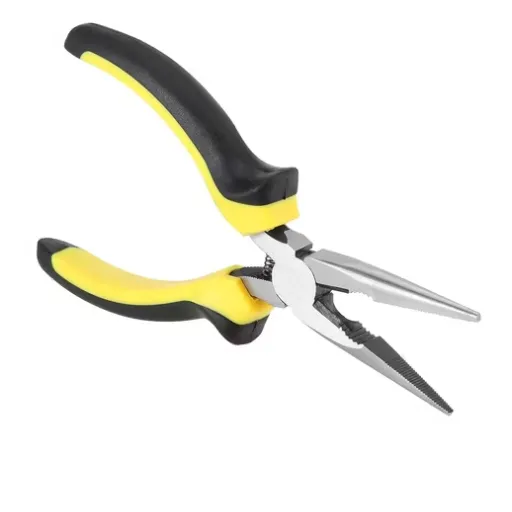
Needle-Nose Pliers
These long, thin pliers are perfect for accessing tight areas and picking up little things like wires, clips, or bolts.
2
Locking Pliers (Vise-Grips)
These pliers are made to clamp and hold objects very tightly, making them the best choice for loosening rusted bolts or holding pieces when welding.
3
Slip-Joint Pliers
With their adjustable jaws, these pliers can handle different sizes of bolts and fittings, making them versatile for various tasks.
4
Diagonal Cutting Pliers
These cutting pliers are sharp and very effective when it comes to cutting wires and cables, allowing precise and fast cuts.
5
Hose Clamp Pliers
Hose clamp pliers are used for squeezing and removing hose clamps, a task that is very important when working with cooling system hoses or other types of automotive tubing.
The automotive industry utilizes a wide variety of specialty pliers, enabling them to carry out complex operations efficiently and keep vehicles in great condition.
Construction Sector: Safety and Efficiency
In the construction industry, pliers play a crucial role in maintaining the safety and efficiency of operations. They are unavoidably needed to carry out various tasks ranging from cutting and gripping to shaping and bending materials.
Five Types of Pliers for Construction
1
Locking Pliers
With their strong grip properties, locking pliers are primarily used to hold materials tightly together, making them very useful for operations that need to hold objects in place.
2
Needle-Nose Pliers
These pliers have a long, slender configuration and can very well access small or tight areas, sometimes assisting with electrical work and detailed activities.
3
Combination Pliers
Coming with multifunctionality features, these pliers can cut, grip, and bend materials, establishing themselves as basic tools on every construction site.
4
Linesman Pliers
These heavy-duty pliers are meant for electrical and wiring applications and are ideal for cutting and twisting the thickest wires with utmost accuracy.
5
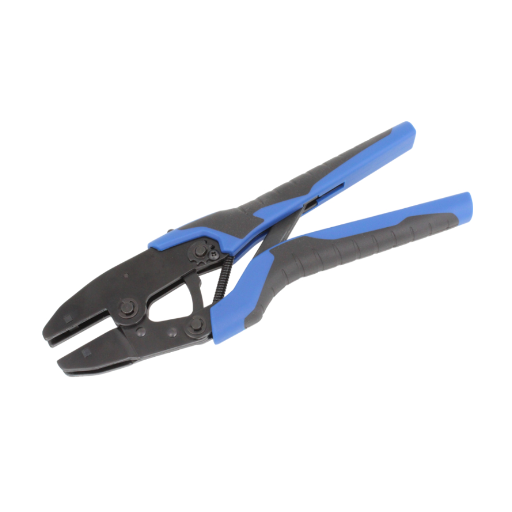
Crimping Pliers
Crimping pliers are often associated with the electrical and plumbing industries where connecting wires and securing fittings require proper handling, leading to robust and safe installations.
The existence of these specialized pliers not only makes the operator safer but also speeds up construction projects, thus ensuring precise work and fewer downtimes on sites.
Plumbing: Choosing the Right Tools
The selection of the right tools is a very important step for house plumbing projects to be successful, whether you are solving a small leak or setting up a new system. Time-saving is one of the main advantages of using the right tools; in addition, they provide more accuracy and reduce the chances of damage.
Five Essential Plumbing Tools
🔧 Pipe Wrench
Pipe wrenches are a must in the plumbing toolbox for gripping and rotating pipes or fittings. They give the necessary force to deal with tight or recalcitrant pipes. With different sizes available, they are mostly used for loosening or tightening large nuts and fittings.
🚽 Plunger
The plunger is a very simple but extremely powerful tool and is the very basic thing one needs to have at hand to keep good drainage in sinks, toilets, and drains. A plunger can work wonders for a clog with the right technique and can quickly restore normal water flow.
📏 Plumber’s Tape (Teflon Tape)
This thin, white tape is a must-have for sealing pipe threads to stop leaks from occurring. It is widely used on threaded connections of both water lines and gas pipelines to create a tough and safe fit.
✂️ Pipe Cutters
Pipe cutters are the best tools for cutting pipes exactly to the required length. They are able to produce clean and smooth cuts, which in many cases are much better than what saws can offer. They work with copper, PVC, and other piping materials.
🔩 Basin Wrench
The basin wrench is specially made for working in confined spaces. It is the best tool to use if you have to tighten or loosen nuts under sinks. The long handle and adjustable claw make it suitable for hard-to-reach places.
If you invest in these basic tools, you would be able to complete the majority of plumbing jobs quickly and obtain durable, professional-quality results. The proper selection of tools is the first thing to do when you want to tackle plumbing problems in a practical way.
Maintenance Tips for Longevity
Proper Cleaning Techniques
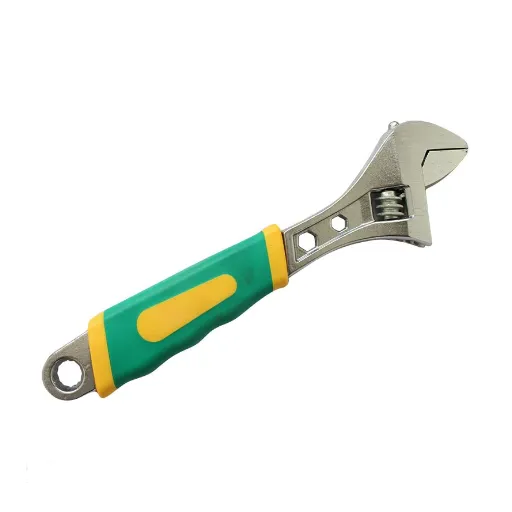
Without a doubt, proper cleaning techniques are vital to keeping your tools and fixtures functioning in peak condition for as long as possible. Right after using them, thoroughly washing your plumbing tools using warm water and soap is a must; that way dirt and all other kinds of residues, including those that might cause rust, are not left on the tools. Joints, handles, and moving parts are nodes of dirt accumulation, so they should be getting special attention while cleaning them. If there is any deeply entrenched dirt, consider taking a small wire brush and getting rid of the debris through scrubbing, but mind the tool’s surface. Finally, making sure that the tools are totally dry is a must because moisture is one of the main factors that leads to corrosion over time.
🧼 Cleaning Plumbing Fixtures:
Regular cleaning of plumbing fixtures prevents deposits of minerals and soap scum that eventually lead to non-efficient functioning. On a routine basis, clean faucets, showerheads, and lines by selecting a gentle, non-abrasive cleaner and using a soft cloth or sponge.
Pro Tip: Soaking hard-to-clean parts or clogged aerators in vinegar and water for about 20-30 minutes followed by gentle scrubbing with an old toothbrush can effectively soften and remove limescale deposits without ruining the fixtures’ finish. Consistent care of your plumbing systems can also prevent minor issues from turning into major problems by detecting them early.
In summary, proper storage practices are a crucial part of cleaning that, together, can vastly prolong the life of your tools and fixtures. Keep your tools in a nice dry place with good air circulation, and try to use toolboxes or pegboards to help you have a neat, orderly, and readily accessible place for your tools. With plumbing fixtures, carry out inspections now and then to look for early signs of wear such as loose fittings or spots of rust, and take action promptly. When you combine the two practices of being diligent with cleaning and making use of proper storage solutions, it is guaranteed that your plumbing toolkit and fixtures will be in the best condition, and you are going to be able to take on repair or maintenance tasks with confidence.
Storage Solutions for Tool Longevity
Proper storage solutions are crucial for the tools’ durability and performance over the years. The quality of tools will decline and their usefulness will be less if external factors such as moisture, dust, and temperature changes are not controlled. Moisture and humidity are the main causes of rust and corrosion; hence, it is advisable to store tools in a cool and dry place. A dehumidifier can be helpful for garages or basements that are known to be damp, since moisture can greatly affect the lifespan of tools.
Organizing Tools Effectively:
- Tool Chests: Provide comprehensive storage with multiple compartments for organizing various tools systematically.
- Pegboards: Very helpful as they let you display your frequently used tools for easy access while keeping them off work surfaces, which means less clutter.
- Modular Storage Units: Offer flexibility and customization for different tool sizes and types, making organization more efficient.
Furthermore, power tools and precision instruments can get extra cushioning from padded cases or foam inserts against accidental impact. Storage spaces that are labeled are a sure way of making sure that tools are returned to their designated spots after use, thus minimizing the risk of misplacement or damage.
⚡ Advanced Care Tips:
- Fill toolboxes with silica gel packs or rust-prevention liners to absorb excess moisture
- Follow routines such as cleaning residues off and applying lubricants to moving parts
- These practices maintain functionality and prolong operational life
Effective storage solutions, periodic tool care, and quality together are the factors that keep your toolkit reliable and ready for any project, big or small, thus safeguarding your investment for years to come.
Regular Inspections and Care
On a regular basis, you should check your tools and take care of them, as this is one of the most important maintenance practices that will keep your tools functioning and lasting longer. Start with an assessment of your objects at predetermined intervals and look for signs that include wear, damage, or rust. For electrical tools, check that the electric cords, plugs, and safety features like guards or switches are all working correctly. With non-electric tools, it is necessary to thoroughly examine handles, blades, and heads to ensure that faults that could cause accidents or inefficiency while using are not there. For all tools, tackling even small concerns without delay can save you from major issues later on.
🔍 Inspection Checklist
- Look for signs of wear, damage, or rust
- Check electrical cords, plugs, and safety features
- Examine handles, blades, and heads
- Address small concerns before they become major issues
🧽 Cleaning Protocol
- Wipe and remove dust and debris from power tools
- Scrub hand tools to get rid of rust-causing dirt
- Keep cutting tools sharp for better performance
- Use wire brushes, solvent-based cleaners, or compressed air
Cleaning tools after they are used is an easy, yet very important, maintenance step. Always keep cutting tools like saws or shears sharp because dull blades not only lower performance but also make it harder for one to avoid getting hurt. The right cleaning materials can make this process more effective.
Moreover, storage conditions are another factor that has an important role in the care of tools. The best place for tools is a place where it is clean and dry so that there is no contact with moisture that can cause rust. Along with that, it is practical to store your tools in neat piles or groups, which will give you quick access and avoid chaos that might cause damage. You will find plenty of options for storage systems that will provide the best combination of tool protection and accessibility, such as racks, cabinets, or pegboards. By means of a combination of rigorous inspections, regular cleaning, and proper storage solutions, your tools will be with you for many years, working with you on projects in an efficient and safe manner.
Advanced Safety Features and Innovations
Recent Developments in Tool Design
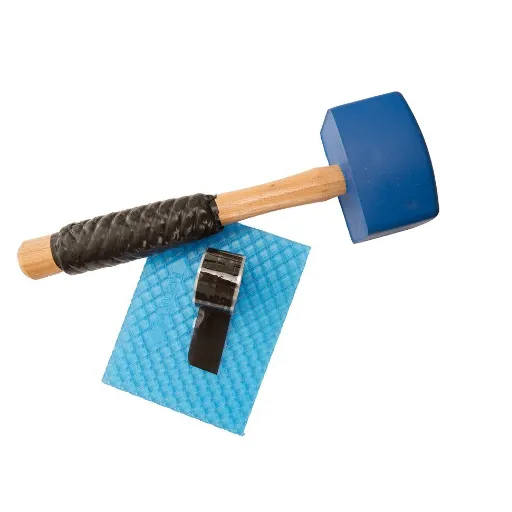
The last few years have seen a marked trend toward choosing ergonomics, efficiency, and safety as the main criteria for tool design, and these have, in fact, been the main objectives of recent tool design studies. Reducing user strain and preventing injuries through the use of lightweight materials and adjustable hand grips are among the manufacturers’ priorities in seeking out user-friendly designs. Anti-vibration features are found in not just hand tools but even power tools because of manufacturers’ efforts to keep professionals working with their tools in comfort and without the risks of developing injuries due to vibrations. The use of advanced materials is, however, one of the mainstays of the producers’ tool-durability competition, and they often opt for carbon composites and aerospace-grade alloys as these fulfill the dual requirement of excellent durability and lowered weight, thereby making sure that tools are still hardy in tough conditions.
🔬 Smart Technology Integration
One more thing that can be mentioned in that regard is the gradual incorporation of smartness in tools; manufacturers are integrating modern technology like IoT into traditional tools. In a smart way, commonly used hardware—like power drills, wrenches, or even tape measures—has become endowed with attributes like:
- Up-to-the-minute usage data tracking
- Wireless connection to mobile devices
- Automatically operating calibration systems
Example: Professional users of digital torque wrenches with readouts can ensure that bolts are tightened to specified tolerances, thus significantly cutting down on the possibility of error in critical operations.
🌱 Sustainability in Tool Design
Sustainability has become one of the driving forces in the tool design process, if not the strongest one. Tool producers are turning to green and sustainable manufacturing processes as well as using recyclable materials to cut down on pollutants they emit.
Battery-Powered Tools Evolution: The cordless counterpart of power tools has undergone quite a change, with the latest lithium-ion batteries resulting in longer run times as well as faster charging. The trend of moving towards cordless tools has been not only due to their easy mobility but also less reliance on oil.
All these advancements signify a commitment towards user-friendly tools that will also be ecologically and economically viable, hence making it a win-win situation for all.
Comparing Non-Slip Tools with Traditional Hand Tools
The primary difference between non-slip tools and traditional hand tools is that non-slip tools are designed with enhanced grip and ergonomic features to improve safety, reduce strain, and prevent slippage, while traditional tools often lack these advanced features.
Impact of Ergonomics on Tool Performance
Ergonomics is a major factor that enhances tool performance by affecting several critical aspects. The following are five particular impacts:
1. Decrease in User Fatigue
Tools that are ergonomically designed are made to conform to the user’s hand, thus reducing the effort involved in using them. The study suggests that the use of ergonomic handles can bring down muscle strain by as much as 30%, which in turn allows users to work for longer durations without feeling uncomfortable.
2. Better Grip and Control
The grips of non-slip ergonomic design facilitate better handling and at the same time errors are less likely. Research indicates that tools with textured, ergonomic grips witness slippage incidents being reduced by as much as 45%, which in turn increases the confidence of users during operation.
3. Greater Safety
Tools with ergonomic designs are said to have a lower risk of repetitive strain injuries (RSIs) and accidental slips. As per one of the industry safety reports, a company that implements ergonomic tools in their workplace sees a reduction of 25% in work-related injuries.
4. Increased Productivity
Users will be able to do the same work faster and with better accuracy if the physical effort required for operating the tools is reduced. Statistics show that professional workers in trades using ergonomic tools get a 20% enhancement in task efficiency compared to those using conventional tools.
5. Longer Tool Life
Ergonomic tools that are built durably are meant to last in case of prolonged use. The specialized materials and design contribute to tool life being increased by 40%, thus making it economical in the long run.
The above figures make it clear that ergonomics in tool design is a priority that cannot be ignored, as it brings about a positive change in the user’s experience, safety, and overall performance.
References
-
A Guide to Selecting Non-Powered Hand Tools – University of Pennsylvania
This guide helps employers and workers identify non-powered hand tools, emphasizing the importance of non-slip grips for safety. -
Things to Look for in Ergonomically Designed Tools – California State University, Northridge
This resource discusses the use of molded finger grips and slip-resistant materials to enhance tool safety and ergonomics. -
Tool Safety – University of Georgia
This document highlights the importance of using tools with non-slip grips and wearing appropriate gloves for safety. - Click here to read more.
Frequently Asked Questions (FAQ)
Q: What exactly are anti slip hand tools and what benefits do they bring over standard ones?
A: Anti slip hand tools are non-slip or anti-slip grip manual tools with features like textured handles, rubberized coating, or ergonomic features to lessen slippage during working. Choosing anti slip hand tools, be it a screwdriver, wrench, plier, or combination wrench set, gives better handling, higher maximum torque transfer, lesser drop risk, and less discomfort along with reduced chance of injury or musculoskeletal disorders during heavy or precision jobs.
Q: In what way does the anti-slip grip design cut down injury and musculoskeletal disorders?
A: Anti-slip grip design applies the force spread out across the handle and optimizes ergonomics to minimize wrist strain and manual fatigue, thereby helping reduce injuries and disorders caused by repeated strains. The high-quality anti-slip with a snugger grip requires less force while providing more firmness, thus the torque needed can be applied with less pain, especially during long jobs or when a power drill is used.
Q: Do anti slip hand tools give more torque or just impact performance?
A: Yes. An anti-slip handle will let you apply strong effective force without slipping so that you can achieve higher torque safely, like in screwdrivers, drivers, and combination wrenches. It is harder to round off the tips or bits since the material and steel quality of the tool, combined with its good grip, helps you transfer maximum torque.
Q: Would it be reasonable for professionals to have anti slip sets like a combination wrench set or screwdriver set?
A: It is quite true that for professional users, an anti slip hand tool set like a premium combination wrench set with a screwdriver set having a bit holder and non-slip handles will unquestionably pay back. These products result in quick task accomplishment, fewer dropping cases, and more accuracy. Professionals will get the benefits of hard-wearing materials like hardened steel or aluminum or other ergonomic designs that would be tough for heavy usage while performance remains high.
Q: What are the criteria for choosing the right size and material for an anti slip wrench or tool?
A: The right tool size should be based on fastener dimensions and job requirements: metric or SAE sizes for wrenches and matching bit or screwdriver tipsfor drivers. Material also plays a role: forged steel or premium alloy tools will last in heavy-duty applications, while aluminum handles can lighten the weight. So try to pair up the right-sized combination wrench set or box wrench with anti-slip handles to cut down slippage and ensure the longevity of the tool.
Q: Are anti slip hand tools compatible with power tools such as a drill or impact driver?
A: Anti slip hand tools primarily mean manual tools, but many designs are such that they will also serve as power tool accessories, e.g., bit holders, non-slip drill handles, or screwdriver bits with better grip profiles. With the use of anti-slip bit holders or extensions, torque loss will be reduced and the bit will not slip in a power drill or impact driver, thus safety and precision will be improved.
Q: What is the correct process to maintain anti slip grips for long-term performance?
A: Anti-slip grips should be cleaned by removing oil, grease, and heavy dirt from handles. Clean anti-slip grips somewhat gently, as abrasive detergents can be less effective in preventing material breakdown. Check for wear on screwdriver tips, bits, and wrench jaws; otherwise, replace heavily worn items to prevent slippage. Store properly in a box or organizing holder; ensuring minimal drops helps preserve both the grip surface and tool material, therefore maintaining precision and reducing the chance of injury.
Q: Are anti slip hand tools useful when it comes to working in wet, oily, or cold environments?
A: Absolutely. Anti-slip hand tools having textured, rubberized, or thermoplastic handles are perfect for these conditions as they are able to provide good grip in wet or oily situations and are also helpful in maintaining grip in cold conditions where one can easily lose grip due to stiff wrists. For such environments, it is better to go for non-slip designs, corrosion-resistant materials, and insulated or specialty professional tools that would have minimum discomfort and maximum safety.