
Best Hand Saw for Woodworking: 2026 Buying Guide
The best hand saw for woodworking depends on the material, the cut, and who will use it. For most general work, a 20 to 26-inch crosscut panel saw with 8 to 12 TPI is the right starting point. For fine joinery, a Japanese pull saw or dovetail backsaw gives cleaner results.
Choosing wrong costs time and money. A saw that binds in hardwood, tears plywood veneer, or dulls after a few jobs creates returns, complaints, and lost margin. This guide explains the specs that matter, matches saw types to common materials, and shows how to source reliable hand saws at factory-direct pricing.
At Shanghai Oushike Hardware Tools Co., Ltd., we manufacture and supply professional hand saws for distributors, brand owners, and industrial buyers. This is what we look for when we build and ship them.
Key Takeaways
- Match the saw to the cut: crosscut across the grain, rip with the grain, Japanese pull and dovetail saws for joinery, coping saws for curves.
- Hand saw TPI drives cut quality. Low TPI (4 to 7) cuts fast and rough; high TPI (12 to 20) cuts clean and slow.
- Hand saw blade length affects speed and control. Longer blades track straighter in open stock; shorter blades work better in tight spaces.
- Blade steel and hardening matter for durability: high-carbon steel resharpenable, induction-hardened teeth longer-lasting but replace-only.
- For B2B buyers, the winning assortment covers rough cutting, finish work, joinery, and portability.
Best Hand Saws at a Glance
These picks reflect the models professional reviewers and woodworkers recommend most often in 2026. Use them as benchmarks when you evaluate products for your catalog or workshop.
| Model | Best For | Hand Saw Blade Length | Hand Saw TPI | Price Tier |
|---|---|---|---|---|
| GreatNeck N2610 Cross Cut Hand Saw | Best overall value | 26 in. | 8–10 | $ |
| DEWALT DWHT20545L Panel Hand Saw | Heavy-duty framing | 15 in. | 9 | $ |
| SUIZAN 7-Inch Japanese Ryoba Pull Saw | Precision woodworking | 7 in. | 9/17 dual | $$ |
| Irwin ProTouch Coping Saw | Intricate curves and joinery | 6.5 in. blade | 17 | $ |
| Stanley 20-045 Fat Max Hand Saw | General carpentry | 15 in. | 11 | $ |
| Shark Corp 10-2312 Carpentry Saw | Fine carpentry | 12 in. | 12 | $$ |
Bottom line: There is no single best hand saw for every job. A strong product mix covers rough cutting, finish work, and detail cuts. If you are building a line, start with a reliable crosscut saw, add a pull saw for precision buyers, and round it out with a coping saw.
Browse our full hand saws category to see standard and custom options for distributors.
Why the Right Hand Saw Matters
A hand saw is not one-size-fits-all. The wrong blade geometry wastes material, slows the worker, and creates uneven cuts that lead to rework. For B2B buyers, the practical issue is clear: a poorly matched saw line increases returns and replacements.
The main variables are simple:
- Cut direction. Crosscut saws slice across wood fibers. Rip saws plow along the grain.
- Tooth count (TPI). Lower TPI removes material faster. Higher TPI gives smoother edges.
- Blade length. Longer blades cut faster in straight lines. Shorter blades offer more control.
- Blade support. Backsaws and Japanese pull saws add stiffness or pull-action stability for precision work.
Understanding these four factors makes it easier to stock saws that match how your customers actually work. For a deeper breakdown of each category, see our guide to hand saw types.
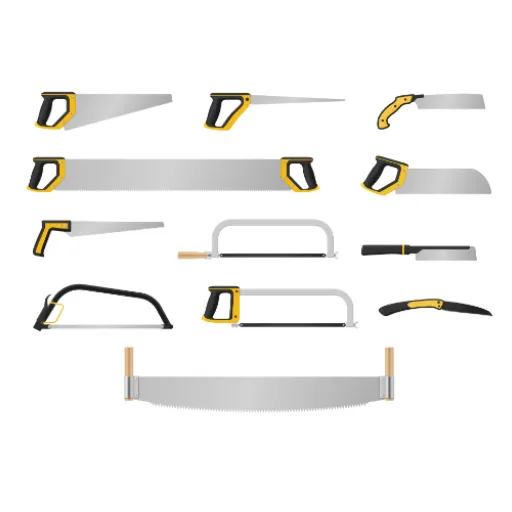
Types of Hand Saws and Their Uses
Crosscut Saws
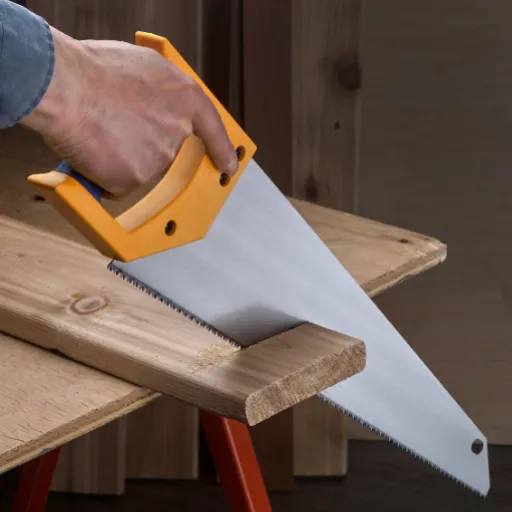
Crosscut saws are the workhorse of woodworking and carpentry. Their teeth slice across wood fibers, giving clean, controlled cuts in boards, trim, and framing lumber.
Best for: General construction, trim work, cutting dimensional lumber.
Typical specs: 8–12 TPI, 14–26 inch hand saw blade length, high-carbon or induction-hardened steel.
Rip Saws
Rip saws cut parallel to the grain. Their larger, fewer teeth act like small chisels, pulling wood fibers out efficiently.
Best for: Framing, decking, rough cutting along the grain.
Typical specs: 4–7 TPI, 20–26 inch blade, aggressive tooth set.
Japanese Pull Saws
Japanese pull saws cut on the pull stroke, not the push. This keeps the blade thinner and more flexible, producing a narrower kerf and smoother finish.
Best for: Dovetails, tenons, veneers, and fine furniture.
Typical specs: 9–17 TPI, 7–9.5 inch blade, double-edge rip/crosscut options available.
Dovetail Saws
A dovetail saw is a stiff-backed backsaw with fine teeth. It delivers the control needed for tight-fitting joints.
Best for: Drawer boxes, cabinets, fine joinery.
Typical specs: 12–20 TPI, 6–10 inch blade, reinforced back.
Coping Saws
A coping saw uses a thin, replaceable blade stretched in a frame. It turns easily in tight curves and is essential for detailed work.
Best for: Scrollwork, coping trim, inside cutouts.
Typical specs: 15–24 TPI, 6–7 inch blade, 360° rotating frame.
First-Fix vs. Second-Fix Saws
In the UK and EU trade, carpenters split work into first fix and second fix. First-fix saws run longer (20 to 22 inches) and are aggressive (7 to 8 TPI) for framing and structural work. Second-fix saws run shorter (14 to 18 inches) with finer teeth (11 to 14 TPI) for trim and finish. Stocking both broadens your appeal to EU and UK buyers.
Building a hand saw line? Our team can recommend the right mix of types, TPI, and blade lengths for your market. Talk to us about your requirements and we will map out a starter assortment.
How to Choose the Best Hand Saw
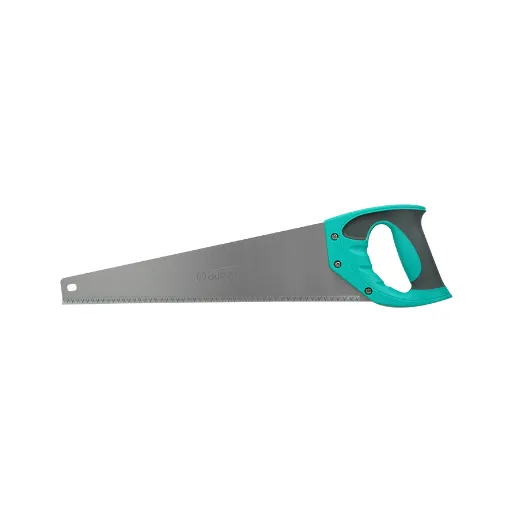
When sourcing hand saws for resale or professional use, evaluate these factors before placing an order.
Hand Saw TPI
Tooth count per inch is the fastest way to predict cut quality. Lower hand saw TPI removes material faster and suits rough work. Higher hand saw TPI gives smoother, slower cuts for finish and joinery. Metal and drywall need different counts again, so match TPI to the material your customers cut most.
Blade Material
- High-carbon steel sharpens easily and lasts for years with basic care.
- Induction-hardened teeth stay sharp far longer but usually cannot be resharpened.
- Stainless steel resists rust but may be less flexible.
- Bi-metal blades combine toughness and flexibility for demanding applications.
Handle Comfort
Ergonomic handles reduce fatigue during long cutting sessions. Look for contoured grips, non-slip materials, and balanced weight distribution. Wooden handles appeal to traditional buyers; rubberized or composite grips win on dusty, wet jobsites.
Hand Saw Blade Length and Kerf
Hand saw blade length matters for both speed and control. Longer blades track straighter and cut faster in open stock. Shorter blades give more control in tight spaces. A thin kerf removes less material, reduces binding, and improves accuracy.
Price-to-Performance Ratio
For distributors, the best hand saw line balances quality and margin. Mid-range models often outsell premium options because they meet the needs of both DIYers and professionals without excessive cost.
For more detail on technique and maintenance, see our guides on how to use a hand saw and hand saw sharpening.
Best Hand Saw by Material and Task
This is the selector most buyers need. Match the material or task to the right saw, TPI, and blade length.
| Material / Task | Recommended Saw | Hand Saw TPI | Hand Saw Blade Length | Why It Works |
|---|---|---|---|---|
| Softwood/framing lumber | Rip saw or universal panel saw | 4–7 | 20–26 in. | Fast stock removal, rough cuts |
| Hardwood/boards | Crosscut panel saw | 8–12 | 20–26 in. | Clean edges across grain |
| Plywood/sheet goods | Crosscut panel saw (fine) | 10–12 | 18–22 in. | Reduces tear-out on veneers |
| MDF / particle board | Crosscut saw with high TPI | 10–14 | 18–22 in. | Smooth, sealed edge |
| Trim/molding | Second-fix crosscut saw | 11–14 | 14–18 in. | Clean finish, less tear-out |
| Dovetails/joinery | Dovetail saw / Dozuki | 14–20 | 6–10 in. | Precision, thin kerf |
| Veneer/laminates | Japanese pull saw (Ryoba/Kataba) | 9–17 | 7–9.5 in. | Thin kerf, minimal splintering |
| Curves/coping | Coping saw | 15–24 | 6–7 in. blade | Rotating frame, replaceable blade |
| Metal/plastic | Hacksaw | 18–32 | 10–12 in. blade | Fine teeth for non-wood materials |
| Green wood/branches | Bow/pruning saw | 4–8 | 12–18 in. blade | Aggressive tooth set |
A quick story. Daniel, a Midwest distributor, rebuilt his hand tool wall in early 2026. He dropped three slow-selling specialty saws and doubled down on a solid crosscut, a ryoba pull saw, and a coping saw. Within a quarter, his hand saw returns fell and his average basket rose, because buyers could grab the right saw for the job without guessing.
Best Hand Saw Recommendations by Use Case
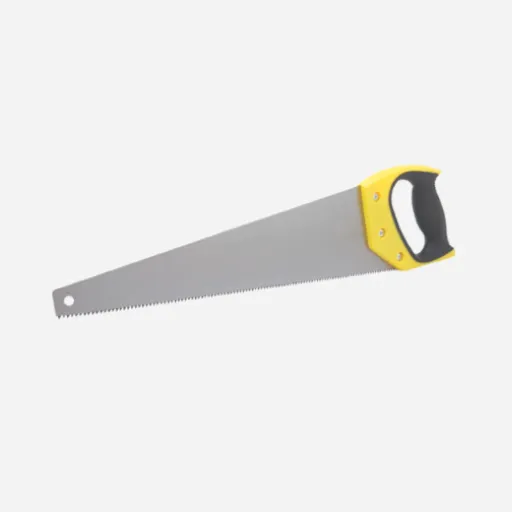
Best Overall: GreatNeck N2610 Cross Cut Hand Saw
The GreatNeck N2610 is widely recommended for its balance of price, durability, and cutting speed. Its 26-inch blade and aggressive tooth pattern handle framing, trim, and general woodworking.
Pros: Long blade for fast cuts, induction-hardened teeth, comfortable grip.
Cons: Less suited to fine joinery.
Ideal buyer: General contractors, hardware retailers, and job-site suppliers.
Best for Heavy-Duty Work: DEWALT DWHT20545L Panel Hand Saw
DEWALT’s 15-inch panel saw is compact enough for tight spaces but tough enough for daily use. The three-sided tooth design cuts on both push and pull strokes for efficiency.
Pros: Durable construction, fast cutting, trusted brand name.
Cons: Shorter blade limits reach on wide boards.
Ideal buyer: Professional tradespeople and tool distributors.
Best for Precision Woodworking: SUIZAN 7-Inch Japanese Ryoba Pull Saw
The SUIZAN Ryoba is a top choice for woodworkers who need clean, accurate cuts. One edge rips; the other crosscuts, giving users versatility in a single tool.
Pros: Thin kerf, smooth finish, dual-purpose blade.
Cons: Requires a different cutting technique than Western push saws.
Ideal buyer: Fine woodworking shops, furniture makers, and specialty retailers.
Best for Intricate Cuts: Irwin ProTouch Coping Saw
The Irwin ProTouch Coping Saw handles curves and internal cutouts that other saws cannot manage. Its rotating frame lets the user approach cuts from any angle.
Pros: Lightweight, replaceable blades, excellent control.
Cons: Not suitable for straight or heavy cuts.
Ideal buyer: Trim carpenters, hobbyist suppliers, and craft-tool retailers.
Best Value: Stanley 20-045 Fat Max Hand Saw
Stanley’s Fat Max line delivers reliable performance at a competitive price. The 15-inch blade and 11 TPI make it a practical choice for everyday carpentry.
Pros: Good balance of speed and finish, widely recognized brand, affordable.
Cons: Teeth may dull faster than premium induction-hardened options.
Ideal buyer: Budget-conscious buyers, general hardware stores.
Best for Fine Carpentry: Shark Corp 10-2312 Carpentry Saw
The Shark Corp carpentry saw is designed for precise, clean cuts in trim and finish work. Its fine teeth and rigid blade deliver control where accuracy matters.
Pros: Fine tooth pattern, clean edges, comfortable handle.
Cons: Higher price point than standard panel saws.
Ideal buyer: Finish carpenters, cabinet installers, specialty tool suppliers.
Hand Saw Comparison Table
| Feature | Crosscut Saw | Rip Saw | Japanese Pull Saw | Coping Saw |
|---|---|---|---|---|
| Cut direction | Across grain | With grain | Pull stroke only | Any curve |
| Typical TPI | 8–12 | 4–7 | 9–17 | 15–24 |
| Best material | Boards, trim | Framing lumber | Joinery, veneer | Trim, scrollwork |
| Skill level | Beginner to pro | Beginner to pro | Intermediate to pro | Beginner to pro |
| Price range | $ | $ | $$ | $ |
Hand Saw vs Circular Saw: When Manual Still Wins
Power saws dominate speed, but hand saws hold real advantages that keep them selling. They are quiet, cordless, precise for small cuts, and safer for detail work where a spinning blade is overkill. For a full breakdown, see hand saw vs circular saw.
Hand saws win on portability, control, and cost. They need no power source, weigh little, and let a skilled user stop a cut exactly on the line. Circular saws and other power tools win on volume cutting and long rip runs. For retailers and contractors, the smart play is to stock both, since most pros carry a hand saw even when they own every cordless option.
Don’t overlook metal cutting, either. A hacksaw and the right hacksaw blade cover conduit, pipe, and fasteners that wood saws can’t touch, rounding out a complete cutting lineup.
How We Evaluated These Hand Saws
Our evaluation focuses on the criteria that matter most to professional buyers and end users:
- Cutting performance on hardwood, softwood, and composite materials
- Blade durability, including tooth retention and rust resistance
- Ergonomics, including handle comfort and fatigue reduction
- Value, comparing price to expected service life
- Market demand, based on search trends and retailer feedback
For distributors, the goal is not just to find the best hand saw, but to build a product mix that covers the most common buyer needs at competitive margins.
Sourcing the Best Hand Saw for Your Business
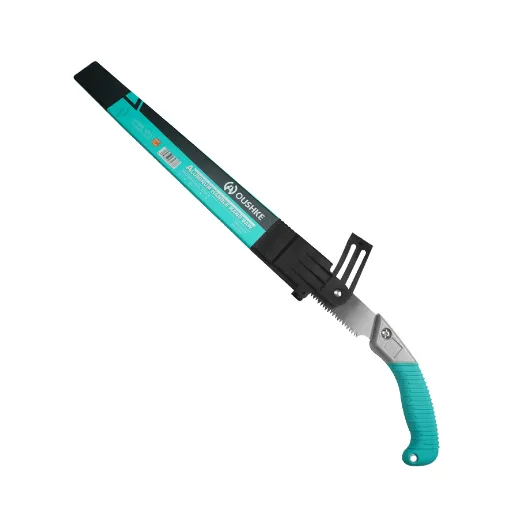
The global hand tools market reached roughly USD 27.6 billion in 2025, and cutting tools are projected to be among the fastest-growing segments, according to ResearchAndMarkets. Construction leads end-use demand, and Asia-Pacific holds the largest regional share, which keeps China-based manufacturing competitive on both cost and capacity.
If you are a distributor, retailer, or brand owner, the right manufacturing partner matters as much as the right saw. A dependable hand saw manufacturer should give you consistent steel grades, hardening you can verify, and the paperwork your market requires. For assortment planning and resale strategy, our guide to wholesale hand saws walks through margins, packaging, and import logistics.
Here’s what to lock down before you place an order:
- Blade steel and hardening: confirm 65Mn or SK5 high-carbon steel and the hardening method.
- Hand saw TPI and tooth geometry: match to your customers’ materials and cuts.
- Certifications: ask for CE and ISO 9001 documentation where your market needs it.
- MOQ and lead time: start with flexible quantities to test demand, then scale.
- OEM/ODM options: custom handle colors, tooth specs, logo printing, and private-label packaging.
A second story. Priya runs a small private-label tool brand selling into garden centers across Southeast Asia. In 2025, she sourced generic saws from a trading company and spent months fighting inconsistent hardness and late shipments. When she switched to a direct factory relationship with clear specs and multi-stage QC, her defect rate dropped, and she launched a branded three-saw set that now outsells her old single SKU. The saw did not change much. The supply chain did.
At Shanghai Oushike Hardware Tools Co., Ltd., we support buyers with factory-direct pricing, full OEM and ODM customization, flexible MOQs, multi-stage quality control, and export documentation. Whether you need standard saws for general distribution or a custom-branded line, our manufacturing team can take you from sample to shipment.
Best Hand Saw FAQs
What is the best hand saw for general use?
A 20 to 26 inch crosscut or universal panel saw with 8 to 12 TPI is the best hand saw for general carpentry and retail. It cuts boards, trim, and dimensional lumber cleanly, stays affordable, and suits beginners and pros alike.
What is the best hand saw for beginners?
A 15 inch hardpoint panel saw is the best starting point. It is compact, easy to control, and durable. The induction-hardened teeth stay sharp without any sharpening skills, which lowers the learning curve.
Should I choose a Japanese pull saw or a Western hand saw?
Pick a Japanese pull saw for fine joinery, thin kerfs, and smooth finishes. Pick a Western push saw for heavy stock removal, framing, and jobsite work where a stiffer blade helps. Many pros carry both.
How many TPI should a good hand saw have?
For rough cutting, 4 to 7 TPI works well. For general woodworking, 8 to 12 TPI is standard. For joinery and detail, 14 to 20 TPI gives the cleanest finish. Match the count to the material and the cut.
Can hand saws be resharpened?
High-carbon blades without hardened teeth can be resharpened with a saw file and saw set. Induction-hardened teeth stay sharp longer but usually cannot be resharpened, so you replace the blade or saw when it dulls.
What’s the difference between first-fix and second-fix hand saws?
First-fix saws are longer (20 to 22 inches) and aggressive (7 to 8 TPI) for framing and rough carpentry. Second-fix saws are shorter (14 to 18 inches) with finer teeth (11 to 14 TPI) for trim and finish work.
Conclusion: Choose the Best Hand Saw for the Job
The best hand saw is the one matched to the cut, the material, and the customer. Crosscut saws cover everyday work. Rip saws power through long cuts. Japanese pull and dovetail saws deliver joinery-grade precision. Coping saws handle the curves nothing else can reach.
For B2B buyers, the real win is a curated mix backed by a reliable supply chain. Stock a proven crosscut, add a pull saw for precision buyers, include a coping saw for detail, and source it all from a partner who controls quality and cost.
If you are building or upgrading a hand saw line, Shanghai Oushike Hardware Tools Co., Ltd. can help with factory-direct pricing, OEM and ODM customization, and flexible order quantities. Contact our team to discuss your requirements and get a quote tailored to your market.