
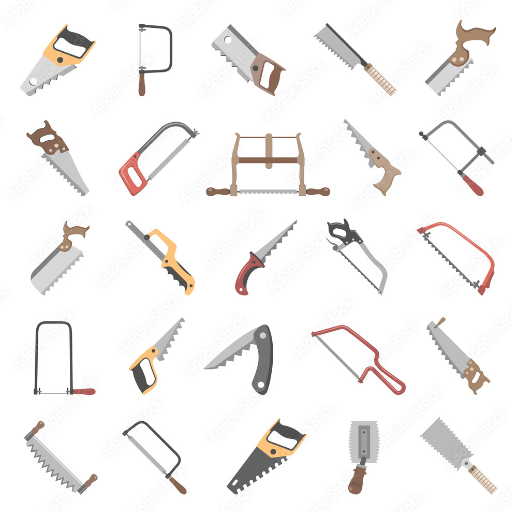
Types of Hand Saws: Complete Guide for Every Cut
Choosing the right types of hand saws makes the difference between a clean, precise cut and a frustrating struggle with your material. Whether you work in fine woodworking, handle daily construction tasks, or manage a hardware supply business, matching the correct saw to each job produces better results, saves time, and extends tool life.
This hand saw guide walks you through the essential types of hand saws you need to know. You will learn how rip saws, crosscut saws, coping saws, Japanese pull saws, and other varieties differ in design and application. By the end, you will know exactly which saw fits your project. If you source tools for a business, you will also understand what to look for in quality manufacturing.
Brief Introduction to Hand Saws
A hand saw is a manually operated cutting tool. It has a metal blade with sharp, serrated teeth along one edge and a handle for gripping. Unlike power saws, hand saws rely on your physical effort to drive the blade through wood, plastic, or soft metal.
Manufacturers classify hand saws by blade design, tooth pattern, and intended purpose. The blade length, tooth count per inch (TPI), and blade material determine what the saw can cut and how well it performs. A comfortable, secure handle matters just as much. It gives you the control and safety you need during repetitive cuts.
Why Choosing the Right Types of Hand Saws Matters
Every hand saw serves a specific type of cut. Using the wrong saw can damage both your workpiece and your tool. It also wastes time and increases fatigue.
For example, a crosscut saw cuts across the wood grain, while a rip saw runs along it. Using a crosscut saw for rip cuts produces rough, splintered edges and forces you to work harder than necessary. Getting this right keeps your work precise and reduces physical strain.
Key factors that affect saw performance include:
- Blade length: Longer blades cover more area per stroke and suit larger materials. Shorter blades give you better control for detailed tasks.
- Teeth per inch (TPI): TPI determines cut speed and surface finish. Lower TPI removes material faster but leaves a rougher edge. Higher TPI produces smoother results.
- Blade material: Modern saws made from high-carbon steel or bi-metal last longer and cut more consistently. For businesses that stock hand saws, blade material quality directly affects customer satisfaction and return rates.
Overview of Different Types of Hand Saws
The table below compares the most common hand saw types. Refer back to it as you read through the detailed sections that follow.
| Saw Type | Primary Use | Tooth Design | Best Materials | Cut Type | Key Features |
|---|---|---|---|---|---|
| Crosscut Saw | Cutting across the grain | Alternately beveled teeth | Hardwood, softwood | Cross-cut | Smooth finish, reduced splintering |
| Rip Saw | Cutting along the grain | Chisel-like teeth | Hardwood, softwood | Rip cut | Fast material removal, deeper cuts |
| Panel Saw | General sheet material cutting | General-purpose teeth | Plywood, MDF, particle board | Cross and rip | Versatile, good for sheet goods |
| Back Saw | Precision joinery work | Fine teeth | Hardwood, softwood | Cross-cut | Rigid back for straight cuts |
| Coping Saw | Intricate curves and shapes | Thin blade with fine teeth | Wood, thin materials | Curved cut | Rotatable blade, replaceable |
| Bow Saw | Cutting logs, pruning | Wide teeth | Green wood, logs | Cross-cut | Tensioned blade, heavy-duty |
| Japanese Pull Saw | Precision woodworking, flush cuts | Pull-stroke teeth | Hardwood, softwood | Cross and rip | Thin kerf, superior control |
| Keyhole Saw | Small curved cuts, electrical boxes | Tapered blade, coarse teeth | Drywall, wood, plastic | Plunge and curved | Slim profile for tight spaces |
| Pruning Saw | Trimming trees and shrubs | Curved blade, coarse teeth | Green wood, branches | Cross-cut | Folding design, outdoor use |
| Hacksaw | Cutting metal and plastic | Fine, hardened teeth | Metal, plastic, pipe | Cross-cut | Replaceable blade, adjustable |
Types of Hand Saws for Woodworking

Woodworking hand saws are where these tools truly show their value. Each type of hand saw serves a distinct purpose, and using the right one transforms the quality of your work.
Crosscut Saws
A crosscut saw cuts across the wood grain. Its teeth are alternately beveled, which means they act like tiny knives slicing both sides of the cut. This design produces a smoother finish with less tear-out than other saw types.
Modern crosscut saws use high-carbon steel blades and ergonomic handles. You can find them in several blade lengths and tooth configurations to match different wood thicknesses and hardness levels. For professionals who cut hardwoods daily, a quality crosscut saw with induction-hardened teeth holds its edge far longer than budget alternatives.
Rip Saws
A rip saw cuts parallel to the wood grain. Its chisel-shaped teeth work like a row of small chisels, chipping out material along the grain line instead of slicing through fibers. This approach removes material fast.
Rip saws typically have 5 to 8 TPI, which allows them to clear out material quickly. The trade-off is a rougher surface, so you typically follow a rip cut with planing or jointing. Treated teeth on modern rip saws reduce how often you need to sharpen, keeping performance consistent over extended use.
Back Saws
A back saw features a stiffened upper edge along its thin blade. This reinforcement stops the blade from flexing during detailed joinery cuts like dovetails, tenons, and miters.
Back saws come in several styles. Dovetail saws have the finest teeth for the most delicate joinery work. Tenon saws run slightly larger, designed for deeper cuts where you still need absolute straightness. If your work demands precise, repeatable joinery, a quality back saw is essential.
For businesses that manufacture or stock back saws, blade stiffness and tooth consistency are the two quality markers your customers will notice first. Inconsistent tooth grinding leads to wandering cuts and frustrated users.
Coping Saws
The coping saw handles intricate shapes and curves that straight saws cannot reach. It uses a thin, narrow blade held under tension in a U-shaped frame. You can rotate the blade to different angles, which lets you cut in any direction without repositioning the workpiece.
Coping saw blades are replaceable and available in different tooth counts for various materials. They excel at cutting internal shapes. For example, removing waste from a dovetail joint or cutting an interior cutout in a board both call for a coping saw.
Japanese Pull Saws
Japanese pull saws work differently from Western designs. They cut on the pull stroke instead of the push stroke. This pulling action naturally tensions the blade, keeping it straight as it cuts. The result is better control and a thinner blade that produces a finer kerf with less wasted material.
These saws come in three main styles:
- Dozuki: A back saw equivalent with a rigid spine, used for fine joinery
- Ryoba: A double-edged saw with rip teeth on one side and crosscut teeth on the other
- Kataba: A single-edged saw for general-purpose cuts and flush-cutting tasks
For anyone doing precision woodworking, the pull-saw design offers a level of control that push-style saws struggle to match. The thin kerf also means less effort per cut. This makes a real difference during long work sessions.
Hand Saws for Construction Tasks
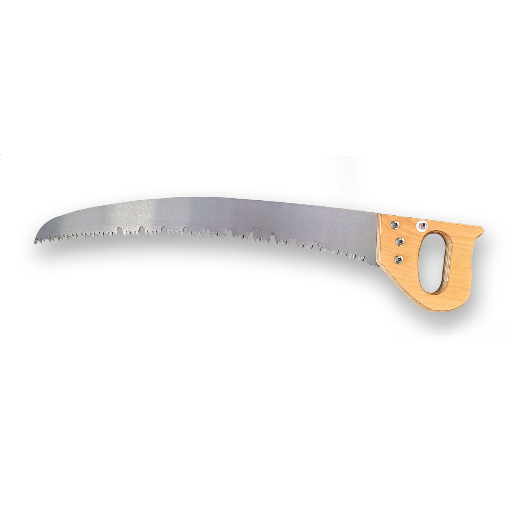
Pruning Saws
Pruning saws trim tree branches and shrubs with a compact, controllable design. They typically use curved blades with coarse, wide-spaced teeth that avoid clogging when cutting through green, sap-heavy wood.
Many modern pruning saws feature blade coatings that resist rust and corrosion from moisture and plant sap. Folding or retractable designs make them safe to carry in a tool belt or pocket. This portability matters for arborists and landscapers who move between job sites all day.
Frame Saws
A frame saw holds a tensioned narrow blade within a rigid frame. Adjustable screws or a turnbuckle system keep the blade straight and tight. Because the blade is thin and tensioned, it produces very little wasted material per cut. This efficiency is an advantage for fine cabinetry and timber framing where material costs add up quickly.
Modern frame saws use high-strength alloys for the blade and lightweight aluminum or composite materials for the frame. Many accept replaceable blades, so you swap to a fresh cutting edge without replacing the entire tool.
Panel Saws
Panel saws cut large sheet materials like plywood, medium-density fiberboard (MDF), and particle board. You will find them in two configurations:
- Vertical panel saws: These save floor space and work well for general shop use. The material stands upright against the frame while you pull the saw downward through the sheet.
- Horizontal panel saws: These keep the material flat on a table for better stability. They suit higher-production settings where throughput matters most.
Modern panel saws include laser guides, digital measuring systems, and dust collection ports. Blade guards and automatic braking add important safety measures. For workshop operations that process sheet goods regularly, a quality panel saw pays for itself through accuracy and reduced material waste.
Hand Saw Safety Tips
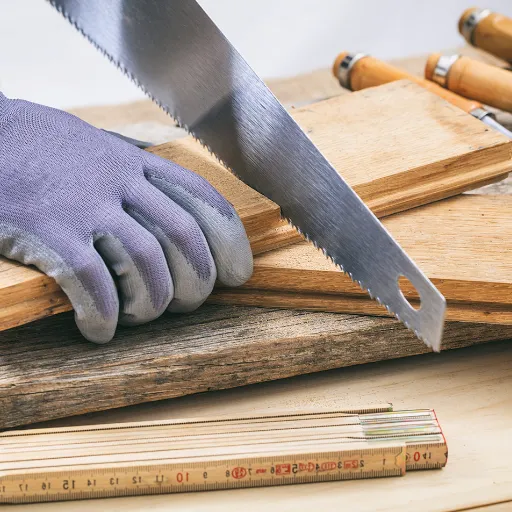
Hand saws are manual tools, but they still demand respect. A sharp blade and good technique prevent injuries and produce cleaner results.
Secure the workpiece first: Always clamp or brace your material before starting the cut. A shifting workpiece leads to binding, kickback, or cuts that wander off your mark. Do not hold small pieces by hand while sawing. Use a bench vise or clamps.
Start the cut carefully: Place the saw on the waste side of your layout line. Pull back gently on the first stroke to create a shallow starting notch. Once the blade seats itself, you can push forward with full strokes. Forcing the start causes the blade to jump, which can damage your material or your hand.
Use the right posture: Stand so your sawing arm lines up with the cut line. This alignment keeps the blade straight and reduces binding. Let the saw do the work. Pressing down with excessive force tires you out and makes the blade wander.
Protect yourself: Long sleeves tied back, safety glasses, and closed-toe shoes are the minimum for hand saw work. Sawdust and broken teeth can fly toward your face without warning. Some hardwoods, like ipe and teak, produce dust that irritates skin and lungs. Wear a dust mask when cutting these species.
Inspect the blade: Before each use, check for bent teeth, cracks, or rust pitting. A damaged blade can snap under tension. Dull teeth force you to push harder, which increases the chance of slipping. Replace or sharpen blades at the first sign of wear.
Technical Specifications of Hand Saws

Understanding the technical side of hand saw blade types helps you make better buying decisions. This is true whether you purchase for personal use or for stocking a retail or wholesale inventory.
Understanding Tooth Count (TPI)
Teeth per inch (TPI) measures how fine or coarse a saw blade is. This number directly affects cut speed and surface quality.
- 3-7 TPI (coarse): Best for construction lumber and fast stock removal. Expect a rough finish.
- 8-12 TPI (medium): The all-purpose range. Suitable for most general woodworking tasks.
- 13-14+ TPI (fine): Ideal for hardwoods, joinery, and finish work. Produces the smoothest surface.
As a practical rule, match your TPI so that at least three teeth contact the material at all times during the cut. Fewer than three teeth engaging at once leads to chattering and a poor-quality cut.
Common Blade Materials
Blade material determines how long a saw holds its edge and what materials it can handle. Here is how the common options stack up:
| Material | Best For | Durability | Key Benefit |
|---|---|---|---|
| Carbon Steel | General woodworking | Moderate | Good sharpness, affordable |
| High-Speed Steel | Harder materials | High | Holds edge longer |
| Stainless Steel | Outdoor/wet conditions | Moderate | Rust-proof |
| Tool Steel | Precision/heavy use | Very High | Excellent wear resistance |
| Bi-Metal | Demanding applications | Very High | Combines flexibility with hardness |
For professional and trade use, bi-metal and tool steel blades deliver the best long-term value. They cost more upfront but last significantly longer, which reduces downtime from blade changes. If you distribute or retail hand saws, stocking a range across these material grades lets your customers match their budget to their usage intensity.
How Blade Design Affects Cutting Performance
Tooth geometry determines whether a saw cuts fast or leaves a smooth surface. Crosscut teeth slant backward and slice wood fibers cleanly. Rip teeth present a chisel-like face that scoops out material. Using the wrong tooth geometry for the cut direction wastes effort and produces poor results.
Tooth set is how far individual teeth bend outward from the blade body. A wider set prevents binding in green or resinous wood. A narrower set suits dry hardwood and fine joinery where you want a thin kerf and clean edges.
Gullet size affects chip removal. The gullet is the space between teeth that carries sawdust out of the cut. Larger gullets handle softer, fibrous woods that produce more debris. Smaller gullets suit hardwoods that create finer dust.
Blade coatings and treatment extend working life. Titanium coatings reduce friction. Anti-friction coatings help the blade glide through material. Induction-hardened teeth maintain sharpness far longer than untreated steel.
Selecting the Right Hand Saw

Choosing a hand saw that matches your job comes down to four factors: material, cut direction, tooth count, and build quality.
Match the Saw to Your Material
- Hardwoods (oak, maple): Use small, sharp teeth to prevent splintering. Back saws and fine-toothed crosscut saws work best.
- Softwoods (pine, fir): Coarser teeth cut faster without clogging. Rip saws and medium-pitch crosscut saws handle softwoods efficiently.
- MDF and plywood: These manufactured materials need blades that cut through varying densities without splitting the outer veneers. Panel saws and fine-toothed general-purpose blades are ideal.
- Metal and plastic: Use a hacksaw with fine, hardened teeth. Match the TPI to the material thickness. Thinner stock needs more teeth in contact to avoid snagging.
Check Your Cut Direction
Check the cutting direction before you start. Crosscuts run across the grain and need beveled teeth. Rip cuts run along the grain and need chisel-shaped teeth. Using the correct tooth configuration for the cut direction is the single biggest factor in getting clean results with less effort.
Choose the Right Build Quality
For occasional home use, a well-made carbon steel blade handles most tasks. For professional daily use, invest in bi-metal or tool steel blades that hold an edge longer. The cost difference pays back through fewer blade replacements and less sharpening downtime.
Look for these quality signs when evaluating any saw, whether for personal use or inventory sourcing:
- Even, consistent tooth grinding without burrs
- A securely attached handle with comfortable grip material
- Straight, flat blade stock without visible warping
- Smooth finish on the blade surface
Tips for Choosing the Right Blade
A few practical points to keep in mind when selecting replacement blades or evaluating new saws:
- Tooth count and finish: 60 to 100 teeth deliver smooth, clean edges for finished surfaces. Fewer than 40 teeth suit rough framing or fast cutting where surface quality does not matter.
- Blade diameter: Match the blade diameter to your saw model. Panel saws and frame saws each have specific size requirements.
- Material-specific design: Use metal-cutting blades with lubricated coatings. Use plastic-cutting blades with high tooth counts to avoid melting. Use diamond-tipped blades for masonry.
- Arbor size: Verify that the arbor hole matches your saw. A common size is 5/8 inch.
- Coatings and treatments: Titanium, anti-friction, and carbide-tipped coatings extend blade life and improve cut quality.
- Kerf thickness: A narrow kerf saves material and requires less cutting effort. A wider kerf adds stability for demanding cuts but wastes more stock.
Hand Saw Maintenance: Extending Tool Life
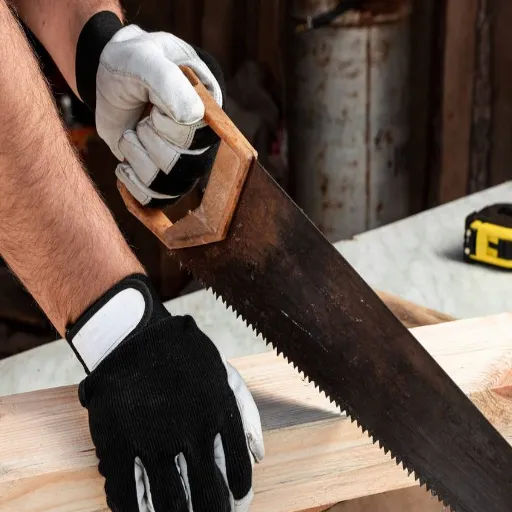
Taking care of your hand saws keeps them cutting cleanly and extends their working life. A few simple maintenance habits make a noticeable difference.
Cleaning after use: Wipe down the blade with a dry cloth to remove sawdust and resin buildup. For stubborn pitch from softwoods, use a blade cleaner or mineral spirits. Let the blade dry completely before storing.
Rust prevention: Store saws in a dry environment. A light coat of paste wax or silicone-free tool oil on the blade prevents rust without transferring to your workpieces. Silicone-based products can interfere with wood finishing, so choose your protectant carefully.
Sharpening: A sharp saw cuts faster and requires less effort. Rip saws are easier to sharpen at home because of their simple tooth geometry. Crosscut saws benefit from professional sharpening unless you have the proper file size and a saw vise. If you stock a tool inventory for your business, establish a regular sharpening schedule to keep every saw in ready condition.
Proper storage: Hang saws by the handle or store them with blade guards. Avoid tossing them loose in a toolbox where teeth can bump against other tools and dull or chip.
Conclusion
Understanding the different types of hand saws helps you make better decisions in the workshop and in the supply chain. Whether you reach for a crosscut saw to trim a board, a rip saw to dimension lumber, a Japanese pull saw for fine joinery, or a coping saw for intricate curves, each tool serves its specific purpose.
Key points to remember:
- Match the tooth geometry to the cut direction (crosscut vs. rip)
- Choose the TPI based on your finish requirements and material type
- Invest in quality blade materials for professional or frequent use
- Maintain your saws with regular cleaning, rust prevention, and sharpening
For businesses that supply hand saws to professionals, quality consistency and durable blade materials keep your customers coming back. Shanghai Oushike manufactures hand saws with strict quality control at every stage of production. Our factory-direct model eliminates middleman markups, helping distributors and wholesalers stay competitive in their markets. We also offer OEM and ODM services for partners who want to build their own branded hand saw line with custom specifications and packaging.
If you are sourcing hand saws for wholesale, distribution, or private labeling, explore our range of hand saws. For guidance on selecting the right supplier, read our saw blades manufacturer guide. For personalized recommendations, see our best hand saw buying guide.
Frequently Asked Questions (FAQs)
What are the most common types of hand saws?
The most common hand saw types include rip saws, crosscut saws, backsaws (tenon and dovetail), and coping saws. Each one handles a different cutting task, from rough dimensioning of lumber to precise joinery. Knowing the differences between these types is key to successful woodworking.
How do different types of hand saws differ from each other?
Hand saws differ primarily in tooth design, blade stiffness, and intended cutting direction. Rip saws have chisel-like teeth for cutting along the grain. Crosscut saws use beveled teeth for cutting across the grain. Back saws feature brass or steel backings that add rigidity for fine joinery work.
Can a power saw replace a hand saw?
Power saws offer speed and consistency for high-volume work, but hand saws hold an advantage where precise control matters. Hand saws also work well in locations without electricity or in situations where you need to minimize noise and dust. Most professional workshops keep both on hand.
What is a keyhole saw used for?
A keyhole saw makes small, curved cuts in drywall, wood, or plastic. Its narrow, tapered blade plunges into surfaces and navigates tight spaces. Use it when you need to cut holes for electrical boxes, plumbing pipes, and other utility openings where a larger saw cannot reach.
What is the difference between push and pull saws?
Western saws cut on the push stroke, which requires a thicker blade to prevent buckling. Japanese pull saws cut on the pull stroke, which naturally tensions the blade and allows for a thinner kerf. The result is less wasted material, lower cutting effort, and better control, especially for precision tasks like flush-cutting dowels and fine joinery.
How many TPI do I need for fine woodworking?
For fine woodworking and joinery, choose blades with 13 to 14 TPI or higher. This tooth count produces the smoothest surface and provides enough control for dovetails, tenons, and other detailed joinery. Dovetail saws and fine backsaws typically fall in this range.
What hand saw is best for beginners?
Beginners should start with a general-purpose crosscut saw in the 8-12 TPI range and a Japanese pull saw like a Ryoba. The crosscut saw handles most basic cuts in common lumber, while the Ryoba’s pull-stroke design offers better control and a smoother finish with less effort. Both saws are forgiving and help build confidence before moving to specialized tools.