
Best Pry Bar: A Practical Guide to Wrecking Bars and Crowbars
Choosing the best pry bar for your work can mean the difference between finishing a job efficiently and struggling with the wrong tool. Whether you run a construction crew, stock a hardware store, or manage a tool brand, understanding the differences between wrecking bars, crowbars, and other prying tools helps you make better sourcing and purchasing decisions.
At Shanghai Oushike Hardware Tools, we manufacture and supply professional-grade hand tools for industrial, commercial, and wholesale buyers. This guide breaks down what to look for in a quality pry bar, compares the most common types, and recommends top options by use case.
What Is a Pry Bar?

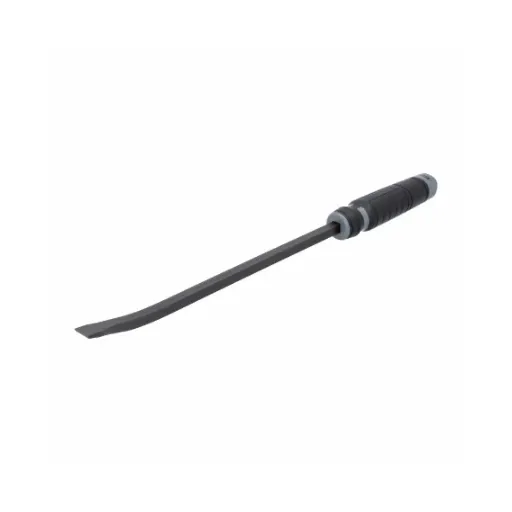
A pry bar is a lever-style hand tool used to separate, lift, pull, or position materials. It gives the user a mechanical advantage, making it easier to remove nails, pry apart boards, lift heavy objects, or open tight joints.
Pry bars come in many shapes and sizes. Some are short and flat for precision work. Others are long and heavy for demolition. The right choice depends on the task, the material, and how much force the user needs to apply.
For B2B buyers, pry bars are a staple in construction, renovation, landscaping, and automotive tool kits. They are also popular additions to private-label tool lines because they are durable, easy to source, and widely used across trades.
Types of Pry Bars
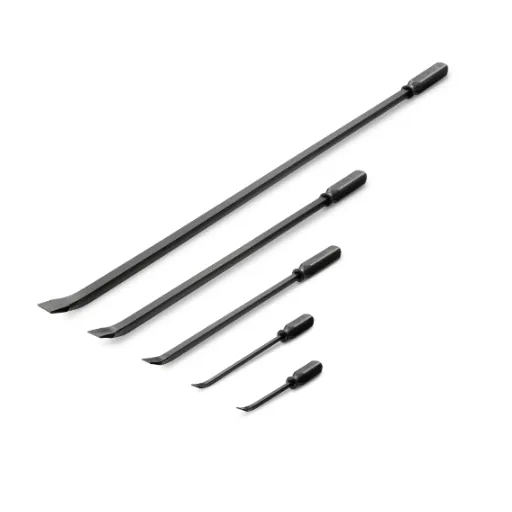
Understanding the different types of pry bars makes it easier to choose the right model for your market or application.
Wrecking Bars
Wrecking bars are heavy-duty prying tools built for demolition. They are usually made from round or hexagonal high-carbon steel and measure 30 inches or longer. One end often has a gooseneck or claw for nail pulling, while the other has a chisel or flattened tip for prying.
These bars are ideal for tearing out decks, removing framing, breaking apart pallets, and separating large structural components.
Crowbars
A crowbar is a type of pry bar with a curved, hooked end and a flattened working end. Crowbars are versatile tools used in construction, rescue work, automotive repair, and demolition. They range from 12 to 36 inches and offer strong leverage for general prying tasks.
Many people use the terms “crowbar” and “wrecking bar” interchangeably, but they are not identical. Crowbars are typically more curved and lighter, while wrecking bars are longer and built for maximum force.
Flat Pry Bars and Wonder Bars
Flat pry bars, also called wonder bars, have a flattened profile with nail puller slots at both ends. They are lighter and easier to control than crowbars, making them ideal for trim work, flooring, baseboard removal, and delicate demolition.
Common lengths range from 7 to 18 inches. Their flat shape reduces surface damage, which is important for finish carpentry and renovation work.
Cat’s Paw Nail Pullers
A cat’s paw is a short, precision pry bar designed specifically for removing embedded nails. It has a sharp, curved claw that digs into wood around a nail head. Cat’s paws are essential for rough carpentry, demolition, and salvage work.
Pinch Bars and Railroad Bars
Pinch bars have chisel or wedge-shaped tips for separating heavy objects. They are often used in landscaping, masonry, and railroad work. Railroad bars are longer versions used to lift and position heavy materials like timbers, stones, and rails.
Best Pry Bar Picks by Category
The following recommendations are based on common professional and industrial use cases. Specifications are representative of standard product offerings available through quality manufacturers and tool suppliers.
| Category | Recommended Type | Typical Length | Best For |
|---|---|---|---|
| Best Overall Pry Bar | 15-inch flat pry bar/wonder bar | 15 inches | General use, trim, and flooring |
| Best Wrecking Bar | 36-inch high-carbon wrecking bar | 30–36 inches | Heavy demolition |
| Best Crowbar | 24-inch curved crowbar | 18–24 inches | Versatile prying and nail pulling |
| Best for Tight Spaces | 11-inch cat’s paw nail puller | 10–12 inches | Precision nail removal |
| Best for Landscaping | 60-inch pinch point pry bar | 48–72 inches | Lifting stone, timber, posts |
| Best Value Set | 4-piece demolition set | Mixed | Crews and renovation teams |
Best Overall Pry Bar: 15-Inch Flat Pry Bar
A 15-inch flat pry bar is the most versatile option for everyday professional use. It is long enough for solid leverage but short enough for control. The flat profile reduces damage to finished surfaces, and the dual nail pullers handle most fastening removal tasks.
Pros:
- Lightweight and easy to carry
- Works for trim, flooring, and light demolition
- Dual nail pullers increase utility
- Lower risk of surface damage
Cons:
- Not strong enough for heavy framing demolition
- Limited reach compared to longer bars
Best Wrecking Bar: 36-Inch High-Carbon Steel Wrecking Bar
For heavy demolition, a 36-inch wrecking bar delivers the leverage and durability professionals need. High-carbon steel construction withstands high impact and repeated bending force. The gooseneck end pulls large nails, while the chisel end drives under boards and framing.
Pros:
- Excellent leverage for heavy materials
- Durable enough for daily demolition work
- Handles large nails and stubborn fasteners
- One-piece forged design reduces breakage
Cons:
- Heavy and tiring for extended use
- Too large for precision or finish work
Best Crowbar: 24-Inch Curved Crowbar
A 24-inch curved crowbar balances leverage and portability. It works well for general construction, mechanical repair, and medium-duty demolition. The curved end provides strong prying angles, and the flattened tip slips easily under nails and boards.
Pros:
- Versatile across many trades
- Stronger than flat bars but more manageable than wrecking bars
- Good for nail pulling and prying
Cons:
- Less precision than a cat’s paw
- Less power than a full-length wrecking bar
Best for Tight Spaces: 11-Inch Cat’s Paw Nail Puller
When nails are deeply embedded or space is limited, a cat’s paw is the right tool. Its sharpened claw bites into wood around the nail head, allowing the user to pull fasteners with minimal surface damage.
Pros:
- Excellent precision in tight areas
- Lightweight and portable
- Faster than hammer claws for deep nails
Cons:
- Leaves small surface marks
- Not suitable for heavy prying
Best for Landscaping: 60-Inch Pinch Point Pry Bar
Landscaping and groundwork often require lifting heavy stones, timbers, and posts. A 60-inch pinch point pry bar provides the length and strength needed for these tasks. The chisel tip starts the lift, and the long handle multiplies force.
Pros:
- Maximum leverage for heavy objects
- Useful for soil breaking and concrete edging
- Reduces physical strain on workers
Cons:
- Heavy and specialized
- Not designed for nail pulling
Key Features to Look For in the Best Pry Bar
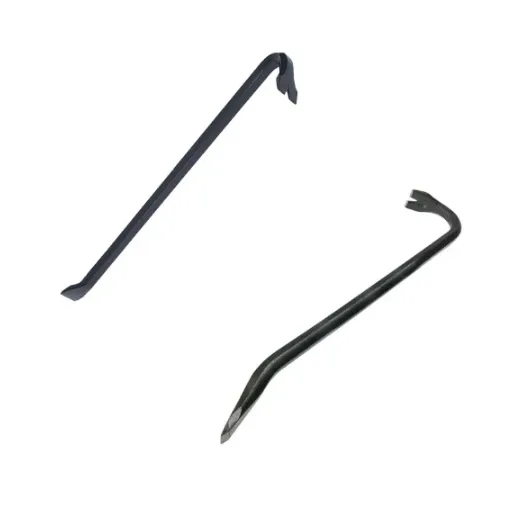
When sourcing pry bars for resale, rental fleets, or professional crews, focus on these quality indicators.
Material and Construction
High-carbon steel is the most common material for pry bars because it combines strength, hardness, and affordability. Heat-treated and forged steel offers better durability under stress. For premium or lightweight applications, some manufacturers offer titanium or alloy steel options.
Coatings such as powder coat, phosphate, or epoxy help prevent rust and extend tool life. For buyers in humid or outdoor markets, corrosion resistance is a key selling point.
Length and Leverage
Longer bars provide more leverage but add weight. A 15-inch bar works for general tasks, while 30- to 36-inch bars are better for demolition. For industrial lifting, bars up to 72 inches may be required.
When choosing inventory, consider offering a range of lengths. This lets your customers match the tool to the job rather than making do with the wrong size.
Tip and Head Design
The shape of the working end determines what the pry bar can do effectively. Flat tips are better for slipping under materials without damage. Chisel tips are better for breaking and lifting. Curved or gooseneck ends improve nail pulling and prying angles.
Handle and Grip
Many professional pry bars have bare steel shafts, which are durable and easy to clean. For high-frequency use, models with cushioned or anti-vibration grips reduce hand fatigue and improve control. This feature is especially valuable for crews doing demolition or renovation full-time.
Weight
Heavier bars generate more force but require more effort to use. Lighter bars are easier to carry and maneuver, but may not handle heavy tasks. The best pry bar for a specific job balances these factors.
Wrecking Bar vs. Crowbar: What’s the Difference?
The difference between a wrecking bar and a crowbar comes down to design and intended use.
| Feature | Wrecking Bar | Crowbar |
|---|---|---|
| Primary Use | Heavy demolition | General prying and nail pulling |
| Shape | Straight or slightly curved with a chisel end | Curved hooked end with flattened tip |
| Length | 30–36 inches common | 12–24 inches common |
| Weight | Heavier for maximum force | Lighter and more portable |
| Best For | Framing, decks, pallets, heavy materials | Construction, repairs, automotive |
Both tools are types of pry bars, and both use the same lever principle. The best choice depends on how much force the job requires and how much space the worker has.
Best Pry Bar for Different Applications
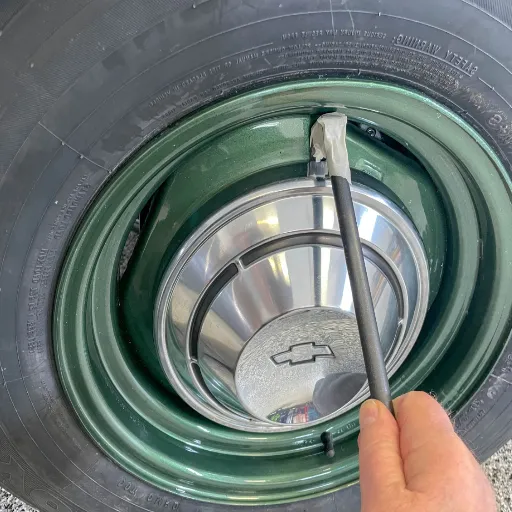
Matching the right pry bar to the application improves efficiency and reduces tool damage.
Construction and Demolition
For tearing out walls, removing decking, and dismantling framing, use a 30- to 36-inch wrecking bar or heavy crowbar. The extra length provides leverage, and the gooseneck end handles large fasteners.
Finish Carpentry and Renovation
For baseboard removal, flooring work, and trim salvage, a 15-inch flat pry bar or wonder bar is the better choice. The flat profile protects surrounding surfaces and gives the user enough control for precise work.
Automotive and Mechanical Repair
Mechanics often use short crowbars and pry bars for aligning parts, separating components, and removing fasteners. A 12- to 18-inch curved crowbar offers good control in tight engine bays and under vehicles.
Landscaping and Groundwork
For moving stones, lifting timbers, and removing posts, a pinch point bar or railroad bar is essential. These long, heavy bars multiply force and reduce the physical strain on workers.
Emergency and Rescue Use
In rescue situations, crowbars and pry bars are used to pry open doors, move debris, and create access. Durability and reliability are critical, so forged one-piece designs are preferred.
Safety Tips for Using Pry Bars
Even simple hand tools can cause injury when used incorrectly. Share these safety practices with your crew or customers.
- Choose the right size pry bar for the task. Using a bar that is too small increases the risk of bending the tool or losing control.
- Inspect the bar before each use. Check for cracks, bends, or worn tips that could fail under load.
- Wear appropriate personal protective equipment. Safety glasses, gloves, and steel-toe boots reduce injury risk during demolition.
- Maintain a stable stance. Keep your feet positioned to avoid slipping if the tool breaks loose.
- Apply force gradually. Sudden movements can cause the bar to slip and strike the user or nearby workers.
- Watch the surroundings. Make sure no one is in the path of the tool or falling material.
Maintenance Tips for Long Tool Life
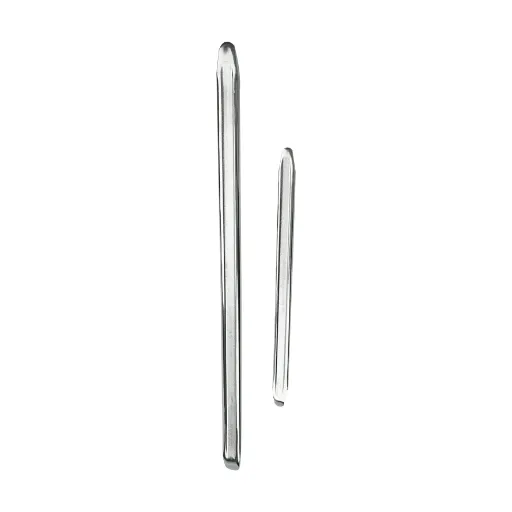
Pry bars are low-maintenance tools, but proper care extends their service life.
- Clean the bar after use to remove dirt, concrete, and debris.
- Dry the tool before storage to prevent rust.
- Store in a dry location away from moisture.
- Touch up worn edges with a grinder when needed.
- Apply a light coat of oil to uncoated steel bars for corrosion protection.
For wholesale buyers and tool brand owners, offering pry bars with protective coatings and clear care instructions can improve customer satisfaction and reduce returns.
Frequently Asked Questions
What is the best pry bar for general use?
A 15-inch flat pry bar, also called a wonder bar, is the best pry bar for general use. It is versatile, lightweight, and suitable for trim, flooring, and light demolition.
What is the difference between a pry bar and a crowbar?
A crowbar is a type of pry bar with a curved, hooked end. All crowbars are pry bars, but not all pry bars are crowbars. Pry bars include flat bars, wrecking bars, cat’s paws, and pinch bars.
Which is better for demolition: a wrecking bar or a crowbar?
A wrecking bar is better for heavy demolition because it is longer, heavier, and built for maximum leverage. A crowbar is better for general prying and medium-duty tasks.
What material is best for pry bars?
High-carbon steel is the most common and reliable material for pry bars. Heat-treated and forged steel offers extra durability. Titanium is used for lightweight specialty tools.
How do I choose the right pry bar length?
Match the length to the task. Use 10- to 15-inch bars for precision, 18- to 24-inch bars for general work, and 30- to 36-inch bars or longer for heavy demolition and lifting.
Conclusion
The best pry bar depends on the job at hand. For general professional use, a 15-inch flat pry bar offers the best balance of control and leverage. For demolition, a 36-inch wrecking bar delivers the force needed to tear out framing, decking, and pallets. For tight spaces and precision nail removal, a cat’s paw is the right choice.
When sourcing pry bars for your business, prioritize material quality, length variety, and ergonomic features. Shanghai Oushike Hardware Tools supplies durable, factory-direct hand tools for distributors, contractors, and brand owners worldwide. Contact our team to discuss bulk orders, OEM options, or custom specifications for your tool line.