
Best Hand Tools for Automotive Mechanics: Professional Guide
In the case of car repairs/fixes, having the proper hand tools at one’s disposal could lead to the difference between the success of the job and the frustration of an unproductive garage. No matter if you are a professional with vast experience or just a newbie in the world of mechanics, getting high-quality, reliable tools is mandatory to be the first one in terms of efficiency, precision, and safety. This manual is designed to provide you with comprehensive information about the hand tools that every automotive mechanic must have in their possession, thus assisting you in creating a top-notch toolkit. We’ll be covering the necessary tools starting from wrenches to screwdrivers that enable the mechanics to perform a myriad of different jobs with absolute certainty. So, get ready to boost your tool skills to the next level!
Introduction to Automotive Mechanic Tools
Importance of Quality Hand Tools for Every Mechanic
The mechanic’s toolbox would be incomplete without quality hand tools since they are the ones that keep an entire workflow running smoothly, safe, and correct. Tools of the superlative quality are the ones specifically created to take a lot of use and at the same time make the least amount of noise and, most importantly, ensure that the most critical fixes are done. Thus, this robustness not only helps save money in the long run but also contributes to the overall throughput by cutting down on the time lost due to problems with tools.
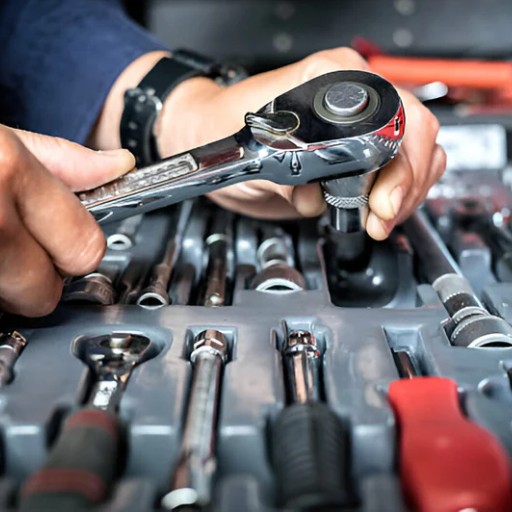
Another important thing that quality tools bring along is exactness. Repairing works on cars usually need to be very thorough and meticulous, where even a little mistake could lead to a very costly mechanical problem. Hand tools of the highest quality standards are designed for such precise working, thus facilitating proving results by the mechanics, leading to satisfied customers. To illustrate, a ratchet wrench which is nicely made will be capable of giving better torque control than a poorly made counterpart, hence, the chance of either of over-tightening or under-tightening a fastening will be lessened.
To sum up, quality tools are one of the factors that add safety to the workplace. Poorly manufactured tools could be the cause of accidents since they might give way under pressure and thus, besides the mechanic getting hurt, the car might also get damaged. However, the use of well-designed tools made from the best materials not only guarantees safety but also makes the work comfortable ergonomically. Mechanics are able to rely on their performance since they are fully equipped with the demand of their trade when they opt for top-notch hand tools.
Overview of Essential Tools for Automotive Repair
When it comes to fixing cars, there is no way around the fact that a trustworthy set of hand tools is an absolute necessity for taking care of everything from minor repairs to a major diagnostic job. The most important tools are still the wrenches, sockets, and screwdrivers, and they are the core of all operations loosening or tightening nuts and bolts. A wide-ranging socket set consisting of tools of various sizes guarantees that you are up for the task of dealing with different car brands while at the same time combination wrench gives you the advantage of flexibility. A screwdriver of various sizes and head types like flat-head and Phillips would be indispensable for unlocking and securing fasteners in cramped areas.
Another must-have category is diagnostic tools, which help the mechanic to pinpoint the problems accurately. An OBD-II scanner is one of the main tools for error code reading and vehicle performance checking in modern cars. Multimeters are also indispensable for electrical systems testing, i.e., they show which parts of the wiring and circuits are working and which are not. Not only do these diagnostic tools cut down on the time spent in the workshop but they also allow for great precision in quickly fixing faults.
Finally, tools for the exact purpose of performing repair tasks such as torque wrenches, brake caliper tools, and oil filter wrenches, are categorized as specialty tools. A torque wrench makes sure that the nuts and bolts are turned to the density specified by the manufacturer, thus eliminating the problem of both over-tightening and under-tightening. Brake repair tools help one to carry out the service of vital components safely and the oil filter wrenches make the routine maintenance tasks less of a hassle. Thanks to these absolutely necessary tools, the mechanics of today can do their jobs of automotive repairs with confidence and effectiveness, without compromising on safety or reliability and thus, ensuring the vehicle’s performance is always at its best.
Choosing the Right Tool for Specific Mechanic Tasks
The selection of the precise tool for each mechanic task has both artistic and scientific aspects, and it is mainly dependent on one’s grasp of the job and the tools at hand. I, for one, usually start by evaluating the job and then linking the tools that will offer both the maximum speed and the finest quality. To illustrate my point, a spring compressor is a must when working with suspension repairs as it is the only way to deal with coil springs safely. In the same way, a diagnostic scan tool is a necessity when dealing with electronic and engine-related issues as it enables to identify and fix them very rapid. By equipping myself with the right tools specifically designed for the job, I cut down on errors and increase the throughput in the workshop.
Quality and longevity of the tools are also part of the criteria I consider when making selections. It is true that at first, purchasing top of the line tools could be viewed as costly but in the long run, they save you a lot on maintenance and repairs. A good example is a high-end torque wrench that is used for fastening bolts to the very place which is not only for safety but also for longevity of the related parts. Also, I always look for new tools that can possibly make the repair process easier and more effective by checking reviews and doing some reading. A good set of tools not only eases the work but also guarantees the same quality of results.
Lastly, organization is always one of the factors I take into account when I work. Being aware of the location of my tools and taking care of them properly allows me to dedicate my whole time on the repair and not on looking for misplaced things. A well-arranged and clean toolbox speeds up and makes easier the process of dealing with specific tasks. Generally speaking, the combination of the right tools, along with the right preparation and maintenance, is what gives me the confidence to tackle any repair job with the highest degree of professionalism.
Detailed Review of Specific Hand Tools
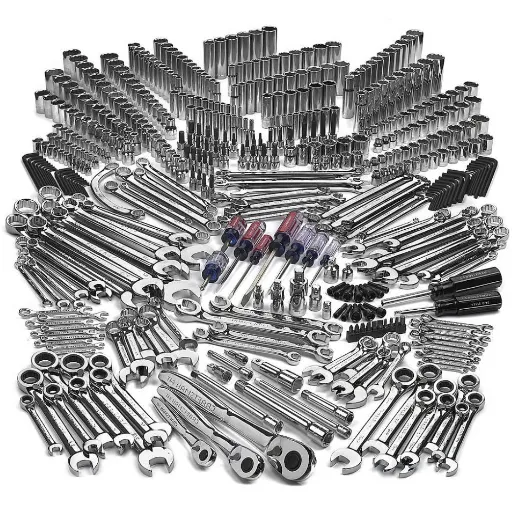
Sockets: Versatility and Use Cases
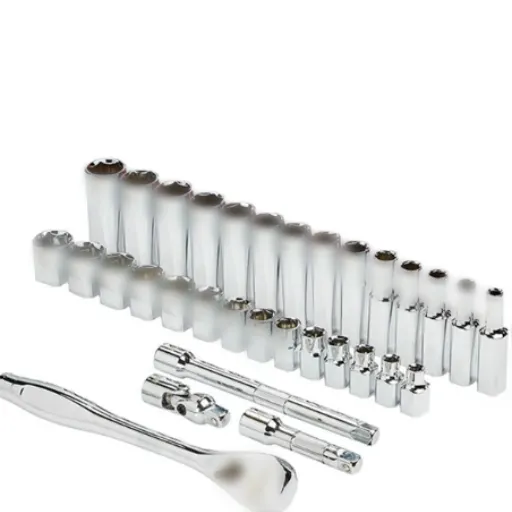
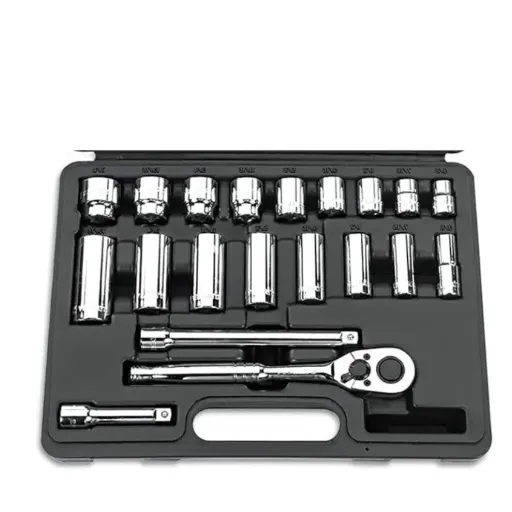
The sockets, due to their great versatility and adaptability, are essential and indispensable tools for any mechanic or technician. Their ratchet or other driver tools use is directly determined by their fastener loosening or tightening functions done very efficiently. Sockets are offered in a comprehensive range of sizes and kinds that assure their use with almost every imaginable bolt or nut configuration. Working on an auto repair, furniture assembly, or maintenance of heavy machines, Sockets make the process of working faster and give consistent results.
Sockets are one of the main advantages which can give the user very high voltage leverage that practically eliminates the physical effort needed for the standard wrench. A deeper socket is an example of the best choice for bolts having longer threading, and an impact socket is one more example especially made for withstanding the high-torque needs of power tools without breaking. As well, a universal joint socket is another example which offers an extra advantage of flexibility by facilitating the access to fasteners located on corners where the traditional tools would be found difficult to reach.
Moreover, Sockets are available in several drive sizes of 1/4-inch, 3/8-inch, and 1/2-inch to fit different tasks. Besides, metric and imperial measurement options are provided along with them to ensure accurate compatibility for the vast range of applications. So, pairing up the right accessories like extensions or adapters with a socket, one can solve even the most complex mechanical problems quite easily. The strength and effectiveness of sockets are what make them an essential part of professional as well as DIY tool kits providing a trustworthy solution for fastener tasks in every industry.
Impact of Quality Screwdrivers on Repair Efficiency
The quality of the tools used has a great impact on the efficiency of repair work, and screwdrivers are no different. Best screwdrivers guarantee accurate control, lessen the chances of ruining the fasteners, and permit more operation and handling during the process. Finishers also speed up the operations by taking away the hard part of the tasks and the result is quicker and more productive people. Here are five major points where quality screwdrivers influence the efficiency of repair:
- Ergonomic Design: Screwdrivers of a high standard usually have ergonomic handles that lessen the stress on the hands and at the same time give better grip, making it easier for the users to work on the complicated repairs for longer periods.
- Durable Materials: The top quality screwdrivers cannot be destroyed easily since they are made of strong materials like chrome-vanadium steel, which also makes them long lasting and resistant to damage even when used under high torque conditions.
- Precision and Fit: The screwdrivers are made with high precision so that they can fit the fasteners perfectly, which helps to avoid the problems of stripping screws or causing other damages.
- Variety of Tips and Sizes: The great screwdriver sets come with a wide variety of tips types (e.g., Phillips, slotted, Torx) and sizes, thus permitting to work with different fasteners and applications.
- Magnetic Tips: The magnetic tips of the premium screwdrivers make the work to be done more efficiently since they hold the screws firmly in position, making it easy to work in areas that are tight or hard to reach.
High-quality screwdrivers, equipped with these features, become a must-have category of tools for both professional and DIY users as they help to keep the repair operations smooth and efficient all the way through.
Choosing the Right Pliers for Different Tasks
Choosing the right pliers for a task is not only the beginning of the road to good results but also to the safe use of the tool. Pliers are first and foremost multi-purpose tools and their different designs are dedicated to different applications. For example, the use of needle-nose pliers is recommended for activities that require the utmost precision in very small areas such as wiring or working with jewelry. In contrast, diagonal cutting pliers are suited for cutting, wire or cable, or small metal pieces very accurately and with less effort.
In the case of gripping and bending, the slip-joint type of pliers allows the user to change the jaw opening size and thus is good for working on different sizes of materials. On the contrary, locking pliers (also called vise-grips) are the best for places where you want to keep things steady while doing tasks like clamping or undoing rusted bolts. Water pump pliers are the last mentioned but, with their large jaw opening, they have frequented the plumbing and mechanic workshops, as they provide the capability to hold both round and unevenly shaped items.
Getting familiar with the various pliers and their respective uses can lead professionals and hobbyists alike to a faster, smoother, and safer working process while retaining the quality of their tools for a longer time.
Specialized Tools for Advanced Mechanics
Understanding the Use of Pry Bars in Auto Repair
Pry bars are really important in the auto repair field because they help with lifting, separating and aligning the parts of the car that are crazy or up against each other. They exist in different sizes and shapes, and each is meant for a different job, such as removing parts that were stuck, lifting heavy components, or matching the holes for inserting bolts. For instance, flat pry bars are often a go-to for separating difficult brake caliper components while, on the other hand, rolling-head pry bars are the perfect partner for aligning tasks in tight spaces with precision.
Using heat-treated steel and other super materials, bar pry assures a long life and does not easily yield or bend even when as much force is applied. Mechanics give preference to long-handled pry bars because they offer more leverage in high-torque situations like the dislodging of rusted or heavy-duty suspension parts. The right technique is very important to avoid the moment when both the tool and the vehicle are being worked on get damaged, so the mechanic needs to be especially careful in not applying too much force or prying against sensitive areas.
By equipping themselves with these high-tech tools and knowing their right application, auto repair technicians can not only work faster and more accurately but also be less likely to break parts in the course of their work.
Power Tools vs. Hand Tools: When to Use What
Power tools are ideal for speed and heavy-duty tasks, while hand tools are better for precision, control, and quieter operations.
|
Key Point |
Power Tools |
Hand Tools |
|---|---|---|
|
Speed |
Fast |
Slow |
|
Precision |
Moderate |
High |
|
Control |
Less |
More |
|
Noise |
Loud |
Quiet |
|
Safety |
Riskier |
Safer |
|
Use Case |
Heavy-duty tasks |
Fine detail work |
|
Portability |
Less portable |
Highly portable |
Tools Essential for Heavy Machinery Repairs
Using heavy machinery implies having to deal with a lot of large and complicated components that require special and durable tools. Among the key tools that are necessary for giant machines’ repairs we can find torque wrenches, hydraulic jacks, pullers, and heavy-duty socket sets. Its safe and easy-to-use design makes the hydraulic torque wrench especially helpful since it allows you to accurately tighten bolts to get the desired level of structural integrity for instance, just like pullers that are simply not to be mentioned when talking about safely removing gears and bearings without infliction of damage to the components being operated on.
Also, another equally important aspect in heavy machinery repair is the diagnostic equipment. New heavy machines typically come with highly developed electronic systems that need diagnostic scanners to pinpoint conveniently and precisely right the faults. These devices are greatly helpful to technicians as they make the repair process quicker thereby reducing the cost of the wait and also guaranteeing that the machines are operating at their best standards.
The modification, grinding, and fabricating of components made of metal is done using angle grinders and plasma cutters which provide both the power and accuracy needed for the particular task. In conjunction with the proper safety measures such as wearing helmets and gloves meant for welding, these tools still manage to offer safe and proficient metal working.
The return on investment when it comes to the quality of the tools used in heavy machinery repairs is not only seen in terms of equipment lifespan but also in terms of safety and productivity in the workplace.
Comparative Analysis of Hand Tools
Value for Money: Budget vs. Premium Tools
Budget tools are cost-effective for light use, while premium tools offer durability, precision, and better ergonomics for demanding tasks.
|
Key Point |
Budget Tools |
Premium Tools |
|---|---|---|
|
Cost |
Low |
High |
|
Durability |
Short-term |
Long-lasting |
|
Precision |
Moderate |
High |
|
Ergonomics |
Basic |
Advanced |
|
Use Case |
Light tasks |
Demanding tasks |
|
Value |
Cost-effective |
Long-term savings |
|
Performance |
Adequate |
Superior |
Evaluating Tool Performance and Longevity
When evaluating the performance and lifespan of tools, it is very important to take into account the materials, the manufacturer’s experience and the particular applications for which the tools are made. Budget tools usually have cheaper materials which makes them less durable and thus able to perform less over time. On the contrary, high-quality tools sometimes excessively use such and very advanced materials like high-strength steel or composite alloys ensuring the great lifespan even in the most stringent conditions.
Another major point to investigate is the degree of wear and tear. Tools that are to get heavy and constant use need to be made of good materials and to be precisely engineered to give maintainance of daily performance. High-end tools often offer very strict tolerances and apply cutting-edge production methods which allow them to be performing consistently across quite long periods of time. In contrast, if the user is going to do light tasks, he can choose low-end tools but he will have to accept that their performance will drop sooner especially when they are pushed beyond their designed limit.
Nevertheless, the selection between economy and premium tools still rests on the user’s demands and priorities. In the case of infrequent, low-intensity applications, budget tools may be the only solution. On the other hand, professionals or hobbyists involved in demanding projects will undoubtedly appreciate best the investment into premium tools since they provide the best accuracy, durability, and value for money in the long run. Consequently, by considering these factors, you can make sure that the tools you choose not only serve their intended purpose but also provide the best performance.
Practical Tips for Mechanics
How to Choose the Right Tools for Your Auto Shop
Durability, compatibility, and efficiency are the key factors when choosing automotive tools. Repair types and services are the ones to analyze first, which are the most frequent in the auto shop. This will clarify the tools needed the most for your daily operations. Look for high-quality material tools, like chrome-vanadium steel as an example, which are more resistant to wear and corrosion, thus, ensuring long-lasting performance.
Precision tools are the ones to be invested in especially when it comes to modern cars, which sometimes need specialized equipment to deal with the advanced systems. For instance, diagnostic tools with OBD-II compatibility are necessary for good troubleshooting and locating faults in computerized vehicle systems. Likewise, torque wrenches with digital readouts may enhance precision and cut down the chances of over-tightening.
Moreover, think about how your tools can be made to last longer. Modular toolsets and expandible storage solutions can take the growth of your business into account. It is also a good idea to choose brands that provide lifetime warranties or excellent after-sales support in order to make the most of your investment.
Last but not least, ergonomic designs should not be ignored. Tools that have comfort grips and are lightweight can be used for a longer periods of time with less strain, thus, increasing overall productivity and safety of your staff. Your auto shop will be ready for all kinds of repairs if you merge good planning with a strong focus on quality and functionality.
Insights for Beginners: Starting Your Tool Collection
It could feel like a huge task to gather your first set of tools, but if you start with the must-haves, it will be easier to go through it. Think of getting the most common, qualified tools that can serve you in many ways. The basic hand tools, including wrenches, screwdrivers, pliers, and a socket set, should be the core of your collection. These are the must-have tools for most car maintenance work.
Besides, it is must-have for anyone working on cars to have an entry-level torque wrench, a jack, and properly rated jack stands, so that they can be safe and accurate. Besides that, the automatic diagnostic tool or code reader to quickly find common problems can be a great investment—especially in the modern garage that deals with advanced vehicle systems.
The organization of your tools should be done in a strong toolbox or a workstation that is easy to reach to keep the area tidy and not to lose any tools. Gradually, you can collect more tools according to your particular needs and likes, so that you are ready for any job that may come into your shop.
Advanced Tips for Seasoned Professionals
It is imperative for the veterans of the automotive sector to be in the loop with the most advanced technologies and the best practices in order to secure their competitive position. Therefore, they should purchase the high-end diagnostic software that encompasses data analysis in real-time with advanced troubleshooting capabilities. The use of these tools will enable the professional to locate the root of complicated issues with higher precision and will also cut down the amount of time that would have been used for trial and error diagnostics.
The employment of the predictive maintenance techniques based on vehicle data trends can also unlock a great deal of efficiency. By keeping an eye on the engine performance, battery health, or transmission wear, for example, you can actually solve the problem before it worsens. Consequently, not only will the vehicle’s downtime be reduced, but also the client’s trust will be won by the display of a customer-oriented mindset.
On the other hand, training is another very important component. The constant involvement in workshops, certifications, and online courses keeps one skilled in the areas of new electric vehicle (EV) technologies, advanced driver-assistance systems (ADAS), and other innovations that are still very recent. The state-of-the-art equipment along with the policy of learning is a sure foundation for offering service that is up to the highest standards in the fast-changing industry.
References
-
Essential Auto Mechanic Tools: Complete Tool List – Universal Technical Institute (UTI)
This resource provides a comprehensive list of core tools, including ratchets, wrenches, sockets, and torque measurement tools, essential for automotive technicians. -
Top 10 Must-Have Industrial Maintenance Tools – San Joaquin Valley College (SJVC)
This guide highlights essential tools like multimeters, torque wrenches, and power drills, tailored for industrial and mechanical maintenance. -
Beginner’s Auto Maintenance & Repair – West Virginia Department of Transportation
This document introduces industry-standard tools used in professional mechanic shops, such as torque wrenches and hydraulic lifts. - Click here to read more.
Frequently Asked Questions (FAQ)
Q: What tools would be the foundation of a reliable mechanic tool set?
A: The foundation of a reliable mechanic tool set includes professional-grade tools, hand tools, and cordless power tools in different varieties. High-end wrenches and sockets, impact wrenches, screwdrivers, pliers, and a sturdy toolbox should be the first things to buy. All those brands have a variety of tools to choose from and support many mechanics. You can choose a brand that you trust and give priority to the storage and organization of tools so that the tools not only last but also work smoothly in the busy repair shops or home garages.
Q: Do cordless impact wrenches receive a better rating for auto repair shops and mobile mechanics?
A: Yes, cordless impact wrenches have gained such a status in mechanics’ world because they are powerful and portable. Mechanic shops and mobile auto mechanics gain a lot of advantages when they use cordless power tools as they become more productive and able to work in different environments. Therefore, choose long-lasting batteries and consider a reputable brand so you can be sure to get tools that will last even under heavy use.
Q: What tools every mechanic needs for starting in an auto repair shop or home garage?
A: The complete tools for every mechanic consist of a complete set of wrenches and sockets, ratchets, torque wrenches, a selection of screwdrivers, pliers, impact wrenches, jack and stands, diagnostic tools, and a reliable tool box. Other essentials include safety equipment, shop lighting, and tool storage. Some brands offer mechanic tool sets that are composed of individual pro-grade items, so every tool can be either professional-grade or budget-friendly, depending on your needs. Typical lists may also recommend many tools like specialty pry bars, hammers, and measuring tools for the wide spectrum of tasks in the automotive industry.
Q: Can the quality of tools be good even if I do not spend a fortune equipping an auto repair shop?
A: Yes, it is possible. Many brands make different tools at different price levels, letting repair shops and professionals rank their expenditures based on necessity. Initially, the tools that are fundamental to your shop will be the wrenches and sockets, torque wrenches, impact wrenches, and quality diagnostic tools—afterward, you can add the specialty tools. Combine purchases of reputable brands for the most used tools with reliable, more affordable options for occasional use.
Q: How vital is tool storage and management software for a busy automotive shop?
A: Tool storage is of utmost importance—properly utilizing tool boxes, pegboard, and labeled drawers helps the technicians to locate the tools promptly and at the same time safeguard the most valuable items like impact wrenches and diagnostic equipment. Larger shops can also benefit from management software that tracks inventory, tool checkouts, and service history; thus, ensuring that tools are available when needed and minimizing losses at the same time. Repair shops that combine physical organisation of tools with management software are adopting a best-practice approach for professional automotive mechanics.
Q: In the case of the best tools for mechanics, what safety equipment should be of primary importance?
A: Basic safety gear comprises safety goggles, gloves, hearing protectors, jack stands, fireproof overalls, and good airflow when handling chemicals. If tools are dangerous for the user, they can also be broken more quickly when they are not of the highest quality, so pairing up the best quality tools with safety gear not only protects the technicians but also extends the tool’s life. Many tool brands a nd suppliers are offering safety products in combination with tool purchases for repair shops that are new to staff.