
Hand Tool Warranties: What to Look for When Buying
Investing in hand tools, the majority of the buyers would look at only quality, durability, and price. But what about warranty that comes with your tools? A good warranty isn’t a mere detail in the buying process, but it’s a protection that will prevent you from being frustrated, wasting your time, and losing your money in future. In fact, whether you are a professional tradesman or only a do-it-yourselfer, knowing how to judge the hand tool warranty can help you make smartest purchases. This article points out the significant areas in warranties to keep an eye on and equips you with the info you need to pick tools that are both high-performing and low-stress.
Understanding Hand Tool Warranties
What is a Hand Tool Warranty?
A hand tool warranty is a manufacturer or seller’s promise that the tool will be free of material and production defects if used under normal conditions. It also confirms the tool bought passes the quality and reliability standard, thus the consumer gets the assurance that the product will do its job. In case a defect occurs in the warranty period, usually the manufacturer will take care of the cost of repair, replacement, or refund.
Warranties this way differ quite a lot regarding the time for which the tools will be covered and the conditions that apply. There are some brands that give life warranties, which is pretty much a promise of support as long as the customer has the tool, while there are others with a limited coverage like one or five years. Usually, the warranty terms clearly state what is included and what not but one should always check them carefully. Usually covered are problems like defective materials or manufacturing mistakes but the normal use, abuse, and modification are the most common situations that lead to the warranty not applying.
💡 Important to Know
It is very important to understand the warranty procedure. Proof of purchase such as a receipt will be required by many manufacturers and they might even have special instructions for the claim. The warranty process might involve contacting customer service, sending the product to an approved service center, or going to a store. A straightforward and dependable warranty not only secures your investment but also shows the manufacturer’s assurance in the quality of their product.
Types of Warranties Available
It’s very important to know the various kinds of warranties that could be given when a product is being bought. Manufacturer warranties, extended warranties, and lifetime warranties are among the most prevalent types. Each one has its own conditions which are aimed at covering defects, repairs, or replacements based on certain rules as specified.
Manufacturer Warranty
A manufacturer warranty is the basic coverage that is given by the company that makes the product. It usually lasts a specific time, for instance, one year, and generally covers defects of materials or workmanship. The warranty will assure the customer that, in the case of a defective product, the customer will not have to pay anything for the repair or replacement service given within the specified duration by the company.
Extended Warranties
On the contrary, extended warranties provide more protection than the initial manufacturer’s warranty. In general, they are optional and entail an additional charge. These warranties come in handy when high-value items like electronics or appliances are involved, as they increase the consumer’s comfort level and reduce the chances of incurring repair costs over the prolonged time of warranty.
Lifetime Warranties
Lifetime warranties cover the product for the whole time it is used. The company may have different meanings for the term “lifetime”—it can either be the product’s lifespan that is assumed under normal use or the lifetime of the first buyer. Such a warranty often means that the company is sure about the product’s durability and quality. Learning about the differences of these warranty types can very much help you to take proper decisions when buying goods.
Lifetime Warranty vs. Limited Warranty
Lifetime warranties offer coverage without a time limit for defects, while limited warranties provide restricted coverage based on specific terms or ownership duration.
| Aspect | Lifetime | Limited |
|---|---|---|
| Duration | Unlimited | Restricted |
| Coverage | Defects Only | Specific Terms |
| Ownership | Any Owner | Original Only |
| Claims | Anytime | Conditional |
| Cost | Higher | Lower |
Importance of Warranties for Tools
Why Warranties Matter for Users
The warranty is among the primary factors that influence consumers’ decisions when buying tools because it gives them the assurance that the product will perform well and will last longer. Tools have a typical use situation in demanding environments which wear them down faster than expected. The warranty, hence, provides the user a safeguard against unanticipated expenses that may arise due to manufacturing flaws or breakdowns, which in turn, leads to a greater trust in their purchase. Both the individual and the professional customer benefits from it since it usually times and costs them less by minimizing the need for replacement or repair.
Through the comprehension of differences in warranty types such as lifetime and limited warranties, consumers can tailor their decisions according to their specific needs. For instance, lifetime warranties offer the coverage flexibility without any time limit and are best suited for the super tools that can last for decades. Conversely, limited warranties might be more than enough for the occasional user who values low price and has predictable tool use. The right warranty plan can help users to maximize their investment by ensuring that the tool matches their budget as well as their long-term expectations.
Moreover, warranties are a reflection of the manufacturer’s trust in the quality of their tools, serving as an indicator of reliability and artistry. Firms that provide complete warranties are more often than not regarded as reliable and thus, differentiated in a competitive market. To the users this reliability is of high importance, particularly when the tools are necessary for their financial survival. The granting of warranties not only adds to the customer’s experience but also increases the customer’s loyalty, thus, making it a win-win situation for both the users and the manufacturers.
Benefits of a Solid Warranty
🎯 Key Statistics
79% Customer Preference
Studies reveal that 79% of buyers tend to go for a brand with a trustworthy warranty option.
25% Retention Increase
Companies that give good warranties have an increase of 25% in customer retention rates.
67% Premium Willingness
67% of consumers are willing to pay more for a product that is under a broad warranty policy.
Enhanced Customer Trust
A strong warranty acts as a trust factor of the customer and tells a company that the product’s quality is good enough to be guaranteed.
Improved Customer Retention
Warranties help brands to keep their customers coming back to them since they are a form of security for the customers, thereby developing a strong bond of trust between the customer and the brand.
Competitive Advantage
A company’s comprehensive warranty is a clear sign of its superiority over its competitors. It is a sign of quality and customer care and can even lure new customers in a market full of options.
Reduced Buyer’s Remorse
Purchase regrets are highly unlikely among the customers who had the warranty because of the protection they felt against the quality issues or malfunctions.
Boosted Sales and Revenue
Companies that have efficient warranty programs are usually the ones that enjoy the increase in sales.
All these advantages point out quite clearly that a strong warranty not only takes care of the customers but also contributes to the growth and sustainability of the business.
Common Misconceptions About Warranties
The warranties concept is still quite misunderstood among consumers and businesses, thus urging a need for clarification and the taking of lost opportunities. The first among the many misconceptions is that warranties cover the whole product—anything that goes wrong with it would be claimed under the warrant. Nonetheless, the contractors specify precise terms, conditions, and limitations that determine the extent of coverage; these include defects in the use of materials or processes, not damage by misuse or regular wear and tear.
Another regular misunderstanding is the belief that longer warranties always indicate higher-quality products. Yes, an extended warranty may provide greater peace of mind but is not necessarily a direct measure of product quality. Companies frequently offer extended warranties as a marketing tactic to create trust in the customer and add value.
Finally, some consumers think that the warranty use would always be a difficult or a long process. The opposite is the case, as a lot of companies have been able to simplify their warranty claims processes making it the customers’ turn to create and have cases quickly resolved. If consumers got educated on these issues, it would lead to a healthy buying process and happiness in general.
Evaluating Warranty Policies
Key Factors to Consider
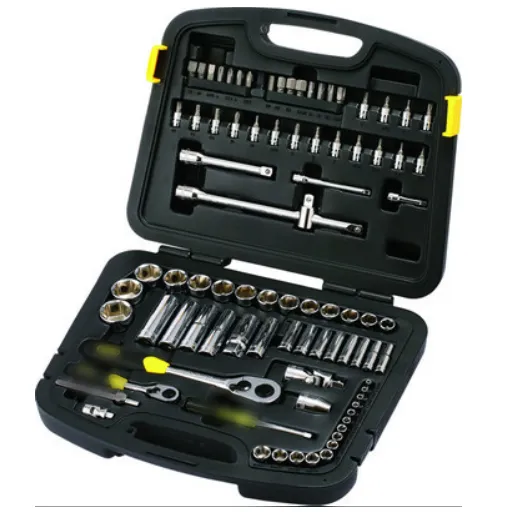
Several major factors must be considered when evaluating warranty policies so that the policies are in accordance with your requirements and expectations. The first factor to be looked at is the warranty duration. Generally, the longer the warranty period, the more it shows the manufacturer’s confidence in the quality of their product. Moreover, carefully reviewing what the warranty covers is necessary. This involves finding out if the coverage includes normal wear and tear, manufacturing defects or limited use, etc.
✓ Evaluation Checklist
- ✓ Review the warranty duration and what it signifies about product confidence
- ✓ Identify what’s covered: manufacturing defects, normal wear, specific use cases
- ✓ Understand enumerated exclusions and limitations
- ✓ Assess the warranty claim process and customer support availability
- ✓ Research the company’s reputation through customer reviews and feedback
Another issue of utmost importance is the warranty’s enumerated exclusions and limitations. Knowing where these limits are set would help avoid surprises when making a claim. In the same way, assess the warranty claim process. To support customers without difficulty, the trend among current companies is to offer easy-to-use online portals or customer service that is available 24/7.
By the way, it is the company’s reputation concerning warranty obligations that consumers should consider last but not least. Customer reviews and feedback from independent sources can tell a lot about how nicely companies keep their promises and how quickly and efficiently they handle complaints. The combination of these insights with the company’s honest terms and conditions allows the customers to make decisions that are not only informed but also confident ones.
Coverage Terms and Exclusions
When looking into warranty services, it is very important to understand the specifics of coverage terms. The coverage terms in a warranty plan define the extent of the warranty including the kinds of the provider’s repairs, replacements, or refunds that will be done. These covenants frequently have timeframes, such as one year or a few years, varying by the product and its provider.
On the other hand, exclusions talk about the no covered under warranty scenarios or damage. According to the circumstances, Accidental damage is one of the most common exclusions along with misuse of the product and the product wearing out over time. For example, warranties for electronics might exclude liquid damage, while warranties for furniture might not cover the scratching or staining from normal use.
⚠️ Critical Advice
It is advisable to have a thorough review of the terms and exclusions in a warranty agreement so as to eliminate the possibility of unexpected financial burdens. Besides, consumers can avail themselves of the product life cycle insights or customer reviews done by independent sources to have a wide view of the situation and thus pick the right choice for them.
Comparing Leading Brands
Customer Reviews and Satisfaction
The assessment of customer feedback and satisfaction rates for top brands reveals that the product’s quality, customer service and warranty fulfilling are the main reasons of such disparity in users’ experience. Reviews generally praise the brands for different aspects, some of which include easy-to-use, fast-responding support teams and long-lasting products. On the other hand, customer dissatisfaction is often associated with companies that are slow in responding to claims or with unfulfilled warranty promises. By considering these factors, consumers will be in a better position to make their choices and also avoid making the same mistakes. Besides, it’s very important to spot trends in the feedback as reoccurring issues in several reviews might point to a company’s flawed policies.
A recent market analysis shows that customer satisfaction is generally higher for those brands that maintain transparency and communication. For example, companies that give a clear explanation of their warranty policy or provide extra support usually get customers’ loudest praises. Moreover, certain brands have come up with new tools like chatbots and round-the-clock support hotlines to make it easier for users to get help if needed. Not only do these measures improve customer satisfaction but they also win the customers’ loyalty by showing the company’s determination to sort out the problems in a quick and efficient manner.
Comparing customer reviews with analysis from other sources, like rankings from consumer advocacy groups, or independent surveys, gives one a more comprehensive view of the company’s reputation. It also helps to eliminate the impact of extremely positive or negative individual reviews, which are often penned down after very few or very bad experiences. The consumers’ choice can be backed by the independent data which can be seen as evidence of the products’ performance and reliability. This approach guarantees a comprehensive viewpoint, thus making it easier to decide on a purchase that comes with minimum risks.
Price vs. Warranty Value
Price reflects the upfront cost, while warranty value represents the long-term benefits and protection against potential repair expenses.
| Aspect | Price | Warranty Value |
|---|---|---|
| Cost | Upfront | Long-term |
| Coverage | None | Repairs |
| Risk | High | Reduced |
| Duration | Immediate | Extended |
| Factors | Fixed | Variable |
Maximizing Your Warranty Benefits
Tips for Maintaining Your Hand Tools
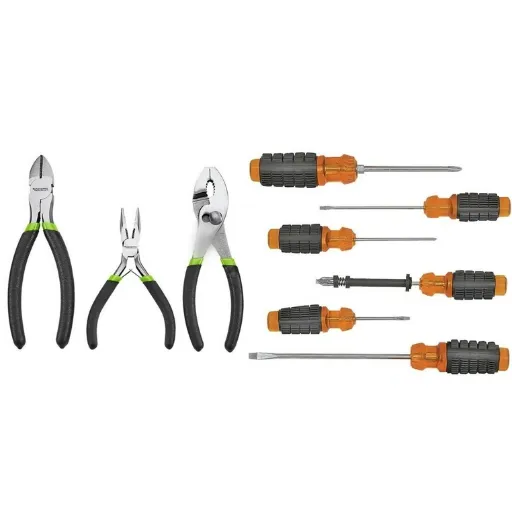
The correct upkeep of hand tools is a must in order to keep them working well and last longer. Here are some main tips that will support you to keep your tools in top condition:
🧹
Clean Thoroughly After Use
Always make sure to wipe down all tools after each use taking off dirt, grease or debris. This will stop any buildup of those things which can cause rusts or diminishing the tool’s efficiency.
🔍
Inspect for Damage Regularly
Do a regular examination of tools and look for cracks, dullness and wear. If you tackle small problems instantly, larger ones can be avoided.
💧
Parts That Move Need Lubrication
The application of lubricants that are suitable for the tools with joints or movable parts, reduces friction and makes for smooth operation.
🗄️
Tools Should Be Stored the Right Way
A dry, well-organized storage solution is worth the investment to keep the tools from getting moist and also from the elements that can make them rusty.
⚙️
Sharpening and Calibrating
To maintain blades and cutting edges that are sharp and to ensure tools that are requiring calibration are adjusted properly.
When you make it a point to practice these things, you will be able to hand tools that are more efficient and of a longer life, thereby save time and money in the long run.
How to File a Warranty Claim
Claiming a warranty is very easy, and I will assist you throughout the whole process. Firstly, get everything, every little thing related to your product ready, such as the receipt of the purchase, warranty details, and any serial or model numbers. This paper work will not only validate your claim but also ensure no delays.
📋 Step-by-Step Claim Process
1
Gather Documentation
Gather Documentation
Collect purchase receipt, warranty details, and serial/model numbers.
2
Contact the Manufacturer
Contact the Manufacturer
Reach out via customer service line, email, or online portal dedicated to warranty claims.
3
Provide Clear Explanation
Provide Clear Explanation
Describe the problem with photos or videos if possible to speed up the process.
4
Track Your Claim
Track Your Claim
Keep records of correspondence and follow up using your claim reference number.
When your claim is processed, keep a record of the correspondence and if you do not get a reply within the time stated, contact them again. Generally, you will be assigned a claim reference number—use that number whenever you want to find out how things are going in your case. By being systematic and assertive, you will be able to get through a warranty claim process that is not only easy but also efficient.
When to Consider Replacement Options
I always evaluate the alternatives of replacement when the cost of the repair starts to be higher than the product value or when the product has so many issues that it is not reliable. For instance, if repairing a product is too often or if the cost of repairs is almost the same as buying a new one, we usually think of replacing it as a more viable option. At this stage, I also consider the long-term value of a replacement in terms of the future to come.
Another aspect I need to take into consideration is the age of the product and how relevant it is to the user’s needs. The course of technology is very fast, and the older models are very often the least efficient or the most incompatible with the newer systems. Even if the older item still has the potential to be repaired, going for the newer version might lead to the user’s getting the wanted improvement in performance, energy efficiency, or features that would eventually save the user’s time and money.
Lastly, I also consider any existing warranties or upgrade chances. Some manufacturers or retailers give trade-in deals or discounts on new models, especially if the existing product is still under the warranty period. Through the careful consideration of these factors, I am sure that replacing the item will not just happen to be the most economical but also the most sensible solution for my needs.
Frequently Asked Questions (FAQ)
❓ What does a typical hand tool warranty cover?
A typical hand tool warranty encompasses defects in the material and workmanship for the furnished products and normally declares that the warranty is valid solely for products that are deficient in material or workmanship through regular use. Warranty legally grants you certain rights such as repair or replace, a full refund, or warranty support, however, it may also reduce or exclude incidental or consequential damages.
❓ How long does a hand tool warranty last and what is the period of one year or 90-day clause?
The lifetime of a hand tool warranty is determined by the item and the maker: some warranties are restricted to one year, others may provide a 90-day warranty, and some will cover the original end-user purchaser for the entire tool’s life. Warranty is counted from purchase date or delivery date, and warranty gives you legal rights which may also have other rights that vary from state to state or province to province or country to country.
❓ Who is covered by the warranty — the original purchaser or the end-user?
The majority of hand tool warranties provide coverage to the original end-user purchaser or original purchaser and are confined to the primary purchaser; though some warranties explicitly limit them to the original end-user. The warranty information will clarify if the products bought from a reseller are covered and whether a transfer of warranty to a succeeding purchaser is permitted.
❓ What defects are excluded and does the warranty cover incidental or consequential damages?
Warranties usually do not cover damages resulting from improper use, unauthorized repairs, negligence, or simply using the product until it wears out, as these are considered normal wear. A great number of manufacturers assert that they are not responsible for any incidental or consequential damages that could arise. Lost time and loss of use are among the aforementioned damages. Some states do not allow incidental or consequential damages to be excluded or limited, so exclusion or limitation might vary by state.
❓ What is the exclusive remedy under a hand tool warranty?
The warranty frequently states the only and exclusive remedy being the replacement or repair of defective parts, or a full refund at the manufacturer’s option. The warranty may cover the shipping for parts or prepay shipping for the customer to return the part to the authorized facility. The provision for exclusive remedy in these jurisdictions assists in many situations in excluding or limiting losses due to incidental or consequential damages.
❓ How do I get warranty support and where should I take my defective wrench, socket, or torque tool?
For warranty support, get in touch with either the place from where the product was bought, the manufacturer’s authorized service centers, or an authorized repair center. The warranty information will explain how to get us to confirm the purchase date or delivery date and may ask for proof such as the original sales receipt. The warranty may be void if repairs or service are done by unauthorized personnel, so your will need to seek help from authorized service centers.
❓ Do implied warranties like merchantability or fitness for a particular purpose apply to hand tools?
To the maximum limit allowed by law, manufacturers frequently deny implied warranties of merchantability and fitness for a particular purpose. Nevertheless, some states or provinces have a maximum duration for implied warranties, and laws might grant you specific legal rights and other rights which vary from state to state or country to country that cannot be disclaimed.
❓ What should I do if my hand tool is defective in material or workmanship after the warranty period?
If the warranty does not cover the case of defect due to normal use because it has expired or if the warranty does not apply to damage from misuse, you may still rely on state to state consumer protection laws. The manufacturer keeps the right to assess whether a product is under warranty and may propose repair or replacement of defective items, sometimes at no cost or at a fee; however, this is at the manufacturer’s discretion.
References
- Stanford University – Craftsman Tool Warranty: This source provides details on Craftsman’s warranty policies, including limited and lifetime warranties for hand tools, covering manufacturing defects and workmanship issues.
- White Mountains Community College – Automotive Tools and Information: This resource discusses Sonic Tools, which offer competitive pricing and lifetime warranties on hand tools.
- Federal Trade Commission (FTC) – Businessperson’s Guide to Federal Warranty Law: This guide explains federal warranty laws, including customer rights to replacements or refunds during the warranty period.
- Click here to read more.
Final Thoughts
Understanding hand tool warranties is essential for making informed purchasing decisions. By carefully evaluating warranty terms, coverage, and the manufacturer’s reputation, you can protect your investment and ensure long-term satisfaction with your tools. Remember to maintain your tools properly, keep all documentation, and don’t hesitate to file a claim when necessary. A solid warranty is not just paperwork—it’s your assurance of quality and reliability.