
Hand Tools vs Power Tools: Which Should You Use?
Selecting the right tools is still the most important factor to consider while doing projects, whether you are a DIY aficionado, a proficient woodworker, or anything in between. The hand tools versus power tools argument has been around for quite some time, and, undoubtedly, each category of tools has its own fan base. But how do you pick the one that suits your requirements best? We will look at the pros and cons of hand and power tools in this article. In addition to that, we will discuss their perfect applications and hence, be of assistance in your decision-making for the next project. No matter whether your concern is on precision, portability, speed, or cost, this guide will give you useful information to select the tools aligned with your objectives.
Understanding Hand Tools and Power Tools
Definition and Types of Hand Tools
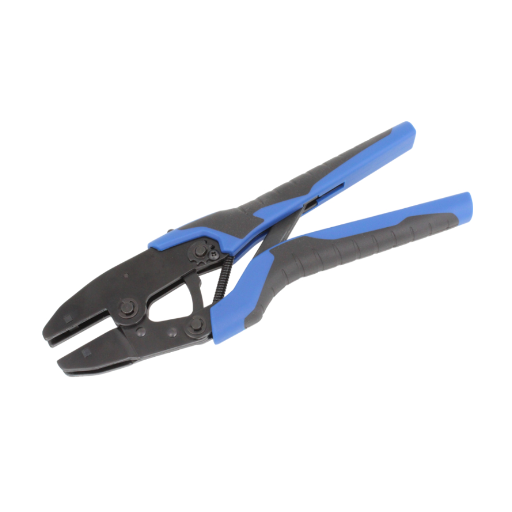
Hand tools are those manually operated devices that require human effort to perform tasks like cutting, shaping, and fastening of materials. In contrast to power tools, they are non-electric and therefore, simple, reliable, and versatile for different operations. The most common hand tools are hammers, screwdrivers, pliers, wrenches, and hand saws which are always included in any toolbox. Users appreciate these tools for being inexpensive and easy to handle.
There is a variety of hand tools, and each one is made for a certain purpose. Cutting tools like chisels and scissors are used to get the desired shape or to separate materials. Fastening tools such as screwdrivers and wrenches assist in putting together or taking apart parts. Measuring tools, which consist of tape measures and levels, allow users to make precise measurements during projects. Other than that, tools like clamps, files, and mallets are also used for specialized purposes. The versatility of hand tools makes them a must-have in both professional and DIY projects.
Key Advantages of Hand Tools
Hand tools have an upper hand, mainly due to their precision and control. They are perfect for fine work done in wood, such as cabinetry or intricate repairs, as well as for projects that call for a very high level of accuracy. After all, hand tools are very mobile, and they usually undergo little maintenance compared to power tools. Besides, they are allowed to train untrained users. Even when they won’t be able to perform at the speed and efficiency of power tools in big-scale projects, hand tools still remain the go-to tools in detail work and places where power access is limited. By knowing the types of hand tools and their functions, you will be able to choose the right ones for your project.
Definition and Types of Power Tools
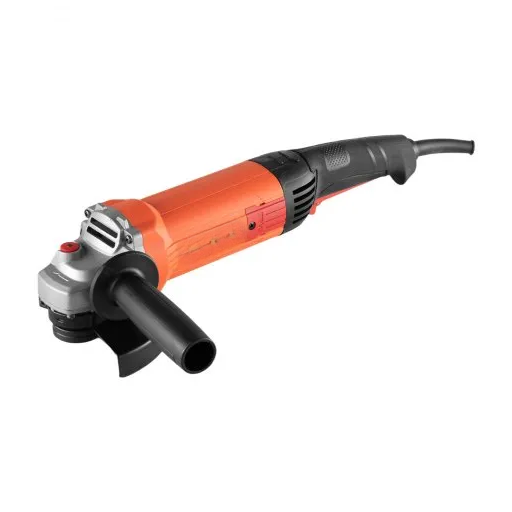
Power tools are a type of mechanical equipment operated by outside power sources like electricity, batteries, or compressed air, and are mainly designed to do the tasks quickly and with the least physical effort. These tools find their place in various industries like construction, woodworking, metalworking, and home improvement due to their fast performance, accuracy, and power to deal with heavy-duty tasks. While hand tools need a forceful push or pull from the person, the power tools depend on the constant supply of power which results in the user being able to finish larger or more complicated jobs in shorter periods of time.
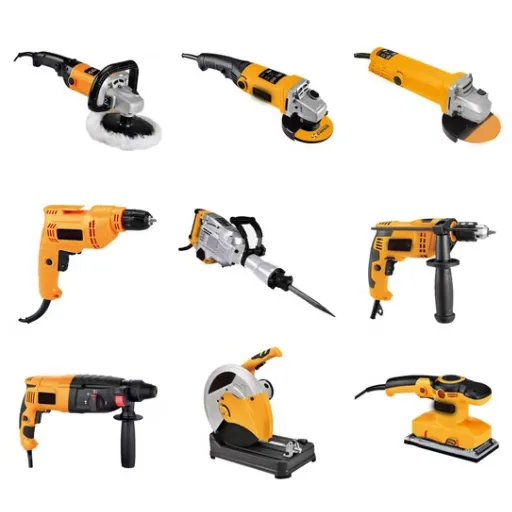
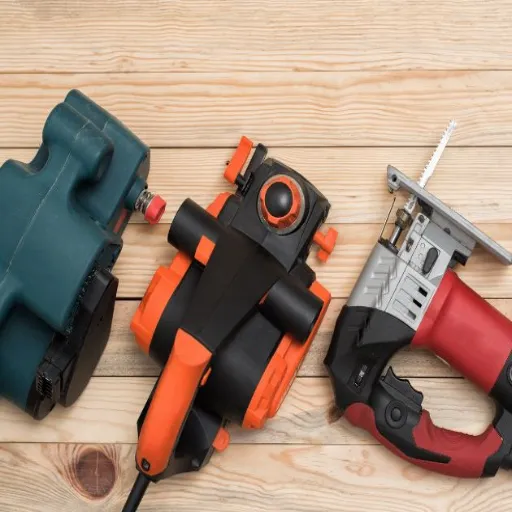
Different power tools have different types, and each tool is dedicated for a particular application. Drills are amongst the most popular power tools and they are mainly used for making holes or driving screws. Circular saws and jigsaws are mainly used for cutting wood, metal, or plastic with high accuracy and ease. Different types of sanders, like belt and orbital sanders, are used for smoothing rough areas while grinders and polishers are responsible for making the edges and finishing flawless. Other tools that serve utility functions include nail guns for fastening, and rotary tools that have diverse functions such as engraving, sanding, and polishing.
Power Tool Classifications
Another way power tools can be classified is based on the type of power supply. Corded power tools are wired to an electrical source which assures uninterrupted reliable power for longer periods of use. On the contrary, the cordless power tools are run off rechargeable batteries that allow more freedom of movement and are easier to use, particularly in distant areas. Pneumatic tools that are air-pressure-powered are mainly used in factories because they are tough and high-performing. Knowing the different kinds and roles of power tools helps the operators to pick the right one thus improving the work speed and accuracy in anytime of the project.
Difference Between Hand Tools and Power Tools
On one hand, manual labor is the only thing that can be done with hand tools; on the other hand, power tools are supplied with external sources of energy, such as electricity or batteries.
Pros and Cons of Hand Tools vs Power Tools

Advantages of Hand Tools
✓ Precision and Control
The use of hand tools grants the user the ability to have finer control and to be more precise in the execution of the tasks, thus making the tools very suitable for delicate works such as carving, intricate assembly, or retrofitting.
✓ Portability
The hand tools are very portable due to their compact nature and the absence of heavy power components. Therefore, they can be moved easily from one location to another without the need for a power source.
✓ Lower Cost
In general, hand tools are less expensive than power tools. This fact makes them an inexpensive option for both amateur and professional users. The simple designs of hand tools also contribute to lower initial investments.
✓ Minimal Maintenance
Hand tools need very little maintenance when compared to power tools, which are often in need of cleaning, lubrication, or part replacement on a regular basis.
✓ Safety
Hand tools are non-electric, non-mechanical, and thus safer to use by default; this also brings down the risk of accidents that are usually associated with power malfunctions or high-speed operations significantly.
Disadvantages of Hand Tools
- ✗
Time-Consuming: Power tools are usually more efficient and thus, hand tools often accredit the slow passing of time reaping less done. Manual wood sawing can be dozens of times slower than electric saw usage, impacting large-scale or time-sensitive projects where speed is a factor. - ✗
Physical Strain: Hand tools require more physical effort than power tools; thus, fatigue is often the result, especially in the case of a long work session. For example, constantly using a manual screwdriver can lead to the wrist and arm feeling worn out after a while. - ✗
Limitations in Power and Precision: Hand tools do not possess power tools’ capability of operating at high speeds together with the latter’s level of accuracy. During such operations as wood cutting to very intricate designs or application of heavy-duty tools, e.g., hammers and chisels, hand tools might be of no use. - ✗
Skill Dependency: The proficient use of hand tools often means a high level of skill is required. For instance, making neat cuts with a handsaw or chiseling wood precisely require a good deal of practice, while power tools can easily produce similar results with less skill. - ✗
Limited Capability for Large-Scale Projects: When it comes to projects where heavy-duty work or large-scale production are involved, the employment of hand tools is less effective. Drilling through hard materials or handling bulk work will certainly become impractical and inefficient without the use of power tools.
Advantages of Power Tools
✓ Efficiency and Speed
The utilization of power tools cuts down the duration of task completion significantly when compared to hand tools. As an example, a power drill will be able to bore holes for seconds, but the same action with a hand manual drill will take a lot longer. Research holds that power tools could along with their usage increase the output of the workers up to 30% yield in different construction and woodwork projects.
✓ Consistency and Precision
The power tools of today are built to give the same results every time, thus controlling human error. An electric planer or router will give smooth and accurate cuts which is hard to do otherwise. This accuracy is very useful in making and delivering great quality products where uniformity and high precision are the main requirements.
✓ Versatility
Interchangeable parts or the adjustable feature of many power tools can be seen as a great factor for their use in different tasks. As a case in point, a multi-tool can perform the functions of sanding, cutting, and grinding simply by changing the attachments, and the tool’s versatility is thereby increased for various applications.
✓ Reduced Physical Strain
Power tools, as the name suggests, give power in the form of manual effort required to perform one task, i.e., they take human effort away through the use of machines. The day has long passed when people used to work with tools like nail guns or power sanders and would eventually get exhausted. Professionals now prefer to work with these tools for long periods in projects that are either large in scale or long in time.
✓ Heavy-Duty Capability
Power tools are a must-have in industries or construction where there is a need for very strong machines or tough materials. The electric jackhammer, for instance, can shatter concrete with high efficiency while that would be a near impossible task for hand tools. This strength or power has termed power tools as trustworthy options in the case of heavy or extensive industrial construction projects.
Disadvantages of Power Tools
- ⚠
High Initial Cost: Power tools usually demand a huge initial outlay compared to the use of hand tools. Besides, top-notch power tools that are intended for long-lasting and high-performance can take up a large part of the budget making it hard for casual users and people with small budgets to buy these tools. - ⚠
Maintenance Requirements: Power tools require regular upkeep if they are to last long and work well. One of the major maintenance tasks is cleaning and lubricating moving parts, the other one is changing worn-out components. If you do not tend to these chores, you may suffer the consequences of reduced efficiency or tool breakdowns which will add up to your maintenance costs in the long run. - ⚠
Safety Hazards: Use of power tools comes with different safety risks such as cuts, burns, and electrical shocks. For instance, power saw accidents are most severe and the sufferers can be the person using the saw if the right safety measures are not taken. The National Institute for Occupational Safety and Health (NIOSH) reports that every year there are thousands of power tool accidents recorded. - ⚠
Energy Consumption: Power tools are mainly operated with either electricity or fuel, therefore they are very energy-demanding. That is why frequent use of energy-consuming equipment such as air compressors or electric saws can not only increase your utility bills but also lead to environmental issues due to reliance on non-renewable energy sources. - ⚠
Noise and Vibration: The operation of many power tools produces a lot of noise and vibration, which may be disturbing in quiet neighborhoods and can even affect the health of the operators. One of the health effects is hearing loss which is a result of long exposure to high noise levels, while another condition is hand-arm vibration syndrome (HAVS) caused by continuous exposure to vibration. HAVS affects blood circulation and nerve function.
Optimal Applications for Hand Tools and Power Tools
Best Use Cases for Hand Tools
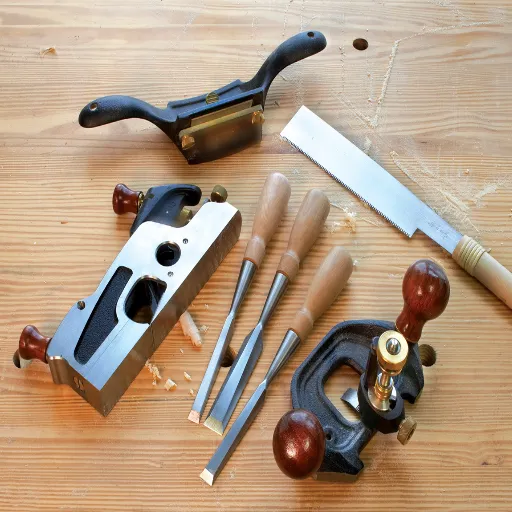
Hand tools are really important in situations when the utmost precision, control, and a light hand are necessary. Their use is dominated by the applications like woodworking, fine crafting, and minor repairs of which they are the main tools because of the careful manipulation these applications require. For example, chisels and hand planes get the praise for excellent wood carving and even allow for slight refinements that a power tool may find hard to achieve. Likewise, screwdrivers and wrenches are the very best tools for putting together parts or making sure screws are tight in places where moving about is so important.
Ideal Scenarios for Hand Tools
On the other hand, there is one more thing that can easily be classified as a significant benefit of hand tools. It is that they have the ability to be brought to places without electricity or when their use in a particular place has to be switched frequently. Gardeners, for instance, cut a lot of plants with pruners and dig the ground with spades, using the latter only when the former cannot do the job. Besides, in cases where there is a risk of sparks or high speeds, hand tools are often considered the safest option, thus being the preferred alternative for working in risky or sensitive zones.
The simplicity of tools like hand ensures their durability and low maintenance. Therefore, hand tools are economical for simple and low-intensity projects combined with the benefits of versatility, accuracy, and sustainability, which we can categorize hand tools as the most efficient and effective solution to a wide variety of needs.
Best Use Cases for Power Tools
Power tools are the ones that can do the hard job in short time, very efficiently, and with the highest precision, thus they are the best choice for intensive or large-scale projects. The construction, woodworking, and metalworking industries are the primary users of these tools since their main advantage is to perform labor-intensive and even repetitive operations in the fastest and easiest way possible. For example, power drills and circular saws are paramount when it comes to making frameworks, cutting through tough materials or putting together the heaviest of constructions.
Tools are often heavyweight in the same projects that demand frequent and reliable power like heavy compound mixing, large area sanding, or driving lots of screws in quick succession. Power tools are the backbone of home renovation, large-scale furniture production, and even infrastructure development. In addition to that, modern power tools usually come with features like variable speed controls, ergonomic designs, and specialized attachment compatibility that further increase their usability in complex or demanding applications.
The newest cordless power tools are equipped with the latest battery technology, allowing them to provide the mobility and convenience required at the remote or hard-to-access job sites. Their flexibility makes them an indispensable investment for both professionals and hobbyists, especially for jobs that require high power, precision, and timeliness under strict deadlines.
Choosing the Right Tool for Your Project
When I have to pick the right tool for my project, I always start off by evaluating the precise task that is on hand. The nature of the work, if it is to do with woodworking, construction, or minor household repairs, gives me the information that i need to identify the main features i want the tool to have. For example if the task calls for high accuracy then i will choose tools that come with adjustable settings and ergonomic designs so that i will get you right and comfortable while using the tool for long periods.
Then I look at the project’s environment next. If the work is done in a secluded or tight area, I will go for the cordless power tools because they are convenient to move about and also easy to manipulate. I will also check things like battery or fuel efficiency depending on the type of cordless tool I use and make them part of my consideration. However, for tasks that need a lot of power for a long time or heavy-duty equipment may be my choice of tool for the project at hand.
Furthermore, I always take the quality and durability of the tool into account first before making my final choice. When I buy reliably, well-constructed equipment, I get long-term performance and also safety during use. I research trusted brands, read reviews, and sometimes even test tools to make sure they are up to my standards. With the help of all these factors, I will ensure that the tool I pick not only matches the project requirements, but also facilitates the efficient and successful completion of the task.
Safety Tips for Using Hand Tools and Power Tools
Safety Tips for Using Hand Tools
- Inspect Tools Before Use
Check hand tools prior to any tasks for damages like cracks, rust, and other signs of wear. The use of old and defective tools to perform a task can be an accident waiting to happen or can even lead to decreased efficiency. - Use the Right Tool for the Job
Do not pick improper tools for the job. The wrong use of tools, like using wrenches as hammers, may cause injuries or even damages to the equipment. - Maintain a Firm Grip
Tools should always be hold firmly as this is the way to control and prevent slipping, which might maim or hurt someone else. - Wear Proper Personal Protective Equipment (PPE)
Depending on the job, protective gloves, safety glasses, or sturdier shoes may have to be worn by a person working in order to avoid injuries. - Keep Tools Clean and Sharp
Poor quality of janitor or dull tools may lead to injuries or even accidents and to the development of the strain that one working might be feeling. - Store Tools Properly
After using tools, place them in an organized, dry area, where they will not get damaged and will be ready to be used next time.
Important Note: Following these safety tips will enable to not only have a safe working environment but also prolong the life of your hand tools. Always make safety your first priority in order to avoid unnecessary incidences.
Safety Tips for Using Power Tools
- Read and Follow Manufacturer Guidelines
Before any power tool usage, the manufacturers’ directions should be read thoroughly to recognize its proper use and limitations. This will prevent accidents and misuse. - Wear Appropriate Personal Protective Equipment (PPE)
Always use proper PPE that includes safety eyewear, gloves, hearing protection, and strong footwear. These accessories will protect you from loud noise, flying particles, and other potential dangers. - Inspect Tools Before Use
Inspect power tools before each use. Check for damaged parts, loose fittings, or wires that are fraying. Regularly operating inspections help in lessening malfunction possibilities and safety during use. - Use the Right Tool for the Job
Determine whether the tool you utilize matches the job. A wrong tool leads to poor performance, wastage of materials, and unsafe conditions. - Maintain a Clean Workspace
Clear out your work area from unnecessary items to eliminate tripping hazards and also create a big enough area for you to handle tools safely and effectively. - Unplug Tools When Not in Use
Always make it a point to unplug power tools before changing blades, changing bits, or making adjustments. This will eliminate the chances of accidental activation, thereby minimizing the potential for injuries. - Ensure Proper Lighting
Good lighting is necessary for both accuracy and safety. Lack of visibility may give rise to errors or hazardous situations. - Avoid Overworking Tools
Do not use power tools at their maximum capacity, as this can lead to overheating or failure, which may also cause injuries.
Safety Reminder: Implementing these safety measures enables you to not only gain the maximum efficiency and lifespan of your power tools but also to eliminate risks considerably. Always be alert and careful with the power tools to maintain a safe and productive atmosphere.
Common Safety Mistakes to Avoid
- ⚠ Neglecting Proper Maintenance
The absence of power tools that are regularly checked and maintained can result in either malfunction or accidents. Cleanliness, wear, and loose parts should be taken care of constantly. - ⚠ Using the Wrong Tool for the Job
Each tool is meant for a particular job. Misuse of tools can result in inefficient work, and the risk of injury or damage will also be raised. - ⚠ Ignoring Personal Protective Equipment (PPE)
Not wearing protective items like gloves, goggles, or earplugs puts you at risk for cuts, wounds from falling objects, or even damage to your hearing. - ⚠ Bypassing Safety Features
Not utilizing or turning off the built-in tool safety features such as guards or locks, places your power tools’ security at risk and increases danger. - ⚠ Improper Training or Experience
Using tools that one has not been properly trained in or has no experience with can lead to misuses such as damaging the equipment or hurting oneself or others. - ⚠ Working in Poor Lighting or Cluttered Spaces
Poor visibility and a dirty area can cause mistakes and accidents. Light up your workspace well and organize it properly before starting. - ⚠ Skipping Operational Checks
Not checking for damage, defects, or proper functionality of the tools before using can lead to unforeseen malfunctions during operation. Find time to do a double-check beforehand.
Key Takeaway: Avoiding these common mistakes not only improves your safety but also brings the tools’ effectiveness and reliability into play throughout the period of their usage. The unison of awareness and proactive learning along with proper tool usage can largely diminish the occurrence of accidents.
The Evolution of Hand Tools and Power Tools
Technological Advancements in Tool Design
The tool design evolution continues to be determined by the technological progress. The tools have gradually become more efficient, accurate, and easier to use as a result of this. The use of high-strength alloys and carbon composites has lightened the tools but also made them more durable through the process of material innovations. Ergonomic improvements have not only improved the comfort of users but also reduced the strain on them, particularly when the use is tile-prolonged.
Furthermore, smart technology has introduced network-connected tools that offer the capability to monitor the performance, diagnostics, and to be integrated with mobile applications as one of the pro features. For example, tools with Bluetooth or Wi-Fi connection can send signals to the user about the upcoming maintenance or could adjust the performance settings to match the job being done. The lithium-ion battery technology has made a great impact on cordless tools by providing them with longer battery life, quicker charging, and even power output. All these changes do not only make the tools more convenient but also increase the output and, at the same time, improve safety.
The innovations to come would probably be more on the side of environment-friendly and energy-efficient, for example, utilizing biodegradable materials and energy-saving devices. Among the factors demonstrating that the tool is indispensable are sustaining the needs of the contemporary industry and facilitating the progress of the different sectors through innovation.
Impact of Materials on Tool Functionality
The selection of the materials that are going to be used for the manufacturing of tools determines their performance, longevity, and fit for particular tasks. The utilization of new materials not only functions to make tools more effective but also helps to ensure that tools will last longer under different working conditions, there will be greater safety for the users, and the tools will eventually last longer. The following is a list of the five most important materials along with their effects on the performance of tools:
High-Carbon Steel
High-carbon steel is a material that is mostly used for making cutting tools due to its excellent hardness and ability to maintain a sharp edge for a long time. Its usage is most suited in applications that demand precision, such as chisels or drill bits. However, because of its brittleness, it may not be very suitable for heavy-duty wear.
Alloy Steel
The use of alloy steel for the manufacture of tools results in tools that are tougher and more resistant to wear and corrosion. Wrenches and automotive tools are some of the strongest applications of this steel, which can certainly be more reliable under heavy mechanical stress due to its superior quality.
Tungsten Carbide
The powdery substance known as tungsten carbide is considered to be one of the hardest, most heat-resistant materials that can make up machines like milling cutters and router bits. Its toughness assures a long life even in high-speed applications.
Titanium
Titanium is a lightweight metal that is resistant to corrosion. Hence, it is used mostly for precision instruments and specialty tools. Its lightness renders the operators less fatigued, and it still remains as tough as ever in the harshest environments.
Composite Materials
Composites, which can be either fiberglass or carbon fiber, are a type of material that is used more and more for making tool handles and housings. The overall weight of the tools is decreased by these materials, but they still provide fantastic strength and shock absorption, contributing greatly to ergonomics.
Summary: The right choice of materials for each tool means that the tool is performing at its best, it is durable, and its efficiency is in line with the needs of modern industries.
Ergonomics and User Experience
The position of ergonomics is fundamental in the design of tools that guarantee user comfort and efficiency. Modern tools are made by concentrating on the natural movements and limitations of human anatomy, and so, they are able to cut down on strain and fatigue, particularly during long use. Some of the features that are being added to the tools for this are specially shaped grips, soft handles, and parts that can be adjusted. This focus on the details not only improves the quality of user experience but also brings down the chances of repetitive strain injuries occurring and other related discomforts of the workplace.
User experience is further enhanced when modern technologies are incorporated into tools and when they are designed with the user’s intuition in mind. Digital displays, smart sensors, or automatic adjustments are some of the tool features that provide excellent feedback to the user making the work easier and more precise. For instance, when cutting tools have laser guides and wrenches have torque indicators, the user gets more control and accuracy which brings down the possibility of mistakes and waste of materials. These innovations are a clear demonstration of the partnership between ergonomic design and technological progress that results in the production of tools that can satisfy the different needs of modern industries.
Another major factor that relates to ergonomics and user experience is the flexibility to accommodate a vast array of consumers. It is common for tools to be made with great variations in skill level, physical strength, and preference in mind. For example, incorporating features that can easily be adjusted to fit the size of different hands and the users’ preference for either hand ensures that the tools are usable by all. The design philosophy now goes beyond just functionality; aesthetics and intuitive interfaces are also coming to the forefront of the design making the tools not only powerful but also appealing and easy to use. The interaction between tools and their users is, therefore, seamless and superbly efficient, leading to increased productivity and satisfaction in both professional and personal applications.
References
- Ergonomic Evaluation of Electric Hand-Held Router Power Tools – Discusses ergonomic differences between manual hand tools and powered tools, available on Academia.edu.
- Power Tools of Our Times – Explores the historical and functional evolution of power tools, hosted by Columbia University.
- Development of a Semi-Analytic Method for Hand-Held Power Tools – Analyzes forces and interactions in the operation of hand-held power tools, available on OhioLINK.
- Click here to read more.
Frequently Asked Questions (FAQ)
Q: What are the major differences between hand tools and power tools?
A: The major differences in the dispute between hand tools and power tools are mainly based on the source of power and the way of operation: hand tools are manual tools that are operated by human strength and skills and power tools are the ones that are powered by an external energy source like electricity or batteries. The power tools are generally faster than hand tools and they are also engineered to give more power for performing tasks while the hand tools provide the meticulousness and comfort that are required in delicate jobs as well as in situations without electricity, for example, during power outages.
Q: When should I opt for manual tools or electric tools for wood projects?
A: For wood projects, make your choice depending on the type of work, finish, and size. Hand tools are superior for intricate joinery, using a hand plane, and other tasks where feel and precision are essential, while the combination of power tools and hand tools facilitates rough dimensioning, cutting, and sanding. Tools such as screwdrivers, hand drills, chisels, and planes are indispensable for delicate work; on the other hand, power tools, such as circular saws and routers, are more appropriate for large or repetitive jobs.
Q: Are hand tools better than power tools for newbies?
A: Hand tools are frequently suggested for novices because they impart the basics, refine the skills, and are generally lighter and less threatening. Good hand tools enable newcomers to understand measurement, sharpening, and control. Nevertheless, power tools are a fantastic supplement after the skill is learned by offering speed and efficiency. In the end, the tools you need should strike a balance among teaching objectives, safety, and the size of the project.
Q: What about protective equipment and risks associated with power tools and hand tools?
A: Both types of tools can be dangerous and they both demand the use of safety equipment, however, due to the high speed and power, the risk of the instant injury is more with power tools. Always wear the safety equipment that is specified—glasses, hearing protection, gloves— when operating either hand or power tools. For example, while hand tools also pose a risk of injury (cuts, and strains) with the repetitive use of hand tools creating risks of injury, on the other hand, power tools are also presenting risks from kickback, electric shock, and blade contact. There is a reduction in accidents that results from the proper training.
Q: Is the cost of power tools higher than that of hand tools?
A: Power tools usually have a higher initial cost mainly due to motors, batteries, and electronics; power tools often have more components which are responsible for the higher price. But, on the other hand, there are also some high-quality hand tools that are quite expensive, and in general, the tools differ a lot depending on the manufacturer and their performance. Therefore, think about the long-term value: the time and labor saved by the power tools can be considerable for large jobs while the hand tools will last long and will have no or very little maintenance cost for many indispensable tools.
Q: Will power tools completely eliminate the need for hand tools?
A: It is not the case—power tools have also restrictions and each tool has its time. Even though power and hand tools overlap in their functions, there are still cases where hand tools are the only way to have complete control, they are portable with no need for an external power source, and they give better-finished work. For accuracy and simplicity in use in cramped spaces, hand tools enable subtle adjustments which are not possible with many power tools. Using both hand and power tools together gives you the most flexible toolkit.
Q: What hand tools categories should be found in every workshop?
A:Typical hand tools categories are measuring tools, cutting tools (saws, chisels), striking tools (hammers), fastening tools (screwdrivers, hand drills), and finishing tools (planes, files). Reliable results depend on the presence of quality hand tools in each category. These manual tools are light, occupy little space, and can be used during power outages, thus, are the most essential tools for any shop.
Q: How to make a decision between portable power tools and quality hand tools for a particular job?
A:Make a decision by analyzing the required type of tool, how often it will be used, precision needed, and the scale of the job. If you are concerned with the speed of production and are dealing with cutting that is repetitive, then portable power tools will provide you with the speed and power, while if you are focused on the finishing and control then quality hand tools should be your choice. Also, think about how easy it is to use a tool, how much safety equipment it requires, and whether the tools are meant for a one-time task or for a project that is ongoing.