
How to Use Hand Tools Safely: Step-by-Step Instructions
Hand tools are indispensable in a wide range of applications, from do-it-yourself home projects to the active pursuit of a masters’ degree in creative arts. Though their purpose is to facilitate our labor, misuse might result in injuries and damages of various degrees. The basics of hand tool safety are vital whether you are a skilled practitioner or a beginner with a hammer. As a reader of this guide you will be armed with very practical, simple steps to get safe and effective tool use every time.
Introduction to Hand Tools in Woodworking
The Importance of Mastering Basic Hand Tools
Mastering the use and handling of basic hand tools in woodworking is a very important thing that if it is done right, would result in nothing but having professional and precise results and at the same time would make the whole process safe and efficient. These tools are the basis of any woodworking project since they offer better control, precise results, and more comprehension of the skill. The inexperienced and professionals alike can rely on no other but these tools to develop the confidence necessary for dealing with both simple and complex projects.
The great importance of basic hand tool skills lies in their versatility. The like of swords, chisels, hammers, and planes become not only the most popular but also the most important for performing major wood work operations like cutting, shaping and assembling. Power tools, on the other hand, do not usually offer the same connection to the material where hand tools do, they are more like a tactile connection leading to better craftsmanship and detail. Becoming the expert in using these tools may lead to the desired better outcome especially when precision is of utmost importance.
Safety Note: The learning of hand tool techniques does safety a favor, for it reduces the chances of accidents occurring through incorrect use. When a tool is well understood, the risk of accidents is reduced, and the worker will be able to focus on the task thus avoiding injuries like cuts or strains.
Overview of Common Hand Tools
Hand tools are very necessary for numerous tasks, from easy repairs around the house to very detailed woodworking projects. The most common hand tools are wooden hammers, metal saws, screwdrivers, wrenches, pliers, and saws. Each hand tool has its own function and is meant to cut down the time and increase the efficiency of a task if used properly.
Wrenches and pliers are popular for their multifunctional nature and can work with a variety of actions such as gripping, twisting, or turning of objects like nuts and bolts. On the one hand, adjustable wrenches can accommodate different fastener sizes, and on the other hand, needle-nose pliers are handy for working in limited spaces and with tiny bits. And it is the same with saws which come in different types such as handsaws or coping saws that are most often used in cutting wood, however, they can as well cut through metal or plastic if the correct type of blade is used.
Key Maintenance Tips
Having a good knowledge of the functionality of these tools and their correct usage is very necessary to attain the same quality as professionals and also to avoid damaging the tool or the material that is being worked on. Cleaning and sharpening are some of the maintenance regularities that lead to hand tools being effective and safe over a long period of time.
Benefits of Using Hand Tools for DIY Projects
Types of Hand Tools
Common Hand Tools and Their Uses
🔨 Hammer
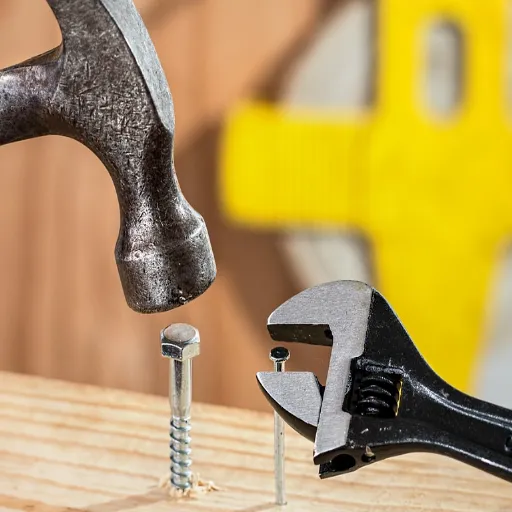
A hammer is considered to be one of the most flexible hand tools because it can be used for many different purposes, which include driving nails, breaking, and fitting parts together. In particular, claw hammers can also be used to take nails off wood or other materials.
🔧 Screwdriver
Screwdrivers represent the must-have hand tools for the driving of screws in or out of materials. They come in many types, like flat and Phillips head, so they will suit all types of screws and applications.
🔩 Wrench
Wrenches are a necessity when it comes to the fastening or unfastening of nuts, bolts, and other fasteners. Among others, adjustable wrenches and socket wrenches are two options that allow for different sizes and usages.
🔧 Pliers
Pliers are one tool with many functions; they can be used for gripping, bending, and clipping of wires and other materials. For example, needle-nose pliers are perfect for performing delicate tasks or reaching into tight spaces.
✂️ Chisel
Chisels are mostly used in the field of woodworking as they help in the carving and shaping of materials like wood and stone. They serve the purpose of making grooves, joints, or decorative patterns.
🪚 Hand Saw
Among the tools that are indispensable for the manual cutting of wood or other materials, a hand saw is considered to be one. Hacksaws and other similar tools are variations that are specific to cutting metal or plastic with precision.
📏 Tape Measure
Although a tape measure is a basic tool, its importance in achieving accurate measurements can never be overstated. It is the main tool used to ensure that the dimensions are correct whether in construction, woodworking, or DIY projects.
🔪 Utility Knife
Utility knives are the best tools when it comes to cutting or scoring various materials, for instance, from cardboard to drywall. The fact that they come with replaceable blades makes them suitable for long-term use.
Specialized Tools for Woodworking
Woodworking is an art that requires tools specifically made for shaping, cutting, and joining wood accurately. Here are some of the necessary specialized tools that are used in this craft:
- Chisels: Chisels have become a necessity in fine woodworking allowing the artisans to carve or shape wood with precision and accuracy. They are available in different sizes, from the very thin chisels meant for exquisite and detailed work, to large chisels that can be used to remove very large pieces of wood.
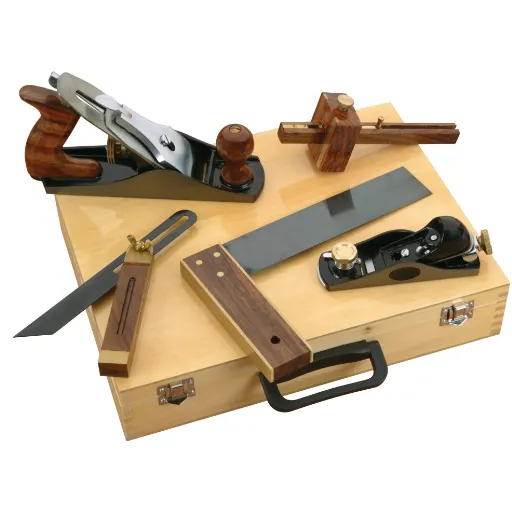
- Hand Planes: Planing by hand is a must for smoothing, flattening, and thickness reducing of wood. To mention a few, bench planes, block planes, and shoulder planes are the different types of hand planers, which cater to various woodworking needs.
- Router: A router is a powerful tool that not only hollowed out but also shaped wood very creatively that is fitting for decorative edges, grooves, or intricate designs. This tool accompanied by router bits of different kinds can take care of any and all project-related necessities.
- Lathe: The lathe is a woodworker’s friend when it comes to creating precise, rounded, or cylindrical shapes, and it is often used for making furniture legs, bowls, or decorative spindle turnings. It is the prima donna of the turning process in the woodwork department.
- Japanese Pull Saw: The Japanese pull saw is known for its accuracy; it works by cutting in the direction of the pull stroke, thus providing cleaner and more precise cuts than conventional push saws.
- Clamp Set: It is very important to keep the pieces firmly secured in position when they are being glued or during assembly. The clamps come in different types like bar clamps, pipe clamps, or C-clamps, etc., to meet the needs of different projects.
By investing in high-quality specialized tools, the efficiency and artist’s quality of a woodworking project can be significantly enhanced, whether it is furniture, cabinetry, or decorative pieces. With the mix of classical and contemporary tools, the resulting pieces will be precise as well as imaginative.
Choosing the Right Hand Tool for Your Project
Selection Factors to Consider
- Task Requirements: The right hand tool selection for a project is mainly determined by the particular job. For instance, in case of wood cutting, choose the type of saw that fits best with the wood and the cut, such as a handsaw for straight lines or a coping saw for intricate curves.
- Accuracy Needs: For joining tasks, depend on chisels, planes, and clamps to ensure that the pieces are accurately connected and finished. Measuring tools like a tape measure or a combination square are always essential.
- Comfort and Ergonomics: Grips that are designed according to ergonomic principles keep the hands fresh during long hours of work which is a decisive factor for producing even-quality results.
- Durability: Look for tough and high-quality materials that are capable of lasting for ages. Proper maintenance combined with careful selection gives assurance of being able to work on projects confidently.
Hand Tool Safety
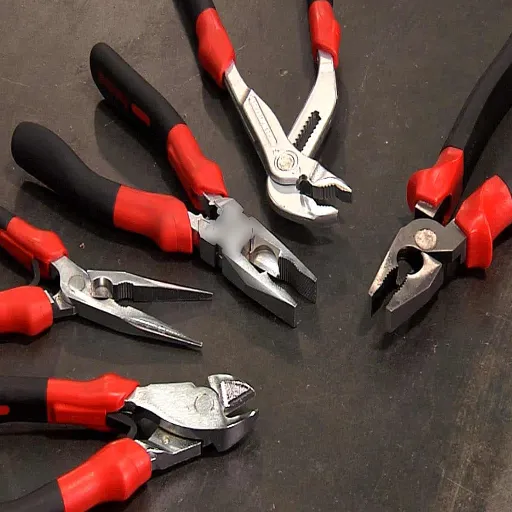
Essential Safety Rules When Using Hand Tools
Safety should be the very first thing to be considered while using hand tools. If you follow these simple but quite essential safety rules, you will be able to create not only a safe but also a productive work environment:
✓ Inspect Tools Regularly
Before using any of your tools, always check them for any defects or signs of wear. Tools with damaged or cracked handles, incomplete pieces, or worn-out blades can become very risky in terms of safety. If tools are kept in perfect condition, they will work well and accidents will be reduced.
✓ Use the Right Tool for the Job
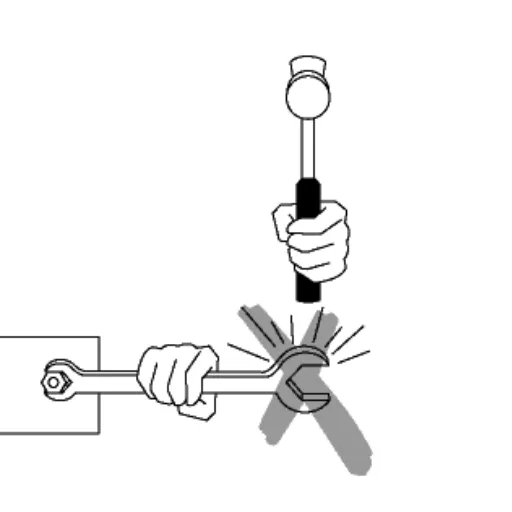
It is very important to choose the right tool for the job to prevent injuring yourself. For example, if someone uses a screwdriver as a prying device, then misusing the tool can cause breakage or an injury.
✓ Wear Proper Personal Protective Equipment (PPE)
Safety goggles, gloves, and heavy-duty shoes are necessary to protect you against hazards that may come in the form of a flying piece of debris, cuts, or impacts. Always make sure that your PPE matches the task.
✓ Keep Your Workspace Organized
A neat and orderly workspace minimizes tripping, slipping, or accidentally knocking tools off the floor. Put the tools back in their proper storage place after using them always.
✓ Apply Proper Handling Techniques
Hand tools should be used with secure grips, controlled movements, and the correct posture. This will lessen the chance of getting tired and losing control over the tool.
✓ Store Tools Safely
Keep tools in places that are not easily accessible and preferably away from the corners of workbenches or shelves. In particular, sharp tools should be put away in a safe spot, covered or otherwise, so as not to accidentally touch them.
Personal Protective Equipment (PPE) for Safe Use
The critical role of Personal Protective Equipment (PPE) is to provide a protective layer between the user and the potential hazards at the workplace thus guaranteeing the user’s safety in diverse environments. The choice of the right PPE is based on the hazards and the particular tasks being carried out. The main types of PPE are:
Important: The effectiveness of PPE relies on its proper usage, fitting and maintenance. The employers should provide the employees with instructions regarding the use of PPE and also make it a part of the workers’ training schedule to have regular training sessions.
Introduction to Hand Tools in Woodworking
Common Accidents and How to Prevent Them
⚠️ Slips, Trips and Falls
Causes: Slippery floors, walkways full of things, and flooring that is not leveled.
Prevention: Keep the floors clean and dry, install non-slip mats, illuminate the areas properly, and promote the use of hard-wearing footwear. Walkways, stairs, and workplaces should be regularly monitored and maintained to quickly eliminate any risks.
⚠️ Strains and Overexertion
Causes: Improper lifting, pushing or pulling techniques and prolonged physical activities.
Prevention: Companies can avoid these problems by supplying ergonomic tools, teaching the workers body mechanics and rotation of the workforce for better rest and recovery.
⚠️ Falling Objects
Risk Areas: Warehouses, construction sites, and factories.
Prevention: To lower the risks, tools and materials on high ground should be secured, safety nets and guardrails should be put in place, and hard hats should be made mandatory in areas that are likely to experience such hazards. Being aware of one’s surroundings must also be a part of training.
⚠️ Exposure to Hazardous Substances
Danger: Contact with toxic chemicals, fumes, or gases can lead to severe health issues.
Prevention: Proper labeling and storage of chemicals, using personal protective equipment such as gloves and masks, and ensuring good ventilation in work areas. Regular training on dealing with hazardous materials is also critical for reducing accidents resulting from exposure.
⚠️ Machinery-Related Accidents
Causes: Improper usage or poor maintenance of heavy machinery.
Prevention: It is the only trained personnel who should handle the machinery and the equipment should also be checked regularly. The installation of machine guards and emergency stop buttons can also achieve a considerable reduction in risks.
Step-by-Step Instructions for Using Hand Tools
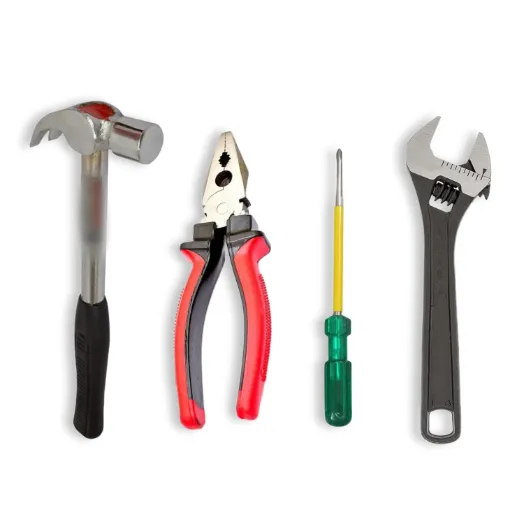
How to Properly Use a Hammer
The use of a hammer properly and safely not only depends on the right technique but also requires close attention to detail. Implement the following steps when using the hammer to get the most out of it:
1
Choose the Right Hammer for the Job
Pick a hammer that is suitable for the job—be it a claw hammer for driving or pulling nails, a ball-peen hammer for metalworking, or a heavy-duty sledgehammer for tearing down buildings.
2
Inspect the Hammer
Before you start to use it, examine the hammer for signs of damage or defects, like a loose head or a broken handle. If you use an imperfect hammer, it would not only lead to accidents but also ineffective performance.
3
Grip the Handle Correctly
To get the most leverage and control, hold the hammer at the end of the handle. Make sure your grip is tight but not very tight, so you can achieve precision without putting unnecessary strain on the muscle.
4
Aim Accurately
Position the hammerhead exactly over the spot you want to hit. Keeping your wrist and forearm straight will help you improve your accuracy even more and at the same time prevent injury.
5
Use Smooth, Controlled Strokes
Light taps should only be used to place the nail or object correctly and then the full swings with steady and consistent rhythm should follow. Never apply too much force; otherwise, the material may get damaged or the hammer might slip.
6
Watch Your Surroundings
Make sure that no obstructions are in your work area and that no one else is there to avoid having someone accidentally hurt.
7
Store the Hammer Safely
When you are not using the hammer, put it in the assigned storage area so that it does not become a trip hazard or accidentally damage nearby objects.
Safety Reminder: If you adhere to these regulations, you will be able to produce good results in a safe environment. Always use personal protective equipment like safety goggles if required together with the right hammer technique.
Using Screwdrivers Effectively
Screwdrivers are among the most important tools in the arsenal, be it for putting together furniture or making delicate repairs. The first and foremost thing to do when using a screwdriver is to choose the right kind and size for the screw head you are going to work on, which can be flathead, Phillips, Torx or any other design. If you use the wrong size or type, you could end up stripping the screw or ruining the tool in the process.
Best Practices for Screwdriver Use
- Hold the screwdriver by the handle and turn steadily while applying some pressure, this way you will drive the screw in or out quietly and to everyone’s satisfaction.
- Do not use any excessive force when the screws are tight, it will just increase the chances of the screwdriver slipping and possible injury occurring. Instead, one can apply a screw-loosening agent like WD-40 to help loosen the screw.
- For tasks that are repeated often or where access is difficult, ergonomic or electric screwdrivers can help with the efficiency and strain reduction of the worker.
- Always check your screwdriver’s condition. A screwdriver with a worn or damaged tip can give you bad performance and even damage the screw heads.
Keeping your screwdrivers in a dry, organized place and protecting them from moisture will help to prevent rust. These practices not only extend your tools’ lifetime but also guarantee safer and more precise work.
Techniques for Wrenches and Pliers
Using the right kind of wrenches and pliers and then doing it well is the key to making it faster and safe at the same time. For wrenches, first of all, the wrench size has to be the same as that of the bolt or nut being worked on. Using the unsized wrench can cause the fastener to be stripped or the wrench itself to get damaged.
Maintenance Tips
For tool maintenance, do the cleaning after each use, to get rid of grease and dirt, and do the lubricating by applying a thin layer of oil to the moving parts to prevent rusting. The organizing of wrenches and pliers in a toolbox or designated rack should be done in such a way that they can be easily accessed and accidental damage prevented. Switching to ergonomic designs is another thing that can be done to help in reducing hand fatigue which is common in the case of prolonged use, especially for professionals.
Maintaining Your Hand Tools
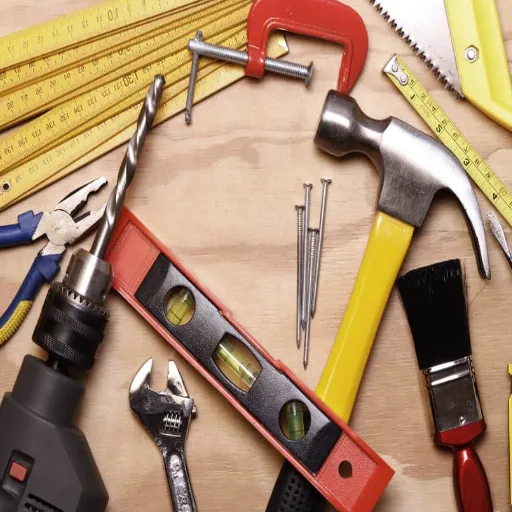
Sharpening Techniques for Optimal Performance
No matter if it is a woodworking project, gardening, or general maintenance work, maintaining sharp hand tools is a must for precision and efficiency. Properly sharpened tools start with the right sharpening tool. Whetstones, diamond stones, and honing rods are all suitable tools depending on the blade material and type.
🔧 Preparation
Cleaning the tool thoroughly to ensure no debris or oil residues are left is the first step. After that, securely holding it will help prevent accidents during the sharpening process. A combination of a steady hand and controlled movements is crucial to obtaining uniform sharpening across the edge of the blade.
🔧 Angle Maintenance
Many tools like chisels or pruners are sharpened keeping the same angle throughout. The angle, which is usually between 20 and 30 degrees, is very important to get the edge that is very sharp. Grind dull and uneven surfaces with the coarse side of a sharpening stone, and then move on to the finer grit to polish and refine the blade.
🔧 Lubrication
Applying water or oil to the stone frequently can help reduce friction and produce a smoother finish during the whole process. Power sharpeners for quicker results have been indicated but may pose a risk of metal being overheated, thus, weakening the blade, if not handled with care.
🔧 Final Stropping
Once the blade has been honed, it’s good to treat the edge—a simple process with a leather strap or coarse fabric. Stropping gets rid of hairs and polishes the sharpness even more, the final result is a slick and clean edge waiting to be used.
Regular checking of instruments is as important as sharpening them for prolonging their efficiency. Before sharpening, inspect the edges for nicks, chips, or unevenness and the like to stock up on the amount of sanding or grinding needed. With proper and constant care plus attention to detail, sharpening up the hand tools can enhance their lifespan as well as quality performance for years to come.
Cleaning and Storing Your Tools
The proper cleaning and storage of hand tools are vital for preserving their performance and lifetime. Clean your tools very well after each use to rid them of dirt and moisture which can cause rust or corrosion. For the metal parts, a wire brush or a damp towel shining in the sun may be used to wipe away the dirt layer. In case the tools were in the sticky sap, grease, or other oils, a gentle detergent or a professional cleaner might be the solution. Don’t forget to completely dry your tools after washing to not cause water-related damage.
Protection and Preservation
- Apply oil or a rust-fighting spray to the metal parts of your tools for added protection. This helps in building a barrier that will stop rust from forming and also keep the moving parts lubricated.
- For the wooden handles, an occasional rub with linseed oil can be quite beneficial in keeping them from splitting, thus maintaining their strength.
- Check your tools for wear and tear (e.g., loose screws or splinters) regularly, and if any repairs are needed, do them immediately to prevent more serious damage.
- Store your tools in a dry place with good ventilation that is far from places with too much humidity or where the sun shines directly.
Toolbox, pegboard, or wall-mounted rack can be used for keeping tools in a proper order and for their easy accessibility. If security is your concern you may want to consider adding silica gel packets or a dehumidifier in your storage space to keep the moisture levels just right. By following these cleaning and storage practices you would be able to keep your tools in good condition, and also be sure that they are always available whenever you need them.
Extending the Lifespan of Your Hand Tools
The amount of time and effort you put into maintenance will tell a lot about how long your hand tools will last. One of the most important things to do is to always make sure that the tools are kept clean after use. The accumulations of dirt, grease, and dust can harm the materials that are a part of the tools, and this might be even more serious if they are left to accumulate.
Regular Cleaning
When it comes to metal parts, a soft cloth can be used to wipe them down and to remove the debris, and once in a while you can put a thin layer of machine oil on it to prevent rust from happening. For the wooden handles of the tools, you can lightly sand them down and put a coat of linseed oil on them to keep their smoothness and strength.
Proper Storage
A good storage system—whether using shelves, cabinets, toolboxes, or pegboards—can keep your tools away from getting damaged accidentally and at the same time, present them for you with great ease. Controlling the climate is another important point to consider.
Regular Inspections
Regular checks on your tools will be instrumental in helping you notice minor flaws that if left would turn into problems that are much larger and harder to tackle. Looking out for cracks, fittings that are too loose, or wearing signs can let you handle repairs and replacements in a timely manner.
Pro Tip: It’s a win-win scenario when you incorporate these maintenance practices into your routine—you not only keep your tools in good condition but also increase safety and productivity in your working environment.
Frequently Asked Questions (FAQ)
Q: What are the basic skills needed to learn how to use hand tools safely and effectively?
A: The very first thing is the acquisition of basic skill like getting acquainted with the tools ahead of time as there are three categories of the tools, namely the cutting tool, measuring and the striking tool; then followed by the correct grip, stance and finally the workpiece release. Practice with a set of chisels, hand drill, screwdriver and saw results in skill building. Safe usage of hand tools is to be emphasized—wear safety glasses, keep your hands away from blades and regularly remove sawdust to avoid slips. Basic skills include the use of marking gauges for marking, sharpening your hand tools and learning simple joinery like mortise and tenon and dovetail joints.
Q: How do I choose the right woodworking hand tools for a beginner woodworker?
A: In the case of a beginner woodworker who is uncertain of his capabilities with hand tools, go for a compact tool chest or a basic kit that has in it the necessary tools: chisels set, a hand plane or jointer alternative, hand saw, hand drill, hammer, pry bar, tape measure, marking gauges, and screwdriver set. Always pick quality over quantity; well-made woodworking tools will teach you more than many cheap ones. If you want a comprehensive guide to starting furniture by hand and with hand tools, then consider recommendations from experienced woodworkers.
Q: How do I sharpen chisels and other cutting tools to avoid burrs and poor cuts?
A: To get the most out of your hand tools it is imperative that you learn how to properly maintain them. To remove the burr from chisels and planes after achieving a clean bevel on them with a bench stone or honing guide, do this by stropping. The less sharp the cutting tool is the more tear-out and effort are required with paring and chopping mortises. Regular maintenance will not allow a burr to form and keep woodworking tools performing at their best; thus making dovetail and tenon work cleaner.
Q: What are common safety mistakes and how can I ensure health and safety when using hand tools?
A: Among the most frequent safety mistakes are using a screwdriver instead of a chisel, a wrench instead of a hammer, not wearing eye protection and improper workpiece securing. To prevent accidents while working with hand tools, it is essential to always wear safety glasses, keep the tools sharp, secure the workpiece with clamps, use the correct tool for the job and maintain a dust-free, clean workspace. Each tool has specific precautions that should be followed—in this case, keeping your hands behind the cutting edges and using a mallet with chisels rather than improvised striking tools.
Q: How do I perform basic joinery like a mortise and tenon or dovetail using hand tools?
A: Marking out is the first step in learning how to use hand tools for joinery; thus, marking gauges and tape measures are used to ensure accurate dimensions. Shoulders and cheeks should be cut with a saw, chisels should be used to pare to the line, and augers or a hand drill followed by chisels should be used to clean the mortise. For dovetail joints, tails, and pins should be laid out, sawing done carefully, and waste pared. It is advisable to practice on scrap wood first to master fit and technique; these basic skills are the foundation of furniture made by hand and carpentry projects.
Q: Can I rely solely on hand tools for furniture making, or do I need power tools like a drill or jointer?
A: It is possible to make fine furniture using only hand tools; many woodworkers like handtool approaches more—but there are some situations where power tools can speed up the process. A hand drill can replace many powered drilling tasks, and a well-tuned hand plane can flatten stock without a jointer. The choice between hand-tool and power-tool methods really depends on your goals: learning to use hand tools helps you to develop craftsmanship and control; combining both gives flexibility, especially for larger workpieces or production runs.
Q: How should I store and care for my hand-tool collection to keep them usable for years?
A: The proper storage and care are an integral part of learning how to use hand tools properly. Store the tools in a dry tool chest or wall rack; oil the metal surfaces to prevent rust; and sharpen the blades regularly to avoid burrs. Organize tools according to their categories—cutting tools, measuring, striking—and also keep consumable items like spare drill bits and tape measures handy. Periodic maintenance increases the lifespan of tools and also guarantees that their performance will not change when you pare, chisel, or plane.
Conclusion
Mastering hand tool safety and usage is an essential skill for anyone engaged in woodworking, DIY projects, or professional craftsmanship. By understanding the proper techniques, maintaining your tools regularly, and adhering to safety protocols, you can ensure both quality results and personal safety.
Whether you’re a beginner taking your first steps or an experienced craftsperson refining your skills, the principles outlined in this guide will serve you well. Remember that tool mastery comes with practice, patience, and a commitment to continuous learning. Stay safe, work smart, and let your craftsmanship speak for itself.
References
- Stocking the Toolshed: Hand Tools – A guide on selecting and using hand tools effectively, hosted by the University of Georgia.
- Cutting Force Measurement: Hand Tool Instrumentation – A systematic review on the use of hand tools in industrial settings, available on PubMed Central.
- Machine Tool Advanced Skills Technology Educational Resource – Covers the use of hand tools in technical education, hosted by ERIC (Education Resources Information Center).
- Click here to read more.
Ready to Get Started?
Apply these safety practices and techniques in your next project. Remember: the right tool, proper technique, and safety awareness are the keys to successful craftsmanship!