
Hand Tool Weight Comparison: Heavy Duty vs Lightweight Hand Tools
The consideration of weight when picking the right hand tools for your projects can be a decisive factor. Heavy duty and lightweight hand tools have a lot to offer in terms of advantages and disadvantages thus making the decision between the two more complicated than it initially appeared. Are heavy duty tools really more trustworthy, or do lightweight tools give the user the versatility that he or she is looking for? This article will try to explain the main differences between these two groups, thus helping you to decide what kind of tool is the most appropriate for you. No matter if you are a professional tradesman or a do-it-yourself enthusiast, the comprehension of the above-mentioned comparison can multiply your effectiveness and even render your experience more pleasant overall.
Understanding Heavy Duty and Lightweight Hand Tools
Definition of Hand Tools
Hand tools are no-electricity or no-power tools operated manually. A few common hand tools are hammers, screwdrivers, wrenches, pliers, and saws. Such tools are necessary for working in various industries and for general household use where construction, repair, or maintenance is involved.
Heavy-Duty Hand Tools
Heavy-duty hand tools have high-stress tasks and prolonged use in their specifications. They, therefore, come in tough materials such as reinforced steel or impact-resistant alloys which are capable of housing suitable for the heavy jobs like construction, automotive repair, or industrial applications. Their heavy-duty construction guarantees the tools’ durability but it also typically results in a heavier and more physically demanding working with the tools.
Lightweight Hand Tools
Weightless hand tools, however, are the opposite of heavy-duty tools in the perspective of portability and ease of use. The tools are made with such light materials as aluminum or composites, which trees reduce fatigue in installers during the whole day. They are tailor-made for minor repairs, precision works, or situations where being mobile is very important. Even though they are not as strong as their heavy-duty brothers, the lightweight tools are still essential for a lot of DIY aficionados and professionals working in less strenuous settings.
Key Differences Between Heavy Duty and Lightweight Tools
Heavy-duty tools are intended to perform the most demanding tasks and at the same time, are capable of allowing large amounts of wear. They come with a variety of durable materials such as steel or high-strength alloys, to be more robust and, at the same time, to be accommodating for such demanding applications as construction, demolition, or manufacturing. These tools are mostly more massive and bulkier which not only contributes to their durability but also makes them less catchy and more difficult to use for long times.
On the contrary, lightweight tools are made up of the most convenient and the most versatile features. To achieve their lightness and very easy to carry the tools are usually made up of materials like aluminum or reinforced plastics. Thus, these tools find their usage mainly in light tasks such as repair and maintenance of the household, crafting, or doing very precise work where maneuverability is important. Neverthless, they can not withstand heavy-duty and strength of heavy-duty tools; the very ergonomic design makes them a preferable choice for daily use or very fine control tasks.
💡 Key Insight: The choice of heavy-duty tools versus lightweight tools is dictated by the task nature. Where the projects need power and hardness, heavy-duty tools are the best choice as they are up to the challenge with their strength and stress-resilient performance. But if the jobs are focusing on user-friendliness, easy transport, or accuracy then lightweight tools will be of more help. Knowing the exact needs of your work can really assist you in picking the right tools for the job.
Common Types of Hand Tools: Wrenches, Pliers, and More
Hand tools are nothing less than vital for professional as well as home improvement projects since they give the users the power to do the work requiring precision and speed. Among them, wrenches and pliers catch the eye as the most flexible tools of all. Wrenches are mainly intended to grip and turn or loosen nuts and bolts. They come in different types like adjustable, combination, and socket wrenches and thus fit a wide range of applications from car repairs to plumbing. Their strong build guarantees consistent performance, even under challenging conditions.
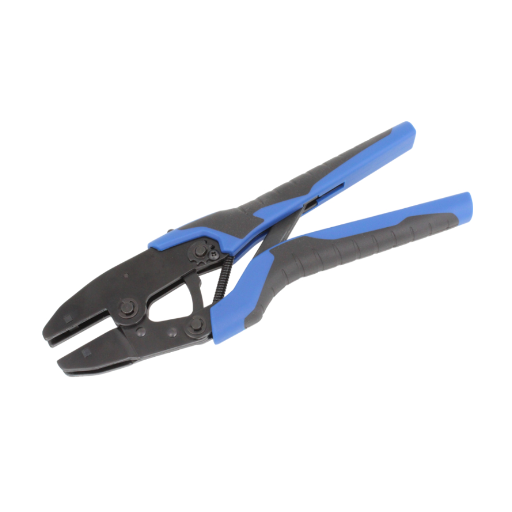
Pliers, opposite to that, are highly important for handling, shaping, or chopping materials. They have many types like slip-joint, needle-nose, and cutting pliers, which are designed for different tasks. For instance, needle-nose pliers are perfect for picking up things from very small places or working with very fine wires, whereas cutting pliers are great for cutting wires or small pieces of material neatly. The ability to manipulate materials effortlessly makes pliers a must-have tool in the most of the toolboxes.
The hand tools like screwdrivers, hammers, and utility knives, apart from being the ones mentioned earlier, make up a complete hand toolkit. Screwdrivers let you do your work accurately with several kinds of screws while hammers are needed whenever there is a need to drive nails or pull materials apart. Utility knives are the choice for a very smooth cut through cardboard or plastic and give versatility in a small size. All these hand tools together form a really efficient solution for a huge variety of tasks across different fields and thus empower the users to carry out their projects with confidence and comfort.
Uses of Heavy Duty Hand Tools Across Different Industries
Construction Industry Applications
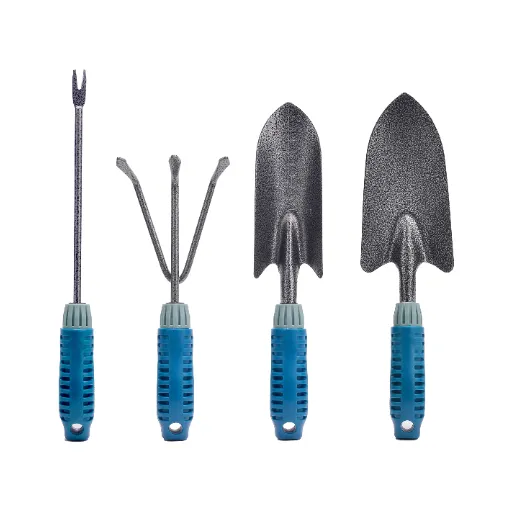
Heavy-duty hand tools are indispensable in the construction industry since they can endure the demands of tough jobs while giving the accuracy, durability, and reliability that are required. Among these are claw hammers, adjustable wrenches, and heavy-duty pliers, which are always present on building sites to help with such tasks as putting together scaffolding, cutting, and shaping wires. Take, for example, utility knives and hand saws that are absolute for the cutting of different materials like drywall or wood to be exact and thus meet the construction process of the design specification. Construction workers rely on these tools for quick and easy handling of the materials which will in turn reduce time and keep productivity high.
The introduction of ergonomic designs and improved materials have also made heavy-duty hand tools more user-friendly in the construction sector. The use of features such as anti-slip grips and vibration-dampening technology has been a plus in reducing worker fatigue and increasing safety at the work site. The trend of multifunctional tools has not only given contractors versatile options but has also allowed them to carry fewer tools without any compromise on functionality. For instance, the multipurpose pliers that cut, strip, and crimp wires are very helpful in making the electrical work during construction faster and easier.
📊 Industry Statistics
Industry trends show that there is a growing focus on sustainability and quality in tool manufacturing. When durability and recyclability of materials are made the criteria for the production of heavy-duty hand tools, they will indeed survive in rugged conditions and contribute less to landfill waste. The construction industry, being the main consumer of such tools, has great source of savings from the lifespan and eco-friendliness of the tools as they are parallel to the green building practices. Moreover, statistics reveal that construction companies that are provided with high-quality tools are more successful in getting better project outcomes, such as less equipment failure and being consistent in delivering precision work.
Aerospace and Automotive Uses
In the aerospace and automotive industries, hand tools are absolutely essential, as precision, reliability, and durability are the key factors in these industries. Maintenance of aircraft, for instance, requires top-notch tools that can perform complex operations with the highest accuracy. Torque wrenches, safety wire pliers, and special screwdrivers are the main tools used to check that each part is tightly screwed and that every system is working at the best possible levels. These tools not only contribute to the aircraft’s safety and performance but also help in meeting the stringent regulations.
Likewise, in the car industry, the use of hand tools is there in the whole process from the manufacturing to the maintenance of vehicles. Whether it is installing engines or doing regular repairs, the use of tools like socket sets, ratchets, and torque wrenches is essential for getting very accurate measurements and keeping very small tolerances. Hand tools are the means by which mechanics and engineers can quickly diagnose the problems and then do the repairs with speed and precision. Turning tools into new tech such as ergonomic models and lighter materials has even more to do with the productivity and the comfort of the workers in the hard-to-work-in automotive areas.
The two industries take a great advantage of the use of advanced materials and designs in hand tools. The aerospace and automotive sectors buy more and more the tools that are made of the most modern materials like titanium and carbon composites which give extraordinary strength with the added benefit of reduced weight. This innovation brings about the ease of friendly handling of the tools even in long or difficult applications and hence the operator’s fatigue is lessened. The constant effort of making special hand tools which are designed according to the particular requirements of these fields indicates their role in promoting safety, efficiency, and quality not only in these high-risk industries but also in others.
DIY Projects and Home Improvement Applications
The use of hand tools has been a major factor in the success of do-it-yourself (DIY) and home improvement projects, allowing not only the skilled workers but also the amateurs to produce beautiful and functional outcomes. The difference can be literally from as basic as hunter screw, or furniture assembling to major jobs such as building custom shelving units, the right tools will always make a difference. Among the most commonly used hand tools are punchers, screwdrivers, pliers, and razor knives which make the core part of a regular home toolbox, while saws, drills, and levels are for the more advanced projects. Having all these tools available makes it easy for homeowners to do repairs and upgrades with confidence, thus saving both time and money that would have gone to professionals.
The ergonomics and durability of modern tools have greatly improved the usability of such tools in home improvement projects. For example, the majority of hand tools now come with the exotic anti-slip grips, cushioned handles, and lightweight frames which are all aimed at reducing hand fatigue during the longer projects. Besides, the invention of cordless tools, rechargeable batteries, and multi-purpose tools has significantly removed the hassles of movement and brought the tools closer to the user. This makes it possible for DIY lovers to work in small or far-off areas without losing the quality and speed of the work done.
Furthermore, the latest gadgets are also increasingly making their way into the DIY and home improvement scenario, along with the practical applications of the new technology. Digital measuring instruments, laser distance finders, and app-based power tools are some of the devices that are changing the whole approach to projects. These technologies are giving real-time feedback, accurate measuring, and step-by-step support, even for the least experienced users. The development of such tools is indicative of the trend in modern households where versatility and user-friendliness are the primary concerns in the tool department. To sum up, despite all these changes, hand tools still occupy an indispensable place in DIY culture as they are able to combine the traditional skill of craftsman with the latest technology to satisfy the various users’ needs.
Weight Considerations: When to Choose Heavy Duty or Lightweight Tools
Factors Influencing Tool Weight Selection
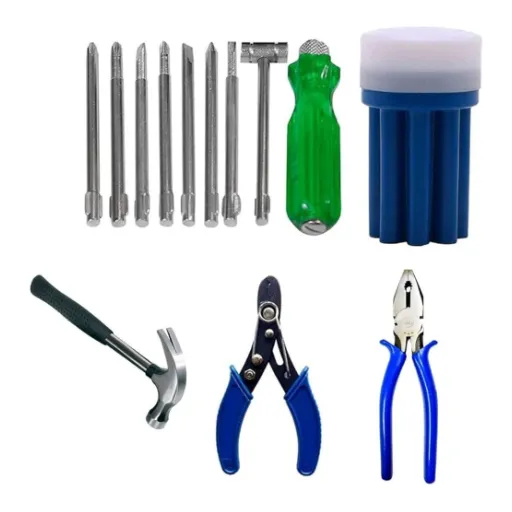
The gravity of a tool is one of its factors which defines the usability, sureness, and suitability of them for different tasks. Usually, project nature, frequency of use, and user’s power are factors that determine if the tools are light-duty or heavy-duty. When talking about the demolition or heavy construction, for instance, heavier tools are usually preferred because they produce more power and last longer. On the other hand, for precise works or projects that take a long time, use of lightweight tools can be a fatigue-minimizing and accuracy-maximizing technique.
🔧 Material Considerations
Moreover, material of the tool affects both, weight and performance. For instance, grade aluminum or carbon fiber tools are not only lighter but also durable, while steel tools are tough in strength but heavy in weight. Ergonomics matter in weight selection; therefore, a well-balanced tool with even weight distribution will be easier to handle even if it is heavy.
Finally, tool mfg. has contributed to the diversification of choices. In the current age, major designs come up with features like hollow handles or composite materials to blend lightweight design and heavy-duty functionality, thus, providing such a range of technologies that can easily fit the individual needs and preferences of the users.
Benefits of Using Lightweight Tools for Specific Tasks
✓ Reduced Fatigue During Prolonged Use
Using lightweight tools really cuts down muscle exhaustion and fatigue a lot. Especially so if the tasks in question are using the equipment for long periods. Through research, it has been found that operating lighter equipment results in physical exertion being lowered by a maximum of 30%. So, the users are able to work more effectively and with less discomfort.
✓ Enhanced Precision and Control
Tools of a lighter weight are easier to handle and thus enable more precise work in the areas where accuracy is required, as in the case of woodwork or artistic repairs. Aerial precision leads to fewer mistakes being made and to higher quality results, even in the case of the most demanding tasks where very careful handling is required.
✓ Improved Safety
Tools that are heavy may cause accidents like dropping or mishandling due to being bulky and hard to handle. Lightweight tools can prevent injuries by providing better grip and easier management of the tools, especially for those who work at heights or in awkward positions.
✓ Accessibility for a Wider Range of Users
Lightweight tools play a key role in being inclusive as nothing stops people from using them who find it difficult to use heavier tools. Elderly people, those with physical limitations or people who are simply beginner’s in taking on certain tasks are the ones who benefit from this most. Thus, the accessibility creates a pathway into DIY projects and professional trades for more people.
✓ Greater Portability
It is not a big deal to move about with lightweight tools which is a plus in their consideration as they can be considered a perfect addition to the equipment of mobile professionals who constantly need to move their tools from one job site to another. This portability advantage is also enjoyed by homeowners and hobbyists who need to store and relocate their equipment with minimal effort.
Torque and Performance: Heavy Duty vs Lightweight
High- and low-power tool options are dictated by the respective characteristics of the jobs and their requirements: heavy-duty ones for big, demanding tasks that need delivering high torque and light ones for precise, small-scale applications where portability is a priority.
Organizing and Storing Your Hand Tools
Effective Tool Storage Solutions
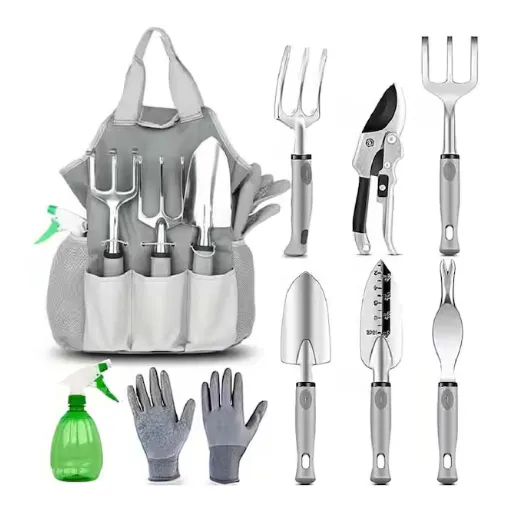
The proper organization of hand tools is a must for an effective workspace and for the quick location of tools at the time of need. A storage system that is well set up will not only be able to hide the mess but also extend the life of the tools since they will be protected from damage or rust. Some examples of tool storage are:
- Pegboards: Pegboards are a very versatile and customizable storage system. You can arrange tools by size or the frequency they are used, keeping them within easy reach with hooks, baskets, and clips.
- Tool Chests and Cabinets: These give you plenty of space to arrange tools in drawers or compartments. Choose the ones that have wheels for easy movement and locking features for extra safety and protection.
- Wall-Mounted Racks: Great for garages or workshops, wall-mounted racks are ideal for storing large tools such as hammers, wrenches, or power tools and at the same time they are freeing up the workspace.
- Tool Bags and Totes: Perfect for traveling professionals or hobbyists, these mobile solutions allow you to carry tools with ease and at the same time keep them organized.
- Magnetic Bars: Metal tools such as screwdrivers and pliers can be easily stored on magnetic bars which are a space-saving and simple option.
If you put together some of the mentioned storage types, you will be able to set up a neat and practical system that will be just right for your tools and the dimensions of your workspace. Besides, cleaning and revising your storage solution periodically will not only help you maintain the organized state, but it will also prevent tools from getting lost during busy times.
Organization Tips for Easy Access
- Group Similar Tools Together: Tools can be organized according to their type or function. For instance, all the wrenches could be put in one drawer and all measuring instruments in another. This method enables you to find the needed tools in no time.
- Label Your Storage Spaces: Clearly visible labels should be used on the drawers, toolboxes, or bins. This will eliminate any confusion and save the time needed for searching specific tools.
- Utilize Clear Containers: Using transparent storage containers allows you to quickly see what is in them. This will also make tracking of the commonly used items easier without any need to do rummaging.
- Maintain a Dedicated Workspace: Keep the tools always in the specific area where they are supposed to be after use. The workspace that is always kept tidy will have less clutter and, in turn, the possibility of losing items will be reduced.
- Opt for Vertical Storage Solutions: Using pegboards or wall-mounted racks will help in efficient use of space and also tools will be always within reach. Tools should be arranged according to how often they are used, with the most commonly used items at eye level or even closer.
By using these methods, you would have a tool organizing system that is simple, your workstation will be less cluttered and well-prepared for any job. The combination of a good layout and consistent effort will lead you to the minimization of downtime and optimization of your workflow.
Impact of Proper Storage on Tool Longevity
🛡️ Prevents Corrosion and Rust
Tool storage in a dry and controlled space eliminates the chances of moisture and humidity which are the primary culprits of rust and corrosion. For example, power tools can last up to 30% longer if they are kept in low-humidity conditions.
🛡️ Reduces Physical Damage
Hanging tools on racks or in padded compartments keeps them away from accidental drops, scratches, and dents. An organized workspace is believed to reduce incidents of physical damage by around 25%, as per industry claims.
🛡️ Minimizes Wear and Tear
Careful storage, like putting cutting tools in protective sheaths or cases, prevents rubbing between tool surfaces, thereby retaining their sharpness and quality.
🛡️ Prevents Contamination
Tools are kept clean and residue-free by not coming into contact with dirt, grease, or chemicals through secure storage like sealed bins, that could dull or make them unsafe in their operation.
🛡️ Improves Operational Safety
An orderly storage system is a significant factor in preventing accidents caused by misplaced or falling tools and is the reason for the reduced number of workplace injuries by the estimate of 20%. The tool’s longevity is assured along with the safety of the user.
Maintenance Tips for Extending Tool Lifespan
Regular Cleaning and Care Techniques
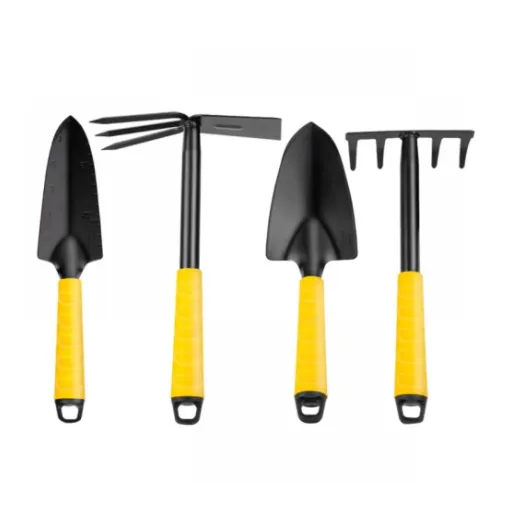
The right cleaning and maintenance of the tools are very important to ensure their proper functioning and to prolong the time of their usage. First, all the tools must be wiped off with a clean and dry cloth after each usage so that all the dust, dirt, and residues are removed. In the case of tools that have been exposed to the most difficult materials like oil or grease, first, apply a very mild cleaning agent or a degreaser to the tool in order to get rid of the residue without ruining the tool. After cleaning, it is very important to make sure that the tool is completely dry to avoid rust or corrosion that can happen on the parts of the tool made of metal.
⚙️ Lubrication Best Practices
Another very important thing in the process of taking care of tools regularly is lubrication. Tools made of metal, especially those that have moving parts, should be lubricated once in a while to keep operating quietly and smoothly, and also to avoid wear and tear. The example can be given of application of machine oil or any other specialized lubricant to the joints, blades, and hinges and it would be the case that their functional lifetime is in the process of getting extended. But be careful not to over-lubricate, because too much oil can draw in dirt and debris, which in turn will nullify the effect of maintenance.
Moreover, regular inspections are required to find out potential problems before they turn into serious ones. Look for the signs of usage like cracks, screws that have come loose, damaged handles, or dull edges. Whenever you find such problems, fix them right away—tighten loose screws, sharpen blades, or get the replacement of damaged parts done. As far as power tools are concerned, inspecting electrical components like cords and plugs is safety as well as functionality. Adopting these cleaning and care techniques, you will be able to bring about a massive improvement in the efficiency and lifespan of your tools.
How to Inspect and Maintain Wrenches and Pliers
The first thing I do whenever I depend on wrenches and pliers is to perform a complete visual inspection. I look for signs of corrosion, distorted parts, or loose handles in the case of pliers. If there is any dirt or debris on or around the tool’s operating parts, I will not hesitate to clean them right away. I use a wire brush or a piece of cloth for this, and sometimes water with soap is used for removing grease.
I then turn my attention to the functionality. In the case of wrenches, I confirm that the adjusting types are working smoothly and locking tightly without the risk of slipping being there. When it comes to pliers, I make sure that the jaws are closing and aligning correctly, which is the prerequisite for getting a strong and even grip. A wrench or plier, that is hard to move or feels stiff, gets a drop of oil for its moving parts. This not only allows the parts to function smoothly but also provides a protective layer against rust and wear over time.
I keep these tools in a dry organized place as a way of prolonging their lifespan. I always think that the cleaning and proper storage of tools is as important as the inspection itself. Wrenches and pliers are fortunate in that they can stay in a toolbox or be hung on racks, which prevent the tools from being damaged and therefore increase their life. Because of maintenance like this, I have been able to keep my tools trusty for years, which means they are always ready for use in any job.
Storage Practices to Avoid Rust and Damage
The use of proper storage techniques is a must if one desires to use tools over a long period and if one wants to get the most out of them. The condition of tools can be affected to a great extent by factors such as moisture and improper handling. Therefore, one of the most important things to do in order to avoid rust is to make sure that the tools are kept in a dry place with very low humidity. Try to place moisture-absorbing packs, such as silica gel, in the toolboxes or storage cabinets, which will help to actively reduce the amount of humidity present. For those living in especially humid areas, purchasing a dehumidifier for the room where the tools are kept, can be very effective for preventing rust.
💡 Pro Tip: Protective Coating
Additionally, one of the best ways to keep tools rust free is to apply light oil or anti-rust spray on the metal surfaces before they are stored away. In doing so, a barrier that is impervious to moisture and air is formed. In this case, however, it is important to clean the tools very well before applying the oils, otherwise dirt, grease and old residues will be the cause of the opposite effect since they can trap moisture and cause corrosion. As for small or delicate tools, wrapping each tool in rust-inhibiting paper can be a good way to provide extra protection.
Storing tools in such a manner that there is very little contact between them and other metallic surfaces can be very advantageous too. Using foam inserts or dividers that are made-to-order in toolboxes can assist one in keeping the items apart and secured. Hanging tools like wrenches or hammers on pegboard would mean these utensils do not have to stay in humid places. When proper storage techniques are combined with a regular inspection routine, then the tools can be assured of being in excellent condition, being the first choice for any task and also getting the most out of their lifespan.
References
-
Ohio State University – Nonpower Hand Tools: Discusses the use of heavy-duty hand tools in farming and gardening tasks.
-
OSHA – Hand and Power Tools: Provides guidelines on the safe use and maintenance of hand tools in the workplace.
-
Federal Register – Heavy Forged Hand Tools: Covers regulations and trade policies related to heavy forged hand tools.
- Click here to read more.
Frequently Asked Questions (FAQ)
Q: What basically heavy duty hand tools and what makes them different from regular tools?
A: Heavy duty hand tools are those designed for brutal and continuous application; their build comprises tougher materials, stronger handles, and thicker parts, heavy duty hand tools are the direct opposite of regular consumer-grade tools. In a busy shop environment, heavy duty hand tools are the ultimate solution as they are not only wear-resistant, but also accurate and less-frequent-replacement needing which is the reason why such tools are preferred by professionals who mainly depend on high-quality hand tools.
Q: What is the way to select high-quality hand tools for my shop?
A: One way to select high-quality hand tools is through checking for material (forged steel, chrome-vanadium), fit and finish, warranty, and user reviews. In a shop environment, the main features to look in hand tools would be ergonomics, corrosion resistance and brand reputation. Set deal for drive sockets, wrenches and clamps is become compatible, durable tools made for heavy duty hand tools usage.
Q: Are heavy duty hand tools worth the higher upfront cost?
A: Absolutely — heavy duty hand tools are usually more expensive, but they will save you the money in the long run with their durability, less replacements, and improved job performance. In a professional workshop, where tools go through the most intensive use, investing in high-quality hand tools including drive sockets and sturdy clamps not only cut down the downtime but also enhance safety.
Q: What maintenance is required to keep drive sockets and other heavy duty hand tools in good working condition?
A: The maintenance work would include cleaning, lubrication of the moving parts, inspection for cracks or wear, and putting the tools away in a dry, organized area of the shop. For drive sockets, keep the square drive and socket faces clean and lightly oiled to avoid rust. All heavy duty hand tools last longer and perform like new when properly cared for.
Q: How do I use a clamp safely with heavy duty hand tools?
A: The correct procedure for using clamps is to place them such that the weight is evenly shared on the workpiece, followed by tightness slowly to avoid slipping or damage. Choose a clamp that fits weight and type ratings; in a store heavy duty hand tools, along with a sturdy clamp, will give most secure holds while cutting, welding, or assembly work thus minimizing the risk of injury.
Q: What are the features of the drive sockets that are indispensable for professional use?
A: The features of the drive sockets that are indispensable for professional use include high-strength alloy steel for manufacture, accurate sizing, strong retention systems, and corrosion-resistant finishes. Also, opt for sets that coincide with the drive size of your ratchets and impact tools. Professional drive sockets that are made for heavy duty hand tools will provide deep and shallow options, clear markings, and compatibility with extensions and adapters often found in a shop.
Q: Can heavy duty hand tools be used for DIY projects at home?
A: Definitely — heavy duty hand tools are perfect for DIY projects and will never be no less durable, precise, and easy to use than their lower-priced competitors. If a homeowner considers performance as a reliable factor, he/she may prefer to have a couple of high-quality hand tools like a reliable clamp, a set of drive sockets, and a robust wrench or screwdriver set for varied tasks.
Q: What is the proper way to store heavy duty hand tools in a busy shop to get the most out of their lifespan?
A: A clean and dry area should be the storage place for heavy duty hand tools; meanwhile, using tool chests, pegboards, or foam-lined drawers is a good idea to protect them against damage and corrosion. Organizing the drive sockets in labeled rails, and hanging the clamps to avoid bending are some of the methods for proper storage. Loss due to improper storage would not happen and high-quality hand tools would remain accessible and ready for heavy use.
Final Thoughts
Understanding the differences between heavy duty and lightweight hand tools empowers you to make informed decisions for your projects. Whether you prioritize durability and power or portability and precision, selecting the right tools and maintaining them properly will ensure optimal performance and longevity. Invest wisely, store carefully, and maintain regularly to get the most value from your hand tool collection.