
Socket Wrench vs Ratchet: Key Differences and Buying Guide
The terms socket wrench and ratchet wrench are often used interchangeably, but they are not the same. A socket wrench is any wrench that uses interchangeable sockets to turn fasteners. A ratchet wrench is a socket wrench with a built-in ratcheting mechanism that lets you turn a fastener without lifting and resetting the tool. For buyers comparing a socket wrench vs ratchet, the real question is usually whether the ratcheting feature is worth the extra cost for the work they do.
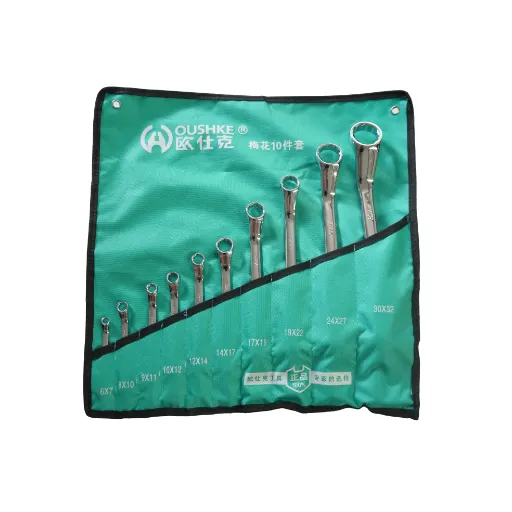
At Shanghai Oushike Hardware Tools, we manufacture and supply professional hand tools and power tools for distributors, tool brands, and industrial buyers. This socket wrench vs ratchet guide explains the differences between the two tools, when each works best, and what to look for when sourcing them in bulk.
Socket Wrench vs Ratchet: Quick Comparison
| Feature | Socket Wrench | Ratchet Wrench |
|---|---|---|
| Primary use | Tighten or loosen nuts and bolts with interchangeable sockets | Same, but with a ratcheting mechanism for faster work |
| Motion needed | Full 360° arc; lift and reset on each turn | Small back-and-forth swing; no need to lift |
| Best workspace | Open areas with room to move | Tight spaces with limited clearance |
| Speed | Slower on repetitive tasks | Faster on repetitive tasks |
| Torque capacity | Generally higher | Moderate to high |
| Typical cost | Lower | Higher |
| Best for | Occasional use, high-torque jobs | Frequent use, automotive, assembly |
Bottom line: Every ratchet wrench is a socket wrench, but not every socket wrench is a ratchet wrench. If you work in tight spaces or turn many fasteners, the ratcheting version saves time and effort.
What Is a Socket Wrench?
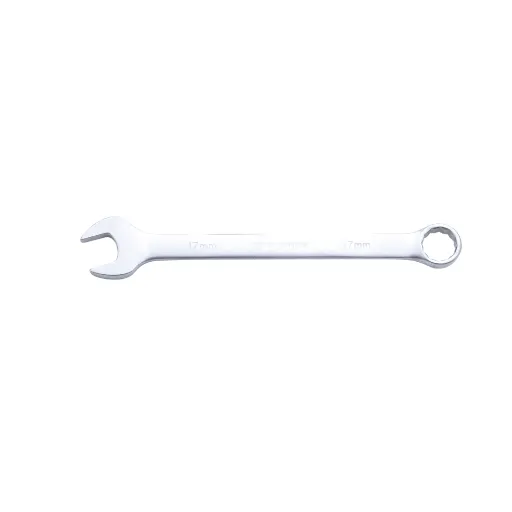
A socket wrench is a hand tool made of a handle and a detachable socket. The socket fits over the head of a bolt or nut, and the handle provides leverage to turn it. Sockets come in many sizes and drive sizes, so one handle can work with many fasteners.
Common drive sizes include:
- 1/4 inch, light-duty work, precision tasks
- 3/8 inch, general-purpose automotive and maintenance
- 1/2 inch, heavy-duty automotive and construction
- 3/4 inch and 1 inch, industrial and heavy machinery
Socket wrenches can have solid handles, T-handles, or breaker bars. They are simple, durable, and often less expensive than ratcheting versions. The trade-off is speed: without a ratchet, you must lift the tool and reset it on every turn.
What Is a Ratchet Wrench?
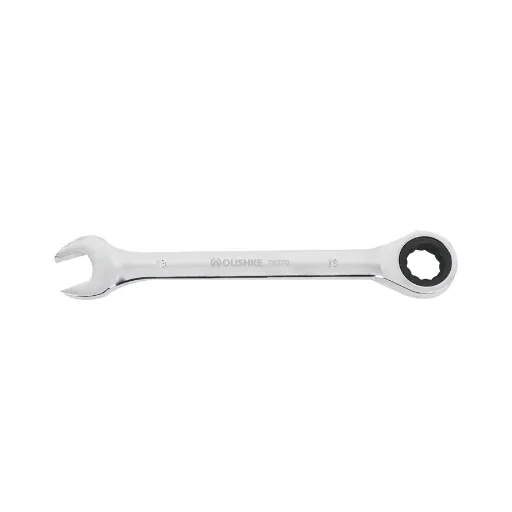
A ratchet wrench is a socket wrench with a ratcheting head. Inside the head, a gear and pawl allow the handle to move back and forth while the socket turns the fastener in only one direction. A selector switch changes the direction for tightening or loosening.
The teeth count in the ratchet gear determines the minimum swing arc:
- 36 teeth, 10° swing arc
- 72 teeth, 5° swing arc
- 120 teeth, 3° swing arc
More teeth mean a smaller arc, which is useful in cramped engine bays or machinery. Ratchet wrenches cost more because of the extra mechanism, but they pay back in speed when you turn many fasteners.
Key Differences: Socket Wrench vs Ratchet
Motion and Efficiency
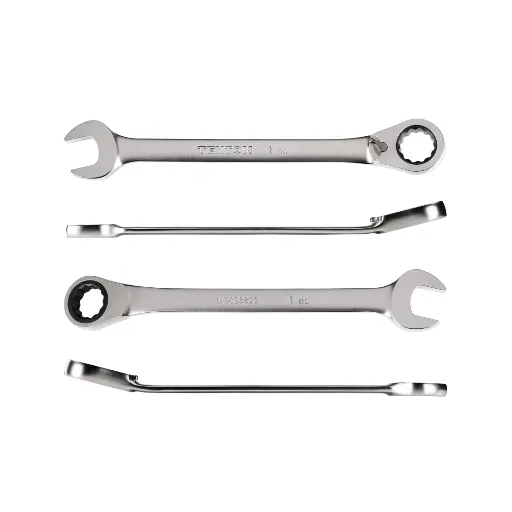
A standard socket wrench needs a full circle of space to operate. In open areas this is fine, but under dashboards, inside engines, or behind panels there is rarely enough room. A ratchet wrench needs only a few degrees of swing, so it keeps working where a solid handle cannot move. This difference in swing motion is the practical heart of the socket wrench vs ratchet decision.
Torque and Durability
Solid socket wrenches and breaker bars can handle more torque because there are fewer moving parts. Ratchet mechanisms can break if overloaded. For stubborn fasteners, a solid handle or breaker bar is the safer choice. For high-torque work, the socket wrench vs ratchet choice usually favors the solid-handle tool. Once the fastener loosens, switch to a ratchet for speed.
Cost and Maintenance
Plain socket wrenches cost less and need almost no maintenance. Ratchet wrenches cost more and need occasional cleaning and lubrication to keep the mechanism smooth. Price is another factor in the socket wrench vs ratchet comparison. For professional use, the time saved usually justifies the higher price and light upkeep.
When to Use a Socket Wrench vs Ratchet
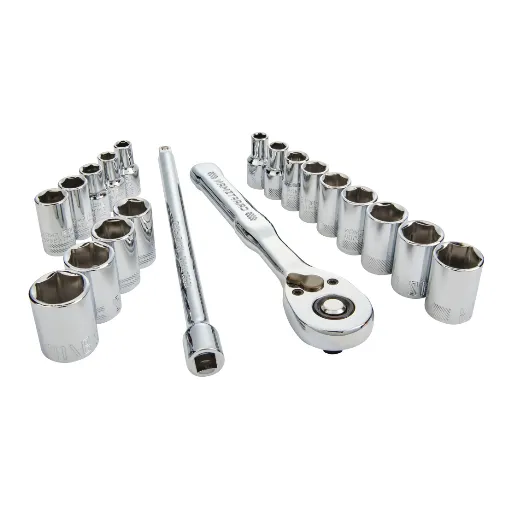
Use a Socket Wrench When:
- You need maximum torque for stuck fasteners.
- You work in open spaces with room to move.
- Cost is the main concern.
- You want the simplest, most durable option.
Use a Ratchet Wrench When:
- You work in tight spaces with limited swing room.
- You turn many fasteners in a row.
- Speed matters more than brute force.
- You do automotive, assembly, or machinery maintenance.
Best-for Categories
| User | Recommended Tool | Reason |
|---|---|---|
| DIY homeowner | Basic socket set or ratchet set | Occasional repairs, no need for fine-tooth mechanisms |
| Automotive mechanic | Ratchet wrench set with 72-120 teeth | Tight engine bays and repetitive work |
| Assembly line worker | Ratchet wrench with comfortable grip | Speed and reduced fatigue |
| Industrial contractor | Heavy-duty socket wrenches and breaker bars | High torque and durability |
| Tool distributor | Stock both types in common drive sizes | Covers the widest customer range |
Types of Sockets and Drive Sizes
Common Socket Types
- Standard sockets, shallow sockets for most fasteners
- Deep sockets, for nuts on long bolts or threaded rod
- Impact sockets, thicker walls for use with impact wrenches
- Universal joint sockets, angled access for hard-to-reach spots
- Spark plug sockets, with a rubber insert to hold the plug
- Hex (Allen) sockets, for hex-head fasteners
Point Configurations
- 6-point sockets grip flat sides of the fastener and reduce rounding. Best for high torque.
- 12-point sockets fit more angles and are easier to slide on. Better for tight access, but can round fasteners under heavy load.
Drive Size Guide
| Drive Size | Typical Use | Socket Range |
|---|---|---|
| 1/4 inch | Electronics, small appliances, bicycles | 4-15 mm or 3/16-9/16 inch |
| 3/8 inch | General automotive, light machinery | 8-22 mm or 1/4-7/8 inch |
| 1/2 inch | Trucks, heavy equipment, construction | 10-32 mm or 3/8-1 1/4 inch |
| 3/4 inch+ | Industrial, agricultural, heavy machinery | Large fasteners |
A 3/8-inch socket set is the best starting point for most users. Larger drives usually have a higher torque capacity, while smaller drives offer better access in tight spots.
Socket Set vs Ratchet Set Buying Guide
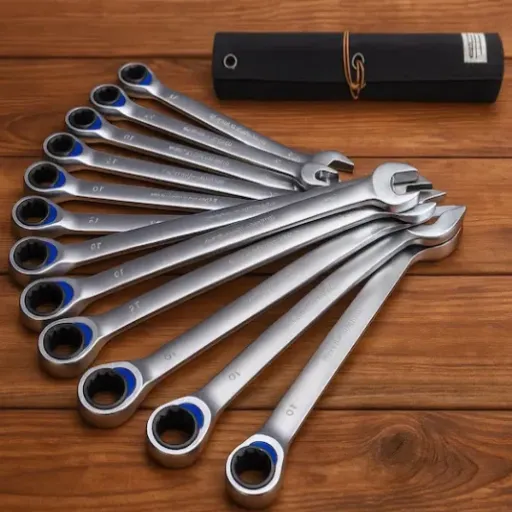
A complete socket set or ratchet set usually includes the handle, sockets in metric and SAE sizes, extension bars, and a carrying case. When choosing a socket set or ratchet set, consider:
- Drive size matches the work you do most often.
- Socket range: make sure common sizes are included.
- Material, chrome vanadium (CR-V) or chrome molybdenum (CR-MO) steel, offers strength and corrosion resistance.
- Finish, polished chrome or black oxide, resists rust and makes cleaning easier.
- Ratchet tooth count, 72 teeth, is a good balance of strength and fine movement.
- Warranty: longer warranties often signal better build quality.
For bulk buyers, it is smart to offer multiple socket sets and ratchet sets so customers can choose the range that fits their work.
Socket Wrench vs Ratchet: Which Should You Stock?
If you serve automotive and industrial buyers, stock ratchet sets with 72- and 120-tooth mechanisms. For general DIY and maintenance customers, basic socket sets with standard sockets are a safe, lower-cost entry point.
Quality Standards to Check
Look for tools that meet recognized industry standards such as those from ANSI and ASME. These standards help ensure consistent dimensions, torque ratings, and material quality across production batches. Reputable suppliers also test ratchet mechanisms for cycle life and socket hardness before shipment.
Common Mistakes When Choosing
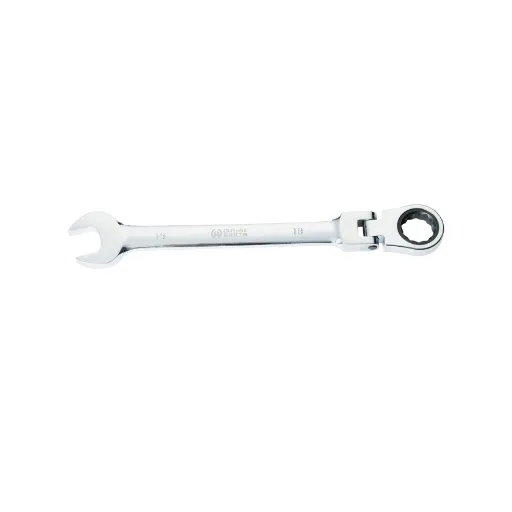
- Buying only one drive size. A common socket vs ratchet mistake is choosing a single drive size. Most users need at least 3/8 inch, and professionals often need 1/4 and 1/2 inch as well.
- Using a standard ratchet for impact work. Impact sockets and impact-rated ratchets are built for hammering forces.
- Ignoring tooth count. A low-tooth ratchet in a tight space is frustrating to use.
- Choosing 12-point sockets for everything. 6-point sockets protect fasteners under high torque.
- Forcing a ratchet on a seized fastener. For seized fasteners, use a breaker bar instead of the ratchet mechanism.
Maintenance Tips for Socket Wrench vs Ratchet Tools
Proper care extends the life of any socket wrench or ratchet wrench:
- Wipe tools clean after each use.
- Lubricate the ratchet mechanism with light machine oil periodically.
- Inspect sockets for cracks or rounded edges.
- Store sets in a dry place to prevent rust.
- Do not use chrome sockets with impact guns; use impact sockets instead.
Sourcing Checklist: Socket Wrench vs Ratchet Sets for Bulk Buyers
Use this checklist when sourcing socket wrench vs ratchet sets for resale, rental fleets, or professional tool lines.
- Identify target users: DIY, automotive, industrial, or mixed.
- Choose drive sizes: 1/4, 3/8, 1/2, and optional 3/4 inch.
- Select socket types: standard, deep, impact, and specialty sockets.
- Confirm materials: CR-V or CR-MO steel.
- Verify tooth counts and ratchet build quality.
- Check finish options: chrome, black oxide, phosphate.
- Review packaging and case design.
- Request samples and test on target fasteners.
- Confirm private-label, color, and branding options.
- Check minimum order quantities, lead times, and quality control processes.
Frequently Asked Questions About Socket Wrench vs Ratchet
Is a socket wrench the same as a ratchet wrench?
No. A ratchet wrench is a type of socket wrench. The difference is the ratcheting mechanism that lets the tool turn fasteners with a back-and-forth motion instead of a full circle.
Socket Wrench vs Ratchet: Which Is Better for Tight Spaces?
A ratchet wrench is better for tight spaces. Its small swing arc lets you work in areas where a full turn is impossible. For very tight spots, choose a ratchet with 72 or 120 teeth.
Which is better: socket wrench or ratchet wrench?
It depends on the job. A ratchet wrench is better for tight spaces and repetitive work. A solid socket wrench is better for maximum torque and durability.
What does 72-tooth ratchet mean?
A 72-tooth ratchet needs only 5 degrees of handle movement to engage the next tooth. This small swing arc is useful in confined spaces.
Can I use regular sockets with an impact wrench?
No. Regular chrome sockets can crack under impact forces. Use impact-rated sockets with impact wrenches.
What drive size should I buy first?
For general use, start with 3/8 inch. Add 1/4 inch for precision work and 1/2 inch for heavy-duty tasks.
Conclusion
Understanding the socket wrench vs ratchet difference helps you choose the right tool and stock the right products. A socket wrench is the simpler, stronger choice for high-torque jobs. A ratchet wrench adds speed and convenience in tight spaces and repetitive work. Most professional users need both.
For B2B buyers, sourcing a balanced range of factory-direct hand tools, including socket sets and ratchet sets in common drive sizes, helps you serve DIY customers, automotive shops, and industrial contractors. Shanghai Oushike Hardware Tools offers customizable socket and ratchet sets with OEM/ODM options, reliable quality control, and flexible packaging. Contact our team to discuss bulk orders, private-label branding, or custom specifications for your socket wrench vs ratchet product line.