
How to Calibrate Torque Wrenches: Professional Guide
The precision of your torque wrench is an absolute necessity for the safety and the precision of any engineering or mechanical work. Eventually, even the best torque wrenches will miscalibrate as a result of being used repeatedly, thus setting inaccurate torque and yielding poor quality results. This manual is meant to professional and amateur practitioners to help them comprehend the significance of constantly calibrating their torque wrenches and providing them with a very clear and simple procedure to follow for perfect tool performance. If you are working in an automotive shop, on a construction site, or just in your garage, calibration is one skill that you cannot afford to overlook.
Introduction to Torque Wrench Calibration
The Importance of Calibrating a Torque Wrench
Calibrating a torque wrench regularly is very important, because it guarantees not only accuracy but also reliability in the tool’s performance. It is quite normal that over time and with the use, the torque wrenches lose their calibration. This can happen because of wear and tear on the equipment or even due to exposure to harsh environmental conditions. The situation with the uncalibrated torque wrench is that it may be applying either too much or too little force, thus leading to improper fastening, which, in turn, may cause damaged parts, compromised safety, or even unsuccessful equipment.
Calibration on a regular basis helps to keep the tool’s precision which is very important for industries where exact torque settings are a must. Examples of such industries are auto repairs, construction, and aviation. A calibrated tool, on the other hand, is one that tightens the bolts and fasteners to the exact specifications, hence avoiding problems like mechanical failure, product malfunction, or reduced durability. Furthermore, by following the calibration schedules, the professionals also lessen the chances of expensive repairs and the related liability issues that may arise from the wrong fastening of components.
Key Calibration Guidelines
- Manufacturers normally recommend to calibrate a torque wrench after a definite number of usages or annually whichever comes first
- Recalibration is suggested if the tool is dropped, misused, or subjected to extreme conditions
- Work with accredited calibration services or use certified calibration equipment for best reliability
Regular calibrating of tools not only protects the integrity of your work but also your investment in tools, hence it becomes an indispensable practice for any professional or DIY enthusiast.
Safety and Precision in Torque Measurements
Correctly identifying the suitable tool for the job is the first step to ensuring safe and accurate torque measurements. Over-tightening or under-tightening fastener due to not using the correct tool may lead up to the failure of the machine or even become a dangerous situation. Always check for the manufacturer’s recommendations or guidelines for torque values to get accurate results and safe operation.
Every time before using the torque wrench, check it for any visible damage, signs of wear, or if calibration is expired. The tool that hasn’t been maintained properly or is not calibrated correctly can give wrong measurements which will affect the project both in quality and safety aspects. If you find any problem do not use the wrench until it has been serviced or recalibrated by an accredited professional.
⚠️ Best Practices for Handling and Storage
- Place the torque wrench in a clean and dry place that is free from excess moisture or dust
- Do not subject it to extreme temperature changes
- After use always reset a micrometer-style torque wrench to the lowest setting to relieve tension on the internal mechanism
Overview of Calibration Process
Calibration is an utmost important activity in which a torque wrench’s accuracy and dependability are assured. It is a process where the torque wrench’s measurement is compared with that of the standard reference and adjustments are made if necessary. If the tool is not regularly calibrated, torque readings become inconsistent, and hence the wrench will not render precision readings which are important in mechanical and industrial applications.
Step-by-Step Calibration Process
- Secure the wrench to the calibration device or machine that has the ability to measure torque with high accuracy
- Gradually apply force to the wrench and note the output when the tool is achieving different preset levels
- Check readings against the known standard values given by the calibration device
- Adjust the torque wrench as per the manufacturer’s specifications until the readings match with the standard values
Though there are no strict regulations, it is necessary that a torque wrench be calibrated routinely, once every twelve months would be the minimum, however if the wrench is visibly used a lot or for critical applications, then it needs to be calibrated more often. Calibration done correctly minimizes the likelihood of working with too loose or too tight screws which can cause the equipment to break or even harm the workers.
Tools and Equipment Needed for Calibration
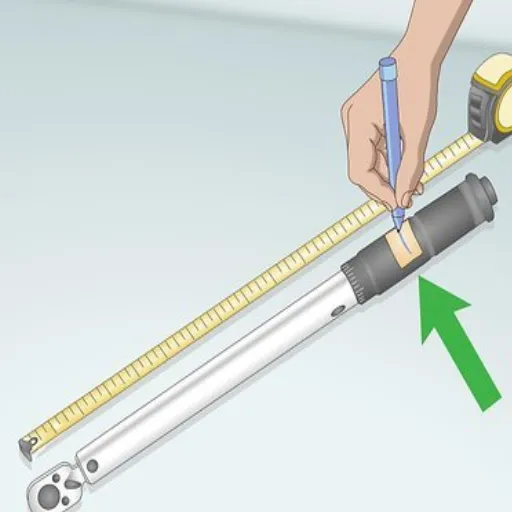
Essential Tools for Torque Wrench Calibration
In order to have a good calibration of a torque wrench, the following basic tools and devices are required:
🔧 Torque Analyzer or Calibrator
This is the major tool among the rest as it measures the torque created by the wrench directly. It matches the output of the wrench with a standard and thus, guarantees accuracy.
⚖️ Calibration Weights
These weights provide the necessary weight or force that will indicate on which ranges the wrench is accurate and at what torque settings.
📊 Dial Indicator or Digital Display
A digital readout or dial that shows real-time measurements with great precision is part of the majority of today’s calibrators.
🔩 Adapter and Extension Sets
These are sometimes necessary to link the torque wrench to the calibrator, particularly for wrenches of different sizes.
🛠️ Fixture or Mounting Device
A stable mounting area or fixture is vital to hold the wrench firmly while calibrating it and to avoid any movement that might affect the readings.
🦺 Personal Protective Equipment
The wearing of personal protective equipment such as safety gloves and goggles may be necessary for the calibration process to be regarded as safe.
Important: Always check the documents or guidelines provided by the wrench manufacturer to know the proper torque ranges and calibration methods. The use of the above-mentioned tools in the right way would yield a calibration of the torque wrench that is safe, consistent, and efficient thus, preserving both the tool’s efficiency and the safety of the working area.
Types of Torque Wrenches: Clicker vs. Beam
Clicker torque wrenches are user-friendly with audible feedback, while beam wrenches are simpler, cost-effective, and rely on visual readings.
The need for precision in the task also affects the frequency of calibration. Applications with critical components like automotive engines and aerospace assembly, need a tighter tolerance and thus the calibration would need to be done more often. It’s common for manufacturers to have calibration schedules specifically for their products, so it’s best to check the user manual for the exact procedure.
💡 Additional Factors Affecting Calibration Frequency
- Handling conditions and physical shocks
- Storage conditions (temperature changes, humidity)
- Heavy temperature changes or extreme environmental exposure
- After any drop or physical impact
Writing down the calibration intervals and the performance of the tool regularly can help in spotting possible problems before they start affecting your work. Torque wrenches that are exposed to heavy temperature changes, high humidity or physical shocks are going to be less accurate than the ones that are well taken care of and will need more frequent calibration.
Measuring Devices and Accessories
In the process of torque wrench calibration, it is very important to have the correct measuring devices or accessories that can give you precision and reliability. Among the most common measurements are torque testers and transducers; torque testers often come with a digital display, while transducers are more adaptable since they are used with data acquisition systems that provide an analysis of measurement in real-time.
Besides those already mentioned, there are other indispensable accessories, for instance, calibration rigs or fixtures that firmly grip the wrench during the testing and reaction arms that disperse the force. Furthermore, the use of adapters and extension bars are necessary when dealing with hard-to-reach fasteners or non-standard applications. The majority of new devices also connect to software systems wherein the calibration results are recorded and analyzed, thereby increasing the traceability of measurements.
By employing a combination of sophisticated tools and correct methods, technicians can keep torque wrenches for sensitive applications in the automotive, aerospace, and industrial fields accurate and reliable.
Common Mistakes to Avoid During Calibration
Incorrect Settings and Adjustments
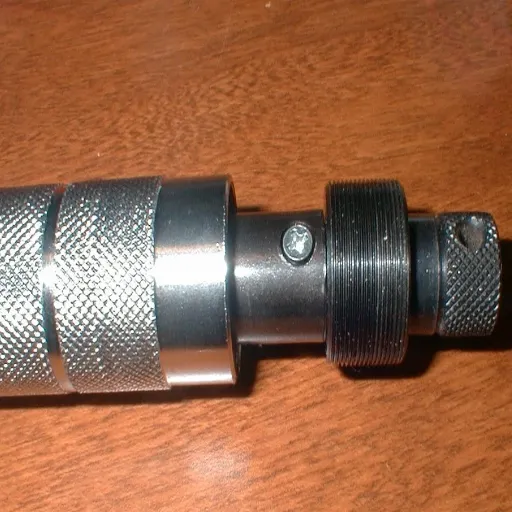
The incorrect specification setting for the torque wrench is one of the most common errors made when calibrating the torque wrench. The manufacturer grants each torque wrench its own specific range and operational parameters. This means that those parameters have to be strictly adhered to. Outside of these ranges, the wrench can deliver readings that are not reliable and even damage the tool as a matter of course. In the first place, it is important to consult the user manual and follow the documented guidelines to obtain the best performance and reliability.
❌ Critical Errors to Avoid
- Making calibrating process adjustments without proper knowledge or training
- Attempting to adjust the wrench without understanding its mechanism
- Skipping steps in the calibration process
- Relying solely on visual inspection
Calibrating correctly often calls for a systematic approach and special equipment, e.g., torque testers or calibration benches. If someone tries to adjust the wrench without properly understanding its mechanism, that person may end up causing misalignment or deviation from accuracy standards. Calibration should be done only by professionals who are properly trained and have the right tools for the job and thus avoid excessive wear or wrong results.
Ignoring Environmental Factors
A common mistake that many make is to disregard the environmental factors when they are doing the calibration procedures. This usually happens to the extent that it becomes a major factor that negatively affects the whole process by making it less precise and reliable. Temperature, humidity, and even altitude can cause the instruments to perform differently, especially when precision is critical in that industry.
Environmental Impact on Calibration
Temperature: Very high or low temperatures can make parts inside the instrument expand or contract, thereby changing the readings and making them not accurate anymore.
Humidity: In very humid areas, condensation might form which can affect either the electronic parts or the mechanical ones.
Dynamic Conditions: Calibration carried out in environmental conditions that are different from those of the tool’s working environment will cause discrepancies.
Redressing environmental factors through proper adjustments or compensations will not only improve the accuracy of diagnosis and calibration but also prolong the life of tools. For instance, a controlled environment for calibration laboratories, dehumidifiers in high-moisture areas, or the calibration of tools in various temperature ranges before use are very sensible strategies.
Failure to Follow Calibration Steps
The poor compliance with proper calibration procedures would cause many serious negative effects throughout the different sectors. One such negative effect is that of incorrect measurements, which can, in turn, result in the inferior quality of products or even services offered. For instance, a manufacturer who uses uncalibrated machines might produce parts that don’t pass the desired specifications, leading to material waste, augmented costs, and unhappy clients.
Calibration mistakes or not paying attention to them can also lead to equipment suffering that reduces its reliability and lifespan. Instruments that are not calibrated on a routine basis might have their life cut shorter due to their operating merely being at less than optimal performance. Such events will lead to unplanned shutdowns, expensive maintenance work, and waiting for the process to be operational again.
✓ Solutions for Preventing Calibration Errors
- Invest heavily in extensive training for all personnel
- Maintain meticulous documentation of all calibration procedures
- Conduct regular verification of tools and equipment
- Establish uniform calibration protocols
- Utilize smart sensors and automated calibration processes
Maintaining Torque Wrench Accuracy
Regular Inspection and Maintenance Tips
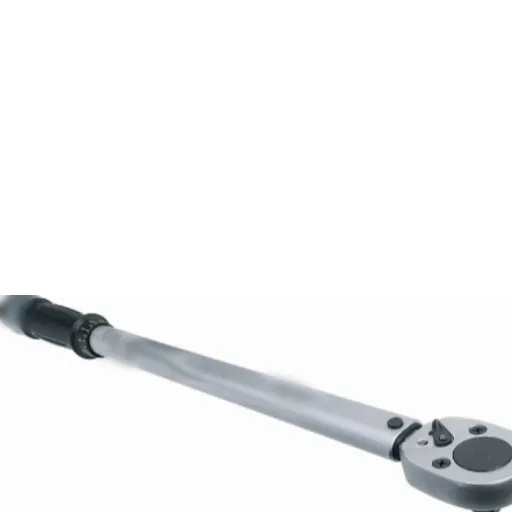
The accuracy of a torque wrench is maintained through regular visual inspections that reveal wear and tear, damage, and dirt, grease, and other contaminants. Use a clean, dry, lint-free cloth to wipe the wrench before putting it away to keep the internal parts of the wrench free from obstructing debris. All the moving parts here like the ratchet head have to be well-lubricated and kept free of rust and corrosion. Avoid using abrasive cleaning materials that could ruin the tool’s structure.
🔍 Maintenance Checklist
- Visual Inspection: Check for wear and tear, damage, and contaminants before each use
- Cleaning: Wipe with clean, dry, lint-free cloth after every use
- Lubrication: Keep moving parts like the ratchet head well-lubricated
- Calibration: Perform calibration every 6 to 12 months depending on usage intensity
- Storage: Store in clean, dry place with protective cases when available
Calibrating the torque wrench is no less important than any other process done to it. The procedure is to let the applied torque and standard measurement go through a comparison and the one that is correct is selected as it is the accuracy of the wrench. It is always a good idea to follow the manufacturer’s instructions when re-calibrating and seeking a certified technician for professional calibration services if required. Do not wait for signs of inaccuracy like inconsistent torque readings to arise to take action.
Storing Your Torque Wrench Properly
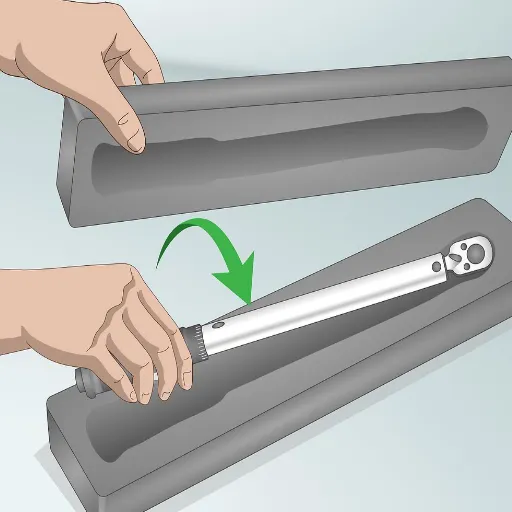
The right storage of your torque wrench has a very important part in the life of the tool and its proper usage. Always after using the torque wrench bring it back to the lowest torque setting. This releases a lot of the internal spring which would otherwise stretch and then harden and lead to erratic or unreliable results. So it is important to be gentle and careful with the wrench and not to drop it as the shocks may cause the precision mechanisms to break down.
Storage Best Practices
- Keep in a clean, dry, and temperature-controlled area
- Store in the original protective case or specialized storage facility
- Keep the wrench stored horizontally to avoid pressure on any parts
- Protect from moisture, dirt, and extreme temperatures
- Reset to lowest setting after each use
As a long-term care consideration, inspect and calibrate regularly become part of the maintenance routine. Even though the proper storage is done, gradual wear and tear may still occur over the years. Calibration from time to time guarantees that the torque wrench will not mislead you, which is very important for the quality of your work.
Calibration Frequency Recommendations
To achieve the best results and the highest accuracy, the torque wrench has to be calibrated regularly. The frequency of calibration recommendations depends on the usage and the type of work being done. For general-purpose use like occasional DIY tasks or light maintenance projects, it is sufficient to calibrate the torque wrench once a year at least. In contrast, for calibration of torque wrenches that are constantly in use in professional or industrial settings, it would be better to do it every three to six months. This will not only keep the tool accurate but also save money that could be lost due to wrong torque readings.
The need for precision in the task also affects the frequency of calibration. Applications with critical components like automotive engines and aerospace assembly, need a tighter tolerance and thus the calibration would need to be done more often. It’s common for manufacturers to have calibration schedules specifically for their products, so it’s best to check the user manual for the exact procedure. Writing down the calibration intervals and the performance of the tool regularly can help in spotting possible problems before they start affecting your work.
Moreover, factors like handling and storage conditions affect the frequency of calibration. Torque wrenches that are exposed to heavy temperature changes, high humidity or physical shocks are going to be less accurate than the ones that are well taken care of and will need more frequent calibration. If you combine careful usage and maintenance with periodic calibration, then your torque wrench will stay as a trusted tool and will contribute to your work’s success and accuracy for many years.
Expert Advice on Torque Wrench Calibration
Insights from Seasoned Mechanics
Proper torque wrench calibration is the foremost thing that is maintained in any mechanical application according to the seasoned mechanics. A torque wrench that gradually loses its performance due to wear and tear might be unreliable, and the fastened components’ integrity could be at risk. Experienced mechanics will always recommend frequent calibration checks at least two times a year if moderately used, or more frequently under heavy utilization. Getting ahead of possible inaccuracies will not only avoid expensive errors but also increase the safety standards in mechanical work.
📋 Expert Recommendations
- Documentation: Maintain a comprehensive log of calibration intervals and outcomes for tracking performance over time
- Certified Services: Use only qualified and certified calibration services that work according to recognized standards
- Pattern Detection: Logging helps identify drifts or wear patterns for predictive maintenance
- Smart Technology: Consider digital calibration systems with real-time feedback for enhanced precision
With the technological advancements come the torque wrenches which can even be equipped with smart features like a digital calibration system and real-time feedback on the applied torque. Such tools are particularly chosen by seasoned mechanics as they can provide precise measurements consistently and at the same time are less prone to human error. Although the conventional torque wrenches are dependable when used with proper care, the adoption of high-tech tools can give an advantage in tasks involving complexity and precision.
Professional Calibration Services: When to Seek Help
It is absolutely critical to get professional calibration services whenever the accuracy and reliability are in question. For example, torque wrenches will eventually drift out of calibration due to the number of times they are used, causing the whole operation to produce an inferior product. Look at the manufacturer’s suggested calibration intervals, but also be on the lookout for signs such as inconsistency in performance or unexplained deviations in measurements. These problems usually indicate that expert assistance is required.
When to Contact Professional Services
- Inconsistency in performance or unexplained measurement deviations
- High-precision or safety-sensitive projects
- When structural problems or part failures could result from inaccuracy
- Complex internal modifications required
- After significant drops or physical damage
Professional calibration is a necessary investment for both the longevity of instruments and the quality of workmanship. The regular calibration services not only prolong the lifespan of instruments but also instill the assurance that results are accurate and reliable across the board. By getting help from the professionals whenever it’s required, tools remain in a state of reliability and work stays up to the highest standards.
Best Practices for Accurate Torque Measurement
The accurate torque measurement plays a pivotal role in achieving precision, safety, and good performance in different fields. The reliability of the readings and the life of the tools depend on the following best practices being followed:
1. Use the Right Tools
Select a torque wrench or measuring apparatus that is specifically apt for the application. Using devices not recommended for their capacities can result in erroneous results and device impairment.
2. Calibrate Regularly
Always make sure that the torque machine is calibrated as per the guidelines of the manufacturer or industry standards to minimize measurement errors.
3. Prepare the Environment
Measure torque in controlled environments less likely to produce extreme temperature, humidity, or vibration conditions that could affect accuracy.
4. Follow Proper Technique
Apply force that is slow and steady. Follow the specified tightening sequence. Avoid sudden jerking or unequal force application.
5. Inspect Tools Before Use
Examine the torque equipment carefully to detect wear, damage, or dirt before using it. Faulty or dirty devices can cause incorrect measurements.
6. Keep Detailed Records
Record torque values and calibration history to track the process and facilitate troubleshooting. Digital data storage tools can further streamline this.
The accuracy and the consistency of the measurements can be improved by combining these best practices with the latest technology in torque measurement. Gaining access to current information through professional publications or reliable sources is crucial since it helps to avoid misinformation that might result from unfiltered online search results.
Frequently Asked Questions (FAQ)
❓ How to calibrate torque wrench — what is the basic step-by-step guide?
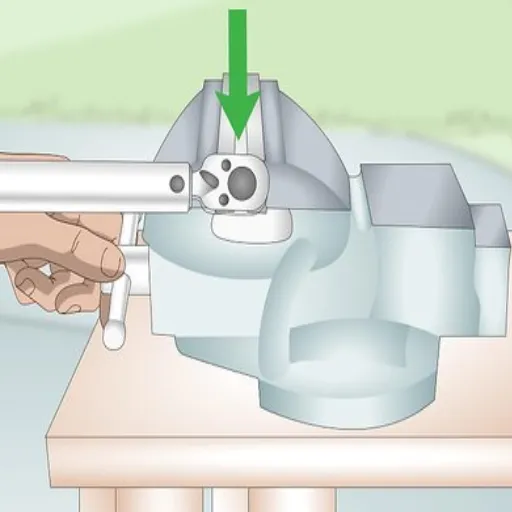
A torque wrench can be calibrated by following a general step-by-step process that is easy to understand. First, one has to place the wrench body firmly in a mechanical vice or clamp with the square drive being the only part that is free. Then, the wrench has to be provided with a socket that fits the fastener on the head and connected to a lever arm or a calibrator for torque tester. The known torque should be applied or the weight should be lifted at the right pivot point to exert the measured force in the correct direction of the torque. Control at many points throughout the rated capacity, remove the socket when done and document the serial number and results. This procedure is a confirmation of the precision of the torque wrench, and it also serves as a detection of wear or the need for readjustment.
❓ Why should I use a calibrated torque standard when I calibrate a torque wrench?
If you have a calibrated torque standard or torque tester, its known torque can be used to check that your torque wrench is measuring correctly. By using an ISO 17025 accredited or ISO 6789 referenced standard, one can be assured of very rigorous traceability. Calibration prevents the inaccurate tightening of nuts and bolts thus avoiding damage to threads, washers or torque tools and ensuring that the required tightness and torque are met.
❓ How often should I verify that my torque wrench is accurate?
Check if the accuracy is still there periodically depending on the usage: for professional daily use, check monthly or every few hundred cycles, for occasional use, check once a year. After any drop, modification or an event that might affect the wrench body or internal adjuster, do re-verify. Calibration prevents gradual deterioration of the pivot point, lever, and internal components that change the force on the handle and therefore, the torque delivered.
❓ Can two torque wrenches be compared to calibrate one against the other?
Yes, comparing two torque wrenches using a calibrated reference wrench or tester is one way to do so: fix both tools in place, use the same socket on the square drive or head of each wrench, and apply the same rotational force. However, it is not recommended to rely solely on an uncalibrated second wrench as a reference—always use a known torque or an ISO 17025 accredited device to ensure accuracy and avoid compounding errors.
❓ What role does friction and direction of the torque play when calibrating a torque wrench?
Friction in the square drive, socket, washer, and threads might affect the readings so, when needed, set up a clean, well-lubricated and consistent condition. The direction of the torque is important: for the same reversible or clockwise/counterclockwise direction you will use in service because some wrenches and mechanisms behave differently in reverse. Making conditions consistent helps the wrench measure the correct torque.
❓ How do I adjust a torque wrench if it’s not reading the set torque correctly?
If the torque wrench clicks or shows a deviation from the known torque, then it is time to follow the manufacturer’s directions to reach the adjuster or lever that is inside the torque wrench handle. The bench vice or clamp should be used to secure the wrench body and then apply calibrated torque with a calibrated device and make slight adjustments until the wrench clicks at the set torque. For hydraulic or specialized torque tools, send to an ISO 17025 accredited lab if complex internal modification is required or the serial number needs to be updated for reconciling calibration records.
❓ What precautions should I take when placing the socket and applying force during calibration?
The socket fitting the fastener should be placed properly on the head of the wrench and the wrench body should be placed in a clamp or bench vice in such a way that only the lever or handle can move. The force has to be applied at the right pivot point or at a measured distance from the head to make sure that the force on the handle corresponds to that of the torque. Care should be taken not to add washers or extensions unless one accounts for their effect, and the socket should be removed after the test. A socket that fits should be used to prevent rounding of the nut or thread and to keep the readings consistent.
References
Calibration of Reference Torque Wrenches – Harvard ADS
This study discusses methods for calibrating reference torque wrenches using specialized holders and torque standards.
Testing and Calibrating Mechanical-Type Toggle Torque Wrenches – PubMed
This article outlines a simple and cost-effective method for testing and recalibrating toggle torque wrenches.