
How to Clean and Maintain Hand Tools: Complete Guide
No matter if you have more experience or just a hobby, hand tools are always a must in a toolbox. But the lifespan and efficiency of these tools are strongly dependent on their care. Eventually, dirt, rust, and wear would affect their effectiveness and lead to frustration, or even replacements that could cost you a lot. This manual is here to teach you the best practices for cleaning and maintaining your hand tools and thus make your life easier, save you money and time. We will cover from rust prevention to blade sharpening the techniques that will keep your tools in perfect shape for many years. If you want to keep family heirlooms or you just want the new tools to operate as when you bought them, this article can be of help.
Introduction to Cleaning Hand Tools
The Importance of Keeping Tools Clean
The longevity and effectiveness of your tools are directly linked to their cleanliness. Over time, the accumulation of dirt, grease, and moisture can result in corrosion or wear which in turn reduces the performance of the tools. If you clean them regularly, you won’t have to face the problem of replacing or repairing the tools as regular cleaning keeps them working well and hence saving you money.
Moreover, tools which are dirty can be a source of accidents. If a tool is dirty or has some chemical on it, it might not work as it should and accidents can occur more easily. A good example is that if the handle of the tool is slippery or the edge is dull, then less control and precision is there. Thus, cleaning tools after every use helps to remove these hazards and thus, a safer working environment is ensured.
In addition to cleaning tools, it is also a good habit to clean work area. A tool that is well taken care of is a tool that works better, and you will be able to work more quickly and with less mistake. It doesn’t matter if you are using a wrench, pliers, or saw, routine care and cleaning can not only prolong their life but also bring their performance to the highest level. Thus, your tasks would be easier and faster every time when you use them.
Overview of Hand Tool Types
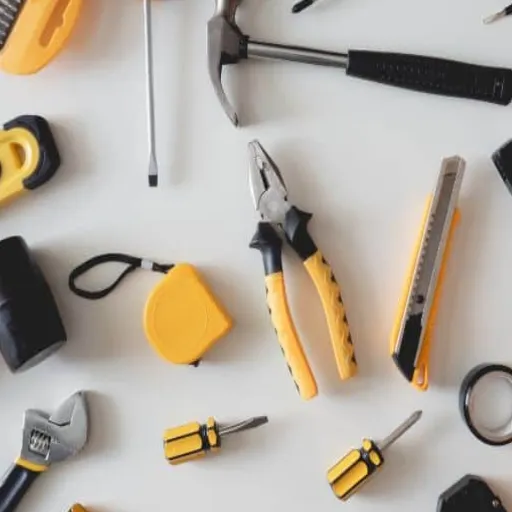
Tools that are operated manually are divided into different categories and each is meant for a specific purpose in various tasks. This classification based on functions makes it easier to comprehend the areas of use and also to pick out the right tool for the particular job.
- Cutting Tools: Cutting tools are meant to cut, shape, and size the materials. Scissors, saws, utility knives, and pliers are some of the popular ones. These tools usually have sharp edges that must be regularly maintained to do precise and clean cuts.
- Fastening Tools: Fastening tools come to the rescue when materials need to be united or held together. The most common ones are screwdrivers, hammers, and wrenches. These tools are universal and serve as the backbone in the areas of assembly, repair, and construction.
- Measuring and Marking Tools: For precision in the project, measuring and marking tools tape measures, rulers, and levels are simply indispensable. These instruments assist in the definition of size, straight lines, and the angles of the user’s choice for precise outcomes in various related activities.
The above classification gives users a better way to manage their tools and as a result, increased efficiency in their work. Using the right tool for the job will result in the best outcome with the least effort.
Basic Cleaning Supplies Needed
To achieve a spotless and health-friendly environment, it is mandatory to have the basic cleaning items that will serve all the different surfaces and zones in your home or office. Here is a brief list of the primary supplies that should always be available:
- Cleaning Cloths and Sponges – Microfiber cloths, cotton rags, and sponges are multi-functional tools when it comes to wiping surfaces, dusting, and scrubbing hard spots. Among these, microfiber cloths are the most powerful in pulling dirt and dust in without relying on a huge amount of cleaning solution.
- All-Purpose Cleaner – The best thing about this product is that it is multipurpose and the only one that can deal with almost all aspects of a household or workplace, including countertops and appliances, tiles and glass. An all-purpose cleaner makes cleaning easier for you and eliminates the need for numerous single-purpose products.
- Broom, Dustpan, and Mop – These tools alongside the daily cleaning-poor brooms and the dustpan which take care of light sweeping, traditional mops and spray mops and so forth are needed for cleaning the floors with their different angles and hard surfaces like plastic or linoleum.
- Vacuum Cleaner – Vacuums are considered necessary because they are the only means of taking away dust, dirt, and allergens from carpets, rugs, and even places that are hardly accessible on such floors as wood and tiles. Pick one that fits the type and size of your household in terms of flooring.
- Glass Cleaner – Using a glass cleaner makes the task of cleaning mirrors as well as glass surfaces and windows extremely easy. The streak-free shine that is considered the hallmark of cleanliness results from the use of glass cleaner. A lot of glass cleaners can also be employed for cleaning metallic finishes and other gleaming surfaces.
- Trash Bags and Garbage Bins – The existence of trash bags and bins in good order allows cleanliness to be enhanced and waste disposal to happen effortlessly. Choose the kind that can withstand tearing and leaking and also fit the capacity of your bins.
- Gloves and Protective Gear – When it comes to strong cleaning agents, disposable or reusable gloves are a necessity. It is also possible to have a mask for cleaning moldy or dusty areas.
With these basic items, you are ready to take on any cleaning job quickly and easily. Proper storage and timely replacement of cleaning items are critical, for they not only help you maintain hygiene, but also make your cleaning efforts more productive.
Step-by-Step Guide to Cleaning Hand Tools
Cleaning Metal Tools
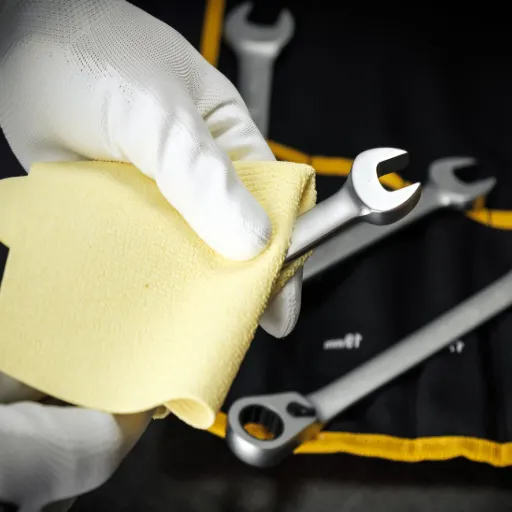
Cleaning metal tools is a very important step to take if you want to keep them for a long time, stop them from rusting, and also get the best out of them performance-wise. Start the process by taking a dry cloth and wiping the tools, this way you will get rid of the loose dirt and debris. In case of tools that have very stubborn dirt or grease, a very mild soap solution will be enough to soften the gunk, and a soft brush to scrub it away. Do not use very strong chemicals when cleaning that could cause the metal to corrode or oxidize, or that would leave a residue that is harmful to health. Instead, choose metal cleaners made for this specific purpose as they are able to cut through the toughest grease while also maintaining the safety of the surface.
One of the major concerns that can be faced when it comes to metal tools is rust and the large extent to which it can affect their performance, especially if the tools are kept in wet or very humid places. To deal with rust, vinegar will be your best ally, just mix it with water at a ratio of 1:1 and soak the tools for several hours, after which scrub the rusty spots with either steel wool or a wire brush. If the rust is very hard to go, you might want to apply a commercial rust remover and follow the instructions on the manufacturer for the best results. Rinsing is a must after cleaning, and of course, the drying part should also follow straight away to arrest moisture from causing more corrosion.
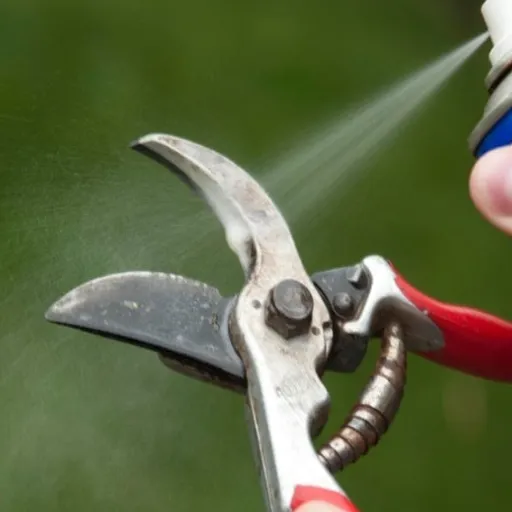
A regular regimen is as necessary as cleaning methods. After the tools have been dried, the tool should be given a light coating of machine oil or anti-corrosive spray, which will serve as a barrier to moisture. Weapons should be placed in a cool, dry place, preferably in a toolbox or on pegboard to avoid dust buildup. Besides, storing your tools in these ways could be less than ideal, so think about using the moisture controlling methods such as placing silica gel packs or a dehumidifier in your storage area. Your metal tools can then be maintained and used for many more years!
Cleaning Wooden Handles
Delivering durably and providing a less slippery grip require constant cleaning and maintenance of the wooden handles on tools. Plus, start by taking a clean and dry cloth and wiping down the handle in order to get rid of the dirt and dust that is on the surface. For deeper cleansing, prepare a solution of mild soap and use a damp cloth to gently scrub the wood with it being careful not to soak it too much that way because excessive water can make the wood swell or become warped. When it is cleaned already, let the wooden handle to air dry entirely in a breeze and well-lighted place before doing the next steps in the maintenance process.
It is strongly advised to sand lightly with fine-grit sandpaper the wood if the surface is rough or has splinters. Then after dusting off that residue, apply the thinnest layer of boiled linseed oil or any wood-conditioning oil of your choice to feed the wood and keep it from drying and cracking with time. Just be careful to wipe away any remaining oil and let the handle dry completely before the tool is used.
To be specific, wood-handled tools can be used for a longer time if they are cleaned and maintained regularly, thereby their functionality and comfort are kept intact. Providing the tools with regular care not only improves their performance but also reduces risks associated with their use. Caring for the wooden handles is like investing in the tools’ longevity which will also keep them ready and dependable for every task you take on.
Cleaning Plastic Components
Plastic parts or components are the ones generally found in different kinds of tools and equipment and they need to be taken care of with the help of certain cleaning protocols to keep their structural strength and good looks. The very first step in cleaning plastic surfaces is to get rid of all the loose dirt and debris by means of a soft, dry cloth. The next step will be preparing a gentle cleaning solution which consists of warm water and a detergent with a neutral pH. Then, plastic surface is to be scrubbed gently with a non-abrasive sponge or microfiber cloth so that no scratches or other kinds of damage occur.
For the case of heavily soiled areas, you may want to let the cleaning solution to sit for a few minutes to loosen the grime up before you wipe it off. Then rinse off really well with clean water so that nothing from the soap remains as prolonged contact with the cleaning agents may result in discoloration or even degradation of the material in the course of time. After you have cleaned the plastic parts, make sure that they are completely dry by using a lint-free cloth so that no water spots or mold growth are caused by the moisture that might have been left behind. Don’t put plastic through harsh chemicals like ammonia and acetone as they might cause weakening in the material.
By following these cleaning rules, the life span of the plastic parts will be increased, and at the same time, their functionality and appearance will be very much the same. Performing regular maintenance not only helps to keep the tools in working condition but also increases the safety and efficiency of the operation.
Recommended Cleaning Materials

Degreasers for Heavy-Duty Cleaning
Degreasers play a crucial role when it comes to cleaning plastic parts that are covered with dirt, oil, and grease in industrial or very active places. When the time comes to pick a degreaser for heavy-duty cleaning, coose some that are solvent-free or water-based formulations which are less harmful to the plastic surface. Eco-friendly degreasers are winning the preference list as they are less harmful to the environment while being effective in cleaning.
The factors that determine the performance of the degreaser include its pH level, as neutral or slightly alkaline solutions are generally safer for most plastics. Surfactants and emulsifiers are used in products which enhance cleaning by breaking oil molecules into easily washable particles. Besides, fast evaporation-rate degreasers quick drying without leaving any residue, which is part of the critical requirement for components needing immediate reuse.
During degreaser application, make sure that there is good ventilation and that you follow safety measures like wearing gloves and goggles. Always try the product first on a small, hidden area of the plastic to verify material compatibility before proceeding with the full application.
Rust Removers for Corrosion Prevention
Rust removers are substances that are made of chemicals and are the only ones that can completely remove rust and also protect the metal surfaces against further corrosion. Generally, these products can be divided into two groups: rust removers that are corrosive and have active agents such as phosphoric or hydrochloric acid, and rust removers that are non-corrosive and utilize non-toxic agents to attach themselves to rust particles and thereby dissolve them. The acidic solutions are very effective for heavy rusting, whereas the chelating agents work better for light corrosion and sensitive surfaces providing a less harsh option.
The effectiveness of rust removers relies on the dwell time, the method of application, and the nature of the material that is being treated. For the best results, the users must make sure that they apply the product uniformly, and that it gets into the rust very well before any mechanical agitation or rinsing is done. The modern rust removers have also included corrosion inhibitors that, in turn, create a protective layer on the surface that is being treated, thus making it more difficult for rust to come back. This dual-action feature is of tremendous worth in the industrial sector where less downtime and longer machinery life are very critical.
Moreover, there have been studies that indicate the development of biodegradable rust removers and also the environment-friendly ones that cater to industries that have very strict environmental policies. These new products not only lessen the effect on the environment but, at the same time, do not give up in terms of effectiveness, thus they are perfect for green operations. When one is to choose the rust remover, the factors such as toxicity, material compatibility, and the specific needs of the application should always be taken into account in order to ensure safety and efficiency in the different usage scenarios.
Microfiber Cloths and Brushes
Microfiber cloths and brushes are cleaning and maintenance tools that are going to be widely used and they will offer great performance because of their unique material composition. Microfiber itself is made of synthetic fibers and usually consists of polyester and polyamide mix, with each and every fiber being divided into tiny strands. These strands, which are much thinner than human hair, produce the clothe’s large surface area and the high efficiency to trap dirt, dust, and even microscopic particles along with the darkness. Thus, microfiber cloths are getting more and more attention and preference for cleaning tasks that need precision and removal of contaminants on the various types of surfaces.
Not only cleaning with microfiber material works so well, but it also helps the cloth to get more water absorbed and lasts longer. Microfiber cloth holds the water such that it is equivalent to seven times its weight and therefore it is the best for the jobs, like controlling moisture or cleaning spills. Moreover, their non-abrasive and lint-free qualities do not allow the delicate surfaces, like glass, electronics, and polished metals, to be hurt during the cleaning. If paired along with brushes made for certain applications, such as soft-bristle brushes for the delicate surfaces and stiff-bristle brushes for the tough dirt, the above-mentioned combination will deliver a very strong solution for the maintenance of both industrial and domestic places.
Microfiber products have another important advantage of contributing to sustainability and efficiency. Their cleaning agents cloths, which are of the traditional type, are often dependent on chemical agents for their effective cleaning over the same surface area and thus, they have the same condition of environmental impact. On the other hand, microfiber can clean effectively with just water thus reducing the need for harsh chemical cleaners. Furthermore, reusable microfiber cloths and brushes are washing cycles resistant and can maintain their integrity over and over again. This durability reduces waste considerably and at the same time reflects the economic benefit in the long run. Used in combination with eco-friendly maintenance strategies, these tools are of great importance in the adoption of sustainable practices in the home or work environment.
Maintenance Tips for Tool Longevity
Proper Storage Practices
Correct storage methods are absolutely necessary for the tools’ building up and maintenance, particularly ones in environmental-friendly monitoring systems. Prevent the coming of rust and corrosion by keeping tools and equipment in a cool, dry place where no moisture can accumulate. For tools made of metal parts, it is advisable to leave during storage a thin layer of lube or a protective coating to oxide for creating a barrier against oxidation. Keeping tools on pegboards or in toolboxes with compartments is one of the best ways to prevent them being worn out or damaged by wrong placements or collisions with other items.
Moreover, tools with electronic parts need more careful storage. Before storage switch, unplug, and clean such equipment to eliminate the risk of malfunctions. Electric tools should be stored in cases or containers meant to safeguard them against dust for their performance may be affected over time. The cords of plugged tools must be rolled up in a neat way to prevent tangling or breaking while the batteries of cordless tools should be taken out during long-term storage for their health and also to avoid any leakage of the battery.
To sum up, routine checks of the storage area itself are vital for ensuring the tools’ optimal environment. Watch out for insects, air humidity, and temperature changes that might influence the state of the tools. The use of silica gel packets or dehumidifiers in storage rooms can effectively lower the moisture content. The application of these technical methods along with regular inspections makes it possible to prolong the life span of tools and their operational efficiency, thereby making them dependable and potent for longer periods.
Rust Prevention Techniques
To prevent rust, it is crucial to have a thorough knowledge of the chemical and environmental factors that lead to corrosion. Rust is the result of the iron oxidation process when it is in contact with moisture and air. Thus, the first step would be to limit the access of these components at all costs. For instance, you could make use of stainless steel tools and other materials or apply a variety of protective coatings like zinc galvanization or powder coating which are known to develop a barrier against the moisture.
In places where high humidity is a major concern, it is the control over the ambient conditions that counts most. Absolute humidity of the areas can be controlled and kept below 50% by using climate-controlled storage. The use of desiccants like silica gel or activated clay can help keep such areas dry by absorbing the moisture present in the air thus lowering the opportunity for rusting. Moreover, the use of vapor corrosion inhibitors (VCIs) inside the storages can also help by sealing the surface of metals with a vapor that is less reactive to oxidation and that way preventing rusting.
On a routine basis, the application of oils, waxes, or anti-corrosion sprays makes surfaces of metals less prone to rust by pushing away water. Some high-tech methods such as electropolishing or nanocoating have been found to be quite effective in industrial use by providing surfaces that are not only very smooth but also cannot allow any contaminants or water to penetrate through them. Regular and proper maintenance, storage area sealing, and following the environmental conditions that have been specified can lead to a long lasting rust protection and prevention as well as degradation.
Periodic Maintenance Routines
The implementation of well-organized, periodic maintenance routines is of utmost importance to keep the equipment that is likely to suffer from environmental degradation intact and working properly. A normal routine includes a series of visual inspections to recognize the beginning of corrosion, for instance, color change or formation of cavities, and so on. The discovery of these early signs permits the issue to be handled even before it gains the strength of causing serious structural or operational problems. The inspections should be concentrated on the areas of highest risk such as welds, screws, and moist or caustic surfaces.
The periodic maintenance routines have cleaning as one of their major elements. Cleaning up through methods like pressure washing or chemical cleaning can help to eliminate some of the causes of corrosion, like dirt, salts, and other pollutants. If the equipment is situated in a highly corrosive atmosphere, it is advised to use cleaning agents that are specifically formulated to neutralize salt or very low or high pH. After cleaning, the surfaces may receive a treatment of protective coatings or primers that are suitable for the specific environmental conditions, thus providing more durability and prolonging the service life of the equipment.
The monitoring of environmental , such as the surrounding air’s moisture content and temperature, is another factor that helps effective maintenance. Periodic measurement with hygrometers or thermal sensors guarantees that the equipment operates under the environmental conditions prescribed in the operating manuals or material guidelines. The adoption of advanced monitoring techniques that combine IoT sensors and data analytics facilitates the real-time tracking of environmental interactions and the forecasting of possible failures before they happen. When combined with systematic reporting practices, these efforts give continuous maintenance strategies improvement and protect the assets from the effects of long-term degradation.
Common Mistakes to Avoid in Tool Care
Using Abrasive Materials
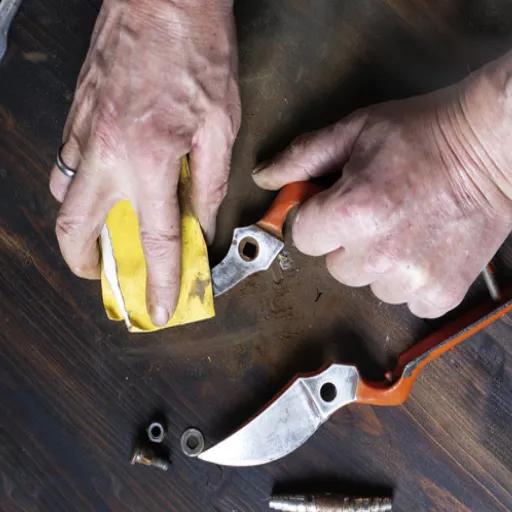
The wrong application of the abrasive materials during the cleaning or repairing processes is one of the most frequent mistakes in tool maintenance. Abrasives which include the use of rough-grit sandpaper, wire brushes, and strong chemical cleaners can not only remove the protective coatings, but also lead to the deterioration of tools’ surfaces. Some tools are coated with special materials that act as a barrier against environmental wear and are, for instance, chromium-plated finishes and anti-corrosion layers. The use of abrasive materials can filch these protective layers, thus causing accelerated rusting and shortening the operational life. A case in point is the power tools with enameled surfaces or handheld instruments with stainless steel finishes that can be subjected to aggressive cleaning and rendered useless in such a manner.
From a structural standpoint, the use of abrasives leads to very small scratches or gouges being formed on the tool’s surface. These become areas of weakness around which the stress concentrates. Slowly, these microscopic defects can enlarge as a result of stress from operational loads or also thermal cycling and in the end, they will lead to fractures or even catastrophic failures. Among all precision tools, those like calipers, micrometers, and surgical instruments are very prone to getting damaged by the use of abrasives. It is vital to preserve the dimensional accuracy of such tools and even minute surface damage can cause loss of functionality or drift in calibration.
The best way to reduce this risk is by cleaning tools with non-abrasive materials. Non-abrasive methods include soft cloths, mild detergents, or cleaning solutions recommended by the manufacturer. The use of ultrasonic cleaners is also an option and they are quite effective for delicate instruments and precision tools since they operate by producing high-frequency sound waves and at the same time using gentle cleaning agents. The employing of a plastic or nylon brush can be the right approach for cleaning the tools with tough grime or debris without risking the surface damage. It is always necessary to follow the manufacturer’s guidelines or consult technical manuals to ensure that the methods and materials used are in accordance with the tool’s construction specifications. Tools that undergo proactive care and, as a result, do not come into contact with abrasive materials will definitely last longer, thereby keeping their efficiency and reliability over the years.
Neglecting Regular Maintenance
The neglect for regular maintenance of tools and equipment can trigger the performance degradation and failure to a large extent. Over the period, the dirt, rust, and wear would be the factors that would eventually impair the mechanical functionality and even compromise the structural integrity of the critical components that were the most. For example, the tools that depended on precision engineering, like the power drills or torque wrenches, would probably become less efficient and lose calibration if regular inspections and calibrations were not done. Besides, moving parts that were not lubricated as specified would suffer from increased friction, overheating, and eventually, breakdown. All this could lead to an increase in repair costs and a reduction in the overall productivity rate.
Neglecting maintenance is one of the biggest causes of equipment downtime in industrial settings and accounts for almost 30% of the delays in productivity that could have been avoided. Proper care not only brings longevity but also cost savings. For instance, in the case of corroded bearings in machinery, the replacement is around five times more costly than the routine lubrication and preventive measures that could keep them operational. Likewise, companies that maintain their equipment regularly report up to 15-20% decrease in unplanned failures during two years as opposed to the ones that practice only reactive maintenance.
In order not to fall into the trap of poor maintenance, it is necessary to stick to a very detailed service schedule according to the manufacturer’s recommendations. Maintenance management systems (MMS) that provide automatic reminders for the periodic upkeep and a detailed log of the tasks done, can be very beneficial in this regard. For the equipment that is in high demand, predictive maintenance tools utilizing IoT sensors and data analytics can detect the early signs of wear and tear, allowing the problems to be fixed before they become serious. All these technologies and practices are transforming the industries’ approach to equipment care, leading to reduced downtime and significant improvements in operational efficiency across the board.
Improper Storage Solutions
Improper storage solutions have an impact to a very great extent on inefficiencies, safety hazards and financial losses in industrial and commercial operations. One of the main reasons for this is not considering the exact requirements of the storage of materials or equipment resulting in contamination, degradation, or mechanical failures. For example, if electronic components are kept in a non-temperature-controlled place, this will cause the breakdown of electronic parts. Furthermore, poor labeling and bad organizational practices are among the factors raising retrieval times that in turn slow down operational workflows and waste time. Every time an institution has an inadequately planned storage system, its performance suffers through the logistics bottlenecks created.
Storehouses and warehouses that lack proper shelving, to mention just one example, might have insufficient structural support or not meet the weight and safety standards, and this could all lead to the same unfortunate consequences, such as structural damage, or even worse, accidents, that would result in injury or loss of life. If not properly organized, heavy items may be placed on easily breakable shelves and vice versa which may cause shelves or stacking units to fall. Such mishaps will not only surpass losses of product but also seriously injure and subject storage personnel to dangerous situations. Therefore, it is of utmost importance that proper planning and audit protocols are strictly observed in all storage operations as a way of keeping the safety bar high.
Therefore, it is evident that modern storage solutions will always include the management of advance storage systems and the application of automation technology. WMS is capable of giving you real-time updates on your stock levels, optimal use of the warehouse area, and faster order picking, and all this leads to a significant reduction of errors and inefficiencies. The case is the same for establishments that trade in temperature-sensitive goods or other controlled items, as IoT sensor-integrated climate-controlled stores are one of the solutions that provide continuous monitoring of the environment and keeping the products in the specified conditions. Hence technology investment along with adherence to regulations are strategies for businesses to stay at risk-free zones making the most of their resources while continuously ensuring smooth operations for the long run.
References
-
UC Master Gardeners of Santa Clara County – Tool Care Tips
This guide provides tips for cleaning hand tools, including using foaming cleansers and proper drying techniques. -
University of Minnesota Extension – Clean and Disinfect Gardening Tools
Offers detailed steps for cleaning tools, including removing visible dirt, soaking, and air drying. -
Virginia Cooperative Extension – Lawn Care Training Guide: Hand Tool Care and Safe Use
Discusses cleaning tools immediately after use, using water and wire brushes to remove soil, and ensuring proper maintenance. - Click here to read more.
Frequently Asked Questions (FAQ)
Q: How to clean hand tools that have light surface rust?
A: To clean hand tools lightly rusted with surface impurities, first scrub with a wire or coarse wire brush to remove loose oxide deposits from the metal. Use a rust remover or vinegar and water mixture sparsely or as needed on the affected areas and scrub. Rinse the tools; using a lot of water helps get all the residues off the surface, and dry for a period of at least three hours before applying a thin coat of oil or any rust inhibitor to ward off rust. Following these simple maintenance tasks ensures that the tools remain in a presentable and reusable condition.
Q: How to clean hand tools that have wooden handles?
A: The wooden handles of the tools are cleaned by wiping them with damp cloth and mild soap for removing dirt and grime. The wood should not be allowed to get wet. Smooth any rough spots with fine-grit sandpaper and then condition the handle with linseed oil, tung oil, or any wood conditioning product to replenish the moisture and reduce chances of splitting. Inspection and conditioning of handles at regular intervals provide a good grip for long tool life.
Q: How to clean hand tools using articles commonly available at home?
A: Items such as white vinegar, baking soda, lemon juice, and salt effectively clean hand tools. Use vinegar baths for soaking small rusted parts, create a paste with baking soda to neutralize the metal, or lemon juice and salt to remove rust. All-purpose cleaning can be done with warm, soapy water and a rag. Equipment should be dried thoroughly in order to prevent rust with an oil application.
Q: How to clean hand tools and prevent rust in future?
A: After cleaning, ensure that the tools are completely dried and followed with a light hydrocarbon oil, mineral oil, or an exclusive tool protector. Store in a climate-controlled, dry environment or include some silica gel packs and rust inhibitor strips into a toolbox. Wipe down after use and oil regularly. Keeping your tool dry and well-oiled minimize likelihood of any rust to appear.
Q: How to clean hand tools with moving parts like pliers or wrenches?
A: Disassemble moveable tools, if possible; if not, open and close pliers for access to pivot points. Brush the joint and pin areas with the same solvent and a little brush to clean off collected grimes. After drying, distribute very low-viscosity machine oil or spray lubricant on pivot points and move the mechanism multiple times to circulate lubrication. Reassemble if taken apart and remember to wipe off spilled oil up.
Q: How to clean hand tools safely—what protective gear and precautions are needed?
A: Gloves are protective against solvents, rust, and blades to keep your hands safe and dry while cleaning. Eye protection is another mandate when working with chemicals. A well-ventilated area should be chosen when working with solvents and/or sprays in the can. Proper handling of commercial cleaners and proper disposal of waste would require following instructions from the providers. Remember, while restoring tools that keep one’s tools up and overall wellness intact.
Q: How to clean hand tools that have lots of grease and oil buildup?
A: Soak the parts in a degreaser or for 15 minutes in some hot, soapy water using a strong detergent for greasy dirt. Once the solvent has cleaned the parts, use a stiff brush or small toothbrush to work on the accumulated dirt. For very troublesome grease, apply a commercial degreaser or those few citrus-cleaners. Rinse with plain water and dry the parts. Test for the need of a further protective coat of oil to condition the metal parts and ward off rustiness in a period of forced reactivation.
Q: How to clean hand tools for long-term storage?
A: Use a renewed rag for washing off any residual dirt, grease, paint, or rust, then allow your tools to fully dry. A light coating of machine oil or other light oil is placed onto any and all exposed metal surfaces before wrapping the tools in either paper that stops rust or wax paper or placing tools inside a container and placing in desiccant packs. Ready these for storage in a well-organized manner to lessen further handling and thereby damage. Proper cleaning and preparation for storage will enable you to use a functional tool after a long period without