

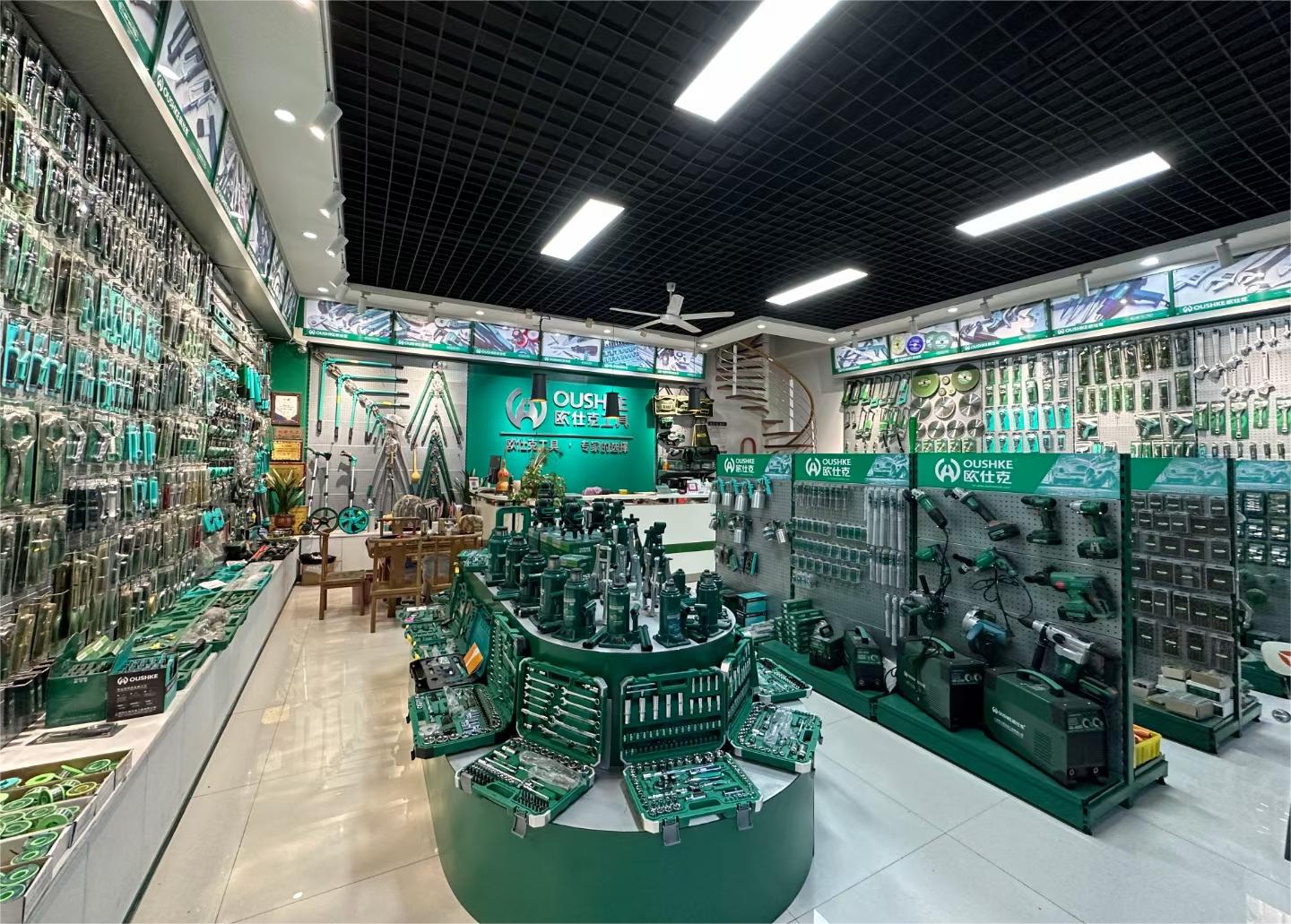
FACTORY-DIRECT TOOL KITS
Hand Tool Set Configurator: Build a Custom Kit by Trade
Assemble a hand tool set by trade, drive size and price point — then turn that selection into a specification sheet and a factory-direct MOQ estimate. Built for a sourcing decision, not a retail checkout.
BUILT FOR SOURCING
What Is a Hand Tool Set Configurator?
A hand tool set configurator is a selection tool that assembles a kit from individual tool categories — sockets, wrenches, screwdrivers, pliers, hammers, measuring tools and cutting tools — around a specific trade or price point. Instead of browsing a catalog and compiling a list by hand, you choose a starting point and add or remove categories until the set matches the market you are buying for.
The output is what separates a configurator from a wish list. A useful configurator produces a specification sheet — the SKUs, sizes, finishes and packaging that define the set — plus an MOQ estimate tied to those choices. That is the artifact a buyer can take into a supplier conversation or a cost model.
START FROM THE TRADE, NOT THE TOOL
How to Build a Hand Tool Set by Trade
The fastest way to a set that sells is to begin with the trade. Each trade has a different centre of gravity.
Automotive and
Mechanical Sets
Start with drive size. A mechanic set built for torque work needs a 1/2″ drive for wheel and suspension fasteners, plus a 3/8″ drive for general engine and body work. Add spark plug sockets, a breaker bar and a torque wrench where the market prices for one.
Electrical
Sets
An electrician’s set prioritises insulated tools and test equipment over heavy torque. Insulated screwdrivers, pliers and cutters should be offered against IEC/EN 60900 requirements where the market enforces them. Add a non-contact voltage tester and a multimeter.
General Maintenance
and Plumbing Sets
A general maintenance set balances all categories at a lower piece count. Combination wrenches, an adjustable wrench, a basic socket set, pliers and measuring tools cover most call-outs without overloading the price point — and hold a modest MOQ as an opening order.
HAND TOOL SET CONFIGURATOR
Configure a Hand Tool Set
Choose the trade, drive size, piece count and customisation level. The configurator returns a specification summary and a factory-direct MOQ estimate built on that configuration.
CONFIGURATION
Set Parameters
pcs
Piece count drives the MOQ band
ESTIMATED OUTPUT
Live Estimate
Estimated Minimum Order Quantity
300
sets
Indicative MOQ for the configured set. Confirm against the actual SKU list before committing.
Piece Count
60 pcs
Drive Size
3/8″ Drive
Measurement
Metric
Customisation
Existing Catalog SKUs
SPECIFICATION SUMMARY
Categories in the Set
Combination Wrenches · Adjustable Wrench · Socket Set · Pliers & Cutters · Screwdrivers & Bits · Measuring Tools · Hammers · Storage
1
General Maintenance
Trade
2
3/8″ Drive
Drive size
3
60 pcs
Piece count
This is a working range, not a quotation.
Final MOQ depends on whether the set uses existing SKUs or needs new tooling, branding or packaging. Send the specific configuration and quantity, and OUSHKE quotes the MOQ against it.
SET ARCHITECTURE
What Tools Should a Hand Tool Set Include?
The core of a professional hand tool set is consistent across trades. What changes is the emphasis.
01
Sockets and Ratchets
A 1/4", 3/8" or 1/2" drive set with metric or SAE sockets, extensions and a ratchet.
02
Wrenches
Combination wrenches, an adjustable wrench and hex keys.
03
Screwdrivers and Bits
Slotted, Phillips, Pozidriv and Torx in the common sizes.
04
Pliers and Cutters
Combination pliers, needle-nose pliers, diagonal cutters and locking pliers.
05
Hammers and Striking
A ball peen hammer and a soft-face or non-marring hammer.
06
Measuring Tools
A tape measure, steel ruler and a caliper where the trade calls for it.
07
Cutting Tools
A utility knife, plus cable cutters or snips where the application needs them.
08
Storage
A tool bag, case or carton sized to the finished set.
A starter mechanic set leans on sockets, wrenches and
torque.
An electrical set replaces the torque emphasis with insulated tools and testers. The configurator's job is to start you at the right default for the trade, then let you adjust.
TECHNICAL DECISIONS
Drive Sizes, Metric vs SAE, and Standards
FIRST CHOICE
Drive Size
Drive size is the first technical decision, and it is worth getting right before you commit to a piece count.
1/4" Drive
Light Assembly
Tight spaces, small fasteners
3/8" Drive
Most Versatile
General repair and maintenance
1/2" Drive
Torque Work
Automotive and larger fasteners
Metric or SAE
Market Decision
Check what your customers hold
Metric and SAE are a market decision, not a technical one. North American automotive and industrial markets often expect SAE; most other markets run metric. Use the metric to SAE socket conversion reference to map one against the other.
| Category | Standard Reference | Applies To |
|---|---|---|
| Wrenches & Sockets | ISO 1711 | Wrench and socket requirements |
| Insulated Tools | IEC 60900 | Live-working hand tools |
| Torque Tools | ISO 6789 | Torque wrench accuracy and classes |
!
Verify before you claim. Confirm the exact standard, certificate, test report and SKU for your destination market before publishing a compliance claim. A claim that does not survive customs costs more than a set that is never claimed at all.
AFTER YOU SEND IT
From Configuration to Factory-Direct Quote
Here is what happens to a configuration after you send it.
01
Specification Review
Catalog item vs custom
02
MOQ Estimate
Based on tooling and packaging
03
Sample and Sign-Off
Pre-production review
04
Production and Inspection
Batch tested before shipment
!
The Configurator Output Is the First Input
Send a configuration that names the trade, the drive sizes, the piece count and the target price point, and the quote that comes back is built on the actual set — not on a generic catalog page.
OUSHKE manufactures rather than trades.
Set configuration is handled in-house. Packaging, colour, branding and set contents can all change; the people answering the question are the people who can change the tooling.
Frequently Asked Questions (FAQs)
Short answers to the questions buyers ask for a hand tool set.
What is a good MOQ for a custom hand tool set?
It depends on the set. A set built from existing catalog SKUs carries a lower MOQ than a set that needs new tooling, custom molds or private-label packaging. Send the specific set and quantity, and OUSHKE quotes the MOQ against it — use the private label tool MOQ estimator to get a working range first.
Can I put my own brand on a configured tool set?
Yes. Branding, logo application, private-label packaging, colour and set contents are all adjustable. Customization is the core service, not an add-on. It does raise the MOQ, and the trade-off is worth knowing before you commit.
What drive size socket set should I start with?
For most repair and maintenance work, a 3/8" drive set is the most versatile single choice. Automotive torque work pushes toward 1/2" drive, and tight-access work toward 1/4". The right answer depends on the trade the set is built for.
How do I turn a configured set into a specification?
The configurator output is the starting point: the SKU list, sizes, finishes and packaging that define the set. From there, a hand tool product specification sheet template puts it in the format a supplier builds to.
What tools does a starter mechanic set include?
A trial-order MOQ is a lower, often unadvertised first-order number a factory offers to a buyer who is testing a market before committing to a full program. It is usually tied to a second-order commitment. Ask for it by name rather than asking "can you do less."
Sockets and a ratchet, combination wrenches, screwdrivers, pliers, a ball peen hammer, a tape measure and a utility knife form the core. Add spark plug sockets, a breaker bar and a torque wrench as the market supports them.
Multiply your unit price by the MOQ to get ex-factory cost, then add freight, duty, and packaging and labeling costs. The tool order landed cost calculator does the arithmetic so you can compare a low-unit-price, high-MOQ offer against a higher-unit-price, lower-MOQ one.