
Workshop Safety: Essential Welding Apparel & Gear Guide
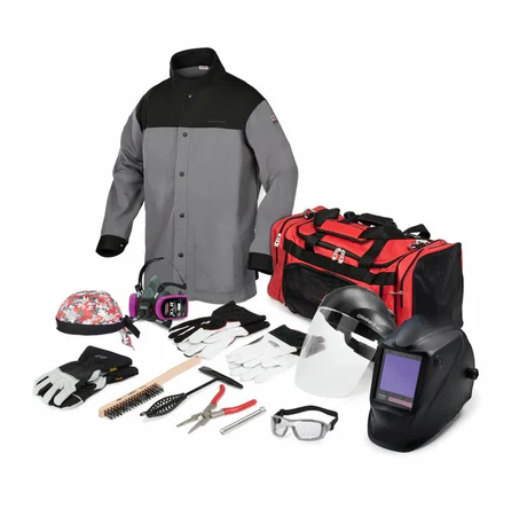
In today’s scenario, where welding being the most common form of welding, there are some serious attentions being given to safety and proper completion of the work. It is apt to say that one should first know why the proper clothing and appliances are important whether they have experience in welding or they have never welded before. For anyone involved in the welding task, safety precautions are no different and personal protective apparel is necessary as the individual is exposed to other protective risks like bright light, heat, and ultraviolet rays. This article will provide attention to the different wearables and appliances, which are more commonly needed by welders, how they are put on and for what reasons they have been assembled to avoid danger and acknowledge safety procedures. Together with the likes of coverall, boilersuit and headgear, the types of clothing, which should be worn, if someone takes the initiative to be a gorilla and wears the raincoat, or in easy phrases, the types of clothes, which are provided with the ability of their cut prevention are, are referred to here, in this paragraph.
01
Understanding Welding Safety
The cornerstone of welding safety is the protection of all workers from the specific as well as global risks inherent in its practice. Being exposed to heat, ultraviolet (UV) radiation, and the fumes generated is the most common hazard that can result to casualties or medical disturbances. As an example, if one does not shield his or her eyes properly one may develop an ocular anomaly known as arc eye as a result of UV radiation. This is unfortunate because after extended periods of working while inhaling these fumes a lot of people develop problems with breathing. The most effective strategies for prevention of such dangers and smooth workflow are: observing all safety instructions, using protective equipment of good quality and clean work area.
The Importance of Personal Protective Equipment (PPE)
Welding is one of the risky areas of the work environment, characterized by high temperature and pressure. The equipment for protecting staff against risks like heat, radiation, fumes or materials splash and others, is called PPE, or Personal Protective Equipment. According to the internationally accepted safety standards, PPE aims at reducing the risks of most common injuries that occur in the course of duty. For instance, the auto-darkening welding helmets minimize blindness conditions such as cataracts and corneal burns cause by the intense light and airborne objects, respectively. Flame-resistant gloves and jackets are also available for welders to protect; in the case of working at high temperatures and in possible spark environments, the garments conveniently provide extra protection to other body parts, including the arms, neck and trunk.
The most recent safety study results showcased the fact that in the case of welding together a person at work benefits chronically from the extended PPE phenomenon. Workers who wear the appropriate required respiratory masks do not develop chronic respiratory effects from inhaling harmful fumes such as those in compounds based on manganese and chromium. The impact on productivity is also a positive one because the workers are able to work without fear of safety as there is a significant reduction in lost workdays due to injuries. Wearing PPE plays a great significant role in the protection of workers and its intact wear and regular checks helps in preventing welding risks to the maximum extent possible.
Common Welding Hazards and Risks
Many risks are associated with welding operations which can implicate many dangers when not under control. Exposure to fumes and gases from welding are one of the main risks and such hazards include ozone, carbon monoxide, and metal oxide hazards. Inhaling too much of these substances may arise to pulmonary disease, later health issues such as malfunctioning of the brain and other similar problems. During the welding operations, the very high temperatures in conjunction with ultraviolet radiations which are also emitted, create a very good environment for people to get burns, injuries in the eyes, specifically in cases of flash burn (arc eye), among other damages on the skin, if the appropriate safety measures are not taken.
Welding gear is generally advised to be used at high voltages, and this poses an environment that presents a different nature of risk, and that is the electrical safety hazard. Lack of a proper grounding as well as the presence of machine faults and sometimes contact with live wires can lead to a considerable amount of electrical current passing through the body and in some cases even electrocution. Moreover, the environment itself poses some hazards like fire hazards when there are sparks, if there are flammable gases and vapours or if some of the equipment not in use is improperly kept. Additionally, noise exposure from these processes of welding will cause hearing loss if hearing protective devices are not provided in the fitted tables.
When it comes to improper operation or craft procedures that may expose the workers to dangers such as cuts, bruises or even burns, these are some of the most basic causes of accidents in metal fabrication. In the same sense, if design of a part is not followed to the letter, that is, components do not fit as they should, students are at risk. Appropriate actions should be taken to mitigate such risks so that welders specialized in the construction industry remain safe.
Best Practices for Maximum Safety
In addition, bringing up to date such weld practices and constructions to improve safety calls for the optimization of legal requirements and protection policies in that profession. The very first preventive measure in this case is the use of the right Personal Protective Equipment (PPE) like putting on right protective automatic welding goggles, certified flame retardant overalls and high temperature safety gloves. Protection clothing in aid in injury prevention and in some way safety attaining, the protective wear that is not being utilized as it should be or has not been put away properly can contribute a lot in preventing burns, as well as injuries affecting the eye, hands and skin.
Welding equipment’s use and maintenance as well as state (welds, workpieces) is very important for prevention of failure caused, for example, by a self ignition or electric current. Adjustment of the invariable welding (heating) power is required to avoid the excessive protection, enhance the protection and again maintain and increase the productivity. Moreover, where harmful gaseous substances impede the flow of normal air in buildings where activities like welding stainless steel and welding of galvanized iron are undertaken such a level of fresh air communication is a must. Since most of the harmful substances are introduced in the form of the welding flux or dust from an alkaline earth oxide coating, the building scale should help each worker to address shopping areas including the welding of stainless and galvanized steel.
02
Essential Welding Apparel
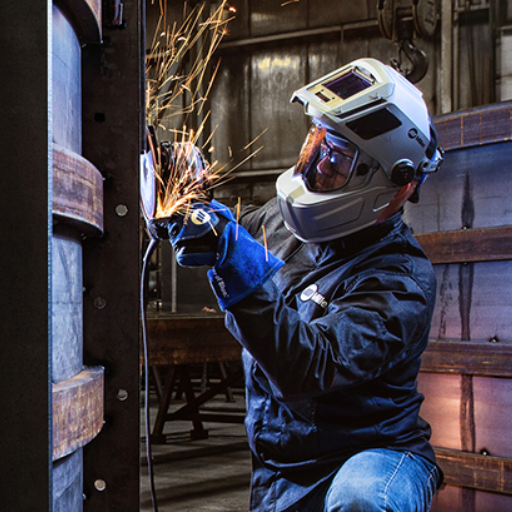
Wearing appropriate clothes during the time of welding is highly important as it would keep the person safe from various harmful effects which may arise during welding, helps in staying comfortable while welding. It is normal practice for welders to put on such kind of clothes such as leather or fabric jackets or even flame resistant aprons, which protect the user from the hot chips that tend to fly about. These gloves have metal on the joints of the slab dubbed as working gloves. Welding gloves are made to feel right on the hands and at any given moment they must be flame retardant given that they are used when dealing with hot metals or hot instruments so that they do not cause burns on the user’s hands. Also, it comes with a fitting welding helmet as well as a lens that has an appropriate shade for protecting the face and eyes.
Jacket Selection
Choosing the Right Welding Jacket
Choosing the best welding jacket is not only a matter of style, but also the selection of materials, resistance to mechanical damages and especially the purpose for which it is used. Welding jackets are often a considerable quantity of fabric which is stitched up using leather, suede or some modern treated fabric that is flame-resistant. Arguably, Leather jackets are renowned for being flame-resistant and possessing relatively higher tear and burst support, hence used for extensive welding jobs involving high amperage and heavy welding work. Such leather jackets tend to be bulkier and limit the flow of air for cooling. Treated cotton or hybrid jackets with lightweight features and minimal thermal insulation are preferred for cleansing wielding or high temperatures.
Look for safety features such as added protections, better close-up adjustments, and activity-enhancing pockets with the help of internal bands or zippers. Always look for welder’s jackets that follow safety guidelines. For instance, those that are NFPA 2112 compliant or have an ASTM F1506 rating to be sure about the way the product would perform. Proper selection of a welding jacket is important in that, upon analysis of the job duties and the prevailing conditions, the best protection will be provided, while at the same time ensuring comfort.
FR Clothing
Flame-Resistant Clothing and Its Benefits
Flame-Resistant apparel, or FR clothing, is highly important to any welding process as it assists by protecting the welder against various hazards like thermal burns, metallic spits and weld splatter and many other dangers. One principal usefulness of the FR clothing is that it can be on fire for quantum minutes and put out the flame during the period when it is still attached. This significantly reduces burn wounds by allowing time and movement in the safest way possible.
Nowadays, some modern FR fabrics are able to carry out these features under very high temperatures. This is made possible by FR fabrics made of ordinary natural fibers such as cotton, that is cotton/nylon blends as well as fabrics that inherently contain fire-resistant polymers, such as Nomex and Kevlar, for example, as those thin FR suits will stop flames and other heat sources because they don’t have a tendency to melt. All materials are subjected to testing under equivalent industrial conditions within the parameters of standards such as NFPA 2112 (Standard on Flame-Resistant Clothing for Protection of Industrial Personnel Against Flash Fire).
Moreover, these non-conforming clothing garments reside secondary risk to heat sickness through special characteristics of moisture removal and breathability and fiber-optically clear thanks to the features such needed in the necessary areas even during prolonged wear in a harsh social climate. It has been found that wearing fire resistant fabric during welding, is highly beneficial in reducing the cases of employees sustaining injuries due to burns in the workplace, and improving adherence to occupational standards for safety. This is why flame-resistant garments should be considered necessary for outdoor operation(correctional works) such as welding, masonry, construction, etc.
Lower Body
Durable Welding Pants and Their Features
Welding pants need to be extremely strong and comfortable enough to work in, particularly for dangerous jobs. An obvious solution is to use flame-retardant (FR) fabrics in defending cotton or intricate materials like aramid, which can retard ignition even in exposure and hence minimize the percentage of burns of the person. Besides that, a lot of heavy metal protection gear has double or triple seams with additional reinforcing stitching such that the garments can move and install equipment without damaging themselves, let alone performing welding inside the chamber to shield the body from detrimental chemicals.
There is still another aspect regarding and it is heat resistance, to protect a person under the action of high temperature exposure yet retain the fabric to breathe to allow for the comfort of the operator during long-duration jobs. Such features as articulated knees, adjustable waistband, and tool pockets are considered in the drafting of the garments to provide ease of movement and functionality. The additional certifications, such as NFPA 2112 or ASTM F1506, confirm that the trousers meet the required standards of safety to the full extent. One should think that the purchase of the best welding pants ensures the safety of the welder and saves time spent on production because the welder will be able to weld more precisely and faster without the fear of leg burns and lack of necessary protective gear.
03
Head and Face Protection
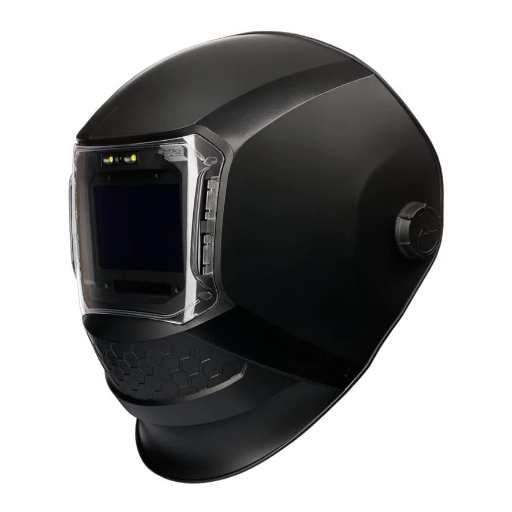
Proper welding head protective systems for a person are crucial to ward off injuring oneself from hot red sparks, heat and intense ultraviolet (UV) rays. In this respect, it is indispensable for a welder to put on a welding helmet with a suitable ANSI-approved auto-darkening mechanism in order to safeguard the eye and the face against bright light and any debris that might be harmful. Further, a heat-resistant covering on the head such as a welding beanie or balaclava, should be put on underneath the hood to prevent burning as a result of heat generated and random sparks flying around. Indeed, the use of safety gears that are rated for safety applications helps not just in providing extra protection but also aids in assuming a sharper focus while performing welding duties.
Types of Helmets for Welders
| Helmet Type | Key Features | Protection Level | Best For | Additional Notes |
|---|---|---|---|---|
| Passive Welding Helmet | Fixed shade lens | Basic UV and IR protection | Traditional welders | Durable and budget-friendly |
| Auto-Darkening Helmet | Adjustable shade lens | Variable UV/IR protection | Frequent welders | Improves visibility and convenience |
| Solar-Powered Auto-Darkening | Solar-powered sensors | Continuous protection in daylight | Outdoor welding | No need for battery replacement |
| Battery-Powered Auto-Darkening | Powered by replaceable batteries | High UV/IR protection reliability | Long-duration welding tasks | Requires monitoring battery levels |
| Integrated Respirator Helmet | Built-in respirator for fume filtration | Both light and air protection | Hazardous material welding | Ideal for toxic environments |
| Lightweight Welding Helmet | Reduced weight for comfort | Moderate UV/IR protection | Long welding sessions | Less strain on neck |
| Flip-Up Welding Helmet | Movable visor for versatility | Standard UV/IR protection | Multi-tasking welders | Convenient yet slightly heavier |
| Custom-Fit Welding Helmet | Adjustable fit and headgear | Customizable protection | Welders with specific needs | Prioritizes comfort |
| High-Impact Rated Helmet | Enhanced protection against physical impact | UV/IR with debris protection | High-risk environments | Recommended for safety-critical tasks |
Face Shields and Their Importance
There is a high demand for welding face shields in the market because they serve as the most important personal protective equipment (PPE) item for welding. They not only provide protection against ultraviolet (UV) and infrared (IR) radiation, but they also offer protection against spatter and harmful debris if any welding is performed. The construction of welding face shields has developed over the year and it now includes the use of materials such as polycarbonate visors among others which have a high optical clarity and offer high impact resistance.
In the more recent welding technology development process, welding head shields have undergone a phased upgrade, welcoming what is termed auto-darkening filters (ADF). This innovative option gives technicians more control, avoiding the need to remove the shield in between jobs, thus decreasing losses in productivity. Such functions also translate to a decrease of the productivity losses during the time of operation. Moreover, aspects such as anti-fog coating, increased ventilation, and better design that are also part of the upgraded models of welding masks provide ease in use through comfort. Wearing welding face shields is a non-negotiable especially with the presence of protection regulations such as ANSI Z87.1 and EN 175 in the workplace, since areas such as welding helmets keep changing and developing for the better.
Choosing the Right Gear for Head Protection
Make no mistake: selecting the appropriate headgear for welding requires considering several important aspects in order to ensure their optimal safety and performance. While helmets and face shields which pass the specified safety standard like ANSI Z87.1 or its equivalent, are proofing from impacts and help to protect eyes from harm. In terms of the material, some equipment is much more comfortable than other so lightweight polycarbonates or high-temperature resistant composites are great for enhancing protection while still keeping the comfort level fairly high.
Moreover, the advanced quality of technologies such as an auto-dark filter (ADF) is absolutely capable of making it easier for welders to move forward regardless of the changes in illumination. Essentially, provision of such technology sees shading ranges being changed to offer optimal shields which come with visibility, reducing eye fatigue and accompanying discomfort during certain welding techniques. Also, the headgear that comes with the helmets can be adjusted to suit the users’ needs and thus guarantees constant fixation and a perfect edge even during the longer time the work is in progress. In the same measure, the current welding helmets have evolved and come with integrated masks to help protect the wearer from any solids or gases in the air, thereby combining two protective functions, the eyes and the face, in one use.
04
Eye Protection and Vision Safety
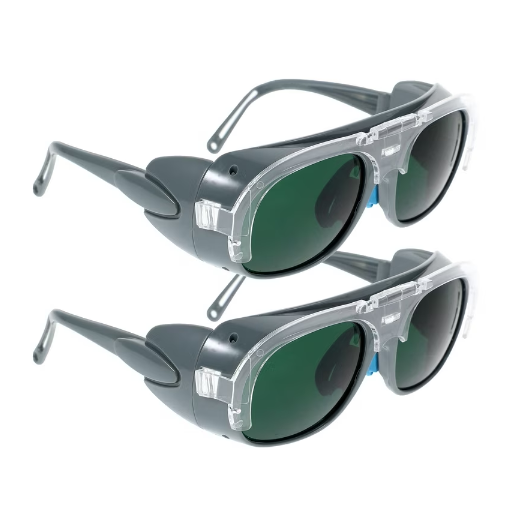
Every single worker performing welding must specifically wear a masking shield that is well graded for welding and filtered appropriately for the eyes so as to prevent any harm to the eyes, injury, or deterioration of the eyesight. The protective filters include, but are not limited to, those which reduce the risks of the serious forms of UV (Ultraviolet rays), IR (Infrared rays), and normal visible light present during welding respectively. If these measures are not put into practice, the eyes are endangered from various eye pathologies including but not limited to arc eye (photokeratitis) in the worst case causing impairment of vision. Moreover, the correct size head gear should be used as these fit on the head while offering full coverage of the face so that no spark or dust particles can penetrate its space which is meant to protect the face.
Option A
Welding Goggles
At the lowest safety level, what the welders wear is called welding goggles. Their role is to prevent the worker’s eyes from receiving the harmful excessive ultraviolet and infrared rays while carrying out welding. A normal pair of goggles is a standard pair of spectacles that has the ability to correct vision but it also comes with protection that filters out the harmful UV and IR rays together with welding. When you go for the regular frames of welding goggles then you have to expect the shade levels of the lenses to be ranging from number 5 to 14. Different activities of welding are gas welding, cutting, arc welding, every activities requires specific shade level and because of this every pair of welding goggles comes with particular shade lenses. In certain instances where welding fumes are likely to be inhaled, the welding goggles would also have rubber cups that can be fit into the face in order to enclose the area around the eyes.
Option B
Safety Glasses
However, protective lenses are more furnishing as they are more versatile and offer general eye protection for all diffierent works. They are appropriate with respect to protecting against shaking, dust particles and light trash; however protecting from bright lights and radiation is impossible. Some safety glasses offer UV protection; however, they are useless when it comes to doing welding work. For the sake of welders, the application of welding glasses or welding conducting stick, or welding helmets is much needed as this is in compliance with OSHA and ANSI standards ensuring that one is adequately protected from the particular dangers.
Understanding Shade Levels in Eye Protection
It is imperative to take into account the required shade in protective eyewear for welding to safeguard one’s eyesight from intense radiation of infrared (IR) and ultraviolet (UV) rays and also from the intense visible light that occurs while welding. The correct level of light filtration needed will be influenced by the techniques involved in welding. For instance, the welding process for shielded metal arc welding (SMAW) would typically require a lower degree of light filtration compared to welding of gas tungsten arc welding (GTAW) once again basis the intensity of the light. For example, when using a high-amperage welder producing brighter arcs, a darker lens has to be used to provide the much-needed protection.
On the subject of welding filters, the American National Standards – ANSI Z87.1 prescribes general usage requirements for these filters, as well as governing the following: shade levels, that welding filters should fall within, which are normally between the range of shade 5 and shade 14 with shade 5 being suitable for activities such as torch cutting and soldering, whereas shade 14 gives maximum protection for high-amperage welding and plasma arc cutting operations. An optimal design must prevent the radiation from penetrating the eyes, without obscuring the weld pool excessively, to achieve fractionation precision, hazardous radiation-free welding.
ANSI Z87.1 — Shade Reference Scale
5
Torch cutting & soldering
8–10
MIG / TIG welding
11–13
Heavy arc welding
14
High-amp & plasma arc
Maintaining Clear Vision While Welding
Quality vision during the welding process is very crucial not only for accurate craftsmanship but it also ensures safety at the workplace. Poor lighting, spotters, and the welding shield limitations also contribute to the situation. However, these issues are addressed by modern welding helmets, which often exhibit advanced optics and energy manifestations such as high-definition auto-darkening filters (ADF) that simulate natural light. With a 1/1/1/1 optical rating under EN 379, helmets that are optically clearer work very well.
Keeping the protective eyewear free of dust and other forms of accumulation is a must as well. Such factors as the presence of smoke, scratches or other marks over the surface of the goggles or their lenses are a hindrance for visibility, and call for checks or replacing such damaged parts when need be. The matter of smoke generation in the area also affects whether fog will be present, and needs to be tackled accordingly. By incorporating appropriate visual protective gear above and beyond vigilant care in maintenance, the welder’s vision is enhanced, enabling accuracy in the use of the apparatus.
05
Hand and Foot Protection
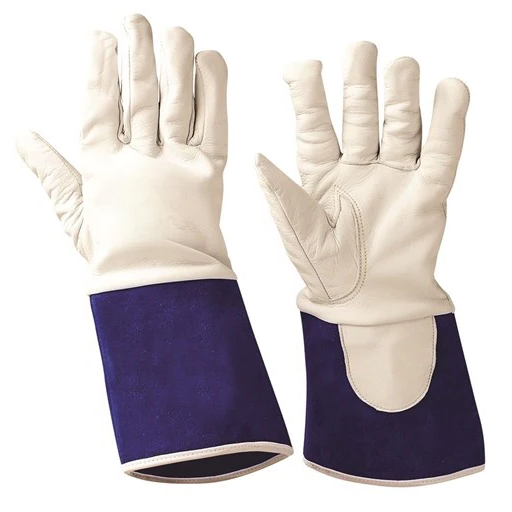
Whether it is gas or electric welding, the process of joining metals is inherently risky and requires proper hand and foot protection owing to the high likelihood of encounters with heat, sparks, molten metals or even heavy objects in the form of shelves and tables. In order to prevent burns and other injuries, welders are also advised to wear adequate heavy work gloves made of quality leather or any natural material considered suitable and providing the needed flexibility. Footwear suitable for the welders is the one that is provided with safety, and that is why most of the welders have their feet confined in protective boots. It is also required that all the personal protective equipment be periodically checked; if there is any form of damage or wear, everything should be replaced.
Best Welding Gloves for Maximum Safety
In the event of the best decisions in choosing welding gloves, more factors get involved that particularly concern the durability of the material used and the extent of the protection granted by the gloves. Preferred raw materials include high quality leather such as cowhide, goatskin and deerskin, thanks to good heat and nice stretch properties. Decorative thread benefits to the berthing of gloves as more robust aiding in increasing the strength of the gloves and resistances against heat and abrasion as well. For TIG welding and other similar kinds of welding, the gloves made of goat skin and thin in nature are the best fit due to how they can be manipulated with more precision and the touch that they provide.
There are some other requirements that can be considered such as the provision of longer cuffs to protect the forearm from any sparks and droplets. The product also has padding added in the critical areas to protect the user and good-looking gloves where the design gives the acquired perfect fit. The Lincoln Electric Traditional MIG/Stick Welding Gloves or the Miller Electric MIG Gloves are the most popular and this is in terms of compatibility due to the perfect comfort, protection and long-lastingness. And, at some point, manufacturers tend to rely on certification requirements in selecting which gloves to order, whereby, for instance, products bearing in mind the reinforced gloves are evaluated in accordance with the prescribed standards (e.g., ANSI/ISEA 105 cut and abrasion resistance levels).
Recommended Glove Materials
- Cowhide — excellent heat resistance and durability for heavy-duty tasks
- Goatskin — superior dexterity and precision, ideal for TIG welding
- Deerskin — premium softness with strong heat and abrasion resistance
Choosing Footwear That Meets Safety Standards
Choosing the correct welding footwear is imperative to the situation and one’s knowledge of the hazards to be faced in the situation. Footwear should also align with safety measures put in place by the relevant industry, especially concerning the risks of welding threads. Before anything, we need to check whether the safety boots comply with ASTM F2413, which is a safety standard and provides a general provision for the cross-reference on performance requirements for impact resistance, compression, puncture protection and electrical hazard (EH) ratings. Since welding may involve vast heat exposures, it is preferable to choose footwear that has soles resistant to heat or corrosive materials to prevent these from transmitting to the skin on the feet.
Several aspects should be evaluated before deciding on the composition to be used in the fabrication of the boot, such aspects that affected the preference of using the treated leather – props to attributes that endure high fire temperatures and frequent wear, because they wear time to time and prices, other roofing shingle installation materials, boots which capsizes have composite elements and alloy elements have for safe work. This includes the welding slag and high-temperature resistance material such as Nitrile or rubber with higher temperature tolerance. Additionally, finishing materials like moisture in panty liners and especially – their form factor – can go a long way towards increasing the operational comfort of welders so that they are fully alert and safe for the performance of their work for a long time. To address such problems, regard towards these aspects is well-recommended to be placed first of all in the plans of welders.
Reference Sources
- Oklahoma State University — Welding Safety & Health Guide
Read this article - Yale University — Welding Safety
Read this article
FAQ
Frequently Asked Questions
Q 01
What are the essential pieces of PPE for welding in a workshop?
While welding, welders should protect themselves with necessary PPE such as self-darkening welding helmets, durable welder’s frocks, thick welder’s gloves providing thermal resistance as well as work shoes in the form of hard boots. Besides, protective tools like safety glasses or a hard hat with a face shield, are necessary for the head to prevent arc flashes from entering through the eyes of the worker and inhaling any smoke or dust. The good thing of this is that radon levels can be measured. However, the welding activity will have to be done, and in any such activity the generation of fumes and gases can not be eliminated, hence they must be changed and work attire should be worn, following the procedures laid down for such activities.
Q 02
How do I choose the right welding helmet and lens shade?
Before proceeding with welding work, make sure that a helmet is put on which corresponds to the given welding operation taking into account the lens tinting ratio, the higher the amperage or the process – all these conditions are satisfied by a darkly compound adhesive – no matter what the process is. – TIG, MIG, stick welding. In this regard, under the 3M helmets, auto-darkening helmets are more suitable for hands-free and continuous use. And when worn, in that case, ensure that the facial mask is ergonomic and protects the entire face from rubbing and reducing performance due to visual fatigue.
Q 03
Why is flame-resistant clothing important and which materials are best?
Flame-retardant enables the mitigation of the dangers of catching fire and to lessen the intensity of burns from splashing and splattering; namely, fire-resistant fabrics are made from special cloth, leather, aluminised material, etc. One should also avoid the use of polyester and other blends, which are likely to produce a melted crust that will equally stick on the skin. Still, changing the classical clothes-making trends concerned with protective materials, it should be understood that layered clothes are more practical and much more protective in that regard. In addition, specific work tasks may require the use of welding jackets, and aprons and sleeves, which provide strict protection necessitated for such work.
Q 04
When should a respirator or fume extraction be used during welding?
When welding metals in environments with harmful fumes and there is inadequate access to clean air, it is advisable to use a mask. In such environments, the use of installed local exhaust systems is of great practical importance; this ensures that all fumes and particles produced are quickly expelled from the room. Portable teargas masks should be selected in accordance with the threat levels, and powered air-purifying respirators (PAPRs) should be used on lengthy tasks. A good supply of fresh air, the use of collection tubes, and the practice of good housekeeping remove the need for protective apparatus for the worker and ensure the protection of others.