
Troubleshooting Common Issues with Air-Powered Grease Guns
01
Introduction to Air-Powered Grease Guns
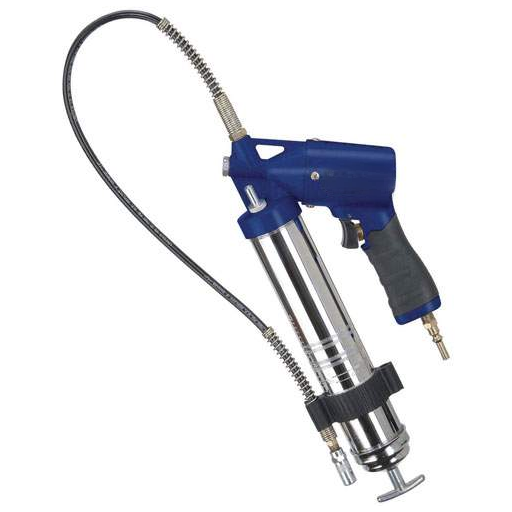
Grease guns revel in the power of air pressure, as the name itself suggests — a significant innovation that has made the process of lubricating machinery less burdensome. These guns have technical know-how that are contributing towards the delivery of grease in an entry without wasting any of it; thus their use is highly recommended in industries, automobiles, and construction equipment. These guns have achieved the right pressure output with regards to the bulk, and this facilitates the most uniform distribution of both industrial and automotive lubes. As these guns are operated with a trigger, there is no manual model to opt, and it is reasonable to expect that a large percentage of professionals shall feature plier-operated grease guns. As it is compressed, utilized, and maintained according to procedures, this tool will not disappoint and perform the task to the best of its design limits without any issues.
What is an Air-Powered Grease Gun?
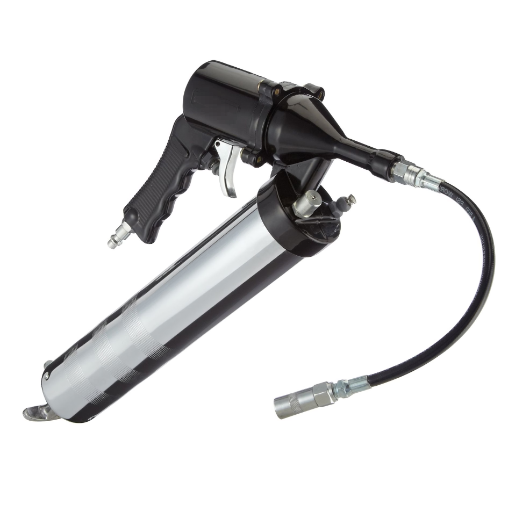
A grease gun powered by air, otherwise known as a pneumatic grease gun, function as a result of the elastic force of air used, for precise dispensation of the lubricant. As this device cannot operate without an air compressor, the change in pressure also directs the grease that is packed in either cartridge or barrel to the outermost part of the nozzle after which the machine ejects the pollutant from it. An actuator that basically functions like a trigger, once pulled, allows the user full control over the movement of the grease, thereby avoiding under-greasing or, logically, over-application.
The latter function is particularly useful in maintaining the lubrication consistent in cases where no breakdown is acceptable because the pressure of air ensures that the grease is pushed out steadily even at the high pressures required when dealing with powerful machinery. The air intake, plunger, and output hoses and couplers are components which work together in an integrated form, operating in line with other to achieve an efficient lubricating system achieving an industrial grade to meet the fluctuating demands.
Importance of Proper Maintenance
To allow for safe use of air driven grease guns for many years, regular maintenance must be carried out. When neglected, such systems will not operate in the best way, as they will either be blocked, the group will leave for causing air leakage which results to in haphazard lubrication and keeps the machines within the system idle. This means that the top two areas which require this are the cleaning of the coupler as well as the delivery hose to prevent them from the grease that is accumulated which stops the flow of the material as often as possible and inspection of O-rings and piston seals for any signs of wear and tear.
A regular check on the connection and the flow of air should also be done especially to the incoming air, as reduced air pressure could affect the way grease discharge. Experts in the field further go to suggest that the calibration of the gun should be verified occasionally to ensure that the correct quantity of the material is pumped out through the nozzle, particularly in tough applications where accuracy in lubrication is a must. Proper maintenance can at least avoid failures and wearing out of the devices, ergo, prolonging their useful life including that of the air grease pump and the machines in use.
Common Uses and Applications
When it comes to allowing peak performance and longevity of equipment, there is no denying how air-powered grease guns have become a must-have in many industries that call for the precision supply of lubrication. And those are very applicable in the automotive industry, most especially in garages for controlling the grease on chassis assembly, outer bracket and bearings to prevent sizzling paints and for durability against wear of other materials that cause heat through friction. It is the same when it is in the construction and agriculture and heavy machinery like air-tuned crusher and the tools themselves with those being used today, for example, the air-enabled grease guns which allow quick and easy access of the greasing material to the tipping point of the machinery, namely the excavators, tractors and other systems.
Even manufacturing facilities use such devices to a great extent when conveyor systems, rotating machinery elements, and motors are serviced regularly by applying lubricants. Furthermore, their high-pressure performance easily allows integration within solutions in such eco-friendly devices as wind turbines or any other renewable energy device with difficult-to-access and smear-sensitive lubrication points. Unlike manual greasing units, which non refreshed greasing glands for a long time, inevitably leads to technical malfunctions, air-operated pumping systems are designed to deliver measured and precise quantities of lubricants through points and are called air grease gun.
Key Application Areas
- Automotive & Garage Maintenance
- Construction & Heavy Equipment
- Agricultural Machinery
- Manufacturing & Conveyor Systems
- Wind Turbines & Renewable Energy
- Industrial Motor Servicing
02
Priming Difficulties with Air-Powered Grease Guns
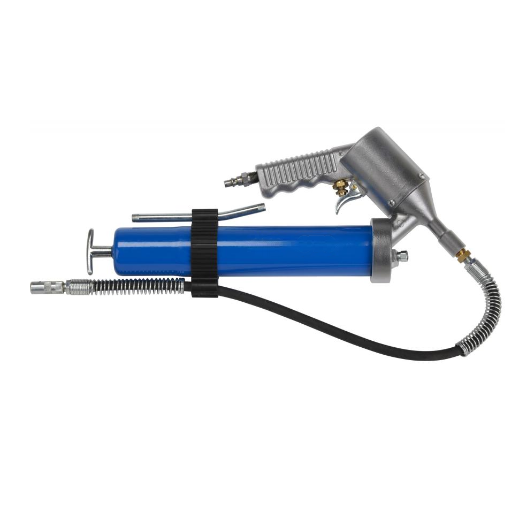
In engaging with air-driven preventive lubrication weapons, difficulties with initial deployment can usually be explained entirely with the lack of proper adjustment and the presence of the air pockets in the lubricant. In other words, to adjust for operational errors, always make sure which way round the greasing gun’s cartridge is and if the cap is sealed shut. It is ok to close the vent tap while ensuring no air is trapped within the lubricant. Start applying the Grease with gentle and slow even movements, extending the duration of applying grease. If the blockage continues to persist in any of the instances, clean off the cover and review the line for any debris that may have entered the line. Simple remedies and appropriate mechanical loading of the tasks of manpower can minimize, and even eliminate, the hurdles in the way of the task of priming pumps and refilling pumps.
Understanding the Priming Process
For the effective use of grease guns with a compressed air lubricator, it is imperative to purge the grease gun in order to supply lubricant constantly. To carry out first aid, check the grease cartridge is loaded properly, ensure the pull rod is fully extended and locked in place. Provided that the gun is confident of a mounted cartridge, an air release valve may be opened to flush out any air that could have stuck in blocking the movement of grease. Accordingly, the purging should be released by making the trigger step-by-step and ensuring the lubricant is moving, acknowledging any blows that may come.
It is important to check all joints, including fittings and hoses for the presence of leaks or blockages while priming. It is important to look into why these issues are occurring if they are repeatedly experienced, such as lubricating gun breakdown of its component parts or change of lubricant, depending on the users’ discretion, as viscosity affects the efficiency of the lubrication process. It is important to oil the moving parts of the machinery on a regular basis even when nothing appears to be wrong, and follow safety recommendations where applicable.
Signs of Priming Issues
For this reason, recognizing priming troubles in use of pneumatic grease guns is an issue that should be closely examined in terms of device operation and functioning. Lack of grease, unusual flow of grease, or even complete absence of flow usually implicates the existence of an air pocket depriving the lubricants from operating in an even manner. In addition, excessive noise or severe rattling noise during operation may be an indication of excessive lubrication or inclusion of air in the system. In addition to this, visible leakages of grease either on the joints or even on the pipes should be paid due attention for it may be a result of poor seals due to damage to the seals or blockages of the system during the priming process.
Another key area could be deviations on the pressure levels when settled by a pressure gauge, which results in pressure inconsistencies. An abnormal decrease in pressure in the system could be caused by clog in the lines or improper assembly of the certain pump component. Whenever the grease worker is pump-interval wanted and needed, make sure to use grease of proper consistency as more viscous or less viscous materials cause extra obstacles during the distribution of the lubricant. Looking out for such pressure reactions and abiding with the operating rules facilitates the use of air operated greases without deteriorating their efficiency or damaging the equipment.
Step-by-Step Solutions to Prime Your Grease Gun
- 01
Ensure Proper AssemblyStart by verifying that the application has been done effectively and correctly after that the grease gun parts are correctly assembled. Check that the grease can is put back inside which is tightened bass is screwed on well and the sealing O-ring is in good shape so as to prevent any air from finding its way inside the system. Parts that have been messed up may slow down the priming.
- 02
Bleed Air from the SystemThe bleeder valve on a grease gun is easy to spot, often found next to the pump or even the handle. Open this valve and allow any air in the pressure chamber to leave. Push and release the lever or the trigger of the grease gun without applying pressure, the valve should ooze lubricant, and tighten the bleeder valve. This could prevent a squeeze without crushing efforts to relieve stress.
- 03
Operate the Pump Mechanism SlowlyFor the pump mechanism, if crawl or entanglement is to be perceived the more it is directed gradually. When using a hand-operated grease gun, you should push the trigger very gently, and with power-assisted models, you should start from the minimal pressure. These cautions will enable better air removal in the ducts as the grease is injected slowly.
- 04
Inspect the Follower RodCheck the hand position to ensure proper deployment of the plunger and that the grease is present as there should be at the head of the gun. In the case where the internal rod is jammed or has low resistance, you should reinstall the grease cartridge or be sure the plunger is exposed to the right amount of grease in the cartridge.
- 05
Verify Proper Grease FlowJoin to the pump gun nozzle fitting a pressure test fitting, or better into a container or a surface russian pellet canister and ensure the operating condition where pressured grease is in. Either pull the trigger of the grease gun reverse the lubrication nozzle feed and confirm that the provision of grease is consistent and uninterrupted.
- 06
Use a Compatible Grease FormulaThe depth of the lubricant being used also affects the ability to pump it. It may require more energy to derive the heavier greases while lighter ones may fail to maintain containment due to increased tensile forces. Get more details on the reasons to use the type of lubricant with the equipment to be used.
03
Identifying and Resolving Air Locks
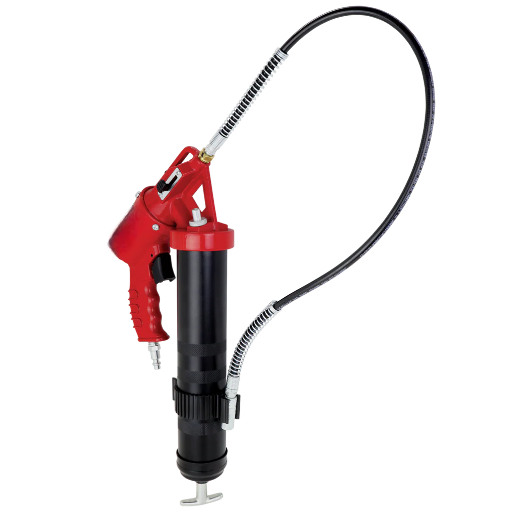
Grease gun air locks develop due to the presence of air in the grease gun and they prevent the even flow of grease. The following steps should be taken when an airlock develops:
- 01.
Bleed the AirYou need to find the air bleed valve. Normally, it is located on the head of a grease gun. Turn on the valve a little in order to allow air to exit. Pressurize the grease gun to speed up the flow of the lubricant, then close the valve.
- 02.
Reprime the GunUnscrew the air inlet screw on the housing a little bit to relieve pressure. As you are pumping, push the push rod outwards to facilitate air emptying. Once the air is pushed out, firmly close the screw.
- 03.
Inspect Seals and ConnectionsDouble-check and make sure all connections are assembled properly and that seals are not damaged. If a component is defective, it can substantially obstruct the pressurization, thus promoting air lock.
- 04.
Check for ContaminantsMake certain there are no obstructions in the suction passage starved by the so-called hardened lubricant. If necessary, perform cleanliness of the parts inside the pump to bring its efficiency back.
If none of the presenting steps helped, refer to the manufacturer’s troubleshooting guide and check if additional accessories and/or professional expert help in repairing the equipment are required.
What are Air Locks?
Airlocks are pockets of air that form in a containment system, such as a plumbing or pump system. This is because it blocks the flow of fluids or gases, which in turn reduces efficiency and if not addressed system power. The most common cause of airlocks is either improper priming, where if the pump is insufficient of mud, it will continue pulling in air or other changes in pressure or temperature, or simply not including enough venting in the system for gas to escape. The hydraulic equipment is typically at risk when systems depend on draining, if horizontal or vertical pipes are used. Accompanied by air, they can also cause non-uniform flow distribution, and on rhythmic completion of the flow, it may even create vibrations; account for this, and cavitation effects are experienced. The voids formed by this air can effectively hinder the movement of fluids. In an effort to avert air pockets and dismiss air lock, the system should be well-designed, kept in good shape and provided with air vents.
Symptoms of Air Locks in Grease Delivery
Air locks that affect the functioning of grease delivery systems may present in several ways that have a direct influence on efficiency and operational effectiveness of the system. Common signs include:
- Symptom 01
Irregular Grease DispensingThe flow of grease becomes irregular such that periods of flow are followed by no-flow periods leading to inadequate lubrication of the critical parts in the system. This may cause increased wear and tear in the system.
- Symptom 02
System Pressure FluctuationsPockets of air tend to create bursts and dips in a systems pressure. These anomalies in most cases can be observed in pressure gauges or followed up by sensor readings suggesting a restriction or liquid flows.
- Symptom 03
No-Flow ConditionsFreezing of the flow is very serious and this state quite often occur once the air lock has not just caused some blocking but has even clogged up the grease so that it cannot move on its own. This situation often calls for mechanical actions to remove the air blockage in the system.
- Symptom 04
Excessive Noise or VibrationsIn a number of cases, noise is usually taken as a general vibration or a vibration with higher amplitude. Pumps or their attendant site lines are also a probable source of mechanical vibrations and very noticeable noise.
- Symptom 05
Reduced Delivery EfficiencyA marked deterioration in lubrication quality or a delay in the flow of material to the pertinent lubrication spots suggests the headers are filled up with air to hinder the delivery of the grease.
- Symptom 06
Heat Build-Up in ComponentsHindered grease along with improper lubrication, causes a gradual increase of operational temperature. As a result, the temperature tends to increase depending on the operational condition of the machinery with high output capacity.
To take a definite decision it is vital to know those signs, avoid the procedures to delete the opposite results of air locks. That is why the operators should take diagnostic tools available on the job, as well as perform system monitoring to identify the problem before it escalates to the escalation level.
How to Remove Air Locks from Your Grease Pump
No air inside the grease pump system is essential before delivering adequate amount of lubrication to prevent machinery breakdowns. Here is a set of instructions provided step by step to remove air locks from each system efficiently:
- 1.
Depressurize the SystemTo begin, switch off the grease pump and relieve any pressure that has built up inside the system. This will prevent accidents and reduce the chances of contamination further.
- 2.
Identify the Air PocketThe first step is to find out the exact spot where the blockage can be suspected. It can take place in several of the most common parts in the suction line, the pump tank or inside the pump itself.
- 3.
Bleed the SystemIn case of most of the nowadays grease pumps, bleed valves are incorporated. In case cycles overlap with another vehicle’s gradually stop, you are to put quite a bit in play.
- 4.
Re-prime the PumpReprime a pump that has lost water by refilling the suction line or reservoirs with grease. Make sure that the medium is clean and appropriate for the type of pump being run.
- 5.
Inspect for BlockagesAir locks may also be developed in the system where the flow is obstructed partly, the blockage being the cause. Check the hoses, joints and filters for any restrictions or caked lubricant and clean or change out as necessary.
- 6.
Operate the Pump at Low PressureStart the pump at a reduced pressure (to clear any air) and check for flow consistency from the discharge. Pay attention to non-normal internal pump sounds.
- 7.
Perform a Full System CheckAs soon as the air bubble becomes throttle, run the whole vitamin regimen to make sure it runs smoothly. Check grease flowrates, pressure settings, and operational clearances of other parts for enhanced performance as well.
Implementing timely maintenance works and certain operational precautions is a good attitude towards air pockets prevention in most systems. Moreover, it is more effective on a regular basis to be keen about the quality of built equipment, particularly lubricant storage.
04
Inconsistent Grease Delivery Problems
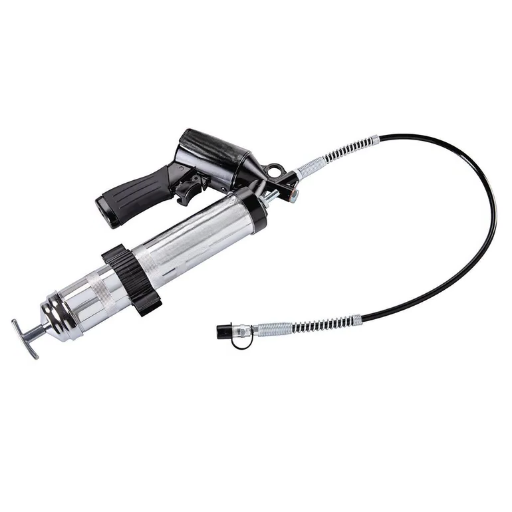
Cause 01
Insufficient Air Pressure
Insufficient Air Pressure
Inadequate air pressure can cause a change in the flow of the grease. The air compressor should always be available and set on the appropriate pressure levels as per the grease gun regulations.
Cause 02
Clogged or Contaminated Grease Lines
Clogged or Contaminated Grease Lines
Obstacles such as dirt and debris in the grease pipeline can interfere with the regular flow of the product. It is always important to look at the pipes for any hindrance and remove it to have a smooth operation.
Cause 03
Worn or Damaged Components
Worn or Damaged Components
Parts such as the seals or valves are subject to wear and other forms of damage which can degrade the automobile’s performance. These parts should be promptly changed and their matching components used according to the provisions of the manufacturing firm.
Cause 04
Improper Grease Viscosity
Improper Grease Viscosity
Not adhering to the prescribed grease viscosity can disrupt grease pace conveyed inaccurately. It is important to cross-check that the grease specs are inclusive of the equipment’s operating conditions.
How to Diagnose Delivery Issues
The first step towards addressing air-powered grease gun delivery issues is understanding the problem and it’s confirming ways of its correction. The initial action would be to review the air supply air in the system if there is numerical indication of the air pressure in the grease gun. A pressure gauge is used in the area of work in order to ascertain that the air pressure which is being delivered to the system within the recommended supply PSI. The cause for most concern is when the air pressure is not at its required levels hence bringing about issues especially in oil discharge.
Next, it is necessary to inspect the grease passages for any obstructions and remove them. It should be noted that old grease and other residues tend to form when the equipment is not used on a weekly basis resulting in blocked grease paths. In this case, it will be necessary to dismantle the grease gun while taking all precautions and properly clean it. Additional attention is required in cleaning the nozzle, hose, and pathways in the body. Still, it is also important to refit seals and O-rings only in case of a serviceable unit as these should show no distress or signs of wear, for the obvious reason of air leakage leading to inefficiency of the gun.
Check that the grease has the ability to function correctly in the device by reading the lubricant’s instructions and the manual of the equipment. Filling up a system with grease, which has inappropriately high or low flow resistance and viscosity, is impossible under most circumstances, and will not work to the best of the ability of the device when operating. Lastly, strive to uphold good practices in maintenance by keeping the moving elements well lubricated as well as replacing abraded parts so that the problem does not occur again. These problem-solving measures should help maximize operational goals of air-driven grease applicators even further.
Methods to Ensure Consistent Grease Flow
For the optimum functioning and lubrication of air driven grease applicators, it is necessary to apply both appropriate techniques and present technologies. Firstly, air availability should be evaluated. For most air powered guns, the rated capability of an air compressor ranges from 90 to 120 psi. This pressure range is crucial in achieving smooth and consistent pneumatic grease guns. Variations in pneumatic grease flow may occur if the applied air pressure is usually unfit or inadequate.
90–120
PSI
PSI
Recommended Air Compressor Pressure Range
This pressure range is crucial in achieving smooth and consistent pneumatic grease guns. Variations in pneumatic grease flow may occur if the applied air pressure is usually unfit or inadequate.
Second, check the hose and connections for any blockages, leaks, or damage before use. Using the hose that has any form of contamination or damage inside it may hinder the flow of the grease or even introduce inconsistencies. For these risks, it is better that hoses made of strong materials suitable for greasing applications are used as they do not bring about the hassle.
Third, confirm that the grease inside the gun meets the requirements fit for that particular work. Another one is that if old grease is used, it may start to form clogs as it falsifies and this shall lead to certain malfunctions in the system. It is a practice that is decomposed in order to introduce particulate into the grease loading process.
Furthermore, the current grease gun systems can be upgraded using additional enhancements and features such as pressure or flow control valves. Such modifications enable the grease gun to provide information about the system in real time and adjust its operations accordingly. It is also advised that regular training on how to handle the equipment is given to the operators to ensure that they will be able to perform their work efficiently and to solve limitations on operation. However, these methods are even more suitable when they are used simultaneously, as they do improve the quality of service of high-pressure air grease guns.
05
Fixing Leaks in Grease Guns
When there is a reason for air-started grease weaponry dysfunctionality, see to it that it is determined to be the source of the leakage. Adjust all connections and attachments in order to get the job done meticulously as sources of failure are mostly due to pieces falling off. Checking of O-rings and gaskets shall be performed in case any signs of wear and tear are found, replace the components with new components. If the hose is found to have cracks, such damages should also be repaired to prevent any more leaks from occurring. A lot of time, and in the long run, efforts, within the meaning of regular surroundings, may as well include cleaning and greasing items that are in action. Also, after some time, there may be the necessity to repair or replace parts, the orders for which are given in the manual provided by the producer, so one should refer to it for guidance, as the policy for out-of-service parts must be adhered to.
Common Sources of Leaks
| Source of Leak | Description |
|---|---|
| Damaged O-ring | Worn or cracked O-rings compromise sealing integrity. |
| Loose fittings | Improperly tightened connections allow grease to escape. |
| Cracked hose | Aged or compromised hoses lead to grease leakage. |
| Faulty seals | Defective seals result in poor pressure containment. |
| Overpressurization | Excess pressure damages components and causes leaks. |
| Clogged grease passages | Blockages force grease to escape from unintended areas. |
| Worn pump components | Aging or damaged parts lead to performance deterioration. |
| Misaligned grease coupler | Improper alignment causes grease to leak around fittings. |
| Improper lubrication | Lack of lube creates friction and potential for leaks. |
| Defective air valve | Malfunctioning valves lead to air and grease leaks. |
Identifying Leak Locations: Coupler, Head, and Piston Seal
When it comes to maintaining a greasing tool, it is necessary to find the exact spot where the grease comes out of the instrument in order to maintain its basic functions and optimal effectiveness. Oftentimes, the coupler proves to be the most common area where such outflows are found, courtesy of poor application or repeated utilization. The transducer of orientating the coupler and checking the seals may be of help to reveal the fault. Leaking also gets to the head of the grease gun commonly when the gaskets are worn out or when the components are not properly aligned. Checking that the O-ring is in good condition and that it is assembled properly can prevent the leak on that part.
Last but not least, the piston seal is another crucial point where leaks can take place if worn out or not greased appropriately. Therefore, one should look around the piston seal for any cracks, leaks or dry-rotted material. The user of the equipment through regular maintenance usually ends up turning back possible factors that would have reduced the equipment effective operational duration and expensive outlay of replacing the equipment.
Repairing or Replacing Leaky Components
To address the issue of leaks in pneumatic grease guns, it is important to work in a systematic manner. You cannot expect that a repair done in haste will stand the test of time. First things first, the grease gun should be disassembled to discover where exactly and why it is leaking, whether it is the O-rings, piston seals or hose connections. Apart from the grease gun model, identification and procurement of suitable parts are also necessary. This should include the right O-rings and of course, at the right grade and nitrile or silicone material options that can withstand high pressure and temperatures are often favored.
When dealing with connections that always leak, one should first examine the threads to check out what is causing it to allow leaks. There are usually other causes for leaks as well, which can be as bad as damaged threads or the possibility of putting threads on the wrong side. Thread sealant is applied first, then, if necessary, a Teflon tape helps make these connections better. If the rubber hose is showing any signs of damage, such as cracks or holes, it should be switched out with one that is rated for pressure and that is recommended as an acceptable replacement for the crimping tool. At this stage during the assembly process, correct torque values must also be adhered to prevent issues of over-torqueing and consequently causing damage to the part itself.
Lastly, be sure to clean the inside of the unit when fixing or changing the effects of the power pack to mount a new sealing element. This ensures that the new seal itself will not be damaged by potentially harmful materials. High-grade replacement parts are not the only requirements. Some lubricant in the form of a specific quality adhesive compound is also necessary to help in the quick counteraction of this natural force. With these specifics in place and ideal spares, satisfactory operations of the pneumatically or air operated grease pumps can be returned to normal in no time, particularly addressing the time away from work as a result of repair work and equipment substitution.
06
Frequently Asked Questions
How do I troubleshoot a grease gun that won’t prime the pump?
In case there are some issues with the grease gun that prevent it from priming, the very first thing one should do is to search for air entrainment and introduce the crack the coupling or turning the air purging valve open causes and in pumping. Find out if any defects on the plunger or rod can impede the operation of the pump and resolve the issue by perhaps engaging a manual pump or activating the gun’s squeeze trigger. If the lubricant will not prime, change the greasing tube or fresh cartridge and then turn to the trouble scenarios so as to avoid equipment downtime cases. Keep extra rubber parts and a spare piston in handy in order to optimize quick fixing without nuisances such as fixtion.
What steps should I take when the grease pump slips or fails to push grease?
In case the pump cannot work anymore, search for the blocked grease dealers in the pump grease case or solidified grease and provide a piece of cartoon on cleaning the reel and coupler. Examine the rod and plunger for any wearing and correct the fit and fit of the grease tube or new cartridge to stop the pump from slipping. If this is not the case, disassemble the pump for inspecting the internal parts or get a tech’s help for a hand pump free installation. It is advisable to have a prepared spare pump or saciutti pump on the store’s shelf because it reduces the amount of time needed for maintenance.
Why does my grease gun produce air pockets and how can I remove them?
Loading a new cartridge or careless handling often leads to the formation of air pockets, so please return and pump the assembly rod fully until grease parking is seen. In such a situation, using a blow screw or detaching the coupler while using the grease gun may help the air pockets in the pipe. If having these so-called air bubbles becomes normal, one can try employing a cordless gun alternatively, or even the general methods of priming which can be found as troubled gun help. Without regular checks and correct application of force, the wearer will have to remove it and put it back in less time.
How can I troubleshoot common grease gun issues on a skid steer or excavator?
During maintenance of large pieces of equipment like a skid steer or excavators, it is common to figure out some access issues along with plugs that are hard and impossible to get any grease out of; replace them with new or clean lubrication and the right grease tube or cartridge following the manufacturer’s guidelines. For any occasion have whether leakage, broken couplers, or the dysfunction of the grease gun head, as well as when ensuring that the rod and plunger are working to build up the lube system pressure. The proper functioning should be satisfactory for most units except for those with solid performance and which frequently break down; it would be preferred to call a help of a technician to check the grease reel and consider the use of an in-line filter since it helps in the removal of contaminants.
Reference Sources
- Life Cycle Assessment of Heavy Equipment Engine Remanufacturing in Indonesia
Access the source here - Design and Investigation of a Partial Admission Radial 2.5‑kW Organic Rankine Cycle Micro‑Turbine
Access the source here