
electricians scissors
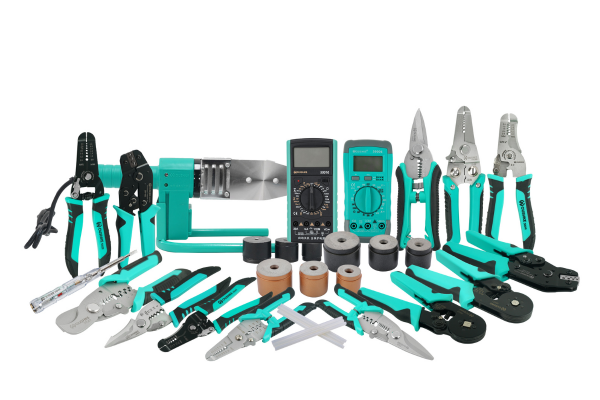
Electrician scissors are specialized, heavy-duty scissor tools engineered for electricians to cut cable, strip AWG wire, and snip conductors daily. Electricians’ scissors are versatile tools engineered for precision and durability across various technical fields. Their specific design features make them indispensable for tasks where standard cutting tools would be inefficient or unsafe.
Why Choose Our electricians’ scissors?
Lifetime Durability
Forged construction with precision-machined rivets eliminates wobble and play. Corrosion-resistant finish survives harsh job sites. Replaceable cutting jaws extend tool life indefinitely.
Ergonomic Comfort Grips
Bi-material handles conform to hand shape with anti-slip texture. Curved design prevents pinching when closed. Reduces hand strain by 60% compared to basic plastic handles.
Precision Flush Cutting
Intersecting jaws cut at perfect 90° angle for clean, flat wire ends. No sharp points or burrs left behind. Micro-serrated gripping surface prevents wire slippage during cutting.
Multi-Function Design
Combines wire cutting, crimping, stripping, gripping, and bending in one tool. Built-in wire stripper for 10-22 AWG. Spring-loaded return option reduces repetitive motion fatigue.
Key Features of Our electricians’ scissors
- Stainless or nickel-plated blades, serrated or straight edges for cut control, and stripping notches for 19 AWG and 23 AWG.
- Ergonomic handles suit heavy duty use, while compact scissors profiles fit pouches.
- Some scissors feature angled electricians’ tips, reinforced pivots, and cutter shears geometry to cut copper, cut cables, or handle light cutting sheet metal tasks reliably.
- Stainless steel resists rust and maintains sharpness; nickel plating enhances hardness and corrosion resistance.
- Premium stainless steel blades on electrician scissors reduce burrs when you cut copper or cut cables. Nickel finishes add slickness that eases glide through insulation.
- Electrician scissors use contoured handles, angled electricians’ heads, and controlled spring tensions to reduce fatigue.

electricians’ scissors For Sale
Wire cutters and combination pliers are essential tools for electrical work, construction, and general maintenance. Choosing the right type depends on your specific application and working environment.
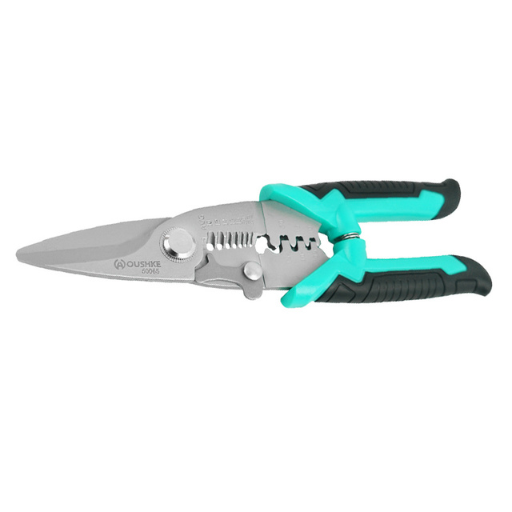
50065 Industrial Grade Electrician Shears
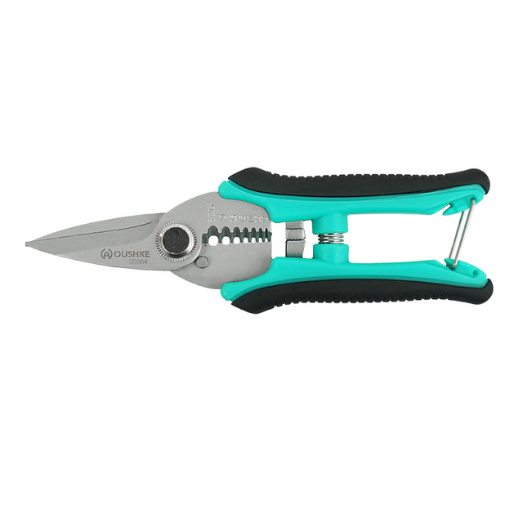
50064 Industrial Grade Electrician Shears
Industry Applications

Telecommunications and Network Installation
Cutting Aramid yarn (Kevlar) strength members found inside fiber optic cables, a task standard scissors cannot perform.Trimming and preparing twisted-pair cables for termination into jacks and patch panels.
Electronics Repair and Assembly
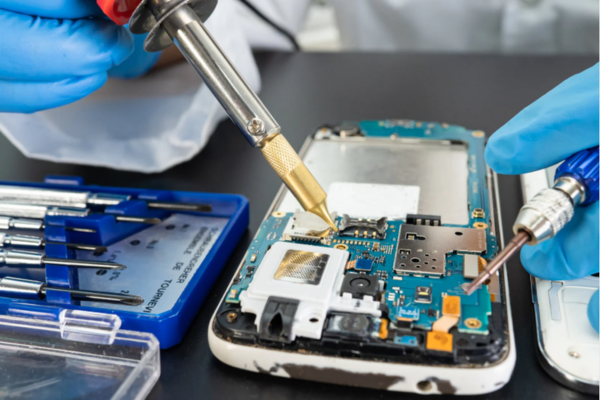
Trimming component leads on printed circuit boards (PCBs) after soldering.Cutting and stripping fine-gauge hook-up wire for internal connections.Precisely cutting heat-shrink tubing to size for insulating solder joints and connections.
HVAC and Controls Installation
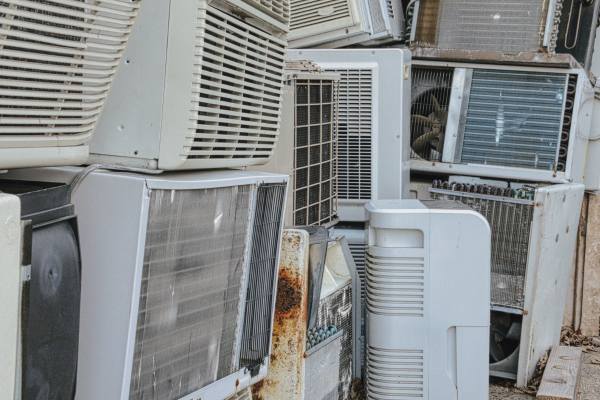
Cutting multi-conductor control cables for thermostats, sensors, and control units.Stripping individual conductors in preparation for connection to terminal blocks.Trimming insulation and foil shielding on shielded communication cables used for building automation systems.
Electrician’s Scissors Buying Guide
Finding the perfect pair of electricians’ scissors isn’t just about cutting wire—it’s about efficiency, comfort, and longevity. We have categorized our selection to help you identify the specific features that matter most to your workflow.
Precision Cutting Series
Ergonomic Comfort Series
Heavy-Duty Durability Series
Technical Specifications Comparison
| Feature | Precision Model | Ergonomic Model | Heavy-Duty Model |
|---|---|---|---|
| Blade Material | Japanese Stainless Steel | High-Carbon Steel | Forged Chrome Vanadium |
| Blade Edge | Micro-serrated | Standard, Sharp | Serrated + Stripping Notches |
| Handle Design | Compact, slim profile | Bi-material, soft grip | Reinforced, high-leverage |
| Cutting Capacity | Up to 24 AWG soft wire | Up to 16 AWG soft wire | Up to 12 AWG soft wire |
| Overall Length | 5.5 inches (140 mm) | 6.0 inches (152 mm) | 6.25 inches (159 mm) |
| Weight | 3.5 oz (99 g) | 4.2 oz (119 g) | 5.8 oz (164 g) |
| Corrosion Resistance | High | Standard | High (Phosphate Finish) |
| Additional Features | Fine-point tips | Spring-assisted opening | Integrated crimper, scraper |
| Best For | Electronics, Data Cables | General Purpose, All-Day Use | Cable Jacketing, Demolition |
Encouragement to Choose the Right Scissors
Your work demands precision, and the right tool makes all the difference. Don’t settle for less. Explore our range of electrician’s scissors to find the perfect blend of precision, durability, and ergonomic comfort for your specific tasks.
What Our Clients Say
Here’s a look at what people are saying about working with us. We’re proud to have helped so many achieve their goals.
“After 28 years as an electrician, these are the best cutters I’ve owned. The leverage makes cutting 12 gauge all day effortless. My hands don’t ache anymore, and they’re still sharp after 6 months of daily use.”

Robert Johnson,Master Electrician
“I’ve broken 3 pairs of cheap cutters this year until I bought these. Cut through fence wire like butter and survived a 6-foot drop onto concrete. The replaceable jaws mean I’ll never need another pair.”

Maria Chen,Construction Contractor
Latest News
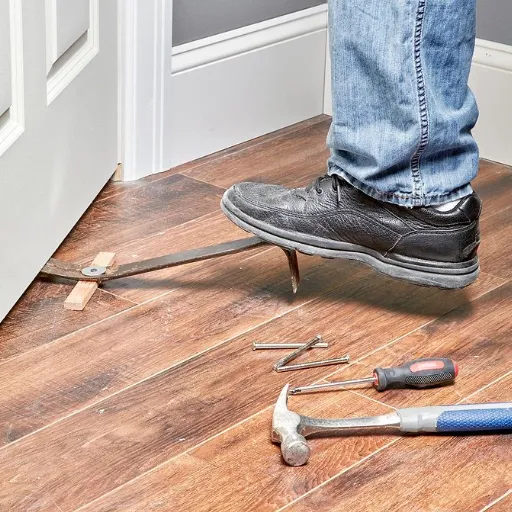
How to Use a Pry Bar Safely: Step-by-Step Techniques (2026)
To use a pry bar correctly, seat the tip or claw fully under the load,…
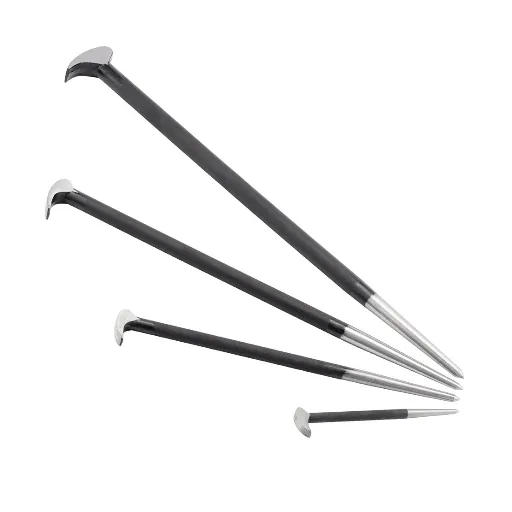
Pry Bar Sizes Chart: Lengths, Leverage & Which to Choose
Pry bar sizes run from 2 inches to 72 inches, and the length you choose…
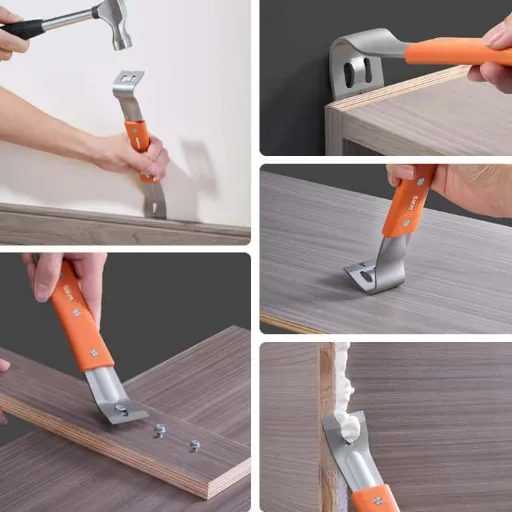
Flat Pry Bar & Wonder Bar Guide: Uses, Sizes & Picks
A flat pry bar is a thin, flat, spring-tempered steel bar with a nail slot…
Wholesale Pry Bars: A Buying Guide for Distributors and Retailers
Wholesale pry bars cost roughly US$1.44 to US$2.70 per piece at factory-direct volumes, and most…
Frequently Asked Questions (FAQs)
Still have questions? Our team is here to help. Reach out to us anytime, and we’ll make sure you get the answers you need.
Can electricians use shears instead of scissors for wiring tasks?
Electricians can use shears for many tasks, especially when cutting thicker materials like cable jackets or sheet metal, but shears are generally larger and less precise than electrician scissors. For delicate work such as stripping small conductors or trimming insulation, compact scissors or specialized electrician snip models are often preferred. Choose the tool based on the material thickness and required precision; shears are excellent for heavy-duty cuts, while scissors or shears designed for electrical work provide more control for finer tasks.
What is the difference between a cutter, scissors, and electrician scissors?
A cutter typically refers to a tool designed for cutting wire or cable with a stronger jaw and sometimes a ratcheting mechanism, while electrician scissors (or snips) are multi-purpose, combining cutting, stripping, and sometimes crimping functions in a compact scissors-like form. Electrician scissors often have serrated blade edges for gripping and cutting insulation cleanly. If you need to cut copper conductors, a dedicated cutter may provide cleaner cuts on thicker gauge copper; for general-purpose use, compact scissors or angled electrician’s snips are more versatile.
When should I choose a serrated blade electrician scissor?
Serrated blade electrician scissors are ideal when you need a secure grip on slippery materials like PVC insulation, cable jackets, or braided shielding. The serrations help prevent the material from slipping while cutting, resulting in cleaner trims and fewer nicks. This type of blade is useful when you want to easily strip 19 AWG or similar small conductors without damaging the conductor itself.
Are compact scissors suitable for cutting sheet metal?
Compact scissors are designed for portability and precision, but not all compact scissors can handle cutting sheet metal. If you need to cut sheet metal, look for compact scissors specifically rated for cutting sheet metal or choose heavy-duty shears. Some electrician snips labeled for cutting sheet metal will have reinforced, hardened blades and are better suited to that task than standard paper scissors or lightweight compact scissors.
Why would an electrician choose an angled electrician’s scissors?
Angled electrician’s scissors are useful for reaching into tight spaces, cutting flush to surfaces, and making precision cuts at awkward angles. The angled design helps when cutting cable ties, trimming insulation near terminals, or snipping wires close to connectors. These snips reduce hand fatigue and improve visibility when working in confined electrical panels or junction boxes.
Can electrician snips cut copper wire cleanly?
Yes, many electrician snips are designed to cut copper wire cleanly, but the effectiveness depends on blade hardness and the gauge of the copper. For thicker copper conductors, use a dedicated cutter or hardened snips rated for that gauge. For smaller gauges and general trimming, quality electrician scissors with a serrated blade or hardened edges will cut copper without deforming strands.
Explore Other Tools
-

Saws & Saw Blades
-
Wrenches & Spanners
-
Hammers & Striking Tools
-
Abrasive Wheels & Discs