
Cable Cutters
Cable and wire cutters are essential hand tools for clean, precise cut operations across electrical, communications cable, wire rope, and steel cable applications. Cable and wire cutters are engineered to deliver precision and greater cutting power for copper, aluminum, and steel conductors. From compact plier formats to heavy-duty cable shears, each tool optimizes performance, safety, and productivity.
Why Choose Our Cable Cutters?
Ratchet Mechanism
3-stage ratchet action multiplies your hand force up to 22x. Cut through 750 MCM copper with minimal effort. Quick-release lever for rapid cutting cycles.
Precision Ground Jaws
Perfectly aligned cutting surfaces ensure square, clean cuts every time. No fraying, no conductor damage, ready for immediate termination.
Drop-Forged Construction
Chrome vanadium steel bodies withstand decades of professional use. No wobbling, no breaking, just reliable performance day after day.
Replaceable Blades
When blades eventually wear (after years of use), simply replace them. No need to buy a whole new tool – sustainable and cost-effective.
Key Features of Our Cable Cutters
- Precision Cutting: Engineered for clean, accurate cuts without fraying or crushing cables.
- Ergonomic Design: Comfortable, non-slip grip handles for extended use without hand fatigue.
- Durable Build: Made from high-quality, hardened steel for long-lasting performance.
- Versatility: Suitable for a wide range of cable types, including electrical wires, coaxial cables, and more.
- Compact and Lightweight: Easy to carry and store, perfect for on-the-go professionals.
- Safety Features: Built-in safety lock to prevent accidental cuts and ensure secure storage.
- Rust-Resistant Coating: Protects the tool from corrosion, ensuring durability in various environments.
- High Leverage Mechanism: Reduces effort required for cutting, making it ideal for tough jobs.
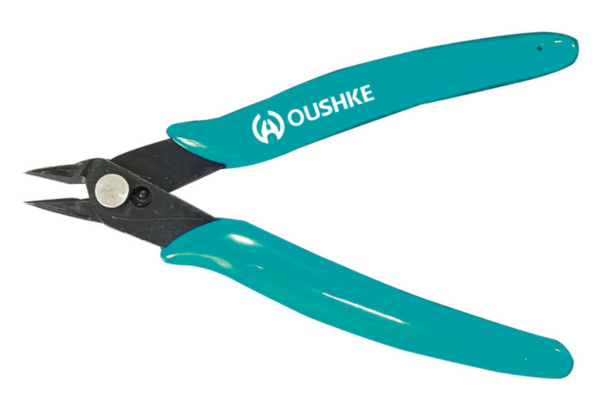
Cable Cutters For Sale
Match capacity, jaw profile, and blade hardness to the cable type to ensure consistent, clean results. Selecting the right tool reduces rework, improves safety, and enhances productivity.Proper shears and plier mechanisms protect insulation, preserve strand integrity, and minimize deformation on copper wire.
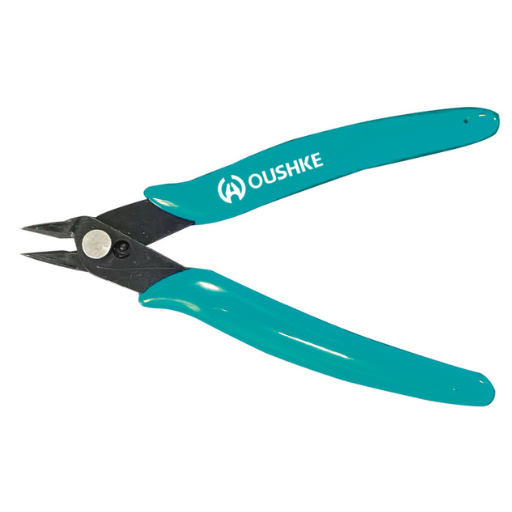
50082 Professional Grade Springless Pliers

50083 Professional Grade Spring Cutting Pliers

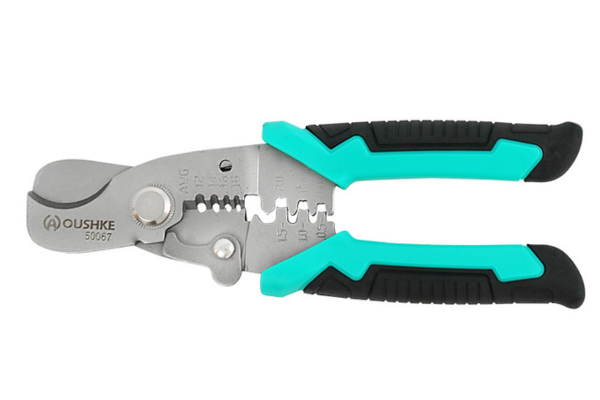
50067 Industrial Grade Cable Cutter
Industry Applications
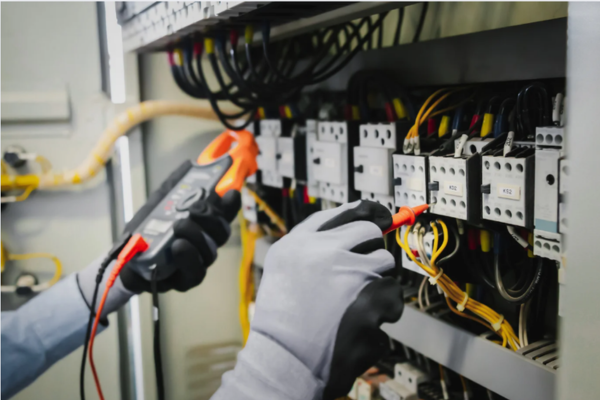
Electrical Industry
Used for cutting cables, wires, and conductors, ideal for electricians during installation and maintenance of power systems.

Telecommunications
Provides precise cutting for fiber optic cables, coaxial cables, and network cables during installation and repair.

Aerospace and Aviation
Essential for cutting high-strength cables and specialized materials in aerospace applications, ensuring precision and reliability.
Cable Cutters Buying Guide
Cable cutters are essential tools for professionals and DIY enthusiasts alike. Choosing the right cable cutter ensures efficiency, precision, and safety for your specific tasks.
Standard Cable Cutters
Heavy-Duty Cable Cutters
Ratchet Cable Cutters
Insulated Cable Cutters
Technical Specifications Comparison
| Type | Cutting Capacity | Material | Handle Design | Weight | Special Features |
|---|---|---|---|---|---|
| Standard Cable Cutters | Up to 10 AWG (Copper/Aluminum) | Drop-forged Carbon Steel | PVC Dipped Grip | ~0.5 lbs | Spring-loaded action for repetitive cuts; compact profile for tight spaces. |
| Heavy-Duty Cable Cutters | Up to 2/0 AWG (Copper); 4/0 AWG (Aluminum) | Chrome Vanadium Steel | Ergonomic Bi-Material (Rubber/Plastic) | ~1.2 lbs | High-leverage pivot point design reducing hand force by 40%; shear-cut blades. |
| Ratchet Cable Cutters | Up to 600 MCM (Copper); 750 MCM (Aluminum) | Hardened Alloy Steel | Non-slip Rubberized Grip | ~2.5 lbs | Ratcheting mechanism allowing one-handed operation; quick-release lever opens blades mid-cycle. |
| Insulated Cable Cutters | Up to 1/0 AWG | High-Grade Tool Steel | 1000V Rated Insulated Handles | ~1.1 lbs | VDE certified; dual-layer insulation with color-coded safety warning system; integrated finger guards. |
| Wire Rope Cutters | Up to 3/16" (Steel Cable/Wire Rope) | Heat-Treated Hardened Steel | Heavy-duty Vinyl Coated | ~1.0 lbs | Triangular jaw cut to prevent cable fraying or crushing; spring-loaded with locking latch. |
Safety Tips for Using Cable Cutters
Safety begins with choosing the right tool and technique. De-energize circuits, secure the work, and keep fingers clear of jaws.
What Our Clients Say
Here’s a look at what people are saying about working with us. We’re proud to have helped so many achieve their goals.
“After 28 years as an electrician, these are the best cutters I’ve owned. The leverage makes cutting 12 gauge all day effortless. My hands don’t ache anymore, and they’re still sharp after 6 months of daily use.”

Mike R., Master Electrician, Chicago
“The compact model lives in my tool belt every day. Perfect size for tight panel work, yet strong enough for anything I throw at it. Sharp as the day I bought it two years ago.”

James P., Residential Electrician, Dallas
Latest News
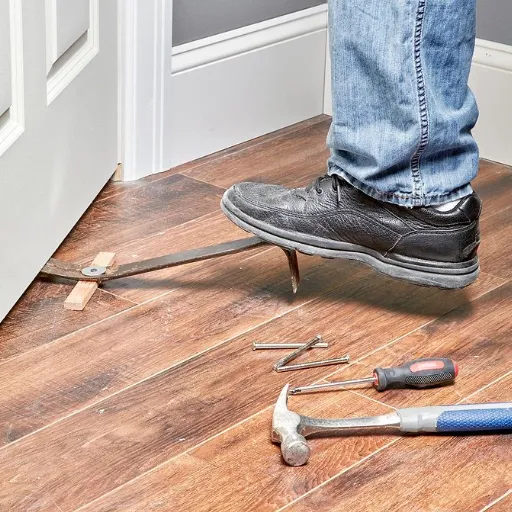
How to Use a Pry Bar Safely: Step-by-Step Techniques (2026)
To use a pry bar correctly, seat the tip or claw fully under the load,…
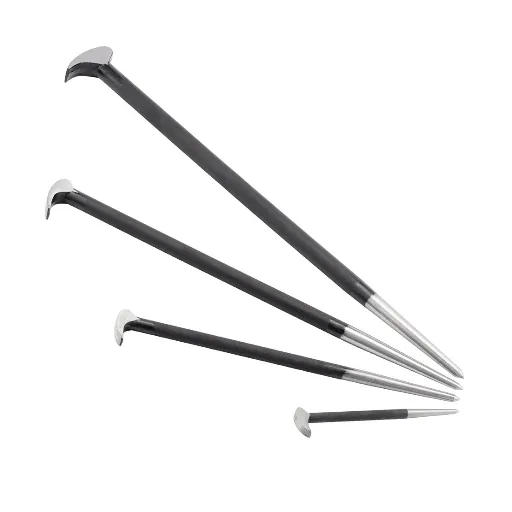
Pry Bar Sizes Chart: Lengths, Leverage & Which to Choose
Pry bar sizes run from 2 inches to 72 inches, and the length you choose…
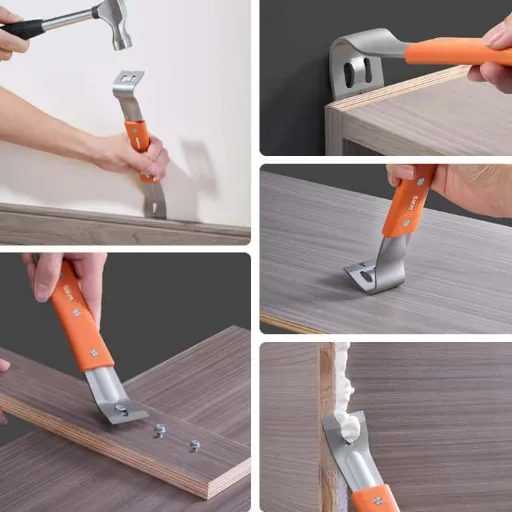
Flat Pry Bar & Wonder Bar Guide: Uses, Sizes & Picks
A flat pry bar is a thin, flat, spring-tempered steel bar with a nail slot…
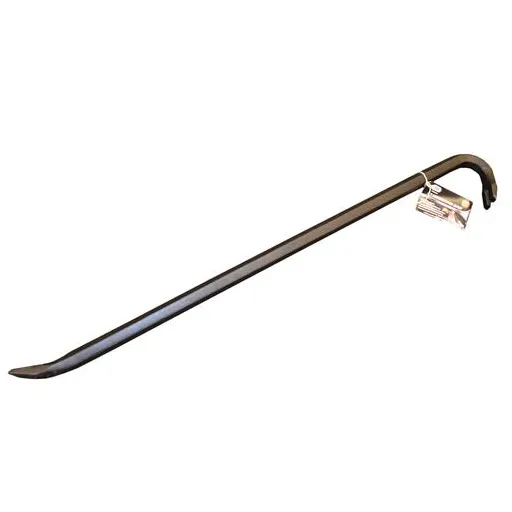
Wholesale Pry Bars: A Buying Guide for Distributors and Retailers
Wholesale pry bars cost roughly US$1.44 to US$2.70 per piece at factory-direct volumes, and most…
Frequently Asked Questions (FAQs)
Still have questions? Our team is here to help. Reach out to us anytime, and we’ll make sure you get the answers you need.
Are cable shears or pliers better for cutting copper wire?
Choosing between cable shears and pliers depends on the job: cable shears are designed for clean cuts in copper and copper and aluminum conductors, reducing frayed ends, while heavy-duty pliers can handle smaller copper wire and battery cable but may deform larger conductors. For frequent cutting of copper tasks, a dedicated hand tool like insulated cable shears or a specialized jaw cutter will give the best, safest results.
Can cable cutters handle steel cable and wire rope safely?
Not all cable cutters are rated for steel cable or wire rope; many are optimized for communications cable, copper wire, or battery cable. To cut steel cable or wire rope, you need hardened jaws and a tool specified for that material—using a cutter meant for copper on steel can damage the tool. Look for manufacturers’ specifications and a cable cutter set that lists steel cable capacity.
What should I look for in a battery-powered cable cutter?
A battery cable cutter should have sufficient battery capacity, reliable jaw geometry for cutting copper and aluminum, and safety features like blade guards. Battery tools make repetitive cutting easier and faster than a manual hand tool, especially for thicker battery cable and communications cable, but check the duty cycle, weight, and whether replacement blades or parts are available from brands such as Jonard Tools.
How do I maintain the jaws and shears to extend tool life?
Keep jaws and shears clean and lightly oiled to prevent corrosion, especially after cutting copper wire or communications cable that can leave residue. Sharpen or replace blades per manufacturer recommendations, inspect the jaw alignment regularly, and store your hand tool in a dry place. For modular systems like a cable cutter set, rotate blades to ensure even wear.
Are there specific cable cutters made in the USA that I should consider?
Yes, some professional-grade cable cutters and cable shears are made in the USA, offering robust construction and parts support. Tools manufactured domestically often emphasize durability for cutting copper and copper and aluminum cables. When buying, verify the “made in USA” claim and check reviews for performance on communications cable, battery cable, and steel cable tasks.
How do I safely cut communications cable without damaging conductors?
Use a suitable hand tool like precision cable shears or a cable cutters set designed for communications cable to make clean cuts that protect conductors. Support the cable, position the jaw so the blade cuts perpendicular, and avoid squeezing with pliers that can crimp copper wire. For multi-conductor cables, consider using a stripper first to expose the proper conductor length before cutting.
Explore Other Tools
-

Abrasive Wheels & Discs
-
Lawn & Garden Tools
-
Measuring Tools
-
Saws & Saw Blades