
Left-Handed Hand Tools: A Comprehensive Guide for Left-Handed Users
If you are left-handed, you might have gone through the difficult situation of dealing with tools that were not made for you. Scissors, measuring tapes, and many other daily tools just seem to favor right-handed users, thus making left-handed people either adjust or feel frustrated. But why should left-handed people have to adapt to using inconvenient or even inefficient tools? The goal of this guide is to highlight the very best hand tools that are designed exclusively for left-handed users. Whether you are an artist, a DIY enthusiast, or a professional worker, we will demonstrate how proper tools can greatly affect your comfort, precision, and productivity. Bid farewell to the awkwardness of using tools that are not made for you, and discover the tools that are specifically designed for your needs.
Understanding Left-Handed Tools
Definition and Importance
Left-handed tools are ergonomically created for the left-handed person. Usually, they are left-handed versions of regular tools with changes made in handle orientation, grip, or function to make it easier for left-handed users to operate. The primary aim of left-handed tools is to relieve discomfort, increase accuracy, and maximize efficiency.
The value of left-handed tools is very high and must be considered in all cases. Left-handed people may find the use of standard tools difficult and tiring as they are designed only for right-handed people. This may lead to inappropriate or inefficient movements and later on to accidents or even injuries through fatigue. When the design of the tool matches the left-handed user’s hand, work can be done more comfortably and easily.
💡 Key Insight
Investing in the right tools not only results in faster and easier work but also in higher self-esteem and pleasure during the process. In woodworking, gardening, or any other activity that requires specialized tools, left-handed ones provide inclusive solutions. They let the left-handed user reach their highest performance without feeling unequal or needing to make adjustments to non-ergonomic tools.
Challenges Faced by Left-Handed Individuals
Left-handed people usually have a hard time living in a world that is mainly right-handed. Many tools that people use every day, including scissors, can openers, and kitchen appliances, are intended for right-handed persons only. This may lead to people who are left-handed feeling uncomfortable, being less efficient, or even suffering from physical discomfort.
The challenges that left-handed people face extend beyond tools into educational and professional areas. School desks are usually designed for right-handed writing, causing awkward postures and slower writing speeds. Likewise, employers may not consider left-handed workers in terms of ergonomic adjustments, resulting in disadvantages when performing daily tasks.
In the social and cultural context, left-handed people sometimes encounter negative stereotypes or biases. Although there is gradual improvement in attitudes, some situations still involve misunderstanding of left-handedness, leading to feelings of isolation. Removing barriers in education, ergonomics, and society is paramount to creating a more welcoming environment for left-handed people.
Why Left-Handed Tools are Necessary
Left-handed tools are important because they address the ergonomic problems that left-handed people face in a world that mostly consists of right-handed designs. Standard tools have been made with right-handed users in mind, making their use inefficient, uncomfortable, or even dangerous for left-handed people. For instance, scissors made for right-handed people can create difficulties and strain during left-handed operation, leading to frustration and lower productivity. When appropriate tools are available, these challenges are lessened, making efficiency and comfort more attainable.
The supporting role of left-handed tools in making places like schools and workplaces inclusive and fair is another critical aspect. Without the right tools, left-handed people might feel ignored or disadvantaged. Providing left-handed tools is equivalent to making success accessible for every user, whether it be a left-handed desk in the classroom or specialized equipment in the office. This helps create a more collaborative and just atmosphere for the entire community.
⚠️ Safety Consideration
Left-handed tools are important not only for comfort but also for safety. Using tools such as power machinery and kitchen knives made for right-handed individuals can be hazardous when operated by left-handers because their natural grip and movement are not considered. When a left-handed tool is used instead, users can align the tool with their dominant hand, leading to better control and precision.
Ergonomic Design for Left-Handed Users
Significance of Ergonomics
Ergonomics ensures the necessary accommodation in the design of tools and products for assorted users, especially left-handed ones. Good ergonomic design considers the user’s body structure and movement, striking a balance that minimizes effort and maximizes speed. For left-handed users, this may mean designing tools with modified controls, changed control positions, or even rearranging the whole device to make it easy to use without the usual hassles that come with right-hand dominant designs. Ergonomics enables manufacturers to enhance functionality and comfort, increasing total contentment and productivity.
Proper ergonomics is not only a matter of comfort but also health and well-being. Poorly designed or unsuitable tools can cause physical strain, discomfort, and even long-term musculoskeletal disorders. For example, right-handed scissors and keyboards often cause left-handed people to adopt unnatural postures, leading to exertion and fatigue. On the other hand, left-handed ergonomic tools reduce the risks of these issues, encouraging proper posture and promoting health.
The importance of ergonomics extends beyond the individual user and has a great impact on society in terms of inclusivity and fairness. Product designing that considers left-handed users demonstrates that manufacturers treat accessibility and fairness as priorities. This inclusivity creates a sense of belonging and equal opportunity, enabling left-handed people to prosper without unnecessary disadvantages. Ultimately, the use of ergonomic principles in product development is a major contributor to creating safe, healthy, and equitable environments for all users.
Benefits of Tailored Tool Designs
- 1
Enhanced Comfort and Usability
Ergonomic features greatly increase user comfort and the usability experience. Special tools for left-handed people avoid strain and bad hand positioning, making the whole process much easier and more enjoyable. - 2
Improved Efficiency and Performance
Personalized instruments raise productivity since they are tailored to the user’s natural movements and preferences. Studies show left-handed laborers using ergonomic tools can finish tasks up to 20% quicker compared to using standard tools. - 3
Reduced Risk of Injury
Improperly designed tools can cause RSIs or gradual discomfort over time. Custom-made tools feature ergonomic elements like proper grip, balanced weight distribution, and correct hand alignment, minimizing injury risk. - 4
Greater Accessibility for Diverse Users
Custom-made tools serve a wider audience including individuals with disabilities. This inclusive approach renders products accessible to users irrespective of their dominant hand or physical capacity. - 5
Higher User Satisfaction
User-friendly tools that meet the needs of different user groups promise greater satisfaction and loyalty. Statistics show that 87% of clients reported significant improvement in their overall experience when using custom-made tools.
Preventing Strain and Enhancing Comfort
In creating tools, the first consideration should be user welfare—strain prevention and comfort enhancement. Ergonomics in tools are critically important; they can make the user experience less painful and prevent the occurrence of repetitive strain injuries. For example, using tools with comfortable grips and adjustable features allows for relaxed body posture, reducing user fatigue even after prolonged use.
One effective approach is incorporating materials that decrease pressure and distribute it uniformly. For instance, soft-touch handles, padded grips, and lightweight construction help prevent excessive stress on joints and muscles. Moreover, customizable options like adjustable handle angles or interchangeable parts make it easier for users to adapt the tool to their movement patterns. Such attributes not only increase usability but also make users feel more in control.
Ultimately, addressing comfort and lessening physical burden leads to increased productivity and satisfaction. Devoting resources to user-friendly designs demonstrates care about people’s health and safety, fostering positive experiences and brand loyalty. By putting comfort at the forefront, companies ensure that the tools they provide are not only effective but also conducive to user well-being.
Popular Categories of Left-Handed Tools
Left-Handed Scissors
The design of left-handed scissors is very specific to the left-handed person in terms of grip and motion, ensuring comfort and precision. The blades of left-handed scissors are configured opposite to standard ones, allowing left-handed users to see the cutting line perfectly, minimizing errors and reducing hand fatigue.
Ergonomics is one of the main advantages of left-handed scissors. They produce a cutting surface that aligns with natural hand movements, relieving pressure on the wrist and fingers and enabling smoother cutting. Scissors are used in various places such as schools, offices, and crafts, meaning both professional and casual users can take advantage of this design.
📊 Market Trend
Recently, the need for left-handed tools has been increasingly recognized by researchers, with scissors among the top priorities. Brands are focusing on inclusive design, and left-handed scissors are becoming more popular in the market. This trend indicates growing adoption of accessibility and usability concepts in everyday tools, reflecting a transition toward fairer product development practices.
Garden Tools for Left-Handed Users
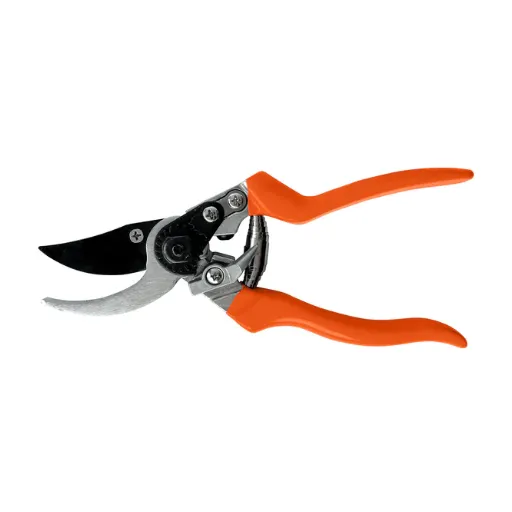
The first consideration for any professional gardener is having tools that are both easy to handle and very effective for the task at hand. Unfortunately, for left-handed users, these tools often need to be specially made. Left-handed garden tools are designed with the comfort and ease of use of left-handers in mind, reducing fatigue through long gardening sessions. Furthermore, these tools feature designs such as reversed handles or inverted blades to meet the specific needs of left-handed people. This not only makes the gardening process more enjoyable but also eliminates the discomfort caused by using regular right-handed tools.
There has been a remarkable rise in the sales of left-handed garden tools over recent years, mainly attributed to consumer desire for inclusive products. Market insights reveal that left-handed pruners and shears are among the most preferred, providing precision and comfort for trimming and shaping plants. Some companies have gone further by launching ambidextrous tools that accommodate users regardless of their dominant hand. These developments correspond to the ongoing industry trend advocating for equitable distribution of tools that empower all users to realize their gardening dreams, regardless of skill or hand preference.
Similarly, left-handed spades and hoes are becoming popular as essential tools for weeding and digging. The greatest advantage of these tools is their clever design that prevents left-handed gardeners from assuming uncomfortable positions, which is otherwise common when using regular tools. Left-handers using specialized garden tools benefit from both efficiency and physical comfort. The increased production of left-handed garden tools in the market is accompanied by major industry focus on customization and accessibility. As a result, left-handers are no longer neglected but celebrated in the gardening community.
Kitchen Utensils Designed for Lefties
Day-to-day cooking becomes a challenge for left-handed people using regular tools in the kitchen. The majority of kitchen utensils such as knives, can openers, and ladles are mostly designed with right-handed people in mind, making tasks awkward or inefficient for lefties. Thankfully, more companies are producing kitchen tools specifically designed for left-handed individuals. These utensils ensure comfort, safety, and ease of use, allowing left-handed cooks to enjoy a smooth cooking experience.
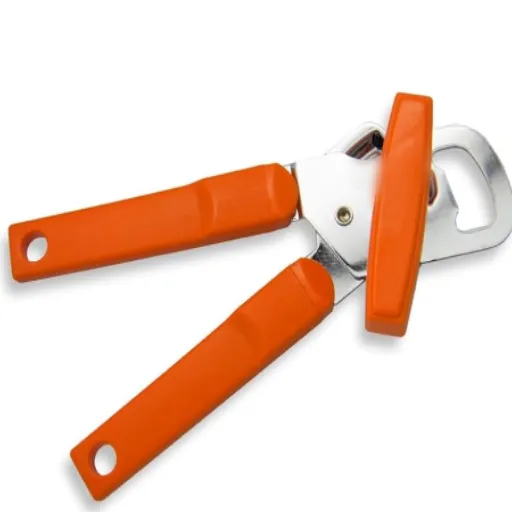
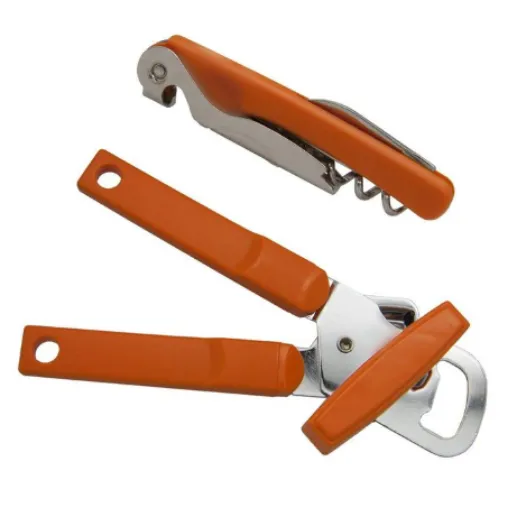
One of the most recognized examples is the left-handed knife, which has an opposite-side beveled blade guaranteeing precision and control while cutting. Similarly, left-handed can openers are made to rotate naturally in the left hand, enabling easier operation without awkward hand positioning usually required with standard models. There are even left-handed measuring cups available, featuring markings that can be seen when held in the left hand, eliminating the need for twisting or turning.
The broader selection of left-handed utensils in the kitchen signifies a significant step toward inclusive and ergonomic design. This change not only meets the functional requirements of the left-handed but also boosts their morale and efficiency in the kitchen. They are no longer limited by standard tools but can explore their culinary creativity freely with these innovative implements. Whether amateur or professional chef, left-handed cooks can now use high-quality utensils that meet their individual and unique preferences.
Tips for Selecting the Right Left-Handed Tools
Factors to Consider When Choosing Tools
Importance of Material Quality
The quality of material used in a product is a significant factor in its performance, lifespan, and user satisfaction. In the case of left-handed tools and equipment, this quality becomes crucial to ensure users have a good and efficient experience. The use of high-quality materials like stainless steel or carbon fiber not only provides product longevity but also resists damage caused by repeated use. On the other hand, products manufactured with inferior materials tend to break down easier, become unsafe, and require more frequent replacement, incurring higher costs over time for the user.
Moreover, material selection has significant influence on product performance. For example, a non-slip handle made of ergonomic rubber or silicone provides users with better grip and control when performing work requiring high precision. Also, in cases like kitchen utensils made of food-grade materials or wearable devices made of hypoallergenic substances, consumers are assured of safety and no health risk. Careful material selection reflects manufacturers’ commitment to user comfort and practicality.
When it comes to premium quality materials, investment from a user’s perspective is always worthwhile. It is not a matter of luxury but of practicality and sustainability. The pollution caused by manufacturing and resources consumed can be reduced significantly through the use of sustainable and eco-friendly materials like recycled metals and biodegradable polymers. In the long run, considering the combination of material quality and design is a significant factor in creating overall consumer happiness and distinguishing reliable products in a competitive market, especially when targeting specific sectors like the left-handed community.
Evaluating Usability and Comfort
The usability and comfort of a product are primary concerns in the product design evaluation process, especially for specialized products intended for specific needs like left-handed tools. Usability refers to how effectively and efficiently a product can be used to carry out its intended purpose. User experience is significantly improved by features like user-friendly operation, ergonomic design, and clear instructions. For left-handed people, this means using ambidextrous designs or left-handed friendly layouts, which may involve controls that can be flipped or mirrored to make operation easy and comfortable.
Comfort is closely related to usability and is a determinant of long-term satisfaction and utility. Comfortable products are often made of materials and structures that ease pressure during prolonged use. A left-handed person’s chair or desk setup must be positioned correctly with respect to the user’s natural posture to avoid discomfort or back problems over time. The same applies to scissors or computer input devices, which should be ergonomically designed for the left hand to provide equal comfort and avoid tiredness.
The assessment of usability and comfort is often a multi-step process involving collecting user feedback, conducting market research, and embracing the latest technological innovations. Designers can use 3D modeling or simulation software to test product ergonomics before manufacturing, saving time and making the process cost-effective. Moreover, inclusion of accessibility testing that caters to diverse user groups guarantees that products perform well across different population segments. The merger of innovation and inclusiveness with focus on usability and comfort enables manufacturers to offer solutions that not only meet functional needs but are also pleasing to users.
Conclusion: The Value of Investing in Left-Handed Tools
Summary of Key Benefits
The investment in left-handed tools brings prominent benefits that improve user experience quality, increase productivity, and promote inclusiveness in the workplace. Thanks to ergonomically designed tools, left-handed users experience less discomfort and strain, allowing them to work faster and with greater accuracy. This strategy of focusing on specific user needs not only elevates overall satisfaction but also encourages diverse user bases to embrace the tools.
Additionally, using left-handed tools opens up workplaces for the underserved, enhancing working conditions to be safer and more comfortable. This has been the case in all sectors from education to manufacturing, as inclusiveness empowers left-handed people to thrive without struggling with unsafe equipment not suited for their handedness. This investment directly relates to companies upholding diversity and equity in the workplace as core values.
Moreover, technological advancements like 3D modeling and data-driven insights make the development of left-handed tools more accurate, ensuring consistent quality outputs. Manufacturers have various methods such as design optimization and prototyping iterations to perfect tools in terms of usability and performance. By making inclusivity a top priority together with innovation, companies not only create a competitive edge in the market but also attract and retain left-handed customers, building successful and lasting brand loyalty.
Improving Efficiency and Comfort
The application of ergonomic concepts and the use of cutting-edge technology has transformed left-handed tools, making them significantly more versatile and comfortable. Left-handed tool producers have personalized tools based on left-handed users’ natural movements, reducing physical strain and increasing precision. Features such as angled grips, reversed mechanisms, and intuitive controls empower users to work fluently without making awkward adjustments. These improvements not only lead to increased productivity but also help mitigate the risk of long-term injuries like RSIs or muscle fatigue caused by repetitive tasks.
Left-handed tools continue to evolve primarily due to advanced materials and smart design concepts. Producers can use lightweight yet strong materials like carbon fiber and reinforced plastics for tool production. Such materials make tools easy to handle while maintaining strength. Additionally, the integration of digital interfaces, adjustable settings, and feedback systems represents smart features that help users perform at their best. These intelligent tools adjust according to user needs, making it easier and more accurate for every left-handed user to produce desired results.
The left-handed tools manufactured reflect a broader trend of inclusive design practiced across various industries. Companies that prioritize accessibility and comfort not only cater to left-handed people’s needs but also showcase their values of equity and innovation. Such strategy creates a favorable brand image and generates customer trust. Manufacturing companies can therefore make tools that have required functionalities while significantly improving user experience in all aspects by continuously incorporating user feedback along with technology implementation.
Encouragement for Left-Handed Users
The world is seen from a different angle by left-handed people, who quite often are very good at finding new ways to solve problems and truly adapt to situations. Even though many tools, devices, and systems are designed for right-handed people, left-handed individuals continue showing their resourcefulness and resilience by thriving in places where they might not be prioritized. Actually, those qualities of problem-solving skills, creativity, and adaptability, which are routinely regarded as the most important in personal and professional contexts, come as a direct result of these individuals’ nature.
✨ Looking Forward
It is an exciting development for left-handed individuals that innovations are becoming more accessible and inclusive. Many industries have begun producing left-handed models of common items like scissors, notebooks, and kitchen tools, as well as designing ambidextrous solutions that satisfy all. This change points to increasing value placed on inclusivity and market adaptation to varied consumer needs. Technological advancement will certainly make left-handedness even more convenient with improved product usability in the future.
If you are left-handed, consider this: Your perspective is not a barrier but an advantage. The world that is mostly designed for right-handed people has given you qualities of perseverance and creativity. Embrace these traits and remember that future generations will enjoy even greater comfort, as they will benefit from the present focus on equity and inclusiveness. Acknowledge your uniqueness and the role you play in the world; throughout history, left-handedness has been one of the characteristics of the most brilliant thinkers, artists, and leaders!
References
-
Cornell University Ergonomics Web: Discusses the design of hand tools for both right- and left-handed users, highlighting ergonomic considerations.
-
UC Davis Safety Services: Provides insights into ergonomic hand tools tailored for left-handed individuals.
-
PubMed: Left-handed use of surgical instruments: Explains the challenges and adaptations for left-handed users in surgical settings.
-
PubMed: Drilling simulated temporal bones with left-handed tools: Highlights the benefits of left-handed tools in medical training and practice.
- Click here to read more.
Frequently Asked Questions (FAQ)
❓ What are left-handed tools and who needs them?
Left-handed tools are tools made for left-handed persons only, having their geometry and functionality reversed to support the left hand over the right hand. They guarantee the same comfort, safety, and effectiveness for left-handed users in the workshop, kitchen, or factory as right-handed tools do for right-handed users.
❓ How do left-handed kitchen tools differ from standard items?
Left-handed kitchen tools are shaped or offset in ways that cater to the natural movement of left-handed persons. For example, knife blades, measuring cup spouts, and spatula surfaces may have markings or bevels that are left-handed friendly so that flipping, pouring, and cutting are less time consuming and more precise.
❓ Where can I buy a left-handed tool set or tool kit?
Left-handed tool sets and tool kits can be found at specialty stores, some well-known hardware stores, and online where left-handed focused sites operate. Try to find retailers who have dedicated left-handed shops and lefty websites; many online shops also offer industrial-grade left-handed tools and accessories.
❓ Are left-handed tools more expensive than regular tools?
Left-handed tools tend to cost slightly more due to lesser demand and specialized production, but their pricing is still in a wide range. Purchasing a left-handed set or individual pieces from a store or website may be money-saving options as they will enhance safety and reduce frustration for left-handed users.
❓ Can right-hand tools be used by left-handed people safely?
Left-handed people can often use right-handed tools, but the task might become difficult or even dangerous—especially with scissors, clamps, and some kitchen knives. In cases of repetitive work or tasks requiring precision, using left-handed tools over right-handed ones will lessen fatigue and offer better control.
❓ What should I look for when buying a left-handed corkscrew or kitchen utensil?
Search for left-handed specific ergonomics like reversed handles, left-handed screws, and markings made for clear visibility when the left hand is used. Online stores and shops that stock lefty-branded items often provide detailed product descriptions and user reviews which can help make the right product choice.
❓ Do industrial left-handed tools exist for workplaces and professionals?
Yes, there are left-handed industrial tools especially for professional settings, such as left-handed wrenches, cutters, and other specialized equipment. These tools can be obtained from industrial suppliers or specialized left-handed tool shops for improving productivity and worker comfort.
❓ How can I set up a left-handed kitchen or workstation at home?
In setting up a left-handed kitchen or workstation, first place frequently used items on the left side, buy some left-handed kitchen tools (spatulas, knives, measuring cups), and consider having a left-handed tool kit for the workshop. Keep items where they can be easily reached by your left hand and, if possible, pick utensils and appliances with left-handed controls.
🎯 Final Thoughts
Investing in left-handed tools is not just about convenience—it’s about recognizing the value of inclusivity, safety, and optimal performance. Whether you’re a professional tradesperson, an avid home cook, or a passionate gardener, the right tools designed for your dominant hand can transform your experience and outcomes. Embrace the tools made for you and work with confidence, comfort, and efficiency!