
Ratcheting Tools: Understanding Ratchet Wrenches and Their Benefits
Ratcheting tools have gained acceptance in the toolkits of various sectors, such as automotive, repairs, and even home renovations. One essential tool among these is the ratchet wrench—a remarkable tool that merges up-to-date precision, adaptability, and user-friendly design. No matter if you belong to the group of experienced people or you are just a DIY lover, knowing the factors that make ratchet wrenches so important can broaden your tool wisdom and also enhance your projects. This article is destined for you since it will examine what ratchet wrenches are, their working principle, and the multiple advantages they offer, thus equipping you to maximize this essential tool. Be prepared to understand, why the addition of a ratchet wrench in your toolbox can significantly change the game!
Product Overview of Ratcheting Tools
What is a Ratchet Wrench?
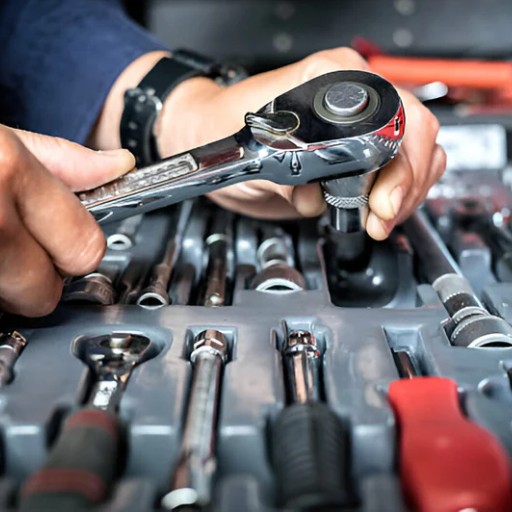
A ratchet wrench is an all-purpose hand tool that can be used to effectively and easily tighten or loosen bolts and nuts. The tool is equipped with a ratcheting mechanism that lets the wrench turn the fasteners only in one direction while resetting at the same time without taking it off the fastener. Such a feature eliminates the requirement to lift and reposition the tool, hence being of major help when working in tight or awkward places.
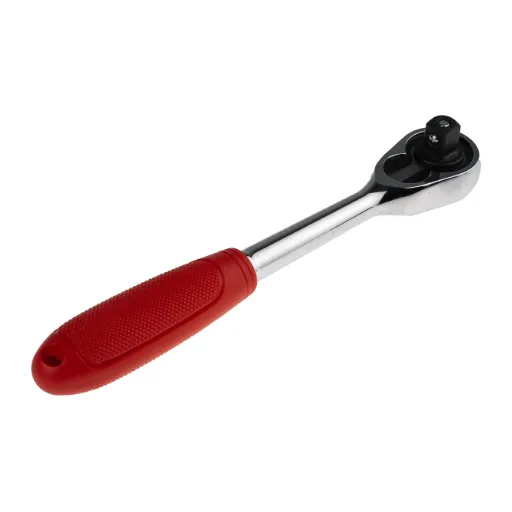
The ratchet wrench’s principal part is the handle, which is connected to the ratcheting head that usually accepts the socket attachments interchangeably. It is possible to have these sockets in various sizes to fit different fasteners. Usually, the ratcheting mechanism can be reversed, thus enabling the tool to work for both tightening and loosening with very little effort. This quality of being able to adapt makes it a must-have tool for a variety of jobs, including but not limited to automotive repairs, assembly work, and general household maintenance.
Key Advantage:
The most significant benefit that a ratchet wrench provides is its ability to combine efficiency with accuracy. It cuts down the number of times a worker has to reposition himself, thus saving time and energy, and all this especially is the case when working in narrow or hard-to-reach areas. It is the very design of the tool that allows it to produce a consistent torque, and this is what, in turn, allows the fasteners to be properly secured without being overtightened.
Types of Ratcheting Tools
Ratcheting tools are available in different kinds, each being the best for its particular task and environment. The most widely used one is the ratchet wrench, which is a standard type that is offered in different sizes of drive to fit different kinds of socket attachments. These wrenches are pioneers in general fasteners’ tightening and loosening, which makes them a must-have in any toolkit.
Moreover, ratcheting screwdriver is another type that is popular and designed for screws. It allows continuous movement on the handle while keeping the same engagement with the screw head. Therefore, it becomes the best choice for driving screws, working in difficult areas, or doing any other task where conventional screwdrivers would not work.
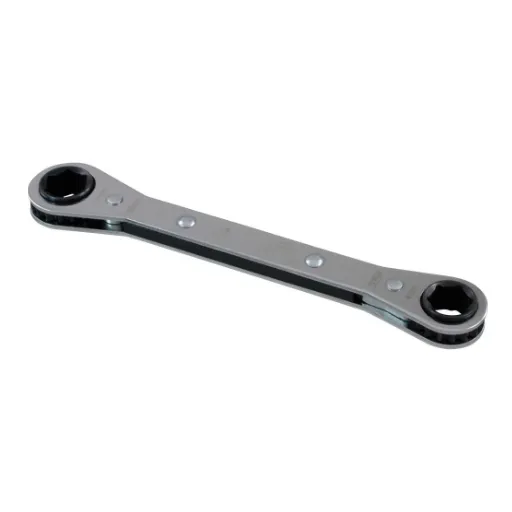
Flex-head ratchets and offset ratchet wrenches are examples of specialized tools that help reach hard areas. The flex-head type has a head that moves and rotates to different angles, while offset ratchets reach fasteners in places that are difficult to access because they are recessed or blocked. Both types of tools are especially helpful for professionals who work with complex assemblies or need to do automotive repairs frequently.
Key Features of a Ratcheting Wrench Set
Versatility
A quality ratcheting wrench set incorporates numerous sizes that can be used for fastener dimensions of different types. This feature makes users able to work on a wide range of applications, from simple repairs around the house to more complicated projects in cars and mechanics.
Ease of Use
Ratcheting wrenches by their nature allow for continuous rotation without lifting the tool after each movement because of the ratchet mechanism that is built in. This saves time and effort, particularly in tight spots, in comparison to the use of conventional wrenches.
Durability
Trustworthy ratcheting wrench sets usually consist of top quality materials like chromium-vanadium steel which have high tensile strength. This property of the material provides longevity for the tools as they will withstand heavy use and remain uncorroded over time.
Precision
Some sets have ratchets with fine teeth which makes them operate smoothly with very little movement. This is very important particularly for making precise adjustments and working in small areas with limited space.
Comfortable Design
Ergonomic handles make it more enjoyable for the user and the hand will not feel tired after a longer usage. Besides, some sets come with non-slip grips that give you more control and comfort in different working conditions.
Buying a good ratcheting wrench set is a great way to increase productivity, it is an indispensable tool in any professional or home toolbox.
Benefits of Using Ratcheting Wrenches
Increased Speed and Efficiency
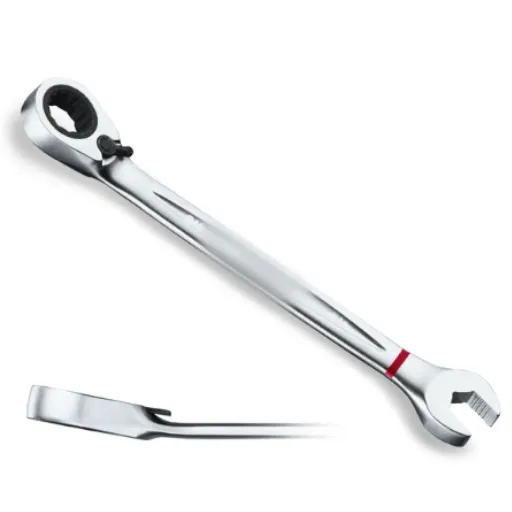
Ratcheting wrenches are specially made to save time and effort allowing the user to tighten or loosen bolts or nuts without having to reposition the tool every time. This benefit makes it easier in fast-paced environments or when dealing with repetitive tasks, as it reduces the amount of labor that is done with hands. The ratcheting mechanism of contemporary wrenches is that it allows smooth and continuous rotations even in tight or restricted spaces, thus dramatically increasing the overall efficiency significantly.
The modern ratcheting wrench technology has brought many novelties like the directional switches and flex heads thereby increasing their application range more than before. The directional switch facilitates the easy shift from loosening and tightening operations which is what the flex heads do, offering better maneuverability at hard-to-reach angles. These new features not only speed up the cleaning process but also are helpful in precise operations which is very important in avoiding overtightening and possible damages to the parts.
Industry Impact:
According to the latest reports, all over different industries like car repairing and maintaining machines, the use of ratcheting wrenches has resulted in enormous cuts in the time taken to complete the tasks. Besides, the very fact that they can work effectively in the most restricted places or the toughest of conditions makes them a choice of preference for the expert users.
Versatility for Different Applications
Ratcheting wrenches are famous for their versatility over a wide variety of actions, thus becoming a must to be included in the toolkit of many professions. They provide the possibility of tightening or loosening bolts and nuts in very tight or hard-to-reach spaces which is an offer of the highest comfort. Here are five main areas where the ratcheting wrenches get their versatile showing:
- Automotive Repairs
Ratcheting wrenches make it easy for mechanics to get to the bolts in engine compartments that are very compact. The same tools allow the mechanics to run the whole process of spark plug tuning, brake repairing, etc. or working on a suspension system with speed.
- Construction Projects
These tools are of great help in erecting scaffolds, tightening structural bolts, or working on heavy fixtures that require the heaviest tools and are located where standard tools will not work.
- Aircraft Maintenance
Ratcheting wrenches are an indispensable tool for the aviation industry. Since they can fit into tight spaces where inspections are to be carried out and components to be secured with great care, both precision and safety are ensured.
- Furniture Assembly
The wrenches can be easily used for assembling or disassembling of furniture which is liked by both DIY enthusiasts and professionals as it takes less time and effort than with traditional tools.
- Industrial Machinery Maintenance
Ratchet wrenches are an essential tool that the maintenance teams are relying on in their job of servicing machines and putting them back on the conveyor lines, thus ensuring no prolonged downtime and continuous production.
The different applications of ratcheting wrenches not only demonstrate their practicality and efficiency but also serve to reinforce the argument for their indispensable role in a variety of industries and everyday projects.
Comparison with Non-Ratcheting Tools
Ratcheting tools are faster and more efficient in tight spaces, while non-ratcheting tools are simpler and more versatile.
Choosing the Right Ratchet Wrench
Factors to Consider for Your Needs
When picking a ratchet wrench that meets your needs and performs well, the first thing that you should consider is the following main factors:
1. Size and Drive Type
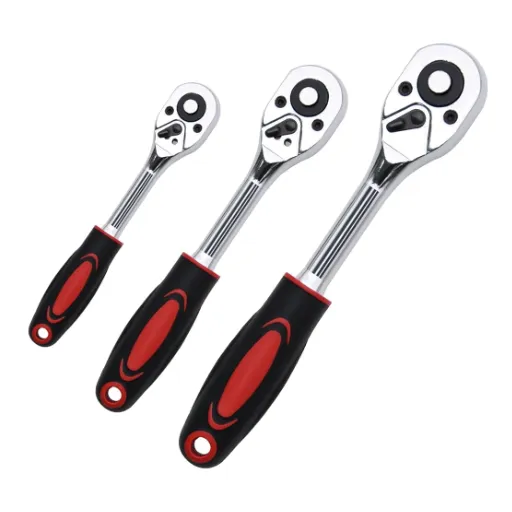
The size of fasteners that you will be frequently working with should be assessed and then a wrench with a compatible drive size should be chosen. The most common drive sizes are 1/4-inch, 3/8-inch, and 1/2-inch which are all different in tasks and torque requirements.
2. Tooth Count and Ratchet Mechanism
More teeth give you smoother operation which allows you to work in tighter spaces with less movement of the handle. Go for top-notch ratchets that have superior mechanisms for precision and longevity.
3. Material and Durability
Using high-quality materials like chrome vanadium steel will yield long-lasting tool performance, resistance to rust, and the strength needed for tough jobs. The wrench must be able to sustain the industry’s rigors and harsh environments.
4. Ergonomics and Comfort
Handle design is a factor to be considered, as an ergonomic grip will not tire your hand even during long periods of use. Slip-resistant surfaces or molded grips provide the comfort factor, especially when the situation is tough.
5. Special Features
Being able to turn the head, having a locking system, or the ability to reverse the mechanism are just some of the features that can make a ratchet wrench versatile. Determine the kind of traits that you need based on the difficulty of your work or your individual requirements.
If you are able to thoroughly look into these factors, you will be able to choose a ratchet wrench that not only gives the best performance but is also flexible enough to match your particular needs whether for professional use or home activities. For further information, consider comparing specifications or looking at user feedback to help you decide.
Best Practices for Selecting a Combination Ratcheting Wrench
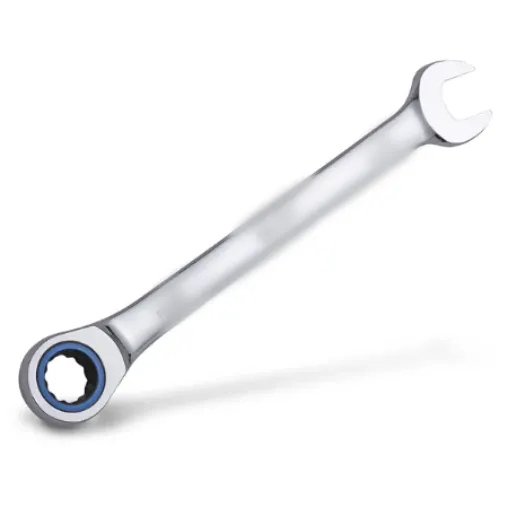
The selection of a combination ratcheting wrench will be influenced by the factors of durability and material first hand. The production of high-quality wrenches involves the use of chrome vanadium or chrome molybdenum steel, which are the best materials in terms of durability and resistance to corrosion. Also, a wrench made of tough materials will be able to bear the usual grinding down, thus making it last longer, especially for the hard professional work. Besides, it is advisable to choose wrenches that are chrome or polished finished, as this will keep the rust away plus the wrenches will keep looking sleek through the years.
The wrench’s gearing mechanism is another very important feature. Look for models that have a higher tooth count in their ratcheting mechanism, as this allows for smaller turning arcs, which are of great help in cramped areas. For instance, wrenches having 72-teeth or more require only a 5-degree swing for operation. This feature can make a big difference in a small space operation. Furthermore, make sure the ratchet mechanism runs smoothly without any skipping, as this will determine the efficiency and performance of the tool.
Ergonomics is another important factor when picking a combination ratcheting wrench. Search for models that have a handle made so well and a grip that is comfortable enough not to tire the hand when using the tool for a long time. Wrenches today come with a few different features including reversible ratcheting or flex heads that are more accommodating to different kinds of applications. The process of comparing wrench models and paying attention to these ergonomic features can bring a lot of comfort to you, especially when you are working on a project that takes a long time. Always check the opinions of users and go through the product specs so as to come up with a knowledgeable choice that is specific to your needs.
Maintenance Tips for Ratcheting Tools
Cleaning and Lubrication
It is cleaning and lubrication that are done correctly and in the right proportions that will bring forth the greatest performance and longest life of ratcheting tools. Dust, grease and other accumulations are the main causes of reducing efficiency or damage to the mechanisms. Cleaning of the ratcheting tool should start from disassembly if that is possible, this should follow the manufacturer’s instructions. Use a soft brush or compressed air in the moving parts and the ratchet mechanism to get rid of any dirt or particles. Water or harsh chemicals avoidance is essential as they could cause corrosion or damage to the internal components.
Lubrication after the cleaning has been done helps to ensure smooth operation and wear reduction on the moving parts at the same time. Go for a high-quality lubricant made for mechanical tools like light machine oil or a silicone-based lubricant. Place a few drops inside the ratchet mechanism and other pivoting areas then motion the tool so that the lubricant spreads out evenly. Over-lubrication should not occur as excessive oil attracts dirt and debris over time that one has to repeat the cleaning process.
Maintenance Schedule:
Cleaning and lubrication are to be done regularly and should therefore be part of your tool maintenance schedule especially if the tools are used in harsh working conditions. Inspections of the ratcheting tools should be done from time to time to check for rust, wear, or damage that might need professional repair or replacement. These effective steps will help in the maintenance of the functionality and reliability of the tools, thus, granting them the best performance through the long haul.
Storage Best Practices
The right method of tool storage is crucial in prolonging their life and making them available for use when necessary. Arrange your tools in a clean, dry, and temperature-controlled place as the first step towards preventing rust and corrosion. Dehumidifiers or packets of silica gel placed in your storage area can help if humidity is an issue, because it can be especially harmful to metal tools. Moreover, the use of durable toolboxes or tool racks mounted on the wall can keep your tools well-arranged, and thus reduce the chances of them being misplaced or damaged accidentally, so the access will be easy.
For the case of ratcheting tools, dirt, grease, or grime should be eliminated first before they are put into storage. The cleaning of the tools after use can be done by lightly wiping with a cloth or gentle cleaning solution which will not only keep the tools clean but also prevent the accumulation of residue leading to mechanical problems. Furthermore, the application of a thin layer of lubricant or anti-rust spray on the parts that move before storage can be a good protection. It is going to be a practice that not only keeps the ratcheting mechanisms of the tool efficient but also protects it from damage caused by the environment.
It is also necessary to visually check your storage system often enough to make sure that they are not only supporting but also able to support your tools. Do the regular checks for any signs of wear like cracks or instability in your tool racks or bins and avoid damage to your tools that would be unexpected. Storage areas marked can also make the organization and efficiency better, as it would be easier to find the exact tool when there is a need for it. By merging the use of preventive storage solutions along with regular maintenance, you can not only create a safe habitat for your tools but also improve the flow and productivity of work in general.
Extending the Life of Your Tools
Maintaining and applying the right techniques regularly are the two cornerstones for tool life extension. As a first step, it is essential to clean the tools immediately after use so that dirt, debris, and rust cannot get a chance to spoil the functionality of the tools in the long run. In the case of hand tools, wiping them with a lint-free, dry, and clean cloth followed by the application of a light coat of lubricant can be a great practice to ensure no rust forms. For power tools, the filters should be cleaned, the vents kept free of obstruction, and the moving parts regularly oiled.
Proper storage of the tools is as important as the other care practices—tools should be stored in a cool, dry, and dark area and needless to say, they need to be out of reach of excessive moisture or extreme temperatures. For cutting tools, that include saw blades and drill bits, regular sharpening will not only keep the edge but also the performance and reduce the strain on the tool, thus prevent the wear from becoming premature. Moreover, it is good practice to use the tools for their intended purpose only—applying a lot of force or selecting the wrong tool for a task can cause faster degradation and even pose safety hazards.
Proactive inspection of tools for indications of wear, like frayed cables or loose parts, is another method of avoiding minor problems from developing into irreversible damage. Regular cleaning, the right usage, and proper storage can seriously prolong your tools’ life, thus saving you both time and money in the long run.
Practical Guides for Using Ratcheting Tools
Automotive Repair Applications
The ratcheting tools are versatile tools that enable mechanics to work in the most difficult spots where the normal tools are not effective. They are therefore invaluable in automotive repair because of their different uses and efficiency. The following are five typical automotive repair uses of ratcheting tools:
- Tightening and Loosening Bolts in Engine Compartments
Ratcheting wrenches are very good for getting at the bolts and nuts in the cramped places of the engine, allowing for very accurate adjustments to be made without having to make big movements with the tool.
- Removing and Installing Spark Plugs
Ratcheting socket wrenches make the process of removing and replacing spark plugs quicker and easier, especially in vehicles where plugs are located in hard-to-reach areas.
- Brake System Repairs
Ratcheting tools are used for loosening caliper bolts and performing detailed adjustments during brake system maintenance, and their use reduces the time taken for the entire process.
- Suspension System Adjustments
The compact design and smooth ratcheting mechanism of these tools make them very effective when working on components such as shock absorbers, control arms, or sway bars.
- Wheel Fastening and Hub Assembly Work
Torque wrenches ratchet tools help to achieve the proper tightening of lug nuts and other fastening requirements during wheel-and-hub assembly.
Using ratcheting tools in these applications, automotive professionals can gain efficiency and accuracy that is tenfold and in turn making them a necessity in today’s mechanical work.
Home DIY Projects
Ratcheting tools are not only for professional auto settings; they are a must-have for home DIY projects. Their multifunctional design makes them a priceless tool for many different jobs. They can be used for example, assembling furniture, fixing household items, or even making small woodworking. Their capacity of dealing with tight spaces in an efficient way by loosening or tightening the fasteners keeps time and effort for the DIYers of all levels of skills. Additionally, ratcheting tools frequently come with swappable sockets and attachments, thus they can be used for different jobs around the house.
The ratchet tool is one of the most popular proposals for these tools in home DIY projects, i.e., assembling flat-pack furniture. The accuracy and convenience that a ratchet tool provides make it easier to secure screws or bolts without stripping them, particularly so when dealing with pre-drilled parts. In addition, these tools are extremely effective in the maintenance of home appliances, where small or sunk fasteners are the order of the day. Being in possession of a ratchet set means you can quickly and precisely deal with these challenges, thus allowing the household items to keep functioning properly.
Moreover, ratcheting tools can help to make woodworking learners and amateurs projects. Whether you are making a small shelf, building a small table, or changing the wood on your outdoor patio, these tools are the strength and reliability to lock joints and fixtures. If combined with basic tools, the ratchet set can make the most intricate DIY tasks seem easy for both newbies and experienced hands. Adding ratcheting tools to your home toolbox means that you are equipping yourself to face a broad range of repair and construction tasks with the quality of efficiency and precision.
Common Mistakes to Avoid
Using a ratchet set or other tools for DIY projects, there are some common mistakes that can hinder and even lead to injuries and damaged materials. Here are the key mistakes to watch out for:
❌ Using the Wrong Size Socket or Wrench
This is likely to strip the bolts and make it impossible to reach the correct torque. One should always draw the size of the socket according to the fastener and check the sizing guides or markings on your tools. In addition to this, not examining your tools regularly for replacement of the worn-out parts like cracks or rusted components can make your work harder and create safety hazards.
❌ Improper Handling of the Ratchet Mechanism
Overworking a ratchet, particularly if it is at the wrong angle, can ruin its internal parts or make it slip. Thus it is advisable that the user always positions the ratchet directly on the fastener and applies even and controlled force. Failure to clean and take care of your ratcheting tools can result in their reduction of lifespan and poor performance. Residues of grease, oil, or dirt buildup may cause the mechanism to jam or hinder smooth operation, hence cleaning and lubrication should be done regularly.
❌ Neglecting Preparation and Safety Measures
One of the most overlooked mistakes is neglecting preparation and safety measures. Hurrying into a job without planning or equipping oneself with the right protective gear, for example, gloves or safety goggles, raises the chances of accidents and errors. In addition, a disorganized and unclear workspace may result in lost tools or even hazardous conditions. Prioritizing tool safety and taking the time to organize can help prevent typical mistakes while improving the quality and safety of your DIY projects at the same time.
References
Wrench, Ratchet, Tool Set, Command Module, Apollo 11
This resource from the Smithsonian National Air and Space Museum provides details about the ratcheting toolset used in the Apollo 11 mission, showcasing its design and functionality.
Handle, McTether Ratchet Wrench Tool
Another Smithsonian resource, this page describes a ratcheting wrench tool designed for use in space, highlighting its unique features for handling in zero gravity.
Frequently Asked Questions (FAQ)
Q: What are ratcheting tools, and what is their mode of operation?
A: Ratcheting tools are classified as hand-operated tools like wrenches or screwdrivers – they incorporate the mechanical ratchet. The ratcheting mechanism, where a ratchet gear and pawl are engaged, enables one to rotate fastenings with a series of short strokes without moving the ratchet tool from the fastening. This allows the use of ratcheting tools in places where conventional fastening tools can hardly reach and at the same time, be very fast.
Q: What common ratcheting tools are available?
A: The commonest types of ratcheting tools are ratchet sockets (socket wrenches), ratcheting box-end wrenches, ratcheting screwdrivers, and ratcheting pliers. Their variants include flex-head ratchets, stubby ratchets for tight spots, and powered ratcheting tools for heavy-duty applications. Each form of the ratcheting tool is meant for a specific function and to meet certain access requirements.
Q: What are the key benefits of ratcheting tools?
A: The major advantages of ratcheting tools are speed, comfort, and access to difficult areas. The repositioning or removing of the tool in every stroke is no longer necessary when ratcheting tools are being used, thus, time is saved and fatigue is reduced for the operator. They also help in the case of full-turn motion not being possible, thus, they are suitable in areas where the space is tight or not very good, and they can also offer a more consistent torque application compared to non-ratcheting tools.
Q: What is the proper way to assure the longevity of ratcheting tools through maintenance?
A: Maintenance done regularly would consist of cleaning dirt and debris from the ratchet mechanism, lubricating the gears with a light machine oil or grease, and inspecting for wear or damaged teeth. Keep ratcheting tools in a dry place and do not expose them to corrosive chemicals. Following the manufacturer’s instructions, taking apart the internal pawl and gear for cleaning helps maintain the ratcheting mechanism smooth and reliable, thus, is a better and more cost-effective way of keeping your tools.
Q: Tips for a fast buying guide — how do I make the right choice when selecting ratcheting tools for the first time?
A: When making a choice concerning the matter of ratcheting tools, the drive size (e.g. 1/4″, 3/8″, 1/2″), the quality of materials and the build, the number of teeth in the gear (the more teeth the lesser the arc swing), the comfort of the handle, and if it is necessary to have a sealed or waterproofed mechanism are factors that should be put into consideration. For professionals, durability and warranty come first; for DIYers, versatile sets with a good range of socket sizes are the must-have. The brand’s reputation and user reviews for specific ratcheting tools can also support decision-making.
Q: Are there any safety tips and recommended practices when using ratcheting tools?
A: Of course — it is advisable to always use the appropriate size of a ratcheting tool in order to prevent fasteners from being rounded, apply force in a smooth motion and avoid sudden impacts, and do not use a cheater bar or extension unless the tool is rated for it. You should wear eye protection when working on fasteners that are likely to slip, and make sure your hands are not in pinch points on adjustable or folding ratcheting tools. Checking for cracks or stripped teeth regularly reduces the possibility of tool failure.
Q: What are the common problems with ratcheting tools, and what is the way to troubleshoot them?
A: Slipping (the ratchet not engaging), rough or sticky action, and broken pawls or teeth are the most frequently reported issues. Cleaning and lubricating the mechanism, inspecting for debris or damage, and replacing worn parts if available are the three-fold steps in troubleshooting. If the ratcheting tool still skips after cleaning, you can consider professional repair or replacement, especially in high-stress situations where reliability is critical.
Q: What are the scenarios in which using ratcheting tools will be most advantageous?
A: Automotive repairs predominantly, machine maintenance, HVAC work specifically, and any other technical areas where clearance is limited and rotation is not preferred indeed are the situations that ratcheting tools excel. They also play an indispensable role in assembly-line settings and the home project that requires repeated fastening is also a good ground for their use. The choice of ratcheting tools suitable for the application — compact ratchets for tight spots, heavy-duty ratchets for high torque — boosts productivity to the maximum.
Ready to Upgrade Your Toolkit?
Investing in quality ratcheting tools can transform your work efficiency and precision. Whether you’re a professional mechanic or a DIY enthusiast, the right ratchet wrench set will serve you for years to come.