
Best Hand Tool Sets for Beginners: Complete Starter Kits
Whenever you decide to do a DIY project or repair your home, having the right tools at hand is a very decisive factor. Beginners entering the realm of hand tools may find overwhelming the immense choice of tools displayed in shops. However, this will be the time for a great, well-defined, hand tool set to come in handy, offering all necessary items in one go. This guide is to help you in your search for the best hand tool sets for beginners, based on the factors of being practical, versatile, and quality. You may be assembling furniture, fixing little problems around the house, or discovering your artistic side, these starter kits are meant to succeed with you without a huge investment. Keep reading to find out which tools are essential for your own toolbox!
Importance of Investing in a Quality Tool Set
Efficiency in Projects
Acquiring a quality toolset would mean that you would go through the whole project with the right tools and cutting down the time taken to make a fast, and efficient job of it. The lifetime of high-quality tools is nearly equal to the number of projects they will work properly, and, thus, the chances of the blade being off are very slim, and the time for rework is little. A good set of screwdrivers or pliers, for example, can through proper fittings and adjustments, eliminate frustration and delays that come along with using poorly manufactured tools.
Secondly, organized tool sets save time in the course of the project as they put the most needed items in the right place so that they can be accessed easily. You will not have problems looking for your tools if you have a modern tool kit with labeled compartments. The problem of slow and inefficient working caused by time-sensitive projects is always kept at a minimum when people focus their attention on the most important tasks.
Quality tools do all the above and provide physical strain relief and safety enhancement as their main benefits. Handling of high-grade tools with ergonomically constructed handles and precise measurements allows for the grip to be firm and application accurate, hence, risks such as hand fatigue or accidents are very much reduced. The money spent on a well-crafted tool set is an investment that will pay off in terms of smoother workflows, improved safety and long-term cost savings since dependable tools are less likely to require frequent replacements.
Durability and Longevity
Durability in tools is the term that describes their ability to keep on being used and to be less exposed to damage caused by normal use or wear and tear without losing their capacity to function. Top-quality tools are usually made of very strong materials, like hardened steel or reinforced composites, which make them resistant to rust, impact, and other factors that can otherwise lead to a tool’s degradation. A Durable Tool will deliver its performance consistently throughout its life and will also lessen the chances of sudden breakdowns in the course of carrying out vital operations.
The life span of a tool is usually linked to its durability, and this is what longevity represents. With proper care, a tool designed with high-quality craftsmanship will typically outlast a cheaper one, even if the latter one is used more frequently. Cleaning, lubrication, and proper storage constitute the routine maintenance that will be required for the tool and will, in turn, prolong the lifespan of the tool. For instance, buying a set of stainless steel hand tools will give you a reliable performance for many years, if not decades, provided that you used them regularly.
The selection of durable tools is not solely based on their physical properties but also on their value. Though the price of a high-end tool at the time of purchase may be high, its long life and lower maintenance costs make it the economical choice in the long run. The technique of making this decision lessens the amount of waste produced and encourages the concept of sustainability by reducing the need for regular replacements, thus considering both the environment and practicality.
Improved Project Outcomes
The use of high-quality tools is a major factor that leads to great project results. Tools of high quality ensure that the work is done with precision and according to the specifications laid down, which is of great assistance in good workers´ efficiency and the task meeting the design. To illustrate, premium measuring instruments can provide accurate dimensions which reduces errors and rework thus increasing the project overall output.
In addition to that, quality tools give the desired result and the project is completed in less time. Reliable tools make the project timelines less likely to be extended by unexpected breakdowns or a shortage of repairs. This reliability keeps productivity consistent which is a great advantage for everyone involved in the project, both the workers and the clients. The availability of high-quality tools allows the teams to put all their efforts into being creative and solving problems rather than dealing with tools problems.
In the end, the use of high-quality tools gives a professional touch to the project and builds the trust of the clients in the execution of the project. Over and above, the projects done beautifully not only live up to the expectations but many times even surpass them, and this is something that stakeholders would like to remember for a long time. This dedication to quality is a contributing factor to the building of reputations and the opening of new avenues, thus giving the area of application for high-quality tools in exceptional outcomes an irreplaceable position.
Features to Look for in a Basic Tool Set
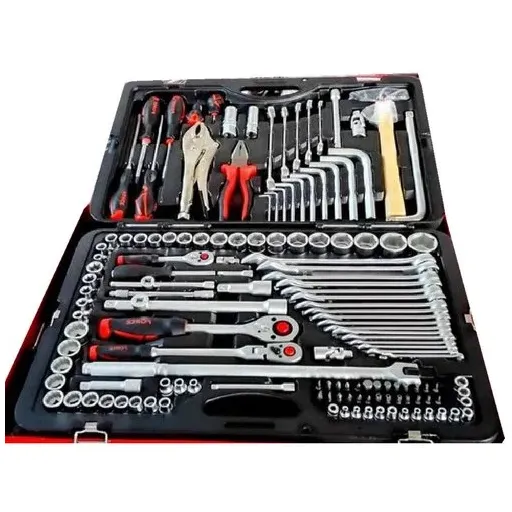
Ergonomic Designs
The ergonomic design is one of the most crucial factors that should be considered when choosing tools for your basic tool set. Ergonomic tools are made in such a way that they will not cause any pain or discomfort during usage, hence, the chance of having repetitive strain injuries or other muscular and skeletal problems is minimal. Most of such designs have soft grips, light materials, and contours that correspond to the human hand. For instance, hammers that are shock-absorbing and screwdrivers that have soft grips can make even the longest of usages less tiring. If ergonomics is considered a must-have in tools, it is believed that not only safety but also efficiency will be affected in a positive way since users will be able to work for longer hours and produce more without being tired.
Studies provide evidence of the place that ergonomics has in workplace performance and health. A study by the National Institute for Occupational Safety and Health (NIOSH) points out that among the top causes of workplace injuries are repetitive movements and the use of poorly designed tools. When investing in ergonomically-designed tools, the risk of injury is decreased, be it in the case of professional jobsites or home projects, thus a healthier and more productive environment is created. Furthermore, employees in industries that use such tools often report being more satisfied with their jobs and having fewer instances of absenteeism due to physical strain. This perspective indicates that ergonomic technology has completely integrated performance with wellness.
On top of that, modern ergonomic designs are also made of technological advancements that aim to give the utmost comfort to the end-user. Reducing reduction in the vibration of power tools or having handles that are adjustable in length are some of the features that not only increase versatility but also lessen the physical impact. Tools made with user-centered engineering are the ones that try to cater to the different requirements of both professionals and hobbyists, providing them comfort and flexibility in different scenarios. At the same time, by going for tools that are ergonomically designed, you are not only buying utility but also your health in the long run and the ease of use, thus showing the importance of form meeting function in the present-day tool kits.
Material Durability
The durability of materials is an important factor that significantly influences the performance and longevity of tools. The tool production of today mostly relies on the usage of high-quality materials like carbon steel, stainless steel, and reinforced polymers. These materials are picked for being tough enough to resist the daily grind and still hold their strength. For instance, stainless steel is the material that is mostly selected for its non-reactive character and anti-corrosion property which makes it a good fit for tools of different kinds subjected to water or rough conditions. On the other hand, carbon steel impresses with its properties like being very strong and durable but on the down side, it needs to be taken care of to avoid getting oxidized.
Furthermore, among the advanced coatings and treatments are the ones that have the most impact on the longevity of materials. Protective power coating, anodizing, and heat treatment are some of the techniques that add a protection layer even against the toughest of environments and thus protect the physical impact on the material underneath. Non-stick and similar coatings tretment are some examples of the tools that despite them not being made of the highest quality materials they still don’t need to be replaced as often because they cause less wear and tear. The extent of manufacturer’s investments in new technologies to enhance product life and thus giving the consumer the best value for money is surely getting wider and wider.
The material aspect alone does not determine the tool’s durability, but its construction method also idicates that the tools are durable. Scores of manufacturing methods such as forging and CNC machining secure the crafting of every tool part according to the tightest tolerances, which in turn results in the reduction of weak points that could otherwise undermine the performance of the tool. Moreover, the tools are subjected to more than just regular testing standards to prove their capability of performing under pressure. The strategy of applying high-quality materials and advanced engineering together, results in the production of modern tools that are strong, flexible, and robust at the same time, thus becoming the reliable assets in any toolbox.
Variety of Tools Included
Modern toolkits are crafted to support various activities and industries, and offer extensive range of tools to accomplish a multitude of tasks to the users. There is a tool for every need practically, starting from the most basic tools such as wrenches, screwdrivers, and pliers to the more advanced precision instruments like torque wrenches or calipers. In addition to hand tools, the specific sets consist of electric tools like drills, impact drivers, and sanders that significantly speed up the work in households as well as in professional projects. These assortments are made for users of all skill levels, where beginners can easily start and at the same time professionals will find their needs met.
Modern toolkits often go beyond the ordinary with additional special items for specific purposes. For example, a mechanic’s kit might have gear pullers, spark plug socket sets, and brake tools made especially for car needs while a kit for an electrician may consist of wire strippers, voltage testers, and insulated tools for safety, to name just a few tools. Moreover, the latest designs of toolkits are already utilizing smart tools that have digital displays and connectivity features, allowing very accurate measurements done with instant calculations. The accuracy of measurements required is very high in areas like construction, engineering, and electronics, thus these tools have become indispensable.
When it comes to packaging and portability, considerations of the variety of tools included in the modern kits are equally important. Most of the tools sets are packed inside strong, small cases that have compartments for organization, thus they are very easy to carry and also to store. There are some advanced assemblies that have modular designs, thus allowing the users to customize their collections for specific uses. This flexibility, together with the extensive range of included tools, is a clear sign of the versatility and innovation that are the main drivers of today’s toolkit designs. Such blending of traditional utilities with modern advancements, the toolkits are there to give users the power to confidently and efficiently handle any project.
In-Depth Comparison of Popular Tool Sets
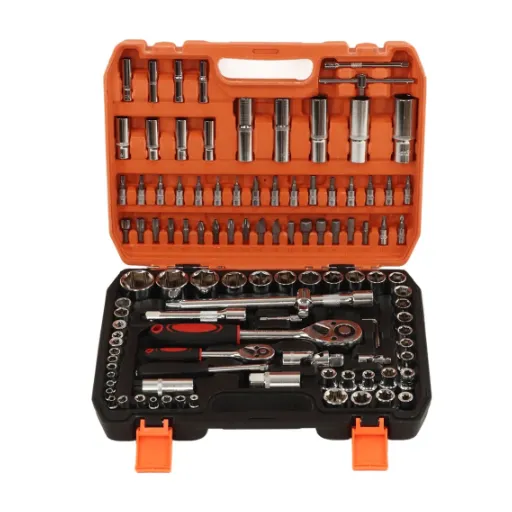
Pros and Cons of Each Set
Professional Mechanic Tool Set
Pros:
- A variety of tools that is extremely extensive including specialized equipment such as wrenches, sockets, and ratchets.
- It is made with high endurance and heavy-duty usage in mind, hence it is perfect for professional use that is done frequently.
- Good storage solutions are usually included, e.g. heavy-duty toolboxes or carriers, which are beneficial for organization and portability.
Cons:
- More expensive than most consumer-grade toolsets.
- The solid and strong nature of the tools makes the weight an issue.
Homeowner-Compatible Starter Tool Kit
Pros:
- Cheap and suitable for basic household repairs, hence it is friendlier for beginners.
- Easy to store because it is light and small.
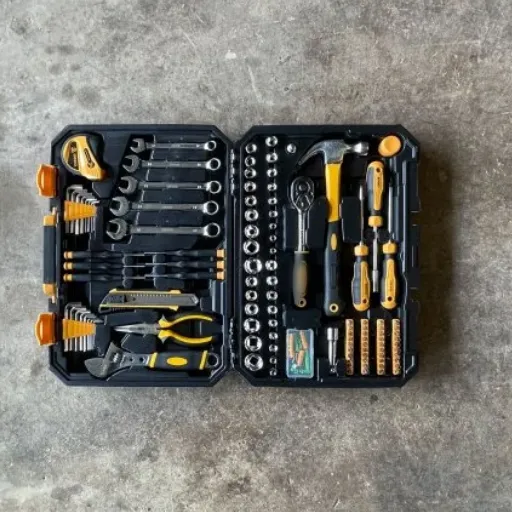
- Most of the general-use tools like hammers, screwdrivers, and pliers are covered.
Cons:
- The scope is limited and the advanced or specialized tools are unlikely to be included.
- Durability might not be suitable for frequent or heavy usage.
Modular DIY Tool Set
Pros:
- The choice of the user to customize the tools according to their particular needs.
- It sometimes comes with cutting-edge features like interchangeable heads for doing multiple tasks.
- Suitable for hobbyists and occasional DIYers, as it is lightweight and does not take up much space.
Cons:
- Professional projects may lack the sturdiness this could require.
- Upgrading or replacing modular components can be expensive.
High-performance Automotive Repair Set
Pros:
- Complete set of tools designed for car diagnostics and repairs including torque wrenches and precision screwdrivers.
- Materials of the highest quality that can survive and even tear.
- Necessary for car lovers or workers doing the daily maintenance of vehicles.
Cons:
- Due to the specialized nature, its application for non-automotive tasks is limited.
- More expensive because of advanced specifications and precision engineering.
Through the evaluation of these tool sets in terms of their features, uses, and restrictions, the users will be able to know which collection fits their unique requirements the best.
Ideal Use Cases for Each Set
- General-Purpose Tool Sets: These sets are a perfect choice for the homeowner, the hobbyist, or the occasional DIY-er who needs a versatile collection of tools for diverse activities like repairs, furniture assembly, and maintenance of small items. They are equipped with the most frequent tools making the set suitable for all non-specialized requirements. Their low cost and broad utility are the main reasons for being such an excellent choice for everyday use.
- Automotive Tool Sets: Mechanics, auto lovers, and people repairing cars every day are the target audience automotive tool sets. Automotive tool sets are designed for engine repairs, brake adjustments, or tire replacements, etc. These sets usually contain torque wrenches, socket sets, and other specialty tools that are required for precision work, hence ensuring less downtime and more reliability during automotive maintenance.
- Professional-Grade Tool Sets: Heavy-duty tool sets are designed and built to last for contractors, electricians, or experienced professionals. They are generally made from top of the line materials like vanadium steel and can even include specially designed grips for comfort during prolonged use. Professional-grade tools are ideal for industrial applications or large-scale projects where durability and precision matter most.
Matching the right tool set to its best use case helps the users to optimize their efficiency, keep their tools for a longer time, and get excellent results in any task they do.
Practical Maintenance Tips for Hand Tools
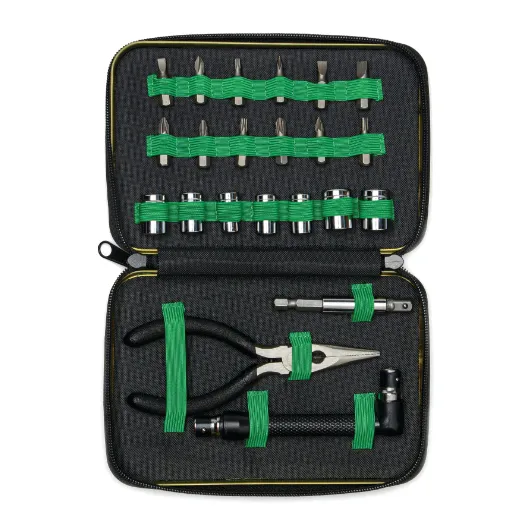
Cleaning and Storage Techniques
Maintaining hand tools to perform at their best and last longer is impossible without proper cleaning and storage. After every use, tools need to be cleaned and wiped to get rid of dirt, debris, and moisture that can cause corrosion. For corrodible items, such as metal tools, covering them with a thin layer of oil will provide extra protection. For cleaning tool’s small parts and hidden corners, brushes with stiff bristles or compressed air will work very well. Also, regular checking of the tools can be very useful to identify early signs of wear or damage so that small issues do not grow into bigger problems.
Proper storage is another important factor in maintaining tools. The ideal environment for tool storage is dry and cool to avoid the occurrence of rust or warping due to heat and humidity. One can use drawer liners, toolboxes or pegboards to organize the tools in such a way that the chances of friction and accidental dropping, which are factors that can shorten the life of a tool, are minimized. For specialty tools, custom cases or pouches are great options for protection of their fragile parts. Besides, wall-mounted racks for hanging larger tools like hammers or wrenches can help to keep the workspace clean and at the same time provide easy access.
On top of that, having a maintenance routine to follow is another way to make sure the tools are always in their best condition. This involves sharpening blades, tightening parts that were loosened, and changing handles or grips that are worn out. Users can combine these cleaning and storage methods along with regular care to maximize the tools’ performance and at the same time minimize the cost of replacing them due to the frequent change. No matter if for professional jobs or home projects, well-maintained tools are always the ones to get excellent results.
Extending Tool Lifespan
Proper maintenance and care are not only crucial for keeping your tools functional but also for significantly prolonging their lifetime. Regular cleaning is one of the main ways to keep the equipment working well as it eliminates the chances of dirt, grime, or rust which could make the equipment less efficient. For instance, after using power tools, it is a good practice to make sure they are clean, and lubrication of the moving parts would prevent wear and tear. The same goes for hand tools like wrenches or screwdrivers which are benefitted by simple things like being stored in dry places and away from moisture. Though small, these activities add up to the lifespan of your tools and can collectively add years.
Furthermore, being updated on the latest trends in tools and their care can be a great factor. The modern tools using advanced materials like corrosion-resistant alloys and ergonomic designs are the ones that manufacturers focus on providing care instructions or videos for easy following of the best practices. You can incorporate this knowledge into your care routine to make sure you are following the correct methods and using the right materials for maintenance. For example, using suggested oil for a chainsaw or a particular cleaner for saw blades can help in avoiding early damage.
Moreover, the right time to upgrade or replace components of your tool can make a significant difference. A modular tool often allows users to replace only the worn-out parts like blades or batteries in the case of power tools, thus, preventing the entire unit from being disposed of. This method saves money and is environmentally friendly as well; it produces less waste. The combination of good maintenance and appropriate upgrades ensures that tools not only work well but also last longer, hence, being a valuable asset whether it is for DIY projects, professional work, or household jobs.
Common Repairs and Care
Regular maintenance and quick repairs are a must when it comes to tool upkeep. One of the most common issues is dull or broken blades that can be sharpened or replaced in most cases to get back to work. For battery-operated tools, monitoring the cycles and changing the batteries of the ones that are no longer working guarantees reliable performance. Cleaning would include not only dusting but also removing the dirt inside and thus, preventing the tool from overheating and prolonging its life.
A proper care area consists of making sure that the parts like gears and joints are properly lubricated, thus, friction is decreased and so is wear. For tools with electrical parts, examining wires, plugs, and connections for any signs of wear and damages help maintain safety and prevent accidents. Sealing cracks or using replacement parts on grips that are getting loose not only saves the tool from being thrown away but also increases its longevity.
Keeping abreast with what is new in the way of repairing tools, the availability of replacement parts, and maintenance tips enables the user to use the latest tool care. Manufacturers usually offer support or issue updates on specific models, making it easier to promptly tackle problems and avoid unnecessary replacements.
Choosing the Right Tool Set for Specific Projects
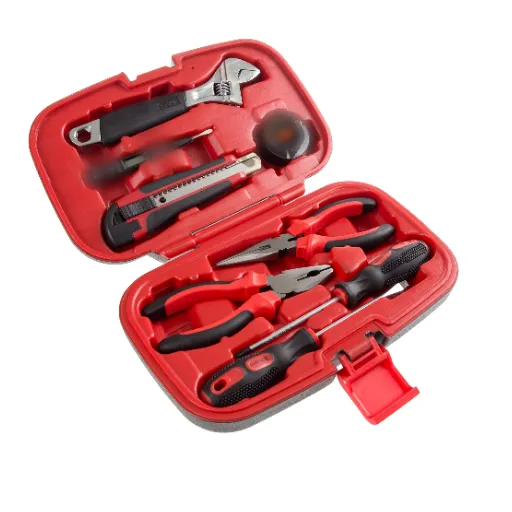
Home Repairs Essentials
When you embark on a home repair project, the right tools are a must for both efficiency and accuracy. A standard toolset usually comprises a hammer, a screwdrivers set, pliers, a measuring tape, and a utility knife, which are all essentials. These tools allow you to perform small repairs like tightening loose screws, measuring materials, or cutting packing. In the case of advanced or diversely needed repairs, having a tool such as an adjustable wrench, a power drill or a stud finder can really allow you to be more versatile. The main thing about home repairs is that when you have the right tools for the work you planned, it is going to be successful.
Investing in premium tools that are durable is always a good idea. For instance, stainless steel tools are strong and also do not rust, which means they would be dependable for a long time. In the market, there are also tools with ergonomic designs that make it easy to work with them and they are thus less tiring to use for longer periods. If you are on a tight budget, you can opt for tools that are available in sets or bundles because they often provide a great selection of essentials at a price that is lower than buying each tool one by one. Moreover, lifetime guarantee tools can also be a way to save money over time since they assure you that you will get replacements and repairs at no cost for the faulty products.
As a result of being aware of new offerings, users can actually come across tools with great features, like laser-guided measuring gadgets and cordless power tools with longer battery life. Researching new tools available and browsing expert reviews on the internet help the homeowners to get informed on the right selection. Besides, knowing the right ways of caring for and storing the tools will keep them in the best condition and ready for use whenever you need them. A complete and modern tools collection not only increases the speed of the work but also gives the user the confidence to deal with a lot of different home repair jobs.
Woodworking Tool Requirements
Woodworking tool set-up is very important for both novices and skilled artisans to achieve high-quality work and precision. Professional woodworkers use measuring tools such as a tape measure, combination square, and marking gauge, which are the most important elements of a woodworking toolbox—they make sure you get the right dimensions when you are planning and cutting. Saws—whether it be a hand saw or a jigsaw or a circular saw—are vital for cutting wood in various ways, while chisels and mallet are required for finer work and detailing. Besides, power tools like a drill, orbital sander, and router can all but guarantee the use of efficiency and the quality of precision in more intricate tasks.
Bear in mind that the latest developments in cutting adult tools come with features like laser guides for cutting saws and dust collection systems for sanders, which reduce cleaning time. One of the main aspects you need to keep in mind when choosing tools is their durability, ergonomics, and versatility so that the gear is appropriate both for the current project and for the future challenges. A case in point is provided by cordless power tools with brushless motors as they come with more extended battery life as well as superior performance—such tools are indeed a wise investment for long-term usage. The tools are not just implemented but also kept as clean, sharp and properly stored as possible.
Blending traditional tools with modern developments and staying up to date with the latest trends and expert opinions, woodworkers can reach new heights of mastery and face any project with confidence.
Automotive Work Needs
Performing automotive work means having a ready-to-use and well-equipped space, professional tools, and a lot of care to produce results of the highest quality. One of the main aspects is to obtain a safe and orderly place with proper lighting, ventilation, and storage for materials and tools. A solid work table along with the specialized automotive tools such as socket wrenches, impact wrenches, and torque wrenches are vital for straightening out the simple to complex tasks. Moreover, a clean workspace guarantees a safer area and it also makes the project to be done faster.
The modern diagnostic tools have been integrated into the automotive work and, as a result, the hard work has been done less and mechanics can deal with issues more precisely. The use of OBD-II scanners and advanced diagnostic software allows for engine, transmission, and electronic system issues to be diagnosed very quickly. Being always ready with the last diagnostic equipment and technology means that even the most complicated repairs, for example, the ones with hybrid or electric vehicle systems, can be done with a lot of confidence. As the automotive technology develops, it becomes necessary to continuously adapt to these changes to be able to continue working in the field.
In addition, being current with the right information from reputable sources is a must for all involved in the automotive field. Reading of technical manuals, attending of workshops, and using of the internet resources that are dependable—these are the main ways through which one can be informed of the new car models, innovative repair methods, and the most recent trends in the automobile industry. The combination of the technical know-how with the latest information not only empowers the professionals but also the enthusiasts alike to carry out repairs in an effective manner that meets the requirements of modern vehicles.
References
-
Top 10 Must-Have Industrial Maintenance Tools for Every Technician
This resource from San Joaquin Valley College provides a list of essential tools for industrial maintenance, including hand tool sets. -
Handtools for Trail Work
Published by the U.S. Forest Service, this document highlights various hand tools used in trail work, emphasizing their functionality and safety. - Click here to read more.
Frequently Asked Questions (FAQ)
Q: What are the most important things to consider when selecting the best hand tool set?
A: When selecting the best hand tool set, take into account a well-known brand, a reasonable warranty, and a good mix of pieces that suit your requirements — be it basic home repairs or a more professional combo. You should expect to see high-quality screwdriver heads (Phillips and flat), hex keys (Allen), a crescent wrench, channel locks, metric socket sizes, and a metal saw or mini hacksaw if you need to cut. Think about whether you prefer a tool box, bag, or kit that is light enough to carry for quick jobs.
Q: What would be the number of pieces in a good household tool set and what sizes would be the most important ones?
A: The number of pieces in a good household tool set can be from 50 to 150 pieces, but if a basic tool set has key items like screwdrivers, a cordless drill bit set, metric and SAE wrenches, a good crescent wrench, pliers, a tape measure, and a hammer, it can be smaller — around 20–60 pieces. For measurements, include metric socket sizes and common Phillips and flat bits; add a few Allen (hex) keys for piece assembly.
Q: What should the best hand tool set for DIYers contain besides the basic tools mentioned?
A: The non-basic tools for DIYers consist of a cordless drill and a compact bit set, a tape measure, a level, a multi-bit screwdriver with Phillips and flat bits, a set of metric sockets, electrical tape, a metal saw or mini saw, and a bag or tool box for organization. Besides, adding channel locks, a set of allen keys, and a small cordless drill charger or battery gives you the versatility of handling household projects.
Q: Is it reasonable to expect a small kit to handle furniture assembly and basic repairs?
A: A well-stocked small kit might be enough for furniture assembly and basic repairs if it contains Phillips and flat screwdrivers, an Allen (hex) key set, a cordless drill with bits, and a good adjustable wrench. For more complicated tasks or frequent use, the investment should be in a larger set which includes metric socket options and additional pieces to prevent running back to the store.
Q: Which tools are commonly left out from basic tool sets and are worth the investment for separate purchase?
A: The majority of basic tool sets miss out on the top-quality cordless drill, channel locks, a proper set of metric sockets, a good quality adjustable wrench, specialty bits, and a metal or miniature saw.