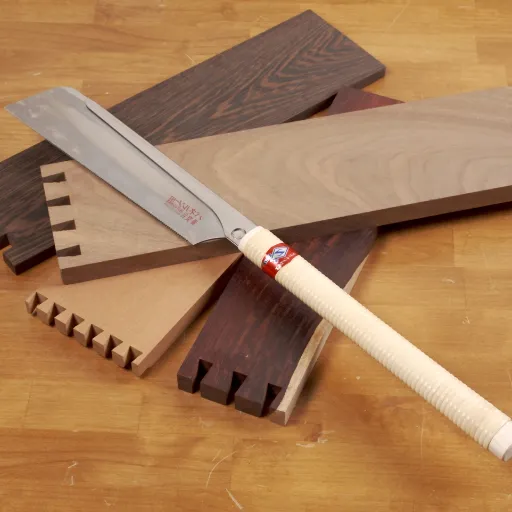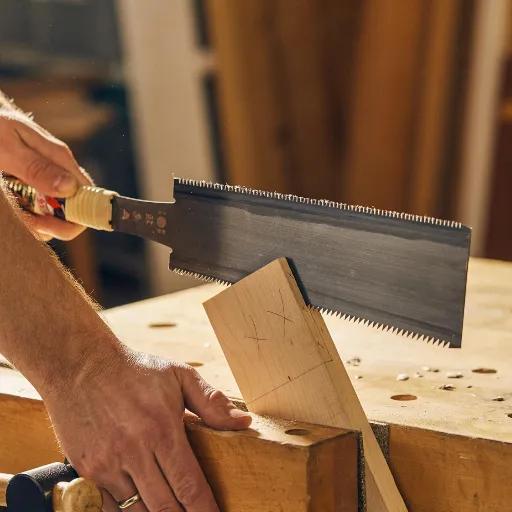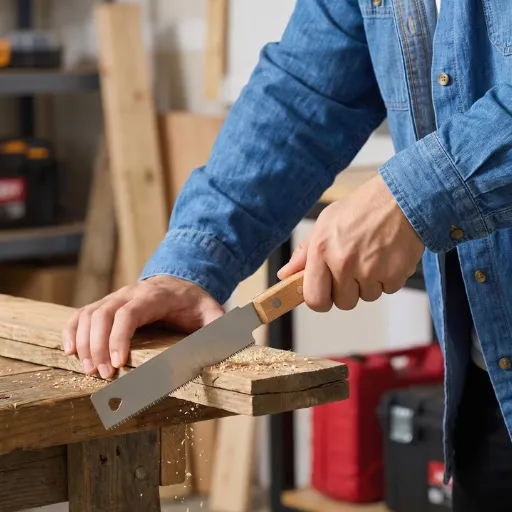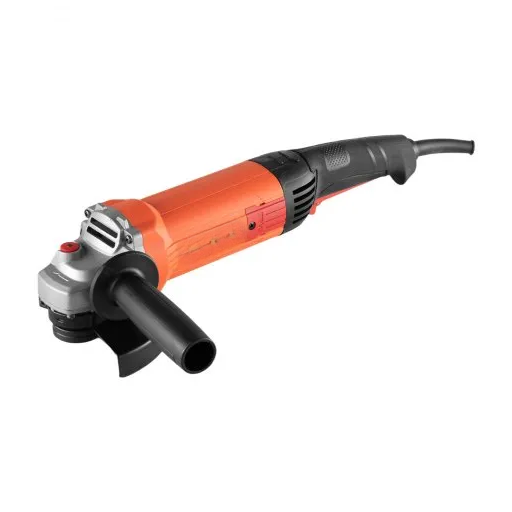

Japanese Hand Saws vs Western Saws: Which is Better?
When it comes to woodworking, the choice of tools can significantly affect precision, efficiency, and the overall success of a project. Saws are significant among these indispensable tools, and the two leading among discussions are Japanese hand saws and Western saws. Their designing concept, cutting technique, and user experiences are distinct, and the controversy over which one is better, more inviting, and deep. The present article is aimed at guiding the reader through the detailed comparison of these saw varieties and the cutting edge, unique features, and recommended usage through these two points, exploring the major disparities in a way that even a newbie in the carpentry field will comprehend the whole issue better.
Understanding the Basics of Saws

Saws are the basic cutting tools with blades that are mechanically serrated. There are primarily two types of saws which are hand saws and power saws. Hand saws are human powered and need physical exertion; this makes these types of saws perfect for accurate and small works. On the flip side, power saws are used with a motorized system which allows rapid cutting and are more suitable for big projects that require a lot of time. Eventually, both types of saws come in many different varieties, each of which corresponds to certain materials such as wood, metal, or plastic and cutting techniques, giving them the ability to serve the different needs at different places in the applications.
Overview of Hand Saws
Hand saws are a must-have in woodworking, building a house and other construction tasks because of their simplicity and accuracy. They come with teeth arranged in a straight line and a handle. According to the shaping of the blade and the shape of the teeth, hand saws can be put under several categories, with each of them designated for that particular use or operation.
An example is the crosscut saws with their teeth set at different angles for the cutting of the wood fibers, therefore giving a neat and smooth finish. On the other hand, rip saws are the same with the grain saws; they have teeth which are like chisels and are set up to cut effectively along but, and not against, the wood grains. Dovetail saws are of small proportions and therefore have very small teeth in a very narrow blade, which makes them highly appreciated in the application of the jointing of two materials.
Different types of materials and the number of teeth are the two main factors that massively affect the efficiency of hand saws, wherein a higher TPI (teeth per inch) would give you a finer cut. The introduction of better ergonomic designs, such as those with friction, and the use of teeth that are induction-hardened have been the two main innovations in the field of hand saws; both will definitely add to the comfort of the user and the cutting quality or the life of the saw for that matter. In the hands of skilled users, the hand saws that are properly selected and maintained are still vivid and resourceful tools for operations which require precision.
Types of Saws
| Saw Type | Description | Best For | Key Features |
|---|---|---|---|
| Hand Saw | Traditional manual saw with a straight blade. | General woodworking tasks | Simple, versatile, no power needed. |
| Circular Saw | Electric saw with a rotating round blade. | Fast, precise straight cuts | Portable, powerful, various blade types. |
| Jigsaw | Power saw with a narrow, reciprocating blade. | Cutting curves and intricate shapes | Adjustable speed, works on various materials. |
| Table Saw | Stationary saw with a circular blade under a table. | Large, precise straight cuts | High accuracy, ideal for repetitive cuts. |
| Miter Saw | Specialized saw for accurate angle cuts. | Frames, molding, angled precision | Rotating blade for angled cuts. |
| Scroll Saw | Small saw for delicate, intricate designs. | Fine woodworking details | Precise control, suitable for curves. |
| Band Saw | Continuous loop blade for versatile cutting. | Curves, resawing, irregular shapes | Cuts thick stock, detailed control. |
| Reciprocating Saw | Power saw with a back-and-forth blade motion. | Demolition, rough cuts | Strong, works on thick materials. |
| Chainsaw | Gas or electric saw with a chain blade. | Cutting trees, heavy-duty tasks | High power, fast wood removal. |
| Track Saw | Plunge saw mounted on a guide track. | Long, precise straight cuts | Portable, very accurate, minimal tear-out. |
Importance of Selecting the Right Saw
The criticality of using the right saw for a specific task cannot be overstated. The saws are made for different purpose and the needs they have to meet varies from very low usage in delicate and intricate cuts to the heavy-duty applications. One example is where a track saw comes into play in order to have the most accurate and least wasteful cutting when working with sheet goods, another example is that chainsaw is the right choice for felling trees or the other high-intensity, wood-cutting duties. What is more, the professional-grade band saw is one of the high-performance tools that help craftsmen cope with the problem of resawing and cutting curves through their precision and maneuverability-dependent processes.
In addition to the tool’s purpose, material type, thickness, and the level of cut detail required are some other factors that need to be in sync with the capabilities of the saw. Continuous development of saw technology, including the upgrades in motor efficiency, guiding mechanisms, and safety features, is making these devices more and more reliable and functional. Picking the right saw means that you are not only increasing efficiency but also decreasing the probability of the operator getting tired, and material getting damaged which, in turn, shows the crucial part this tool plays in both professional and hobbyist situations.
Key Differences Between Japanese and Western Saws

- Cutting Action
The Japanese saws cut on the pull stroke, and this is how they win in control and precision by keeping the effort still less. Contrary to this, the western saws now come with the push stroke cutting technique, the work being powered by the user’s strength in this case even heavier job requiring a strong and forceful action. - Blade Thickness
Japanese saws, in general, are known for having thin blades which help in making more accurate and detailed cuts, particularly in the case of woodworking where the precision of cuts is crucial. On the other hand, Western saws are built with thick blades which are more about the aggressive cutting of tough materials than they are about the fineness and detail of cuts. - Teeth Configuration
The teeth found on Japanese saws typically present a harder and more well-honed state that is ideal for cutting precisely and cleanly. In contrast, western saws are equipped with larger teeth that are coarser and best suited for cutting tougher and denser materials.
Design and Build of Japanese Saws
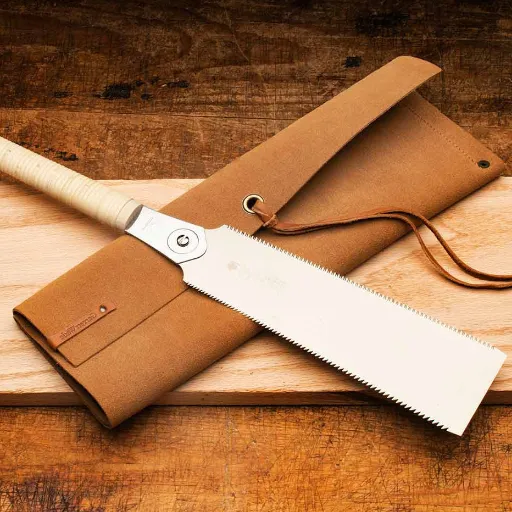
Japanese saws, also known as nokogiri, are designed to be both effective and precise tool. The main width has been designed to be thinner and lighter, reducing the amount of material wasted and being more effortless to handle. In contrast to the Western saws that usually work by pushing, the pull-stroke cutting method gains stability through the addition of tension during the cut, and it also gives the user more control resulting in very accurate performance.
The Japanese saw blades are built using high-carbon steel, which gives a mix of the two desired properties: hard and flexible. And this mix guarantees the teeth will remain sharp for a pretty long time, even with a lot of use. Moreover, quite a few of them have replaceable blades structures which allows a user to keep all the good settings of a tool while changing only a worn-out part in terms of eco-friendliness, and sound engineering simplicity. Besides, the handles carry lightweight wood or are smartly crafted with materials meant to ergonomics, emphasizing the aesthetic and utility values of the product, in addition, it reduces the tiredness of the user to a great extent, especially when it comes to extended use. It is the matter of these little details that these saws become high-priority tools for artful woodworks and detailed joinery applications.
Characteristics of Western-Style Hand Saws
- Push-Cut Design
The method of using saws as a tool is quite different for both Japan and the West. A Western hand saw is a puller, whereas a saw from the East is a pusher. The Western stroke is more laborious, but the natural strength of the arm and upper body pulls through. Still, this may call for a thicker blade to avoid buckling during the push operation. - Thicker Blades
The blades of Western hand saws are markedly thicker than the thin kerf of Japanese hand saws, with widths typically ranging from 0.040 to 0.090 inch (1 to 2.3 mm ). This added thickness contributes to the blade’s ability to stay stable during cutting, albeit at the expense of a wider kerf that may take out more material and thus the cut it makes may be less fine. - Saw Tooth Configuration
The teeth of the western saw generally are set wider to give a wider groove, so there is less risk of the saw getting stuck in wood that is very hard or still damp. Often, these saws have teeth fixed for rip cutting, which means cutting in the direction of the grain, or cross-cutting teeth, which are made for cutting across the grain. The so-called dual-purpose saws use both rip-cut and crosscut tooth patterns, i.e., one on each side of the blade, and in the process, can do both tasks, but less effectively. - Varied Blade Lengths
Typically, the lengths of blade used in the Western saws vary between 20 and 28 inches (500 and 700 mm) length blades are widely used in the panel saws, which are used for large-scale work while shorter blades are commonly used in the making of back saws or dovetail saws which are designed for tasks that require precision. - Handle Design
Irene saw that the Western saw handles are quite often made out of hardwoods like beech or applewood, which are very durable and comfortable. One common design of a hardwood handle comes in the form of a pistol grip which is very comfortable to hold because it supports the hand and the saw hand therefore, it is good for the control of power saw when working under heavy rain. - Re-Sharpenable Teeth
The teeth of the best quality traditional Western Saws, often made of high carbon steel, can be sharpened further by using a triangular file. This is what makes them a good long-term investment for woodworkers who pay a huge amount of attention to tool maintenance and precision.
Cutting Techniques: Pull vs Push
When discussing methods that are to do with cutting and its mechanics, the first and foremost thing to keep in mind is separating pull from push strokes. Every one of them has unique uses and benefits. Pull saws are usually connected to the Japanese style of woodworking and cut when pulled. This method permits the usage of knives that are thinner and lighter due to less chance that they will bend, making the cuts cleaner and more accurate. Also, the pulling motion reduces the force required, hence these saws are great for delicate and intricate work.
The operation of push saws which are the common choice in Western woodworking is on the push stroke. They have much stronger and thicker blades that are good for heavy-duty cutting, and they are very good at transferring power, so the user does not have to apply much effort. The push stroke is also a big help in keeping cut lines in the right place, and workbenches are quite necessary for this operation.
Most of the time, the suitability of one over the other is determined by the requirements of the project and the characteristics of the materials. in this case, pull saw are usually more accurate and are much suited to delicate and fine tasks, while push saws come out more powerful and they serve as being best for the rough cuts and the general construction work. Differentiating between these two types is very important so that all the cuts always come out the desired way and are always of a certain high quality.
Exploring Different Types of Japanese Saws

On the other hand, the Japanese saws, or “nokogiri,” are very much characterized by their pull-stroke cutting ability which adds vastly to the control and precision. The three main categories of Japanese saws are described as follows:
- Ryoba – This saw is the same as the previous saw but with teeth on both sides of the blade(pad saws), meant for ripping and crosscutting. It is good for various purposes and is especially useful for woodworking jobs.
- Dozuki – Replacement of the Tenon saw with less stability and more precise cutting of Dovetail joints and the excellent finish.
- Kataba – A one-edged saw missing a back, Kataba is particularly effective in making deep cuts and it also works great in the case of tasks needing more flexibility, like cutting larger blocks of wood or trimming joints.
Every Japanese saw type is intended for a different woodworking application, so they are all indispensable in this industry for their precision and efficiency.
Overview of Japanese Pull Saws
Japanese pull saws are very popular among woodworkers due to their remarkable accuracy, efficiency, and unique design that matches the different woodworking needs. A usual Japanese saw feature is that it cuts during the pulling stroke, unlike Western saws that cut during the pushing stroke. This makes blade binding less and at the same time enables the thinner and more delicate blades. This results in nicer and much more precise cuts while less developed physical effort is needed as well.
The use of high-quality steel for the blades of Japanese pull saws is very common, which translates into their possessing a high level of flexibility and toughness. The tool life and cost-effectiveness of the saw are increased as users can always replace the blades in case of sharpness loss, thus reducing the necessity of buying the whole tool more often. Furthermore, these saws’ teeth are generally hardened on impulse, giving them better cutting properties and a longer lifespan.
Though it is said that Japanese saws have no equals for intricate operations demanding a very high level of precision, yet professional woodworkers or enthusiasts are sure to get the best finishes, and perfect joints and furniture by incorporating the Japanese saws because of their very different cutting mechanics. This is the blend of tradition and the high quality of manufacturing that Japanese ‘pull saws’ still contribute to the course of woodworking being used by the company as the spirit of excellence.
Common Types of Japanese Saws
| Saw Type | Key Features | Advantages | Cutting Action | Best Use Cases |
|---|---|---|---|---|
| Dozuki | Reinforced spine, fine teeth | Precise, detailed cuts | Pull | Tenons, dovetails, joinery |
| Ryoba | Double-edged saw | Versatile, rip and crosscut | Pull | General-purpose cutting |
| Kataba | Single-edged, no spine | Deep cuts, flexible tasks | Pull | Large wood, trimming joints |
| Azebiki | Curved blade, short length | Starting cuts in middle of panels | Pull | Grooves, tight spaces |
| Kugihiki | Thin, flexible blade | Flush cuts without damaging surface | Pull | Trimming dowels or plugs |
| Mawashibiki | Narrow blade, pointed tip | Cutting curves or intricate patterns | Pull | Detailed curved designs |
Unique Features of Japanese Woodworking Tools
- Pull-Stroke Cutting Action
When compared with the Western tools which usually cut on the push stroke, the Japanese tools, on the other hand, are intended to cut through the pull. This action makes the process of cutting less forceful and, at the same time, increases the precision, thus enabling the user to get very smooth, clean cuts. - High-Quality Steel Composition
The process of making of nearly all Japanese tools starts with the forging of high-carbon steel, which would later be laminated with the softer iron. The very thin layer of the cutting edge only on the outside part of the tool makes it easy to sharpen and yet the rest of the tool remains very durable and able to withstand chipping. - Minimalist and Ergonomic Design
Japanese tools, whereas being described as lightweight and minimal, are also user-friendly because of their weightlessness. They are mainly designed in the most aesthetically natural materials such as oak or magnolia, offering a comfortable setting for a strong grip across all the tools. - Specialization by Task
Japanese woodworking tools, as one by one, being specialized tools, are known for precise use application. This means the essential feature of being efficient and effective in a wide variety of applications that come from this specialization. - Enhanced Blade Sharpness
As a result of the traditional forging methods and high-quality steel, the Japanese blades are among the sharpest available in the market. This sharpness, next to accuracy, is particularly suitable for traditional joinery and other decorative woodworking cuttings. - Interlocking Wooden Parts in Tool Design
In some Japanese tools, the user can also find an integration of interlocking or adjustable wooden parts like planes and hammers. Nonetheless, all these advantages are intended for the utmost flexibility of the operation, which can be further enhanced or adjusted by the user.
Usage and Performance

Japanese saws are outstandingly precise and effective tools because of their pull-stroke cutting action, this method needs less power and control than the push-stroke cutting action of Western saws. This blade deflection elimination design is responsible for the accuracy of cuts being carried out and for the smoothness of the final work done. Therefore, these tools are highly recommended in decorative work as well as in situations that require very critical woodworking coordination.
On the other hand, in the case of Western saws which are running on a push stroke some incredible power and cutting speed is a still greater advantage. Their toughness and steadfastness fit the bill of the chopping block for the big and heavy-duty tasks like construction making.
Whether you should go in for one saw type or the other is really more a question of the work you need to perform than that of the saw itself. Japanese saws stress low bearer strength and full aptitude for construction whereas Western ones do it just the other way around.
Advantages of Japanese Woodworking Tools
- Superior Precision and Control
Japanese woodworking tools are very precise and have a reputation for the same, and that precision makes them very suitable for detailed and complex work. Japanese saws, chisels, and planes are just some of the tools that have been crafted in such a way that, they do not only cut, but also finish the work in a great way. For example, with the Dozuki saws, the fine blades make it possible to have very fine cuts and limit the material wastage a lot at the same time, which is very much appreciated in the processes of joinery and the next-to-perfect carpentry projects. - High-Quality Materials
By the way, the Japanese machines are made from high-carbon steel which is the method that makes them very sharp and long-lasting tools, therefore keeping the cut line as clean as it was on the first day. The cutting edge of the Japanese tools is thermally treated during the manufacturing process, reflecting the fact that the hardness of the edge is better than that of standard Western-made tools, and hence the sharpness lasts for a longer time and demands less frequent sharpening. - Ergonomic Design
The design philosophy of the Japanese tools is first of all about the user, so comfort and efficiency are the two main goals. The weightlessness of the tools along with the handles that are perfectly structured to hold gives the user the ability to work for a longer time without feeling tired. A good example of the Japanese saws is that they reduce the cutting force through a pull-based operation technology, which at the same time helps the user to have more control over the cutting and to suffer less physical fatigue in the process. - Minimal Material Waste
Besides the high precision and the narrow and clean cut, the use of Japanese tools also means a reduction in the waste of materials. The kerf, or the thickness of the cut, is very small and that is something of great importance when it comes to high-end woodworking as minimizing material waste is often the main concern of the woodworker. - Eco-Friendly Craftsmanship
Japanese woodworking traditions are rooted in the recognition of the earth’s sustenance, so that the tools are often made in a way that has little impact on the environment. This reverence to nature is in full consonance with their culture which is more than a few centuries old and has a very strong appeal to the modern-day skilled craftsman who will prefer green alternatives. - Adaptability to Specialized Techniques
The adaptation of Japanese tools to unique woodworking techniques is their main purpose. For instance, by using the kanna ( Japanese plane), you can make extremely smooth surfaces without any need for sanding at all, while oire-nomi Japanese chisels can excel in making very precise mortises and dados.
Benefits of Using Western-Style Hand Saws
- Cutting Efficiency through Rigid Blades
The major difference between Western and Japanese hand saws lies in the fact that saws of the latter type are thinner and hence more flexible. The rigidity of Western saws, on the other hand, enables them to cut faster and makes them more appropriate for hardwoods than their Japanese counterparts. Hence, a Western rip saw of a general type can cut through oak or maple at a rate that varies between 2–4 feet per minute with a continual adaption force under application. - Push Stroke Cutting Action
Japanese saws differ from Western saws in that they are intended to be drawn instead of pushed when cutting. This, in turn, means that the user can use his or her body weight to push the saw and cut with a much higher force and more efficiency in fewer strokes. The pull stroke is very advantageous in this respect and might prove itself very useful especially in the case where the operator is working in a horizontal or inclined position, just like when cutting large boards or beams. - Versatility in Tooth Patterns
Western saws come with various tooth forms, such as rip, crosscut, and combination teeth. Rip saw teeth are perfect for tearing along the grain, while crosscut teeth are more suited for perpendicular cutting. Combination saws are more versatile: they can be used in projects that need both types of cutting. This adaptability guarantees that Western saws will be capable of fitting into a very extensive woodworking context. - Durability and Maintenance
Western hand saws are usually made of high-carbon steel, which is very strong and not prone to wear. Additionally, the saws are easy to sharpen with normal triangular files giving repeated use over a long period. It is proven that well-maintained Western saws can go through a thousand cuts before they need major repair. - Compatibility with Large-Scale Construction
Because of their strong structure and cutting force, Western saws are the number one choice in extensive construction and carpentry works. Due to the saws being the most ideal tools for the mentioned tasks, they are mainly used in framing and in cutting thick pieces of lumber. - Ergonomically Designed Handles
The grips of Western saws are often with the users’ comfort in mind and many times made in the pistol grip style which assures good for the user at all times. The design will lessen the effect of fatigue during prolonged use, and that is the reason they work very effectively for the professional carpenter and woodworker.
Comparison: Japanese Saws vs Western Saws
| Feature | Japanese Saws | Western Saws |
|---|---|---|
| Cutting Stroke | Pull stroke | Push stroke |
| Blade Thickness | Thin blade | Thick blade |
| Cutting Precision | High precision cuts | Moderate precision cuts |
| Kerf Width | Narrow kerf | Wider kerf |
| Effort Required | Requires less effort | Requires more effort |
| Cutting Speed | Relatively slower | Relatively faster |
| Durability of Blade | Less durable, prone to snapping | More durable, handles tough materials |
| Tool Weight | Lightweight design | Heavier design |
| Ideal Applications | Fine woodworking and joinery | Heavy-duty tasks, including framing |
| Skill Requirement | Requires higher skill level | Easier for beginners |
Choosing the Right Saw for Your Needs

It is the decision of the particular work you want to perform and the skills you already possess that determine the perfect saw for you. A thin-kerf saw blade is the best for cutting very fine woods or making the best joints, giving high precision and less force, therefore, more experience using a blade that demands precision movements is needed, whereas a two-kerf blade is the most suitable tool for framing and slicing very thick and hard materials. The trade-off made is that you cannot start heavy duty with a narrow kerf saw. It would be very slow and would be hard to measure angles precisely. The tool’s weight and your project size are good factors in selecting the saw that will be right and efficient but still as comfortable as possible.
Factors to Consider When Making a Choice
- Type of Project and Material
Diverse types of saws are made for a number of uses. Some of the most fine woodworking, like making dovetails or joints cutting, is most often done with the help of a backsaw or scroll saw because of the high precision they offer. On the contrary, in the case of building activities, they almost always have to be rough-cutting saws, such as the circular saw and the reciprocating saw. Another consideration is the type of material: whether wood, metal, or plastic, it may call for different blade compositions and teeth configurations. Using hardwood as an example, a carbide-tipped blade is highly effective while a bi-metal blade for cutting metal pipes or sheets would be the best choice. - Power Source
Saws come in two power systems – corded and cordless. Letting you enjoy continuous power, the corded power saws are the perfect choice for letting in one place and using for extended hours. The cordless from the other side, which is powered by lithium-ion batteries, offers to do work at your convenience, but of course, you will have to take a break for the battery to be charged. Consider your workshop and dream of big projects to decide if freedom of mobility is a priority over uninterrupted power. - Blade Type and Size
It is the blade type that will most of all affect the quality and efficiency of the cuts. Tooth count actually is a very important factor; for instance, 24-tooth blades are meant for rip cuts, on the other hand, 60-tooth or 80-tooth blades will give pitless crosscuts. The size of the blade, which is usually from 5-1/2 inches to 12 inches in diameter, shows the cutting depth. The big blades, while allowing the cut of the thicker materials, most of the time, impose the condition of a more powerful motor. - Weight and Ergonomics
Bigger saws are, without exception, much more robust and strong which makes them perfect for being heavily used. But they can also make their operator tired after a long time of usage. Lighter machines are not only lighter but also both more manageable and controllable, therefore, they are best for long-term or especially upper-body tasks. The controllability and comfort of a saw can be upgraded by using a handle that is ergonomically designed and has built-in anti-vibration technology. - Safety Features
Protection mechanisms, for example, blade guards, anti-kickback systems, and electric brakes, are fundamental to avoid possible hazards. One of the electric brakes, for example, freezes the blade within a few seconds of the trigger release, which is a huge boost to the safety of the user. You should always be on the lookout for tools which conform to the safety standards set by the industry like those which are certified by UL or OSHA. - Budget and Longevity
On the other hand, a consistent problem for a lot of buyers is the pricing point for the best saws that are considered expensive at the time of purchasing, however, the long-term savings and the durability outweigh these costs when the repair or replacement costs are reduced. The consideration of a such a saw rests on the performance-to-price ratio but also includes the factored in the feature set, like brushless motor, a first-class premium blade, and an extended warranty. Undeniably, the least-price-performance ratio for a saw is around $50-$100, whereas the highest-possible-quality models may go for more than $500.
Expert Recommendations and User Preferences
It is often recommended by professionals who have knowledge about saws that one should consider one’s own cutting style, the type of materials being used, and the project’s requirements when deciding which saw to buy between the Japanese and Western saws. The Japanese saws, which are created for the pull-cut type, are considered the most precise and the best for small woodwork or intricate work because they have been so much in demand for their precision and, the area where they are not only good but the best is the work of very soft woods or veneers, and as such the craftsmen who need control and precision consider the lightweight, razor-sharp blades of these saws their favorite.
However, hand tools are much more portable and do not depend on any power source. They do not produce any heat, dust, or sparks and are safer due to their manual operation. Moreover, they are a one-time investment that does not require any expenses for the power or fuel for running the tool.
A typical instance of a user’s inclination would primarily be the famous tool and the requirements of the job. An example of the tool is the Japanese saw, which is quite a common choice, particularly among the hobbyist and DIY enthusiast community, and it is all because of the following two factors: very easy cutting and very clean cutting. Conversely, another type of saw that comes in the form of Western saws is a major player in the industry as it is most preferred by the skilled workforce, mainly due to the characteristics of long-lasting and very fast cutting in heavy workloads. In addition to this, the market has been successfully penetrated with new products such as the hybrid saw and the interchangeable blades, taking a significant chunk of it as well as offering a user-friendly, two-in-one design.
Reference Sources
- New Course Exposes Students to the Beauty of Japanese Functional Objects
Read more here - “Reading” Tool Marks on Furniture
Read more here