
Hand Tool Ergonomics: Preventing Repetitive Strain Injuries
When it comes to safety at work, ergonomics of hand tools is one of the disregarded factors that can actually have a very positive effect on both health and productivity. One of the main problems caused by misuse of tools is repetitive strain injuries (RSIs), which are not only uncomfortable but also lead the workers to be less efficient and eventually may result in chronic health problems. Nevertheless, what if you could arm yourself with this knowledge and thus avoid these injuries and then work smart, not hard? The present paper explores the concepts of ergonomic design, the right methods of tool handling, as well as the ideas that protect the hands and wrists, all of which keep the user healthy and promote a long-term and environmentally friendly use of hand tools. Understanding ergonomics is the first step in keeping oneself healthy, whether one is a professional tradesman or just a regular DIY person.
Understanding Hand Tool Ergonomics
Definition and Importance of Tool Ergonomics
Ergonomics for tools is the process of thinking, designing, and proper use of the tools that will lead to the most productive and safest way to work and at the same time confer the most comfort to the workers. Ergonomically designed tools are made in the way that they follow the natural movements and contours of the human body and thus they lessen the chance of injuries. To be more exact, the user-friendliness and comfort of tool ergonomics are the features that are counted as the main reasons for the escalation of productivity in the long run.
The significance of the ergonomics of tools is such that it cannot be overrated. If the tools that are a lot of the time poorly made are used, conditions like carpal tunnel syndrome, tendonitis or general musculoskeletal disorders are likely to occur. The injuries not only produce pain but sometimes even reduce the working capacity of the person experiencing them. On the contrary, the use of ergonomic tools and application of techniques would together result in the physical stress on muscles, joints, and tendons being reduced to a very insignificant level; thus, creating a health-friendly and more productive working environment.
🔬 Innovation Alert: The recent developments in glove production are the result of working with the data-driven designs that have led to perfect customization and performance. For instance, smart gloves with sensors are being considered as industry shifters in fields such as construction and healthcare. These gloves not only enhance accuracy and safety through monitoring hand movements, temperature, and grip stability but also promote better safety adherence.
Fundamental Principles of Ergonomic Design
Ergonomics is a discipline that aims to adapt tools, equipment, and environments to the users’ needs for their comfortable, safe, and productive use. The principles of ergonomic design include assuring correct posture, lessening the number of repetitive movements, and reducing physical strain. Ergonomic products, which are designed in accordance with the natural limits and capabilities of the human body, eliminate the risk of injuries and maintain health in the long run.
One of the most important principles is to ensure that human body alignment is natural. That means designing workstations, tools, and furniture that promote postures like keeping the spine straight, shoulders relaxed, and wrists in a natural position. Good alignment lets the musculoskeletal system function normally, thus reducing the chances of getting carpal tunnel syndrome or having back pain.
Another important principle is to design and change by the user. Ergonomic products need to be adjustable to fit different users regarding their height, strength, and likes. For instance, users can adjust their chairs or desks according to their own requirements and thus, create a workspace where they will feel the most comfortable and the least productive. This approach not only leads to better usability but also means that many more people can work safely and efficiently within the limit of the approach. With the application of these principles, ergonomic design comes up with solutions that are centrical about the user and which, at the same time, result in the improvement of both health and productivity.
The Role of Hand Tools in Preventing Injuries
If designed and applied correctly, hand tools will be instrumental in ensuring safety and lowering industrial accidents. Ergonomically designed hand tools will not only improve the efficiency of the operation but will also prevent any chances of injuries due to strains and repetitive motions. Following is an exhaustive enumeration of the most important factors and tools that prevent injuries:
🔧 Key Injury Prevention Features
- Grips Designed with Ergonomics in Mind: Hand tools with ergonomic handles are less tiring for the hand and they also improve grip strength. For instance, the use of pliers having padded, non-slip grips will not cause the hand to get hurt even if the operation is prolonged.
- Vibration Resistance Technology: Hammers and drills with anti-vibration technology are examples of tools that can reduce the impacts of repetitive shocks, thus, shielding the user from long-term muscle and joint damage.
- Light Materials: Although tools made of aluminum or composite polymers are very light, they are strong enough to not only minimize but also allow easy handling of the physical strain.
- Adjustable Tools: Torque wrenches and multi-bit screwdrivers are adjustable tools that provide versatility, adapt to the specific task being done, and thus, improve precision while preventing overexertion.
- Tools that Are Properly Insulated: Insulated hand tools, most notably the ones used for electrical work, protect the user from being injured when accidental contact with live wires occurs.
Benefits of Using Ergonomic Hand Tools
Reducing Fatigue and Enhancing Comfort
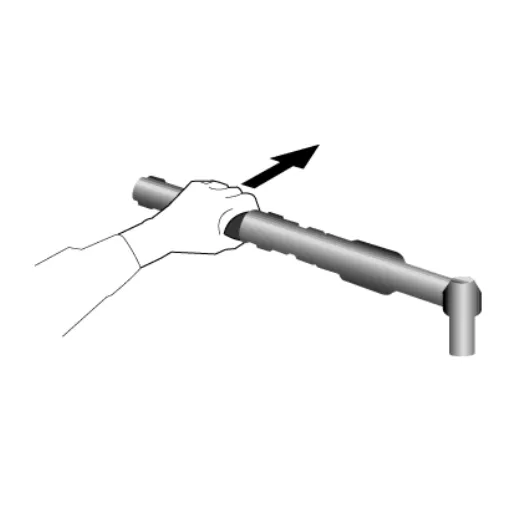
Ergonomic hand tools offer a variety of advantages that are aimed at reducing fatigue and improving user comfort when executing the work. The manufacturers of these tools took into consideration human ergonomics to the extent that they are able to promote health and productivity by the bringing of the requisite strain down while at the same time, making the use of the tool super efficient. Below are five major avenues through which ergonomic hand tools reach their objectives:
Minimizing the Risk of Repetitive Strain Injuries
If the repetitive strain injuries (RSIs) are not treated properly, they can cause a major drop in productivity and overall well-being. It is important to introduce good practices and adapt tools that help to alleviate muscle and joint strain in order to minimize the risk of RSIs. Below are the five main strategies to prevent RSIs:
1️⃣ Use Ergonomic Tools
Ergonomic tools help the user by distributing pressure evenly in the whole body, thus reducing the accumulated muscular strain over the time.
2️⃣ Take Regular Breaks
Taking a 5-minute break after every hour of work can notably reduce the impact of repetition on muscles and joints.
3️⃣ Practice Proper Posture
Maintain an upright position while working and keep wrists in a neutral position to avoid strain.
4️⃣ Perform Stretching Exercises
Take part in simple stretching exercises throughout the day to improve circulation and avoid stiffness.
5️⃣ Alternate Tasks Frequently
Do not perform the same task continuously for a long time. Switching between tasks works different muscle groups.
Key Features to Consider When Selecting Ergonomic Tools
Grip Size and Handle Design
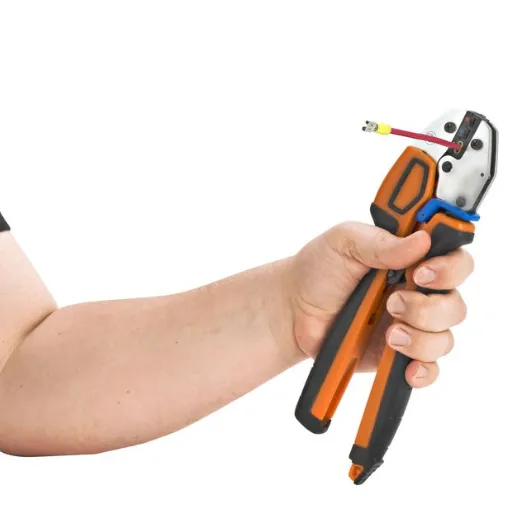
The grip size and handle design are the two main factors that you need to look at when selecting ergonomic tools. It is possible for handles that are too large or too small to cause discomfort and wrist problems in a long run by hand straining; that is why such tools should be avoided. The grip size should be such that it does not only fit perfectly with the natural shape and size of the user’s hand but also allows the user to hold the tool firmly and at the same time relax the hand. Use of non-slip materials and contouring is an additional way to promote comfort and also reduce the chances of slips especially in wet or high-stress environments.
Moreover, the dimensions and contour of the handle play a major role in the ease of use. A short handle that is hard to grip can pinch the user’s hand, while long handles may get the tool out of control. One common feature in ergonomic tools these days is the use of angled or padded handles to ensure a neutral wrist position, thus reducing the strain during the performance of repetitive tasks. The tools with adjusted or changing handles demonstrate versatility by making the user range and tasks wider and thus adapting well to different workplace needs.
📊 Research Finding: Studies show that proper handle size and design can lead to greater productivity and at the same time, the reduction of the injuries like carpal tunnel syndrome or tendonitis. When ergonomics are the main focus in tool design, businesses allow employees to work in a safer and more efficient way even during long hours of use.
Weight and Balance of Hand Tools
The weight and balance of hand tools are very important factors that directly influence the user’s efficiency, comfort, and safety. A properly balanced tool provides good weight distribution, which in turn lowers the user’s muscle and joint stress. In contrast, improper balance can give rise to fatigue, loss of accuracy, and increase the risk of getting repetitive stress injuries. To illustrate, top-heavy tools may require excessive force for control while improperly weighted ones may be the source of discomfort in continuous use. Finding the right equilibrium empowers the workers to be consistent and accurate with their projects, thus increasing overall productivity.
It is very significant to consider the hand tools according to their purpose and the operations they are going to do. Heavier tools are mainly selected for high-impact tasks like striking or cutting as they can give greater force with less effort. On the contrary, lightweight tools can be used for operations of delicate and precision-requiring nature like assembly or fine detailing, etc. Also, the design of the tool should support the user’s minimum effort by using the tool’s center of gravity to the best advantage. Tools made of these principles are like a smooth extension of the user’s hand, thus even if they work for a long period, the workload is still less.
⚠️ Important Statistics
Research and industry experts are of the same opinion regarding the necessity of ergonomics in relation to weight and balance. Research reveals that tools made with ergonomic principles can reduce injuries in the workplace by 40% and at the same time increase worker output by 25%. The use of such tools not only makes the user safer and more comfortable to work but also indirectly results in the company’s cost being less through health-related absence and better built equipment lasting longer.
Vibration Exposure and Tool Selection
Vibration exposure for a long time especially in the case of handheld tools and machines can be very risky for workers’ health. Such workers are at risk of developing diseases like Hand-Arm Vibration Syndrome (HAVS) and carpal tunnel syndrome, which may take them a long time to recover from and in extreme cases may cause permanent injury. It is the crucial point of selecting the right tools that feature either the vibration-dampening technology or the one with lower emission to protect the staff from these dangers. The use of low-vibration tools by the employers has the double effect of creating safer working environments and increasing productivity and employee satisfaction.
The engineering departments have newly developed some tools that are intended to be used in situations with minimal vibration exposure. For instance, power tools equipped with advanced vibration control technology transmit vibrations at a much lower intensity, thereby greatly lowering the risk of an injury occurring as a result of repeated exposure over time. In addition, rubberized grips and ergonomically designed handles can bring down vibration levels to the point where the user is hardly aware of them. These innovations in the tool’s design allow the workers to use them for more extended periods being more comfortable and less tired, which in turn, is reflected in the operational efficiency and the quality of the work done.
Companies can obtain a further instrument to their tool selection process by consulting industry standards and guidelines, for example, those issued by the International Organization for Standardization (ISO). For instance, ISO 5349-1 lays down the methods for measuring vibration exposure which helps set the upper limit for safe operation. By resorting to obligatory complying norms and contemporary industry offers, the employer will always be ahead of the game in dealing with risks in the workplace. A combination of thorough vibration assessment and the acquisition of tools designed with a sound pollution level in mind is the one that not only avoids occupational incidents but also guarantees uninterrupted production efficiency throughout the different areas.
Practical Tips for Choosing the Right Hand Tools
Assessing Your Needs: Types of Tasks and Tools
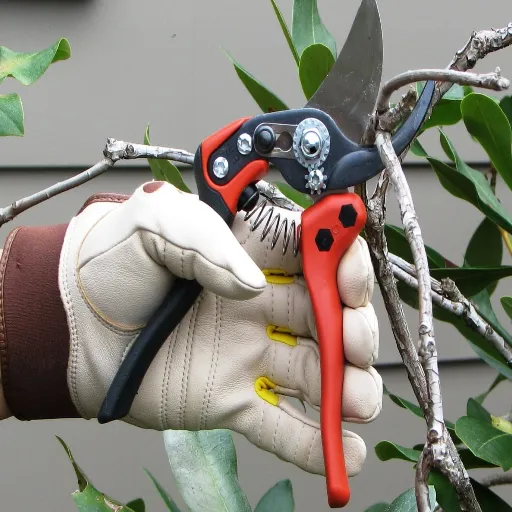
Choosing tools for hands is a way to start evaluation tasks closely that need to be done. Figure out if the job demands precision, like putting together delicate parts, or if it is heavy-duty, like building or tearing down. Carefully thinking about these requirements will guarantee that your tools are matched with the needed durability, precision, and functionality levels so that the job gets done right. This essential act will not only increase the productivity but also cut the chances of tool breakages or accidents in the workplace that arise from equipment mismatches.
Knowing the compatibility of the materials is another major aspect in the process of picking hand tools. Tools that are not compatible with the different surfaces will make work harder for the user. For instance, the use of sharply honed blades may be necessary for the wood which is a softer material, while the use of stronger, high-torque tools may be necessary for steel that is a tougher material. When you identify the materials involved in your tasks, you will be able to decide on your options and get the tools that will handle the workload efficiently while being durable enough to last over time.
✅ Ergonomic Design Checklist
- Tools with padded grips for comfort
- Light construction to reduce fatigue
- Easy handling for extended use
- Features that reduce hand, wrist, and arm strain
- Compatibility with your specific task requirements
Testing Tools for Comfort: The Importance of Trial
Conducting hands-on trials is one of the most important steps in the selection of ergonomic tools. Comfort testing of tools allows users to assess the performance of the tools in real-world scenarios. Nothing can substitute for the experience of holding and using a tool, not even the most detailed theoretical information or product descriptions. A trial can show the user how well the tool fits in their hand, if its weight is balanced, and if the materials provide enough grip and control. These factors are crucial for the tool’s usability and effectiveness, meeting the requirements for both comfort and functionality.
The testing with hands-on can also indicate how the tools will perform over a long period of time. Sometimes the first assessment of a tool could be that it is comfortable but the user might end up being uncomfortable after some time. Continious usage may uncover problems that the distribution of the weight is not even, the angles are awkward or the pressure points are causing the hands, wrists or arms to be strained. The usefulness of these practical insights cannot be overstated, as they help highlight which tools are in full accord with ergonomic principles and will thus support the workers’ health in the long run and will also keep repetitive strain injuries at bay.
Knowing how for example the rubberized grips cut down on the vibration or how the adjustable handles are compatible with different jobs can be very reassuring. By combining the trial-based assessments with the most current information, users may have no doubts about purchasing tools that put comfort and productivity at the forefront, and, as a result, a healthier and more efficient working environment is created and maintained.
Utilizing Gloves for Added Protection and Comfort
Gloves are one of the most important things that make the work safe and fast, and they keep the users’ skin protected from abrasions, cuts, and chemicals. The manufacture of modern gloves is by making use of different materials like nitrile, leather, or Kevlar, that are each designated for specific uses. For example, nitrile gloves are the best for chemical free working and they are very delicate, and at the same time, leather gloves provide strong protection for heavy-duty jobs. It is crucial to have a clear understanding of the nature of the work before choosing a particular glove as it can directly affect the safety and the overall performance.
Besides safety, gloves provide significant comfort and boost productivity. The ergonomic gloves designed for the human hand do not lead to hand tiredness so much, especially when the work is based on repetition or it takes a long time. Fabrics that do not irritate the skin, adjustable cuffs, and soft-padded palms are just some of the factors that help to keep the hands of the workers flow and safe. On the other hand, gloves with anti-vibration technology have been reported to be the best for tool operators, for they decrease the long-term hazards resulting from the frequent exposure to vibrations. The blend of protection and comfort comes along with the maximum time and higher performance of the workers.
The Broader Impact of Ergonomic Tools on Employee Well-Being
Enhancing Job Performance through Ergonomic Design
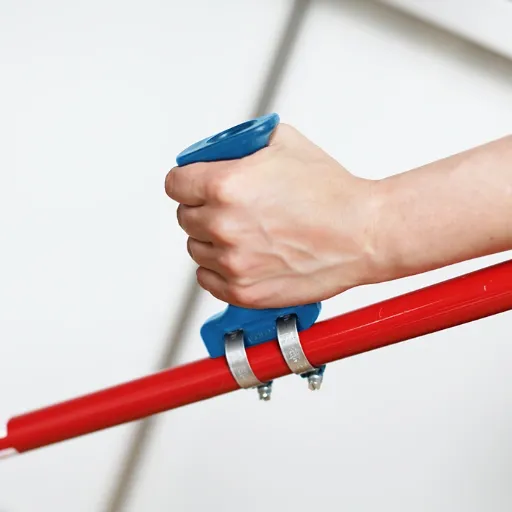
Ergonomically designed tools and equipment have become a necessity in every workplace, as they help to avoid workplace injuries and increase overall job performance. Ergonomics is a key factor in defining employee wellness and productivity. Supply and demand for ergonomic items are tightly linked to human posture during workdays or even the length of breaks; hence, the foundation of ergonomic design is the way human beings work. For instance, the ergonomic typing and writing up to 16 hours of working make the body remain fit. Even the most modern manufacturing and construction tools are still capable of causing muscle fatigue and injuries unless their ergonomics is properly controlled. Prioritizing ergonomics by the management contributes to the creation of a safe and healthy workplace, thus promoting both productivity and employee satisfaction.
📈 Key Statistics from OSHA Research
60%
Reduction in musculoskeletal disorders
↑
Increased employee productivity
↓
Fewer sick leaves taken
Technology is now accepting the challenge of driving ergonomic equipment to the next level. Customizable solutions in the form of dynamic sit-stand desks, motion-sensing devices, and adjustable workstations are one of the newest innovations in the office ergonomics industry that target different users’ needs. Companies using the most updated ergonomics methods and devices will make sure their employees have less discomfort and more fun performing their duties. Health and productivity goals being aligned creates a friendly workplace where staff are happy and the company is successfully running, thus leading to continuous growth.
Long-Term Health Benefits of Ergonomic Tool Use
Using ergonomic tools for a long time has relatively noticeable health effects mostly for workers who do repetitive or sedentary tasks. The adaptive tools gradually won people’s trust and were often used to prevent the occurrence of physiological diseases such as chronic pain in the back or neck and finally the carpal tunnel syndrome, to mention a few. The reason is that ergonomic equipment naturally aligns with the human body, thus reducing the strain and the muscles and joints, hence the risk of injury or fatigue. For instance, adjustable chairs, keyboards, and monitor stands meet the individual physical requirements allowing a healthier work environment designed according to the specific needs.
The impact of ergonomic tools is not only through the physical aspect but also positively radiates to mental health. Discomfort or pain for extended periods at working places can become a source of frustration, lack of concentration, and increased stress. Therefore, ergonomic solutions not only limit these sources of discomfort but also enhance workers’ ability to focus and give their best. Through enhanced comfort, job satisfaction and mental health overall are increased, thus a more positive and fulfilling professional routine is created. In addition, the long-term usage of ergonomically-designed tools has been associated with lower employee absenteeism rates and less likelihood of injuries taking place at the workplace, resulting in a more stable and productive labor force.
💼 Organizational Benefits
From the organization’s point of view, the use of ergonomic tools leads to positive employee turnover and productivity. The studies indicated that companies which invested in ergonomics would significantly get their money back through fewer compensation claims and noticeably improved morale in the employees. Eventually, the collective health gains from the ergonomic practices were such that they created a ripple effect across the organization, thereby, making it more adaptable and successful in the face of competition.
Creating a Safer Work Environment with Proper Tool Design
Proper tool design is very important in the creation of a work environment that is not only safer but also more productive. The ergonomically designed tools at the workplace will be less harmful and thereby the workers’ natural body postures and strains will be minimized allowing ergonomic tools to “control” the workflow. To illustrate, hand tools equipped with padded grips and perfect weight distribution can effectively make the workers suffer less from repetitive stress injuries and musculoskeletal disorders. In this way, the user-centered design is taking over the workplace not only with its efficiency but also with its safety features.
Research has pointed out that substandard tool design is one of the main factors causing a considerable number of workplace accidents. The data provided by the Occupational Safety and Health Administration (OSHA) reveals that the injuries caused by repetitive motion alone are the reason why medical expenses and lost productivity amount to billions every year for the employers. Therefore, if the workers are fitted with the right tools and the employer offers an adjustable workplace that accommodates varying heights and strengths, then issues related to workers’ health would be addressed proactively. This plan will not only enhance the safety of the workers but also increase the satisfaction and morale at work.
In addition, organizations that make a proper tool design investment, witness performance benefits immediately. Higher productivity due to fewer injuries and better worker comfort or comfort of workers that translates into a combination of lower absenteeism and reduced turnover. On the other hand, the industries that opt for such types of tools that come with innovative features and are ergonomically designed are way ahead in the market competition and are thus, showcasing their concern for the health and well-being of the employees. The comprehensive focus on employee health and productivity makes the tool design practice indispensable in the creation of a workplace that can weather all storms and is thereby sustainable.
Frequently Asked Questions (FAQ)
❓ What is hand tool ergonomics and why does it matter?
Hand tool ergonomics is an area of study focusing on the design of tools in such a way that pressure on arm and wrist, fingers and thumb is diminished, while at the same time comfort and performance are improved. Good hand tool ergonomics assists in the selection of tools that are less tiring, have lower force frequency, risk of musculoskeletal disorders prevention, and also provide better power and control for precision or force tasks.
❓ How does handle diameter, shape and layout affect comfort and performance?
The diameter, shape, and layout of the handle determine how the hand interacts with the tool—cylindrical handles, tapered, or pistol grip designs each have their own way of dispersing pressure among the finger and thumb. Larger or smaller handles result in higher grip force and fatigue; straight handled tools are fine for certain tasks, while pistol or pistol grip handles might be more appropriate for one-handed tasks that require directional power. Choosing the right diameter and shape can yield less strain on the forearm and wrist.
❓ When should I choose a pistol grip versus tools with straight handles?
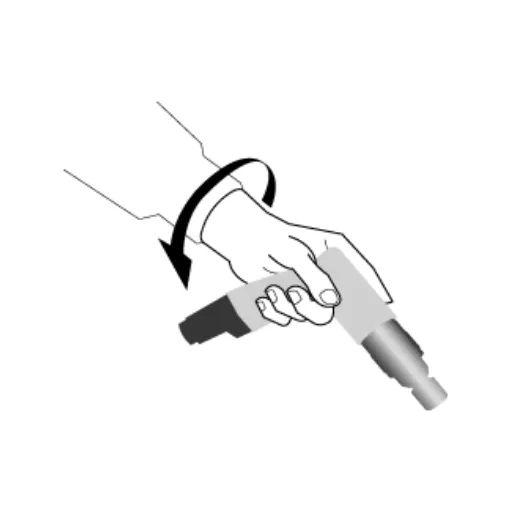
Opt for a pistol grip when there are tasks calling for leverage or their application is vertical, as the angle diminishes wrist bending. Go for tools with straight handles if the applied force is horizontal or when neutral wrist posture and finesse in control are required. Think through whether the operator will be using the tool with one hand or two, and how the wrist will be contorted in the typical scenario.
❓ How do weight of the tool and balance influence ergonomic risk?
The weight and balance of the tool determine the amount of force to be exerted by the user, thus influencing how long the user can work with the tool comfortably. Tools that are heavy or poorly balanced lead to higher exertion and a greater strain on arm and wrist, and this effect is more pronounced when the work is done frequently. The use of lighter materials like plastic or tools that have a rubber coating and tapered grips can help in reducing fatigue, however, the weight of tool must still be suitable for the application to maintain control and safety.
❓ What handle materials and coatings reduce slippage and discomfort?
Rubber-coated or textured plastic handles provide better grip friction and reduced clenching requirement, leading to decreased force on the fingers and forearm. A soft coating can spread the force over a larger area thus preventing hotspots on the finger and thumb. However, the coatings should not cause the handle to be too thick; the ideal handle diameter with a comfortable surface gives the highest ergonomic result.
❓ How should cutting tools like cutters be designed for safer use?
Cutting tools and cutters must have handles designed for a neutral wrist position, clear thumb and finger placement, and a taper size that can be used to control the cutting force. For cutting tasks that are done often, pick tools that require less pinch force and have blades that remain sharp to lessen the exertion. A user-friendly design that promotes palm force application rather than pinching can lower finger and thumb strain.
❓ What workstation design changes can improve hand tool ergonomics?
The design of the workstation should determine the height and orientation of the work so that the tools are used with minimal wrist flexion and without the need for a strange reach. Provide forearm supports, reduce the need for exertion when reaching, and arrange tools by their shape and layout to avoid twisting. Adjustments that keep tasks done horizontally or vertically within the comfort zone limit bending and hence mitigates cumulative loading.
❓ How can I reduce risk when tasks require one hand or repetitive use?
For one hand or high-frequency tasks, rotate workers, use tool balancers, reduce the weight of the tool, and select ergonomically shaped handles with appropriate handle diameter. Introduce breaks, modify tasks to lower required force, and use powered or better power tools to decrease manual exertion. Training on correct gripping and how to operate tools to avoid bent wrist postures also helps mitigate injury risk.
❓ What practical tips help evaluate and select ergonomic hand tools?
To select tools, trial them in the intended task environment, check how they fit the hand (finger and thumb contact), assess whether a pistol or straight handle provides the right posture, and consider the handle material (rubber vs plastic), taper and weight. Think about the frequency of use, whether force is applied vertically or horizontally, and whether the tool allows the worker to exert force using larger muscle groups to protect small joints.
📚 References
- University of California, Davis: Discusses the impact of poorly designed tools and the importance of proper hand tool ergonomics.
- University of Wisconsin-Madison: Explores the biomechanical aspects of hand tools and their relationship to physical stress.
- Centers for Disease Control and Prevention (CDC): Offers a detailed guide on selecting non-powered hand tools with ergonomic considerations.
- Occupational Safety and Health Administration (OSHA): Highlights the hazards of hand tools and the importance of proper maintenance and ergonomic design.
- Click here to read more.
🎯 Conclusion
When the priority is set on ergonomic solutions, both the individual and the organization will benefit from continuous health and performance improvements, thus creating a pathway for long-term growth and resilience. By implementing the strategies and principles outlined in this guide, you can create a safer, more productive, and healthier work environment for yourself and your team.