
Grease Gun Fittings: A Complete Guide for Distributors and Buyers
Grease gun fittings function as small metal valves that machinery operators use to deliver lubricant into equipment bearings and moving components. The components known as grease nipples or Zerk fittings serve as vital maintenance elements that professionals need for their work in automotive and construction, agriculture, and industrial fields.
The United States grease fittings market alone is on track to reach $560 million by 2026. Yet many buyers still struggle to identify the right fit for their equipment. A mismatched fit does not just waste time. The system creates multiple problems because it produces time delays, causes equipment damage and product contamination, and stops manufacturing operations.
Distributors, brand owners, and procurement managers can use this guide to locate grease gun fittings through their sourcing and supply chain needs. The program makes it possible for you to study product categories, which include various thread standards and material options, and vital characteristics that identify dependable manufacturers.
The guide describes how fittings operate and presents different types that serve specific purposes, provides methods for identifying thread sizes and selecting materials, and matches couplers and offers manufacturer sourcing tips.
Key Takeaways
- Grease gun fittings come in six main types: standard Zerk, button head, flush, angled, drive-type, and high-pressure, each designed for specific applications and access conditions.
- Thread standards fall into two systems: imperial (NPT, SAE, UNF) and metric (DIN 71412), and matching the wrong thread will cause leaks or stripped fittings.
- Standard applications require users to select zinc-plated carbon steel material while corrosive environments require stainless steel 304/316 and brass serves specialized applications
- The global grease fittings market shows a 6.5% compound annual growth rate with straight fittings maintaining 44.6% market share while commercial and industrial demand accounts for 67.8% of total market requirements.
- The established manufacturing centers of China which include Zhuji and Ningbo provide businesses with cost-effective products because standard carbon steel nipples sell between $0.01 and $0.03 per piece at volume.
What Are Grease Gun Fittings

Technicians use grease gun fittings, which function as small threaded valves to create secure connection points for injecting grease into bearing joints and other parts that need lubrication. The fittings receive various names, such as grease nipples, Zerk fittings, and Alemite fittings, according to different regional standards.
The fitting contains a spring-loaded captive ball that functions as a check valve. The ball retracts to enable grease flow into the component when a grease gun coupler locks onto the fitting and applies pressure. The spring returns the ball to its seat when pressure ceases. This process creates a seal that blocks dirt, moisture, and contaminants from entering the space.
The basic design of grease fittings proves essential for executing preventive maintenance tasks. Technicians need to disassemble equipment to access enclosed bearings because there are no other ways to lubricate these parts. Technicians use these tools to execute equipment maintenance tasks, which results in extended machinery operational time.
Key Terminology
- Grease nipple: A common term in Europe and Asia for the same component.
- Zerk fitting: Named after Oscar Zerk, who patented the design.
- Alemite fitting: Named after the Alemite company, an early manufacturer.
- Ball check valve: The spring-loaded mechanism inside the fitting.
- Coupler: The attachment on the grease gun that connects to the fitting.
Types of Grease Fittings and Their Applications

Not all grease fittings serve the same purpose. The shape, angle, and head style determine where and how each fitting performs best.
Standard Zerk Fittings
Standard Zerk fittings, also called hydraulic fittings, are the most common type. They have a bulb-shaped head and use a standard snap-on four-jaw coupler. These fittings handle typical greasing pressures up to approximately 10,000 PSI.
They work well for general automotive maintenance, trailers, lawn equipment, and light industrial machinery. Straight fittings are used when there is clear perpendicular access. Angled versions at 45 degrees or 90 degrees help reach around guards, inside frames, and behind panels.
Button Head Fittings
Button head fittings have a wide, flat, disk-shaped head. They require a slide-on or pull-on coupler rather than a snap-on type. This design supports much higher grease flow rates and resists popping off under pressure.
These fittings are the right choice for heavy construction equipment, mining machinery, and agricultural vehicles with large bearings that need significant grease volume. The larger head distributes force more evenly and reduces wear on the coupler connection.
Flush Type Fittings
Flush fittings sit level with or slightly below the surface of the metal component. They are used where a protruding nipple could be struck by moving parts or interfere with rotation.
Rotating shafts, pulleys, and compact assemblies often use flush fittings. A needle-nose or pointed adapter is required to connect the grease gun. While less convenient to access, they offer essential protection in tight or high-clearance areas.
Drive-Type and Self-Tapping Fittings
Drive-type fittings have a barbed or serrated shank, which workers use to insert the fitting into an untapped hole. Self-tapping fittings contain hardened threads that create their own path through softer materials.
These tools function effectively for emergency repairs and sheet metal work and in situations when operators cannot use drilling and tapping methods. The material used in heat-treated or hardened parts becomes too strong for the fitting to establish an effective grip according to this recommendation.
High-Pressure and Specialty Fittings
High-pressure fittings operate under demanding conditions that occur in oil and gas equipment and mining operations, and heavy industrial systems. The materials used in these products consist of hardened steel and stainless alloys, which enable them to withstand pressures between 10,000 and 20,000 PSI and even higher.
Some specialty designs include pressure-relief fittings that allow excess grease to escape. This system prevents seal damage, which occurs in closed bearing housings because of over-greasing.
Understanding Thread Sizes and Standards

Choosing the right grease fitting type is only half the task. The thread must match the component exactly. Using the wrong thread will cause leaks, stripped threads, and failed installations.
Imperial Thread Standards
Imperial threads are standard in North America and some legacy equipment worldwide.
- 1/8″ NPT (National Pipe Tapered): The most common thread in North America. The tapered design creates a liquid-tight seal as it tightens.
- 1/4″-28 SAE (Straight Thread): Very common in industrial bearings. Requires a sealing washer or O-ring.
- 1/4″-18 NPT: Used in heavier-duty applications with larger grease passages.
- 3/8″-24 UNF: Found on some specialized equipment.
Metric Thread Standards
Metric threads are standard on European and Asian machinery. They conform to DIN 71412 and ISO standards.
- M6 x 1.0: Common on smaller equipment and compact bearings.
- M8 x 1.0: Widely used across automotive and industrial applications.
- M10 x 1.0: Standard on medium-duty machinery.
- M12 x 1.5: Found on larger industrial equipment.
How to Identify the Thread
To identify a grease fitting thread, follow these steps:
- Measure the outside diameter of the threaded portion with calipers.
- Check the thread pitch using a thread pitch gauge. Count threads per inch for imperial, or measure millimeter spacing for metric.
- Check for taper by placing a straight edge against the threads. If they narrow toward the tip, it is a tapered pipe thread like NPT. If uniform, it is a straight or metric thread.
- Match your measurements to a thread reference chart.
| Thread Type | Nominal Size | OD (mm) | Threads Per Inch | Pitch (mm) |
|---|---|---|---|---|
| 1/8″ NPT | 1/8″ | ~9.5 | 27 | ~0.94 |
| 1/4″-28 SAE | 1/4″ | ~6.2 | 28 | ~0.91 |
| 1/4″-18 NPT | 1/4″ | ~13.2 | 18 | ~1.41 |
| M6 x 1.0 | 6mm | 6.0 | – | 1.0 |
| M8 x 1.0 | 8mm | 8.0 | – | 1.0 |
| M10 x 1.0 | 10mm | 10.0 | – | 1.0 |
Material Selection for Different Environments
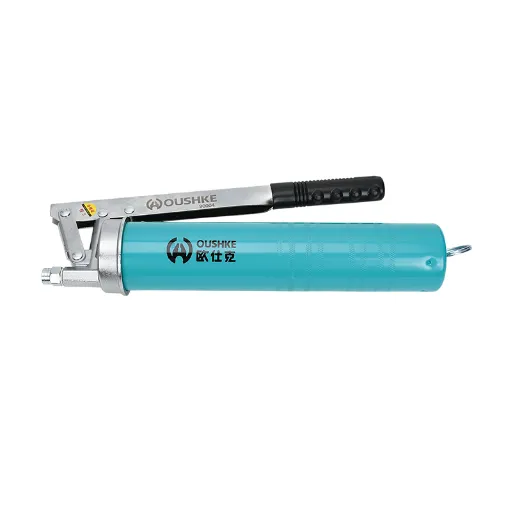
The selection of proper material for grease fittings establishes their lifespan which matches the operational period of their installed equipment.
Zinc-Plated Carbon Steel
Zinc-plated carbon steel serves as the primary material selection for industrial and automotive purposes. The zinc coating creates a protective shield that prevents rust formation and oxidation damage.
Clear zinc plating offers basic protection. Yellow zinc plating, also called chromate or dichromate, provides enhanced corrosion resistance. This material serves as a budget-friendly option that works well in dry indoor spaces, garages, and outdoor areas that follow standard usage patterns.
Stainless Steel
Stainless steel fittings provide better corrosion protection than both plated carbon steel and stainless steel materials. The Grade 304 alloy demonstrates good performance in most operational conditions. The Grade 316 alloy delivers complete protection against chemicals, which makes it suitable for use in marine food processing operations and chemical plant facilities.
Stainless steel fittings cost more upfront but reduce replacement frequency in harsh environments. The equipment proves essential for locations that experience constant washdowns and saltwater exposure and chemical contact.
Brass
Brass fittings are used for specific applications that require easy machining or compatibility with certain materials. The material provides adequate corrosion protection for non-industrial spaces while serving as an attractive option for decorative items and special equipment.
Brass material possesses greater softness than steel, which makes it unsuitable for applications that require high-pressure performance or heavy-duty usage. The system operates effectively in light-duty situations, which require low pressure and material compatibility.
Material Selection Guide
| Material | Best For | Avoid |
|---|---|---|
| Zinc-plated carbon steel | Standard industrial, automotive, dry environments | Marine, chemical, food-grade |
| Stainless steel 304 | General outdoor, moderate corrosion | Extreme chemical exposure |
| Stainless steel 316 | Marine, food processing, chemicals | Budget-constrained projects |
| Brass | Light-duty, specialized compatibility | High pressure, heavy wear |
Grease Gun Couplers and Accessories

The fitting on the machine is only one side of the connection. The coupler on the grease gun must match the fitting head style for proper grease delivery.
Standard Hydraulic Couplers
Standard four-jaw couplers fit most Zerk fittings. They snap onto the bulb-shaped head and create a seal under pressure. These are the most common couplers and should be part of any basic grease gun setup.
Button Head Couplers
Button head couplers are larger and slide over the wide, flat head of button head fittings. A standard snap-on coupler will not work with button head fittings. Using the wrong coupler will result in poor grease flow and coupler damage.
Needle Nozzles and Flush Fitting Adapters
Needle nozzles have a long, thin tip that presses into the small center port of flush fittings. They are also useful for U-joints and very tight spaces where a standard coupler cannot reach.
Angle Adapters and Swivel Couplers
Right-angle couplers and swivel adapters help access fittings in confined spaces. The swivel coupler enables 360-degree rotation, which lets the grease gun operator reach the equipment from any angle. The system enhances accessibility for engine compartments and machinery frames because it prevents hose kinking.
Hose Assemblies and Extensions
Grease gun flexible whip hoses extend reach while decreasing operator fatigue during extended maintenance work. Rigid extension pipes provide extra length for recessed fittings. High-pressure hose assemblies require users to match their specific PSI rating with the intended application.
How to Choose the Right Grease Fitting
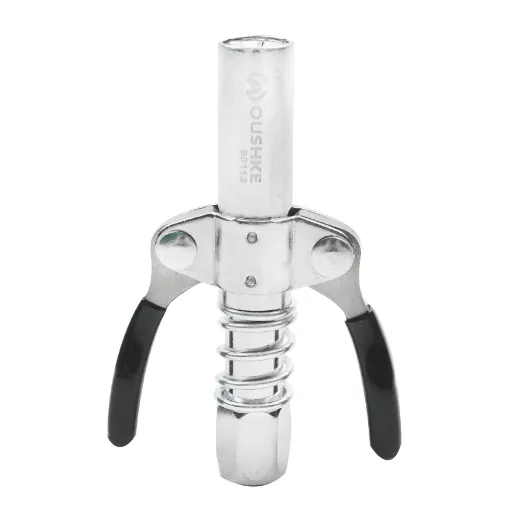
The evaluation process for selecting appropriate grease fittings starts with three main aspects: equipment specifications, environmental conditions, and maintenance procedures.
Assess Accessibility and Clearance
The first step requires you to examine the lubrication point’s surrounding physical environment. The most straightforward option for accessible fittings that can be easily reached through direct exposure requires a straight Zerk fitting. When direct access to a fitting becomes blocked by guards or frames, or other equipment components, an operator must use an angled fitting which operates at 45 or 90-degree angles.
The application requires a flush-type fitting when the installation needs to remain hidden beneath surfaces because of moving equipment. A remote line extension should be used to create an access point that leads to a more practical operating zone within the extremely confined work area.
Match Pressure and Flow Requirements
Most manual grease guns produce pressure that standard hydraulic Zerks can handle. Button head fittings are the better choice for large bearings that need high grease volume quickly. Fittings must have specific pressure ratings that match the requirements of high-pressure systems.
The use of standard fittings in high-pressure applications creates a risk that leads to either blowout or coupler failure. The pressure rating exists for both the fitting and the grease gun so you must check it before using them.
Consider Environmental Factors
Zinc-plated carbon steel fittings remain suitable for indoor equipment that operates in dry conditions. Stainless steel becomes necessary for outdoor machinery, marine equipment, and food processing lines. Temperature extremes should also be taken into account. Some materials become brittle in very cold conditions.
Plan for Installation Method
Permanent installations use threaded fittings as their default connection method. The system requires a hole that has been pre-drilled and tapped. Self-tapping fittings and drive-type fittings serve as replacement options when tapping proves too challenging. Threaded fittings provide superior security because they resist vibration-induced loosening more effectively than other methods.
The most dependable solution for high-vibration construction and mining environments involves using threaded fittings, which include thread-locking compound.
Sourcing Grease Fittings from China

The global grease fittings market is growing at 6.5% CAGR. 67.8% of total demand comes from commercial and industrial applications. Established manufacturing regions provide distributors and brand owners with major benefits through their ability to deliver products at lower costs and higher customization options.
Key Manufacturing Regions
China operates multiple centralized production facilities that focus on manufacturing grease fittings together with their associated components.
Zhuji, Zhejiang, is a major center for dedicated grease fitting manufacturers. The region specializes in precision-machined fittings, grease nipples, and lubrication accessories. European, North American, and Middle Eastern markets receive supplies from many factories in Zhuji, which have operated for multiple decades.
The cities of Ningbo in Zhejiang and Dongguan in Guangdong maintain strong precision hardware manufacturing operations. These regions excel in CNC machining and custom fabrication, making them suitable for OEM and specialized orders.
Quality Standards and Certifications
Reliable manufacturers follow international standards. Look for suppliers that comply with:
- ISO 9001 quality management systems
- DIN 71412 for metric grease nipples
- SAE J534 for standard grease fittings
- RoHS compliance for restricted substance control
Request certification documents and material test reports before placing large orders.
OEM and Customization Capabilities
Chinese manufacturers provide complete OEM solutions, which include custom threading and special materials, custom packaging, and private labeling. Tool brand owners can establish a branded grease fitting line without the need for manufacturing facilities through this service.
Shanghai Oushike produces standard and custom grease nipples. Our OEM services allow tool brand owners to customize grease fittings with their own branding, packaging, and specifications.
Pricing and MOQs
Standard carbon steel grease nipples typically start at $0.01 to $0.03 per piece at volume quantities. The pricing for stainless steel and custom OEM products starts at $0.09 and can reach $0.50 or higher based on the product specifications.
Minimum order quantities vary. Standard zinc-plated fittings often require 1,000 pieces or more. The manufacturer determines custom stainless steel fittings’ MOQs, which can range from 5 to 100 pieces.
Supplier Verification Tips
When evaluating a new grease fitting supplier, consider these steps:
- Request product samples for thread accuracy and material verification.
- Ask for factory audit reports or third-party inspection certificates.
- Verify how long the supplier has been manufacturing grease fittings specifically.
- Check their export experience to your target market.
- Request references from existing long-term customers.
- Test a small trial order before committing to large volumes.
A reliable supplier will provide clear documentation, consistent sample quality, and transparent communication about lead times and capabilities.
Quality Control in Grease Fitting Manufacturing
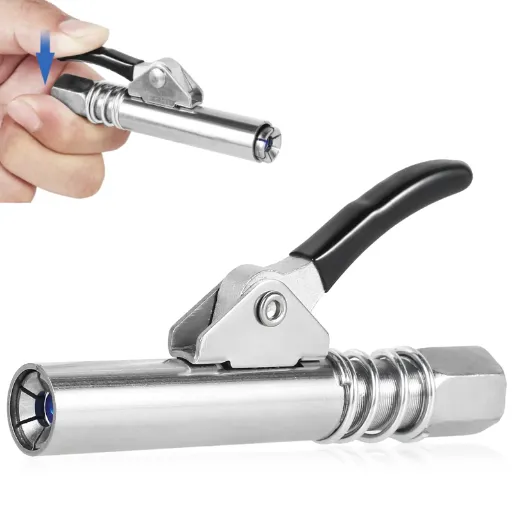
The difference between professional-grade fittings and regular products that experience early failures stems from their ability to maintain consistent product quality. Manufacturers must understand which quality control measures to implement because this knowledge enables buyers to assess suppliers while establishing their product quality requirements.
Thread Accuracy and Tolerance Testing
Thread accuracy serves as the essential requirement for testing purposes. Any pitch or diameter shift will result in either leaks or cross-threading issues. Quality manufacturers use thread gauges and go/no-go gauges to verify every batch. Some facilities use optical measurement systems for precision verification.
Material Verification
The process of raw material verification prevents the use of deficient metals throughout the manufacturing process. Reliable suppliers conduct tests on incoming materials to determine their chemical makeup and mechanical strength. The verification process for stainless steel needs to confirm its grade, which must match either the 304 or the 316 standards.
Pressure Testing and Ball Check Valve Function
Every grease fitting must seal properly under pressure. Manufacturers test the ball check valve function by applying grease pressure and verifying the ball retracts and reseats correctly. The pressure test proves that the fitting maintains a complete seal, which prevents any contamination from entering the system.
Surface Finish and Plating Quality
The rate of corrosion protection depends on both plating thickness and adhesion strength. Quality control includes visual inspection for uniform plating, absence of cracks or bubbles, and salt spray testing for corrosion resistance on plated parts.
Shanghai Oushike follows strict quality control procedures throughout each production step. Our process includes checking raw materials, measuring products during machining, testing pressure, and conducting the final visual inspection before we package products. The multi-stage system we use guarantees that all products will maintain matching performance standards throughout the entire production process.
Conclusion
The small size of grease gun fittings creates a major effect, which helps equipment maintain its reliability. Proper lubrication and extended machinery lifespan result from selecting the appropriate type and thread size, and material for the application.
The essential points for understanding must be remembered throughout this document:
- The application requirements and accessibility options determine which fitting type should be used.
- The thread standards must be verified through detailed examination before the ordering process begins.
- The selection of materials should be based on the specific conditions of their operational environment.
- The appropriate coupler must be used to match the specific fitting head style.
- Companies should obtain products from manufacturers who demonstrate consistent control over their quality assurance processes.
The increasing need for maintenance equipment creates an excellent business opportunity that distributors and brand owners can take advantage of. The global grease gun market alone reached $1.81 billion in 2026, and the fittings segment continues to expand alongside it.
If you are looking for a reliable grease fitting manufacturer, we can help. Contact us today to discuss your specifications, request samples, or receive a quote for bulk or OEM orders. We support businesses with factory-direct pricing, flexible MOQs, and consistent quality control.