

Best Pipe Cutters: Copper, PVC & Steel Cutting Tools
When it comes to working with the pipe, it is unavoidable to have the right tools if one seeks to be precise and time efficient. Among these tools, pipe cutters are the most efficient tools ever produced for making clean and accurate cuts on different materials like copper, PVC, and steel. No matter if you are a professional or a person who prefers to do the cutting at home, the choice of the right pipe cutter for a particular material and a particular job can have a major impact on the overall quality of your job in a good way. In this guide, we are going to check out the best pipe cutters available in the market so as to overcome materials with ease and at a fast rate. Besides, this guide will also point out not only the unique features and strengths of the pipe cutter but also give you recommendations for the best use to help you make the correct decision with the right information.
Introduction to Pipe Cutters
Pipe cutters are the kind of tools that one would need when getting a clean and precise cut is the absolute priority, when dealing with different kinds of pipe materials that include copper, PVC, steel, and aluminum. The way they work is that they clamp onto the pipe, and then the cutting blade or the wheel will split the material with little to no effort from the operator. The pipe cutters compared to saws or any other tools are indeed the best when it comes to the accuracy of the cut, minimal material damage, and the smoothest edges, and thus they are indispensable in plumbing, construction, and other fitting applications. The new-fashioned models also possess characteristics such as comfortable handrails, adjustable size, and lightness of the whole structure, thereby increasing the user’s satisfaction and effectiveness.
What is a Pipe Cutter?
Pipe cutters are specialized tools that are expressly made to be multi-purpose, cutting copper, PVC, steel, and stainless steel. Regarding their mode of operation and field of use, they are of various kinds. The one with the ratchet is perfect for larger PVC or plastic pipes, as the mechanism of it enables pressure to be controlled and clean cuts to be made. Tube cutters, on the other hand, are for metal tubes like copper and aluminum, cutting with no more and places the deburring tool also usually after the reverse side where the burrs are easily removed. Wheel cutting pipe cutters that utilize a rotating blade are fit for steel or other such materials that are hard to cut, and they ensure no or very little deformation. The construction of each kind of pipe cutter has been such that the operator’s work has become faster and more accurate, while making the choice of pipe cutting is adapted to the specified material and size.
Importance of Choosing the Right Pipe Cutter
Pipe cutters come in different types and sizes, and the relevance of the pipe cutter must be taken into account for its ability to perform the neatest work while keeping the material untouched and being highly precise. Due to the fact that an improperly selected cutter can lead to deterioration, distortion, or safety hazards, it is crucial to make such a decision very carefully. Also, figures show that the tendency for material wastage and delays in project completion is being exacerbated by the tool selection mistake by as much as 30%, especially in the industrial and construction fields.
For example, a plastic pipe needs a ratcheting plastic cutter to prevent cracks, but using a wheel-cut pipe cutter, you can get fractures which are fits for such a material. Furthermore, the heavy steel pipes are usually cut with the help of the cutter that has a hardened steel blade that penetrates the material easily and does not wear out quickly. Hence, in practice, efficiency, waste reduction, and consistently high-quality finishes, necessary both as far as aesthetics and functionality are concerned, can be attained by the cutter proper for each application being selected by operators.
Overview of Pipe Cutting Tools
Types of Pipe Cutters
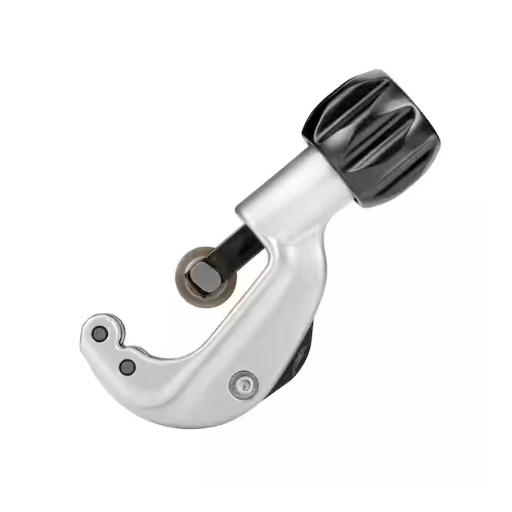
Pipe cutters are specially crafted tools that are made for the sole purpose of cutting materials such as copper, PVC, and steel very economically and accurately. The following are the main types:
- Copper Pipe Cutters:
Tools like these usually use wheels or tubing cutters; the chief aim of the following conversation is to make these cutters create nice, burr-free cuts on the copper tubing; hence, they will be perfect for plumbing.
- PVC Pipe Cutters:
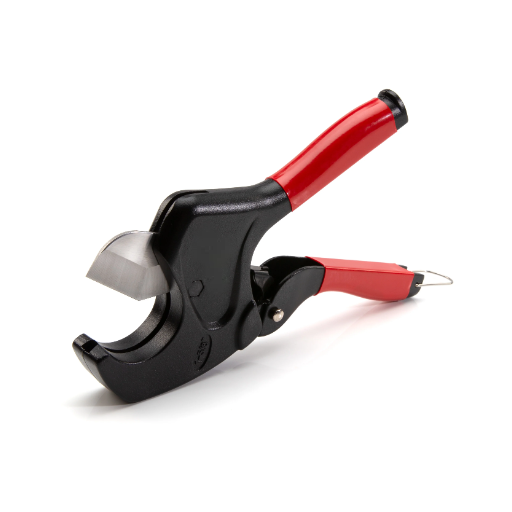
Effective and fast in cutting the PVC pipes with a ratcheting mechanism or scissor-style blades are the PVC pipe cutters. The cut edges are not only smooth and straight, but also the tools work best for the lightweight materials of PVC and CPVC.
- Steel Pipe Cutters:
Steel pipe cutters are tough cutters that have a wheel that rotates and cuts through the metal pipes. They give very good results and are made to take in the toughest of materials such as galvanized steel or iron
Every type has its own uses with it and in its own way of results when using the cutter.
Copper Tubing Cutters
The copper pipe cutters are the tools that are designed especially for the precision cutting of copper pipes used in plumbing, HVAC systems, and other applications. They usually have a cutting wheel rotating around the tubing which delivers a smooth, clean cut without the pipe getting deformed, thus guaranteeing the best possible function and a tight fit for the connections. The more sophisticated copper tubing cutters can also have an ergonomic shape for the user to feel comfortable, are easy to adjust, and have the reaming component already included in order to get rid of the burs.
The present-day designs, to be specific, give prominence to the durability of the tool, producing hardness of the cutting wheel and the anti-rust materials used for the parts of the cutter to control a string of long life and higher performance. It is a must to have a look at the job requirements which involve the strength of the tubing, precision requirements, and the convenience with which the cutter can be operated before one goes for a copper tubing cutter.
PVC Pipe Cutters
PVC pipe cutters are a gadget that is manufactured for the cutting of PVC pipes, in a simple, easy, and hassle-free manner. Objects in this case come with a ratcheting method usually allowing the cutting process to be very smooth and devoid of any pressure, thus the pipe is not crushed or deformed in any way. The best of the PVC pipe cutters come with very sharp and corrosion-resistant blades made of hardened steel, which make it possible to repeatedly cut different pipe sizes over a long period of time.
The cutting capacities of the available models vary from 1/2 inch to over 2 inches, which consequently results in the versatility of residential, commercial, and industrial applications. Important factors to be taken into consideration when selecting a PVC pipe cutter are the type of pipe material, the wall thickness, and the frequency of use, which all affect the cutter performance and consequently the life of the tool. Also, some of the latest features are in the form of a more ergonomic handle and a mechanism for quick release, which promise the comfort and efficiency of the user during prolonged use. Proper maintenance also plays a vital role when these cutters are approved for such things as coming out with precise cuts and, at the same time, operating very effectively for many applications.
Steel Pipe Cutters
Steel pipe cutters are tools that are mechanically designed to provide extreme accuracy in the field of cutting different categories of steel pipes which are carbon steel, stainless steel, and galvanized steel. The tool has cutters who can manage the hardness and durability of steel and they do it having hard steel cutting wheels or blades most of the time which provide a nice and neat cut without bothering to break the burr. A very important aspect of the usage of cutting devices is the fact that steel pipe cutters can keep the structure intact while decreasing the distortion in the cutting process.
Innovative designs mostly consist of notches or hydraulically operated systems. Their aim is to give more control thus decrease the tiredness of the operator especially when the task is repetitive. Being different versions, the steel pipe cutters come in such a way that users in various industries which include construction, plumbing, and manufacturing find the product useful in their different operations. The users need to assess certain attributes like the size of the pipe and the thickness that is possible to be cut, according to the use. Additional features like ability to automatically center and the setting of torque at different levels not only improve the accuracy and speed of the cutting process but also make the tools quite useful while dealing with new steel alloys of high quality.
Features to Consider When Choosing a Pipe Cutter
-
1
Material Compatibility
Ensure that the pipe cutter is made for handling the same materials that you do, for instance, copper, PVC, or even stainless steel. Their capabilities, as well as the models, may cause issues if no proper selection is made, whereas precision could be compromised or the tool could be defective.
-
2
Cutting Capacity
Check the cutting capacity or the range of diameters a pipe cutter can cut. Pipe cutters come in different sizes to meet the demands of the projects they are for.
-
3
Construction and Durability
Among other factors, the longevity of the cutter is secured by the materials with which it is made, such as strong metal or alloys with added strength for the cutter. During frequent or heavy work, the tough construction of the tool is of utmost importance.
-
4
Ease of Operation
One can identify ergonomic properties, e.g. as soft grips and fine-tuning, which not only minimize the user`s fatigue but also give the user good comfort. The advantage of models which have a quick adjustment can also be seen from the standpoint of saving time during the work.
-
5
Accuracy and Clean Cuts
The installation must be done with great accuracy to avoid any cracks. In the presence of features that permit changes in tension or with a guide that comes integrated, operating the cuts can be done almost perfectly with less stress to the tube.
Blade Material and Design
The blade material and design of a pipe cutter are the main factors to consider and these factors massively determine the performance, durability, and versatility of the tool for cutting materials like copper, PVC, and steel. The best pipe cutters often have blades made of hardened or alloy steel which ensures high strength and resistance to wear and corrosion. For those applications that require precision in copper pipes, the best choice is blades of smooth-edged, high-carbon steel, as they allow you to make burr-free cuts without harm to the material.
PVC pipe cutters will mostly have blades with non-stick coatings (e.g., Teflon), so that the cutting edges touch with very little force and do not attract any material. As a result, these cutters will be more versatile in their operations when they are going through the jelly-like and more yielding materials. On the contrary, even the mere cutting of the steel pipes requires toughened blades such as tungsten carbide-tipped edges for the high stresses and frequent use on dense, rigid materials so that the edges do not wear out relatively soon.
Moreover, the orientation of the blade is another major factor that determines the operational efficiency. Ratcheting pipe cutters are geared with angular, sharpened blades to increase the cutting power, especially for the heavier materials, whereas rotary cutters come with circular blades which make it possible to have a very gradual, controlled cut. In some cases, the high-end models have blades that can be easily replaced, thus, maintenance is practical and cost-effective in the long run. The usage of these design principles will make the cutter work at its best, no matter what the workload differences are.
Size and Portability
The dimension and transportability of pipe cutters are among the key aspects that determine how convenient or user-friendly it is to work with them, especially in small or difficult-to-reach spaces. Most of the time, compact pipe cutters are made for copper and PVC pipes; they are hardened by the material, and usually are of little weight and very ergonomic, so that their maneuverability is enhanced. Therefore, the pipe cutters are valuable to work with for plumbers or other technicians. Who is in the case of having to work in an area where there is not plenty of room to move in like the kitchen sink cabinet or under a floor cavity.
To cut larger steel pipes, there is a need for heavy-duty cutters, which, in addition to being more robust in terms of construction and possibly having handles that are elongated or telescopic. These tools are a source of mechanical advantage for cutting materials that are denser; however, manufacturers have now made available foldable or collapsible types of these tools in order to retain the power of cutting while they become more portable. There are also other further steps such as the idea of utilizing the carrying hooks and the storage cases so that the tools can be delivered and stored as they should be.
In general, the manufacturers are giving more importance to the consideration of a proper balance between ergonomic and tool performance by taking the materials usage of high-strength aluminum alloys as a major technique hence reducing the overall weight thereby still maintaining the structural stability. In this way, the innovations that are being made are responsible for the fact that the professional-grade cutters keep becoming more and more functional and handy to work with in a wide range of industrial and residential environments.
Cutting Capacity and Adjustability
Pipe cutters that are being introduced today are designed for multi-material applications and are, therefore, capable of handling copper, PVC, and steel with sizes that meet different needs in both the industrial and residential sectors. In the case of copper pipes, most cutters are indeed designed to work with a range of pipe diameters from 1/8 inch to 2 inches, a range that also fits both plumbing and HVAC applications. Furthermore, the PVC pipe cutters, more often than not, are with ratcheting devices and can adequately cut through pipes of 2-1/2 inches or greater, depending upon the model.
Steel pipe cutters with their sturdy build are usually fit for the heaviest tasks the most. And they can be found in some types which operate diameters beyond 3 inches. The flexible cutting mechanism wipes out any burr and allows the tool to cut different pipe sizes, many times with the help of quick-change systems or ergonomic knobs which facilitate moving from one diameter to the other. Besides, the presence of either one of the innovative features, such as telescoping arms or the auto-locking system, can help significantly when the issue of reduced space or difficult location arises. The said instruments are representing the efficiency and adaptability principle which would enable all industries to meet the challenges of the most sophisticated process requirement with the ideal process.
Heavy-Duty Pipe Cutters
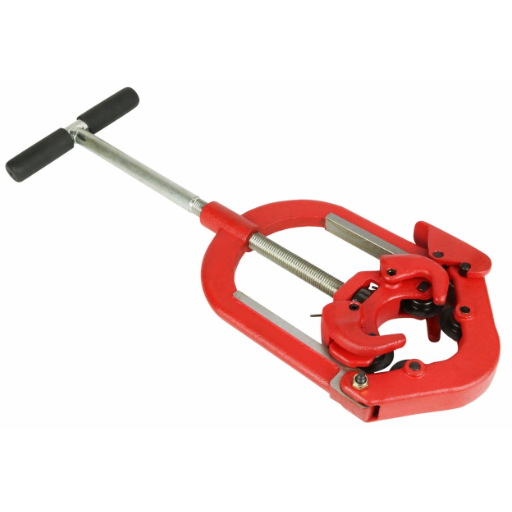
Pipe cutting machines which are heavy duty have been designed specifically to cut through different materials very accurately and efficiently. They are generally used for cutting materials such as steel, stainless steel, cast iron, copper, and aluminum. Also, some of them can even handle PVC as well as other plastics reinforced with fiberglass. Reality check: the output quality is inextricably tied to choosing the right tool which refers not only to the hardness and thickness of the material but also to getting the right blade and maintaining the cutter. The manual of the manufacturer should be consulted for a list of all the safe materials.
Features of Heavy-Duty Pipe Cutters
-
1
High-Grade Blade Material
The pipe cutters engineered to withstand punishing working conditions are outfitted with materials like hardened steel or tungsten carbide, which are very durable and permit the user to make very precise cuts on even the very hard materials like stainless steel and cast iron. The blades made from tungsten carbide, in particular, would be the most cost-effective choice as they would be still sharp after as many as 10,000 cycles if used properly.
-
2
Adjustable Cutting Capacity
Most of the pipe cutters that are referred to can cater to a broad range of pipe diameters starting from 1/8 inch to 2 inches (3 mm to 50 mm) and more, based on the model. They are equipped with adjustable mechanisms that ensure the clamping is tight and the application is accurate for use with both thin-walled and thick-walled pipes.
-
3
Ergonomic Design
A large majority of heavy-duty pipe cutters have been equipped with ergonomic handles that come with an anti-slip covering. This greatly enhances the user’s comfort during use, which is at the end minute. The designs not only minimize user fatigue that arises from the hands but also ensure a very firm grip, which in turn, makes the tool safer to use.
-
4
Quick-Release Mechanism
The quick-release feature of the heavy-duty pipe cutters allows the user to make faster adjustments, thereby helping to switch between different pipe sizes conveniently without the necessity to do a manual readjustment on the blade or cutting wheel.
-
5
Built-in Deburring Tool
One of the variations of the pipe cutters is the ones that include an integrated deburring tool, this model, which is effectively killing two birds with one stone, will enhance the workflow nuances by not having to use an additional deburring tool.
-
6
Corrosion-Resistant Coating
The body of the majority of heavy-duty pipe cutters is typically treated with an anti-corrosive coating, like powder coating or chrome plating, in order to boost the tool’s life expectancy. This is a must-have feature for tools that are used in moist conditions or frequently used in plumbing applications.
Applications for Heavy-Duty Pipe Cutter
-
1
Plumbing and Pipe Installation
Heavy-duty pipe cutters are very important in plumbing works that involve the precise cutting of pipes to make leak-proof installations. They are extremely good at cutting the materials such as PVC, copper, and stainless steel that are commonly used in residential and industrial plumbing systems.
-
2
HVAC Systems
HVAC (heating, ventilation, and air conditioning) installations generally necessitate the use of pipe cutters for accurate and clean cuts on refrigerants, water, and other fluid-carrying pipes which will make the installation’s pipes fitting compatible.
-
2
Industrial Manufacturing
The types of pipe cutters which are utilized in industrial areas are those which can handle heavy-duty tasks. Mostly employed for cutting of pipes of assorted materials and diameters, they are the best in the precision and efficiency of waste reduction during processing and thus also in quality control over large-scale productions.
-
4
Automotive Repair
Pipe cutters are usually used by automotive technicians for exhaust system maintenance and repair jobs since they are very important tools. These cutters are also able to make the precision cutting of metal pipes a very simple job, which guarantees that the replacement parts will be properly fitted and function properly.
-
5
Oil and Gas Operations
Heavy-duty pipe cutters, being built to stand up to tough and strong materials are quite common in the oil and gas sector for cutting pipelines made of carbon steel or stainless steel. They are essential for all kinds of maintenance, repair, and installation work in this field.
-
6
Construction Projects
Pipe cutters are being frequently used in the projects on the engineering sites, as they are those machines responsible for the final measurement and adjustment of pipes to be used in the plumbing, drainage, and gas systems. The feature that provides the cut to be made smooth with no burr is the most essential one for the work to be fast and of a low error rate, and that is achieved by the use of these cutters.
Maintenance and Care for Pipe Cutters
-
1
Regular Cleaning
Each time the pipe cutter is used, the utmost care should be taken to remove all kinds of debris, dust, metal particles, and so on from the cutter. This is an important upkeep measure, which, if not done, is sure to lead to a decreasing of the cutter’s performance.
-
2
Inspect Cutting Wheel
Always check the cutting wheel for the smallest indications of wear and tear. Once it is deemed to have lost its edge to provide clean cuts, the wheel must be replaced quickly to maintain the same results.
-
3
Lubrication
To ensure the joints move without any trouble and the equipment does not get rusty, make it a point to oil the joints with a thin layer of machine oil very often, if not always.
-
4
Proper Storage
To prevent the exposure to moisture and extreme temperatures, the pipe cutters have to be kept in a dry and cool place.
-
5
Use as Intended
Don’t misuse the pipe cutters in any case; otherwise, damage or equipment failure can be caused due to the wear and tear in a short timespan.
Cleaning and Lubricating Your Pipe Cutter
Proper care of your pipe cutter is very important as it will help in getting same results and in extending the operational life. It is a must to clean the tool after every use to get rid of metal shavings, cutting debris, and any dirt that might be deposited, which can be a problem with the flow. Start the cleaning process by taking apart the parts that are removable, if any, this way you can do a thorough cleaning of the parts. Use a soft-bristle brush or compressed air to remove the dust particles completely and ensure that no residue is left in the cutting mechanism.
In order to properly lubricate the pipe cutter, pick a good-quality, and non-corrosive lubricant which is also suitable for metal tools. Apply small amounts of lubricant to the areas such as the cutting wheel axle and adjustment threads that move, and at the same time, make sure that there is no such thing as too much lubricant. By lubricating the tool on a regular basis, one can minimize the problem of wear due to friction and not only this but also improve the overall precision of the tool. After a complete cycle of cleaning and lubricating, a clean, and dry cloth can be used to wipe the surface so as not to retain any moisture and reassemble the pipe cutter. These practices when made part of routine maintenance will improve the performance of the tool and lower the risk of equipment failure.
Storage Recommendations
Having a pipe cutter well stored is very important, since this way its workability can be maintained and its life span can be prolonged. The most important factor in this respect is to keep the corrosion away, for this reason in particular, therefore the appliance should be held in dry and non-humid airy surroundings. Picking up the habit of using cases or toolboxes made of crumpled foam is one of the most effective ways to make the cutter survive any accidental hits it might have. Another point worth observing is that the blade and the side angles are always covered or retracted to prevent not only their quick wearing off but also cut-related injuries.
Moreover, when dealing with a very moist area, consider putting the silica gel packs into the storage container to absorb the humidity. Besides, check the storage area on a regular basis to see if it has no moisture and dirt accumulated in it, for these can cause the cutter to damage over time. In case of conducting all the safeguards, the subject pipe cutter will be in the best condition and therefore there will be a less frequent need for its replacement or repair.
When to Replace Your Pipe Cutter
When the cutter cannot cut pipes efficiently or a replacement cutter is no longer working well, it is time to get a new one. A reliable guide to tell you that you need to replace the cutter are signs of the blade or the whole product being used up, such as too many troubles in cutting or dulling which is not relieved by having the blade re-sharpened or by doing time, money and material-consuming maintenance. Also, the damaged cutting-wheel which is chipped, cracked, or bent too much and does not cut at the point of the cutting line, should be a clear sign of the need to look for a new one.
A bent-frames problem or an adjustment-mechanism malfunction are the problems that fall under the structural body damage to a cutter and should be treated as a top priority, as these issues are somehow both safety and functions issues. The continuous operation of a cutter that has damage might result in lessened work quality and injury. It is not good to neglect the pipes cutting life. It is usually to a user’s significant advantage to scrutinize the manufacturer’s suggested cutter operating life length under normal conditions; the greenhouse data rules violation may decrease the overall performance of the product. Hence, by watching those parameters, the users might be able to achieve very constant and highest quality, [thus] project right-on-time job interruptions minimized.
Reference Sources
- Design of an Automated Poly-Vinyl Chloride (PVC) Pipe Cutting Machine
Read more here - Design and Fabrication of PVC Pipe Cutting Machine with Hot Wire Mechanism
Read more here - Streamlining Intelligence Design and Fabrication of Artificial Intelligence Based Robotic PVC Pipe Cutting Machine
Read more here