
Get in touch

Contact Form Demo
Understanding Hammers

Claw Hammer vs Rip Hammer: Which One to Choose

When it comes to choosing the right hammer for your toolbox, the debate usually revolves around two main options: the claw hammer and the rip hammer. Even though these tools might look quite similar, they have different purposes and each of them excels in different scenarios. Whether you are a professional construction worker or just a DIY enthusiast doing small repairs at home, it is very essential for you to know the differences between these two kinds of hammers. This guide will reveal their characteristics, pros and cons, and the right applications, thus enabling you to determine which one is more suitable for your needs. So keep reading to ensure that you are making a well-informed decision regarding this basic tool in your participant’s kit.

Understanding Hammers

Understanding Hammers

What is a Hammer?

A hammer is a user-friendly tool specifically devised for dealing with and transferring enormous impacts, generally for purposes like driving nails, reshaping materials, or tearing them apart. The apparatus features a metal head that is large and strong, probably made of metal, and coupled with a long stick or handle that allows the user to have better control over the swinging and hitting process. There is a wide variety of hammers manufactured in different shapes and sizes based on their application such as claw hammers for extracting nails or sledgehammers for bringing down a wall. This multipurpose tool is of primary necessity in various sectors such as construction, carpentry, and even gardening because of its user-friendly nature, reliability, and productivity.

Hammer Types

Hammers are classified according to their functionality, design, and area of application. Below are some of the most common and specialized hammers found in different industries:

Claw Hammer: Universally acknowledged and utilized for simple carpentry works, the claw hammer possesses a sufficiently curved head that serves two purposes—the first one is driving the nails into the materials and the second one is withdrawing them with the claw end.
Sledgehammer: The sledgehammer, which is defined by its hefty weight and long handle, is ideal for severe, or in other words, breaking of concrete, driving in of stakes, etc., or demolishing all kinds of materials. The power brought by the design is allied with the efficiency meant for the building and industrial fields.
Ball-Peen Hammer: The ball-peen hammer, with its round head, is widely used in metalworking where it is applied for shaping metal and at the same time marking or cutting with a punch or chisel. It is also frequently employed for the production of rivets.
Dead Blow Hammer: This type of hammer is constructed to lessen the rebound and to offer a controlled impact, with the head filled with either sand or shot. It caters the delicacy of automotive work or assembly where precision is of utmost importance in the application.
Rubber Mallet: The hammer has a head that is soft and made of rubber and its use is in situations where an impact not causing a mark is required. Typical applications are furniture trade, sheet metal working, and the green area.
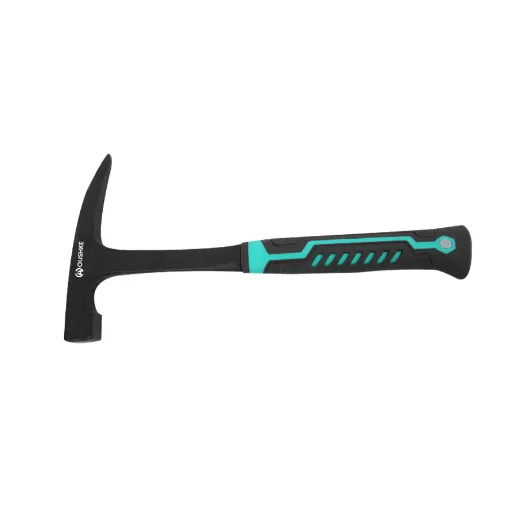
Brick Hammer: The brick hammer, which is intended for masonry tasks, has two characteristics—a flat face for striking and a chisel-like edge on the other side for cutting or scoring bricks.
Framing Hammer: Designed for power nail-driving and framing work, this hammer is longer in both the handle and the face, which is usually milled to prevent slipping when driving nails.
Tack Hammer: The ideal hammer for driving small tacks or nails in highly precise tasks such as upholstery or crafts is lightweight and equipped with a magnetic head.

The range of hammers indicates the various methods of performing the tasks—choosing the appropriate hammer enables the combination of both efficiency and precision. The correct type of hammer is vital for the intended use whether it is building or dismantling, precision metalworking or simply minor household repairs.

The Importance of Hammer Selection

It is mandatory to choose the right hammer if one desires to work with efficiency, precision, and safety in the case of every job. Each hammer type is designed in such a way that the performance is optimized to being the least damaging to the materials and safest for the users. A framing hammer, for example, is able to provide a heavy construction site with the required force and strength while a delicate tack hammer does the opposite and thus, is best suited for precision work like upholstery. It is often the improper use of a hammer that is wrong for the job that leads to unintended results such as causing damage to the material, being inefficient, or the structure losing its strength. Thus, being aware of the purpose and design of each hammer will not only help one achieve the desired results but also enhance the overall success of the project.

Claw Hammer Overview

Claw Hammer Overview

Features of a Claw Hammer

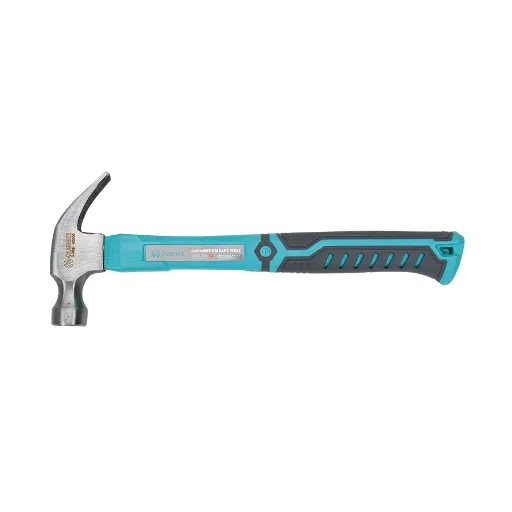
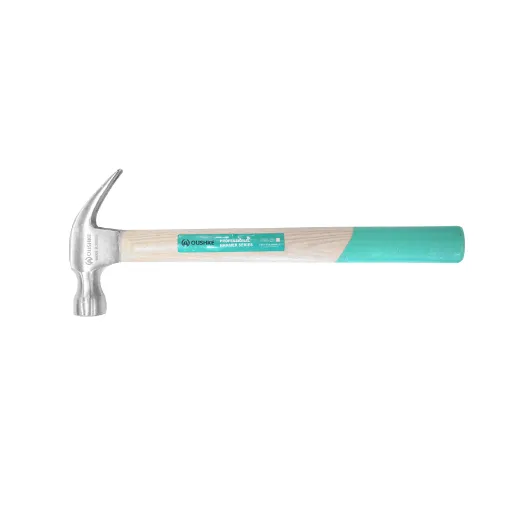
A claw hammer is primarily known for its head which has two roles, on one side is a flat striking surface and on the other a rounded split claw. The striking surface is meant for hammering nails or, if the case may be, applying force to the materials, while the claw provides support for pulling out nails or separating the materials. The head, usually made of hard steel for strength and durability, is always securely attached to a handle made of wood, fiberglass, or steel, the latter two being better absorbers of shock and giving different grips. This multifunctional design is what makes the hammer a necessary tool for many carpentry works, construction, and even home tasks.

Main Functions of Claw Hammers

Claw hammers are the tools that primarily nail and by precision and efficient extraction of nails from the materials they are the tools that take off such materials. They are at the center of carpentry which includes making frames, erecting wooden structures, and assembling furniture. Moreover, the hammer’s claw part is of great help in uniting the materials that are glued together and removing hard nails, thus it becomes a tool in demolition work. Be it a small home maintenance work or a large construction project’s execution, the hammer’s flexibility assures its main tool status across different uses.

Positive Aspects of Claw Hammers

Claw hammers are full of advantages and one of these is their necessity for many different tasks. The first benefit caused by the versatility of the tool where one can hammer in and pull out nails and also open up, with a little effort, is the flat striking surface and the claw respectively. Their contoured shape is more comfortable to use and thus it makes it less tiring to use hands and arms during longer working sessions. Claw hammers are everywhere in power tools, from the most delicate tasks like furniture assembling to the rough ones requiring no skills such as framing and light demolition. They have the longest service life and the best reliability when going through the process of being tough and invincible. All these characteristics combined make the claw hammer a precious tool for professional builders and the do-it-yourselfers as well.

Rip Hammer Overview

Rip Hammer Overview
Rip Hammer Overview

Features of a Rip Hammer

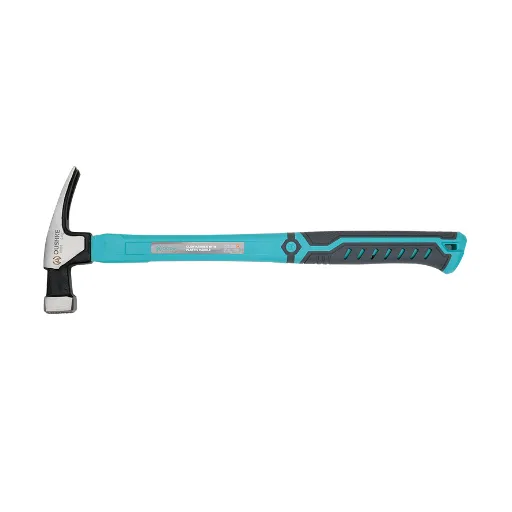
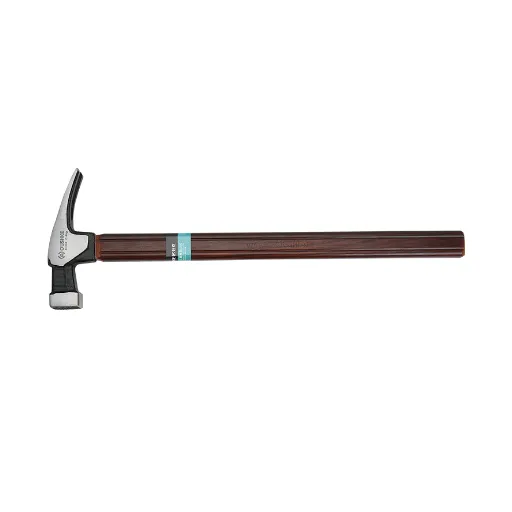
The Rip hammers will not only take on the hardest jobs but also separate materials and demolish buildings with great ease. The straight claw, which is a hallmark of this type of hammer, is a very versatile feature that allows one to take full advantage of it for pulling nails as well as for separating wood pieces. Generally, rip hammers are produced using hard-wearing steel and are also given handles that are ergonomic and equipped with shock-absorbing facilities, thus ensuring their long life and providing comfort to the user even after long usage. The rip hammers are designed in such a way that the distribution of their weight is such that the strikes can be made with the full control, thereby making the hammers a reliable choice for both the construction pros and the tough DIY projects.

Rip Hammers’ Common Uses

Rip hammers are used primarily for demolition and framing work, so they are cutting-edge tools of the construction and renovation industry. The straight claw design makes it possible to use the hammer for separating nailed wood, extracting hidden nails, and dismantling the structures silently. The heavy-duty construction and balanced weight of the hammer allow it to be used to drive nails into various materials easily and accurately. The durability and adaptability of these hammers are the reasons why they are in constant demand in the framing, crates, and temporary structures assembly or disassembly sectors; hence, they are the most important tools for both professionals and DIYers.

Rip Hammers’ Advantages

The first thing that strikes the user about Rip hammers is their solid design and multi-purpose use that bring several advantages. Their ends are the structure of a claw enabling easy removal of nails and at the same time, the hammerhead applies the exact force for driving nails into wood and other surfaces. The hammers are made with materials that are good for their lifetime regardless of how often they are used in difficult conditions. Besides, the ergonomic design allows for weight distribution that lessens the fatigue of users during long tasks. All these traits make rip hammers not only handy but also indispensable in construction, framing, and general repair jobs.

Claw Hammer vs Rip Hammer

Claw Hammer vs Rip Hammer

Difference Between a Claw Hammer and a Rip Hammer

The leading difference between a claw hammer and a rip hammer is the shape and function of their respective claws. A claw hammer has a curved claw attachment that is perfect for extracting nails from wood and other materials with a lot of power and ease, which is more than a straight-clawed hammer gives; the straight claw hammer is mainly for pulling down wood planks and such. Therefore, the claw hammer is an indispensable tool in places where precision is needed, such as in woodworking or simply around the house. On the other hand, the rip hammer has a straight claw that is only meant for demolishing things like wood planks or working in a tear-down scenario. Both tools have some common uses but still, they are very different with regard to their specialized designs; the claw hammer is good for intricate work while the rip hammer is the one to go for in tough construction or demolition situations.

Functionality Comparison

Claw or rip, is best for certain purposes in today’s construction and DIY projects. Because of wood and other surfaces with greater leverage and minimal effort demand from users, the claw hammer still holds the title of the most searched and most used tool for precision such as in where furniture assembly, hanging pictures, or any other tasks that require controlled impact or minimal damage to the material are done. On the contrary, interest in rip hammers has vibrantly increased because of their capability to perform a ton of work in demolition, especially tearing down wooden structures or taking out nails that are already buried in the wood without problems.

The trends indicate also that there is some sort of constant and possibly growing interest in hybrid hammers that merge claw and rip design features and are aimed at making the precision of the task without the use of force compromise at all. These types of tools have already gained a reputation among the general public and contractors as the ideal working tools due to their multifunctionality and at the same time not having to change tools frequently. Moreover, the topic of material flexibility, such as the use of fiberglass or steel hammer shafts, has been a big talking point in online forums where users are justifying their choices of the most durable and comfortable to use tools ergonomically.

Being aware of these differences and the rising trends is a signal to us that we need to be more considerate in our hammer selection choices depending on the task to be performed, the material to be used and the particular preferences of the user.

The Right Hammer for Your Project

Selecting the correct hammer for your task involves a careful consideration of some essential aspects that will help you to get the best result. First, you need to define the kind of work you will do—if it will be framing, finishing, or tearing down—which will directly indicate the required hammer type. Next, consider the hammer’s shaft material; will it be fiberglass for less vibration or steel for maximum durability? You must confirm that it is compatible with your ergonomic and durability preferences. The hammer’s weight should also be determined by the task; for example, heavy hammers are suitable for driving large nails through while light ones are for precise work where control is very important. By doing so, you will not only increase the efficiency of your project but also reduce the operator’s fatigue and receive the best result in project performance.

Conclusion

Conclusion
Conclusion

Final Thoughts on Hammer Selection

Your selection of the hammer must be the one most suitable for the tasks you will be using it for and the design that complies with those needs. In case you are planning to carry out a lot of heavy-duty work, you should pick a hammer that is well-balanced, strong, and to some extent made of steel or some other reinforced material. For the work demanding precision, hammers with ergonomic grips would be a smart choice as they will be lighter and thus will cause less hand fatigue. Always verify the weight and material of the handle to make sure that both comfort and effectiveness are at their highest levels during the operation. This way you will be able to find a hammer that not only matches but also surpasses your expectations regarding performance and durability because it is custom-made for the demands of your project.

When Each Hammer Type Is to Be Used

Among the general woodworking activities such as nailing and de-nailing, a claw hammer is the most versatile tool due to its curved claw. A sledgehammer, with its large size and weight, gives the needed force for heavy-duty jobs such as demolishing walls or driving large stakes. Metal working has a ball-peen hammer which only allows its rounded head to make precise strikes and beakers, thus these hammers are used exclusively in the metalworking field, for example, when shaping metal or inserting rivets. A soft-faced hammer which normally comes with a rubber or plastic head is not an option for delicate jobs where surface damage must be avoided, i.e., furniture assembly or working with soft metals. You can always hammer the most correct type and be both effective and get the best results.

A Summary of Major Differences

When hammer types are compared the most significant differences show up in their design and the purpose they were created for. Claw hammers are versatile and can be used for most common nail-related tasks while the curved claw guarantees that removal will be easy. On the other hand, ball-peen hammers are not only those with a rounded head but also the ones meant for the metalworking field. These hammers are destined for metalworking tasks that include other areas like shaping and working with rivets. Therefore, the hammers’ next attribute is their gentle effect, which makes them indispensable for delicate work like joining sensitive materials without inflicting damage. The right hammer is a question of choosing its particular design that suits the task requirements and thus, there is no need for compromise on both accuracy and speed.

References

  1. Hammers – A detailed discussion on the use of claw hammers in woodworking and their limitations. Read more here.

  2. 4-H Handicraft Manual: Woodwork – This manual explains the proper use of claw hammers for driving and pulling nails. Read more here.

  3. 4-H Woodworking Skills – Provides insights into the structural aspects of hammers and their appropriate applications. Read more here.

Frequently Asked Questions (FAQ)

Rip hammer or claw hammer—what is the best choice for framing work?

Most framing work is suitable for a rip hammer or a framing hammer since the straight rip claw is cleaning and splitting boards plus the head of large nails is mainly the reason. A curved claw hammer with a milled face can be great for finish work or nails that have been sunk when you need little surface damage. A 20 oz to 24 oz framing hammer or even 22 oz rip is what most framers select for heavy-duty framing task while 16 oz smooth face claw hammer in case of avoiding marring, is what carpenters doing interior trim may use. The material of the handle is significant: steel, fiberglass, and hickory wood handle options differ in shock absorption and fatigue lessening throughout a long day. The selection of brands such as Estwing and Vaughn in the framing hammer lines reveals the general preference of Estwing’s one-piece steel design and some users liking wood or fiberglass handles for comfort. If you frequently slide off a roof or are working up there, then the hammer balance and tool belt fit to prevent slipping and overstrike problems are factors that must be taken into account.

Can a curved claw hammer do the same thing in tight corners like a rip claw hammer does—nail pulling?

The curved claw hammer would be the one that provides more leverage for pulling nails however it might be in tight corners where it could be harder to position than a straight rip claw. Straight rip claws are thinner; thus, nail removal in tight corners or cramped spaces is made easier as well as using a cat’s paw to start a stubborn nail. When the spot is tight, A rip hammer or a short-handled hammer and narrow claw type are frequently suggested for the job. Would you prefer wood handle or a fiberglass handle? Fiberglass can lower the vibration and as a result, you will get less fatigue when repeatedly pulling nails. Never use a hammer alone for heavy nail removal, always keep a small pry bar or nail gun to avoid overstrike or damaging the nail head. Also think about hammer weight—16 oz hammers are less fatiguing for finish work but the 24oz or 32oz hammers can provide more driving power for big nails.

In what ways does the handle material—wood vs. fiberglass—affect the performance of a hammer?

Wood handles, especially hickory, have a classic look and are the natural shock absorbers that a lot of carpenters adore for their tactile sensation and reparability, while fiberglass handles guarantee the same absorption and less vibration passed to the hand usually. The hammers with metal handles like one-piece Estwing, are extremely durable and usually contain grips with textures that make slipping difficult, however, they give more shock if a grip with rubber is not used. For heavy-duty framing work you might choose a fiberglass handle with a steel shank or steel faces to get a blend of durability and less effort in the long run. Wooden handle hammers can be of light weight and provide good swing weight, but they can also break if the overstrike is too severe and they will need to be replaced more often than steel or fiberglass. If you switch between finish work and framing, it is better to have different hammers (such as wood or fiberglass, smooth face for finish, milled face for framing) so that the surfaces will not get marring while still effectively driving large nails. Brands such as Estwing and Vaughn have models in all these handle materials so you can compare textures and grip lengths to eliminate slipping and fatigue.

Is a 20 oz or 22 oz rip hammer better for heavy nails and large framing tasks?

A 20 oz hammer is a multipurpose instrument that reveals a fine balance between power and precision, thus making it a very popular selection among general carpenters and possibly even among some framers, while a 22 oz or a 24 oz hammer will give the much-needed power boost for driving big nails and dealing with harder framing. The great downfall of using very heavy hammers like 24oz or 32oz types is that they may lower the number of swings drastically to get a nail seated; however, at the same time, they may lead to increased user fatigue and the chance of overstrike if your technique is not precise. A 22 oz straight claw rip hammer is frequently the choice of professional framers because of its capability to quickly remove nails and separate boards, not to mention that the choice of either steel or fiberglass handle can greatly reduce the impact of vibrations. Should the accuracy of finishing work or the ability to control the nail head delicately be of utmost importance, make it a point to always have a 16 oz smooth face claw hammer in your tool belt for trim and small nails. Many professionals prefer to use one hammer for framing and another for finish work or hard-to-reach corners to prevent damaging surfaces and keep their workflow efficient. Besides, the handle length and balance are factors you should pay attention to as well—longer handles give you more leverage but can be harder to control in cramped spaces for framing.

Would you recommend a claw hammer or a framing hammer when changing from woodwork to roofing?

For roofing and general woodwork, most framers go with a framing hammer equipped with a straight rip claw for speedy nail removal and prying; whereas, a curved claw hammer with a smooth face fits woodwork and finishing tasks that require no surface marring. Roofing may lead to the use of a hammer very frequently and from unusual angles; thus, a 22 oz or 24-ounce hammer that is heavier will be good at driving large nails more easily but be cautious about balance so that you do not get fatigued and risk slipping off or falling from the roof because the tool is unbalanced or has slipped out of your tool belt. A hammer with a textured grip or a steel shank with a fiberglass handle can help prevent slipping in tough outdoor conditions. If your activities change frequently, carrying different hammers—one for heavy-duty framing and one for lighter finish claw—will make sure that you always have the right tool for the nail size and the ability to reach tight areas. For safety reasons, a lot of roofers use nail guns while working on roofs to speed up the process and avoid the hassle of having to swing heavy hammers, but they still carry a hammer for pulling nails and making minor finish adjustments. Ultimately, decide based on the nail type, the accessibility of nails in confined spaces, and whether you need to pry boards apart or just drive and finish the nails.

What differences are there among hammers like ball peen, sledge hammer, and claw when compared with framing hammers?

Ball peen and sledge hammers, though, with their respective functions in the field of metalworking and demolition, would not be classified as alternatives to claw or framing hammers for the reason that they are not suited for driving or pulling nails in wood work. A ball peen hammer is for metal shaping and the reversal of rivets, while a sledgehammer or a 32oz hammer is used for heavy demolition when large stakes are to be driven deep or materials broken up. Claw hammers, which consist of the curved claw and rip claw types, are dedicated to driving and removing nails only; during this process, a framing hammer usually has a longer handle and heavier head for driving power compared to a finish claw hammer. Hammers are divided according to the type of faces they have—smooth face for finishing work to prevent marring and milled face for better grip on nail heads in framing. Carpenters are often seen with a variety of hammers: a 16 oz for trim, a 20 oz general-purpose, a 22 oz or 24 oz rip hammer for heavy framing, plus specialty tools like cat’s paw for extracting nails in tight spaces. In addition to the length of the handle, the texture of the grip, and the type of material—wood, fiberglass, or steel—of the hammer, you should also consider these factors when selecting a hammer for your job to achieve less effort and less fatigue.

Share your love

Leave a Reply

Your email address will not be published. Required fields are marked *