
The Professional’s Guide to Sourcing Industrial Hand Tools
When purchasing hand tools for industrial use, it is important to keep safety and long term effectiveness in mind. The Market has a big selection of tools, each intended to serve its own function in a specific area. With such a large range of alternatives to select from in the market, it becomes difficult to pinpoint the best options that may cater to each person’s needs effectively. This document is aimed at people who require the services of high-quality hand tools, be it in building operations, manufacturing enterprises, or straightforward service-oriented corporations. Techniques like using indicators of the material’s strength and the comfort of the user, the state of the art and standard designing of the tools in the house are employed. This will help in taking the role of decision making for purchasing.
Understanding Industrial Hand Tools
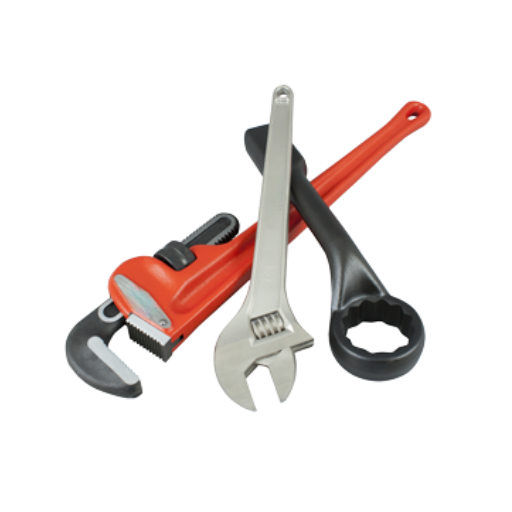
Industrial tools of high quality are tools that offer a blend of resistance, practical abilities as well as designing made in ergonomic way. The question of durability mostly means the use of expensive materials like for example chrome vanadium steel, which is resistant to rust and abrasion. Efficiency is obtained by fine finishing when the quality of the tolerances meets specified standards and the tool can serve the task without losing its utility. Manipulating and using such tools for long hours of the day is less stressful and less straining when using equipment that is adapted for such usage.
When picking the tools, it is important that one’s choice is compliant with the specific requirements of the prevailing industrial standards, such as ANSI (American National Standards Institute) or ISO (International Organization for Standardization). Manufacturers and suppliers that are confident about their products will have no problem issuing an analysis of their products with respect to the industry standards and all other safety procedures.
What Are Industrial Hand Tools?
Industrial hand tools are manually operated devices that are perfectly suited for heavy use in professional industries like manufacturing, building, and servicing. These implements such as spanners, pliers, hammers and screwdrivers are made out of high-quality materials such as tempered steel or strengthened magnum alloys to render them impervious to harsh conditions and the severe applications. Typically, they are much more precisely coordinated with the work in comparison with general purpose tools, have high ergonomic performance and thus service life.
Such tools may come with features that include grips that do not allow them to slip, finish which prevents corrosion, and settings that record the correct torque. In the end making sure that the operations are not only safe, but also productively accomplished in industries that require more of such quality work demands such devices in such fashion. In many cases, their manufacture and employment are influenced by regulations such as those laid out by ISO as well as ANSI where form and performance are considered.
Types of Hand Tools and Their Applications
| Hand Tool Type | Primary Application | Key Features |
|---|---|---|
| Screwdrivers | Fastening and loosening screws | Varied tip types, magnetic tips |
| Pliers | Gripping, bending, and cutting | Insulated handles, precision jaw design |
| Wrenches | Tightening or loosening bolts | Adjustable sizes, high torque tolerance |
| Hammers | Driving nails, shaping material | Solid grip, shock-absorbing handle |
| Utility Knives | Cutting various materials | Replaceable blades, safety locks |
| Measuring Tapes | Precise measurement in projects | Locking mechanism, durable tape coating |
| Levels | Ensuring surfaces are even | Bubble vials, magnetic base |
| Chisels | Shaping and carving materials | Sharp blades, durable construction |
| Saws | Cutting wood or metal | Ergonomic grip, replaceable blades |
| Files | Smoothing and shaping surfaces | Fine-tooth patterns, variety of shapes |
Hand Tools vs. Power Tools: Key Differences
| Parameter | Hand Tools | Power Tools |
|---|---|---|
| Power Source | Manual effort | Electricity or battery-powered |
| Precision | High, user-controlled | Moderate, depends on tool calibration |
| Speed | Slower, depends on user effort | Faster, high operational speed |
| Maintenance | Minimal, occasional sharpening/oiling | Regular cleaning, part replacements |
| Cost | Generally lower | Higher initial and operating costs |
| Portability | Highly portable, lightweight | Limited by power source or battery life |
| Noise Level | Quiet during use | Typically louder, noise protection may be needed |
| Complexity of Use | Simple, no specialized training needed | May require experience or training |
| Durability | Long-lasting with proper care | Prone to wear and tear over time |
| Best Applications | Precision tasks, light-duty projects | Heavy-duty, time-sensitive projects |
Evaluating Tool Quality
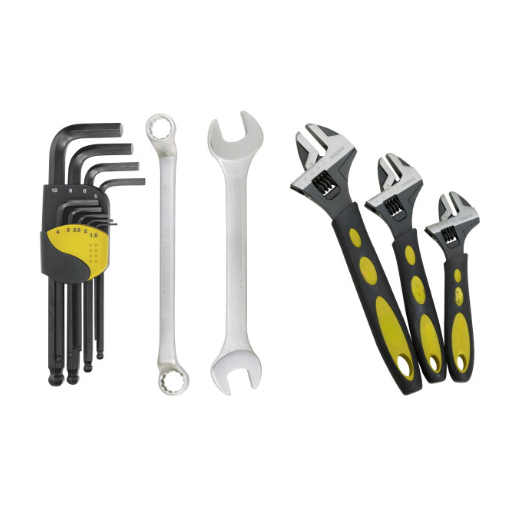
The quality of a tool can best be analyzed by certain factors, hence the expected caution especially in matters of the product’s performance and the period that it is expected to last:
- Material Composition – Casting at standards that are compatible with the material quality, while there is less dimension damage, the materials should be durable metals such as chrome, silicon iron, and high strength steels. These will also resist wear, hence increasing the life of the tool the second time.
- Manufacturing Standards – Firms should devise a competitive manufacturing process that would result in non-isolated mistakes. Firms use the process where the tool is given complete treatment and must satisfy all the required specifications and inspections. This limits the chances of failures in the tool during its entire use.
- Ergonomics – Tools of advanced design are constructed to enhance the user working position through less help and also encourage ergonomics with the enhancement of such features as non-slip handles, properly distributed weight and little use of force.
- Performance and Efficiency – Evaluate the tool concerning how well it is suited to carry out its intended function under different external circumstances. Factors include speed, accuracy, and the adaptability of the said tool to a number of situations.
- Maintenance Requirements – In particular, the effectiveness of a machine towards any given use, and the time through which it can perform the particular use with minimized repairs and cleaning is quite important.
- Manufacturer Support – Ensuring that the users of a certain tool are to purchase it with other amenities like warranty, shall enable them to use all other available service in the machines so that, these machines can still be reliable.
The above mentioned aspects are very important when making a selection of an aider that meets the requirement most effectively and at the same sure will last much longer and perform great.
Assessing Material Durability
When it comes to using any kind of material for tools or components for various applications, the greatest concern always lies on its longevity and ability to withstand the conditions it will be put to use in. The tensile strength of the material, wear, and corrosion resistance as well as fatigue are major factors that determine material durability. For example, stainless steel’s ability to withstand rusting and corrosion makes it the preferred material for situations in which there are a lot of moisture or corrosive soluble substance. Alternatively, strong and hard-tempered metal materials such as high-carbon steels are used as cutting or impact tools in construction or other similar activities due to their deformation.
Moreover, due to their superior strength-to-density ratios and increased high temperature limit, strategically designed materials like composites and ceramics have become important in the current technology. Adherence to the different properties of materials with some specialized standard techniques, like the hardness test or other tests, such as Rockwell or Brinell test, or impact toughness tests, and fatigue markers, provides insight which is more reliable in predicting the materials’ performance and deterioration over time. The proper selection of materials with enhanced high temperature capabilities can ensure practical use of the desired products over an even greater period.
Importance of Ergonomic Design
The need for good ergonomic design is extremely important in various industries since it enhances user comfort, safety and productivity. Good ergonomics involves the application of anatomy, biomechanics and psychology in a way that aims at creating equipments, work places and systems that do not exert too much work on individuals and reduce potential risks that may cause repetitive stress injuries. A recent study demonstrated that the proportion of people in a workplace that will have musculoskeletal difficulties is much lower in a place with ergonomic principles and this will cause less down time or none at all. By way of another illustration, it might help if there were appropriate chairs and tables whose heights and postures are based on how the table aids in supporting an individual’s feet while the individual is working with a soothing posture, which enables a sharper focus.
Identifying Quality Tools in the Market
It is a fact of the travel industry that quality control of any devices bought on the market should be carried out in stages to stress the importance of dependability, efficiency, and compliance with the industry norms. One salient move is to assess the licenses as well as the strategic documents for reference created by conformity assessment bodies to improve the quality. Even a simple task of analysis of feedback and previous studies gives hints about the product in terms of longevity, practicality enhancement, and also how well it can work under normal situations.
All potential prospects whose task it is to integrate guide land that define it by sets of tools as any technology solution from within has some sort of limitations, structures or all making it impossible for all to use the video of wavelets algorithms and techniques. It is also the need to be aware of changes that are happening, which ensures that high-performing solutions, while promoting efficiencies, are adopted. By incorporating reliable sources and in-depth investigations, businesspersons are in a position to avail tools which are a high-value judgment to them while satisfying their distinct requirements.
Selecting the Right Tool
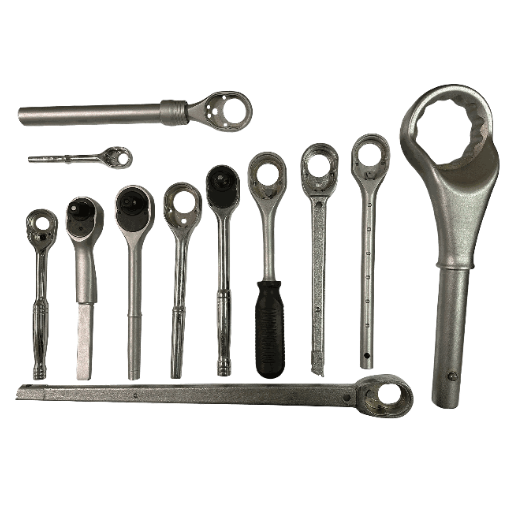
While you seek to choose the best possible tools, pay attention to the factors mentioned below so that you can base your decision on a focused understanding:
- Functionality: Ensure the tool can perform the specific functions required within the system, thereby ensuring all resources are used to best effect and minimizing failures.
- Compatibility: Make sure that the tool under consideration will blend well with any existing systems or activities hence making things easier in terms of implementation.
- Ease of Use: Go for a tool that is easy to use with less or efficient user support to facilitate its use within the shortest time to avoid much training being done for the staff.
- Scalability: It is essential to ensure that the tool has specific use cases and it can change with the growth of the business, hence providing the effective utilization of the tool in the long run.
- Cost-Effectiveness: It becomes clear that the costs of setting up the tool as well as direct and indirect costs like ongoing maintenance of the tool is beneficial when the returns of the tool in such a period or during its use have been situated and when the tool is removed, the so-called return on investment (ROI) and total valuation can be determined.
Considering the suggestions made above and the Life Lesson Approach will enable the identification of a tool that fits in today’s context and expected modifications.
Tips for Effective Tool Selection
- Evaluate Material Durability
Pick high-end working gear in terms of content, such as steel or carbon fiber, as they provide increased durability and are less prone to damage or wear. For instance, in heavy-duty applications such as removing stubborn nuts, one can apply much more pressure with alloy-steel wrenches than with those made from other metal alloys. Confirm the material of the tool is in line with the condition of your working area. - Prioritize Ergonomics
Based on the evidence provided in the past, most workplaces saw a 50% decrease in the occurrence of repetitive strain injuries, back, and neck disorders. Check whether the designs and tools are equipped with non-slip handles, arm-length adjustment, etc., to ensure comfortable, efficient use for infinity, as many work routines involve the same set of movements in sequence. This is often caused by industrial jobs. - Assess Tool Accuracy
Being able to do in specialized operations makes the contribution of precision very high. Such tools as meaning torque wrenches with the rating of ±3% characteristics, are faster to use in the interior design of auto-vehicles or steel works as these pertain to spherical tensioning. - Confirm Versatility and Functionality
The use of tools which perform many tasks at once eliminates long searches and thus increases the efficiency of an activity. A multi-bit screwdriver for example will do the work of many direct screwdrivers without having to purchase and store multiple tools. Check how effective a tool can perform different activities in its pure and unrefined form. - Examine Maintenance Requirements
Tools that require minimal servicing have the potential to offset your Total Cost of Ownership. For example, it would cost less to have an anti-rust coating or acquire in-built bearing or sealing strategies since they will increase the service life of the tool and reduce instances of repair and failure. - Test Tool Compatibility with Current Equipment
It’s also important to properly ascertain how well the selected equipment will integrate with an individual’s existing setup. For example, suitable compressor-powered tools such as nail guns require a venue to produce adequate air pressure without excessive noise. - Inspect Safety Features
Safety can also be assured by the use of new features in machine design such as the built-in safety devices in tilting tables, specially insulated handgrips for operations with electrical equipment etc. Check other regulations in addition to OSHA and other equivalent standards to confirm physical safety measures. - Consider Weight and Portability
Lighter tools are easier to predict and contain, though if deserted, this does not mean there is no strength. Tools that are about 20% or more lighter than usual tools also cut down the amounts of power needed during equipment operation, more so when considering the oversize movement and usage of equipment in talls structures.
Common Mistakes to Avoid When Sourcing Tools
Out of all the mistakes you can make in tool sourcing, sourcing tools for cost with minimizing costs is one blunder that most people fall into without much thinking. Actually, going for cheaper choices without determining whether they are dependable or hard wearing. makes the overall cost high in the long run in the sense that too much money will be wasted in frequent replacements or repairs. Focusing on the cost instead of the most critical aspects like particular needs and the tool specifications for the occupational assignment is not any better. In this situation, such a choice is not well-suited because performance and safety are compromised.
Further than this, dismissing of the warranties valid by the manufacturer and the installation and functional problems that occur after the purchase of the equipment may leave that option of sorting out the situations. Last but not least, it is preferable to determine the presence of ergonomic characteristics in the design of a project, such as those designs that cause fatigue or entail a high risk of repetitive strain injury when operated. In the end, ignorance of the standard safety measures of any industry can assist grow rather than diminish avoidable injuries that would otherwise lower workplace compliance effectiveness.
Maintaining Tools for Longevity
Ensuring that the functional life of tools is used to the maximum level goes a long way from that end, it is essential to maintain the tools. This starts by cleaning the tools after each use prevent any dirt, slime or any other corrosive matter from building up. Moisture and rust can be a tool’s worst enemy; therefore, avoid storing tools in a dusty, damp area, with silica gel or other useful tools such as dehumidifiers. This is a good way as when cutting tools go dull, the chances of accidents stubbing the user are increased. Apply grease for moving parts to be able to move them quickly and also prevent wearing. It is advisable that even while keeping tools in good working condition, they should also be inspected for damages periodically and the defects assigned curative measures in a timely manner, so as to avoid more damage.
Best Practices for Tool Maintenance
Deep cleaning and storage save your equipment’s life. This is necessary for safety precautions. This is essential to the enduring tool performance. Tools should be cleaned immediately after use to prevent dirt, debris, or any chemical contaminates from causing serious damages. For metallic tools, other means such as applying corrosion-resistant spray or an oil coat is essential when there is moisture to prevent corroding. It is advisable to complete the wooden-handled tools process by using wood conditioner on the hand tools with wooden parts to ensure that breakage or splintering does not occur during use.
Optimal conditions for storing tools or tool storage are in well dried and regulated temperature and humidity scenarios to avoid steady changes in these factors and alteration of materials. Keeping the tools in the compartments (racks, shelves, storage bins) not only prevents the damage they cause but also increases effective utilization and reduces the time taken to execute the order searching the required tools. Concerning the power equipment it is advised to roll the cords responsible or keep the batteries in the right condition in places where they do not loose the charge or discharge power. With the use of these methods, it is possible to minimize the wear of spare parts, increase the performance, and most importantly, provide security under all conditions of use.
Extending Tool Life with Proper Care
In order to ensure that tools can be used longer, it is essential that tools be rigorously cleaned and well maintained at all times. In particular, after use, any surfaces and/or moving components of a tool should be cleaned thoroughly to remove soil, particles and other materials that are prone to retention on equipment surfaces. Accumulation of abrasive particles without meeting any cleaning requirements may also hasten wear or cause malfunctions in tools.
On the other hand, applying lubrication on the moving components, adjuvants like joints and gears avoids rust and ensures long term trouble free operation. Further, looking out for any defects like excessive wearing or chipping on any tool also helps in the early identification of problems and acts as a measure to avoid any damages during acts of the equipment. Furthermore, when using specialized tools, it is also important to follow the maintenance procedures stipulated in the tool, so as one keeps to the user manual limitations. By incorporating these very stringent and frequent cleaning practices to their normal use, the lifespan and the efficiency of the tools can be considerably improved.
Innovative Trends in Tool Maintenance
When enhancing durability and effectiveness, some most impressive developments have been in the area of coatings that are applied to dissimilar materials and surfaces for better output performance. These include coatings such as titanium nitride and ceramic coatings that minimize wear and tear on cutting tools and mechanical components. In addition to low friction coefficient, this coating is also very effective when the environment is filled with corrosive media via means of acids, oils, salt water, etc. Therefore, with a smaller rate of degradation the tools can uphold the operational pressure in extreme environments over longer periods.
The advent of IoT (Internet of Things) technology has facilitated the development of new forms of predictive maintenance systems, thus changing the current means used to monitor and look after equipment. The use of smart sensors, for example, made it possible for tools to collect information on dynamics of temperature, vibration acceleration, and other aspects of service provision in real time. Such measurements are processed to predict when a given component might fail and thus decide when maintenance can be carried out to avoid unplanned shutdowns.
The importance of maintenance has long been recognized and the steps being taken to maintain the equipment in working order reflect increasing emphasis that has been placed on the need for maintenance in recent times. Legislation to enforce manufacturing designs that are suitable for the environment is rising, thus supporting ecofriendly cleaning services. Recognizing that maintaining the organization’s facilities and equipment is a business that involves continuous and numerous processes inter-activities, inclusiveness of maintenance in the management plan plays a fitting prior role.
Future Innovations in Industrial Hand Tools
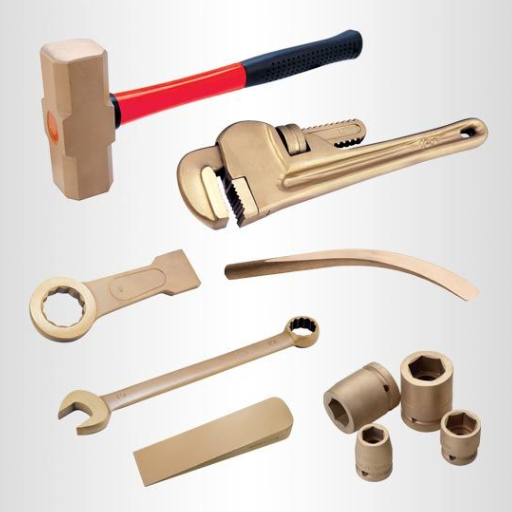
Industrial tools for manual purposes have been transformed thanks to the progress in the developments of materials, ergonomics, and smart capabilities. The use of Lightweight composites, examples being Carbon fiber, is becoming popular in a bid to improve the nature of resistance and at the same time cause little discomfort to the user. Regarding ergonomic designs, the main emphasis is given to the prevention of repetitive motion disorders. It is in this sense that comfort gains and health and progress in workplace standards take place.
Also, the evolution of smart hand tools, smart sensors, assisted measurement and response mechanisms makes it possible, and for high-accuracy tasks, productivity has risen. These tools are also getting more support in the company’s system and they are even becoming part of its workflow and monitoring systems. All these enhancements are enhancing performance never detracting from the overall goal which prioritizes the well-being and the working environment of the employees.
Emerging Technologies in Tool Design
One of the most important developments in modern tooling is the use of modern state-of-the-art materials which are designed to last and improve productivity. This includes the increasing use of materials such as composites, carbon fiber, or high-strength metals, in the production of tools which weigh less yet have a higher level of resilience to environment and abrasion. Nowadays, such cutting-edge material as tungsten carbide is often coated on cutting tools to eliminate breakages and to maintain a remarkable accuracy after continuous usage.
Progresses in 3D printing have also brought new age of technology in manufacturing the tools with specific geometries in which the material is also optimized and thus provides a much better performance in many disciplines than the conventional planes that are existing. Not only are these improvements in very high level durability but also help in sustainable development by their contribution in reducing material wastage that comes about with shifting of worn out tools.
Impact of Industry Innovations on Tool Selection
Material science has advanced enormously of late and left in its wake a great degree of profound influence on the methodologies used in the selection of tools for industrial applications. Such tools as titanium aluminum nitride (TiAlN) and diamond-like carbon (DLC) coatings have found wider applications as their hardness, resistance to corrosion and wear, as well as resistance to high temperatures have been improved. In so doing, such tools are efficiently employed even under the harsh conditions. The introduction of some carbide composites and high-speed steel (HSS) with a finer structure improved the strength and wear resistance of these materials, thus rendering them more suitable for heavy duty machining processes even where harder materials are concerned.
Technological advancements have enabled easy and accurate selection choice process. Additionally, in the digital era, these processes have undergone complete modification in recent years. Most industrial tools were with the AI (artificial intelligence) assistance and it was possible to share insights on its performance on different tool applications. This benefited a lot in increasing the rate of work done while keeping idle time very low. Even more importantly, CAD (Computer-Aided Design) and CAM (Computer-Aided Manufacturing) products enable engineers to run simulations on different materials and products using specific tooling geometries to ensure that the design is appropriate for the material and other production requirements. The implications of these latest technologies on the tasks of industries in their desire to optimize the productivity levels are rewarding in the realms of precision and workflow management, with solutions that have been brought benefiting solutions that are operational-efficient.
Reference Sources
- A Review of Existing Hand Tool Evaluation and Selection Studies
Access the review - Hand Tools Market Research Report 2025-2030
Explore the report
Frequently Asked Questions (FAQs)
How do I identify the right industrial hand tools for my operation?
Start with an enumeration of operations, supplies, and use conditions required for bringing tool design closer to real-life applications. It is also necessary to remember occupational safety and ergonomics which may help to decrease operator exhaustion and compliance difficulties. Further tool lifecycle and practice of quality assurance inspection need to be applied in estimating the replacement span of time and the cost of ownership. Also address supplier qualification and guarantees as one of the evaluation metrics together with the others.
What criteria should I use when vetting suppliers of industrial hand tools?
One can determine the reliability of the supplier by goal orientation, on time delivery, following of rules and regulations in the house and outside of it. Warranty issues and the issues concerning spare parts services and logistic management help to eliminate problems that can come with lack of these items. Without exception, make sure that there’s no case of using a preferred supplier tightly, and negotiation of a contract is oiling the wheels here, considering packaging of the cost in a feasibility study. It is advisable to choose suppliers who are readily accessible and offer written guarantees.
How can I balance cost and quality when sourcing tools?
Conduct a price checking which has the following elements; the price of acquisition, the cost of running the appliance, the expected service times and the attitude of how maintenance-free a tool can be used. Quite often, items of superior competence may come in handy in more ways than one including ways that help in reducing the total cost of ownership, that is, items of higher quality have a longer lifetime as opposed to many more frequent replacement periods of those of inferior quality. When assessing the performance policies and the health performance levels of the supply chain, look for warranties and contracts with warranties, which are not covered by the analytical latitude.
What role does ergonomics play in selecting industrial hand tools?
Ergonomics is vital since it affects the performance of individuals using the devices themselves; the person as the user and how fit the devices are according to the work without causing any pain in the user. Hence, the selection of intervention tools that take the ergonomic standards into account not only enhances the safety requirements of the regulations but it also reduces the health costs in the long run. Evaluating and all optimization activities will involve measures for managing costs along with other performance metrics. Therefore, it is reasonable to expect that ergonomic considerations do not end with the product selection process but should rather become a part of supply management and stock keeping decisions.