
Power Tools vs. Air Tools: Which is Best for Your Workshop?
When it comes to arranging your workshop, deciding between implementing power tools and air tools is arguably the most crucial choice – one that can bring about a considerable increase in your output and reasonable expenses across all cost centers. Each one of them is designed for specific applications: the first finds its widespread application in complex projects, in contrary the latter is more common in small DIY tasks. This paper aims to investigate the main disparities between power tools and air tools, aimed at helping you to pick the most convenient type for your intended purpose. Whether your concerns revolve around portability, expansibility, economy, or efficiency, we expect to present a thorough review which will see you through the pros and cons of the work inside your workshop.
Understanding Power Tools and Air Tools
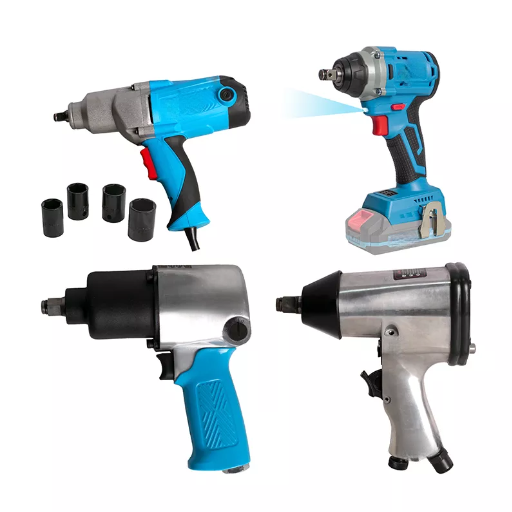
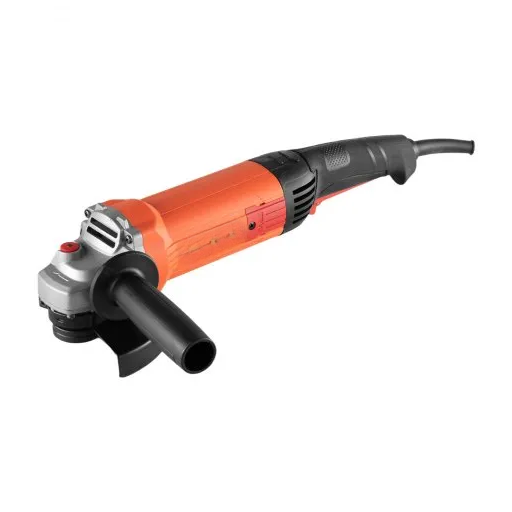
Power tools are devices that use electric energy, either through an electrical plug or a charger. They are portable and flexible in use and are typically used to execute tasks such as cutting, drilling and grinding. Cordless tools especially are in a category of power tools and offer powerful battery, which enables them to be an ideal for use in power outlets that are hard to reach. Batteries and power can weaken before the job is finished, for long and high use jobs, making this achieve this goal more challenging without looking at other elements of the system within prolongation of existence of die.
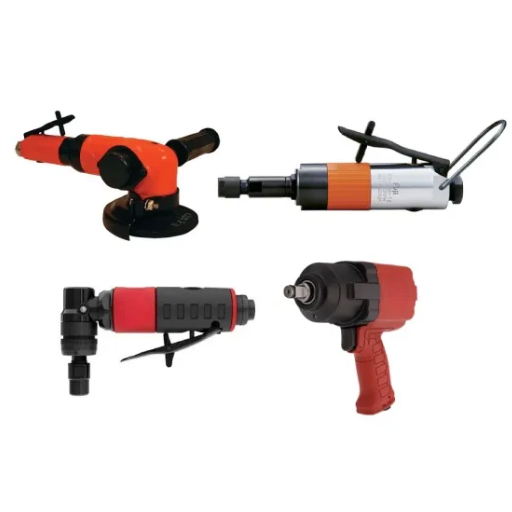
Used for performing various types of tasks, air tools are commonly referred to as pneumatic tools. They operate through the use of compressed air, which is generated by an air pressure equipment. Reliable and rugged in construction, pneumatic tools, as they are also called, include a wide range of equipment used in different fields like gas and energy services, equipment repair, construction, etc., where the torques are high. Air tools are generally more powerful than the electric ones because they require more power in order to operate and even are more stable in very demanding conditions as they do not get hot easily.
Definition of Electric Tools
Electric tools are equipment that transform electrical energy into a mechanical movement and are capable of performing different tasks, from constructive ones to those at home. They can be classified among powered equipment that has no driving mechanism itself. It should be specially noted that all kinds of construction tasks are completed with their help. For the last centuries, it has been agreed that it is the most convenient form of a tool, especially when it is not that big, and there is a lot of work to be done. In terms of main improvements of electric tools over the last twenty to thirty years, a considerable lifting of limitations imposed by the notion of immobility almost deserves special words.
At the same time, the update has raised a question of electric tools application with emphasis on their transient characteristics that is the capability to store electric energy. Broadly, any machine that converts electrical energy into mechanical energy is known as an electric machine and approximately 4% of these machines are constructed annually worldwide.
What are Pneumatic Tools?
Compressed air is pneumatically formed, and these methods are especially used for electrical equipment and tools; therefore, without the help of air, the tools cannot be used. In simple terms, air tools can also be called pneumatic tools. It is quite easy to figure out how these tools are operated or powered. This is because the tools are powered using compressed air and it would be advisable to understand what compressed air is. If you are in construction, mechanics, or even industrial sectors then you are more likely to benefit from using air tools.
Furthermore, these tools are often less rigorous in terms of maintenance working practice, as they have fewer movable parts. Indeed, it should be noted, however, that to provide pneumatic tools; it is absolutely a must to have an appropriate air compressor, as the item, they require to work, is often subjected to more or less stable pressure which varies depending on the condition of the air compressor and its size. Moreover, these elements are interesting as they tend not to have any issues associated with overheating. They are resistant to the usual breakdowns, according to the same reasons in which, we can state that the tools are effective in particularly difficult environmental situations.
Air Tools vs Electric Tools — At a Glance
| Parameter | Air Tools | Electric Tools |
|---|---|---|
| Power Source | Requires air compressor | Powered by electricity or batteries |
| Portability | Limited by compressor proximity | High portability with cordless options |
| Initial Cost | Lower cost for tools | Higher upfront investment |
| Operating Cost | Higher due to compressor power | Lower ongoing costs |
| Weight | Lightweight design | Heavier due to internal motors |
| Maintenance | Requires regular compressor upkeep | Minimal maintenance required |
| Durability | Performs well in harsh environments | Sensitive to overheating |
| Power Consistency | Consistent with proper compressor setup | Can vary with battery or power source |
| Noise Levels | Louder operation due to compressors | Generally quieter operation |
| Task Suitability | Ideal for continuous and heavy-duty tasks | Better for casual and light tasks |
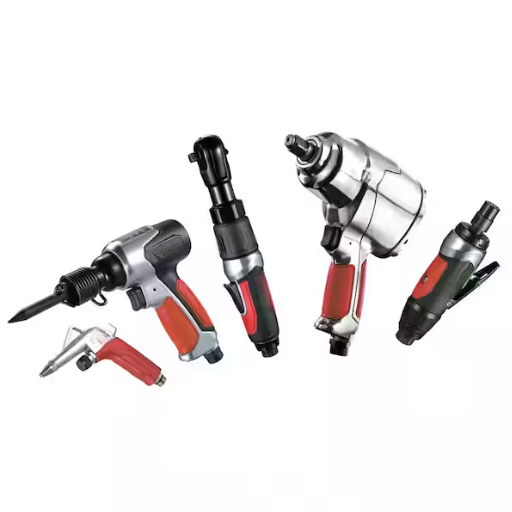
Advantages of Air Tools
-
- 01
Higher Power-to-Weight Ratio
As a general rule, air tools usually offer higher output capabilities within a unit of weight and frame size vis-à-vis all-electric tools hence they are more convenient to use over longer periods of time.
- 01
-
- 02
Durability and Longevity
Designed for heavy-duty and industrial purposes, air tools are made with the needed reinforcement to keep them in working condition in even the harshest of operating environments and conditions.
- 02
-
- 03
Consistent Performance
Used in combination with a well-maintained air compressor, air tools are designed so that it ensures that power is supplied uniformly for the performance of tasks that require the same quality of work all the time.
- 03
-
- 04
Cost-Effective in the Long Run
Even though it may cost more to begin with, considering the absence of frequent repairs and the robust durable safe tools, this power source seems to be lower in cost in the long run.
- 04
- 05
Suitability for Demanding Applications
Air tools are virtually the best for some demanding yet repetitive jobs such as vehicle maintenance or construction since they are robust and powerful.
Torque and Performance Benefits
Air tools are recognized for their efficiency levels and increased power even under intense use. These tools have an internal fan that rotates due to air moving through the compressor. This makes the tools able to produce more torque than electric ones which lead to greater penetrability applied when operating the tools. This efficiency is highly desirable in tasks wherein precision and unchanging performance are crucial, for instance, while securing bolts with torque wrenches in automakers’ production lines or maintenance of large engines.
Air tools, moreover, exhibit practically no power depletion when used for long stretches at a time. The logic behind this claim is simple, considering the performance of these tools is dependent on their design and so should the heat they generate. This concept is of particular relevance to industries such as industrial production where the normal case is that a machine runs under full power for long periods. Energy-wise, modern air compressor technology and air tools make it possible through improvements in work efficiency and reduction of air usage to make use of air tools in professional capacities without negative repercussions even the most powerful compressor.
Durability and Longevity of Air-Powered Tools
Due to the existence of conditions, specificity of demands, and the vagaries of usage, air tools are purposefully made. And such qualities practicality, which is the, is preferred for there are lower costs associated with electrical tools and makes its efficiency to be more compared with electrical convenience. Thus, they are primarily composed of strong materials which are resistant to wear, for example aluminium, steel, composite materials, which are commonly found in structures that need deeper study. Techniques produced by air technology are of less wear due to the gaps present inside without the help of electrical through vacuum systems thus minimizing probability of over heating and failure as days progress.
Many air tools today are equipped with enhanced features that can increase the workable life of said tools. Dynamic seals such as improved quality o-rings and resilient gaskets prevent air loss and facilitate the use of air tools in the long run. Similarly, shelf life enhancements stemming from properly adhered maintenance practices are most situations available in air tools, these being easy to maintain quick to dismantle tools that make routine servicing of oil or disposal of consumable items possible. Data revealed in the industry shows that well kept air tools can go a very long way beyond what electrical tools can do particularly in applications that require heavy usage. These are evidence of the efficiency and cost effectiveness of air-operated tools that have been utilized for many years in severe environments and are certainly the best choice for those who care about the permanence and the effectiveness of a lasting value tool.
Air Tools Over Electric Tools in Specific Scenarios
In various industrial and commercial applications, air tools are found to have many advantages over electric tools especially in wear and tear, efficiency and effectiveness. It can be explained many ways that it is easy to run on an air powered tool than in the case of an electric one because the former has fewer moving parts than the later. This complicated tool used to include needless friction, heating of the bearings and other parts therefore requiring air powered tools to heat or even breakdown. In addition to the above mentioned, air tools have a still greater uses in areas where the environment consists of explosive or hazardous air such as chemical installations and mines. Air tools, unlike the electrically operated tools that have motors and carry currents that would potentially cause a fire ignition, are used with compressed air and will not cause fire ignition.
Up to the present, air tools have become unsurpassably low-cost when it comes to maintenance and wear and tear. In particular, research clearly shows that regular tuning of and oiling of the air supply lines or other related components will be able to keep their life span after the operation of electric tools at the same or more stressed environment. Air tools can thus be used for long periods of time as opposed to electric tools that have time that is benchmarked for operation, with the costs of tools ready for use and also downtime in case of electric tool went kaput, pneumatic tools make more commercial sense. Also, the pneumatic tools which are lighter as compared with electrical tools are best since they do not cause physical fatigue in the user when used continuously. This means that mainly, air tools are effective for such requirements as automotive, aerospace, and assembly line operations, where operations must be both accurate and with endurance.
Advantages of Power Tools
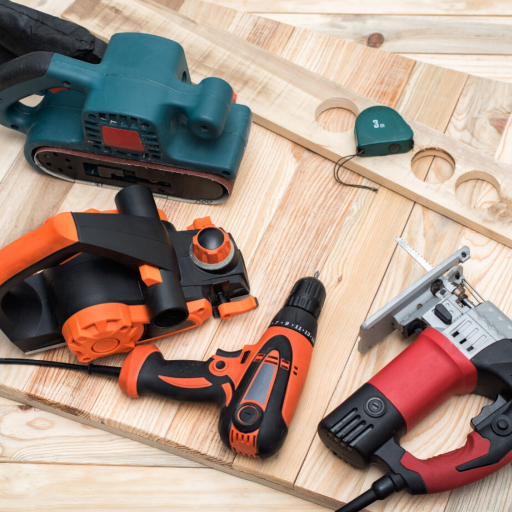
Power tools can be especially helpful when in need of improving your efficiency, reducing your task completion time, and when one requires accuracy in practicing any given task. This is because, unlike manual tools, power tools do not require manual operation. An instance of when this proves helpful is when working on tasks that have realistic deadlines. As they have to be quickly done within a given period. In addition, many of the power tools have a feature which can be adjusted making it very convenient to use than over oversized manual tools for a given task.
In other words, such devices can function at different levels depending on the application. Power tools come in various forms and have their corresponding types that may be used, for example, for cutting, drilling, sanding, and any kind of manual work, and thus eliminates having many manual tools. It has to be said that they are of great use as even lifting weights is speeded up due to their calculated designs.
Portability and Convenience of Battery-Powered Tools
The introduction of battery operated tools in the construction industry has been a relief to the architects and engineers by providing not only an increased portability, but also a usability way beyond imagination. These devices don’t need to be used near a plug since they depend on the power stored in the batteries. The improvement of performance of such batteries is exactly the case in creating more dominant operational implementations, smaller intervals for charging and enhancement of efficiency while they are being employed continuously. However, there has been a technological innovation in the form of interchangeable batteries, which can be used across various tools from the same manufacturer, thus minimizing the fleet and the associated costs. All these added advantages have largely encouraged the heavy use of such tools by both professionals and aspirant individuals without wiring means or the need for structures after been waste from that electricity system.
Versatility in Various Applications
Current battery-powered power tools are highly advanced in terms of their range of capabilities. Out of many weighty applications, their usage is the most common in industries such as construction, automotive repair, woodworking and gardening. That is, for example, an influential factor as to when it comes to cordless drills, for which lithium-ion batteries were conceived. In addition, battery powered saws and grinders have played a major role in improving operations because they are not less effective than traditional powered tools and have the extent of mobility required to enable workers to do their jobs on the spot.
More recently, there have been technological advancements in those tools, especially the motors that enable them to work with different types of materials such as metal, plastic, concrete or wood among others. In addition, many industries that require a combination of delivery accuracy as well as mobility—like HVAC installations or immediate on-site modifications—reap numerous advantages from the introduction of the contemporary and sleek form designs that can be seen in most battery powered tools. This becomes even more critical considering that these devices are required to perform tasks that are interlinked and very complex in nature, both at the office and at home.
Cost-Effectiveness of Electric Tools in the Long Run
Electric tools are worthy investments when looked at from a financial point of view even though they may seem to be expensive than hand tools. Unlike the traditional electric tools used before, modern electric tools lack brushes and some have better batteries which reduce the need for repairs. Evidence gathered from the industry further supports this claim stating that efficiency can go up to 25% when using cordless staff. This effect in turn says a lot about the overall productivity and consumability of the tool for both staff and home operators.
Not to mention that many electric tools have a system that can be charged which in turn means that over time the other ‘consumable’ available will be almost none. Also, the design of these tools provides onboard controllers similar to those of modern air conditioners that support energy management responsible for the reduction of energy consumption. These and other factors show why it is financially sound to buy electric tools in the context of a business.
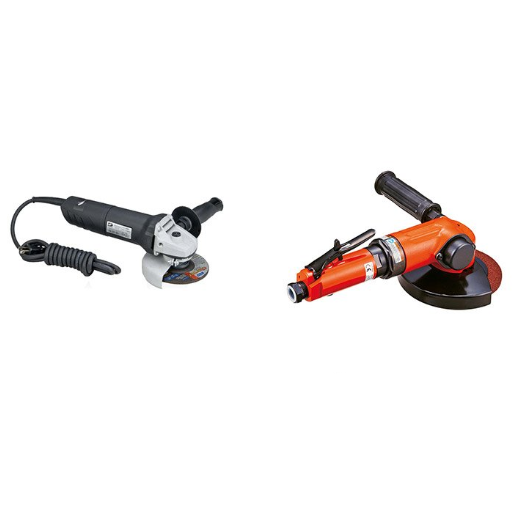
Pneumatic vs Electric Tools: A Detailed Comparison
- 1
Performance and Power
When it comes to performance and power, people usually install pneumatic tools. They are considered handy because, despite the fact that they generate less torque and a less consistent power output compared to electrical tools, they play a major role in handling machines. This is especially the case in situations demanding such operations as automotive repairing and treatment or the do-it-yourself chores. - 2
Durability and Maintenance
For example, pneumatic tools have few components and hence need less maintenance, but they need a dedicated air source or even an air compressor. Also they have a tube effect which is not healthy because of certain gases. Electric tools are suitably built, but otherwise they encompass more intricate systems which may undergo wear over time thereby, resulting in the drop of the machine’s efficiency or increased costs for its servicing. - 3
Operating Costs
Pneumatic tools tend to have low costs at the beginning of a project and despite the affordability of the tools, they often require additional costs such as hoses, air compressors, and regular maintenance operations. Meanwhile, tools with electric control may be a little expensive on purchase but have generally lower operating and maintenance costs, more especially with energy efficient and rechargeable batteries in place.
Initial Cost Considerations
Every time cost implications are brought forward, the break even point and the comparative costs between the pneumatic and the electric tools is what one should pay attention to. Quite common sense to say that since the pneumatic tools have simple gears hence less initial cost of purchase. For instance, a pneumatic wrench with a spare hammer head only operation cost is significantly lower than an electric type. Nonetheless, when one is considering purchasing these expensive tools, the purchase price must also take into account the purchase of complementary tooling such as dust fit air compressors as well as reinforced suction hoses essential for the functioning of the pneumatic tools.
Otherwise, electric tools, in particular more advanced ones that come with brushless motors and high-capacity lithium polymer batteries in comparison possess a higher cost price because of their return on investment. Nevertheless, advances in power management and design function and structure, are transforming how business operates urging for more efficient service delivery. As an example, existing electric drills are getting more and more powerful day by day and in so doing they surpass the performance of pneumatic tools in terms of torque output while being as portable as the former. Furthermore, since precise measurements should be done for every point of the costs, there is an urgent need to decide which tool suits each business transaction best.
Long-Term Maintenance and Upkeep
Electric and pneumatic tools like screwdrivers and drills require appropriate protective measures in order for the aforesaid tools to perform well for the longest possible period of time. For instance, with electric tools, the circuits have to be inspected regularly, these being the motor or motors, power supply cords and/or power hose(s) and the switches. It becomes rather problematic when some dirt or foreign object particles accumulate, engineering, that is when a great extent of cleaning, this time using best practices and appropriate tools is vital to prevent the motor from elongating. Also, where they are used, they have an extra value, like in reply, batteries ought to be handled well and used in terms of the power capacity and the appropriate charging time; they ought to avoid (mostly overcharging).
Pneumatic drills, on the other hand, need rather different operating measures. Regular maintenance intervals and especially applying lubricants to interior components like seals and sliding surfaces, reduces friction and avoids the wear of spare parts. It is essential to ensure the good operation of the air compressors which are a basic unit for pneumatic systems. Along with drying the system and maintaining clean air filters, it is important to monitor the level of moisture in air lines over time. A poor state of the compressor is another reason for lack of performance of the tools as contaminants are carried into the system. Such wear and tear might also occur within the functioning equipment, which warrants legal service.
Choosing the Right Tool for Your Workshop
When you wish to choose the correct gear for those jobs of yours, consider the availability of such equipment, its efficiency level, and how long it will last. Get these tools keeping in mind one factor, use frequency – go for tools specifically designed to be most functional in the application area. Also check whether such a tool is electric, pneumatic, or battery operated and see if the energy source matches the requirements of the workshop all tasks and activities. Be sure to buy them from manufacturers who follow specific standards for performance standards and safety measures used. In such a manner, it is important for the tools to clear fatigue conditions of the operation for excellent output and also the comfort of work to the operator as the last but not least parameter.
Assessing Your Project Needs
Identifying what exactly is needed for your realization includes combining all the essential factors of the success of the project involved. Analyzing the scope and the details of the work description by establishing the materials, what is to be achieved, and also the time for the completion of the project is also critical in engaging to develop the necessary resources. Estimating the category of instruments and machines that impose the requirements of the project, such as concerns like power rating, working accuracy, and agreement with available material, is also possible. Furthermore, you are also expected to review in details the data patterns as well as innovations in your industry to suggest the ways to update or simplify the equipment or work processes used. Use of the data-driven approach helps boost the efficacy and effectiveness of an operations while managing the resultant quality and safety levels.
Evaluating Workshop Space and Power Availability
It is vital to review the provisions of the workshop in keeping with the peculiar needs of the project. Taking time to go over the floor plan is recommended while ensuring that the supporting infrastructures can handle the planned operations and processes with the resources available and in safe manner without causing any inconveniences. To do so, understanding the size of various tools to be handled, accommodations for tool storage, and all other needs which will be required by the staff to carry out the tasks is important. As the workshop is prepared, it is also recommended to check and ensure that the power etiquette in the room is in its right place. The objective of this exercise is to ensure that enough power is provided in the workshop to meet demands of the equipment in use without overloading the system.
Please consider the power standards, circuit breaker ratings, and separation of high drain equipment with dedicated circuits. Watching development of the ‘smart’ energy distribution grids and monitoring devices can also be beneficial like it facilitates reduction of power strains in a particular moment of its consumption floating the process sequence. This kind of analysis allows, in accordance with the specifics of a particular job, to create a more accurate and comfortable environment for work.
Final Recommendations for DIYers and Professionals
In order to achieve the most optimum and harmless application of electrical systems, handyman, as well as professional electricians, should focus on the new age of advanced power tools abiding with current installation standards. This include investing in energy efficient power tools as energy savings is a factor that is considered relatively short-term since it will normally take longer of the entire construction/rehabilitation projects intended to be energy sufficient. Given the way in which energy is provided and used on a construction project, it will be sometimes unavoidable for individuals speak of energy without the idea of load management in a circuit not becoming a very strange played out and overdrawn thought.
Doing It Yourself (DIY) can be a lot of fun, as you might want to carry on with a lot of smaller projects. Smaller electrical projects and activities can sometimes be very hazardous so to eliminate risks but similarly vibrations – When subjected to additional Physical Hazards Maintenances might be a life and death issue therefore needs a close care and attention from any perspectives of an employer. This is especially true as safety measure designed to provide workable solutions in the system only goes as far as an uploaded SWMS document and beyond that is that safety measure satisfaction is achieved. Consequently, extended efforts to bolster compliance will be quintessential after the amendment.
Reference Sources
-
Comprehensive analysis of power tool injuries: implications for safety and injury prevention
-
Power-tool use in orthopaedic surgery: iatrogenic injury, its detection, and technological advances: a systematic review
Frequently Asked Questions
FAQ
Which is best for workshop torque and power?
+
When it comes to deciding that it is critical for you to make a decision after appreciating the aspects of power as well as maybe the extremely high torque outputs, one can compare air powered impact guns and ratchet wrenches to electric versions of these tools that are unable to last beyond one job without needing a new battery or a recharge. Wireless power tools and corded power tools are ideal when the component to be worked on does not have access to power transfer in the form of cords or an air tube. A two-inch sprockets cutter can frame anything fast but the battery life and charge amount inhibit effective sprocket cutting applications.
Are air tools better than electric tools for high torque?
+
Air wrenches over electric wrenches offer better torque characteristics, specifically high torque output required in impact wrenches and situations requiring a tool’s continuous operation such as those that use air impact guns and industrial air compressors. Nevertheless, due to the development of cordless and electric alternatives, particularly the modern electric impact wrench, most users have seen a significant reduction in the discrepancy. Users get the convenience of a cordless impact wrench and electric hammer which provides them with the power that they need.
What does compressor tank and air hose care involve?
+
In order to maintain the compressed air systems, it is necessary to drain water from the tank of the compressor and replace hoses and fittings, as well as check them for proper sealing, since any leaks brought about by worn out parts tend to lower the cfm output and performance in general. In other words, lubricating oil levels inside air powered units as well as in their filters must also be checked. This way, air powered hand tools especially die grinders and air ratchets will still be accurate and consumers do not have to replace them soon. Large compressors in addition to the 60 gallon compressor require attention just as the smallest hp compressor, forgetting which will bring about excessive strain as a result of reduced pressure and the reduced efficiency.
Can cordless electric tools replace air tools for heavy work?
+
Change regarding cordless electric and modern battery packs has given rise to the development of cordless battery tools including impact wrenches or grinders as well but there are certainly still niches heavy-duty tools needed where they may or may not displace pneumatic equipment. Battery life and power capabilities greatly differ from one model to another but even when batteries are used, power cords and air hoses are not needed in using these tools although some models might need more than two battery packs to last the entire work shift.