
Sledgehammer Buying Guide: Sizes, Weights, and Best Uses
A sledgehammer is one of the simplest tools on a jobsite, yet choosing the right one takes more thought than most buyers expect. Head weight, handle material, handle length, and grip all affect how much force you deliver and how long you can work without fatigue. Pick the wrong combination, and you waste energy, slow the crew, and raise the risk of injury. Whether you call it a sledgehammer or a sledge, the selection logic stays the same.
At Shanghai Oushike Hardware Tools Co., Ltd., we manufacture and supply professional hand tools for distributors, brand owners, and contractors. This guide explains how to choose the right sledgehammer for any task, compares the main types and sizes, and shows how to source reliable tools at factory-direct pricing.
What Is a Sledgehammer?
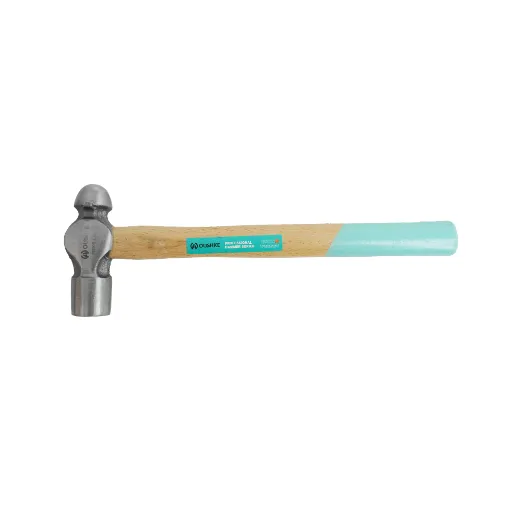
A sledgehammer is a heavy striking tool built for force. It pairs a large steel head, usually between 2 and 20 pounds, with a long handle made of wood, fiberglass, or steel. The design lets the user swing with both hands to break concrete, drive stakes, split material, or shape metal.
The tool has three main parts:
- Head: Forged steel on most models. Soft-face versions use rubber or polyurethane to avoid marring finished surfaces.
- Handle: Hickory, fiberglass, or steel. Each material changes weight, grip, and shock absorption.
- Grip: A textured or rubberized section that improves control and reduces slipping.
Understanding these parts helps you match the tool to the job instead of buying on weight alone.
Sledgehammer Sizes and Weights at a Glance
Head weight is the first decision most buyers make. Use this table as a fast reference when selecting sizes for your crew or your catalog.
| Head Weight | Typical Handle Length | Best For | Skill Level |
|---|---|---|---|
| 2–4 lb | 10–16 in. | Precision work, light demo, tile, small stakes, tight spaces | Beginner |
| 6–8 lb | 14–28 in. | General demolition, fence posts, brick, splitting with a wedge | Beginner to pro |
| 10–12 lb | 24–36 in. | Breaking concrete, removing walls, driving large stakes | Intermediate to pro |
| 14–20 lb | 30–36 in. | Thick slabs, stone, foundations, rebar, heavy industrial work | Professional |
Quick recommendation: If you only buy one sledge, choose an 8- to 10-pound model with a fiberglass handle. It covers the widest range of jobs without exhausting the user. Step up to 12 to 20 pounds only for serious concrete and foundation work.
Types of Sledgehammers and Their Uses
Not every sledgehammer is built for the same task. The table below compares the main types of buyers ask for.
| Type | Weight Range | Handle Material | Best For | Key Feature |
|---|---|---|---|---|
| Standard | 8–16 lb | Wood or fiberglass | General demolition and construction | Balanced power and control |
| Mini / drilling | 2–4 lb | Wood or fiberglass | Precision work, chisels, tile | One-handed control |
| Heavy-duty | 14–20+ lb | Fiberglass or steel | Thick concrete, stone, rebar | Maximum striking force |
| Dead-blow | 2–4 lb | Fiberglass or steel | Controlled strikes, machinery | Reduced rebound |
| Soft-face | 1–4 lb | Wood or fiberglass | Finished surfaces, assembly | Non-marring face |
| Splitting maul | 6–8 lb | Wood or fiberglass | Splitting logs and wood | Wedge-shaped head |
For most distributors, the standard and heavy-duty models drive the majority of volume. Dead-blow and soft-face variants serve niche industrial buyers who need controlled or non-marring strikes.
Dead-blow sledges contain loose steel shot inside the head. The shot absorbs the rebound, so the tool does not bounce back after impact. This makes them useful for seating parts, working on machinery, and any task where a bouncing head would slow the job or risk damage. Soft-face sledges use replaceable rubber or polyurethane caps. They protect finished surfaces during assembly, alignment, and light forming work.
How to Choose the Right Sledgehammer Weight and Handle
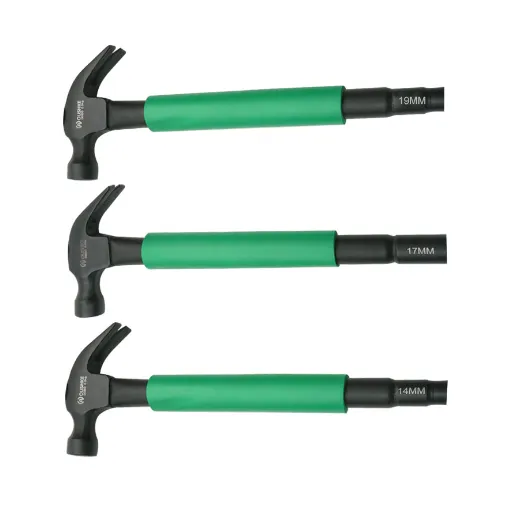
Weight and handle choice decide how the tool feels after an hour of work. Use these criteria to match the tool to the application.
Match Head Weight to the Material
- Light materials (tile, small stakes, chisels): 2–4 lb gives control without over-striking.
- General demolition and framing: 8–12 lb balances speed and accuracy.
- Concrete, stone, and foundations: 12–20 lb delivers the force these materials demand.
A heavier head hits harder but tires the user faster. Lighter heads trade force for precision and longer working time.
Choose the Right Handle Material
| Handle Material | Pros | Cons | Best For |
|---|---|---|---|
| Hickory (wood) | Classic feel, good shock absorption, easy to replace | Can split, needs care, absorbs moisture | Traditional users, light to mid work |
| Fiberglass | Weather-resistant, strong, dampens vibration | Harder to replace, costs more | Professional crews, daily use |
| Steel | Nearly unbreakable, long service life | Heavy, transfers more vibration | Heavy industrial and mining work |
Fiberglass is the most common choice for professional buyers because it resists weather and reduces vibration. Steel handles suit extreme environments where breakage is the main concern.
Consider Handle Length and Grip
Longer handles add leverage and swing speed, which increases striking force. Shorter handles improve control in tight spaces. A textured, non-slip grip reduces hand fatigue and lowers the chance of the tool slipping during a swing.
Many professional models now include an anti-vibration neck or a cushioned grip. These features absorb part of the shock from each strike, which reduces hand and arm fatigue over a full shift. For crews that break concrete or drive posts all day, anti-vibration design is worth the small added cost because it lowers injury risk and keeps productivity steady.
Best Sledgehammer Uses by Job Type
A sledgehammer earns its place on the jobsite through range. Here are the most common applications and the size that fits each one.
Light Demolition and Precision Work
For tile removal, trim, and small fixtures, a 2 to 4-pound mini sledge gives enough force without damaging nearby surfaces. Pair it with a cold chisel for controlled cuts.
General Demolition and Framing
An 8 to 12-pound model handles drywall, studs, brick, and cinder block. This is the workhorse range for most contractors and the safest single choice for mixed crews.
Breaking Concrete and Stone
For concrete slabs, footings, and stone, use a 12 to 20-pound sledgehammer with a long handle. Let the weight of the head do the work. Lift smoothly, swing in a controlled arc, and strike the same line repeatedly to crack the material instead of bouncing off it.
For thick reinforced concrete, a sledge is often a starter tool rather than the main one. Many crews score and crack with the sledge, then switch to a powered breaker for volume work. If your customers also use powered equipment, our power tools range covers demolition breakers and rotary hammers.
Driving Stakes, Posts, and Rebar
A 6 to 12 pound sledge drives fence posts, ground stakes, and rebar efficiently. Use a striking face that matches the stake material to avoid mushrooming steel or splitting wood posts.
Metalwork and Shaping
Blacksmiths and fabricators use smaller sledges to shape hot metal on an anvil. Dead-blow and soft-face models help control rebound and protect finished surfaces.
Sledgehammer Safety Tips
Striking tools cause injuries when users skip basic precautions. Share these rules with your crew or customers, and review our full hand tool safety guide for a complete checklist.
- Wear eye protection and gloves. Chips of concrete, stone, and steel travel fast.
- Inspect before every use. Check for a loose head, cracked handle, or mushroomed striking face.
- Never strike hardened steel against hardened steel. The impact can chip off razor-sharp fragments. Strike only intended materials.
- Use proper body mechanics. Bend at the knees, keep a stable stance, and let the head fall through the target.
- Clear the swing zone. Make sure no one stands within the arc of the swing.
- Match weight to the worker. A head that is too heavy raises fatigue and injury risk over a full shift.
Sledgehammer Maintenance and Care
A well-maintained sledgehammer lasts years and stays safe to use. Build these habits into your routine.
- Clean after use. Wipe off dust, moisture, and debris. Dry the head to prevent rust.
- Inspect the head and handle. Tighten or replace a loose head. Replace cracked or splintered handles before the next job.
- Protect the striking face. Avoid striking hardened steel. Dress a mushroomed face with a file or grinder.
- Control rust. Apply a light coat of oil to the head during storage.
- Store dry and secure. Hang the tool or store it head-down in a dry area away from moisture and traffic.
For B2B buyers, consistent quality at the factory level reduces the maintenance burden on your customers. Tight head-to-handle fit and proper heat treatment are the two details that separate a reliable sledge from one that fails early.
Sourcing Sledgehammers for Your Business
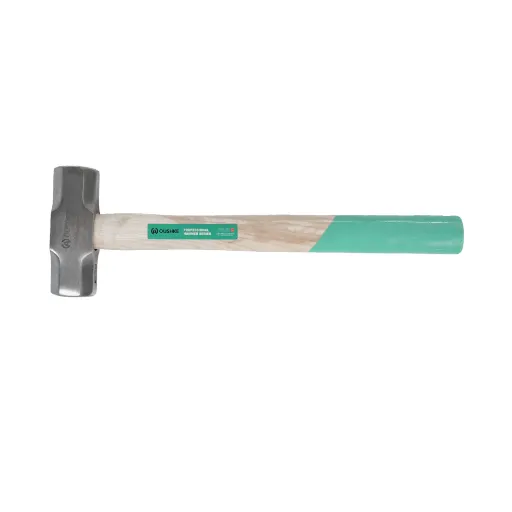
If you distribute, retail, or brand hand tools, sourcing from a dependable manufacturer protects your margins and your reputation. At Shanghai Oushike Hardware Tools Co., Ltd., we supply sledges and other hand tools with support built for B2B buyers:
- Factory-direct pricing that keeps your costs competitive
- OEM and ODM services for private-label tool lines
- Custom branding and packaging to strengthen your market identity
- Flexible MOQs so you can test products before scaling
- Multi-stage quality control covering head hardness, handle fit, and finish
- Export experience with documentation and logistics support
When evaluating a supplier, ask for head hardness specifications, handle pull-out test results, and sample units before placing a volume order. A reliable factory will provide inspection reports and support your branding requirements from sample to shipment.
A few checkpoints help you compare suppliers on more than price. Confirm the head steel grade and heat-treatment range, since soft heads mushroom early and over-hard heads can chip. Check the head-to-handle fit method, because a poor fit is the most common reason sledges fail in the field. Review packaging options for retail display or bulk shipment, and confirm lead times for repeat orders. Starting with a small sample order lets you test fit, finish, and durability before you commit to a full container.
Sledgehammer FAQs
What size sledgehammer is best for general use?
An 8 to 10-pound sledgehammer with a fiberglass handle is the best all-round choice. It handles general demolition, stakes, and light concrete without tiring the user too quickly.
What weight sledgehammer do I need to break concrete?
Use a 12 to 20-pound sledgehammer for concrete. Thicker or reinforced slabs may also need a powered breaker for volume work, with the sledgehammer used to score and crack first.
Is a fiberglass or wood handle better for a sledgehammer?
Fiberglass handles resist weather, absorb vibration, and last longer under daily use, so they suit professional crews. Wood handles cost less and feel traditional, but they can split and need more care.
Can you use a sledgehammer to drive stakes?
Yes. A 6 to 12-pound sledgehammer drives stakes, posts, and rebar effectively. Match the striking face to the stake material to avoid damaging the post or the tool.
What is the difference between a sledgehammer and a splitting maul?
A sledgehammer has a flat, double-faced head for striking and demolition. A splitting maul has a wedge-shaped head designed to split wood along the grain. Use a maul for logs and a sledge for breaking and driving.
How do I stop my sledgehammer handle from breaking?
Choose a quality handle material, avoid overstriking, and never use the tool to pry. Inspect the handle regularly and replace it at the first sign of cracks or splinters.
Conclusion: Choose the Right Sledgehammer for the Job
The best sledgehammer is the one matched to the material, the task, and the worker. Light 2 to 4-pound models handle precision work. The 8- to 12-pound range covers most demolition and framing. Heavy 14 to 20-pound sledges break concrete and stone. Pair the right head weight with a fiberglass or steel handle, follow basic safety rules, and maintain the tool between jobs.
For B2B buyers, a curated sledgehammer line that covers light, standard, and heavy-duty sizes serves contractors, builders, and DIY customers with fewer gaps. If you need a reliable manufacturing partner for sledges and other hand tools, contact Shanghai Oushike Hardware Tools Co., Ltd. to discuss factory-direct pricing, OEM customization, and flexible order quantities.