

How to Choose Hand Tools for Your Industry: Professional Selection Guide
Selecting the appropriate hand tools for your sector is a vital move to guarantee efficiency, safety and accuracy in your operations. If you are working in construction, manufacturing, automotive repair or any other hands-on field investing in the right tools will not only increase your productivity but also provide you with professional-grade results. Nevertheless, the current market’s wide range of tools can impressively confuse one to the point of not knowing what best fits one’s needs. So this guide is created to enable that process, leading you through major factors to consider, typical mistakes to avoid and how to customize your selection according to your industry. Eventually, you will have the knowledge to make informed and confident choices that are in line with your professional requirements.
Understanding Hand Tools
What are Hand Tools?
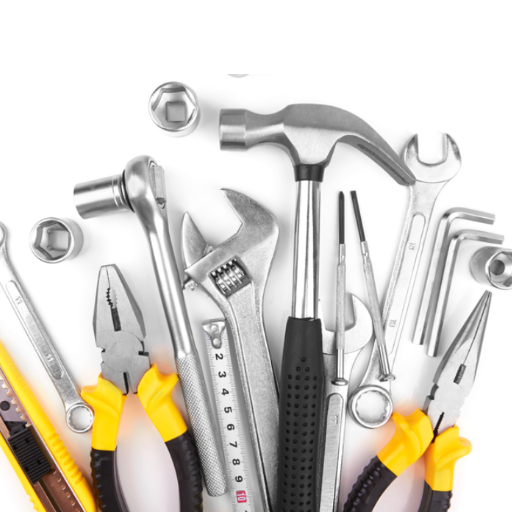
Hand tools are devices that are operated by hand and that can cut, shape, assemble, or repair materials. They are opposite to power tools because they are less dependent on human labor and require more precision, thus they are versatile and indispensable for those sundry jobs that need a great deal of control and care. The most usual examples are hammers, screwdrivers, wrenches, pliers, and saws, which, like any tool, are designed for their specific uses and can be found in many different fields and applications.
Types of Hand Tools
Different kinds of hand tools can be grouped together according to their specific functions and usages. The most popular types of hand tools searched for are:
Cutting Tools
These tools are for cutting or shaping materials. Some of the most common examples are hand saws, utility knives, and scissors.
Fastening Tools
The family of this category includes the screwdrivers, wrenches, and pliers. They are the ones to do the difficult task of holding, loosening, or tightening materials together.
Measuring Tools
Accurate tools like tape measures, calipers, and levels are necessary for the correct positioning in both professional and DIY tasks.
Striking Tools
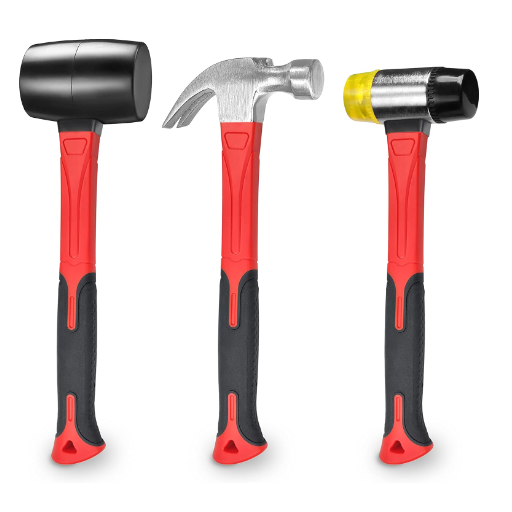
Hammers and mallets are the most popular striking tools that can be used for such purposes as nailing, breaking materials, or reshaping with controlled force.
Gripping Tools
Pliers and clamps grip, bending, or holding materials with their springs or jaws.
These classifications indicate not only the versatility but also the importance of hand tools in the economy of labor from construction and repair to crafting and precision work. Each tool has its own function, merging human labor with practical design to realize the hoped-for outcome.
Benefits of Using Hand Tools
There is a lot of good that can be got from hand tools, making them absolutely necessary in all domains and even in home uses. The first and absolutely most important point is that they give the precision and the control that are so crucial for the fine arts of crafting or delicate repairs, which they are specifically for. Also, hand tools are indeed the slow-mover kind of tools so that you can always be in control of the cutting process and of course no permanent mistakes can be made. They are not very big, though and can be used almost anywhere, even sometimes in places that are hard to reach, because they do not require power from the mains or batteries.
From the point of view of environmental issues, hand tools are the most eco-friendly because they are the most energy-consuming tools, which solely depend on their human users, thus helping to cut down a little on non-renewable energy sources. Furthermore, they are usually more rugged and cheaper in the long run because they are not composed of many small parts that can easily wear out or break and therefore need replacement.
Lastly, hand tools usually bring about the development of skills and stimulate creativity. The feedback they give allows one to feel almost naturally involved with the task, and one pretty much in control of it; thus, he can try out his new found abilities, keep on learning new techniques and even more so if he does not resort to automation at all. All these positive aspects amplify the point that hand tools are still very much in use even in today’s world which is fast-paced and driven by technology.
Factors to Consider When Choosing the Right Hand Tool
Key Factors Checklist
- ✓ Durability and Quality of Materials
- ✓ Ergonomics and Comfort Features
- ✓ Tool Use and Application Specifics
Durability and Quality
If you are evaluating hand tools in terms of durability and quality, the most important things to look at are the materials and craftsmanship. The most durable tools are those made from high-end materials like hardened steel or alloy blends that guarantee long life and good performance despite the hardest working conditions. The method of construction, such as the use of solid joints and ergonomic designs, is an additional factor that contributes to the tool’s reliability and user comfort. Going for brands that have been around for a while or tools that come with strong guarantees can also be a way to ensure durability and to get long-term value. Giving priority to these factors is a sure way of having a tool that performs well and lasts through being used many times over.
Ergonomics and Comfort
In the case of ergonomics and comfort, the factors that have to be considered are like the handle design, weight distribution of the tool, and overall usability. Tools that have good-shaped grips that are non-slip lessen the hand fatigue and also provide a good holding during long usage. Good weight balance makes the tool feel stable and easy to control thus reducing the risk of getting tired. Further, if the tool has features like a parts which can be adjusted or materials that absorb shocks the comfort will be improved even more and the tool will be more user-friendly for long tasks.
Tool Use and Application
The design of the tool’s handle should give priority to ergonomics, thus it should be well-shaped and also have a non-slip grip so that the strain is less and the control over the tool is more. The tool’s weight should be distributed in a way that the operation feels stable and easy to do without tiring out the user. Features that can be adjusted and materials that absorb shocks can make the tool even more comfortable and usable in tasks that require long usage. All these factors taken together guarantee that the tool is both practical and effective for the intended application.
Selecting Non-Powered Hand Tools

Common Non-Powered Hand Tools
Non-powered hand tools are indispensable for various activities and consist of hammers, screwdrivers, wrenches, pliers, and chisels. These tools are operated by hand, and they provide skilled control and flexibility in different tasks. The choice of the right tool is mostly dictated by the application, for instance, hammers are perfect for nailing while wrenches are for tightening and loosening bolts and nuts. Also, it is very important to take ergonomics and sustainability factors into account like comfort, long-lasting and quality materials, what is more, this would lead to safety and efficiency during use. Furthermore, proper maintenance such as cleaning and storing on a regular basis, would also prolong the life of these tools and make them the most desirable assets in the tool kit.
Choosing the Right Non-Powered Tool
Choosing the right non-powered tool has to do mainly with the tool matching the specific task to be performed in order to yield and ensure maximum effectiveness and safety. The ergonomic design should be taken into consideration to guarantee comfort during the whole process of use, particularly when the task is one that takes a long time to finish. Durability and material quality are other concerns that need to be addressed, as they will determine the performance and the life of the tool. Besides all that, cleaning, proper storage and inspecting for wear and tear will be among the maintenance routines that will significantly increase the lifespan of the tool, thereby keeping it as a reliable part of your toolkit.
💡 Maintenance Tips for Non-Powered Hand Tools
If we are to rely on the most recent information, then proper maintenance of non-powered hand tools revolves around three main principles:
- Cleaning: Cleaning tools after every use reduces the amount of dirt, rust, and debris build-up and therefore, helping to maintain their working conditions while at the same time lowering their wear and tear. For instance, if a cloth is used to wipe the tools after which a thin layer of oil is applied, it would be possible to inhibit rusting, especially for the steel parts.
- Proper Storage: Research has shown that storing properly in an organized way in a clean, dry, and moisture-free place can reduce damage by a great percentage. The use of toolboxes, pegboards, and wall-mounted organizers are some of the popular ways of keeping tools safe and at the same time making them easy to access.
- Regular Inspections: Users are putting regular inspections for detecting cracks, dulling edges, or wear on handles among their highest priorities. The process of early detection of problems through routine checks allows repairs or replacements to be done on time thus avoiding workflow disruption and maintaining safety.
Combining these practices with the most recent trends in using protective coatings and rust-resistant designs would not only prolong the lifetime of hand tools but also their reliability.
Choosing Specialized Tools for Your Project
When to Require Specialized Tools
When a project is characterized by particular or complicated tasks that cannot be performed effectively with general-purpose tools, specialized tools become necessary. Such tools are tailored for every single application and, as a result, they are very precise, efficient, and most importantly, safe. For example, high accuracy projects like machining and electrical work get the most benefit from these kinds of specialized tools. Moreover, the use of specialized tools not only keeps materials intact but also minimizes the risk of mistakes, which would otherwise consume time and resources. Therefore, it is very vital to evaluate the complexity and needs of your project in order to find out whether specialized tools are required or not.
Examples of Specialized Hand Tools
These illustrations demonstrate the variety of specialized hand tools in the market today, proving that while they might be different, they all have one thing in common – serving the particular needs of different professions and projects. The right tool not only makes the working process quicker but also significantly improves the quality of the final product.
Benefits of Using Specialized Tools
The main thing about using specialized tools is that it come with multiple advantages, which are the very reasons for their constant usage in different industry sectors and professions. Such tools are expertly engineered to work on very specific tasks, but with utmost precision and efficiency, thus cutting down the time and effort required for completion of very complex projects.
For instance, that shows people’s queries about “precision tools for woodworking” are increasing indicating the growing need for high precision in craftsmanship. When professionals use the right tools for the right jobs like jeweler’s pliers for intricate repairs or torque wrenches for automotive work, etc., they can produce superior results with little or no mistakes.
Moreover, the specialized tools are often the ones that contribute to safety since they decrease the chance of accidents that may arise from either fumbling or using the wrong kind of instrument for the given task. The triple blessing of better results, saved time, and safety makes the specialized tools a very smart choice indeed for both personal and professional environments.
Safety and Maintenance of Hand Tools

Importance of Safety in Tool Use
Working with hand tools safely is a must if one wants to avoid accidents and complete the work done in the proper way. Adhering to the correct safety standards involves choosing the right tool for the job, looking for tool defects before using them, and having a firm grip while operating the tool. Wearing the right safety gear like gloves or goggles can be very helpful in facing hazards. Moreover, one asset of keeping tools clean and putting them in their rightful place is that the chance of accidents is reduced and the tools last longer. Thus, if safety is made a priority, then the workers will be able to perform their duties without fear of getting hurt, and at the same time, they will be more efficient.
⚠️ Regular Maintenance Tips
In order for tools to be safe for use and still in the best shape, regular maintenance has to be done. First of all, a thorough cleaning of the tools should be done after each use so that there will not be any dirt, debris, or rust left on them. For example, wiping the metal parts with a cloth that has been lightly oiled will help.
- On a regular basis, inspect for any signs of wear and tear like loose screws or dull edges, and take care of them immediately to keep the tools functional
- Sharpening cutting tools, lubricating moving parts, and replacing worn-out components can all lead to the tools having a longer life and better performance
- The latest news says that regular maintenance not only boosts efficiency but also diminishes the risk of accidents, as a considerable percentage of workplace injuries is due to faulty equipment
- Make sure that tools are always stored in a dry, neat and organized place to avoid damage and to allow easy access
An active maintenance practice sells time and money and at the same time it is a safe and effective tool for usage.
Storage and Care for Hand Tools
The way hand tools are stored and taken care of have a great impact on how long and how well they will perform. To prevent rust or damage over time, the tool should be cleaned after each use to remove dirt and debris, which can and will cause it. Store tools in an area that is dry, well-ventilated so that there would be no moisture buildup and thus no corrosion. Using designated organizers like toolboxes or pegboards can not only keep the tools neatly arranged but also make them very accessible. Commonly check the tools for any signs of wear or damage, and if so repair or replace them as necessary so that safety and efficiency are not compromised. Following these practices will not only help you to conserve the life of your tools but will also keep the risks at bay.
📚 References
-
A Guide to Selecting Non-Powered Hand Tools (University of Vermont) – Published by the CDC, this guide provides ergonomic recommendations for selecting non-powered hand tools.
-
Hand Tools and Grips (UC Davis) – Offers guidelines for selecting hand tools that ensure proper ergonomics and safety.
-
Hand Tool Use and Selection Principles (Whitman College) – Discusses principles for selecting and using hand tools to minimize stress and injury.
Frequently Asked Questions (FAQ)
determining factor: How can I build a hand tool collection that meets my current needs without overspending?
Firstly, you have to draw up a hand tool guide checklist of the most basic items and get a good set that includes those basic hand tools—screwdrivers, pliers, adjustable wrench, hammer, tape measure and a level—and then as you go along add specialty tools with the demand of the projects. Instead of quantity, emphasize on quality: buying the right, quality tools for frequently used items will not only reduce long-term replacement costs but will also increase safety and performance. Take into account ergonomics, safety features and whether a tool chest or well-organized storage will help you in proper care maintenance and thus prolong the lifespan of your tools. Check the top hand tool brands, compare their warranties, and avoid the pitfalls of low-quality hand tools that wear out fast and eventually cost more in the long run. New terms you may use: purchasing hand tools, essential for selecting tools
extremely important to: Are branded tools worth the extra cost when selecting tools?
Reputable hand tool brands along with top hand tool brands are usually the ones that do invest in the best materials, the most advanced manufacturing, and the best warranty support, which makes it wise for heavy-duty users to buy hand tools from these sources. It is hard to resist the allure of cheaper alternatives, however, selecting low-quality hand tools can translate to getting a more expensive option in the long run due to breakage, poor performance and safety issues. If the use is sporadic, it is okay to have a basic but good quality set of tools that are limited to those you need; if the use will be regular then it is a must to acquire the right, high-quality hand tools since they would be the most reliable for that purpose. Consider, where appropriate, materials like chrome vanadium and wooden handles, review tool ergonomics and safety features before making a purchase. New terms you may use: tool chest, guide to selecting, comfortable hand tools.
How do I choose the right hand tool set for general DIY projects?
First of all, it is very important to recognize properly the tools required for your everyday projects and then you can select the right hand tool set that consists all the basic tools such as screwdrivers, pliers, hammer, adjustable wrench, measuring tools; a right hand tool set that meets your needs at the moment will save you both money and time. Always strive for the best hand tools made of high-quality materials like chrome vanadium tools because they are the best choice in terms of performance and durability. Be sure to include ergonomics and non-slip handles so that physically comfortable hand tools lessen the strain on your hand during the longer tasks. Truly, the right investment on hand tools from reputed hand tool brands recognized for quality tools is often more profitable than the low-quality hand tools choice. In addition, always consider ergonomics along with safety features and eventually have them all kept in a tool chest for proper care and storage to expand their life.
What tool ergonomics should a DIY fan take into consideration?
Ergonomic handles and comfortable hand tools are very important for reducing the burden on your hand and for avoiding the case of repetitive injury while working with hand tools. Look for non-slip handles, weight that is balanced, and grip shapes that are suitable for the size of your hand; the tools that have been designed with the considerations of ergonomics taken care of, will not only make your tasks easier but also safer. The ergonomics of tools are also connected to the working environment—you should pick the tools that not only will perform well under your normal conditions but that will also be equipped with the necessary safety features, such as insulated or guarded parts, if this is applicable. Very often, high-quality hand tools come with ergonomic designs as well as high-quality materials that contribute to comfort and better performance.
How do safety features and risk of injuries influence my choosing the best tools?
The most important thing is to give priority to safety features because less safe tools not only increase the risk of injuries but can also cost you time and medical bills in the end. Always prefer tools that have guards, insulated handles, and non-slip grips for jobs involving saws and knives or electrical work, and as a basic safety tip, always wearing safety equipment is recommended. Think about the ergonomics of the tool and whether it lessens the strain on your hand because when you are less fatigued the chances of making wrong decisions that lead to injury are also reduced. Often it happens that choosing high-quality hand tools from the top reputable hand tool brands means getting better safety features and less likely-to-fail materials. New terms you may use: hand tool guide, difficult to select the right, safety features.