
Diagonal Cutters: Types, Uses & How to Choose the Right One
Diagonal cutters are among the most widely used hand tools in electrical work, mechanical repair, and precision assembly. Their angled cutting edges make clean, close cuts on wire, small pins, and thin metal parts, which is why electricians, technicians, and DIY users keep them within easy reach.
With several types available, choosing the right pair comes down to the material you cut, the space you work in, and how much cutting force you need. This guide explains how diagonal cutters work, compares the main types, and shows what to look for when buying a pair for professional or personal use.
Understanding Diagonal Cutters
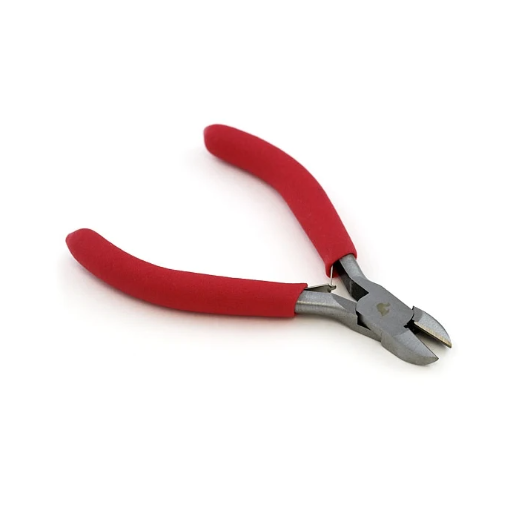
What Is a Diagonal Cutter?
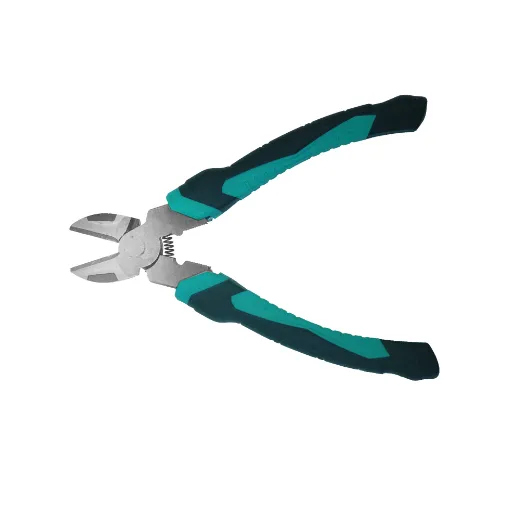
A diagonal cutter is a hand-operated cutting tool also called a diagonal cutting plier, wire cutter, or side cutter. It cuts wires, small pins, and thin materials by bringing two angled blades together past each other, like scissors. The cutting edge sits at an angle to the handles, which lets the tool make a flush or near-flush cut close to a surface.
Unlike straight-bladed cutters, diagonal cutters leave a small bevel on the cut end. This design gives them strong cutting force for their size and makes them useful in electrical work, jewelry making, electronics assembly, and general repair tasks. Most professional-grade diagonal cutters use hardened steel blades and ergonomic handles to reduce hand fatigue during repeated use.
Diagonal Cutters Classification
Standard Diagonal Cutters
Standard diagonal cutters handle general cutting tasks such as trimming copper wire, small fasteners, and light-gauge metal. They are compact, easy to control, and suitable for everyday electrical and DIY work. Their sharp, angled jaws produce clean cuts on soft materials, though they are not built for heavy steel or large-diameter cable.
Heavy-Duty Diagonal Cutters
Heavy-duty models have reinforced jaws, stronger pivots, and longer handles to generate more force. They cut thicker wire, nails, and tougher materials that would damage standard cutters. These are common on construction sites, in automotive shops, and in industrial maintenance settings.
Mini Diagonal Cutters
Mini diagonal cutters are small, precision tools for delicate work. Electronics technicians and jewelers use them to trim component leads, fine wire, and small metal parts in tight spaces. Their short jaws give the user more control but less use than full-size models.
Angled Diagonal Cutters
Angled diagonal cutters have jaws set at an angle to the handles. This shape helps reach into confined areas where straight jaws cannot fit, such as behind panels or inside enclosures. They are popular in automotive electrical work and machinery repair.
Insulated Diagonal Cutters
Insulated diagonal cutters have handles covered with non-conductive material rated for electrical work. Electricians use them when there is a risk of contact with live circuits. Always check the voltage rating stamped on the tool before using it on energized wiring.
High-Leverage Diagonal Cutters
High-leverage models move the pivot point closer to the cutting edge. This geometry multiplies hand force, making it easier to cut through hard or thick material with less effort. They often include comfortable grips and precision-ground jaws for clean results.
Choosing the right plier type affects both safety and productivity. For a broader look at plier designs, see our guide on the different types of pliers and their uses.
Types of Diagonal Cutters in Detail
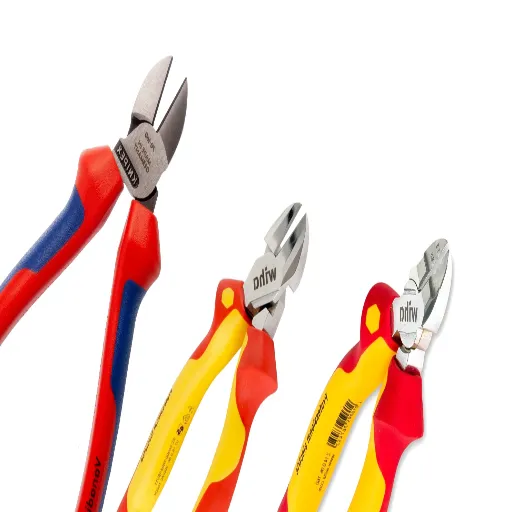
Standard Diagonal Cutters
Standard diagonal cutters are the go-to choice for light-duty cutting. They work well on soft copper wire, plastic cable ties, small nails, and thin sheet metal. Their light weight and compact size make them easy to carry in a tool pouch or pocket. Because they cost less than heavy-duty or high-leverage models, many professionals keep a standard pair for routine tasks and reserve stronger cutters for demanding work.
High-leverage Diagonal Cutter Pliers
High-leverage diagonal cutter pliers are built for tough cutting jobs. Longer handles and a pivot placed close to the jaws increase mechanical advantage, so the user can cut thicker steel wire, screws, and nails with less hand force. The robust construction also extends tool life under daily use. These pliers suit electricians, mechanics, and tradespeople who regularly cut hard materials.
Angled Diagonal Cutters
Angled diagonal cutters solve access problems. The offset jaws let the user cut at an angle or reach around obstacles while keeping the handles clear. This is useful when a flush cut is needed in a corner, behind a harness, or inside an electrical box. Like standard cutters, angled versions come in several sizes and jaw angles, typically 45 or 90 degrees.
Uses of Diagonal Cutters
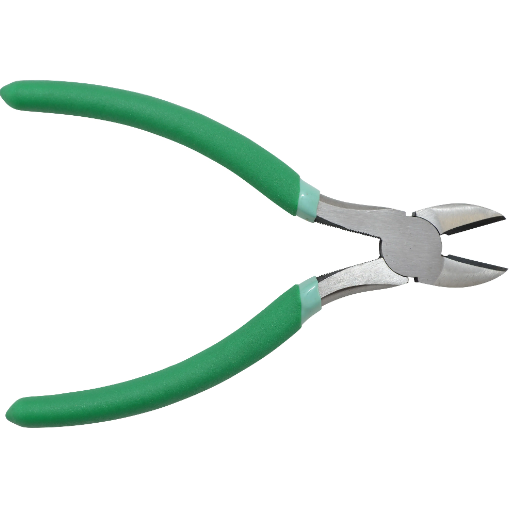
Applications in Electronics
In electronics, diagonal cutters trim excess component leads, cut thin wire, and remove cable ties without damaging nearby parts. The sharp, pointed jaws reach into dense circuit boards where larger tools cannot.
Mechanical and Repair Work
Mechanics and repair technicians use diagonal cutters to cut wire, remove cotter pins, trim zip ties, and snip small fasteners. A durable, heat-treated pair withstands the rough conditions of a workshop or jobsite. When cutting harder materials, use high-leverage or heavy-duty models to avoid damaging the jaws.
Precision Cutting of Wires
Precision wire cutting demands a tool that leaves a clean end without flattening or fraying the conductor. Diagonal cutters with fine, sharp jaws make this possible on copper and aluminum wire. For very fine work, such as model building or jewelry making, a small cutter with a spring-return handle improves control and reduces hand strain.
How to Use Diagonal Cutters Properly
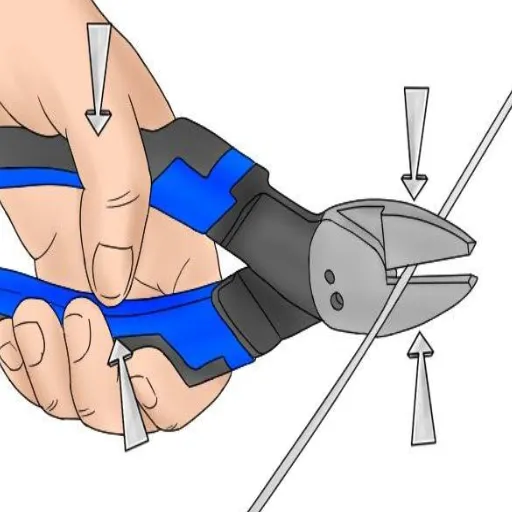
Using diagonal cutters correctly improves cut quality, extends tool life, and reduces the risk of injury. Follow these steps for safe, effective cutting:
- Choose the right cutter for the material. Match the cutter to the wire gauge and hardness. Do not use standard cutters on hardened steel or large cable.
- Position the wire deep in the jaws. Place the material as close to the pivot as possible. This gives the greatest cutting force and the cleanest cut.
- Keep the cutting angle correct. Approach the wire at a straight or slightly angled position. Avoid twisting the tool while cutting, which can chip the blades.
- Apply steady pressure. Squeeze the handles smoothly rather than forcing them with a jerk. Sudden force can cause the jaws to slip or the wire to fly.
- Protect your eyes and hands. Wear safety glasses, especially when cutting small pieces that may become projectiles. Use insulated cutters only for their rated voltage when working near live circuits.
- Release and inspect the cut. Check that the wire end is clean and that no burr remains that could cause a poor connection or sharp edge.
Diagonal Cutters vs. Other Cutting Tools
Many buyers wonder whether they need diagonal cutters, side cutters, flush cutters, or lineman’s pliers. The table below compares the most common options.
| Tool | Best For | Cut Type | Typical Use |
|---|---|---|---|
| Diagonal cutters | General wire, small fasteners, cable ties | Angled, near-flush | Electrical, mechanical, DIY |
| Side cutters | Heavier wire and nails | Angled, more forceful | Construction, automotive |
| Flush cutters | Component leads, fine wire | Flat, clean cut | Electronics, jewelry |
| Lineman’s pliers | Gripping, cutting, twisting | Heavy cutting near pivot | Electrical utility work |
| Cable cutters | Thick copper or aluminum cable | Clean, large-diameter cut | Electrical installation |
If you cut cable regularly, a dedicated cable cutter will give better results and less hand strain than a diagonal cutter pushed beyond its capacity.
Selecting the Right Diagonal Cutter
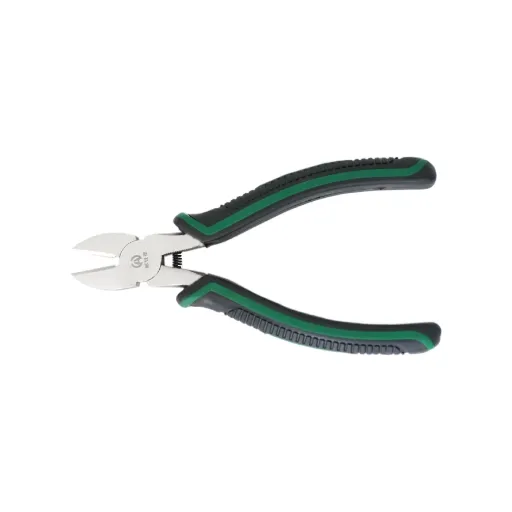
Factors to Consider: Material and Design
The material and design of a diagonal cutter determine how long it lasts and how well it performs. Look for these features:
- Blade material: Hardened chrome-vanadium or high-carbon steel holds an edge longer and resists chipping.
- Heat treatment: Proper heat treatment keeps the blades hard at the cutting edge while maintaining toughness in the body.
- Pivot design: A well-fitted pivot with a rivet or screw allows smooth action without wobble.
- Handle comfort: Soft-grip or dual-material handles reduce fatigue and improve control.
- Weight and balance: A lighter tool is easier to maneuver in tight spaces; a heavier tool often signals more durable construction.
Ergonomics: Handle Grip and Comfort
Ergonomic handles improve comfort and safety during long cutting sessions. Padded or rubberized grips reduce pressure on the palm and fingers, while non-slip surfaces help maintain control in oily or wet conditions. Some handles include spring returns that open the jaws automatically, which is helpful for repetitive work.
Best Diagonal Cutters to Consider
The table below lists common categories and what to look for when sourcing diagonal cutters for a workshop, store, or team.
| Category | Best For | Key Features | Price Range |
|---|---|---|---|
| Standard diagonal cutters | Daily electrical and DIY tasks | Compact, sharp jaws, comfortable grips | 8–8–20 |
| High-leverage diagonal cutters | Thick wire, nails, hard materials | Long handles, reinforced pivot, hardened jaws | 15–15–40 |
| Insulated diagonal cutters | Live electrical work | VDE-rated insulation, tested handles | 20–20–50 |
| Mini diagonal cutters | Electronics, jewelry, fine wire | Small jaws, precision ground, spring-return option | 6–6–18 |
| Angled diagonal cutters | Tight spaces, flush cuts at an angle | Offset jaws, corrosion-resistant finish | 12–12–30 |
For distributors and brand owners, selecting a consistent cutter line with matching finishes, packaging, and labeling helps build a recognizable product range. Oushke supports custom specifications, private labeling, and scalable production for businesses that want to expand their hand tool offerings.
Safety Tips for Using Diagonal Cutters
Safe tool use protects both the worker and the tool. Keep these guidelines in mind:
- Wear eye protection. Small cut pieces can fly toward the face. Safety glasses should be standard whenever you cut wire or metal.
- Use insulated cutters only for their rated voltage. Check the handle markings. If the rating is missing or worn, do not use the tool on live circuits.
- Cut at the correct angle. Keep your hands clear of the cut path and avoid cutting toward yourself or others.
- Do not overload the tool. Cutting material thicker than the jaw rating can chip blades, damage the pivot, or cause the handles to pinch.
- Take breaks during repetitive work. Hand fatigue increases the chance of slips. Switch hands or pause to reduce strain.
- Inspect tools before use. Look for cracked handles, loose pivots, chipped jaws, or rust. Replace damaged cutters rather than repairing them in the field.
Maintenance and Care for Diagonal Cutters
Cleaning and Sharpening Cutting Edges
Regular cleaning keeps diagonal cutters cutting cleanly. After each use, wipe the jaws with a clean, dry cloth to remove dust, oil, and metal particles. For stubborn residue, use a soft brush and mild soap solution, then dry the tool completely to prevent rust.
Sharpen only when the cutter begins to crush rather than cut. Use a fine file or sharpening stone at the original bevel angle, applying light pressure. Avoid aggressive grinding, which can overheat the blade and remove the temper. If the jaws are badly nicked or the pivot is loose, replacement is usually safer and more cost-effective than repair.
Storage Tips for Longevity
Store cutters in a dry, cool place away from direct sunlight. Moisture causes rust, while heat and UV light degrade plastic or rubber grips over time. Use a tool roll, pegboard, or storage bin to keep cutters off the ground and organized. Adding silica gel packets to tool boxes helps control humidity. Always remove batteries from nearby power tools before storage.
Signs of Wear and When to Replace
Watch for these signs that a diagonal cutter has reached the end of its service life:
- Visible rust, cracks, or chips in the jaws or handles
- Dull blades that crush wire instead of cutting it
- Loose pivot or misaligned jaws
- Damaged insulation on electrical models
- Unusual vibrations or noises during use
When repair costs approach the price of a new tool, or when safety is at risk, replace the cutter. Keeping worn tools in service leads to poor results and increases the chance of injury.
Frequently Asked Questions (FAQ)
What are diagonal cutters used for?
Diagonal cutters are hand tools used to cut wire, small pins, cable ties, and thin metal parts. Their angled jaws make close, clean cuts, which makes them useful in electrical work, electronics, jewelry making, and mechanical repair.
What is the difference between diagonal cutters and side cutters?
The terms are often used interchangeably, but side cutters sometimes describe heavier-duty tools with broader jaws built for construction or demolition. Diagonal cutters usually refer to precision cutting pliers for wire and small fasteners. For electronics work, a flush cutter is the better choice because it leaves a flat cut.
Can diagonal cutters cut hardened steel?
Standard diagonal cutters are not designed for hardened steel. Cutting hardened wire, nails, or screws with the wrong tool can chip or deform the jaws. Use high-leverage or heavy-duty cutters rated for the material instead.
How do I choose a cutter set for mechanics and electricians?
A good set includes a small flush cutter for electronics, a standard diagonal cutter for general wire, and a heavy-duty or high-leverage model for tougher material. Electricians should also include an insulated diagonal cutter rated for the voltages they work on.
How often should diagonal cutters be sharpened?
Sharpen diagonal cutters only when they no longer cut cleanly. For professionals who use them daily, this may mean every few months. Occasional users may only need to sharpen once a year. Regular cleaning and proper storage reduce how often sharpening is needed.
Conclusion
Diagonal cutters are a practical, versatile tool for anyone who works with wire, electronics, or small metal parts. Choosing the right type, using it correctly, and maintaining it well will give you cleaner cuts, safer work, and longer tool life.
If you are sourcing diagonal cutters for resale, a private-label line, or a procurement team, focus on blade material, handle comfort, and the right type for each application. For factory-direct diagonal cutters and custom hand tool solutions, contact Oushke to discuss specifications, packaging, and scalable production options.
References
- General Guidelines for Selecting Cutting Tool Materials
ASM International - Hand and Power Tools Safety Guide
OSHA